
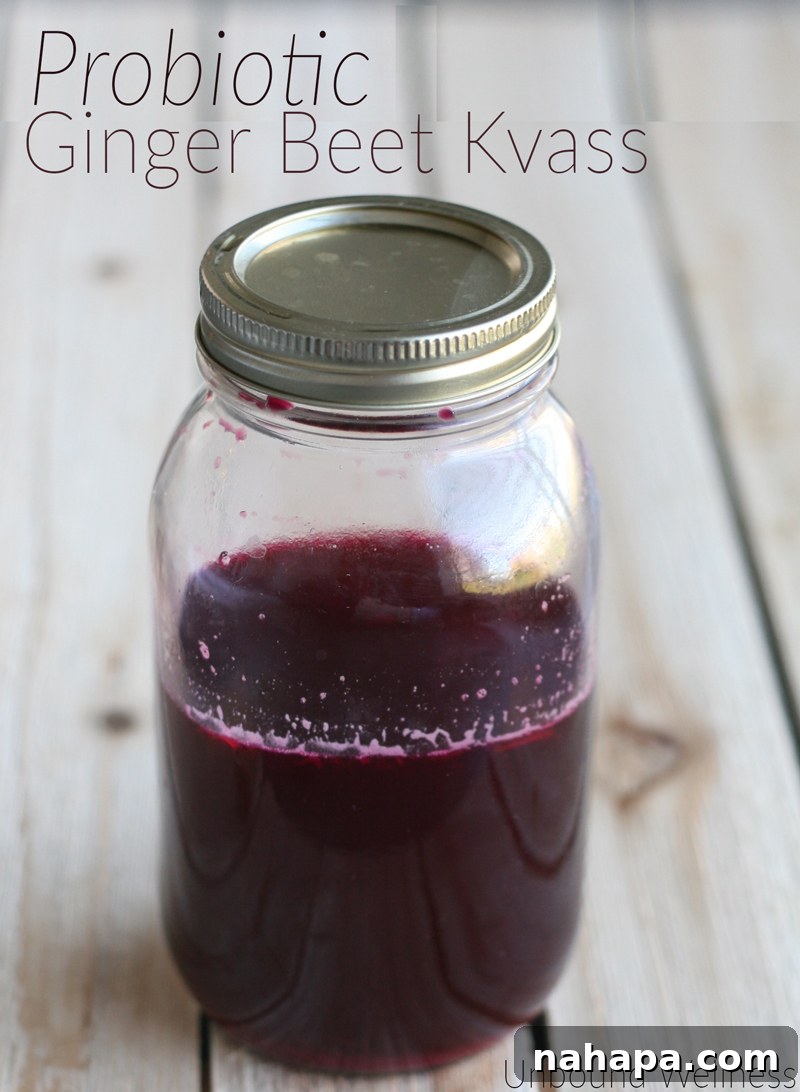
In the vibrant world of health and wellness, fermented foods and beverages have truly taken center stage. Among the rising stars, kombucha often steals the spotlight, gracing grocery store shelves and inspiring countless homebrewers. While kombucha certainly has its merits, there’s another, often overlooked, fermented elixir that deserves equal, if not more, attention: ginger beet kvass. This traditional tonic is not only remarkably simple and affordable to make at home but also boasts an impressive array of health benefits that might even surpass its more popular counterparts. Prepare to discover why ginger beet kvass could become your new favorite probiotic powerhouse, a delicious and potent ally for your digestive and overall well-being.
The Indispensable Role of Fermented Foods in Modern Diets
The buzz surrounding probiotics and fermentation isn’t just a fleeting trend; it’s a re-discovery of ancient wisdom. Long before the advent of refrigeration, cultures across the globe relied on fermentation as a vital method for food preservation. From sauerkraut in Germany to kimchi in Korea, yogurt in the Middle East, and kvass in Eastern Europe, these traditional foods were staples, not just for their extended shelf life, but for the profound health benefits they conferred. They represent a fundamental component of ancestral diets, providing a continuous supply of beneficial microorganisms that are increasingly recognized as essential for human health.
Nourishing Your Inner Ecosystem: The Power of Probiotics and Gut Health
At the core of fermented foods’ benefits lies their rich probiotic content. Probiotics are live microorganisms, primarily bacteria and yeasts, that, when consumed in adequate amounts, provide a health benefit to the host. They play a crucial role in maintaining and replenishing our gut flora, the complex community of trillions of microorganisms residing in our digestive tract, collectively known as the gut microbiome. A balanced and diverse gut microbiome is foundational for proper digestion, robust immune function, nutrient absorption, and even mental clarity and mood stability. An imbalance, or dysbiosis, in this delicate ecosystem has been linked to a myriad of modern ailments, including autoimmune diseases, irritable bowel syndrome, various digestive dysfunctions, allergies, and even neurological and mood disorders.
While we are born with an initial set of gut flora, our ancestors instinctively understood the need to continually replenish and diversify these beneficial microbes through their diet. This ongoing replenishment is critical, especially in our modern world where factors like processed foods, antibiotics, stress, and environmental toxins can significantly deplete our natural gut populations. Many people turn to probiotic supplements, and while these can be helpful, the potency and diversity offered by traditional fermented foods are often unmatched. It’s widely suggested that a single serving of a rich fermented food, like sauerkraut, can contain a probiotic count equivalent to multiple bottles of probiotic pills. Fermented foods offer a synergistic blend of diverse microbial strains, prebiotics (fiber that feeds probiotics), and beneficial postbiotics (byproducts of fermentation), making them a more holistic, cost-effective, and deeply traditional way to support your gut health.
Unlocking the Secrets of Ginger Beet Kvass: A Holistic Tonic
So, what makes ginger beet kvass a standout amongst fermented beverages? Beyond its surprisingly delicious and earthy flavor, beet kvass offers targeted health advantages, particularly for liver and gallbladder function, making it far more than just another probiotic drink. This vibrant, ruby-red tonic is a lacto-fermented beverage traditionally made from beets, water, and salt. Its roots trace back to Eastern European cultures, where it has long been valued not only for its refreshing qualities but also for its profound medicinal properties.
Targeted Support for Liver and Gallbladder Health
In today’s dietary landscape, characterized by an abundance of processed foods and often a fear of healthy fats, many individuals inadvertently compromise their digestive system, particularly the efficiency of their liver and gallbladder. The gallbladder’s primary role is to store and concentrate bile, a digestive fluid produced by the liver, which is essential for emulsifying and absorbing fats and fat-soluble vitamins (A, D, E, K). When fat intake is consistently low, or when the fats consumed are of poor quality, the gallbladder can become sluggish, and the bile within it can become thick and viscous, failing to flow effectively even when healthy fats are reintroduced into the diet.
This is where beet kvass shines. Beets are renowned for their powerful hepatoprotective (liver-protective) qualities and their ability to stimulate bile flow. They contain betalains, potent antioxidants that support the liver’s detoxification pathways, helping it process and eliminate toxins more efficiently. By promoting the natural movement of bile, beet kvass effectively “wakes up” a lazy gallbladder. This improvement in bile flow is critical for enhancing fat digestion, which in turn alleviates a myriad of digestive discomforts. Symptoms like bloating, indigestion after fatty meals, and nutrient malabsorption are frequently rooted in compromised fat digestion. Moreover, issues like consistently dry skin and hair, hormonal imbalances, and persistent fatigue can often be traced back to the body’s inability to properly break down and absorb essential fatty acids and fat-soluble vitamins. Incorporating beet kvass into your daily routine can significantly mitigate these issues, leading to improved energy, clearer skin, and overall digestive harmony.
Beyond Digestion: The Nutritional Powerhouse of Beets and Ginger
The benefits of beet kvass extend far beyond liver and gallbladder support. Beets themselves are nutritional powerhouses, rich in vitamins (especially folate and Vitamin C), minerals (potassium, manganese, iron), and fiber. They also contain dietary nitrates, which the body converts into nitric oxide, a compound known to help relax and widen blood vessels, potentially improving blood flow and lowering blood pressure. The fermentation process further enhances these benefits by increasing the bioavailability of nutrients, making them easier for your body to absorb and utilize.
The addition of ginger to this already potent elixir elevates its therapeutic profile. Ginger has been cherished for centuries for its medicinal properties, particularly its profound digestive benefits. It acts as a powerful anti-inflammatory agent, soothes the digestive tract, reduces nausea, and stimulates the production of digestive enzymes, further aiding in the breakdown of food. Its pungent, warming flavor not only adds a delightful zest to the kvass but also contributes to its overall digestive and circulatory-enhancing effects, making ginger beet kvass a truly comprehensive tonic for vitality.
Crafting Your Own Healing Elixir: Ginger Beet Kvass Recipe
Making ginger beet kvass at home is a wonderfully rewarding and straightforward process, requiring minimal ingredients and equipment. The beauty of homemade ferments lies in their simplicity, cost-effectiveness, and the control you have over the quality of ingredients. Opt for organic beets whenever possible to avoid pesticides, and ensure your water is filtered and chlorine-free, as chlorine can inhibit the beneficial bacteria.
Ingredients
- 1 large purple beet, scrubbed clean
- 1 large golden beet, scrubbed clean (can substitute with another purple beet; the golden beet often enhances flavor and color subtly)
- 1 tablespoon fresh grated ginger
- 1 tablespoon high-quality sea salt (e.g., Himalayan pink salt or Celtic sea salt)
- 1/4 cup of juice from unpasteurized sauerkraut or another active ferment (this acts as a starter culture, providing beneficial bacteria)
- Enough filtered, non-chlorinated water to fill a half-gallon jar (amount will vary based on beet size)
Instructions
- Begin by thoroughly washing your beets and peeling them if desired, though leaving the skin on is fine for organic beets. Chop both purple and golden beets into large, roughly 1-inch cubes.
- Place the chopped beet cubes and the fresh grated ginger into a clean, half-gallon glass jar.
- Add the sea salt directly into the jar, followed by the sauerkraut juice.
- Carefully fill the remainder of the jar with filtered water, leaving about 1-2 inches of headspace from the rim. Ensure the beets are fully submerged in the water. If they tend to float, you can use a fermentation weight or a smaller jar filled with water placed on top to keep them down and prevent mold growth.
- Take a clean kitchen cloth, cheesecloth, or coffee filter and securely cover the mouth of the jar. Fasten it tightly with a rubber band. This allows airflow while keeping out contaminants.
- Place the jar in a cool, dark, and dry spot in your kitchen. Allow it to ferment for at least 3 days, or up to 7-10 days, depending on your desired strength and taste. You’ll begin to notice small bubbles forming at the top and a slight fizz, indicating active fermentation. The kvass will also develop a rich, earthy aroma.
- Once the fermentation has reached your preference, remove the cloth and replace it with a tight-fitting lid.
- Transfer the jar to the refrigerator. This significantly slows down the fermentation process, preserving the kvass and its probiotic content.
- Your ginger beet kvass is now ready to enjoy!
Embracing Your Daily Kvass Ritual: Serving and Storage
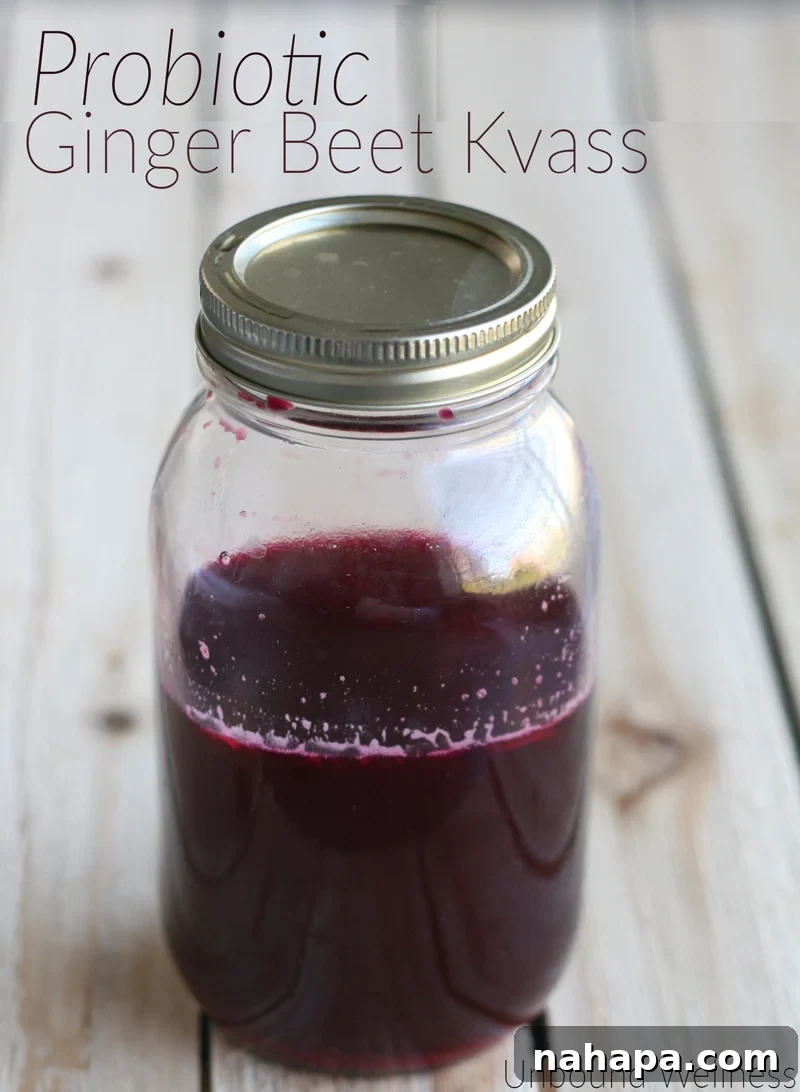
Once your ginger beet kvass is ready, incorporating it into your daily routine is simple and incredibly beneficial. Due to its potent nature and rich flavor, you typically won’t need to drink large quantities to experience its effects. Think of it as a daily tonic rather than a thirst quencher.
How to Enjoy Your Kvass
- Daily Dose: Start with a small amount, perhaps a few sips or half of a small glass (2-4 ounces) daily. Many find it best consumed in the morning on an empty stomach to kickstart digestion, or before meals to prepare the digestive system.
- Digestive Aid: If you anticipate or experience discomfort after consuming a rich or high-fat meal, a quick swig of ginger beet kvass can work wonders. Its bile-stimulating properties can swiftly aid in breaking down fats, alleviating bloating and heaviness.
- Creative Culinary Uses: Don’t limit kvass to just drinking it straight. Its tangy, earthy flavor can be a fantastic addition to various dishes. Try incorporating it into salad dressings, marinades, or even adding a splash to your morning smoothie for an extra probiotic boost. It can also be diluted with sparkling water for a refreshing, health-conscious spritzer, offering a delightful alternative to sugary sodas.
- Listen to Your Body: Everyone’s digestive system is unique. Begin with a modest serving and gradually increase it as your body adapts. If you experience any strong reactions, reduce the amount or consult with a healthcare professional.
Storage and Longevity
Once bottled and refrigerated, your homemade ginger beet kvass will last for several weeks, often up to a month or even longer. While the fermentation process slows down in the cold, it doesn’t entirely stop. You might notice a slight increase in tanginess over time. Always ensure it smells fresh and earthy, not off or moldy. If you see any signs of mold on the surface (not to be confused with harmless kahm yeast, which looks like a thin, white film), discard the batch. Properly stored in the refrigerator, it remains a vibrant, living food, continuously offering its profound health benefits.
Embracing the tradition of homemade fermented drinks like ginger beet kvass is an empowering step towards holistic health. It’s an economical, potent, and delicious way to nurture your gut microbiome, support crucial detoxification pathways, and enhance your overall vitality. Give this ancient tonic a try and experience the transformative power of fermentation firsthand.
What are your favorite homemade fermented foods or drinks that you rely on for health? Share your experiences below!