
It comes as no surprise to most when I say that health occupies a central, often dominating, role in my life. This profound focus began the moment I received an autoimmune disease diagnosis. My understanding of managing this condition through dedicated lifestyle and dietary changes only amplified its significance. Striving for optimal health is a universal desire, regardless of our current well-being, isn’t it? There’s nothing inherently wrong with pursuing better health. However, a crucial distinction exists between a healthy focus on your well-being and allowing it to consume and dictate every aspect of your existence. The key, then, lies in finding that balance and reclaiming control over your life.
Before diving deeper, I want to clarify the kind of “obsession” I’m addressing. I distinguish between an excessive engagement with health topics through online research and social media, and the development of a clinical disorder. If your health concerns are severely disrupting your daily life, causing significant distress, or leading to disordered behaviors, I strongly encourage you to seek professional guidance from a licensed counselor or therapist. Their expertise can provide invaluable support tailored to your specific situation. I am not a therapist or medical professional, and the insights I share are solely based on my personal journey and experiences, not professional advice meant to substitute for qualified treatment. I frequently recommend therapy to my clients, and having personally benefited from it, I cannot overstate its profound value.
The Delicate Balance: Being Your Own Health Advocate vs. Allowing Health to Control Your Life Negatively
In today’s landscape, overflowing with conflicting health advice and occasionally misleading information, empowering ourselves to be our own health advocates is paramount. Diligent research, staying informed about the latest health news, and understanding our bodies are not just beneficial – they are essential. We must engage in critical thinking, read authoritative books, listen to reputable podcasts, and actively seek out new, evidence-based research. For instance, I would never have discovered the Autoimmune Protocol (AIP) and its life-changing impact without committing to thorough personal research.
Yet, there’s a subtle but significant line between informed self-advocacy and feeling perpetually consumed. Let’s loosely define these two states:
- Being your own health advocate: This involves proactively taking charge of your well-being, making informed decisions, and consistently pursuing a lifestyle that supports your health goals. It’s about empowerment and intentional action.
- Obsessing over your health: This manifests as a constant, intrusive stream of thoughts about your health, leading to mental exhaustion and an overwhelming desire for a respite from the relentless focus. It feels like a burden, not a choice.
Recognizing the Tipping Point: When My Pursuit of Health Began Controlling My Life
Identifying that fine line can be incredibly challenging, as it often blurs imperceptibly. However, if we’re truly honest with ourselves, we usually know when we’ve crossed it. Throughout my personal health journey, there have been numerous periods where I recognized I was simply “over it” – the constant vigilance, the relentless striving, and the mental load had become unbearable.
Here are some of the tell-tale signs I’ve observed in myself, indicating my health pursuit was veering into obsessive territory:
- Perpetual Food Preoccupation: My mind was constantly consumed by thoughts of what I would eat that day, or even the next. This wasn’t meal planning; it was a relentless mental inventory and strategizing.
- Unnecessary Health-Related Purchases: I found myself buying countless supplements, obscure health gadgets, or niche “superfoods” with little proven benefit, always chasing the next supposed breakthrough.
- Constant Judgment of Others’ Eating Habits: I became overly aware, and often critical, of what friends, family, or even strangers were consuming, reflecting an internal rigidity about my own diet.
- Endless Googling of My Conditions: I would spend hours researching every symptom, every possible remedy, and every new piece of information related to my specific conditions (like Hashimoto’s and leaky gut), often fueling anxiety rather than providing clarity.
- The Cycle of New Regimens: I was constantly jumping from one diet, detox, or workout plan to another, hoping each new approach would finally bring lasting relief, leading to perpetual routine changes and frustration.
- Profound Mental Exhaustion: The sheer volume of health information, the constant decision-making, and the pressure to adhere perfectly left me feeling utterly drained and fatigued.
Does any of this resonate with you? If so, you’re not alone. Here’s how I learned to navigate these challenging waters and reclaim a sense of peace and balance.
How To Stop Letting Your Health Control Your Life
1. Make Finding and Addressing the Root Cause of Your Health Struggles Your Top Priority
In our fast-paced world, health trends promising quick fixes—think short detoxes, rapid weight loss plans, or instant workout challenges—are incredibly alluring. Their promise of swift results in mere weeks makes them insanely popular. However, when dealing with chronic health challenges such as autoimmunity, leaky gut, or other persistent conditions, it’s all too easy to fall into the trap of constantly seeking these superficial solutions. We might try one 30-day diet, then another program, then a different supplement regimen, perpetuating a relentless cycle of “quick fixes” that offer minimal long-term relief. This constant upheaval and the continuous search for the next miracle cure inevitably make it feel as though your health is not just a concern, but a tyrannical master dictating your life.
Instead, the most vital step in overcoming any significant health challenge is to shift your focus to uncovering and addressing the underlying root causes. Why are you experiencing gut issues? What specific triggers activated your autoimmunity? By investing your time, energy, and resources into understanding the fundamental “why” behind your symptoms, you move beyond merely managing surface-level problems. This profound shift allows you to get to the heart of what’s truly wrong, empowering you with knowledge and direction, rather than leaving you to obsessively chase every new trend in the hope of finding elusive relief. Collaborating with functional medicine practitioners or specialists who delve into comprehensive testing and individualized approaches can be a transformative step in this journey, offering a path to sustainable wellness rather than temporary respite.
2. Actively Focus on Hobbies and Entertainment Completely Outside of Health
If you’re anything like me, your Netflix recommendations might be dominated by food documentaries, and your Amazon wishlist likely brims with health books and supplements. I’ve certainly cycled through phases where my entire consumption—what I bought, what I did, and what I watched or read—revolved solely around health and the relentless pursuit of better well-being. While it’s crucial to continuously learn and advocate for your own health, this all-encompassing focus is precisely where the pursuit can begin to control your life, diminishing joy and narrowing your identity.
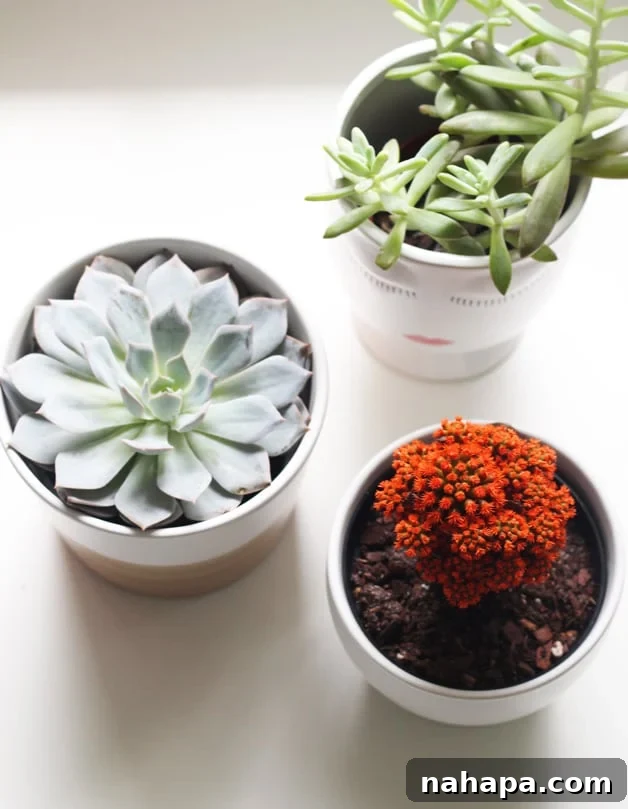
To counteract this, deliberately seek out hobbies and entertainment that bear absolutely no relation to health, and embrace them with gusto! This conscious diversion offers a much-needed mental break, allowing your brain to engage with entirely different stimuli and fostering a sense of identity beyond your health status. Perhaps you’ll rediscover a passion for art, music, or a particular sport. Maybe you’ll dive into creative writing, explore photography, or learn a new language. For me, a fairly recent and unexpected passion has been collecting plants! Yes, houseplants. Fortunately, my husband shares this interest, and we’ve been slowly expanding our collection, envisioning a custom succulent wall and other green projects. These little plants, and the joy they bring, have nothing to do with calories, nutrients, or disease management – and that’s precisely why I love them. They represent a vital outlet for mental decompression and pure, unadulterated enjoyment.
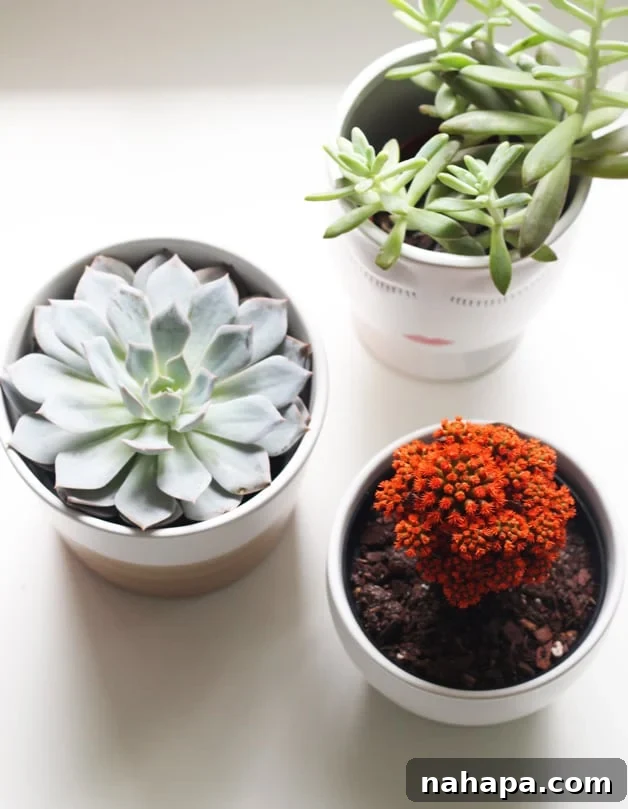
Yup. These little plants have nothing to do with health… and I love it!
3. Accept and Acknowledge That Health Struggles Are a Part of Life
A prevailing misconception within some corners of the health and healing community suggests that if we adhere strictly enough to a specific diet, exercise regimen, or mindfulness practice—if we “Paleo hard enough,” eat enough kale, cross-fit more, or meditate endlessly—we will achieve a state of permanent, unshakeable healing. This perfectionistic ideal often sets us up for disappointment because, frankly, that’s not always the reality of human health.
Sometimes, health struggles are simply beyond our immediate control. We might encounter a profoundly stressful life event that triggers a flare-up, or our bodies naturally evolve and change with age. Environmental factors, genetics, and unpredictable circumstances all play a role. While striving for improvement is commendable, denying the inherent impermanence and vulnerability of the human body can lead to immense frustration and self-blame. There is, as always, a fine line here. If you are genuinely unable to thrive and your quality of life is severely compromised, it indicates a real issue that undoubtedly needs dedicated attention and intervention. However, if we allow every minor sniffle, every slightly “off” day, or every yawn to dictate our entire emotional state and control our daily lives, we are effectively denying what it means to be human. Humans are not perfect machines; we experience fluctuations, setbacks, and natural processes of aging and adaptation. No amount of obsessive vigilance or relentless striving for perfection will alter this fundamental truth. Embracing a sense of self-compassion and resilience, understanding that challenges are inevitable, and focusing on adapting rather than achieving an impossible ideal can significantly reduce the mental burden.
4. Create a Sustainable Routine to Automate Healthy Habits
When you embark on a new health journey, especially one requiring significant lifestyle changes, it’s completely normal for it to feel consuming, even obsessive, in the beginning. You’re faced with countless decisions, often conflicting opinions, and a mountain of new information to absorb. Don’t let this initial overwhelm deter you; this intense focus is often a necessary phase for establishing new habits and integrating a new routine. Forming profound, all-encompassing lifestyle changes requires considerable time, conscious effort, and consistent practice.
From my own experience, creating a structured routine has consistently been the most effective strategy for making healthy habits sustainable without the need for constant, exhausting deliberation. Even a simple, foundational routine can free up immense mental space, allowing you to embed healthy practices into your weekly schedule without obsessing over them daily. For instance, when I first started the Autoimmune Protocol (AIP), I found myself obsessing daily over what I would eat, not just for the current day but for the next. My entire drive to work would be spent mentally inventorying my fridge and pantry, leading to daily, often frantic, trips to the grocery store. This was undeniably obsessive and utterly exhausting.
Eventually, I reached my breaking point. I implemented a routine: every Saturday, I would dedicate time to planning a rough outline of my meals for the upcoming week. Then, on Sunday, I would spend a few hours prepping 75-80% of the necessary ingredients or even full meals. I’ve maintained this routine for years, and it has been a game-changer. It eliminates the daily anxiety about what to eat and transforms meal planning into a structured, manageable habit I genuinely appreciate. I apply a similar strategy to my workouts. I used to overschedule myself, leaving no dedicated time for exercise. Now, each week, I intentionally schedule my workouts in my phone as if they were non-negotiable appointments with myself. This ensures I allocate the necessary time and plan other activities around them. If I miss a workout due to unforeseen circumstances, it’s not the end of the world; the routine simply provides a framework that keeps me consistently active without the mental burden of obsessing over whether I’ve moved enough that week.
5. Embrace Diverse Friends and Family Who Aren’t Necessarily “Health” People
This particular piece of advice might seem counterintuitive to what many self-help books advocate: “If you want to be successful, surround yourself with successful people.” While I don’t entirely disagree with the sentiment of seeking supportive influences, I believe that exclusively surrounding yourself with “health-focused” individuals can, paradoxically, be detrimental. Such an environment can foster an echo chamber effect, inadvertently leading to judgment towards those who don’t adhere to a particular lifestyle or, worse, creating a constant sense of comparison and inadequacy within yourself.
Don’t misunderstand me: having a robust support system of friends and family who genuinely understand and support your health journey is incredibly important and often vital for success. However, it’s equally crucial not to dismiss or “snub” friendships simply because someone doesn’t share your intense focus on health. Actively cultivate and embrace social relationships with people who have a wide range of interests, passions, and ways of living. These connections offer refreshing perspectives and opportunities for activities that transcend the usual yoga classes and green juice dates. Sometimes, the most rejuvenating experience is simply getting together with friends who just want to watch a movie, play a board game, or explore an entirely unrelated interest.
This doesn’t mean you have to adopt their habits or eat everything they do. It means recognizing that the richness of human relationships extends far beyond simply reinforcing your own specific interests or lifestyle choices. Diverse friendships enrich your life, broaden your horizons, and remind you that there’s a vast, vibrant world of experiences and connections outside the realm of health concerns, providing a crucial sense of balance and normalcy.
Living with chronic health challenges is undoubtedly demanding, requiring significant dedication, time, and energy to ensure progress and maintain well-being. However, by consciously integrating these strategies—prioritizing root cause healing, cultivating non-health hobbies, practicing acceptance, establishing empowering routines, and embracing diverse social connections—you can transform your health journey. It shifts from a controlling and exhausting obligation into a sustainable, fulfilling healthy lifestyle that truly supports your overall well-being and sense of freedom.