
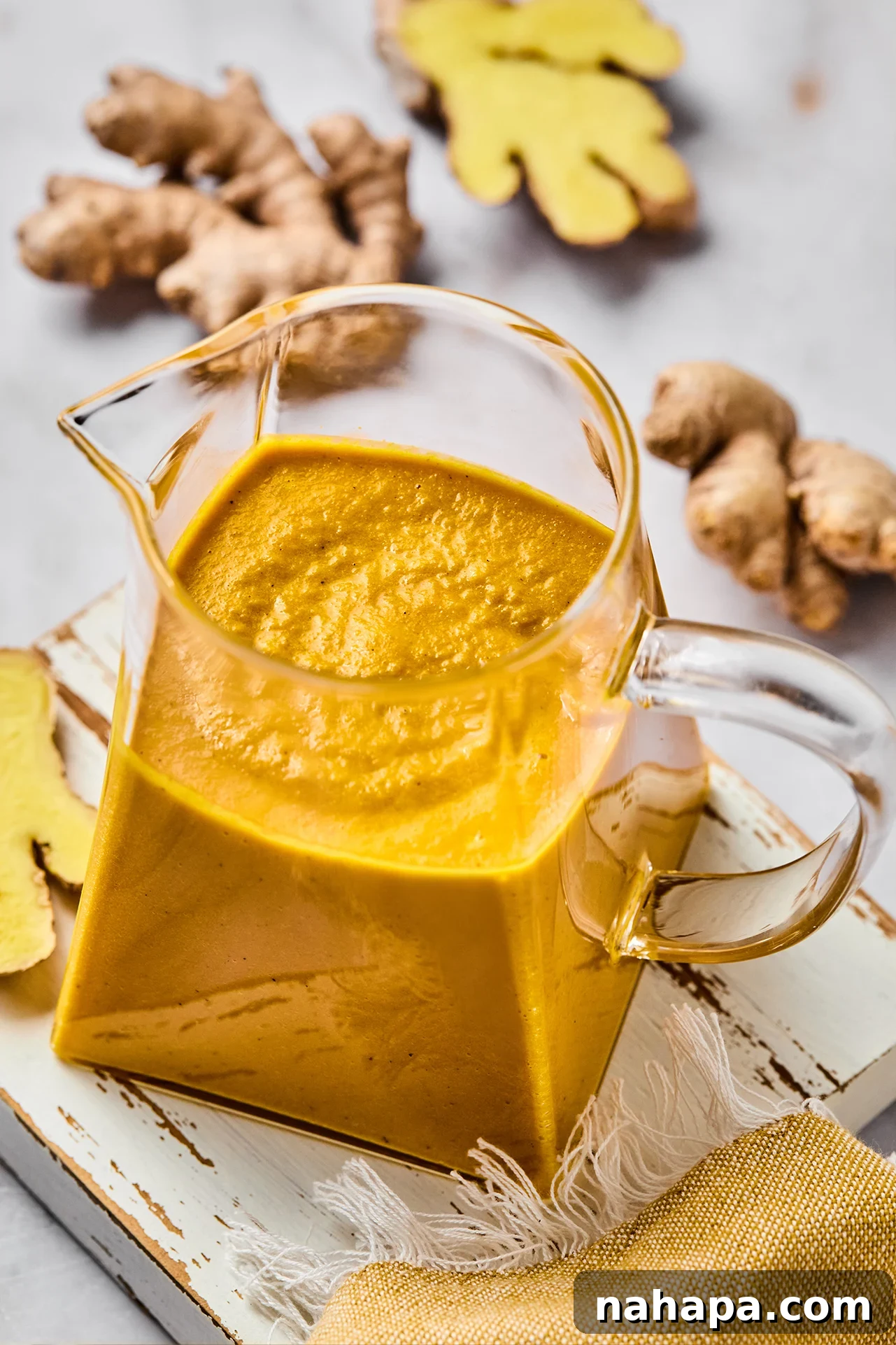
Homemade Japanese Ginger Dressing: Recreate Restaurant Magic, Gluten-Free & Soy-Free
Step into your kitchen and prepare to elevate your salads with this incredible homemade Japanese Ginger Dressing. It’s a vibrant, tangy, and subtly spicy concoction that perfectly captures the beloved flavor you know from your favorite Japanese restaurants. Best of all, this recipe is thoughtfully crafted to be both gluten-free and soy-free, ensuring everyone can enjoy its delightful taste without compromise.
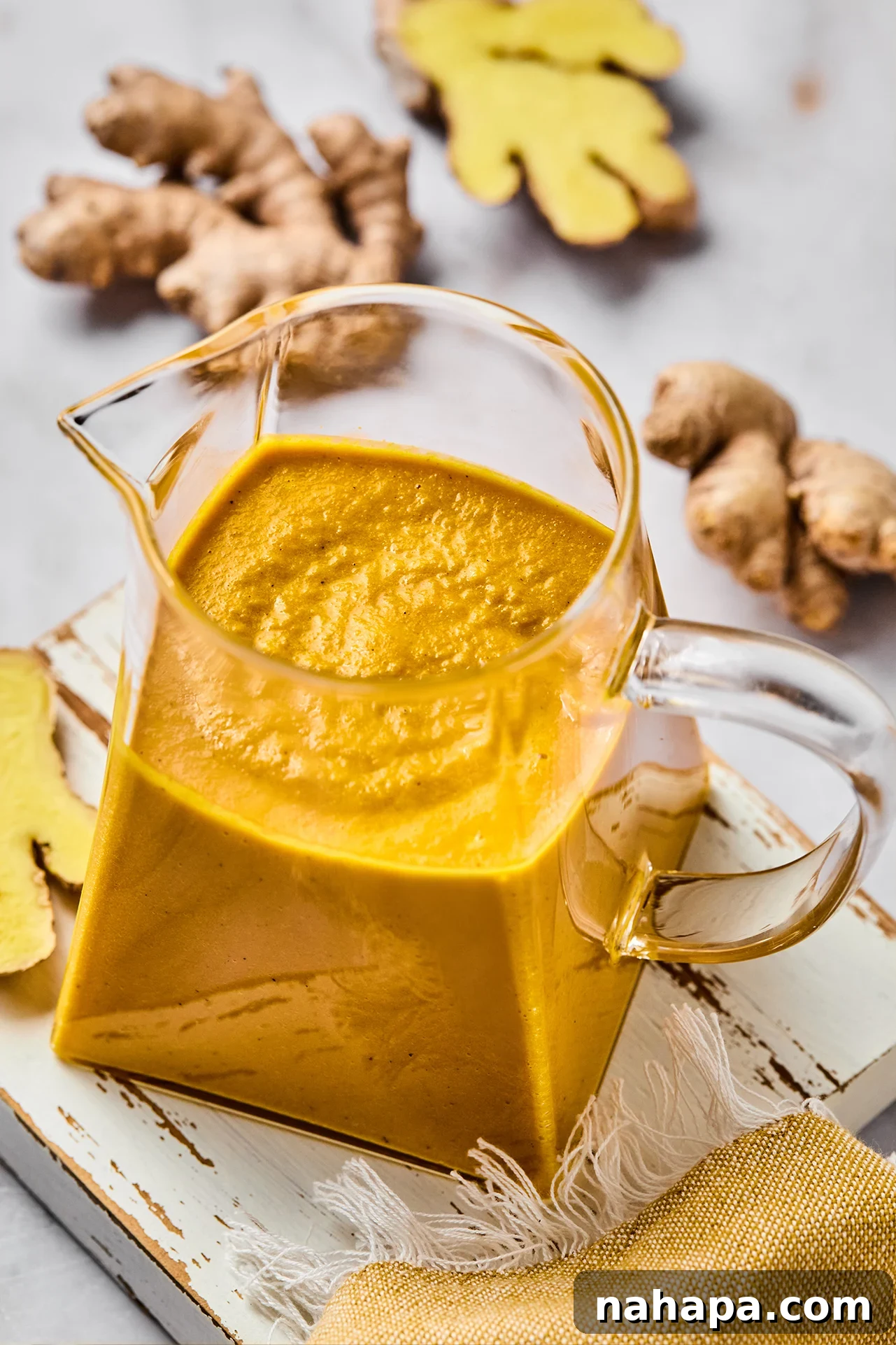
If you’re a connoisseur of Japanese cuisine, you’re undoubtedly familiar with that signature bright orange dressing served with every starter salad. It’s creamy, bursting with fresh ginger, and offers a refreshing zest that perfectly complements any meal. This dressing isn’t just a condiment; it’s an experience, a delightful palate cleanser that prepares you for the feast ahead.
My personal journey with this dressing began during my college days, working at a bustling Hibachi restaurant. It quickly became one of my absolute favorite things on the menu! The staff was lucky enough to enjoy free salads and soup, and I confess, I often ate the salad primarily to savor every drop of that incredible ginger dressing. That deep appreciation inspired me to recreate many Japanese-inspired dishes at home, including my popular Homemade Hibachi Chicken and Vegetables, and, of course, this very recipe. Now, you can capture that authentic, restaurant-quality taste right in your own kitchen.
This restaurant-style Japanese ginger dressing tastes exactly like the real deal, and you’ll be amazed at how simple it is to make at home!
Why You’ll Fall in Love with This Homemade Ginger Dressing
Beyond its irresistible flavor, there are countless reasons why this homemade Japanese Ginger Dressing will become a staple in your culinary repertoire:
- Effortlessly Simple to Prepare: Forget complex cooking techniques or lengthy preparation times. This recipe requires zero cooking! You simply gather your ingredients, toss them into a blender, and let the machine do the work. It’s perfect for busy weeknights or when you need a quick, flavorful addition to your meal.
- Naturally Gluten-Free and Soy-Free: Many traditional restaurant ginger dressings contain soy sauce, which can be an issue for those with sensitivities or dietary restrictions. My recipe uses coconut aminos as a fantastic substitute, delivering that savory depth without any gluten or soy. This makes it a wonderful option for diners on a paleo, AIP, or Whole30 journey, or anyone looking for healthier alternatives.
- Packed with Fresh, Wholesome Vegetables: This isn’t just a delicious dressing; it’s also brimming with nutritious vegetables! Carrots, celery, and onion contribute not only to its vibrant color and thick texture but also to its rich nutrient profile. You’re getting a serving of hidden veggies in every spoonful.
- Vibrant, Authentic, and Customizable Flavor: The star of the show, fresh ginger, provides a bright, zesty, and subtly spicy kick that is characteristic of authentic Japanese ginger dressing. The blend of fresh vegetables, aromatic ginger, and balanced liquids creates a harmonious flavor profile that is truly addictive. Plus, you can easily adjust the ginger to suit your preferred level of spiciness.
- Fresher, Healthier, and Cost-Effective: Making your own dressing at home means you control every ingredient. No artificial preservatives, unhealthy oils, or excessive sugars found in many store-bought options. You get a fresher, more wholesome product, and it’s often more economical than repeatedly purchasing gourmet dressings.
Essential Ingredients for Your Perfect Japanese Ginger Dressing
Crafting this iconic dressing requires a few key components, each playing a vital role in achieving that authentic taste and texture:
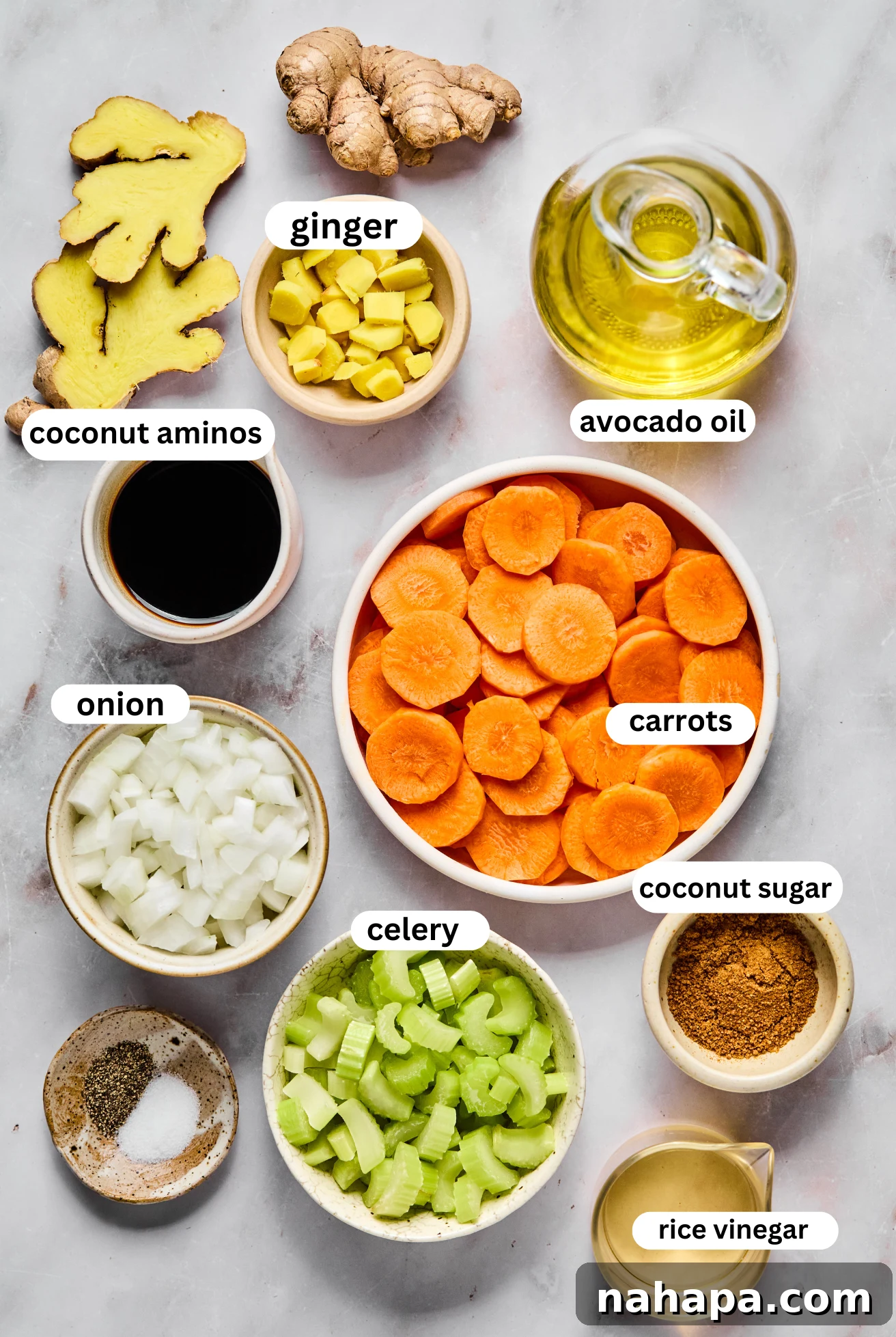
- Fresh Ginger: This is the heart and soul of the dressing. It’s crucial to use fresh ginger root for its vibrant, pungent, and slightly spicy notes. Powdered ginger simply won’t deliver the same fresh, intense flavor. Look for firm ginger with smooth skin, avoiding any soft spots. Peeling is easy with a spoon!
- Carrots, Celery, and Yellow Onion: These humble vegetables are the backbone of the dressing’s creamy texture and signature orange hue. Carrots add natural sweetness and color, celery contributes a subtle earthy freshness, and the onion provides a savory depth that rounds out the flavors beautifully.
- Avocado Oil: A neutral-tasting oil with a high smoke point, avocado oil is perfect for dressings as it allows the other flavors to shine. You can also use good quality olive oil, although it might impart a slightly different flavor profile. The dressing will still be delicious, as the ginger remains the undeniable star!
- Coconut Aminos: This is our secret weapon for keeping the dressing soy-free while still delivering that essential umami and savory depth usually provided by soy sauce. Coconut aminos are made from the sap of coconut trees and have a rich, slightly sweet, and salty flavor. Find coconut aminos here.
- Rice Vinegar: This mild, slightly sweet vinegar adds the perfect touch of tang and acidity, balancing the richness of the oil and the sweetness of the vegetables. For those following an Autoimmune Protocol (AIP) diet, apple cider vinegar makes an excellent alternative, offering a similar tang with added health benefits. Shop rice vinegar.
- Coconut Sugar: A small amount of coconut sugar helps to round out the flavors and enhance the natural sweetness of the carrots, creating a perfectly balanced dressing. If you’re following a Whole30 diet, you can simply omit the coconut sugar without significantly impacting the overall taste. Get coconut sugar.
- Sea Salt and Black Pepper: Essential for seasoning, sea salt brightens all the flavors, while a touch of black pepper adds a gentle warmth. If you’re on an AIP diet, remember to omit the black pepper.
Step-by-Step Guide: How to Make Restaurant-Style Ginger Dressing at Home
Get ready for how incredibly easy this is! With just a few simple steps and your blender, you’ll have a batch of this vibrant dressing in no time. Full instructions are also detailed in the recipe card below.
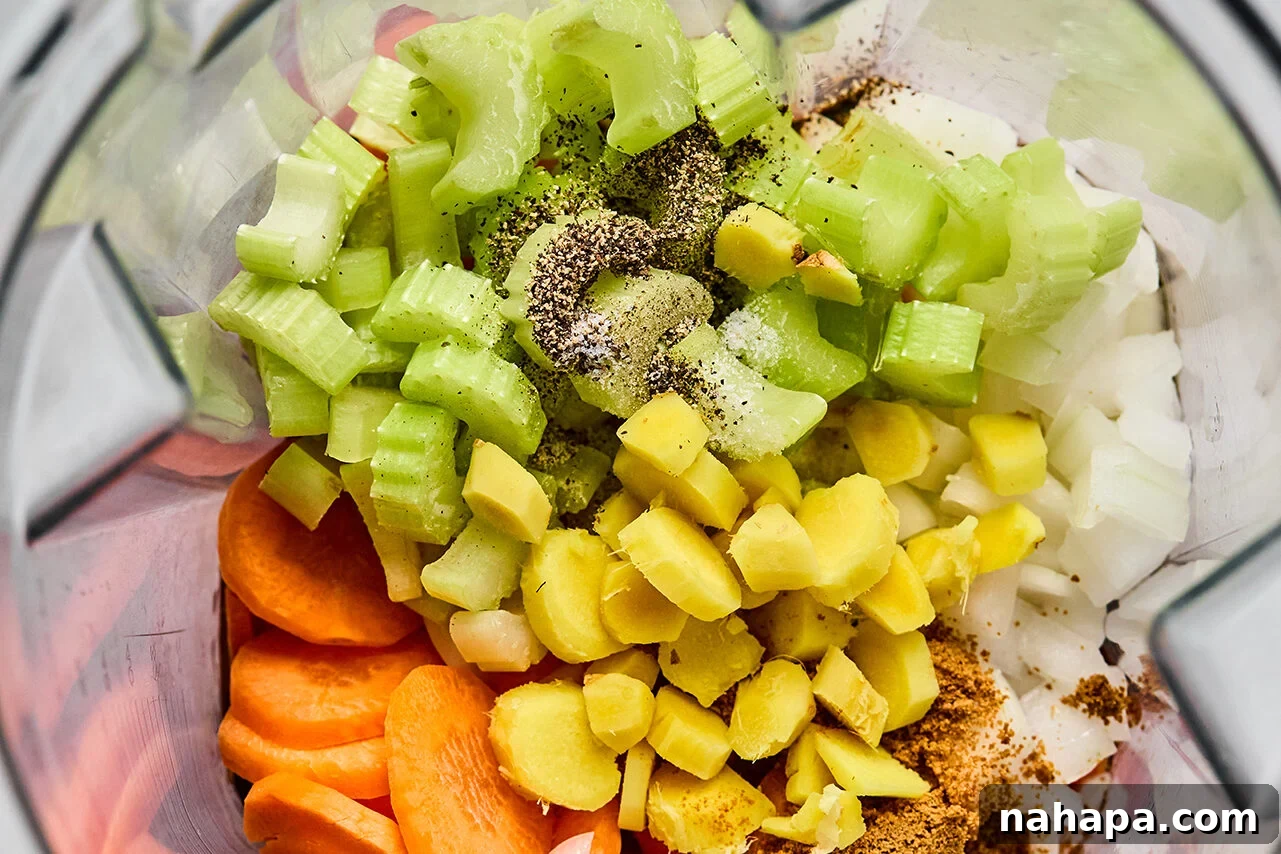
Step One: Combine All Ingredients. Begin by adding all your prepared ingredients – the peeled and chopped carrots, celery, yellow onion, fresh ginger, avocado oil, coconut aminos, rice vinegar, coconut sugar, sea salt, and black pepper – into the pitcher of a high-speed blender. Ensure the blender is powerful enough to process the vegetables into a very smooth consistency.
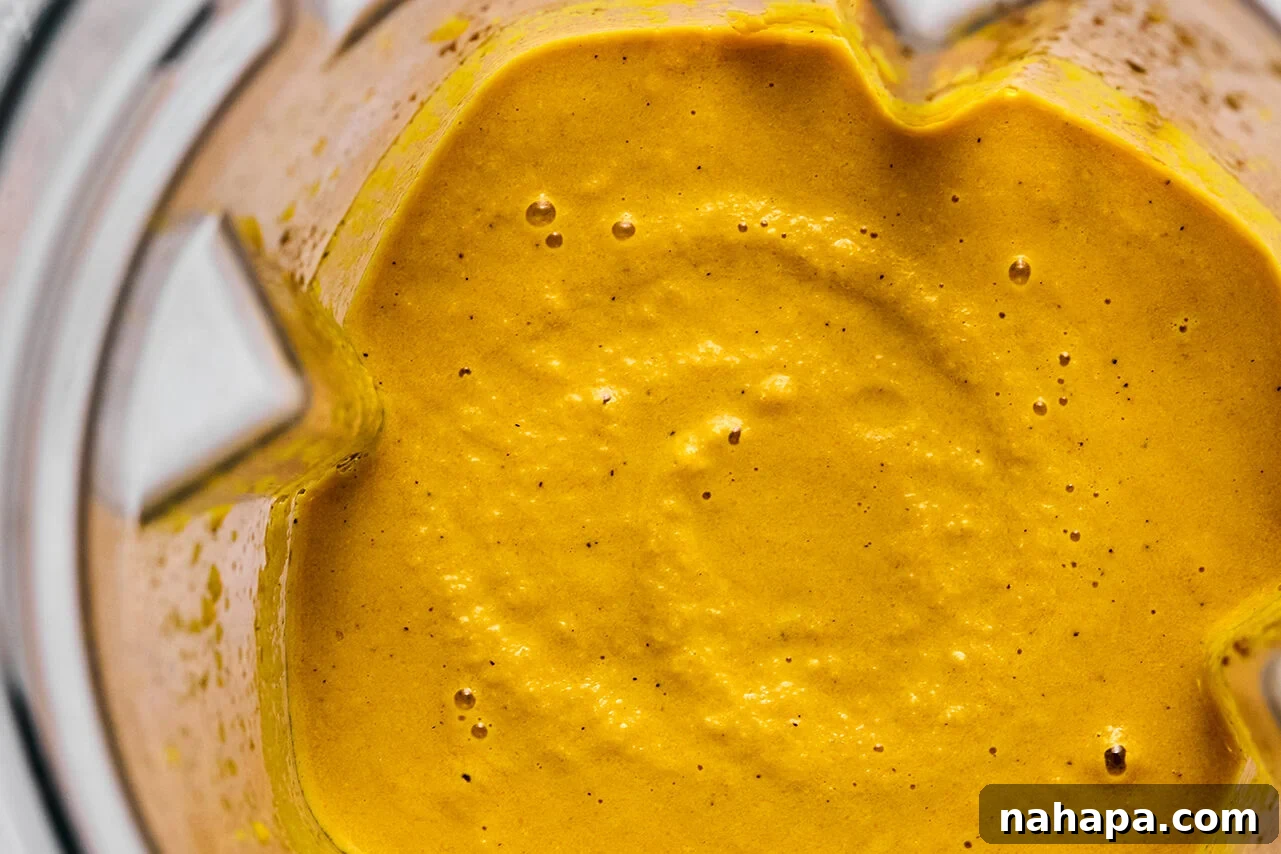
Step Two: Blend Until Smooth and Creamy. Secure the lid on your blender and process on high speed until all ingredients are completely incorporated and the mixture is silky smooth and thick. Scrape down the sides of the blender as needed to ensure everything is thoroughly blended. Once smooth, taste the dressing and adjust seasonings as desired. You might want a little more salt, a touch more vinegar for tang, or an extra piece of ginger for more heat.
Creative Ways to Enjoy Your Versatile Japanese Ginger Dressing
While this dressing is famously paired with a simple green salad, its vibrant flavor makes it incredibly versatile. Here are several delicious ideas to help you enjoy every last drop:
- The Classic Japanese Starter Salad: Serve it traditionally over a bed of crisp iceberg or romaine lettuce, thinly sliced cucumbers, and shredded carrots. It’s a refreshing and palate-cleansing start to any meal.
- Asian-Inspired Grain Bowls: Drizzle generously over warm quinoa, brown rice, or forbidden rice bowls packed with roasted vegetables, edamame, and your favorite protein like grilled chicken or tofu.
- Marinade for Proteins: Use it as a flavorful marinade for chicken, fish, shrimp, or even firm tofu before grilling, baking, or pan-searing. The ginger and vinegar will tenderize and infuse your proteins with incredible taste.
- Dipping Sauce Extraordinaire: It makes an excellent dipping sauce for spring rolls, summer rolls, potstickers (gluten-free ones, of course!), or grilled skewers.
- Elevate Roasted Vegetables: Toss roasted broccoli, asparagus, bell peppers, or carrots with a generous amount of this dressing after they come out of the oven for an instant flavor boost.
- Unique Pasta or Noodle Salads: Create a refreshing cold pasta or noodle salad with rice noodles, shredded chicken, julienned vegetables, and a generous coating of this ginger dressing. It’s a fantastic option for potlucks or meal prep.
Storage and Shelf Life: Keeping Your Dressing Fresh
To maximize the freshness and flavor of your homemade Japanese Ginger Dressing, proper storage is key. Transfer the blended dressing to an airtight container or a clean glass jar. It will happily keep in your refrigerator for 3-4 days. While fresh is always best, you can also freeze this dressing for up to a month. Thaw it in the refrigerator overnight, then give it a good whisk or a quick re-blend to restore its smooth consistency before serving. A slight separation is normal after refrigeration or freezing; just whisk it vigorously to emulsify again.
Frequently Asked Questions About Japanese Ginger Dressing
- What if my dressing is too thick?
- If your dressing turns out thicker than you prefer, simply add a tablespoon of water, coconut aminos, or a neutral oil like avocado oil at a time, blending until you reach your desired consistency.
- How do I adjust the spiciness of the dressing?
- The spiciness comes primarily from the fresh ginger. For a milder dressing, start with slightly less ginger (e.g., 1.5 tbsp) and add more to taste. For an extra kick, increase the ginger to 2.5 or even 3 tablespoons.
- Can I make this dressing ahead of time?
- Absolutely! This dressing is perfect for making in advance. In fact, the flavors often meld and deepen even further after a day or two in the refrigerator, making it even more delicious.
- Is this dressing really as good as what I get at Japanese restaurants?
- Many people find homemade versions, especially this one, to be even better! You control the freshness of ingredients, avoid artificial additives, and can customize the flavor to your exact preference. Prepare to impress your taste buds!
Explore More Gluten-Free Asian-Inspired Recipes to Try
If you loved this dressing, you’ll surely enjoy these other delicious, gluten-free Asian-inspired recipes from my collection:
- Easy Tom Kha Soup
- Teriyaki Chicken Skewers
- Japanese Ginger Dressing Pasta Salad
- PF Chang’s Chicken Lettuce Wraps
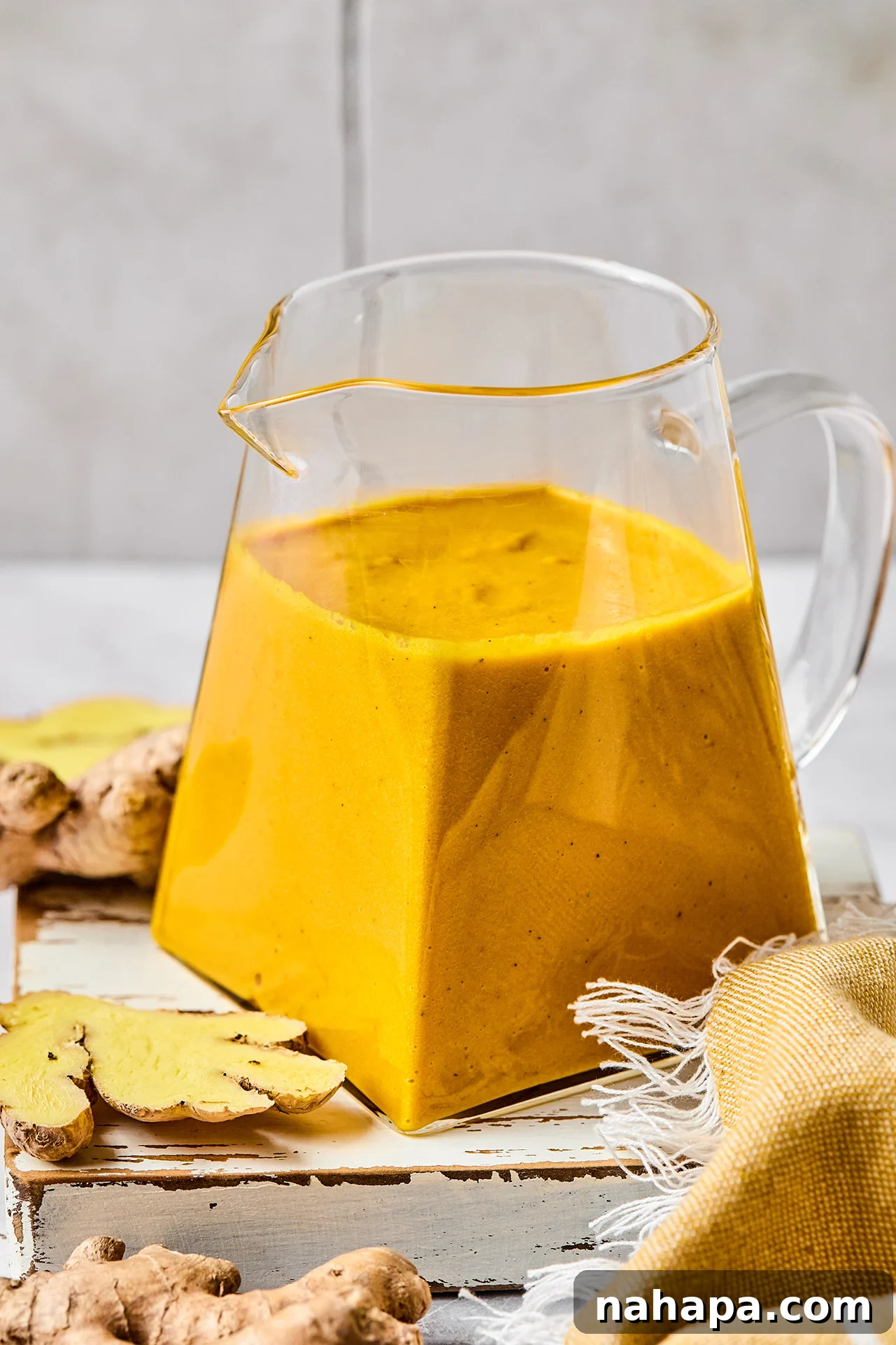
If you tried this Homemade Japanese Ginger Dressing or any other recipe on my blog, please take a moment to leave a rating and share your experience in the comments below. Your valuable feedback is incredibly helpful and appreciated by both me and other home cooks!
Recipe: Homemade Japanese Ginger Dressing
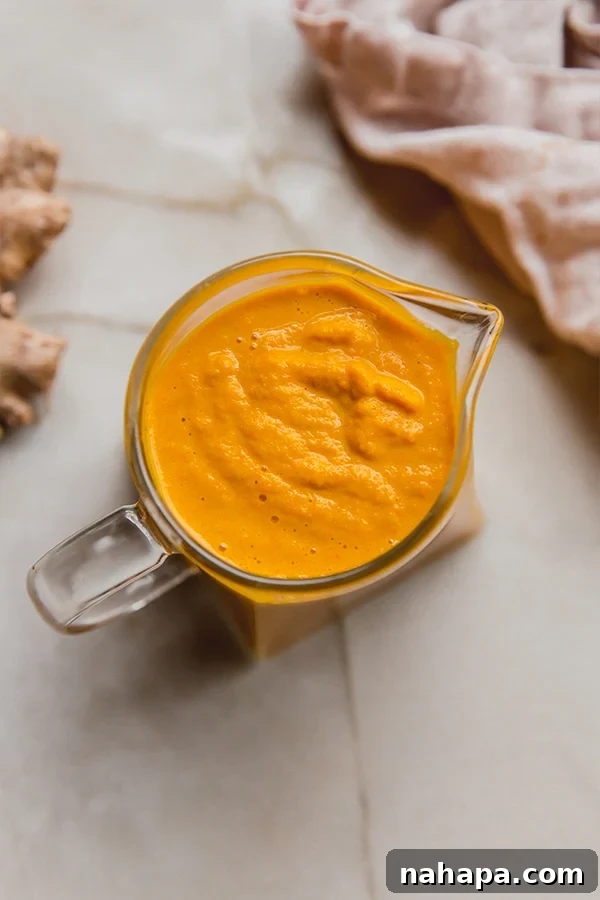
This Japanese ginger dressing is a homemade take on the classic salad dressing you know and love from Japanese restaurants! It’s gluten and soy-free.
- Yields: 4-6 servings
- Prep Time: 10 minutes
- Author: Michelle
Ingredients
- 1 ½ cup carrots, peeled and chopped
- 2 stalks celery, chopped
- ¼ yellow onion, chopped
- 2 tbsp fresh ginger, peeled and chopped (see notes for adjusting spice level)
- ½ cup + 2 tbsp avocado oil (or substitute with light olive oil)
- ¼ cup coconut aminos (a soy-free alternative to soy sauce)
- 3 tbsp rice vinegar (substitute with apple cider vinegar for AIP)
- 2 tsp coconut sugar (omit for Whole30 compliance)
- ¾ tsp sea salt
- ¼ tsp black pepper (omit for AIP)
Instructions
- Combine all the prepared ingredients—carrots, celery, yellow onion, fresh ginger, avocado oil, coconut aminos, rice vinegar, coconut sugar, sea salt, and black pepper—into a high-speed blender.
- Blend on high until the mixture is completely smooth and achieves a thick, creamy consistency. Scrape down the sides of the blender as necessary to ensure all fibrous pieces are fully incorporated.
- Taste the dressing and adjust seasonings as desired. For a spicier kick, add a bit more ginger. For extra tang, a splash more vinegar can be added.
- Transfer the finished dressing to an airtight container or a glass jar. Store it in the refrigerator until you’re ready to serve.
- Serve this vibrant and flavorful dressing over a crisp salad made with romaine or iceberg lettuce, shredded carrots, cucumber, and any other desired fresh vegetables.
Notes
- This homemade ginger dressing can be stored in an airtight container in the refrigerator for 3-4 days. For longer storage, it can be frozen for up to a month. Thaw in the refrigerator before use and whisk or re-blend thoroughly.
- The amount of fresh ginger can be customized to your personal preference. Use slightly less for a milder dressing or increase the quantity for a more pronounced spicy ginger flavor.
Estimated Nutrition Information (Per Serving)
- Serving Size: 1 serving
- Calories: 195 kcal
- Carbohydrates: 7.8g
- Protein: 0.5g
- Fat: 18.3g
- Fiber: 1.4g
All nutrition facts are estimates and may vary based on specific brands and quantities of ingredients used.
Want to save this recipe for later?
Just drop your name and email below, and we’ll send this delicious recipe straight to your inbox so you never lose it! ✉️
Did you make this recipe?
We’d love to see your creations! Tag @unboundwellness on Instagram and use the hashtag #unboundwellness!
Images by: Sierra Ashleigh