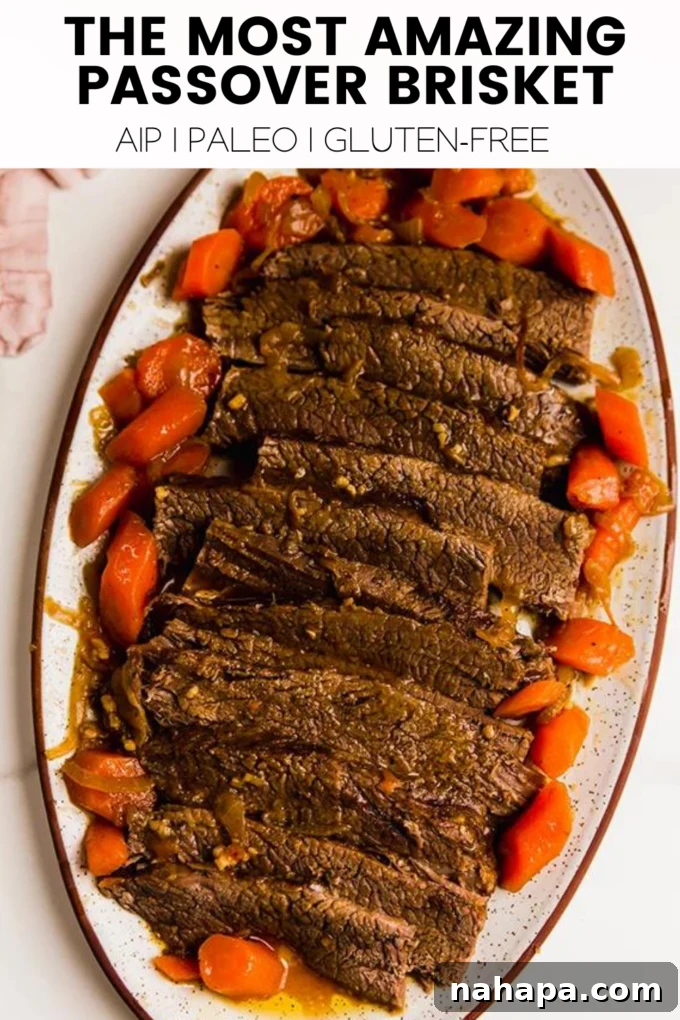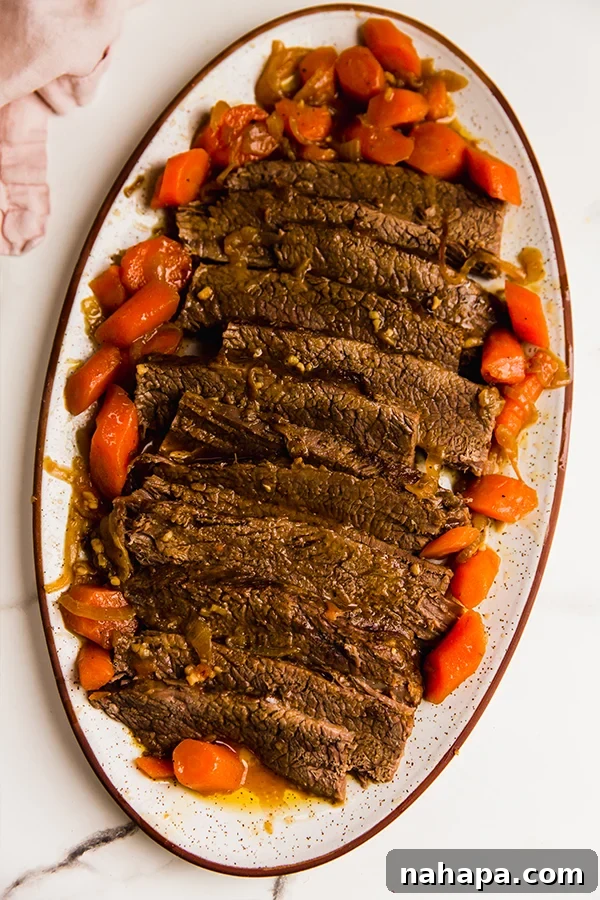
This Oven-Roasted Brisket recipe is more than just a meal; it’s a culinary journey, perfect for your Passover Seder or any special occasion that calls for a truly comforting and impressive main dish. Crafted with tender brisket, aromatic onions, sweet carrots, and fragrant garlic, this recipe is surprisingly simple to prepare, yet yields a dish so rich in flavor and succulent in texture, it will become a cherished family favorite. Forget complicated techniques – this straightforward approach ensures a moist, fall-apart brisket every time, allowing you to focus on gathering with loved ones and creating lasting memories.
The Enduring Tradition: Why Brisket is a Passover Staple
Brisket’s prominent place on the Passover table is a story steeped in history, economy, and cultural significance. While today brisket might be celebrated in the world of gourmet BBQ, its origins as a holiday meat for Ashkenazi Jews in Eastern Europe tell a different tale. Historically, brisket was considered a tougher, less desirable, and thus cheaper, cut of meat. This made it an ideal choice for families needing to feed a large crowd during holidays like Passover, where strict dietary laws (Kashrut) applied, and resources were often limited. The long, slow cooking method required to tenderize brisket perfectly aligned with holiday preparations, allowing it to simmer for hours while families attended to other Seder rituals.
Over generations, this economical choice transformed into a beloved tradition. The slow roasting process imbued the meat with deep, rich flavors, making it a symbol of comfort and sustenance. It became intrinsically linked with the festive yet solemn atmosphere of Passover, representing resilience and the joy of shared meals. For many, the aroma of a brisket slowly cooking in the oven is synonymous with the warmth of home and family during this sacred time. As an Ashkenazi Jew, I can personally attest to the deep love and nostalgia associated with brisket. This recipe, in particular, captures that very essence, delivering a taste that is truly heavenly and deeply satisfying. The beauty of this dish lies not only in its exquisite flavor but also in its straightforward preparation, proving that you don’t need to spend hours in the kitchen to create something truly memorable and filled with love.
Essential Ingredients for a Perfect Passover Brisket
Crafting the ideal Passover brisket doesn’t require an extensive list of exotic ingredients. Instead, it relies on a foundation of simple, wholesome components that come together to create a symphony of flavors. Each ingredient plays a crucial role in achieving that coveted tender texture and rich taste.
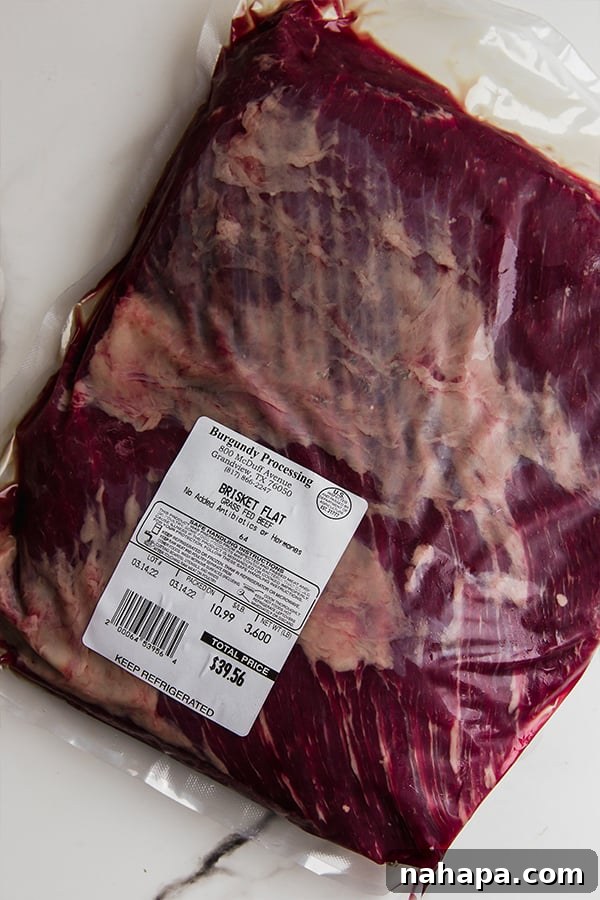
- Brisket Flat: The Heart of the Dish. For this recipe, we focus on the brisket flat, also known as the leaner half of the brisket. While you can certainly use a whole brisket (often called the packer cut, which includes both the flat and the point), the flat is often a more accessible and slightly more economical choice, especially as meat prices fluctuate. Don’t let its leaner nature fool you; with the right treatment, the flat can achieve an incredible level of juiciness and tenderness. The key is in the slow roasting and generous seasoning, which allows the muscle fibers to break down beautifully, resulting in a melt-in-your-mouth experience. If opting for a whole brisket, simply adjust the cooking time by adding about 30-60 minutes, ensuring it’s thoroughly cooked and tender.
- Aromatic Vegetables: Carrots, Onions, and Garlic. These foundational vegetables are not merely filler; they are the backbone of the brisket’s rich flavor profile. Carrots add a subtle sweetness and earthy undertone, softening beautifully during the long cook time. Onions, sliced thin, caramelize as they cook, providing a deep, savory sweetness that complements the beef perfectly. And garlic? This is undeniably the kind of recipe where an abundance of garlic shines. Don’t be shy – a generous amount of minced garlic will infuse the entire dish with its pungent, aromatic magic, contributing to the irresistible gravy.
- Flavorful Liquids: Tomato Sauce and Coconut Sugar. Traditional brisket often features ketchup for its sweet and tangy notes, but I find it can sometimes be a bit too sweet or artificial. My preferred approach uses a blend of robust tomato sauce and a touch of coconut sugar. The tomato sauce provides a natural acidity and umami depth, while the coconut sugar offers a more subtle, caramel-like sweetness that balances the savory elements without overwhelming them. For those with specific dietary needs, a nightshade-free version of tomato sauce works wonderfully here.
- Braising Base: Broth and Red Wine Vinegar. The combination of beef broth and red wine vinegar creates the perfect braising liquid. The broth contributes a foundational savory flavor and keeps the brisket moist. Red wine vinegar is a crucial component, adding a bright acidity that cuts through the richness of the meat and helps to tenderize it further by breaking down tough fibers. This acidic element is key to achieving that desirable fall-apart texture.
- Herbs and Seasoning: Bay Leaves, Parsley, Olive Oil, Salt, and Pepper. Bay leaves infuse the braising liquid with a subtle, earthy aroma that becomes more pronounced as it simmers. Dried parsley adds a touch of fresh herbaceousness. Of course, a good quality olive oil is essential for searing the brisket and sautéing the vegetables, laying down the first layer of flavor. Finally, a generous seasoning of salt and pepper is non-negotiable, enhancing all the other flavors and ensuring the brisket is perfectly seasoned from the inside out. For AIP dietary requirements, remember to omit the black pepper.
Crafting the Ultimate Oven-Roasted Passover Brisket: A Step-by-Step Guide
Creating a memorable oven-roasted brisket is a rewarding culinary experience that doesn’t demand hours of hands-on labor. This recipe is designed to be straightforward, allowing the oven to do most of the heavy lifting. Follow these steps for a tender, flavorful brisket that will impress everyone at your Passover table.
- Prepare for Roasting: Begin by preheating your oven to 350°F (175°C). This ensures the oven is at the correct temperature when your brisket is ready to go in. Next, take your brisket flat and trim any excessive fat, leaving about a ¼-inch layer. This fat cap will render down during cooking, adding moisture and flavor, but too much can make the dish greasy.
- Sear for Flavor: Heat the olive oil in a large cast-iron casserole dish or Dutch oven over medium-high heat. Once shimmering, carefully place the brisket in the hot pan. Sear it for 3-4 minutes per side until a beautiful golden-brown crust forms. This crucial step, known as the Maillard reaction, locks in juices and develops deep, complex flavors that cannot be achieved through slow roasting alone. Season generously with salt and pepper as you sear. Once browned, transfer the brisket to a clean plate or cutting board and set aside.
- Sauté the Aromatics: Using the same pan (and all those delicious browned bits from the brisket), add the chopped carrots, thinly sliced yellow onion, and minced garlic. Sauté these vegetables for 5-6 minutes, stirring occasionally, until they begin to soften and become fragrant. The residual fat and brisket drippings in the pan will infuse the vegetables with incredible flavor. Once softened, push the vegetables to the edges of the pan, creating a space in the center for the brisket.
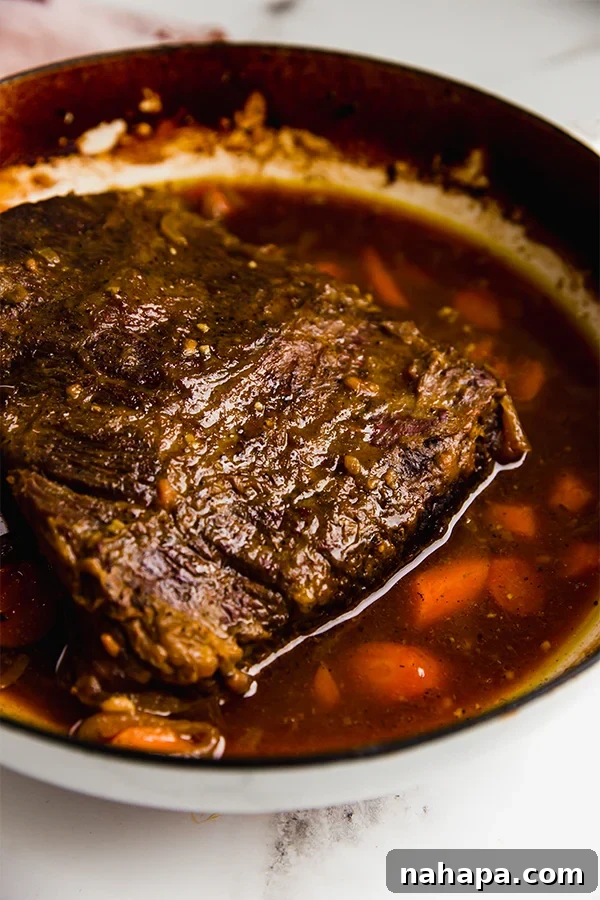
- Assemble and Flavor: Return the seared brisket to the center of the pan, nestled among the sautéed vegetables. Sprinkle the coconut sugar and dried parsley evenly over the top of the brisket. Spoon the tomato sauce generously over the meat. Pour the beef broth and red wine vinegar into the base of the pan, surrounding the brisket and vegetables. Finally, add the bay leaves to the liquid for an extra layer of aromatic depth. Cover the pan tightly with its lid or aluminum foil.
- The Slow Roast: Carefully transfer the covered pan to the preheated oven. Roast for an initial 2 hours at 350°F (175°C). After this time, reduce the oven temperature to 300°F (150°C) and continue roasting for another 1 ½ hours. The lower temperature and extended cooking time are essential for breaking down the connective tissues in the brisket, resulting in an exceptionally tender and succulent finish.
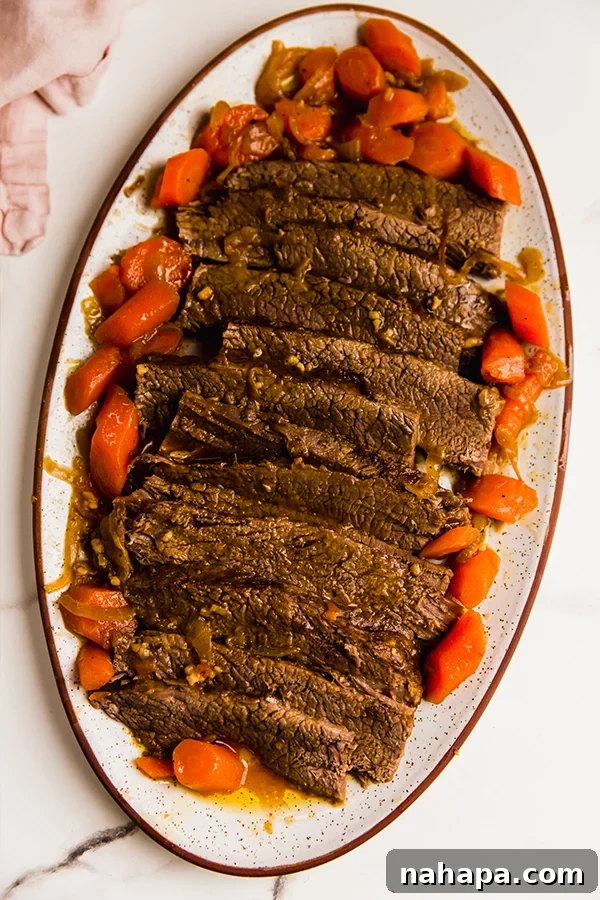
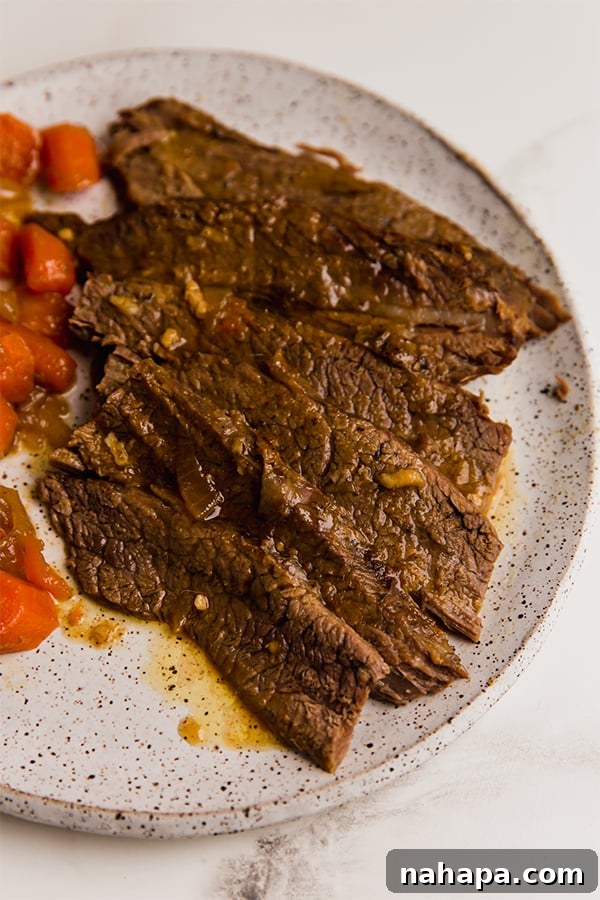
- Rest and Serve: Once the brisket is cooked through and fork-tender, remove the pan from the oven. Resist the urge to slice it immediately! Allowing the brisket to rest, still covered, for at least 15-20 minutes (or even longer) before slicing is vital. This resting period allows the meat fibers to relax and reabsorb the juices, ensuring a moist and flavorful result. After resting, thinly slice the brisket against the grain. Serve the slices with the tender, braised vegetables from the pan and generously spoon the rich cooking juices over everything.
Frequently Asked Questions About Passover Brisket
Can I prepare this recipe without coconut sugar?
Absolutely! If you prefer a less sweet profile or are avoiding added sugars, you can completely omit the coconut sugar. The tomato sauce and caramelized onions will still provide a lovely depth of flavor without it. Alternatively, you can use a small amount of date sugar or a natural sugar alternative if you wish to retain a hint of sweetness while adhering to dietary preferences.
How do I adapt this brisket recipe for AIP (Autoimmune Protocol)?
Making this brisket AIP-compliant is straightforward. The primary adjustments involve:
- Omit Black Pepper: Black pepper is a nightshade and should be excluded for AIP. You can use ground ginger or mace for a warming spice note if desired, or simply rely on the other herbs and aromatics for flavor.
- Use Nightshade-Free Marinara or Tomato Sauce: Standard tomato sauce is derived from nightshades. Instead, opt for a specially prepared nightshade-free marinara sauce, often made with ingredients like sweet potatoes, carrots, and beets, to achieve a similar rich base without the problematic ingredients.
Is searing the brisket before roasting truly necessary?
I highly recommend not skipping the searing step! While it adds a few extra minutes to the prep, it makes a significant difference in the final taste and appearance of your brisket. Searing creates a beautiful, caramelized crust on the outside of the meat, which locks in moisture and develops complex, savory flavors through the Maillard reaction. It also helps to render some of the fat, contributing to a richer and more succulent texture before the long, slow roasting process begins.
What is the best type of pot for cooking this brisket?
A large Dutch oven is generally the best choice for cooking brisket. Its heavy, even heat distribution and tight-fitting lid create an ideal environment for slow braising, ensuring the meat cooks evenly and stays incredibly moist. The robust construction of cast iron also allows for excellent searing on the stovetop before transferring to the oven. If you don’t have a Dutch oven, a large roasting pan with a tight-fitting lid or heavy-duty foil can also work effectively. Ensure whatever you use is deep enough to hold the brisket and all the liquid comfortably.
How can I ensure my brisket is extra tender?
Several factors contribute to a fall-apart tender brisket. First, ensure you’re using a quality cut of meat. Second, don’t rush the searing process; a good sear builds flavor and texture. Third, the long, slow cooking at a lower temperature is crucial – this gives the connective tissue ample time to break down. Lastly, and perhaps most importantly, allow the brisket to rest, covered, for at least 15-20 minutes after removing it from the oven. This resting period allows the juices to redistribute throughout the meat, preventing it from drying out when sliced. Always slice against the grain for maximum tenderness.
Can I make this brisket ahead of time?
Brisket is an excellent make-ahead dish! In fact, many people find that brisket tastes even better the next day, after the flavors have had more time to meld and deepen. You can cook the entire brisket, let it cool, then slice it and store it in its cooking juices in an airtight container in the refrigerator for up to 3-4 days. To reheat, gently warm the sliced brisket and juices in a covered oven-safe dish at 300°F (150°C) until heated through, or on the stovetop over low heat.
What are some ideal side dishes to serve with Passover Brisket?
This brisket recipe, with its included carrots and onions, is already a hearty meal in itself. However, pairing it with complementary side dishes can elevate your Passover Seder spread.
- Classic Companions: Serve it with traditional Matzo Ball Soup as a starter. For additional sides, consider roasted potatoes, a simple green salad with a light vinaigrette, or even a flavorful mashed parsnip puree.
- Flavor Boosters: A side of horseradish (maror) is a traditional Seder element and offers a sharp contrast to the rich brisket. A fresh herb salad with dill and parsley can also brighten the plate.
- Vegetable Variety: Steamed asparagus, sautéed green beans with garlic, or roasted root vegetables like parsnips and sweet potatoes are wonderful additions that absorb the delicious brisket juices.
You’ll also love these delicious beef recipes:
- Easy Teriyaki Steak Bites
- Garlic Balsamic Steak Bites & Asparagus
- Balsamic Steak Salad
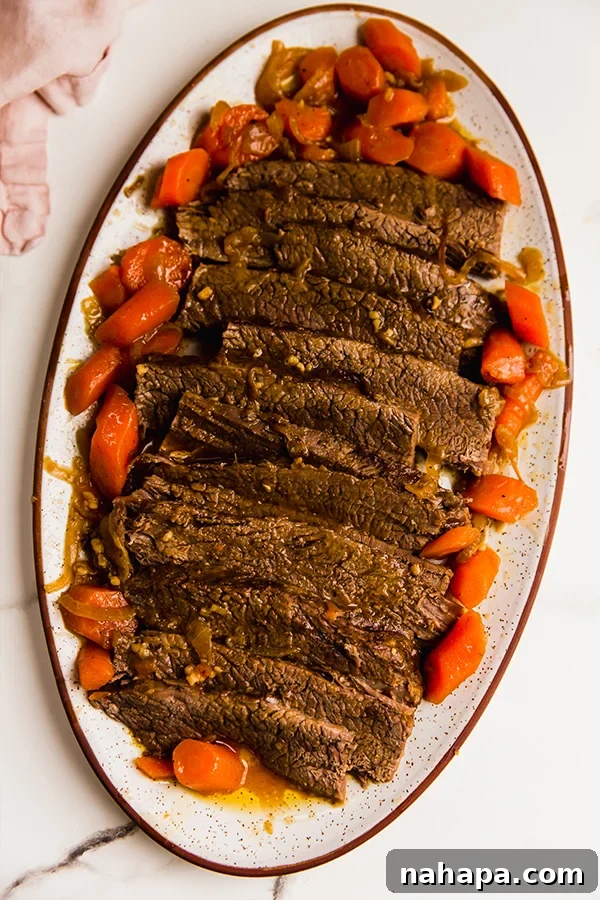
The Most Amazing Oven-Roasted Passover Brisket
8
servings
20 mins
3 hrs
30 mins
Michelle
Leave a Review
Pin Recipe
Ingredients
- 3 lb brisket flat, see notes for whole brisket
- 2 tbsp olive oil
- 1 tsp salt
- ¼ tsp black pepper
- 2 cups carrots, chopped
- 1 yellow onion, sliced thin
- 4 cloves garlic, minced
- 2 tbsp coconut sugar
- ½ cup tomato sauce
- 1 tsp dried parsley
- 1 cup beef broth
- 2 tbsp red wine vinegar
- 3 bay leaves
Instructions
-
Preheat the oven to 350 F (175 C).
-
Trim any excess fat off of the brisket, leaving about 1/4″ of fat.
-
Using a large cast-iron casserole dish or Dutch oven, heat over medium-high heat and add the olive oil. Sear the brisket for 3-4 minutes on each side to lightly brown and generously season with salt and pepper. Transfer the brisket to a clean surface.
-
Using the same pan, saute the carrots, onions, and garlic for 5-6 minutes or until lightly softened. Push the vegetables to the edge of the pan, making space for the brisket.
-
Add the brisket to the pan and top with coconut sugar, tomato sauce, and parsley. Pour the broth and red wine vinegar into the base of the pan, add the bay leaves and cover the pan tightly.
-
Transfer to the oven and roast for 2 hours at 350 F (175 C). Reduce the oven heat to 300 F (150 C) and roast for another 1 1/2 hours.
-
Remove the brisket from the oven and allow to rest, still covered, for at least 15-20 minutes before slicing. Slice against the grain and serve with the braised vegetables, topping generously with the savory cooking juices.
Notes
If you don’t have a large cast-iron casserole dish or Dutch oven, you can sear the brisket in a large skillet on the stovetop and then transfer it to a covered baking dish or roasting pan for oven braising.
To make this brisket AIP (Autoimmune Protocol), omit the black pepper and use a nightshade-free tomato sauce (such as a pumpkin or sweet potato-based sauce) in place of regular tomato sauce. Find a nightshade-free marinara recipe here.
If using a whole brisket (packer cut), you may need to add an additional 30-60 minutes to the cook time. The brisket is done when it is fork-tender and pulls apart easily.
All nutritional information provided are estimations and will vary based on ingredients and preparation. Estimations do not include optional ingredients.
Did you Make this Recipe?
Tag @unboundwellness on Instagram and hashtag #unboundwellness!