This post contains affiliate links. Learn what that means here.
For many, the allure of travel is irresistible – new sights, new sounds, and a break from the everyday. Yet, for those navigating a healing diet such as the Autoimmune Protocol (AIP) or a strict Paleo lifestyle, the prospect of venturing beyond the familiar kitchen can introduce a unique set of challenges. From long hours in airports and cars to the disruptive effects of jet lag, maintaining dietary integrity on the road often feels like a daunting task. However, with careful planning and smart strategies, your healing journey doesn’t have to pause when you pack your bags. This comprehensive guide is designed to empower you to travel confidently, ensuring your well-being remains a top priority, no matter where your adventures take you.
Having embarked on numerous journeys, both domestically and internationally across continents like Europe and Asia, since adopting a Paleo and modified AIP approach for Hashimoto’s and gut health, I’ve transformed into an expert in maintaining my dietary needs on the go. My experiences have taught me invaluable lessons, and I’m thrilled to share my tried-and-true tips and essential resources to help you stay happy, energized, and symptom-free while exploring the world.
Why Adhering to Your Healing Diet While Traveling is Essential
A common question I receive is whether I “take a break from my diet” when I travel. My answer is always a firm “no.” For me, this isn’t merely a diet aimed at achieving a certain appearance; it’s a fundamental lifestyle choice dedicated to preserving my health, happiness, and overall vitality. My body’s intolerances and sensitivities do not take a vacation, and while the idea of indulging in whatever comes my way might seem appealing in the moment, the subsequent physical repercussions are simply not worth it. I find far greater joy in experiencing new places feeling vibrant and strong, fueled by foods that support my healing, rather than succumbing to convenience and feeling unwell. Everyone’s priorities differ, but for me, maintaining optimal health is an effort always well-invested.
My travels have taken me through diverse situations: from luxurious accommodations with fully equipped kitchens to remote locales with no refrigerator or cooking facilities. I’ve enjoyed meals out at meticulously researched restaurants and, at other times, relied entirely on provisions packed in my suitcase. Every trip presents its own unique set of circumstances, but the underlying principles of preparation and mindful eating remain constant. Let’s dive into the core strategies that will make your next journey a success.
The Ultimate Paleo & AIP Travel Food Guide & Tips
Your Essential AIP & Paleo Travel Food Checklist
Successfully navigating travel on a healing diet begins with a meticulously curated food checklist. These are the staples I rely on to ensure I always have nourishing, compliant options at hand.
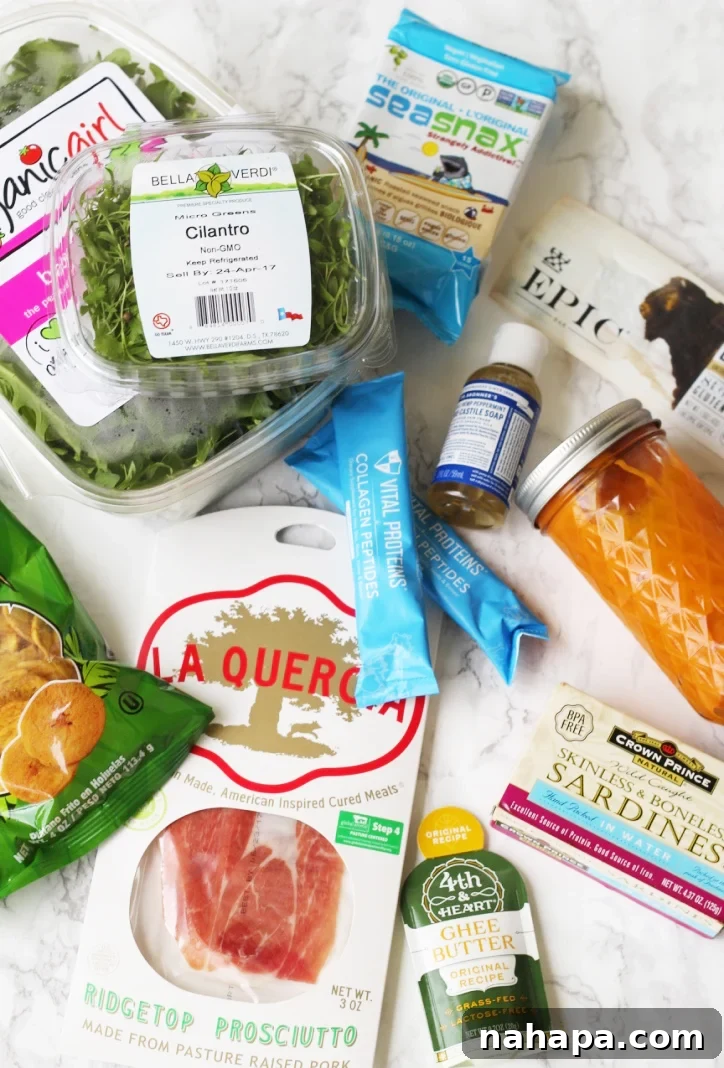
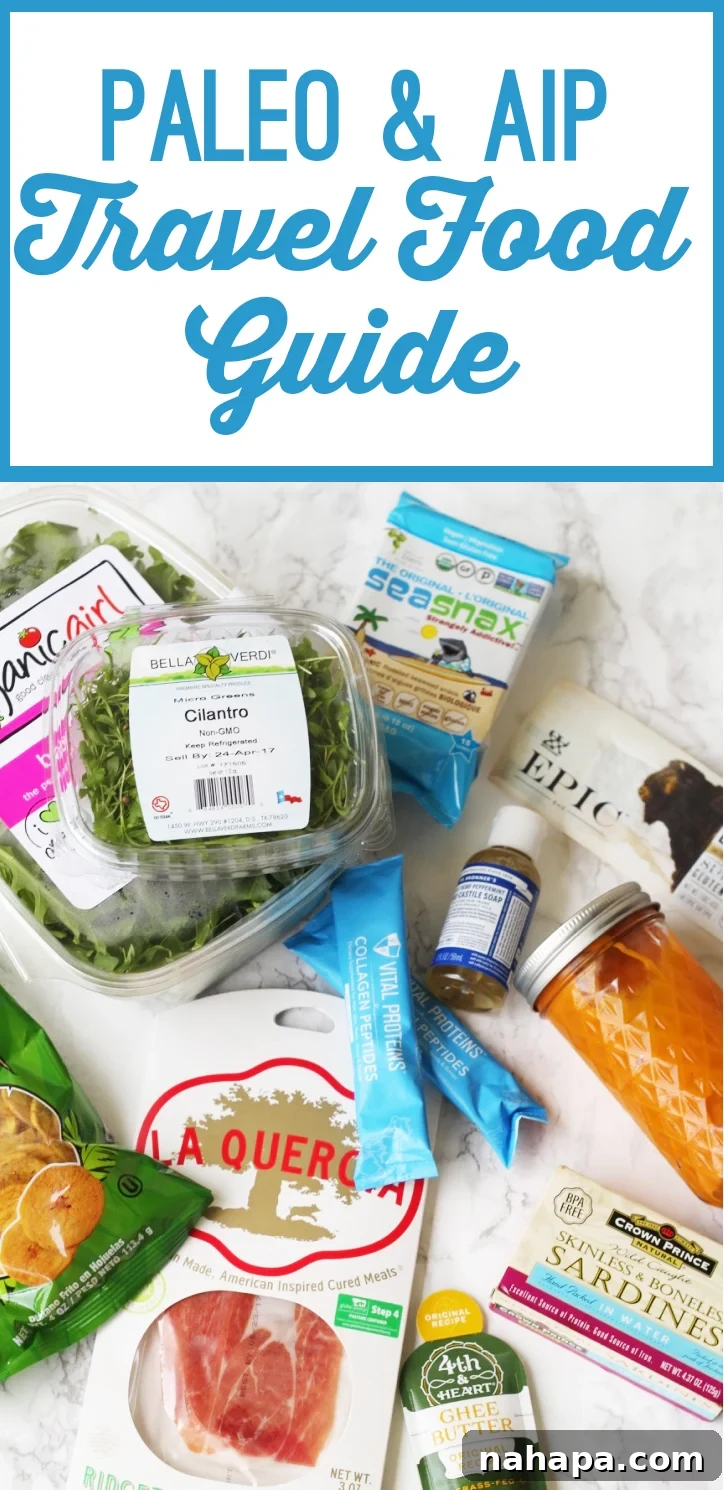
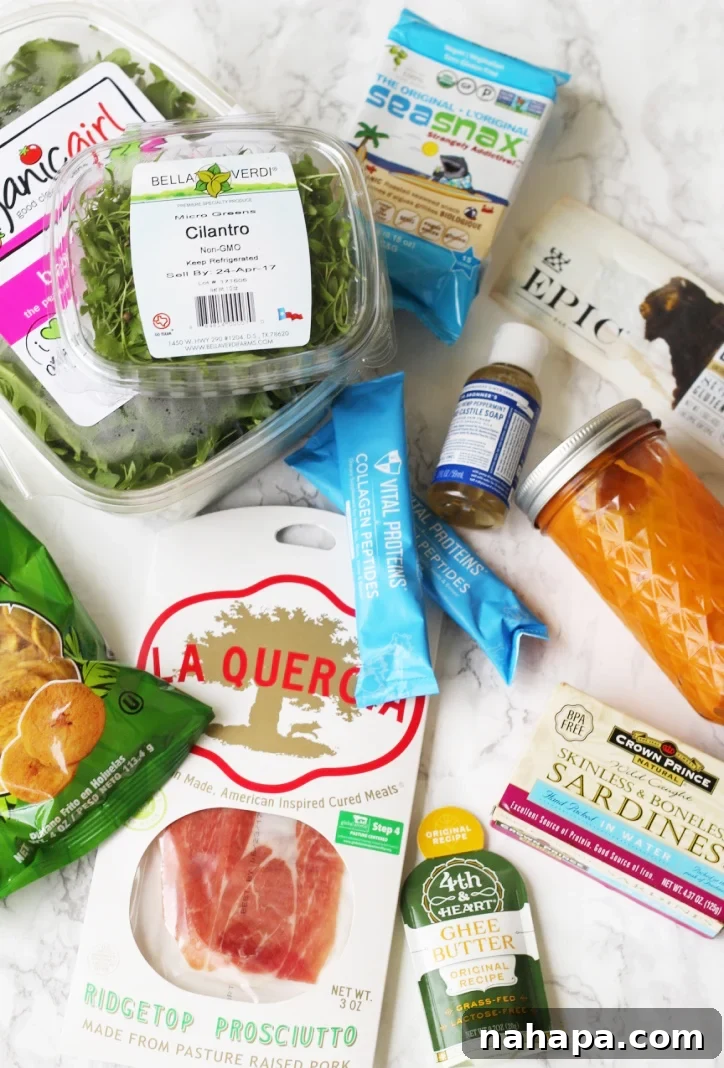
Fresh Fruits & Vegetables
- Fresh Sliced Carrots: Easy to pack, travel well, and offer a satisfying crunch. Excellent source of vitamins and fiber.
- Fresh Celery Sticks: Hydrating and refreshing, celery is another durable vegetable that’s great for snacking.
- Bagged Greens (Arugula, Spinach) or Fresh Herbs: If you have access to a cooler with ice packs, these can provide a wonderful base for salads or add freshness to any meal.
- Additive-Free Baby Food Pouches: Don’t underestimate these! They are a fantastic source of pureed fruits and vegetables, require no refrigeration until opened, and are incredibly convenient for a quick nutrient boost. Look for single-ingredient options.
- Seasnax Seaweed Packs: A light, savory, and nutrient-dense snack that takes up minimal space and travels exceptionally well.
- Vital Proteins Collagen Veggie Blend: A convenient way to incorporate extra greens and collagen for gut health, easily mixed with water.
Compliant Starches
- Plantain Chips: A delicious and satisfying AIP/Paleo-friendly snack. Ensure they are fried in compliant oils like coconut oil or palm oil, and check for hidden ingredients.
- Sweet Potato Chips: Another excellent carbohydrate source for sustained energy. Again, scrutinize the ingredient list for compliant oils and seasonings.
Healthy Fats
- Single-Serve Coconut Oil Packs: Perfect for adding healthy fats to your meals or for a quick energy boost. They are mess-free and portion-controlled.
- Ghee on the Go from 4th and Heart: While not strictly AIP (as it contains dairy butterfat), these individual packets are a fantastic Paleo option for adding flavor and healthy fats. I personally love them for their convenience and taste.
- Travel Size Olive Oil: Essential for dressings, adding to cooked vegetables, or enriching a simple salad when dining out.
Lean Proteins
- Homemade Beef Jerky: Making your own allows complete control over ingredients, avoiding common additives, sugars, and non-compliant spices. (Omit blueberries for strict AIP compliance, if desired). It’s a powerhouse of portable protein.
- EPIC Bars: These meat bars are excellent for a quick protein fix. Be sure to check labels carefully for AIP compliance, as some varieties may contain non-compliant ingredients.
- Canned Sardines or Salmon: A phenomenal source of omega-3 fatty acids and protein. They are shelf-stable, require no refrigeration until opened, and are incredibly convenient.
- Prosciutto: A flavorful cured meat that can be a lifesaver. Ensure it’s made without added sugars or non-compliant preservatives.
- Frozen Pot Roast & Veggies: If you have access to a heating device like a mini crockpot, pre-cooked and frozen hearty meals can be a game-changer for comforting, home-cooked taste on the go.
- Frozen Bone Broth Soups: Similar to pot roast, pre-made and frozen bone broth soups provide immense gut-healing benefits and warmth. These are ideal for use with a mini crockpot.
- Vital Proteins Collagen On-the-Go Packs: Collagen is crucial for gut health and overall wellness. These individual packets are easy to mix into water, coffee (if consumed), or any beverage.
Supportive Supplements
- Digestive Enzymes: Especially helpful when traveling, as digestive systems can be sensitive to new environments or slight deviations.
- Betaine HCL: Supports stomach acid production, which is vital for proper nutrient absorption and can be beneficial if digestive function is compromised by travel stress.
- Activated Charcoal: A must-have for any traveler. It can be incredibly effective for absorbing toxins and alleviating an upset stomach, food sensitivities, or minor digestive distress.
Essential Travel Tools
- Ice Packs: Crucial for keeping perishable foods cold. You can bring them on planes as long as they are fully frozen when passing through security.
- Cooler Bag: I use a compact cooler for shorter day trips and a rolling cooler for extended journeys or flights where I need to carry more provisions.
- Mini-Crockpot or Hot Logic Oven: These portable cooking devices are absolute game-changers, allowing you to heat up pre-made meals or even cook simple dishes in your hotel room. My mini crockpot is perfect for warming frozen soups or bone broth.
- Reusable Water Bottle: Staying hydrated is paramount, especially when traveling.
- Travel Size Dish Soap: For washing utensils and containers, ensuring hygiene wherever you are.
A key lesson from my travels, including a business trip to Indonesia where my appetite was disrupted by severe jet lag, is to always pack more food than you anticipate needing. While I ended up bringing a significant amount of uneaten food back, I was immensely grateful to have an abundance of safe options, especially since I had no access to grocery stores or safe restaurants. It’s always better to be over-prepared than to find yourself without suitable sustenance.
Inspiring AIP & Paleo Travel Meal Ideas
Here are some practical and delicious meal ideas that leverage your packed provisions, demonstrating how simple and satisfying healthy travel eating can be.
Comforting Sit-Down Meal with a Portable Cooking Device
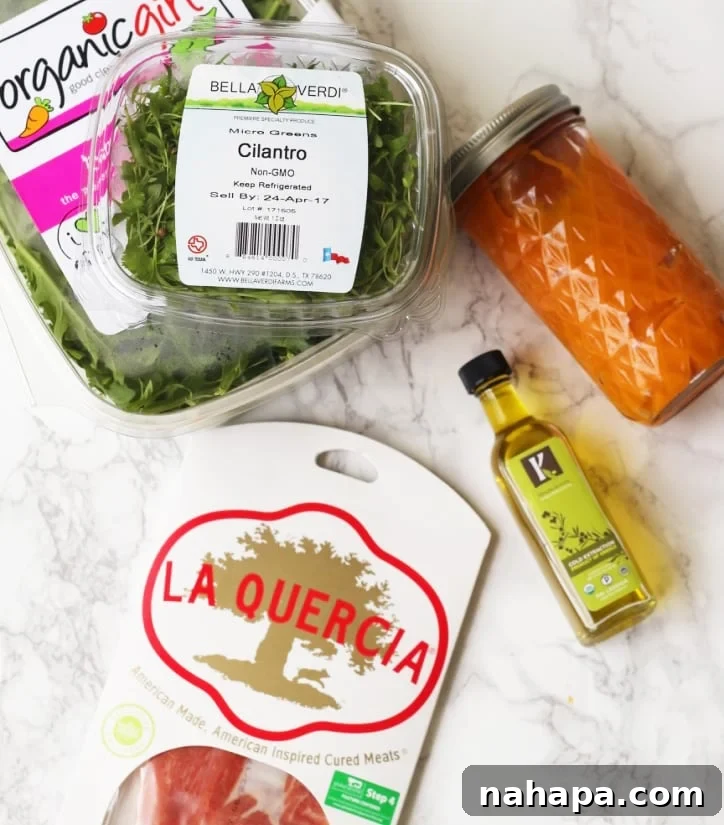
Imagine a warm, nourishing carrot and bone broth soup, gently heated in your mini crockpot, accompanied by a vibrant side salad composed of fresh arugula, aromatic cilantro, savory prosciutto, and a drizzle of your travel olive oil. This is a comforting, gut-healing meal that feels like a home-cooked treat even in a hotel room.
Effortless Simple Salad
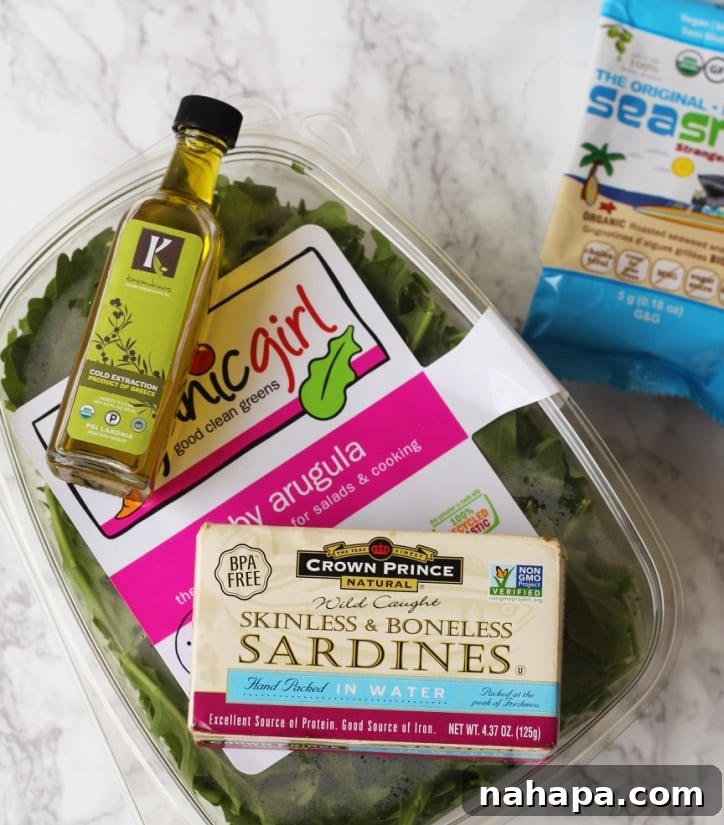
For a quick, nutrient-packed meal, combine fresh greens and herbs with a can of sardines (or salmon), a dash of travel-sized olive oil, and some crunchy sea snax. This meal is incredibly easy to assemble anywhere, providing essential proteins, fats, and micronutrients without any cooking required.
Power-Packed On-the-Go Snacking
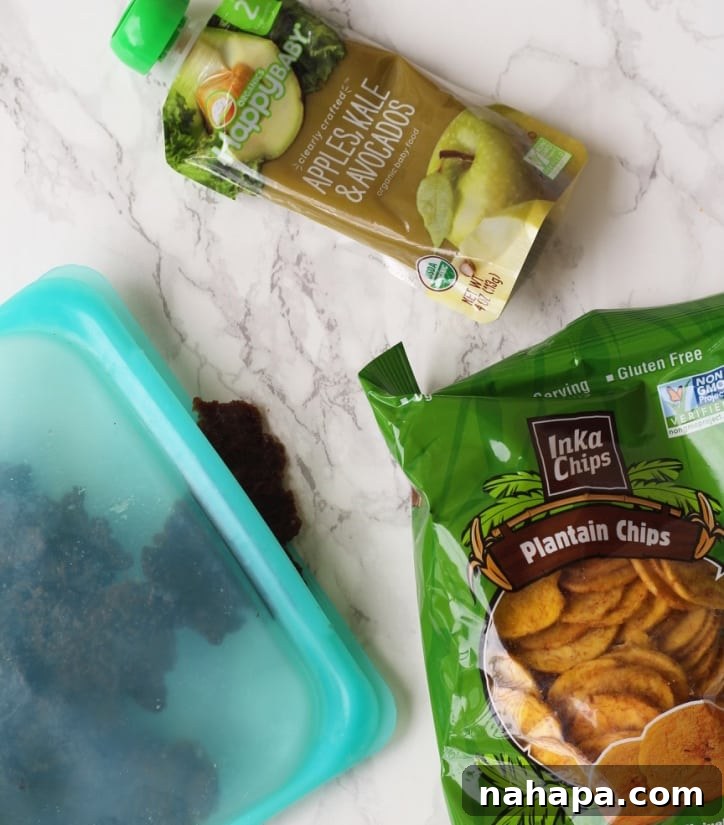
Perfect for hikes, sightseeing, or long stretches between meals, this combo includes homemade beef jerky, satisfying plantain chips, and a convenient baby food pouch. It’s a balanced trio that provides protein, healthy carbs, and essential vitamins – ideal for a spontaneous picnic lunch.
Emergency Purse Essentials: Never Be Caught Hungry!
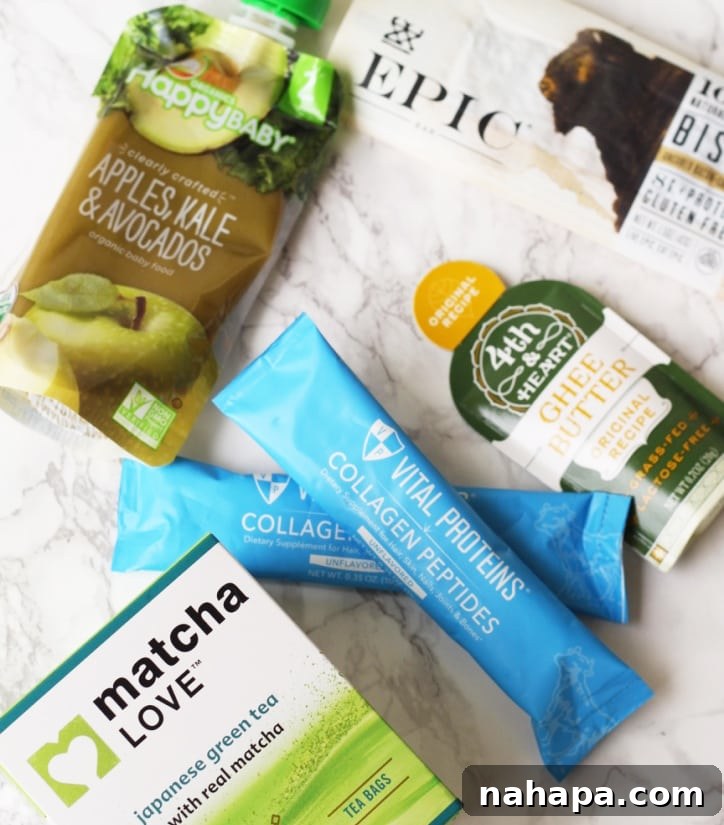
Keep a small arsenal of compliant snacks in your purse or day bag at all times. My go-to items include Vital Proteins collagen packets (for a quick protein boost), a few tea bags (like matcha for energy or herbal for relaxation), EPIC bars (check AIP compliance carefully), Ghee on the Go packets (for healthy fats), and a baby food pouch. This ensures you’re always prepared if hunger strikes unexpectedly or safe food options are scarce.
Lodging & Eating Out Tips for Paleo & AIP Travelers
Beyond packing the right foods, strategic planning for your accommodation and dining experiences is crucial for a successful healing diet journey.
1. Prioritize Accommodations with a Full Kitchen
If your budget and itinerary allow, securing lodging with a full kitchen is undeniably the most ideal scenario. This freedom enables you to prepare fresh, compliant meals daily, reducing the amount of food you need to pack and expanding your culinary options. Platforms like Airbnb, VRBO, or extended-stay hotels often provide excellent kitchen facilities. When booking, double-check the kitchen amenities to ensure they meet your needs (e.g., stove, oven, refrigerator, basic utensils).
2. When a Kitchen Isn’t Available, Rely on Your Travel Cooler and Mini Cooking Device
The reality of travel is that a full kitchen isn’t always an option. I’ve successfully navigated many trips without one, proving that it’s entirely manageable. If you find yourself in a kitchen-less room, your travel cooler and portable heating devices become your best friends. Pack your perishables in your cooler with plenty of ice packs. Hotels are usually happy to provide ice to replenish your cooler, ensuring your food stays safely chilled. My mini crockpot is a consistent lifesaver, especially for warming up frozen bone broth soups or stews. The Hot Logic Oven is another fantastic alternative, capable of heating various pre-prepared meals.
3. Exercise Extreme Caution with Cross-Contamination, Oils, and Additives When Dining Out
When eating out, my approach is always one of heightened caution, and it’s a practice I never regret. Even if a menu item is labeled “gluten-free” or “dairy-free,” this doesn’t guarantee protection against cross-contamination or preparation using non-compliant ingredients like canola oil, soy oil, or hidden sugars. Based on my past experience working in numerous restaurants, I can attest that many establishments lack comprehensive training or stringent protocols for avoiding cross-contamination or understanding specific dietary needs like AIP. Never compromise your health by assuming; always ask specific questions about ingredients, cooking methods, and potential for cross-contamination. Be polite but firm in your requests.
4. Diligently Research Paleo & AIP-Friendly Restaurants in Advance
Rest assured, excellent restaurants that cater to healing diets do exist! The key is thorough research. Before your trip, dedicate time to scouting out potential dining spots. I’ve had incredible dining experiences at places like Mission Heirloom in Berkeley, CA, and Picnik in Austin, TX, which are specifically designed with healing diets in mind. Resources like Eileen Laird’s amazing Paleo restaurants guide on Phoenix Helix can be invaluable. Don’t hesitate to call restaurants ahead of time to discuss your dietary needs and ensure they can safely accommodate you. You might be pleasantly surprised by the options available.
5. When in Doubt, Order a Simple, Mostly Raw Base and Supplement with Your Own Provisions
If you find yourself in a situation where you’re uncertain about cross-contamination, mystery oils, or hidden ingredients, a smart strategy is to order a very simple, mostly raw meal and then augment it with your own packed food. For example, you could order a plain salad with grilled protein (if available and vetted) and then add your own travel-sized olive oil, an EPIC bar for extra protein, or some plantain chips for carbohydrates. This approach allows you to control a significant portion of your meal, ensuring compliance and peace of mind. Easy and effective!
6. Embrace Flexibility and Focus on Enjoying Your Journey
While preparation is paramount, it’s equally important not to let the small things overshadow the joy of travel. We all make mistakes, and an occasional slip-up is not the end of the world. The goal is to prepare as thoroughly as possible and then allow yourself to relax and immerse in the experience. Stress itself can be detrimental to your health, so approach your travel with a mindset of preparedness tempered with flexibility. Remember your “why,” focus on the positive aspects of your trip, and celebrate your efforts in maintaining your health while exploring new horizons.