
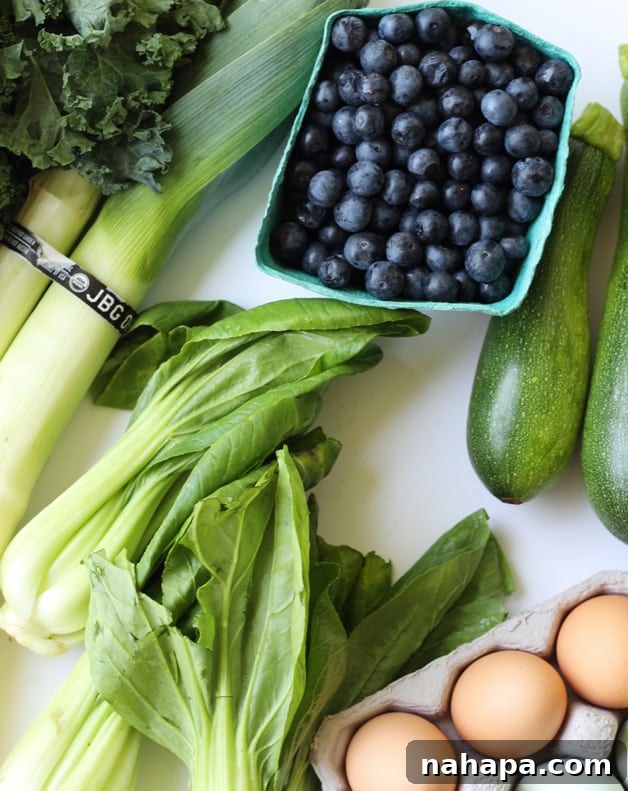
This blog post is purely informational. I am not a doctor or dietitian. Please consult a doctor for all medical advice and before making any dietary changes.
Have you ever considered how much variety truly exists in your daily diet? In an age where convenience often dictates our meal choices, many of us find ourselves eating the same handful of foods day in and day out. While seemingly harmless, this dietary monotony can have unforeseen consequences for our health, particularly concerning nutrient intake and the development of food sensitivities. This is where the concept of a **rotation diet** becomes incredibly powerful.
A well-implemented food rotation strategy can be immensely beneficial for increasing dietary diversity, supporting gut health, and effectively managing existing or preventing new food intolerances. Let’s delve deeper into understanding the principles of food rotation and explore practical steps on how to successfully incorporate this approach into your lifestyle.
What Exactly Is a Rotation Diet?
At its core, a rotation diet involves strategically varying the foods you consume over a set period, typically a 3 or 4-day cycle. The fundamental goal is to prevent you from eating the same foods every single day. This isn’t about rigid calorie counting, extreme restriction, or striving for unattainable perfection. Instead, it’s a mindful approach to introduce a broader spectrum of nutrients and minimize constant exposure to specific food compounds that might trigger sensitivities.
It’s crucial to understand that **rotation diets alone do not directly reverse food intolerances**. Rather, they serve as an invaluable tool to:
- Help Identify Triggers: By cycling foods, you create space to observe your body’s reactions, making it easier to pinpoint which specific foods might be causing adverse symptoms.
- Calm Inflammation: Giving your digestive system a break from frequently consumed foods can help reduce inflammation, an essential step in gut healing protocols.
- Prevent New Intolerances: Constant exposure to certain food proteins can sometimes contribute to the development of new sensitivities, especially when gut integrity is compromised. Rotation helps mitigate this risk.
In essence, it’s about nourishing your body with diverse whole foods, fostering a robust internal environment, and creating a sustainable eating pattern that supports long-term wellness.
Why Embrace Food Rotation? The Benefits Unveiled
The practice of rotating foods offers a multitude of advantages that extend beyond just managing intolerances. It aligns with our biological heritage and provides a richer nutritional foundation for optimal health.
1. We Are Biologically Designed for Dietary Variety
Consider the eating patterns of our ancestors, or even those from a century ago. Their diets were intrinsically linked to the seasons and local availability. They ate what the land and local climate provided, meaning a natural rotation of fruits, vegetables, proteins, and grains throughout the year. The idea of eating the same specific fruit or vegetable, like avocado, every single day, simply wasn’t feasible, nor was it intended by nature. Our modern global food system, while offering incredible convenience, has disconnected us from this inherent wisdom, allowing us to consume out-of-season items flown in from distant lands. Embracing rotation is a return to a more natural, evolutionarily congruent way of eating.
To put it simply, eating the same thing day in and day out is certainly not “Paleo” in the true sense of the word; true ancestral eating was characterized by profound diversity.
2. Enhanced Nutrient Diversity and Micronutrient Intake
If your primary source of healthy fats comes solely from avocados, you’re missing out on the unique nutritional profiles offered by olive oil, coconut oil, flaxseeds, various nuts, and nutrient-dense animal fats like beef tallow or ghee. Each food boasts a distinct array of vitamins, minerals, antioxidants, and phytonutrients. By consistently rotating your food choices, you naturally broaden your intake of these essential micronutrients, supporting every bodily function from cellular repair to immune response. Our ancestors reportedly consumed hundreds of different plant species annually; in contrast, many modern diets revolve around a mere handful of staple ingredients, drastically limiting our nutrient exposure.
3. Supports a Healthy Gut Microbiome
A diverse diet is the cornerstone of a thriving gut microbiome. The billions of beneficial bacteria residing in our gut flourish on a wide range of fermentable fibers and plant compounds found in different fruits, vegetables, and whole grains. Providing a varied food source helps cultivate a rich and resilient gut ecosystem, which is directly linked to improved digestion, enhanced immunity, and even better mood and cognitive function. Monotonous diets, conversely, can lead to a less diverse and potentially imbalanced microbiome.
4. Aids in Identifying and Managing Food Sensitivities
For individuals dealing with suspected food intolerances or sensitivities, a rotation diet is an invaluable diagnostic and management tool. By systematically cycling foods and allowing a ‘washout’ period between exposures, it becomes easier to observe and track symptoms. If you react negatively to a specific food, the rotation strategy helps calm your system before reintroducing it later, confirming the sensitivity. This controlled exposure can significantly reduce chronic inflammation and digestive distress while your gut heals.
5. Prevents the Development of New Intolerances
Consistent, daily consumption of the same foods can sometimes lead to a phenomenon known as “sensitization.” This is particularly true if your gut lining is compromised (often referred to as “leaky gut”). When the same food proteins are presented to the immune system repeatedly, it can eventually lead to an immune response, manifesting as a new intolerance. Rotating foods reduces this constant bombardment, giving your immune system and gut a much-needed break and lowering the risk of developing additional sensitivities.
6. Reduces Dietary Boredom and Encourages Culinary Exploration
Eating the same meals repeatedly can lead to culinary fatigue. A rotation diet naturally encourages you to explore new recipes, experiment with different ingredients, and expand your palate. This renewed interest in food can make healthy eating more enjoyable, sustainable, and a creative outlet rather than a chore.
Practical Guide: How to Successfully Follow a Rotation Diet
Implementing a rotation diet might seem daunting at first, but with a structured approach and a bit of planning, it quickly becomes an intuitive part of your healthy lifestyle. Here’s how to get started:
Work with a Qualified Healthcare Practitioner
Before making any significant dietary changes, especially if you have existing health conditions or suspected food intolerances, it is absolutely essential to seek guidance and approval from a doctor, registered dietitian, or a qualified nutritionist. This post offers general information and ideas for structuring a rotation diet, but it is not a substitute for personalized medical or dietary advice. A professional can help tailor the approach to your specific needs and monitor your progress safely.
Establish Your Rotation Schedule: Start with 3-4 Days
When you’re introducing new foods, reintroducing previously eliminated foods, or trying to pinpoint sensitivities, a 3-4 day rotation is often considered the gold standard. This timeframe allows sufficient time for your system to process a food and for any delayed reactions to manifest, without overexposing your body to it. While individual response times vary, this provides an excellent starting point.
So, how does a typical 4-day rotation look in practice? Here’s an example:
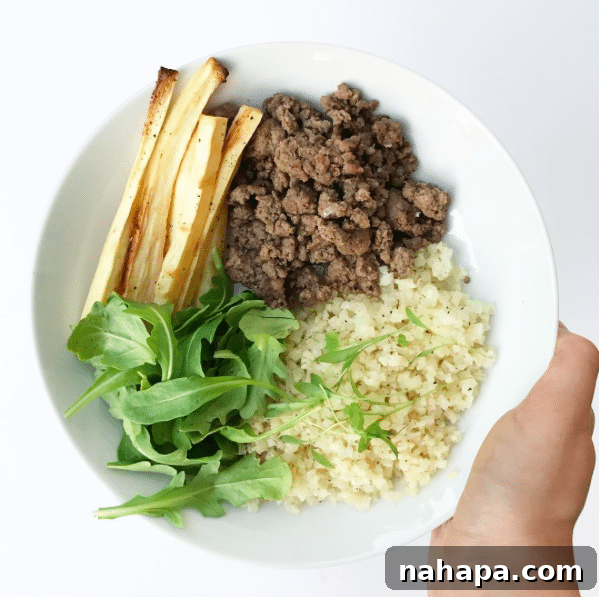
Day 1 (e.g., Monday): Bison, cauliflower, arugula, cilantro, parsnip, coconut oil
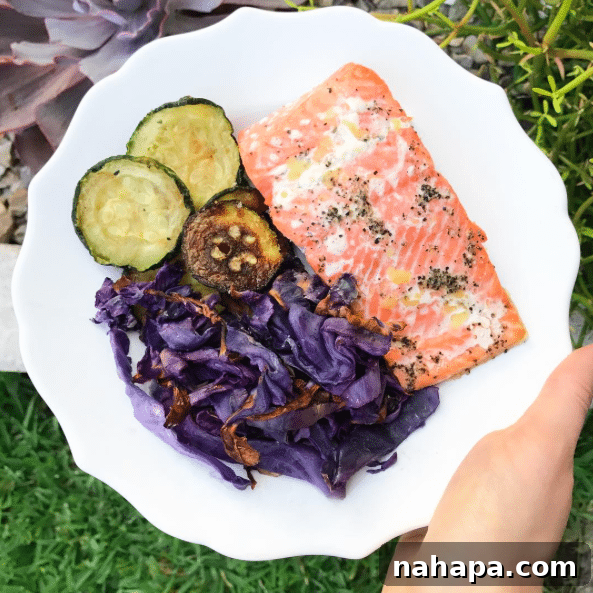
Day 2 (e.g., Tuesday): Salmon, zucchini, cabbage, ghee, blueberries
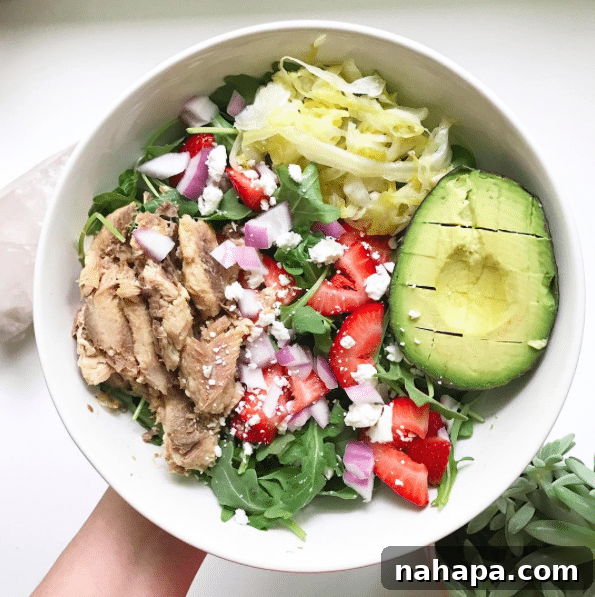
Day 3 (e.g., Wednesday): Sardines (or another fish), onion, mixed greens, sauerkraut, avocado, strawberries (Note: this salad includes cheese, which may not be suitable for all healing diets, but has been reintroduced here.)
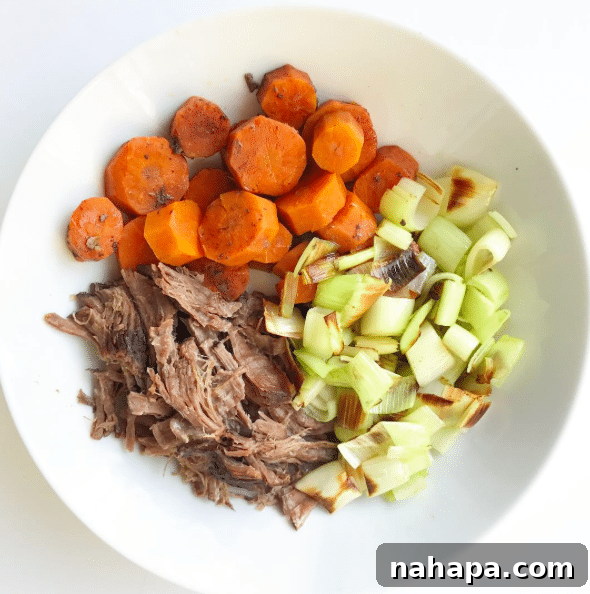
Day 4 (e.g., Thursday): Beef, leeks, carrots, beef tallow, apples
On Day 5 (Friday), the cycle begins again with the foods from Day 1 (bison, cauliflower, etc.). Remember, this doesn’t mean you *only* eat those specific foods on Friday; it means those are the earliest you’d reintroduce your Day 1 food group. You’ll naturally add other rotating foods throughout the week that haven’t hit their rotation limit yet.
Plan and Track Your Meals and Symptoms
Successful rotation diets rely on thoughtful planning. Dedicate a short time each week, perhaps on a Saturday or Sunday, to map out your meals for the upcoming week. Consider your schedule: Will you be eating out? Are there busy evenings? Jot down your planned meals for each day. Simple tools like the notes app on your phone, a spreadsheet, or a dedicated food journal can be incredibly effective.
Equally important is tracking any symptoms throughout the week. Note down how you feel after meals, energy levels, digestive comfort, skin reactions, or any other subtle changes. Over time, these records will help you identify patterns and discern which foods work best for your body and which might need further investigation or temporary exclusion.
Simplify Your Meals for Easier Rotation
While those aesthetically pleasing Instagram bowls brimming with seven different vegetables are inspiring, they can complicate a rotation diet. The more ingredients in a single meal, the harder it is to track and rotate them effectively.
Instead, aim for simplicity: structure your meals around one primary protein, 1-2 different vegetables, and a healthy fat source. This minimalist approach makes meal planning and tracking significantly easier, provides more flexibility for rotation, and is often just as delicious and satisfying. For instance, instead of a salad with five types of greens, pick one or two for your meal cycle.
Your Freezer is Your Ally
Batch cooking and freezing are game-changers for a rotation diet. Imagine you’ve prepared a hearty soup packed with specific vegetables for Day 1. You don’t want to eat it for two consecutive days to maintain your rotation, but you also don’t want to waste leftovers. The freezer is your solution!
Most foods—including meatballs, stews, soups, roasted vegetables, and cooked proteins—freeze exceptionally well. This strategy allows you to prepare larger quantities of a food when it’s “in rotation” and then store portions for its next cycle, often a few days or a week later. It significantly reduces food waste and streamlines your meal prep.
Prioritize Seasonal Eating
Aligning your diet with the seasons is not only what nature intended but also perfectly complements a rotation diet. Seasonal foods are typically fresher, more nutrient-dense, and often more affordable. Make it a habit to visit local farmers’ markets or do a quick online search every few weeks to discover what produce is currently in season in your region.
By focusing on seasonal foods, you naturally introduce variety throughout the year. For example, enjoy watermelon or berries when they’re abundant in summer, and then switch to root vegetables and squashes in autumn. This natural ebb and flow of available produce simplifies your rotation efforts and ensures you’re eating foods at their peak freshness and flavor. You can enjoy larger quantities of seasonal items during their peak without stressing about rotation as much, knowing their presence in your diet will naturally decrease when their season ends.
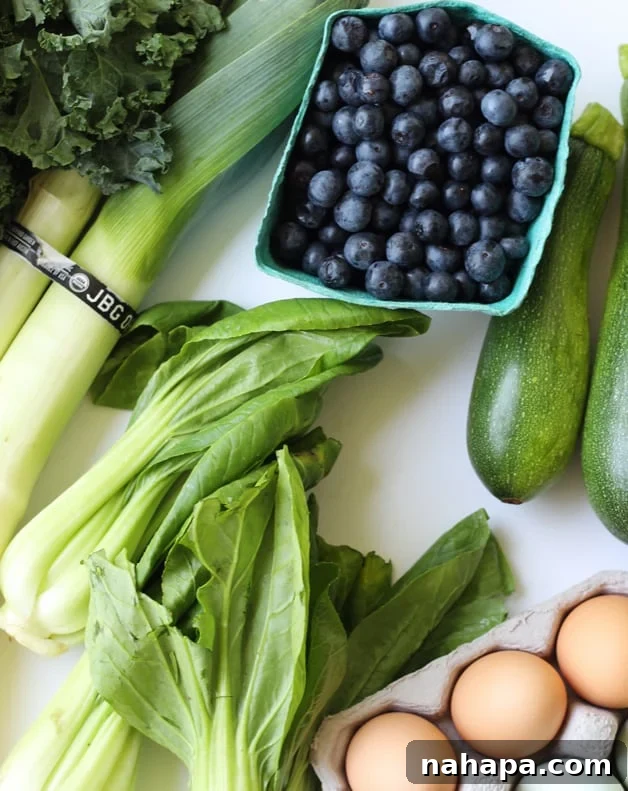
Don’t Overcomplicate It, Especially at the Start
It’s easy to get caught up in the minutiae: “Are beef and bison too similar for rotation? What about chicken and turkey? Should all cruciferous vegetables be rotated together?” While these are valid considerations for advanced rotation, it’s best to start small and keep it simple, particularly in the initial stages.
The true beauty of this dietary approach lies in its ability to help you discover your unique triggers and sensitivities over time. Begin by focusing on broader categories and getting into the habit of varied consumption. If you later notice that consuming chicken and turkey back-to-back causes a reaction, then you can refine your rotation to separate them more distinctly. The primary objective when you’re just starting is to break the cycle of eating the same foods daily and introduce a wider range of ingredients.
Perfection Is Not the Goal; Consistency Is Key
You’re bound to have days where you eat sweet potato two or three days in a row, or inadvertently repeat an ingredient. This is not the end of the world, and there’s no need to chastise yourself. Even if a slip-up occurs, simply aim to take a break from that food for the next week or two before reintroducing it. The core principle is to avoid eating the same specific food every single day for extended periods, not to achieve a flawless 4-day rotation for the rest of your life.
Many people find that small deviations are perfectly fine unless they have a known severe intolerance or have been eating the same problematic food daily for weeks. Tiny slip-ups are absolutely fine, and you don’t have to be perfect every single day. Remember: **The ultimate goal is variety, not absolute perfection.**
It’s Challenging at First, Then It Becomes Second Nature
When initially adopting a rotation diet, you might find yourself meticulously tracking every ingredient, down to the cooking oil and spices. This level of detail can feel overwhelming, obsessive, and even exhausting for some. If this strictness triggers unhealthy habits or an unhealthy relationship with food, it’s a valid reason to reconsider the approach or seek professional guidance.
However, like most new health ventures—be it going gluten-free, starting a running routine, or meditating daily—it feels hard at first. The initial friction is part of the process. With consistent effort and practice, it will gradually transform into a habit. You’ll develop an intuitive understanding of your food cycles, and the need for constant tracking will diminish.
Eventually, you’ll find that you naturally crave variety. You might keep cauliflower in the freezer and only pull it out once or twice a week, not because you’re rigidly tracking, but because it simply feels right. It takes time to reach this point where food rotation becomes an effortless, integrated part of your lifestyle, but you will get there.
Is a Rotation Diet a Lifelong Commitment?
As discussed, with time and practice, not eating the same foods every day evolves into a habit. For many, and as often recommended, the approach is to follow it more strictly in the beginning—especially when navigating a structured healing protocol or identifying intolerances. Once a foundational understanding of your body’s responses is established, and a sense of routine is built, the strictness can be relaxed into a more mindful and intuitive approach.
Over time, you’ll naturally learn which foods your body tolerates exceptionally well (for example, some individuals consistently do well with beef and salmon) and which require more careful consideration or less frequent consumption (such as certain reintroductions like cheese or almonds). You will develop your own rhythm and a personalized understanding of your body’s dietary needs. While the strict rotation might not be necessary forever, maintaining a template of increased variety remains a valuable and beneficial guideline for sustainable health.
Is a Rotation Diet Suitable for Everyone?
Of course not. A rotation diet is not a universal solution, and it’s certainly not appropriate for every individual or every stage of their health journey. For instance, if you are currently on an extremely restricted diet due to severe sensitivities, or if you struggle with disordered eating patterns or have a history of restriction, jumping into a full-force rotation diet could be counterproductive or even harmful.
Similarly, if you are just beginning to transition to a whole-food diet, the initial focus should be on building a foundation of nutritious eating rather than immediately implementing complex rotation rules. The priority in such cases is often simply getting more real, unprocessed foods into your diet.
However, regardless of your specific situation, the core principle of a rotation diet—to focus on **getting more variety** and **avoiding eating the same thing every single day**—offers a valuable lesson for all of us. Even without a strict schedule, mindfully varying your food choices can significantly contribute to better health, greater resilience, and a more enjoyable relationship with food.