

In the bustling world of modern nutrition, where superfoods often come with a hefty price tag and require elaborate preparation, one humble and often overlooked contender stands out: sardines. These small, silvery fish are far more than just a convenient pantry staple; they are a nutritional powerhouse, brimming with essential nutrients like omega-3 fatty acids, vitamin D, calcium, and protein. Beyond their impressive health benefits, sardines offer a remarkably cost-effective way to nourish your body, proving that healthy eating doesn’t have to break the bank. What’s more, despite their sometimes-intimidating reputation, sardines are surprisingly versatile and can be made to taste absolutely delicious with just a few simple culinary tricks.

The mention of sardines often elicits one of two distinct reactions. On one hand, there are those who grew up enjoying them regularly, viewing them as a familiar and convenient source of sustenance. For them, sardines are a nostalgic comfort food, a quick and easy way to add a boost of nutrition to their daily diet. On the other hand, there’s a larger group who recoil at the very thought, struggling to imagine how these tiny fish could ever be appetizing. They’re curious about the health buzz but perplexed by the practicalities of making them palatable.
This common divide was perfectly illustrated during a recent trip to the grocery store. As I placed a few cans of sardines in my cart, a fellow shopper approached me with a curious yet hesitant question: “Excuse me, what do you actually do with those? I’ve heard they’re incredibly healthy, but I have no idea how to eat them!” I could instantly relate to her dilemma, as it echoed my own initial skepticism years ago. Her question, I realized, is one shared by countless others eager to tap into the nutritional advantages of sardines but unsure where to begin.
So, let’s demystify this oceanic gem. Why exactly are sardines hailed as such a health marvel? And more importantly, how can you incorporate them into your diet in a way that’s both enjoyable and effortless?
Canned Sardines: A Convenient Nutritional Powerhouse
While fresh sardines offer their own unique culinary appeal and health advantages, the true beauty of sardines lies in their canned form. Dispelling any myths, canned sardines are unequivocally good for you and retain virtually all the robust nutritional benefits of their fresh counterparts. They remain a rich source of calcium, selenium, and protein, among other vital nutrients. However, their paramount advantage is their unparalleled convenience. With canned sardines, the preparation is minimal to non-existent; they are a true “grab and go” food. This makes them an ideal choice for busy individuals, offering a quick, healthy meal or snack without the need for cooking.
Therefore, if canned sardines are the most accessible option for you, embrace them wholeheartedly! You’ll still be reaping a wealth of health benefits that can significantly contribute to your overall well-being. Let’s delve deeper into the extraordinary advantages these small fish offer.
The Remarkable Health Benefits of Sardines
Sardines are not just a food; they’re a miniature nutritional treasure chest. Here are the top reasons why these small fish deserve a prominent place in your diet:
1. Packed with Bioavailable Calcium
Calcium is a foundational mineral, crucial not only for building and maintaining strong bones and teeth but also for supporting vital functions like nerve transmission, muscle contraction, and heart health. Sardines are an exceptional source of calcium, primarily due to their tiny, edible pin bones. Unlike calcium supplements, the calcium in sardines comes in a highly bioavailable form, meaning your body can absorb and utilize it efficiently. Many people worry about the texture of these bones, but rest assured, they are incredibly small and soft, often undetectable, blending seamlessly into the fish’s flaky flesh. A standard can of sardines can provide a significant percentage of your daily recommended calcium intake, making them an excellent dairy-free alternative for this essential mineral.
2. A Complete and Abundant Protein Source
Protein is fundamental for virtually every bodily function, from repairing tissues and building muscle mass to producing enzymes and hormones. Sardines are an outstanding source of high-quality, complete protein. A typical 4.4oz can of sardines can deliver an impressive 23 grams of protein, often more. What sets sardine protein apart is its accompanying nutrient profile. Unlike isolated protein powders, sardines come packaged with a synergy of healthy fats, calcium, vitamin D, and other micronutrients that enhance protein absorption and utilization, offering a far more holistic and healthier protein boost.
3. Rich in Essential Omega-3 Fatty Acids
Omega-3 fatty acids, particularly EPA (eicosapentaenoic acid) and DHA (docosahexaenoic acid), are renowned for their profound health benefits. They are vital for cardiovascular health, playing a role in reducing inflammation, lowering triglycerides, and supporting healthy blood pressure. Beyond heart health, omega-3s are critical for brain function, cognitive health, and maintaining a healthy nervous system. While salmon is widely recognized for its omega-3 content, don’t underestimate sardines! They are one of the best and most concentrated sources, with a 4 oz serving often containing up to 1.8 grams of these beneficial fats (source). Their small size means they accumulate fewer toxins, making them a safer choice for regular consumption compared to some larger, longer-lived fatty fish.
4. Significantly Lower in Mercury
Mercury contamination in fish is a valid concern for many, especially for pregnant women, young children, or individuals with impaired detoxification pathways. Larger, predatory fish like tuna, swordfish, and shark accumulate higher levels of mercury over their lifespan. This is where sardines shine as a superior choice. As small, short-lived fish positioned lower on the food chain, sardines accumulate far less mercury. According to the FDA, sardines contain substantially less mercury than tuna, yet a 3.5 oz serving can offer a comparable amount of beneficial omega-3s to salmon (source). This makes them an excellent option for those seeking the benefits of seafood without the heightened mercury exposure. Despite their low mercury levels, it is always prudent to consult with your doctor regarding fish consumption, particularly if you are pregnant, have existing mercury toxicity concerns, or any other underlying health conditions.
5. The Ultimate Travel and On-the-Go Meal
In 2016, sardines briefly made headlines when venture capitalist Craig Cooper declared them his favorite travel superfood (as quoted by CNBC), and it’s easy to see why. For travelers, adventurers, or anyone needing a quick, nutritious meal away from home, sardines are unparalleled. They require no refrigeration (until opened), no cooking, and come in a self-contained package. Forget expensive, unhealthy airport food or lackluster roadside snacks. A can of sardines, easily packed in a suitcase or purchased at your destination, offers a protein-rich, satisfying, and healthy option. Similarly, keeping a few cans in your pantry is a smart strategy for those days when cooking feels impossible but you still crave a wholesome, quick meal.
6. Remarkably Cost-Efficient
In an era where healthy eating is often perceived as expensive, sardines stand as a shining example of affordable nutrition. Compared to many other convenience foods, protein sources, or even other types of seafood, a can of sardines is incredibly budget-friendly. To further maximize savings, consider purchasing them from discount retailers or buying them in bulk. Online stores like Thrive Market often offer competitive prices, making this nutrient-dense food accessible to almost any budget.
7. High in Thyroid-Supporting Selenium
Selenium is a trace mineral that plays a critical role in numerous bodily functions, most notably thyroid hormone metabolism and antioxidant defense. For individuals managing thyroid conditions like Hashimoto’s, adequate selenium intake is particularly important. Sardines are an excellent natural source of selenium, and crucially, this mineral comes packaged with cofactors that facilitate its absorption and utilization within the body, ensuring you get the most out of every serving. Its antioxidant properties also help protect cells from damage, contributing to overall cellular health.
8. Abundant in Vitamin D
Vitamin D, often called the “sunshine vitamin,” is essential for overall health, yet deficiency is remarkably common worldwide. It plays a pivotal role in immune system regulation, bone health (by aiding calcium absorption), mood regulation, and hormone balance. While sun exposure is a primary source, dietary vitamin D is equally important, especially in regions with limited sunlight or for those who spend most of their time indoors. Sardines are one of the few natural food sources rich in vitamin D, making them an excellent dietary tool to help maintain optimal levels and support your immune system and overall well-being. Combining regular sardine consumption with safe sun exposure can significantly boost your vitamin D status.
9. An Ecologically Sustainable Seafood Choice
In an age of growing environmental awareness, the sustainability of our food choices is more important than ever. While some fishing practices, like industrial farming, can be less humane and produce less nutrient-dense fish, and overfishing poses a serious threat to ocean ecosystems, sardines stand out as one of the most sustainably fished options available. Sardine populations are generally robust and reproduce quickly, and they are typically caught using efficient methods like purse seines, which have minimal bycatch. By choosing to purchase sardines from reputable, sustainably managed sources, consumers can support responsible fishing practices and contribute positively to the long-term health of our oceans.
10. They Can (and Do!) Taste Delicious
Perhaps the most significant barrier to sardine consumption is the perception of their taste. Many people assume they won’t enjoy them, often due to a strong fishy odor or an unfamiliar texture. However, I can confidently assure you that sardines can be incredibly flavorful and enjoyable! The key lies in proper preparation and pairing. With the right ingredients and a little creativity, sardines transform into a gourmet experience, offering a unique umami richness that can elevate a wide variety of dishes. Don’t let preconceived notions deter you from discovering this truly yummy and healthy food.
Transforming Your Palate: Delicious Ways to Enjoy Sardines
Ready to give sardines a try or looking for new ways to enjoy them? Here are some simple, delicious methods to incorporate these healthy fish into your meals:
- Pan-Fry or Grill for a Crispy Delight: A fantastic way to enjoy sardines is to give them a quick sear. Drizzle them lightly with olive oil, season with salt and pepper, and then pan-fry them until golden and slightly crispy, or grill them over medium heat. The heat enhances their flavor and texture, making them irresistibly savory.
- Bake for Effortless Elegance: Baking sardines is a simple, hands-off approach that yields tender, flavorful results. Try a Mediterranean-inspired preparation: toss them with minced garlic, fresh herbs like oregano and parsley, a squeeze of lemon, and a generous glug of olive oil. Roast them quickly in the oven until cooked through. (This recipe for Mediterranean garlic and herb sardines sounds amazing; just remember to omit paprika and mustard if following an AIP diet.)
- Versatile Additions to Pasta, Toast, or Crackers: Sardines are surprisingly adaptable. Flake them into your favorite pasta dish – they pair wonderfully with zucchini noodles and pesto, or a simple lemon-garlic sauce. For a quick snack or light lunch, serve them on whole-grain crackers or toasted bread, perhaps with a squeeze of lemon, a sprinkle of sea salt, and a dash of hot sauce for an extra kick.
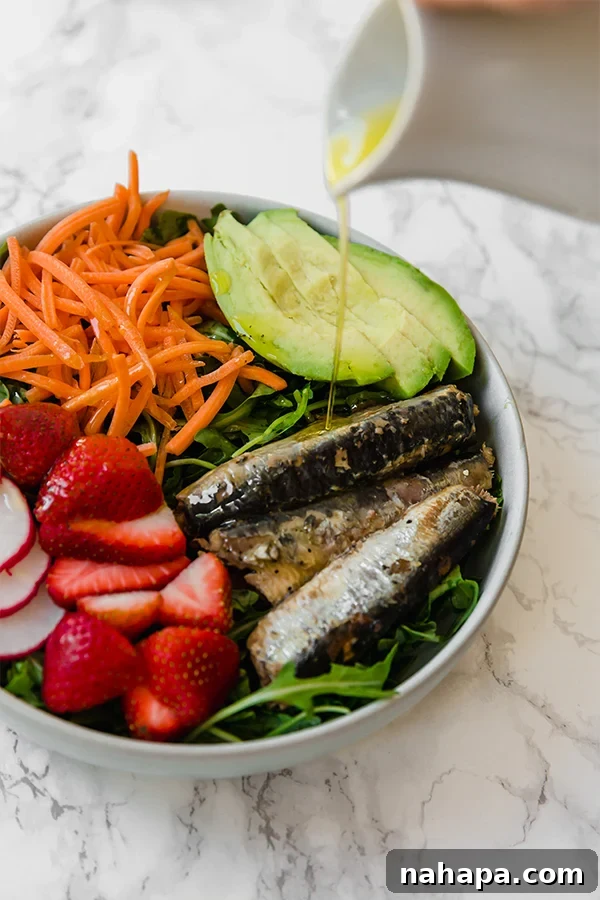
- Elevate Your Salads: This is arguably the simplest and most convenient method, and a personal favorite I enjoy almost weekly. Simply drain a can of sardines and gently flake them over a bed of fresh greens. They add a substantial protein boost and a rich flavor that complements a variety of vegetables and dressings.
- Creative Spreads and Dips: Mash sardines with a little olive oil, lemon juice, capers, and fresh dill for a delicious spread for sandwiches or a dip for crudités. They also make a fantastic base for a savory pâté.
- Alongside Eggs: For a nutrient-dense breakfast or brunch, add flaked sardines to scrambled eggs, omelets, or frittatas. Their savory notes perfectly complement the richness of eggs.

5 from 6 reviews
Simple Sardine Salad
1
serving
5
mins
Michelle
Print Recipe
Pin Recipe
Want to save this recipe for later? Save this page to your bookmarks or Pinterest!
Ingredients
For the dressing
- 2 tbsp olive oil
- 2 tsp red wine vinegar, or apple cider vinegar
- ½ tsp sea salt
- ¼ tsp black pepper, omit for AIP
For the salad
- 2 cups arugula
- ¼ cup carrots, shredded
- 2 radishes, sliced
- ¼ cup strawberries, sliced
- ½ small avocado, sliced
- 1 4 oz can of sardines
Instructions
-
Combine the ingredients for the dressing and whisk well. Season further to taste.
-
Assemble the salad by layering all of the ingredients over the arugula.
-
Top with dressing and enjoy!
Notes
Calories: 634kcal,
Carbohydrates: 14.9g,
Protein: 31.3g,
Fat: 52g,
Fiber: 7.6g
Did you Make this Recipe?
Tag @unboundwellness on Instagram and hashtag #unboundwellness!
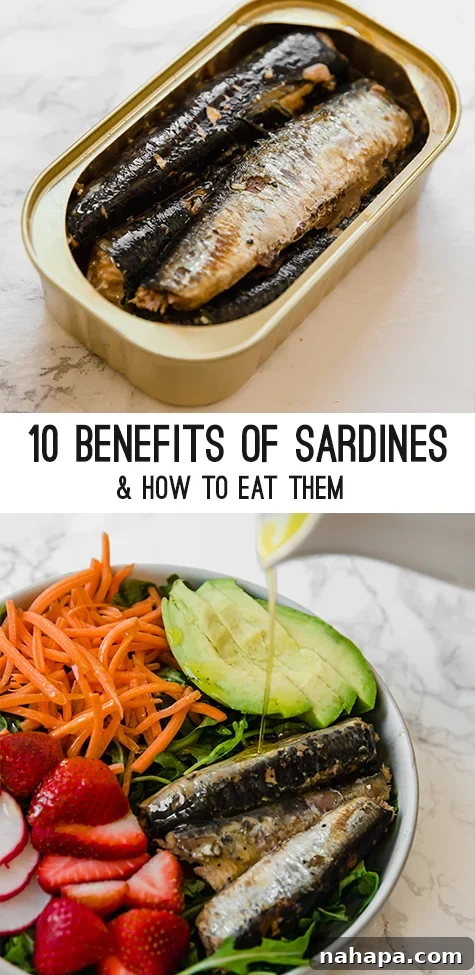
From their remarkable nutritional density and environmental sustainability to their incredible convenience and affordability, sardines offer an undeniable suite of benefits that make them a true superfood. They are a testament to the fact that some of the best foods for us are often the simplest and most accessible. If you’ve been hesitant to try them, now is the perfect time to explore the many delicious ways to incorporate these tiny, mighty fish into your diet. You might just discover your new favorite healthy staple!