
This post contains affiliate links.
Delicious & Easy Paleo Pumpkin Roll (AIP Compliant Recipe)
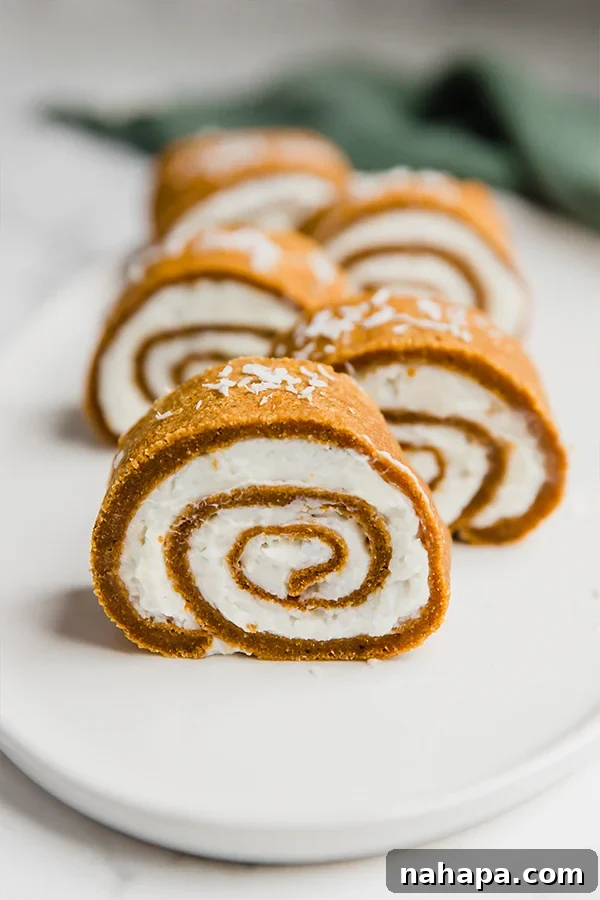
Experience the joy of autumn baking with this incredibly delicious and surprisingly simple Paleo Pumpkin Roll recipe. If you thought creating a show-stopping pumpkin roll was out of reach due to dietary restrictions, think again! This recipe is not only gluten-free, dairy-free, and Paleo-friendly, but it’s also fully AIP (Autoimmune Protocol) compliant, making it a perfect treat for almost everyone. It looks intricate, but we promise, it’s much easier to master than you might imagine. Get ready to impress your guests and satisfy your pumpkin cravings with this stunning, healthy dessert!
What Exactly is a Pumpkin Roll?
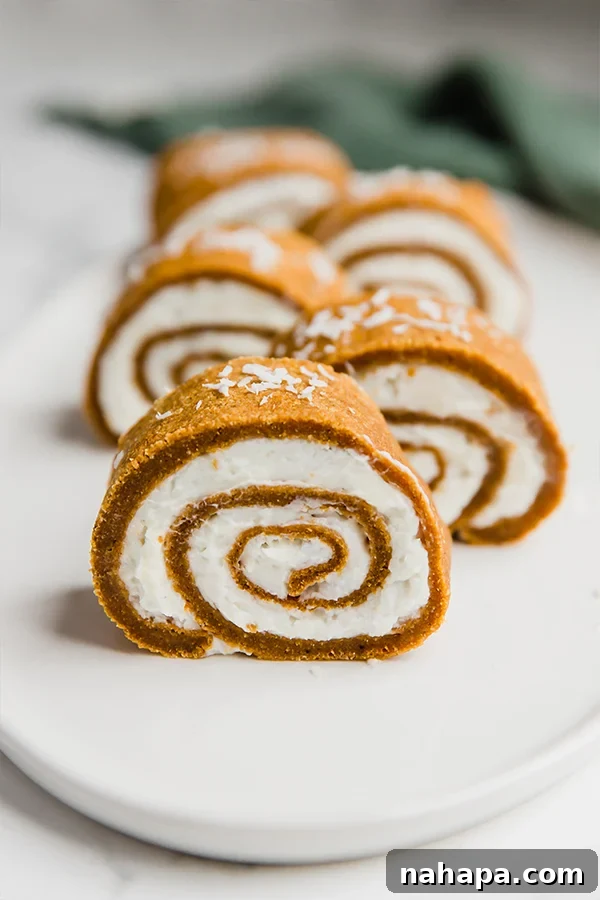
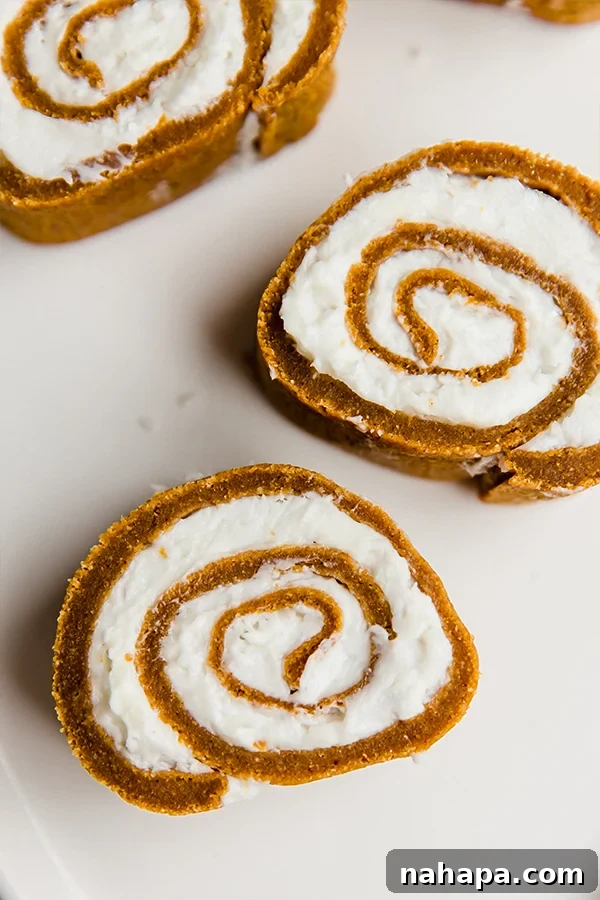
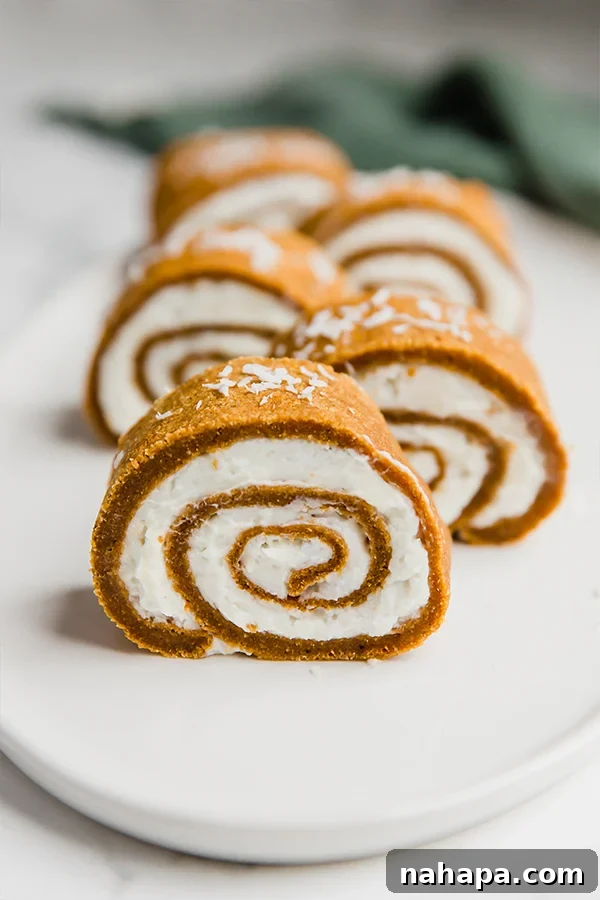
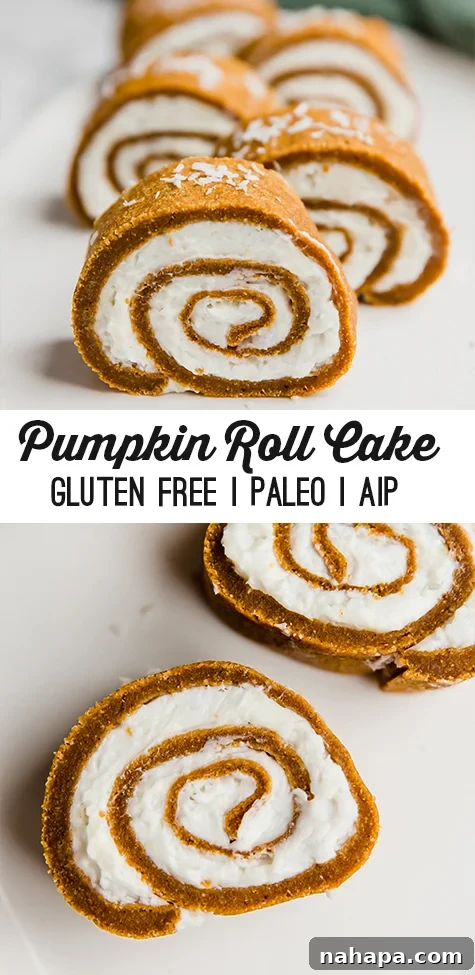
A pumpkin roll cake is undeniably one of the most visually appealing and beloved desserts, especially during the fall season. It consists of a thin, spiced pumpkin cake baked in a jelly roll pan, which is then carefully rolled while warm to set its spiral shape as it cools. Once cooled, it’s gently unrolled, generously spread with a creamy white frosting, and then rolled back up into a perfect, elegant log. The final step involves slicing it into individual portions, revealing beautiful layers of moist cake and rich frosting. The contrast of the vibrant orange cake with the smooth white filling creates a truly gorgeous presentation that often leads people to believe it’s a complicated confection to create from scratch.
Traditionally, pumpkin rolls have been a staple at holiday gatherings and family celebrations, cherished for their festive appearance and comforting flavors of pumpkin and spice. While classic recipes often rely on wheat flour, dairy, and refined sugars, our version reimagines this beloved dessert. We’ve specifically crafted it to be accessible to those following a Paleo or AIP diet, ensuring that dietary needs don’t mean sacrificing enjoyment or the magic of a homemade pumpkin roll. We’ll demystify the process, demonstrating that with the right ingredients and a few simple techniques, you can effortlessly create this impressive dessert right in your own kitchen.
Why Choose a Paleo and AIP Pumpkin Roll?
For individuals managing dietary sensitivities, allergies, or adhering to specific health protocols like Paleo or AIP, finding delicious and compliant desserts can be a significant challenge. Traditional pumpkin rolls typically contain gluten from wheat flour, dairy in the frosting, and often use refined sugars – all of which are excluded from these eating plans. Our Paleo and AIP Pumpkin Roll offers a fantastic solution, allowing you to indulge in a seasonal favorite while staying true to your health goals, whether you are following a strict protocol or simply seeking healthier alternatives.
The Paleo diet, often referred to as the “caveman diet,” focuses on whole, unprocessed foods that were presumably available to our ancestors, deliberately excluding grains, legumes, and dairy products. This approach aims to promote overall health and reduce inflammation. The Autoimmune Protocol (AIP) takes this a step further, serving as an elimination diet designed to identify and reduce dietary triggers that can exacerbate autoimmune conditions. It temporarily eliminates common inflammatory foods such as eggs, nuts, seeds, nightshades (like tomatoes and potatoes), and certain spices, alongside grains, dairy, and refined sugars, to help heal the gut and alleviate symptoms.
Crafting a dessert that meets these strict criteria requires thoughtful ingredient selection and careful formulation. This recipe specifically uses ingredients that are naturally gluten-free, dairy-free, and free from common AIP triggers, making it a safe and satisfying option for a wide range of dietary needs. It’s not just a dessert; it’s a testament to how flavorful, enjoyable, and inclusive healthy eating can be. Enjoy the rich, comforting taste of pumpkin and spices without any of the worry!
Key Ingredients for Your Wholesome Delight
Every great recipe starts with quality ingredients, and this Paleo and AIP Pumpkin Roll is no exception. We’ve carefully selected components that deliver on both exceptional flavor and strict dietary compliance. Understanding the role each ingredient plays will help you achieve perfect results and appreciate the thoughtful design of this healthier treat.
- Coconut Flour & Tapioca Starch: These two gluten-free flours form the flexible and tender base of our cake. Coconut flour is celebrated for its high absorbency, which is vital for balancing the moisture from the pumpkin puree, preventing a gummy texture. It also contributes a subtle, natural sweetness to the cake. Due to its unique properties and how it interacts with liquids, we strongly advise against substituting coconut flour in this recipe, as it can drastically alter the cake’s structure and rolling ability. Tapioca starch (also known as tapioca flour) is crucial for creating a pliable and elastic cake that can be rolled without cracking. It provides a light, slightly chewy texture and acts as an effective binder. While arrowroot starch shares similar thickening qualities, we have not tested it as a direct swap for tapioca in this precise formulation, so any experimentation would be at your discretion.
- Pure Pumpkin Puree: The heart of our dessert! It’s essential to use 100% pure canned pumpkin puree, not pumpkin pie filling. Pie filling often contains added sugars, spices, and other ingredients that would compromise the dietary compliance and intended flavor profile of this recipe. Look for cans labeled simply “pumpkin.”
- Gelatin Powder: This ingredient is a non-negotiable binder for our AIP-compliant cake. In the absence of traditional egg binders (which are not AIP-friendly), gelatin provides the necessary structure and elasticity to ensure the cake holds its shape beautifully and remains intact when rolled. It’s the secret to a sturdy yet flexible cake. It is crucial not to substitute with collagen powder; while both are derived from animal protein, collagen does not possess the same gelling properties as gelatin and will not provide the required binding and flexibility for this rollable cake.
- Maple Syrup & Coconut Sugar: These natural sweeteners provide a perfectly balanced, rich sweetness to both the cake and frosting. Maple syrup offers a deep, earthy, caramel-like flavor, contributing moisture and elasticity to the cake. Coconut sugar, an unrefined sweetener, provides a gentle sweetness with notes reminiscent of brown sugar. Both are excellent alternatives to refined sugars and are fully compliant with both Paleo and AIP guidelines, ensuring a guilt-free indulgence.
- Coconut Cream & Palm Shortening: These two ingredients form the luxurious, dairy-free frosting. Coconut cream, the thick, solid part of full-fat canned coconut milk (often scooped from a can refrigerated overnight), provides a rich, smooth, and creamy base that mimics the richness of dairy cream cheese. Palm shortening, a stable, non-hydrogenated plant-based fat, gives the frosting its body, structure, and ability to hold its shape, making it perfect for spreading and rolling without melting or becoming too soft. For those seeking a shortcut, a premade AIP-compliant vanilla frosting can be used, but always scrutinize the ingredient list for full compliance and be aware that pre-made options often contain more sugar, potentially making the cake significantly sweeter than intended.
Essential Tools for Crafting Your Perfect Pumpkin Roll
Having the right kitchen tools can significantly streamline the baking process and contribute to the successful outcome of your Paleo Pumpkin Roll. These aren’t just recommendations; they are key to achieving the signature shape and texture of this delicate dessert.
- Jelly Roll Pan: This is an absolutely indispensable tool for this recipe. A standard 10×15-inch jelly roll pan (or similar dimensions) is crucial for baking a thin, even cake layer. The specific surface area ensures the cake bakes quickly and develops a flexible texture that is essential for rolling without tearing. Using a smaller pan would result in a thicker cake, making it difficult to roll without cracking.
- Parchment Paper: You will need parchment paper for two critical stages in this recipe. First, to line your jelly roll pan, it ensures the cake doesn’t stick and releases cleanly after baking. Second, and perhaps most importantly, it is used for the crucial step of rolling the warm cake. The parchment paper acts as a protective layer and a guide, allowing you to create a tight, even roll while the cake cools and sets its shape. While some traditional recipes suggest using a clean kitchen towel for rolling, we’ve found parchment paper to be more effective and hygienic for this delicate process, as it prevents any fibers from adhering to the cake.
- Angled Icing Spatula (Optional but Highly Recommended): While a regular rubber spatula can get the job done, an angled icing spatula will significantly simplify and enhance the frosting process. Its design allows for smooth, even spreading of the frosting across the cake’s surface, particularly when working with larger, delicate sheets of cake. This tool helps achieve a professional-looking finish with minimal effort and ensures a consistent layer of delicious frosting throughout the roll.
Step-by-Step Guide: How to Make a Paleo Pumpkin Roll Cake
Creating this beautiful Paleo Pumpkin Roll is a rewarding process that will fill your kitchen with the comforting aromas of autumn. Follow these detailed steps carefully to ensure a perfect, rollable cake every time, even if you’re new to roll cakes.
1. Prepare and Bake the Cake Dough
- Preheat Oven and Prepare Pan: Begin by preheating your oven to 375°F (190°C). Take your 10×15-inch jelly roll pan and line it completely with parchment paper, allowing the paper to extend slightly over the shorter edges for easier handling later. Lightly coat the parchment paper with a thin layer of coconut oil to ensure the cake releases effortlessly.
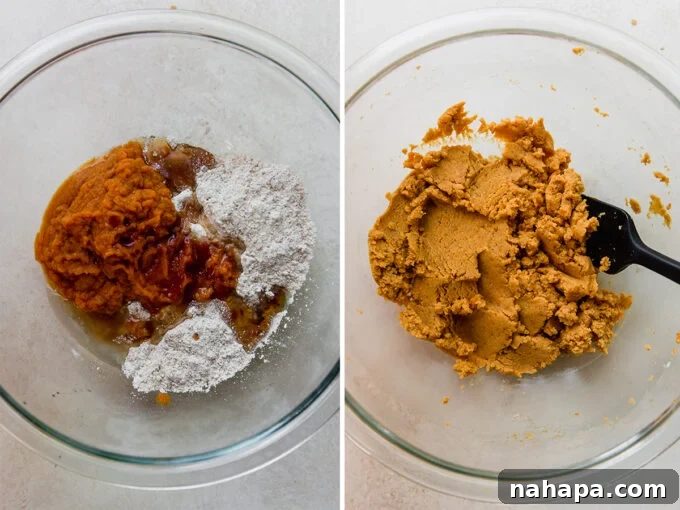
- Combine Dry Ingredients: In a medium-sized mixing bowl, combine all the dry cake ingredients: coconut flour, tapioca starch, gelatin powder, baking soda, ground cinnamon, and coconut sugar. Sift these ingredients together thoroughly. Sifting is a crucial step as it removes any lumps, aerates the flours, and ensures that all the dry components are evenly distributed for a consistent cake texture. Mix well until everything is fully incorporated.
- Incorporate Wet Ingredients: To the dry mixture, gently fold in the wet ingredients: the pure pumpkin puree, maple syrup, and the melted coconut oil. Continue mixing until all ingredients are well combined and a firm, uniform dough forms. Be careful not to overmix the dough; mix just until no dry streaks remain to maintain its tender quality.
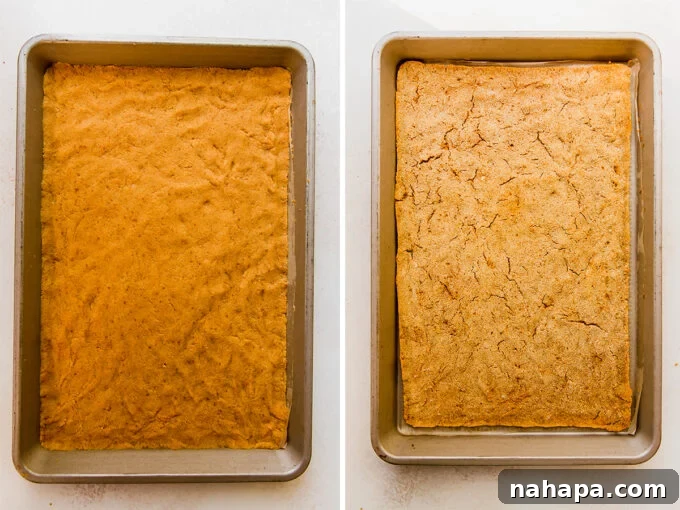
- Spread and Bake: Carefully transfer the prepared cake dough into the lined jelly roll pan. Using an offset spatula or the back of a spoon, evenly spread the dough across the entire surface of the pan, making sure to create a thin, consistent layer from edge to edge. This thinness is key to a rollable cake. Transfer the pan to your preheated oven and bake for approximately 14-15 minutes. The cake is perfectly baked when it feels firm to the touch and gently springs back when lightly pressed with a fingertip. Watch it closely to prevent overbaking, which can lead to a dry cake prone to cracking.
2. The Art of Rolling the Cake
- Initial Cool Down: This step is critical! As soon as the cake is removed from the oven, allow it to cool in the pan for precisely 2 minutes. This brief cooling period allows the cake to firm up just enough to handle without falling apart, while still retaining its crucial flexibility.
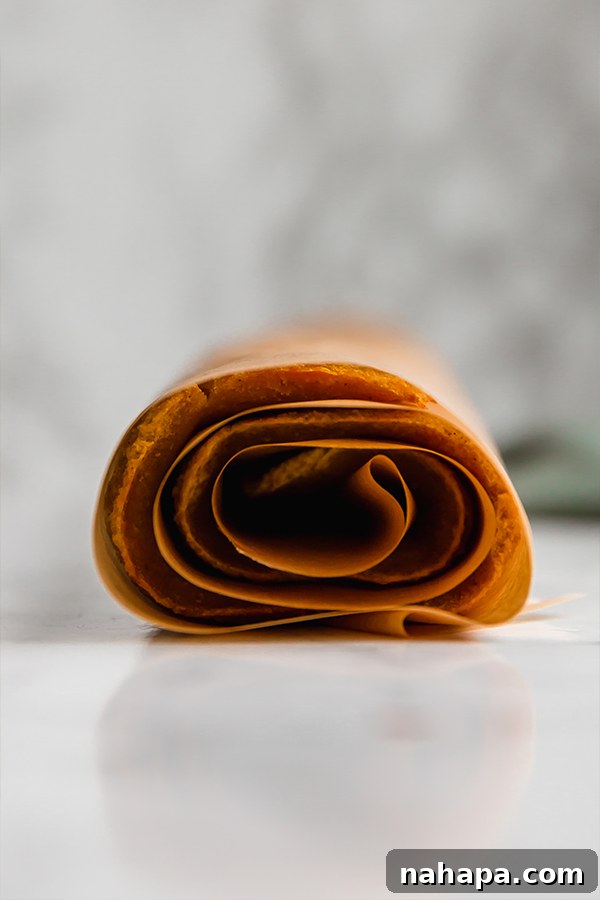
- Flip and Roll Immediately: Lay a large, clean sheet of parchment paper on a flat, clean countertop. Carefully and confidently invert the warm cake from the jelly roll pan directly onto this fresh sheet of parchment paper. The side of the cake that was facing the bottom of the pan should now be facing down on the new parchment. While the cake is still warm and pliable, begin to carefully and slowly roll up the cake along with the parchment paper, starting from one of the shorter ends. Aim for a tight, even roll. This immediate pre-rolling step is paramount for training the cake to hold its spiral shape without cracking once it cools completely. This “muscle memory” prevents later breakage.
- Chill for Setting: Once rolled, place the parchment-wrapped cake roll onto a plate or baking sheet and transfer it to the refrigerator to cool completely. Ensure the cake isn’t excessively hot before chilling to prevent condensation. Allow it to chill for at least one hour; this firming time in its rolled state is absolutely essential for the cake to set and maintain its elegant, spiral form.
3. Prepare the Frosting and Assemble the Roll
- Make the Frosting: While the cake is chilling in the refrigerator, prepare your luscious, dairy-free frosting. In a medium bowl, combine the thoroughly chilled coconut cream (scooped from the top of a refrigerated can of full-fat coconut milk), palm shortening, and 2-3 teaspoons of maple syrup. Using an electric mixer or a sturdy whisk, cream these ingredients together until thoroughly combined, light, fluffy, and completely smooth. It’s important to break up any solids from the coconut cream and stir until a soft, creamy, and uniform frosting is formed. Taste and adjust the sweetness by adding more maple syrup if desired, one teaspoon at a time.
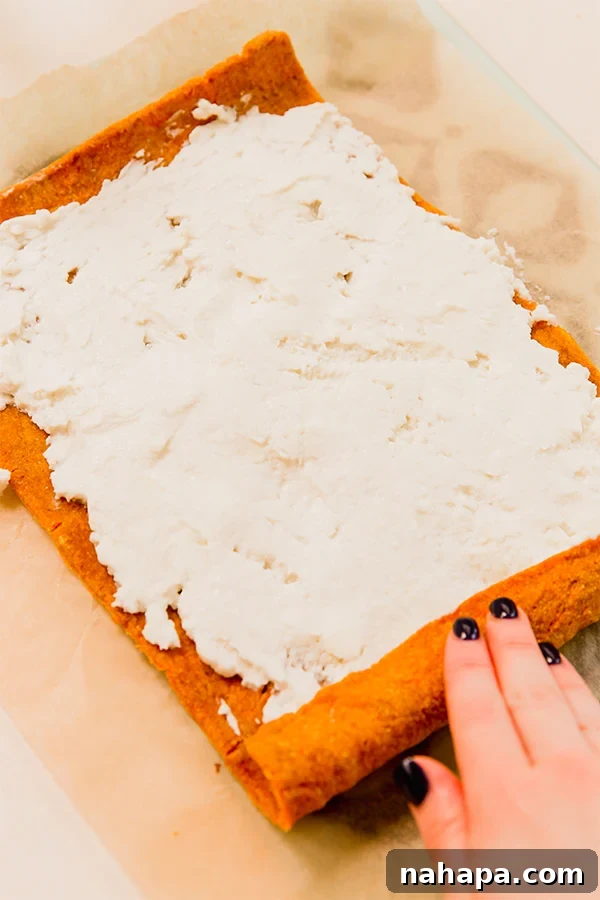
- Unroll and Frost: Once the cake has been thoroughly chilled for at least an hour, carefully remove it from the fridge. Place it back on your clean countertop and very gently unroll it from the parchment paper. Be slow and deliberate during this process to prevent any potential tears. Using a rubber spatula or, ideally, an angled icing spatula, spread an even and generous layer of the prepared frosting over the entire inside surface of the cake, leaving a small, unfrosted border around the edges.
- Roll Back Up and Finish: With care and precision, begin to roll the cake back up, starting from the same end you began with during the initial roll. Gently but firmly press as you roll to ensure the frosting is evenly distributed and the roll is tight and secure. Once fully rolled, you’ll have a beautifully spiraled pumpkin log.
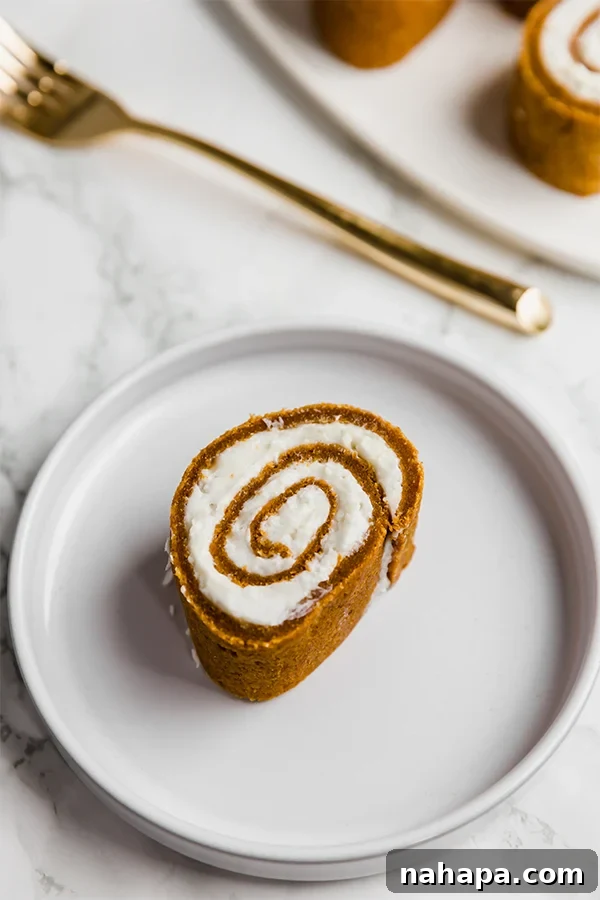
- Slice and Serve: Using a very sharp knife, slice the pumpkin roll into 6-7 even portions. For an extra touch of flavor, texture, and visual appeal, sprinkle a little shredded coconut over the top of each slice just before serving. This cake is truly best served immediately after frosting and slicing, as the frosting will be at its softest and creamiest. If you need to store it for later, allow it to sit at room temperature for a bit (about 15-30 minutes) before serving to allow the frosting to soften slightly from refrigeration.
Expert Tips for a Perfectly Beautiful Pumpkin Roll
Achieving a picture-perfect and delicious pumpkin roll, especially one that meets specific dietary needs, is easier than you think when armed with these expert tips and tricks. These insights will help you navigate common challenges and ensure your roll is a resounding success.
- Never Skip the Crucial Pre-Rolling Step! This is the golden rule for any roll cake, and it’s especially true for our Paleo and AIP version. Seriously, do not bypass this step. The cake is incredibly pliable and forgiving when it’s still warm and fresh out of the oven, allowing it to “learn” and set its rolled shape without cracking. Attempting to roll a cooled cake will almost certainly result in cracks, breakage, and a frustrating experience. Roll it while warm, chill it thoroughly, and then unroll it for frosting – this sequence guarantees success.
- Don’t Stress Over Minor Tears. Even experienced bakers can occasionally get small tears or imperfections in their cake layer when unrolling. If you encounter a little tear or crack, don’t worry! These cakes are surprisingly forgiving. Minor imperfections can often be cleverly concealed with frosting, or you can strategically orient the cake so any small blemishes are hidden when sliced or presented. Focus on the overall beauty and incredible flavor; a homemade touch is part of its charm!
- The Right Pan is Absolutely Non-Negotiable. To achieve that signature thin, flexible cake layer that is essential for successful rolling, you must use a jelly roll pan. Standard baking sheets, larger cookie sheets, or smaller cake pans will not yield the correct thickness and flexibility needed. A jelly roll pan ensures the cake bakes evenly and thinly enough to be rolled without resistance.
- Consider a Shortcut with Premade Icing. While our homemade AIP frosting is truly delicious and specifically formulated, if you’re exceptionally short on time, a high-quality, store-bought AIP-compliant vanilla frosting can be a convenient alternative. Always double-check the ingredient list carefully for full AIP compliance, as many “healthy” brands still contain non-AIP ingredients. Keep in mind that premade icings are generally sweeter, so you might want to use a thinner layer or adjust other sweetness levels in the recipe to balance the flavor.
- Ingredient Temperatures Matter for Consistency. For the cake batter, ensure your coconut oil is melted but has cooled to a lukewarm temperature, and your pumpkin puree is at room temperature. For the frosting, it’s crucial to use thoroughly chilled coconut cream (from a can of full-fat coconut milk that has been refrigerated overnight) and softened (room temperature) palm shortening. These precise temperatures ensure the frosting creams together smoothly and achieves the perfect spreadable consistency.
- Avoid Overbaking at All Costs. A dry cake is a brittle cake, and a brittle cake will crack when rolled. Bake just until the cake springs back when gently touched. An extra minute or two in the oven can mean the difference between a flexible, rollable cake and a crumbly one that resists shaping. Set a timer and keep a close eye on it!
Can You Make This Paleo Pumpkin Roll Ahead of Time?
Absolutely! This Paleo Pumpkin Roll is an excellent make-ahead dessert, making it perfect for holiday preparations, entertaining, or simply when you want to plan ahead. It stores beautifully in the refrigerator, allowing you to prepare it a day or two in advance without compromising on flavor or texture.
To make it the night before (or even up to two days prior), simply follow all the steps through frosting and rolling. Once the roll is fully assembled, wrap the entire log tightly in plastic wrap. Ensure it’s sealed well on all sides to prevent it from drying out or absorbing refrigerator odors. Store it in the refrigerator until you are ready to serve. When it’s time to enjoy, remove the pumpkin roll from the fridge about 15-30 minutes beforehand. This allows the frosting to soften slightly, making it much easier to slice into clean, even portions and enhancing the overall eating experience by bringing out its creamy texture. If you prefer a firmer frosting and a more chilled cake, you can, of course, serve it directly from the refrigerator. Enjoy the convenience of a ready-to-serve, impressive, and healthy dessert!
Frequently Asked Questions About Paleo & AIP Pumpkin Rolls
Here are answers to some common questions you might have about making this delicious and dietary-friendly pumpkin roll, ensuring your baking experience is as smooth as your frosting!
- What exactly does “AIP Compliant” mean for this specific recipe?
AIP (Autoimmune Protocol) compliance means this recipe is meticulously crafted to be free from common allergens and inflammatory ingredients that are typically avoided on the protocol. This includes grains (like wheat, oats, rice), dairy products, eggs, soy, nuts, seeds, nightshade vegetables (such as tomatoes, potatoes, bell peppers, eggplant), and refined sugars. For example, we use specific flours like coconut and tapioca, gelatin as a binder instead of eggs, and natural sweeteners such as maple syrup and coconut sugar to adhere strictly to these guidelines. - Can I make this recipe coconut-free if I have a coconut allergy or sensitivity?
Unfortunately, we do not recommend attempting to make this recipe completely coconut-free. Coconut flour is a unique ingredient with specific moisture-absorbing and structural properties that are essential for creating the delicate yet flexible cake texture required for rolling. We have not found a suitable alternative that yields comparable results for a successful and rollable cake. Substituting it would likely compromise the entire structure of the roll. - Is it possible to reduce the overall sweetness of the pumpkin roll?
Yes, you can certainly adjust the sweetness level to better suit your palate. For the cake portion, you can slightly reduce the amounts of both maple syrup and coconut sugar by about 1-2 tablespoons. For the frosting, start with the lower end of the suggested maple syrup range (2 teaspoons) and taste before adding more. Remember that the overall flavor balance might shift slightly, so adjust gradually. - How long will the Paleo Pumpkin Roll stay fresh after it’s made?
When stored properly, this Paleo Pumpkin Roll maintains its freshness and delightful texture for several days. Wrap the entire frosted roll tightly in plastic wrap or place it in an airtight container to prevent it from drying out. Stored in the refrigerator, it will stay fresh and delicious for up to 3-4 days. For the best serving experience, allow it to sit at room temperature for about 15-30 minutes before slicing to let the frosting soften slightly. - Can I freeze the finished pumpkin roll for longer storage?
Yes, this pumpkin roll freezes beautifully! To freeze, wrap the entire frosted roll tightly in plastic wrap, ensuring every surface is covered. For an extra layer of protection against freezer burn, add an additional layer of aluminum foil. It can be stored in the freezer for up to 1 month. When you’re ready to enjoy it, thaw the frozen pumpkin roll overnight in the refrigerator. Once thawed, bring it to room temperature for about 30 minutes before slicing and serving for the best texture and flavor.
More Delicious Paleo & AIP Friendly Recipes You’ll Love!
If you enjoyed making and savoring this delightful Paleo and AIP Pumpkin Roll, we invite you to explore more of our healthy and delicious recipes tailored to similar dietary guidelines. You’ll find plenty of inspiration for wholesome treats that don’t compromise on flavor!
- Paleo & AIP Pumpkin Pie Donut Holes – A bite-sized delight that captures all the comforting flavors of pumpkin pie.
- Paleo Pumpkin Snickerdoodles – Soft, chewy, and spiced cookies perfect for a cozy afternoon.
- Paleo & AIP Pumpkin Pie Bars – A convenient and delicious way to enjoy classic pumpkin pie flavors in bar form.
Paleo Pumpkin Roll (AIP)
6
servings
1 hour
10 minutes
15 minutes
Michelle
Leave a Review
Pin Recipe
Ingredients
For the cake
- ¼ cup + 2 tbsp coconut flour
- ¼ cup tapioca starch
- 1 tbsp gelatin powder
- ⅛ tsp baking soda
- 1 tsp cinnamon
- 2 tbsp coconut sugar
- ¾ cup pumpkin puree
- 2 tbsp maple syrup
- 1 tbsp coconut oil, melted
For the frosting & topping
- ½ cup palm shortening
- ½ cup coconut cream, see notes
- 2-3 tsp maple syrup
- 1- 2 tbsp shredded coconut
Instructions
-
Preheat the oven to 375 F (190°C) and line a 10×15″ jelly roll pan with parchment paper that’s lightly coated with coconut oil.
-
Sift together the coconut flour, tapioca starch, gelatin powder, baking soda, cinnamon, and coconut sugar and mix well.
-
Fold in the pumpkin puree, maple syrup, and coconut oil and mix well until a firm dough forms.
-
Add the dough to the jelly roll pan and spread evenly to cover the whole pan. Transfer to the preheated oven and bake for 14-15 minutes. The cake should spring back when touched.
-
Remove from the oven and allow to cool for 2 minutes. Place a large sheet of parchment paper on a clean countertop and very carefully flip the cake onto the parchment paper, having the side that faced the burner facing down on the parchment. Begin to carefully and slowly roll up the cake in the parchment paper until you have a tight roll. Place the parchment roll on a plate and place in the fridge to cool (making sure the cake isn’t too hot to go in the fridge). Allow to cool for an hour.
-
Right before the cake is ready to come out of the fridge, make the frosting by creaming together the coconut cream, palm shortening, and maple syrup. Thoroughly break up the coconut cream and stir until a soft and creamy frosting is formed. Sweeten more to taste.
-
Remove the cake from the fridge and very carefully unroll it. Use a rubber spatula or an angled icing spatula to frost the inside of the cake evenly. Carefully roll it back up.
-
Slice into 6-7 even slices and top with shredded coconut. This cake is best served immediately as the frosting will harden in the fridge. If storing for later, allow to sit at room temperature for a bit to allow the frosting to soften.

Video: How to make a Paleo Pumpkin Roll (Placeholder)
Notes
All nutritional information provided is an estimation and will vary based on exact ingredients and brands used. These estimations do not include any optional ingredients or toppings.
Calories: 339kcal,
Carbohydrates: 21.6g,
Protein: 3.1g,
Fat: 23.5g,
Fiber: 3.6g
Did you Make this Recipe?
Tag @unboundwellness on Instagram and hashtag #unboundwellness!
This post was originally published in 2019 and thoughtfully updated in 2022 to provide the most current information and enhanced guidance.