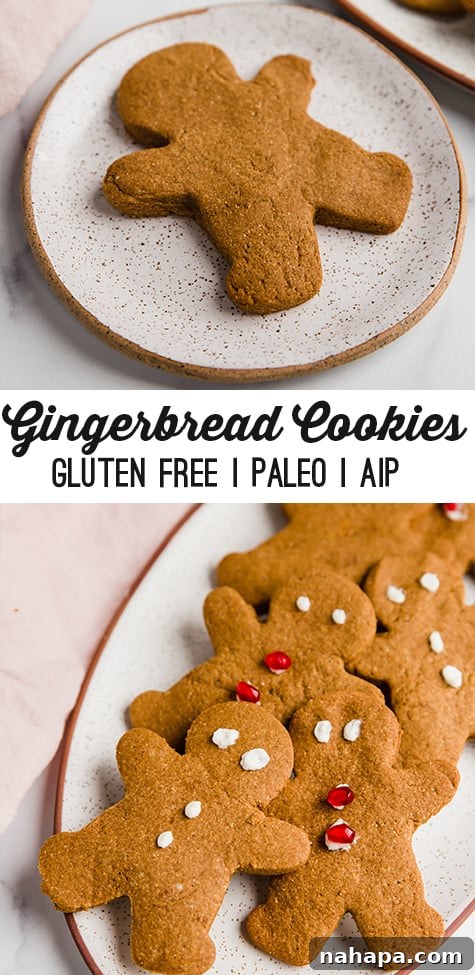
The holiday season is synonymous with warmth, joy, and the irresistible aroma of freshly baked cookies. For many, gingerbread cookies are a cherished tradition, evoking nostalgic memories of festive gatherings and sweet indulgence. However, navigating holiday treats can be challenging, especially if you’re following a specific dietary protocol like AIP (Autoimmune Protocol) or Paleo, or simply avoiding gluten, dairy, grains, or refined sugar. What if you could enjoy those classic, spiced gingerbread flavors without any compromise to your health goals? This comprehensive guide reveals how to create the most delicious and perfectly textured AIP gingerbread cookies, ensuring everyone can partake in the festive cheer.
AIP & Paleo Gingerbread Cookies: Your Ultimate Guide to Gluten-Free Holiday Baking
It truly doesn’t feel like the holidays without the comforting presence of gingerbread cookies. The distinct blend of warm spices, the slightly crisp yet chewy texture, and the iconic gingerbread person shape are all hallmarks of festive baking. Replicating this beloved classic while adhering to strict dietary guidelines—such as being free from gluten, dairy, grains, eggs, and refined sugar—might seem like an impossible feat. Yet, with this meticulously crafted recipe, it’s not only possible but delightfully simple!
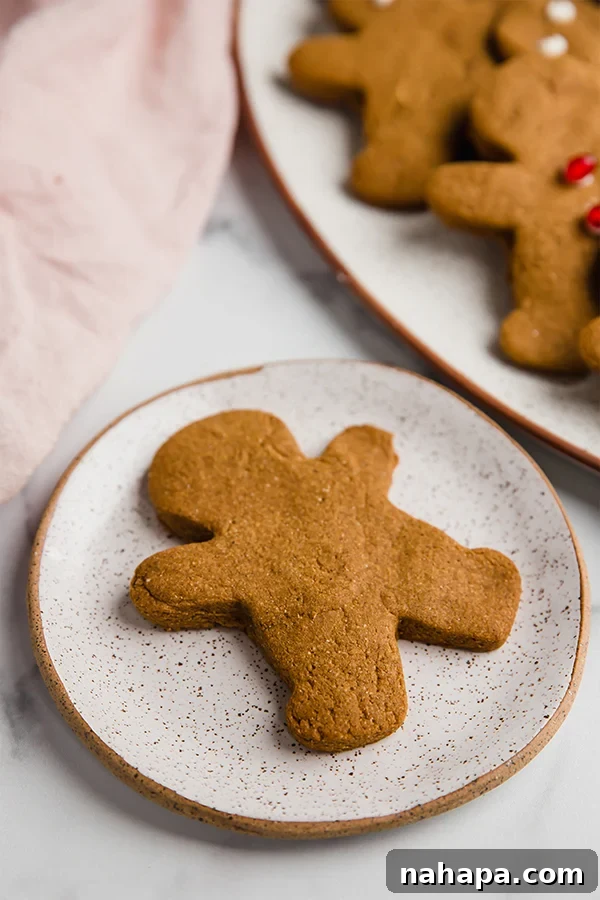
These AIP-compliant gingerbread cookies taste remarkably like the traditional version, surprising even the most discerning palates. They boast a rich, deep gingery flavor that’s perfectly balanced with hints of cinnamon and molasses. Each bite offers a satisfying crunch followed by a tender interior, making them an ideal treat for the festive season. They are light, crisp, and robustly flavored, proving that healthy eating doesn’t mean sacrificing holiday joy.
This exceptional recipe is a sneak peek from my acclaimed print cookbook, The Autoimmune Protocol Comfort Food Cookbook! If you love this recipe, you’ll find an abundance of similar delicious and healing recipes within its pages. It makes an excellent holiday gift for anyone dedicated to the Autoimmune Protocol or simply seeking nourishing comfort food. Grab your copy here and embark on a culinary journey that supports your well-being. The stunning photography featured here, straight from my cookbook, was expertly captured by my talented friend, Melanie!

Why Choose AIP for Your Holiday Treats?
The Autoimmune Protocol (AIP) is a diet designed to help manage autoimmune conditions by reducing inflammation and promoting gut healing. It eliminates common inflammatory foods such as grains, dairy, legumes, nuts, seeds, nightshades, and refined sugars. While this might sound restrictive, especially during the holidays when tempting treats are everywhere, it doesn’t mean you have to miss out. This AIP gingerbread cookie recipe is a testament to how creative and delicious AIP baking can be, allowing you to enjoy festive flavors without triggering adverse reactions.
Opting for AIP-compliant holiday cookies means you’re prioritizing your health and well-being, even amidst celebrations. These cookies are not only suitable for those on the AIP diet but also for individuals following a Paleo lifestyle, those with gluten sensitivities, or anyone simply looking to reduce their intake of processed ingredients and refined sugars. They offer a wholesome alternative that aligns with a clean eating philosophy, proving that healthy treats can be just as satisfying and joyful as their traditional counterparts.
Essential Ingredients for Perfect AIP Gingerbread Cookies
Crafting delicious AIP gingerbread cookies starts with selecting the right ingredients. Each component plays a vital role in achieving the perfect flavor, texture, and structure without relying on common allergens or inflammatory foods. Here’s a closer look at the key players in this delightful recipe:
The Flour Blend: Tapioca Starch & Tigernut Flour
- Tapioca Starch: This is a fundamental ingredient, providing a light, crisp texture that’s crucial for these cookies. Tapioca starch (also known as tapioca flour) is a fantastic grain-free thickener and binder, helping to give the cookies their desired consistency. It’s naturally gluten-free and easily digestible, making it an AIP staple.
- Tigernut Flour: Despite its name, tigernut flour is not made from nuts but from small root vegetables, making it a safe choice for nut-free and AIP diets. It contributes a slightly sweet, earthy flavor and a soft, chewy texture, balancing the crispness from the tapioca starch. The combination of these two flours creates a well-rounded and effective grain-free flour blend. While I haven’t personally experimented with other flours for this specific recipe, arrowroot starch is generally a good substitute for tapioca starch in many AIP recipes and might work here.
The Binding Power: Gelatin (Not Collagen!)
- Gelatin: This ingredient is vital for the structure and stability of these cookies. Gelatin acts as a binder, providing elasticity and chewiness, especially in the absence of eggs and gluten. I highly recommend using high-quality gelatin powder, such as Vital Proteins gelatin. It’s crucial to note that while both gelatin and collagen come from similar sources, they behave differently in recipes. Collagen will *not* work as a substitute for gelatin in this recipe because it doesn’t have the gelling properties necessary for binding the dough.
The Fat Source: Palm Shortening
- Palm Shortening: This is the primary fat source in these gingerbread cookies. Palm shortening, when sourced responsibly (look for sustainable, RSPO-certified options), is a stable, solid fat at room temperature, which is essential for achieving the right cookie texture. It helps create a tender crumb and prevents the cookies from spreading too much during baking. While I haven’t tried alternative fat sources myself, some might consider options like coconut butter in certain AIP recipes, but it’s important to understand that altering the fat content can significantly change the cookie’s texture and spread. If you do experiment, start with a small batch.
Sweeteners with Depth: Maple Syrup & Blackstrap Molasses
- Maple Syrup: A natural, unrefined sweetener, maple syrup adds a subtle sweetness and moisture to the dough. Use pure maple syrup for the best flavor and to ensure it remains AIP compliant.
- Blackstrap Molasses: This ingredient is non-negotiable for authentic gingerbread flavor. Blackstrap molasses provides that deep, rich, slightly bitter, and intensely earthy profile that is characteristic of traditional gingerbread. Please do not substitute it with extra maple syrup, as it will drastically alter the distinct taste you associate with genuine gingerbread cookies. It’s what gives these cookies their signature warmth and depth.
Aromatic Spices: Cinnamon & Ginger (and a hint of vanilla)
- Ground Ginger: The star of the show! Freshly ground ginger provides the essential spicy kick and aromatic warmth that defines gingerbread. Its invigorating flavor is central to this recipe.
- Ground Cinnamon: A comforting companion to ginger, cinnamon adds a sweet, woody spice that enhances the overall warm flavor profile. It complements the ginger beautifully, creating that classic holiday spice blend.
- Vanilla Extract: (Added from recipe card) A touch of vanilla extract rounds out the flavors, adding a subtle layer of sweetness and complexity that enhances the overall cookie experience. Ensure it’s alcohol-free for strict AIP.
Step-by-Step Guide to Baking Your AIP Gingerbread Masterpiece
Baking these AIP gingerbread cookies is a rewarding experience, and following these steps will ensure you achieve perfectly spiced and beautifully textured treats every time. Gather your ingredients, and let’s get baking!
Preparation is Key
- Preheat Oven & Prepare Baking Sheet: Begin by preheating your oven to 350°F (175°C). Line a baking sheet with a piece of parchment paper, and lightly grease the parchment paper to prevent sticking. This ensures your cookies will lift off easily after baking.
Mixing the Dough to Perfection
- Combine Dry Ingredients: In a large mixing bowl, combine the tapioca starch, tigernut flour, gelatin powder, baking soda, ground ginger, and ground cinnamon. Whisk these dry ingredients thoroughly until they are well combined and there are no lumps. This step is crucial for even flavor distribution throughout the dough.
- Cream Wet Ingredients: In a separate medium bowl, combine the softened palm shortening, maple syrup, and blackstrap molasses. Using a spoon or spatula, cream them together until the mixture is smooth and evenly blended. Stir in the vanilla extract until fully incorporated.
- Combine Wet and Dry: Gradually add the wet mixture to the dry ingredients in the large bowl. Stir well with a spatula or wooden spoon initially, then switch to using your hands if necessary to fully incorporate all ingredients. Continue mixing until a cohesive, soft dough forms. Ensure there are no dry pockets of flour remaining. Transfer the dough to a clean piece of parchment paper, ready for rolling.
Shaping Your Festive Cookies
- Roll and Cut Cookies: Take about 1/2 cup of the dough at a time. Place this portion between two sheets of parchment paper. Using a rolling pin, flatten the dough evenly to approximately 1/4 inch thick. This thickness is ideal for achieving the desired crisp-yet-tender texture. Use your favorite gingerbread cookie cutter (or any other festive cookie cutter) to cut out shapes. Carefully peel away the excess dough from around the cut cookies with your fingers. Gently transfer the formed cookies onto the prepared baking sheet, leaving adequate space between each one to allow for slight spreading. Gather any excess dough, combine it with the remaining dough, and repeat the rolling and cutting process until all the dough has been used. Depending on the size of your cookie cutter, you should yield approximately 6 cookies.
Baking for Golden-Brown Goodness
- Bake Until Golden: Place the baking sheet with the formed cookies into the preheated oven. Bake for approximately 12 minutes, or until the edges of the cookies are lightly golden brown and they feel firm to the touch. Baking times can vary slightly depending on your oven, so keep an eye on them.
- Cool Completely: Once baked, carefully remove the cookies from the oven and transfer them to a wire cooling rack. Allow them to cool completely before attempting to decorate them. This step is vital; cooling helps the cookies to firm up and prevents your frosting from melting or smudging.
Decorating Your Gingerbread Creations
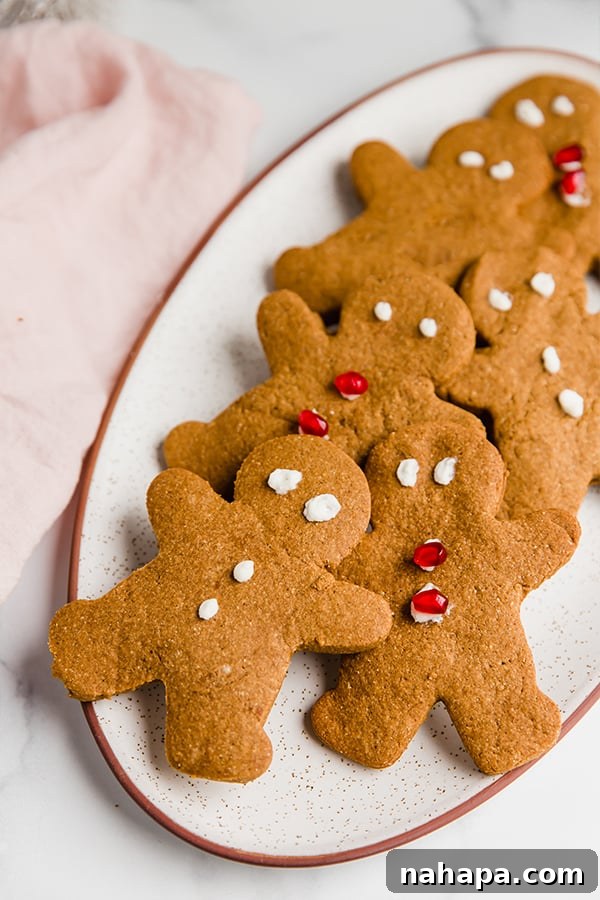
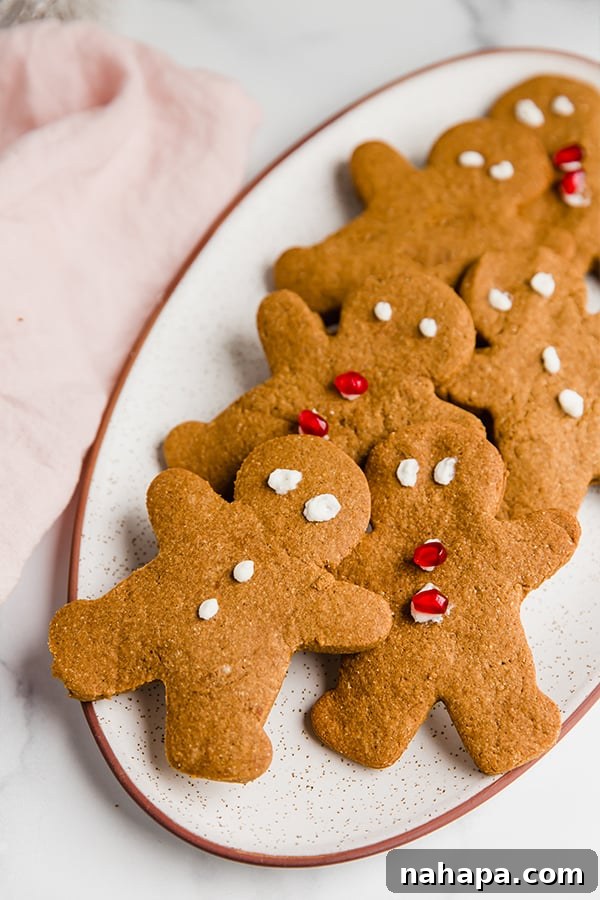
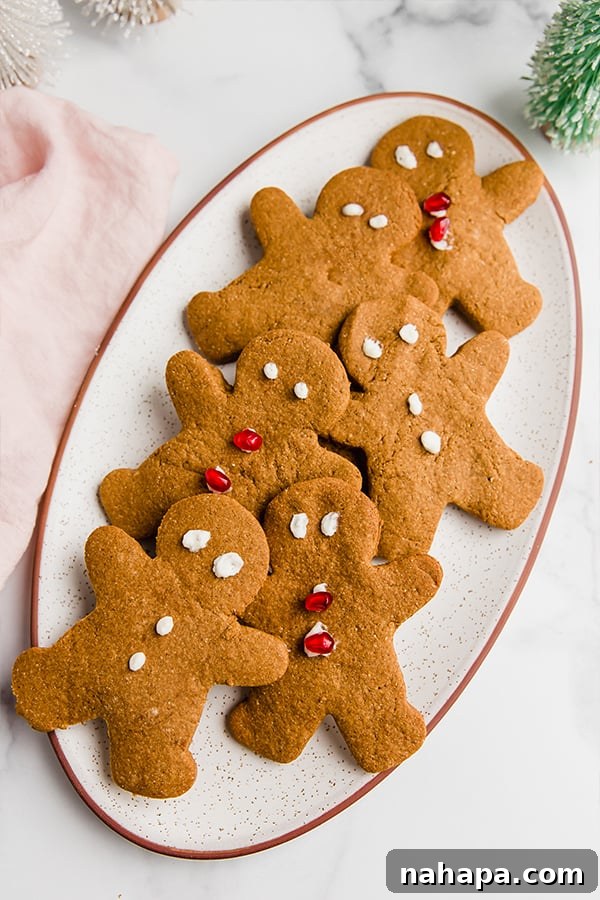
- Prepare Frosting & Decorate: To make the frosting, combine the ¼ cup palm shortening and 1 tablespoon of light-colored honey in a small bowl. Mix thoroughly until the frosting is smooth and creamy. Transfer the prepared frosting to a piping bag fitted with a fine tip (or use a small Ziploc bag with a tiny corner snipped off for piping). Unleash your creativity by piping eyes, mouths, buttons, and other festive features onto your cooled gingerbread people. For an extra touch of holiday cheer and color, use vibrant pomegranate seeds as cheerful buttons or other embellishments.
Frequently Asked Questions About AIP Gingerbread Cookies
Here are answers to some common questions that arise when making these special dietary-friendly gingerbread cookies:
Can You Make These Cookies Without Palm Shortening?
I haven’t personally tried making these AIP gingerbread cookies with an alternative fat source. Palm shortening provides a unique texture and stability that is difficult to replicate with other fats that are also AIP-compliant. If you decide to experiment with alternatives like coconut oil or lard (which are also AIP), be aware that the texture, spread, and overall consistency of the cookies may change significantly. If you do try a substitution, please let me know your results in the comments!
Can You Leave Out the Blackstrap Molasses?
Absolutely not, if you want authentic gingerbread flavor! The blackstrap molasses is a critical ingredient that imparts the deep, rich, and slightly smoky flavor profile that is essential for genuine gingerbread. It’s what gives these cookies their characteristic depth and warmth. Swapping it out for extra maple syrup or another sweetener will result in a cookie that is sweet but lacks the complex, traditional gingerbread taste. For truly legitimate AIP gingerbread cookies, the blackstrap molasses is irreplaceable.
Can You Use Different Cookie Cutters for This Recipe?
Yes, absolutely! While gingerbread people are traditional, feel free to get creative with your cookie cutters. You can use star shapes, holiday trees, snowflakes, or any other festive shapes you prefer. The dough is versatile enough to hold its shape with various cutters, allowing you to personalize your holiday baking and make a diverse assortment of treats for your friends and family.
Storage & Make-Ahead Tips for AIP Gingerbread Cookies
These AIP gingerbread cookies are best enjoyed fresh, but they can be stored to enjoy later. Once completely cooled, store the undecorated cookies in an airtight container at room temperature for up to 3-4 days. If decorated with the palm shortening and honey frosting, they will also keep well in an airtight container at room temperature for a similar period. For longer storage, you can freeze the baked and cooled cookies in a freezer-safe container for up to 1-2 months. Thaw at room temperature before serving or decorating. You can also prepare the dough ahead of time; wrap it tightly in parchment paper and then plastic wrap, and refrigerate for up to 2-3 days before rolling and baking.
Dive Deeper into AIP & Paleo Baking
If you loved these AIP gingerbread cookies, you’ll be thrilled to explore more delicious and compliant recipes that bring comfort and joy without dietary compromise. Here are some other favorites you might enjoy:
- Paleo Sweet Potato Gingerbread
- Gluten-Free Gingerbread French Toast
- Paleo Gingersnap Cookies
- Caramel Apple Cookies
AIP Gingerbread Cookies
A delicious, AIP-compliant gingerbread cookie recipe perfect for the holidays. These cookies are paleo, gluten-free, dairy-free, grain-free, egg-free, and made without any refined sugar, offering a healthy and flavorful festive treat.
Yield: 6 servings | Prep Time: 20 mins | Cook Time: 12 mins | Author: Michelle
Ingredients
- ¾ cup tapioca starch
- ½ cup tigernut flour
- 1 tbsp gelatin
- ½ tsp baking soda
- 1 tsp ground ginger
- ½ tsp ground cinnamon
- ⅓ cup palm shortening
- 3 tbsp maple syrup
- 2 tbsp blackstrap molasses
- ½ tsp vanilla extract
- For the frosting & decorations:
- ¼ cup palm shortening
- 1 tablespoon light-colored honey
- 1-2 tbsp pomegranate seeds
Instructions
- Preheat the oven to 350°F (175°C) and line a baking sheet with lightly greased parchment paper.
- In a large bowl, combine the dry ingredients: tapioca starch, tigernut flour, gelatin, baking soda, ground ginger, and ground cinnamon. Whisk them thoroughly to ensure even distribution.
- In a separate medium bowl, cream together the palm shortening, maple syrup, and blackstrap molasses until smooth. Stir in the vanilla extract.
- Gradually add the wet mixture to the dry ingredients. Stir well, first with a spoon or spatula, then using your hands if needed, until all ingredients are blended and form a cohesive dough. Ensure there are no dry pockets of flour. Transfer the dough to a clean piece of parchment paper.
- Working with about 1/2 cup of dough at a time, place it between two sheets of parchment paper and flatten it evenly to about 1/4 inch thick using a rolling pin. Use your favorite gingerbread cookie cutter (or another cookie cutter of your choice) to cut out shapes. Carefully pull away the excess dough around the cutouts with your fingers. Gently transfer the formed cookies onto the prepared baking sheet, leaving some space between each. Gather any excess dough, combine it, and repeat the rolling and cutting process until all dough is used. You should yield approximately 6 cookies, depending on your cutter size.
- Bake for 12 minutes, or until the edges are lightly golden brown and the cookies feel firm to the touch. Baking time may vary slightly depending on your oven.
- Carefully transfer the baked cookies to a wire cooling rack and let them cool completely before decorating. This is crucial for the cookies to firm up and hold their shape, especially for frosting.
- To prepare the frosting, combine the ¼ cup palm shortening and 1 tablespoon light-colored honey in a small bowl. Mix until smooth and creamy. Transfer the frosting to a piping bag with a fine tip (or a Ziploc bag with a corner snipped off). Pipe eyes, mouths, buttons, and other decorative features onto your cooled gingerbread people. For a festive touch, use pomegranate seeds as colorful buttons or embellishments.
Notes
All nutritional information is an estimation and will vary. Estimations do not include optional ingredients.
Nutrition Facts (per serving)
- Serving: 1 cookie
- Calories: 290 kcal
- Carbohydrates: 22.6g
- Protein: 1.7g
- Fat: 23.5g
- Fiber: 3.5g
All nutrition facts are estimated and will vary.
Loved this recipe? Share your creations!
Tag @unboundwellness on Instagram and use the hashtag #unboundwellness to show us your delicious AIP Gingerbread Cookies!