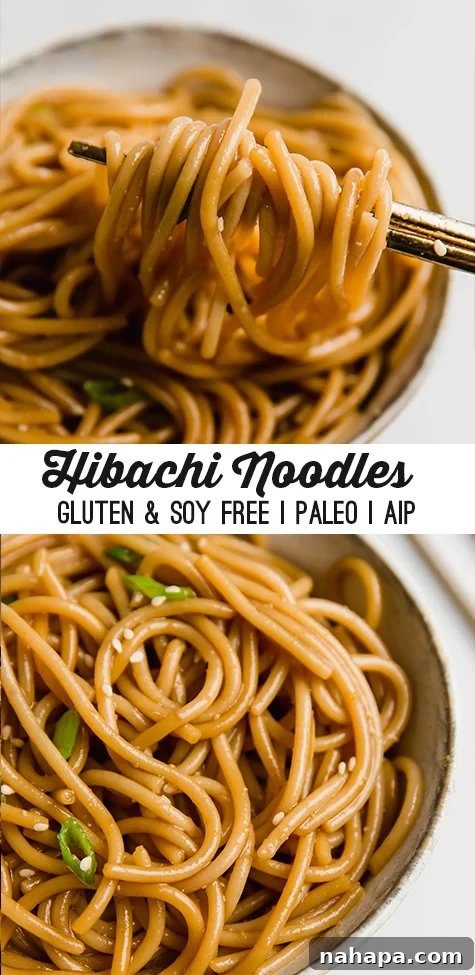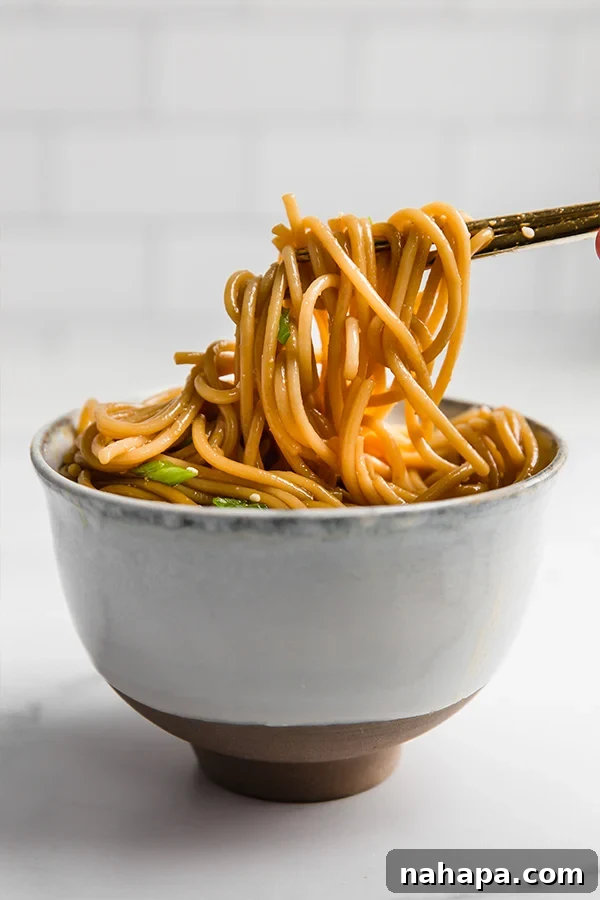
Embark on a culinary journey to recreate the magic of your favorite Japanese steakhouse right in your own kitchen! These homemade hibachi noodles are not just a delicious meal, but a vibrant, health-conscious alternative to a classic restaurant dish. Imagine perfectly cooked noodles coated in a rich, sweet, savory, and tangy sauce – now imagine it being entirely gluten-free, paleo, and even vegan-friendly. Yes, it’s all possible with this incredibly simple and satisfying recipe that brings the authentic hibachi experience to your dining table.
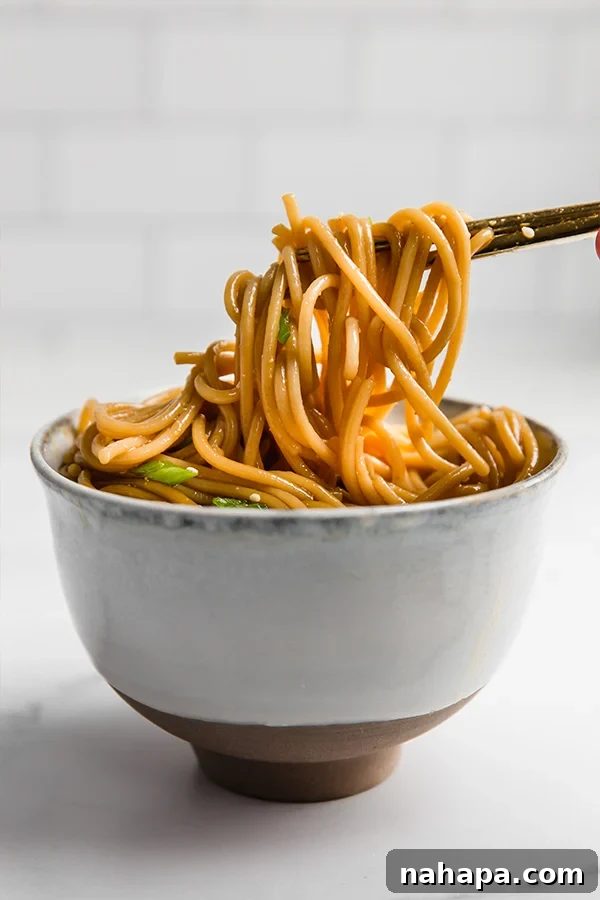
Unveiling the World of Hibachi Noodles: A Culinary Delight
There’s an undeniable allure to the hibachi grill experience. The sizzle of ingredients, the dazzling knife work of the chef, and the intoxicating aromas that fill the air make for an unforgettable dining adventure. At the heart of this experience, alongside perfectly grilled meats and vegetables, are the irresistible hibachi noodles. These aren’t just any noodles; they are a symphony of flavors, typically thin wheat noodles (like yakisoba) stir-fried to perfection and generously coated in a distinctive sauce that’s a harmonious blend of sweet, savory, and tangy notes. It’s a dish that has captivated taste buds worldwide, often served as a comforting side or a satisfying main course at Japanese steakhouses.
My own love affair with hibachi noodles began during my college days while working at a Japanese steakhouse. I was utterly smitten by the food, and those flavorful noodles quickly became a daily indulgence. The thought of giving them up after adopting a gluten-free and soy-free lifestyle was truly disheartening. However, driven by a craving for that authentic taste, I ventured into creating a homemade version. What I discovered was a recipe that not only captured the essence of the original but also surpassed expectations in terms of health and accessibility. This recipe proves that you don’t have to sacrifice flavor for dietary needs; it’s a testament to the fact that you can enjoy your favorite restaurant dishes right at home, customized to your lifestyle. Crafted with gluten-free noodles and a meticulously balanced soy-free sauce, this recipe is inherently paleo, easily adaptable for AIP (Autoimmune Protocol), and wonderfully vegan, making it a truly inclusive dish for everyone to savor.
Why Choose Homemade Hibachi Noodles? The Benefits Beyond Taste
While the allure of dining out at a hibachi grill is strong, opting for a homemade version offers a multitude of benefits that extend far beyond simply satisfying a craving. In today’s world, where dietary restrictions and health-conscious eating are increasingly common, preparing your own hibachi noodles gives you unparalleled control over the ingredients, ensuring a meal that aligns perfectly with your wellness goals.
Unrivaled Dietary Control
One of the primary advantages of this homemade hibachi noodle recipe is its inherent adaptability. Many traditional hibachi noodle recipes rely on soy sauce and wheat-based noodles, which are problematic for individuals following gluten-free, soy-free, or paleo diets. Our recipe meticulously replaces these common allergens and inflammatory ingredients with wholesome, compliant alternatives. Coconut aminos step in for soy sauce, providing that essential umami depth without the soy. For noodles, we lean into brown rice or cassava pasta, offering excellent gluten-free and grain-free options. This level of control means you can enjoy a dish that tastes authentic without compromising your dietary principles or triggering sensitivities. It’s a game-changer for anyone who thought their hibachi noodle days were behind them.
Cost-Effective and Convenient
Dining at a Japanese steakhouse can be a wonderful treat, but it often comes with a hefty price tag. Recreating these hibachi noodles at home is significantly more budget-friendly. You control the portion sizes, reduce waste, and leverage ingredients you might already have in your pantry. Furthermore, the convenience factor is undeniable. No reservations needed, no waiting in line, and no travel required. In under 30 minutes, you can whip up a fresh, hot, and flavorful meal that rivals any restaurant version, perfect for a weeknight dinner or a special occasion at home.
Freshness and Quality
When you cook at home, you have direct access to the freshest ingredients. You can select organic produce, high-quality gluten-free noodles, and premium fats, ensuring that every component contributes to a dish that is not only delicious but also packed with nutrients. There’s a certain satisfaction that comes from knowing exactly what goes into your food, from the quality of the garlic to the source of your cooking oil. This commitment to fresh, real ingredients elevates the flavor and nutritional value of your hibachi noodles, making them a healthier choice for you and your family.
Customization at Your Fingertips
Beyond dietary adaptations, making hibachi noodles at home allows for endless customization. Want to add more vegetables? Go for it! Craving a protein boost? Sauté some chicken, shrimp, or tofu and toss it in. Prefer a spicier kick? A dash of red pepper flakes can easily be incorporated. This recipe serves as a versatile base, encouraging you to experiment and tailor the dish to your personal preferences. It’s an opportunity to unleash your inner chef and create a hibachi masterpiece that is uniquely yours.
Essential Ingredients for Your Homemade Hibachi Noodles
Crafting these delectable hibachi noodles requires a thoughtful selection of ingredients, each playing a crucial role in achieving that signature sweet, savory, and tangy flavor profile. The beauty of this recipe lies in its simplicity and the accessibility of its components, while still allowing for health-conscious substitutions.
- Coconut Aminos: This is the star of our soy-free sauce. Coconut aminos are a dark, savory sauce made from the sap of coconut blossoms, fermented and aged. They offer a rich, umami flavor reminiscent of soy sauce but without the soy or gluten. It’s slightly sweeter and less salty than traditional soy sauce, contributing a wonderful depth to the dish. Look for it in the international aisle of most grocery stores or health food sections.
- Apple Cider Vinegar: A splash of apple cider vinegar introduces that essential tangy brightness, cutting through the richness and balancing the sweetness of the sauce. It also adds a subtle fruity note that elevates the overall flavor. Ensure you use a good quality, unfiltered apple cider vinegar for the best results.
- Garlic Paste: Garlic is non-negotiable for authentic hibachi flavor. Garlic paste offers a potent and evenly distributed garlic essence throughout the sauce. While you can substitute with 3 cloves of fresh garlic, finely minced, the paste often provides a more intense and smooth garlic presence. You can find pre-made garlic paste or easily make your own by blending fresh garlic cloves with a touch of olive oil.
- Coconut Sugar: To achieve the characteristic sweetness of hibachi noodles, coconut sugar is our preferred natural sweetener. It’s an unrefined sugar derived from the sap of the coconut palm, offering a rich caramel-like flavor with a lower glycemic index compared to white sugar. It melts beautifully into the sauce, providing a pleasant balance to the savory and tangy elements.
- Salt & Black Pepper: These fundamental seasonings are crucial for enhancing all the other flavors. Use fine sea salt to season the sauce and a pinch of black pepper for a subtle warmth. For those following the AIP diet, remember to omit the black pepper, as it is a nightshade.
- Ghee or Butter: The fat used for stir-frying is key to imparting a rich, buttery flavor and ensuring the noodles cook beautifully without sticking. Ghee, or clarified butter, is an excellent choice for its high smoke point and delicious nutty taste. If you’re strictly vegan or following AIP, unrefined coconut oil is a fantastic alternative, providing a similar high-heat cooking medium and a subtle tropical aroma that complements the dish.
- Noodles: The foundation of this dish! While traditional hibachi often uses yakisoba, we’re focusing on gluten-free options. Any good quality spaghetti-style noodle will work well. For general gluten-free diets, Jovial Brown Rice Spaghetti is an excellent choice, offering a great texture and neutral flavor. For AIP or paleo diets, Jovial Cassava Pasta is a grain-free, compliant option that holds up well to stir-frying. Always cook your noodles al dente according to package instructions, as they will continue to cook briefly in the pan with the sauce.
- Sesame Seeds & Green Onion: These are your final touches, adding both visual appeal and a burst of fresh flavor. Toasted sesame seeds provide a delicate crunch and nutty aroma. Finely chopped green onions (scallions) offer a mild, oniony freshness that brightens the entire dish. For AIP compliance, omit the sesame seeds.
Crafting the Best Homemade Hibachi Noodles: A Step-by-Step Guide
Recreating that beloved Benihana-style flavor at home is simpler than you might imagine. This recipe breaks down the process into easy, manageable steps, ensuring a perfect plate of hibachi noodles every time.
Step 1: Prepare Your Signature Hibachi Sauce
The sauce is truly the heart and soul of these hibachi noodles. In a medium-sized mixing bowl, combine the coconut aminos, apple cider vinegar, garlic paste (or minced garlic), coconut sugar, and a pinch of salt and black pepper (remember to omit pepper for AIP). Whisk these ingredients vigorously until the coconut sugar has fully dissolved and all components are well integrated. Taste the sauce and adjust seasonings as needed – you’re looking for a balance of sweet, savory, and tangy. Set this flavorful mixture aside; it’s ready to transform your plain noodles into a restaurant-quality dish.
Step 2: Cook Your Chosen Noodles
While your sauce is waiting, bring a large pot of salted water to a rolling boil. Add your chosen gluten-free spaghetti (brown rice or cassava pasta work wonderfully here). Cook the pasta according to the package directions, ensuring it reaches an al dente texture. It’s crucial not to overcook the noodles at this stage, as they will continue to absorb liquid and cook slightly further when combined with the sauce. Once cooked, drain the noodles thoroughly and set them aside. A quick rinse with cold water can prevent sticking if you’re not immediately combining them, but generally, warm noodles will absorb the sauce better.
Step 3: Combine and Sauté to Perfection
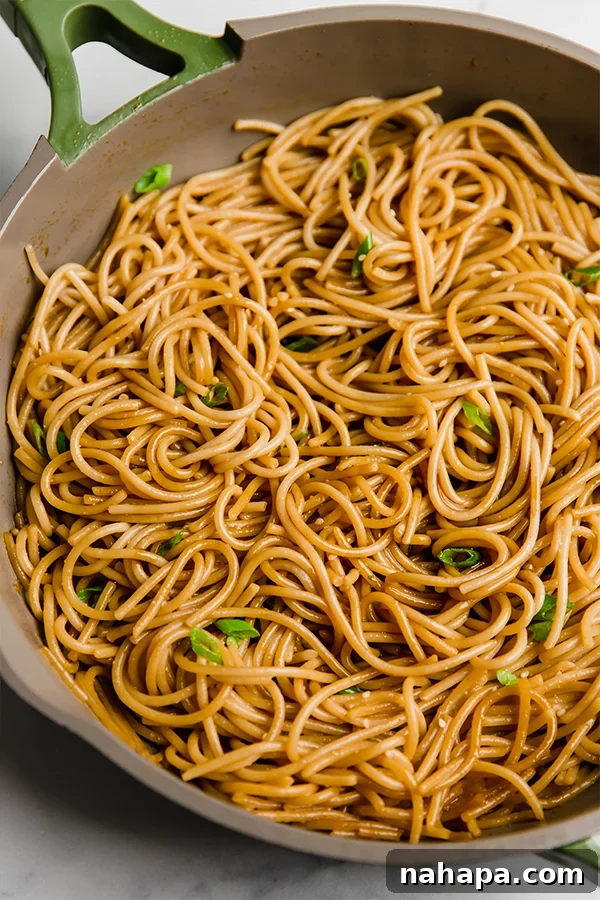
Now for the exciting part! Heat the ghee or coconut oil in a large, deep skillet or wok over medium heat. Allow it to melt completely and get hot, but not smoking. Once shimmering, add the cooked and drained spaghetti to the pan. Immediately pour the prepared sauce mixture over the noodles. Using tongs or a spatula, gently but continuously stir and toss the noodles, ensuring every strand is thoroughly coated with the delicious hibachi sauce. Continue to cook for about 2-3 minutes, allowing the sauce to thicken slightly and caramelize onto the noodles, infusing them with incredible flavor. This step is where the magic happens, as the noodles absorb the sauce and develop that characteristic hibachi sheen.
Step 4: Garnish and Serve
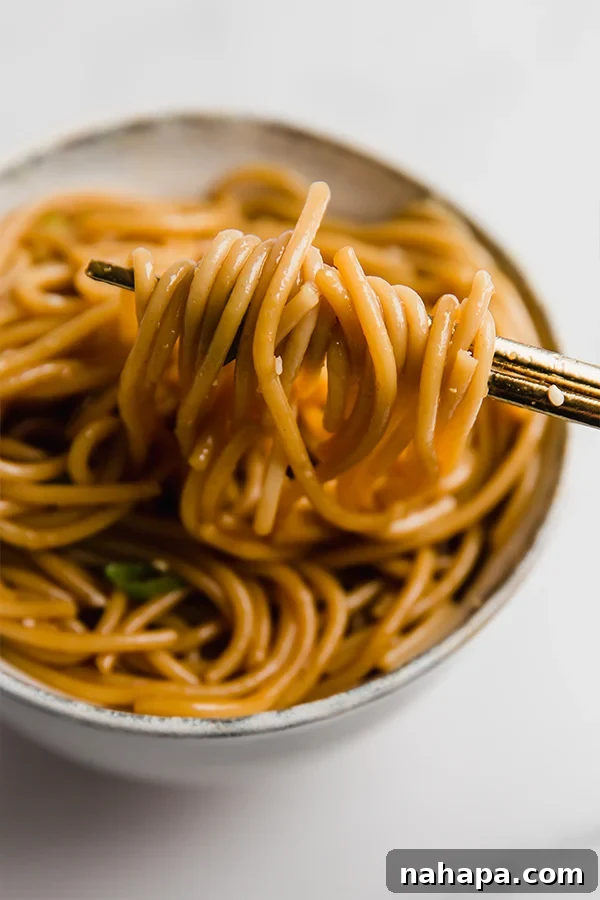
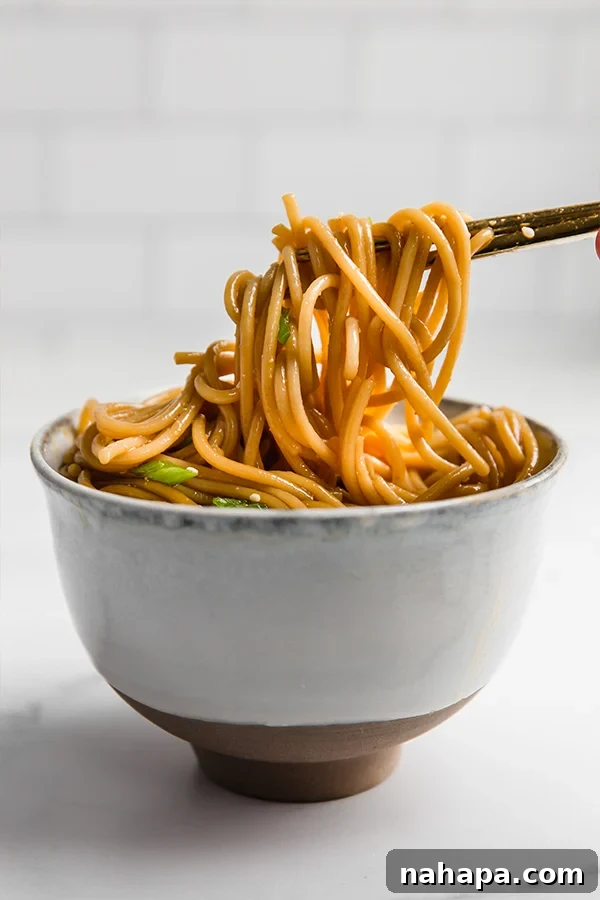
Once your noodles are glistening and perfectly coated, remove the pan from the heat. Transfer the hot hibachi noodles to individual serving bowls. For an authentic touch and added flavor, sprinkle generously with toasted sesame seeds (if not AIP) and a scattering of fresh, chopped green onion. Serve immediately as a fantastic side dish or as a light main course. These noodles are best enjoyed fresh, when the flavors are most vibrant and the texture is just right.
Frequently Asked Questions About Homemade Hibachi Noodles
Let’s address some common questions to help you master your homemade hibachi noodles and make them a regular in your meal rotation.
What exactly is Hibachi cooking?
Hibachi, more accurately known as Teppanyaki in Japan, refers to a style of Japanese cuisine where food is cooked on a large, open iron griddle. The term “hibachi” originally referred to a heating device, but in Western culture, it has come to signify the theatrical cooking experience often found in Japanese steakhouses. Chefs cook a variety of meats, seafood, and vegetables right in front of diners, often incorporating impressive knife skills and entertaining performances. Hibachi noodles are a staple side dish, capturing the essence of this flavorful cooking style.
What sauce do you use for hibachi noodles?
Traditionally, hibachi noodles are tossed in a soy-based sauce, typically incorporating garlic, vinegar, and sugar. Our homemade recipe brilliantly mimics this flavor profile while making it suitable for various dietary needs. We use a delectable soy-free sauce crafted from coconut aminos, apple cider vinegar for tang, potent garlic paste, and natural coconut sugar for sweetness. This combination creates a balanced, umami-rich sauce that is both familiar and uniquely compliant.
What noodles are typically used for hibachi noodles?
In Japanese restaurants, yakisoba noodles are the most common choice for hibachi noodles. These are thin, wheat-based noodles that are stir-fried until slightly crispy. For our homemade, health-conscious versions, we recommend using spaghetti-style noodles. Gluten-free brown rice spaghetti or grain-free cassava pasta are excellent substitutes, offering a similar texture and mouthfeel that holds up beautifully to the stir-frying process and absorbs the sauce perfectly. You can also experiment with other gluten-free ramen or even vermicelli noodles if you prefer a different texture.
How do you make hibachi noodles with chicken, beef, or shrimp?
Adding protein is a fantastic way to turn these noodles into a complete and hearty meal! Simply cook your preferred protein (chicken, beef, shrimp, or even tofu) separately before you add the noodles. Cube boneless, skinless chicken breast or thigh, thinly slice beef sirloin or flank steak, or devein shrimp. Sauté your protein in a separate pan with a little oil until fully cooked and lightly browned. Once the noodles are coated in the sauce, gently fold in the cooked protein. You might want to prepare a slightly larger batch of sauce or add a splash more coconut aminos to ensure there’s enough to coat both the noodles and the added protein. This method ensures your protein is cooked perfectly without overcooking the noodles.
Can you make these noodles ahead of time? How do you reheat them?
While these hibachi noodles are undeniably best enjoyed fresh, right off the pan, they can certainly be made ahead of time for convenient meal prep. Store any leftovers in an airtight glass container in the refrigerator for up to 3-4 days. To reheat, the best method is to warm them gently in a large skillet over medium-low heat, adding a splash of water or extra coconut aminos to prevent drying out and help loosen the noodles. Stir occasionally until they are thoroughly heated and softened. Avoid microwaving if possible, as it can sometimes make the noodles chewy or dry.
What equipment do I need to make hibachi noodles at home?
You don’t need specialized hibachi equipment to make these noodles! A few basic kitchen tools will suffice:
- Large Pot: For boiling the spaghetti.
- Large Skillet or Wok: A non-stick skillet or a wok with high sides is ideal for stir-frying the noodles and combining them with the sauce.
- Whisk: Essential for thoroughly mixing the sauce ingredients.
- Measuring Cups and Spoons: For accurate ingredient proportions.
- Tongs or Spatula: For tossing and coating the noodles evenly in the sauce.
Tips for Achieving Perfect Hibachi Noodles Every Time
For the best possible results, keep these tips in mind:
- Don’t Overcook the Noodles: Al dente is key! They will cook a little more when combined with the sauce.
- Hot Pan is Crucial: Ensure your skillet or wok is hot before adding the cooked noodles to get a slight char and prevent sticking.
- Stir Constantly: Keep the noodles moving in the pan once the sauce is added to ensure even coating and prevent clumping.
- Taste and Adjust: Always taste your sauce before combining and after cooking. Adjust sweetness, tang, or saltiness to your preference.
- Fresh Garlic is Best: While paste is convenient, freshly minced garlic offers the most vibrant flavor.
- Don’t Overcrowd the Pan: If making a very large batch, consider cooking in two smaller batches to ensure even cooking and saucing.
Serving Suggestions: What Pairs Well with Hibachi Noodles?
These versatile hibachi noodles are fantastic on their own, but they truly shine when paired with other complementary dishes. Here are some ideas to create a complete and delightful meal:
- Teriyaki Chicken Stir-Fry: The sweet and savory notes of teriyaki chicken perfectly complement the noodles.
- Hibachi Chicken: For a full hibachi experience, serve these noodles alongside succulent homemade hibachi chicken.
- Mongolian Beef: The rich, slightly spicy flavors of Mongolian beef create an incredible contrast with the milder noodles.
- Grilled Vegetables: Sautéed broccoli, snap peas, bell peppers, or carrots add color, texture, and additional nutrients.
- Egg Rolls or Spring Rolls: For a delightful appetizer, crispy gluten-free egg rolls or fresh spring rolls are a great choice.
- Miso Soup: A light and savory miso soup can be a comforting starter to your hibachi feast.
Rated 5 stars from 3 reviews
The Best Benihana Style Homemade Hibachi Noodles (Gluten-Free)
Print Recipe
Leave a Review
Pin Recipe
Ingredients
- ¼ cup coconut aminos
- 1 tsp apple cider vinegar
- 1 tbsp garlic paste, sub 3 cloves garlic, minced
- 1 tbsp coconut sugar
- ⅓ tsp salt
- ¼ tsp black pepper, omit for AIP
- 3 tbsp ghee, sub coconut oil for AIP/vegan
- 12 oz gluten-free spaghetti, cooked through (use Jovial Brown-rice for GF, or Jovial cassava pasta for AIP/paleo)
- 2 tsp sesame seeds, omit for AIP
- 1 tbsp green onion, chopped
Instructions
-
Using a medium bowl, whisk the coconut aminos, garlic paste, apple cider vinegar, coconut sugar, and salt and pepper together. Set aside.
-
Heat the ghee in a large deep pan over medium heat until melted. Add the cooked spaghetti and top with the sauce mixture. Stir to coat until the pasta is thoroughly coated.
-
Serve topped with sesame seeds and green onion.
Notes
All nutritional information are estimations and will vary. Estimations do not include optional ingredients.
Calories: 229kcal
Carbohydrates: 36.2g
Protein: 1.5g
Fat: 10.1g
Fiber: 1.5g
Did you make this recipe? Tag @unboundwellness on Instagram and hashtag #unboundwellness!
More Asian-Inspired Recipes to Savor
If you loved these homemade hibachi noodles, you’ll undoubtedly enjoy exploring other delicious and healthy Asian-inspired dishes from our collection:
- Ground Beef Ramen Noodle Stir Fry: A quick and hearty meal featuring flavorful ground beef and ramen.
- Japchae | Korean Noodle Stir Fry: Experience the delicate chewiness of glass noodles tossed with vibrant vegetables and savory sauce.
- Beef and Broccoli Lo Mein: A classic takeout favorite, made healthier with tender beef and crisp broccoli.
- Chicken and Ramen Stir Fry: A simple yet satisfying dish that’s perfect for a busy weeknight.
We hope this comprehensive guide inspires you to whip up a batch of these incredible homemade hibachi noodles. They’re a testament to how easy and rewarding it can be to recreate your restaurant favorites, tailored to your health and taste preferences. Enjoy the delicious journey!