
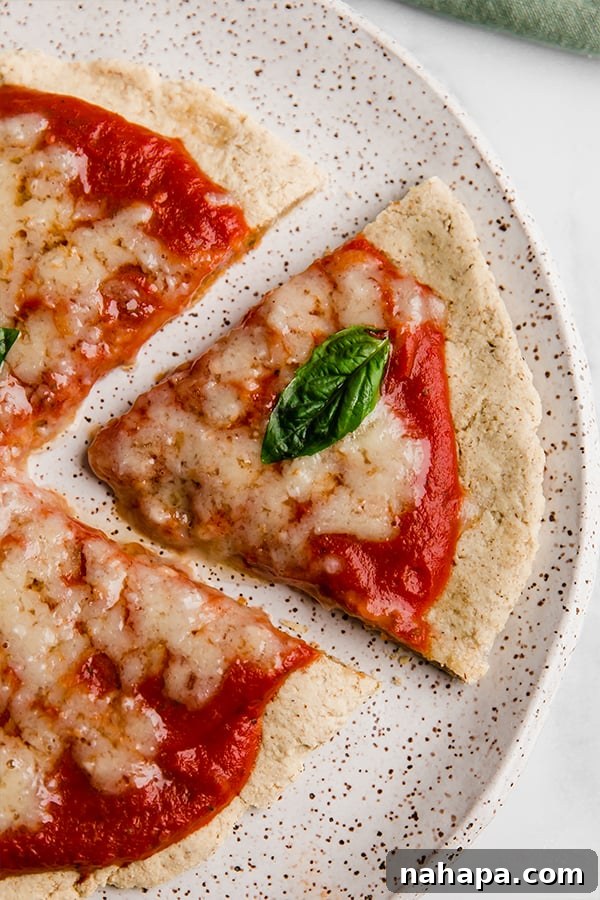
Ultimate AIP Tigernut Flour Pizza Crust: Your Grain-Free Pizza Solution
Giving up beloved comfort foods like pizza can feel like a major sacrifice when embarking on a dietary journey such as the Autoimmune Protocol (AIP) or a grain-free lifestyle. Many people find themselves navigating a culinary landscape where their favorite dishes are off-limits, leaving a significant void. If you’ve been craving a delicious, satisfying pizza that aligns with your health goals, you’re in luck! This revolutionary AIP tigernut flour pizza crust is here to change the game.
Crafted with nutrient-dense tigernut flour and binding tapioca starch, this recipe offers a homemade alternative that is completely free of eggs, grains, gluten, and common allergens. It’s not just a compromise; it’s a genuinely enjoyable crust that brings the joy of pizza back to your table. Prepare for a delightful, wholesome, and incredibly easy-to-make foundation for your next grain-free pizza night.
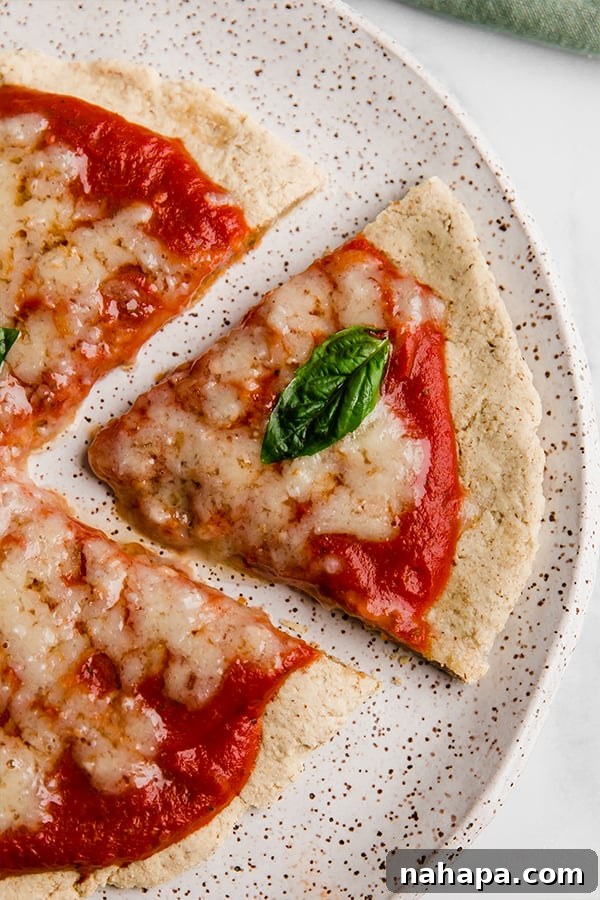
Why Choose Tigernut Flour for Your AIP Pizza Crust?
When you’re following the Autoimmune Protocol (AIP) or simply aiming for a grain-free, paleo diet, finding suitable substitutes for staples like bread and pizza can be challenging. Many conventional alternatives still contain ingredients that might trigger sensitivities. This is where tigernut flour shines as an exceptional ingredient for a truly compliant and delicious pizza crust.
Tigernut flour is not just a trend; it’s a powerhouse ingredient with numerous benefits. Despite its name, the tigernut is actually a small root vegetable, a tuber, similar to a sweet potato, not a nut. This makes it a fantastic option for those with nut allergies or sensitivities. It’s naturally sweet, imparting a subtle, pleasant flavor to baked goods, and it’s rich in fiber, including resistant starch, which acts as a prebiotic, feeding beneficial gut bacteria. This makes it excellent for digestive health and overall wellness, aligning perfectly with the principles of the AIP diet.
Its unique composition allows it to create a surprisingly pliable and satisfying dough texture, mimicking traditional crusts better than many other grain-free flours. Paired with tapioca starch, which provides elasticity and crispness, tigernut flour forms the backbone of a pizza crust that holds its shape, offers a delightful chew, and stands up to your favorite toppings without crumbling. Opting for this homemade tigernut flour crust means you’re choosing a wholesome, allergen-friendly, and truly delicious base that supports your health journey without sacrificing flavor.
Essential Ingredients for the Perfect AIP Tigernut Flour Pizza Crust
Creating a truly remarkable AIP and grain-free pizza crust starts with selecting the right ingredients. Each component in this recipe plays a crucial role in achieving the ideal texture, flavor, and compliance for your dietary needs. Here’s a closer look at what you’ll need:
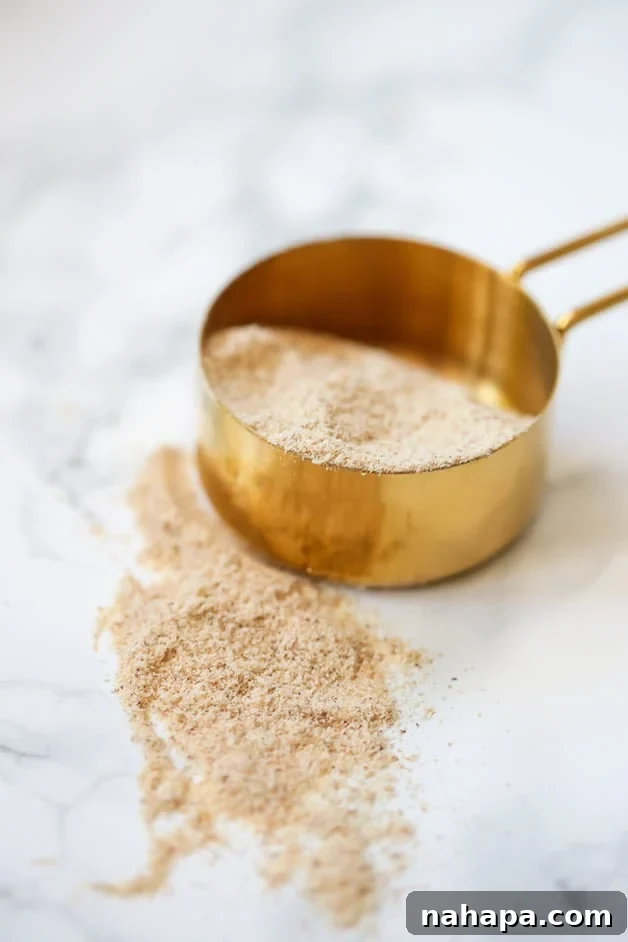
- Tigernut Flour: As the star of our crust, tigernut flour forms the primary structure. Its unique profile provides a slightly sweet, earthy flavor and a good source of fiber. Ensure you’re using fine-ground tigernut flour for the best results in dough consistency.
- Tapioca Starch: This ingredient is key for giving the crust its characteristic chewiness and elasticity. It acts as a binder and helps prevent the crust from becoming too dense. You can reliably swap tapioca starch with arrowroot starch if preferred, as they offer similar properties in grain-free baking.
- Olive Oil (or Avocado Oil): Healthy fats are essential for moisture and tenderness in the crust. Extra virgin olive oil adds a lovely Mediterranean flavor, while avocado oil is a great neutral alternative, both being AIP-compliant.
- Gelatin Powder: This is a critical component for creating the “gelatin egg,” which replaces traditional eggs in this recipe, making it egg-free. Gelatin acts as an excellent binder and helps the dough hold together. It’s important to use gelatin powder, not collagen, as collagen will not provide the necessary gelling properties for an egg substitute.
- Baking Soda & Apple Cider Vinegar: These two ingredients work in tandem to provide a gentle leavening action, giving the crust a lighter, airier texture. The vinegar reacts with the baking soda to create carbon dioxide, which helps the dough rise slightly.
- Salt: A touch of salt is essential to enhance the overall flavor profile of the crust, balancing the subtle sweetness of the tigernut flour.
- Water: Used in the gelatin egg and to bring the dough together to the right consistency.
Step-by-Step Guide: Crafting Your Perfect AIP Tigernut Flour Pizza Crust
Making your own AIP-friendly pizza crust might sound intimidating, but this recipe simplifies the process, making it accessible for even novice bakers. Follow these detailed steps to achieve a perfectly golden and flavorful crust every time.
Instructions
- Step 1: Preheat and Prepare. Begin by preheating your oven to 350°F (175°C). Line a baking sheet with parchment paper and lightly grease it with a little olive oil or avocado oil. This crucial step prevents sticking and ensures your crust bakes evenly.
- Step 2: Combine Dry Ingredients. In a medium-sized mixing bowl, sift together the tigernut flour and tapioca starch. Sifting is important for breaking up any clumps and ensuring that the flours are well aerated, leading to a smoother, more consistent dough.
- Step 3: Add Wet Components (Except Gelatin Egg). Stir in the olive oil, baking soda, apple cider vinegar, and salt with the sifted flours. Mix until just combined. The mixture will be crumbly at this stage, which is perfectly normal. Set this bowl aside momentarily.
- Step 4: Prepare the Gelatin Egg. This is our clever egg substitute! Add the specified amount of water to a small saucepot. Slowly sprinkle the gelatin powder over the water, allowing it to “bloom” or harden for a few minutes. This prevents lumps. Once bloomed, place the pot on your stovetop over low heat. Gently melt the gelatin, stirring continuously until it turns into a clear liquid. This usually takes just a minute or two. Immediately remove it from the heat once melted.
- Step 5: Whisk and Combine. Vigorously whisk the melted gelatin mixture until it becomes frothy and slightly thickened. This aeration is vital for its binding properties. Immediately add this frothy gelatin egg to your reserved flour mixture. Stir very well to combine all ingredients thoroughly, forming a cohesive dough. Work quickly as the gelatin will start to set as it cools.
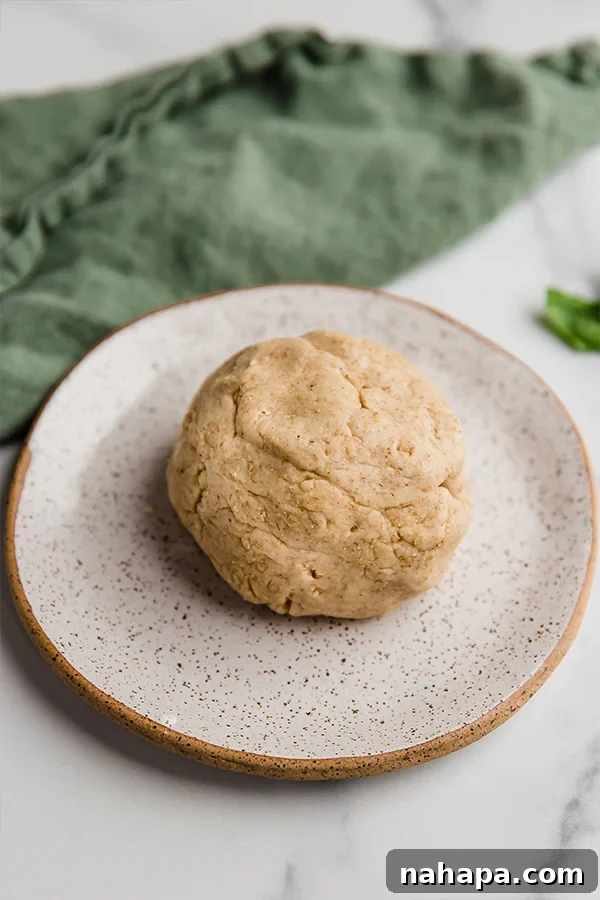
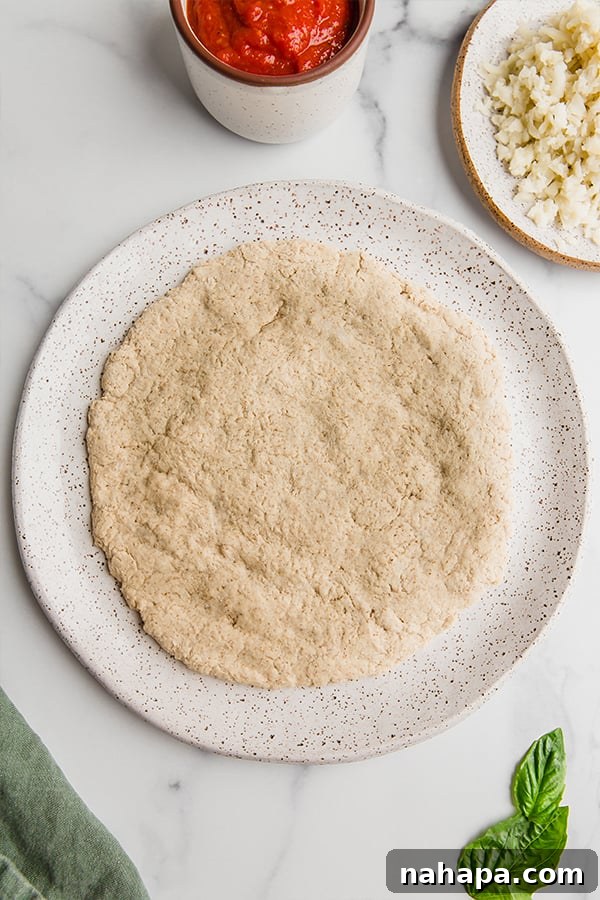
- Step 6: Form the Crust. Lightly grease your hands with a little olive oil to prevent sticking. Scoop the dough out of the bowl and form it into a ball. Place the dough ball onto the prepared baking sheet. Using your greased hands, gently flatten the dough into an 8-inch circle. Aim for an even thickness across the entire crust to ensure uniform baking.
- Step 7: First Bake. Transfer the baking sheet with the formed crust to your preheated oven. Bake for 15-17 minutes, or until the crust appears hardened and lightly golden around the edges. This par-baking step ensures a firm base that won’t become soggy under toppings.
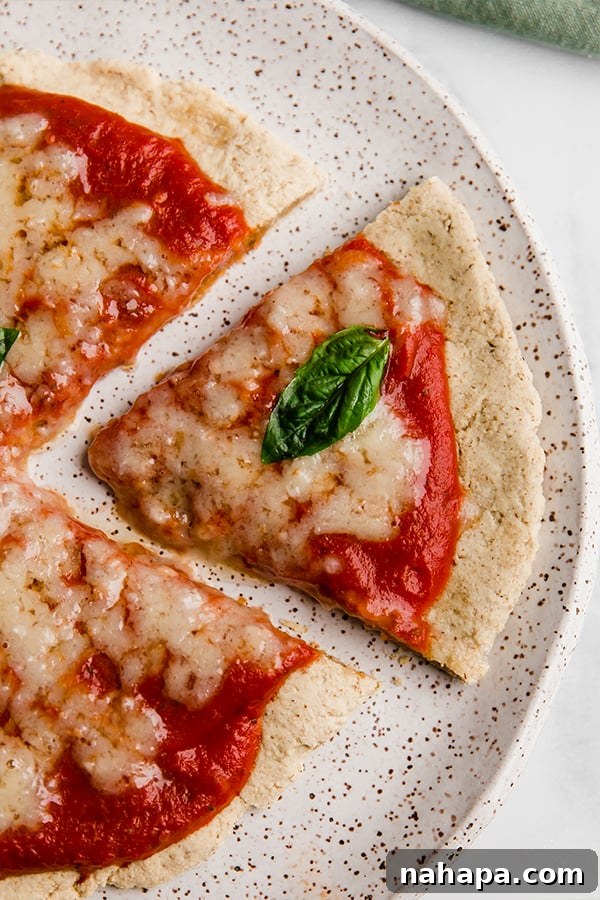
- Step 8: Top and Final Bake. Carefully remove the par-baked crust from the oven. Add your desired AIP-compliant toppings (see suggestions below!). Return the pizza to the oven and bake for an additional 3-5 minutes. The exact timing will depend on your chosen toppings and how melted or cooked you prefer them.
- Step 9: Cool and Serve. Once baked to perfection, remove the pizza from the oven. Allow it to cool slightly on the baking sheet or a wire rack for a few minutes before slicing. This brief cooling period helps the crust set, making it easier to slice and preventing it from being too delicate. Slice, serve, and enjoy your homemade AIP pizza!
Frequently Asked Questions (FAQs) About AIP Tigernut Flour Pizza Crust
Embarking on a new recipe, especially one tailored for specific dietary needs, often brings up questions. Here are some of the most common inquiries about making and enjoying this AIP tigernut flour pizza crust, along with detailed answers to help you succeed.
Can you make this pizza crust ahead of time?
Yes, you can absolutely prepare this pizza crust in advance! For the best results and convenience, it’s recommended to fully cook the crust according to the initial baking instructions. Once baked and cooled, you can store the par-baked crust in an airtight container in the refrigerator for 2-3 days, or freeze it for up to a month. When you’re ready to enjoy, simply retrieve the cooked crust, add your favorite toppings, and complete the final bake. However, it’s important to note that the raw dough should not be prepared and stored for later. The gelatin egg sets quickly, and the dough needs to be cooked immediately after preparation to achieve the correct texture and consistency. Freezing or refrigerating the raw dough is not recommended.
Is tigernut a nut?
This is a common misconception, and an important one for those with nut allergies! Despite its name, a tigernut is actually not a nut. It is a small, versatile tuber, much like a miniature sweet potato. This botanical classification makes tigernut flour naturally grain-free, nut-free, and paleo-friendly, making it a safe and excellent choice for individuals following the Autoimmune Protocol or managing nut allergies. This distinction is crucial for opening up a world of culinary possibilities for those with strict dietary restrictions. For more in-depth information on this fascinating ingredient, you can explore comprehensive guides on tigernut flour here.
Where do you buy tigernut flour?
As tigernut flour gains popularity in the health and wellness community, it’s becoming more accessible. You might find it in well-stocked health food stores or specialty grocery stores that cater to paleo, gluten-free, or allergen-friendly products. However, the easiest and often most cost-effective way to purchase tigernut flour is online. Retailers like Amazon, Thrive Market, and various organic food suppliers typically offer a good selection. Buying online ensures you have access to different brands and often provides better bulk pricing. Always check reviews to ensure you’re getting a high-quality, finely ground product.
Can you use other flours for this pizza crust?
While some flexibility exists, directly swapping tigernut flour for other flours in this specific recipe is generally not recommended on a 1:1 basis. Tigernut flour has a unique starch and fiber profile that contributes significantly to the crust’s structure and flavor. You can likely swap tapioca starch for arrowroot starch without issues, as they have similar binding properties. However, replacing tigernut flour with almond flour, cassava flour, or other grain-free flours would drastically alter the hydration, binding, and texture of the dough, requiring significant adjustments to the entire recipe. If you’re looking for an AIP pizza crust without tigernut flour, it’s best to seek out a recipe specifically formulated for a different flour base, such as this delicious zucchini pizza crust option.
What can you use for topping this crust?
The beauty of a homemade pizza crust is the freedom to customize your toppings! For an AIP-friendly pizza, the possibilities are still abundant and delicious. Here are some fantastic suggestions to inspire your next pizza creation:
- Nomato Sauce: A nightshade-free alternative that perfectly mimics the savory depth of traditional tomato sauce.
- AIP Cheese Alternatives: Get creative with dairy-free and casein-free options, such as a homemade AIP Mozzarella cheese made from tigernut milk or other compliant ingredients.
- Cooked Ground Beef or Turkey: A hearty and satisfying protein base. Season it with AIP-friendly herbs like oregano, basil, and thyme.
- Cooked Shredded Chicken: Light yet fulfilling, shredded chicken is incredibly versatile. Consider tossing it with a bit of olive oil and dried herbs before topping.
- Oven-Baked Meatballs: Slice up some of your favorite AIP-compliant meatballs for a delicious and substantial topping.
- Assorted Vegetables: Load up on colorful and nutrient-rich veggies! Options include sliced mushrooms, sautéed onions, chopped spinach or kale, artichoke hearts, olives (ensure they are compliant), and roasted sweet potatoes or butternut squash for a unique twist. Be mindful of nightshade vegetables like bell peppers if strictly following AIP.
- Fresh Herbs: After baking, sprinkle fresh basil, oregano, or parsley for a burst of vibrant flavor and aroma.
More AIP & Paleo Delights You’ll Love
If you’re enjoying the freedom and flavor of this AIP Tigernut Flour Pizza Crust, you’ll be thrilled to discover other creative and delicious recipes that fit into your healthy lifestyle. Expanding your culinary repertoire can make sticking to dietary protocols both enjoyable and sustainable. Explore these complementary dishes that offer similar comfort and flavor without compromise:
- Cauliflower Breadsticks: A fantastic grain-free side or snack.
- Zucchini Pizza Crust: Another excellent vegetable-based crust alternative.
- Sweet Potato Lasagna: A hearty and comforting meal that re-imagines a classic.
- Spaghetti Squash Pizza Casserole: All the flavors of pizza in a delightful casserole form.
- Pizza Dough Snack Bites: Perfect for satisfying those pizza cravings in a smaller, snackable format.
AIP Tigernut Flour Pizza Crust
This pizza crust is the perfect homemade option if you’re craving AIP-friendly pizza! It’s made with tigernut flour, tapioca starch and is free of eggs, grains, and other allergens.
Leave a Review
Pin Recipe
Ingredients
- ¾ cup tigernut flour
- ⅓ cup tapioca starch
- 2 tbsp olive oil
- 1 tsp apple cider vinegar
- ¼ tsp baking soda
- ¼ tsp salt
- ¼ cup water
- 1 tbsp gelatin
Instructions
- Preheat the oven to 350 F and line a baking sheet with lightly greased parchment paper.
- Using a medium mixing bowl, sift the tigernut flour and tapioca starch together. Stir in the olive oil, baking soda, apple cider vinegar, and salt. Set aside.
- For the gelatin egg, add the water to a small saucepot and slowly pour over the gelatin. Allow to harden. Place the pot on the stove and turn it on low heat. Slowly melt the gelatin (this will take just a minutes) and remove it from the heat. Vigorously whisk the gelatin egg until it becomes frothy. Add the gelatin egg to the pizza dough immediately and stir well to combine.
- Grease your hands with olive oil and form the pizza dough into a ball. Place onto the baking sheet and flatten to an 8″ circle.
- Transfer to the preheated oven and bake for 15-17 minutes or until hardened. Remove from the oven, add desired toppings and bake for another 3-5 minutes (depending on the toppings).
- Slice and serve once slightly cooled.
Notes
All nutritional information are estimations and will vary. Estimations do not include optional ingredients.
Nutrition Information (Estimated Per Serving):
Serving: 1 serving, Calories: 159kcal, Carbohydrates: 14.9g, Protein: 3g, Fat: 12.3g, Fiber: 7.5g
Did You Make This Recipe?
We love seeing your creations! Tag @unboundwellness on Instagram and hashtag #unboundwellness to share your AIP Tigernut Flour Pizza Crust masterpiece with our community!
Want to save this recipe for later?
Sign up for our newsletter to receive this recipe and more AIP-friendly content directly in your inbox!