This post contains affiliate links.
Are you navigating the world of gluten-free eating and find yourself missing the comforting embrace of a classic pasta dish? Perhaps you’ve tried a few gluten-free options and been left underwhelmed by their texture or flavor. The good news is, you don’t have to give up on pasta! The market for gluten-free alternatives has exploded, offering an array of fantastic choices that truly deliver on taste and texture. This comprehensive guide will help you discover the best gluten-free pasta varieties available today, ensuring you can enjoy delicious pasta meals once more. We’ll explore options that range from incredibly similar to traditional wheat pasta to unique grain-free alternatives that open up a whole new world of culinary possibilities.
Discover the Best Gluten-Free Pasta: Your Guide to Delicious & Healthy Alternatives
For many, going gluten-free feels like saying goodbye to beloved comfort foods. Pasta often tops that list. The sheer variety of gluten-free pasta brands lining supermarket shelves can be daunting, and let’s be honest, not all of them live up to expectations. Some can be gummy, others fall apart, and some just lack that satisfying chew. But fear not! This guide cuts through the clutter to bring you the best gluten-free pasta options on the market, including three fantastic grain-free choices that are revolutionizing healthy eating. Get ready to fall in love with pasta all over again!
Why Choose Gluten-Free Pasta? More Than Just Dietary Needs
While the primary reason for opting for gluten-free pasta is often a dietary requirement due to celiac disease, gluten sensitivity, or wheat allergy, the benefits extend much further. Many individuals choose gluten-free options for general digestive health, to reduce inflammation, or simply to explore new, nutrient-rich ingredients. These innovative pastas often boast higher fiber and protein content compared to traditional wheat pasta, contributing to better satiety and a more balanced meal. Embracing gluten-free pasta means expanding your culinary horizons while supporting your health goals.
Navigating the Gluten-Free Pasta Aisle: What to Look For
When selecting gluten-free pasta, it’s essential to understand the different base ingredients and what they offer. Common ingredients include rice flour (brown or white), corn flour, quinoa, lentil, chickpea, and various root starches like cassava or sweet potato. Each offers a unique flavor profile and texture when cooked. The key is to find varieties that hold their shape well, aren’t overly sticky, and have a mild taste that complements your sauces rather than overpowering them. Don’t be afraid to read labels and experiment until you find your perfect match. Our top picks below will give you an excellent starting point.
Top Picks: Unveiling the Best Gluten-Free Pasta Varieties
Here are our tried-and-tested recommendations for the best gluten-free pasta, ranging from traditional-tasting rice pasta to innovative grain-free alternatives.
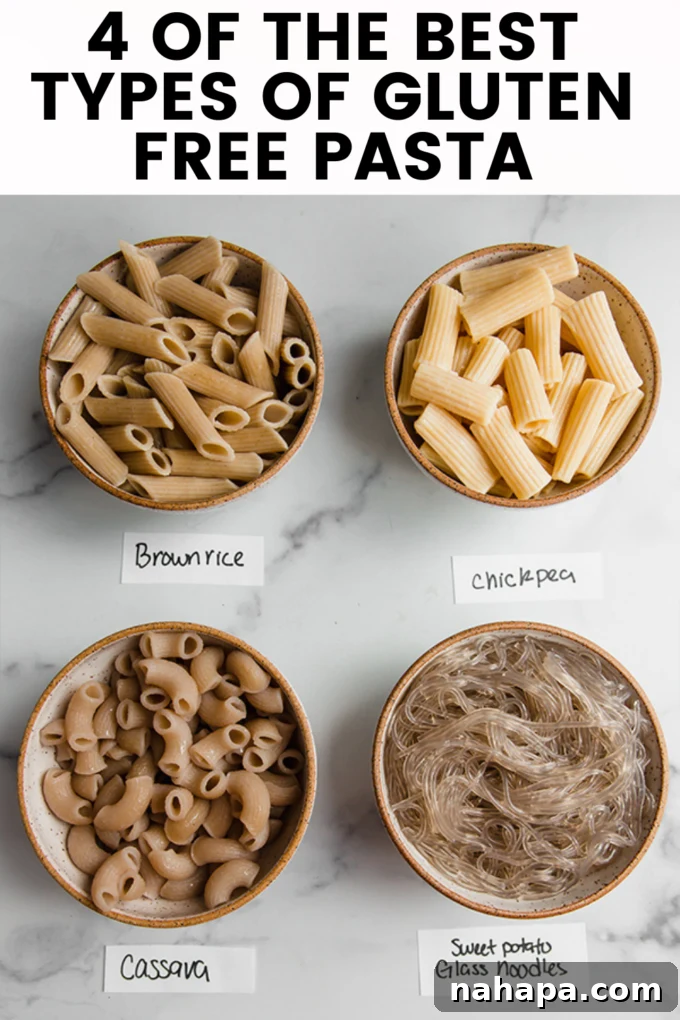
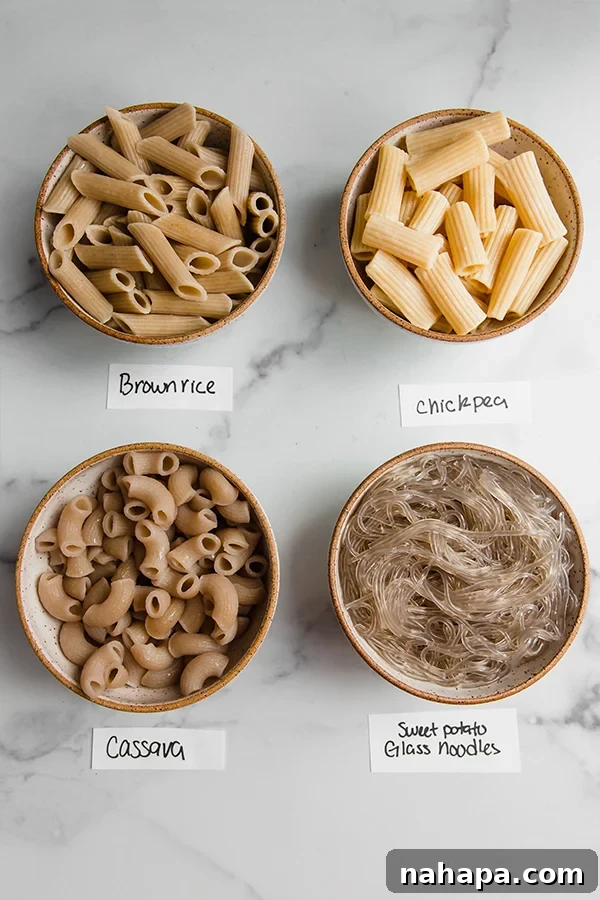
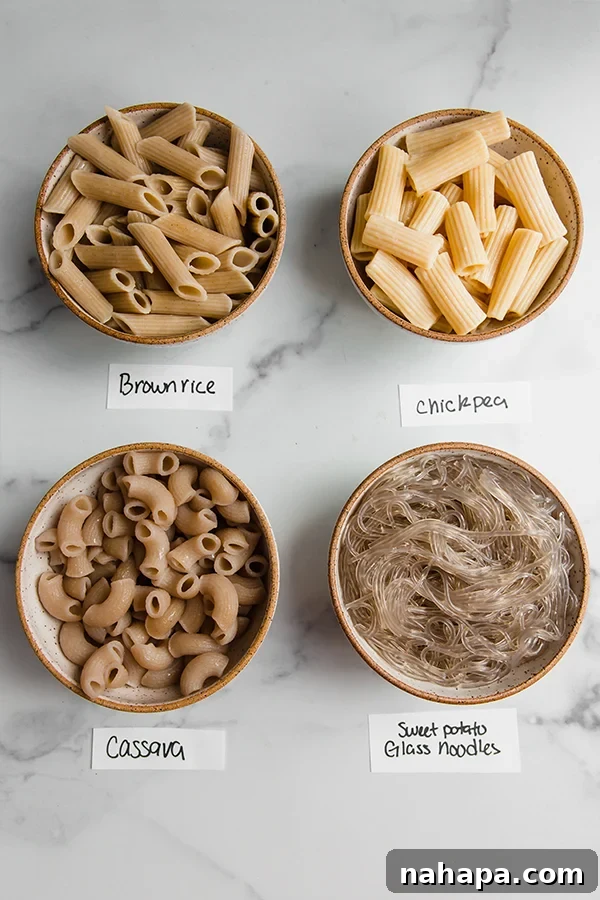
1. Jovial Brown Rice Pasta: The Closest to Traditional
Jovial brown rice pasta consistently earns rave reviews for its ability to mimic the taste and texture of conventional wheat pasta. Crafted in Italy, Jovial Foods prides itself on quality, and it truly shows in their brown rice pasta. It’s often the go-to recommendation for those newly transitioning to a gluten-free diet because it minimizes the feeling of compromise.
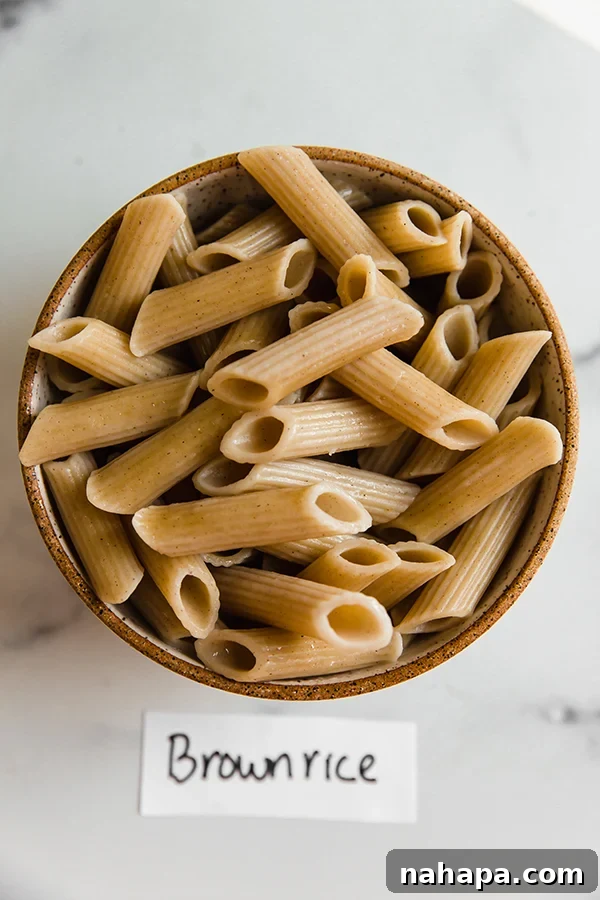
Ingredients: Organic brown rice flour, water.
Flavor/Texture: This pasta boasts an incredibly mild, almost neutral flavor that allows your sauce to shine. Its texture is remarkably firm and resilient, cooking up perfectly al dente. It holds its shape beautifully, whether tossed in a hearty marinara, a delicate pesto, or a creamy Alfredo sauce, making it incredibly versatile.
How to Use It: Treat Jovial brown rice pasta exactly as you would traditional pasta. It’s perfect for classic Italian dishes, baked casseroles, cold pasta salads, or simply tossed with olive oil and fresh herbs. Its robust nature means it stands up well to both light and heavy sauces without becoming mushy.
Where to Buy It: You can purchase Jovial brown rice pasta directly from the Jovial website, or find it at major health food stores like Whole Foods and Sprouts, as well as many conventional supermarkets in the natural foods aisle.
Cooking Tips: For the best results, ensure you use plenty of salted water and follow the package directions closely. Brown rice pasta can benefit from a minute or two less cooking than suggested if you prefer a very firm al dente. Do not rinse after cooking unless specified by a recipe (e.g., for cold salads).
2. Banza Chickpea Pasta: A Protein Powerhouse
Banza Chickpea Pasta has revolutionized the gluten-free market by offering a delicious and incredibly nutritious alternative. Made from chickpeas, this pasta is not only gluten-free and grain-free but also significantly higher in protein and fiber than traditional pasta. It’s an excellent choice for anyone looking to boost their nutrient intake without sacrificing the joy of a pasta meal.
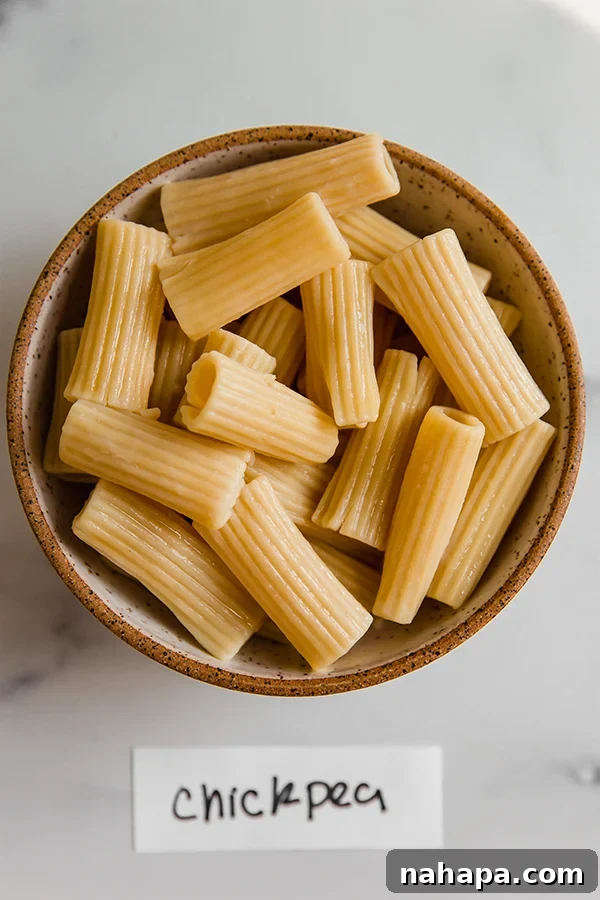
Ingredients: Chickpea, pea starch, tapioca, xanthan gum.
Flavor/Texture: Banza pasta has a mild, slightly earthy flavor that hints at its chickpea base, but it’s generally well-balanced and doesn’t overpower sauces. The texture is firm and satisfying, though it tends to cook a bit faster than wheat pasta. Be mindful not to overcook it, as it can become softer quickly. Its unique composition helps it absorb sauces beautifully.
How to Use It: Banza chickpea pasta is incredibly versatile. It’s fantastic in classic dishes like mac & cheese, hearty meat sauces, or even cold pasta salads where its robust texture shines. It’s also a great option for meal prepping, as it reheats reasonably well. Remember that it might produce some foam when boiling, which is completely normal and harmless.
Where to Buy It: Banza products are widely available. You can purchase them on the Banza website, at major grocery chains like Whole Foods, Sprouts, Target, and many conventional supermarkets. It’s also readily available through online retailers.
Cooking Tips: Due to its quicker cooking time, keep a close eye on Banza pasta. We recommend tasting it a minute or two before the package suggests to achieve your desired al dente. The foaming is natural; simply skim it off or reduce the heat slightly if it becomes excessive. A quick rinse after draining can sometimes help if you find it too starchy for certain recipes, but it’s often best to toss immediately with sauce.
3. Jovial Cassava Pasta: The Grain-Free Champion
For those strictly avoiding grains, Jovial cassava pasta is an absolute game-changer. This innovative pasta is not only gluten-free but entirely grain-free, making it a perfect fit for diets like Paleo or AIP (Autoimmune Protocol). Jovial has expertly crafted a pasta that delivers on both texture and flavor, available in various shapes like spaghetti, fusilli, elbows, and more, ensuring you don’t miss out on any pasta dish.
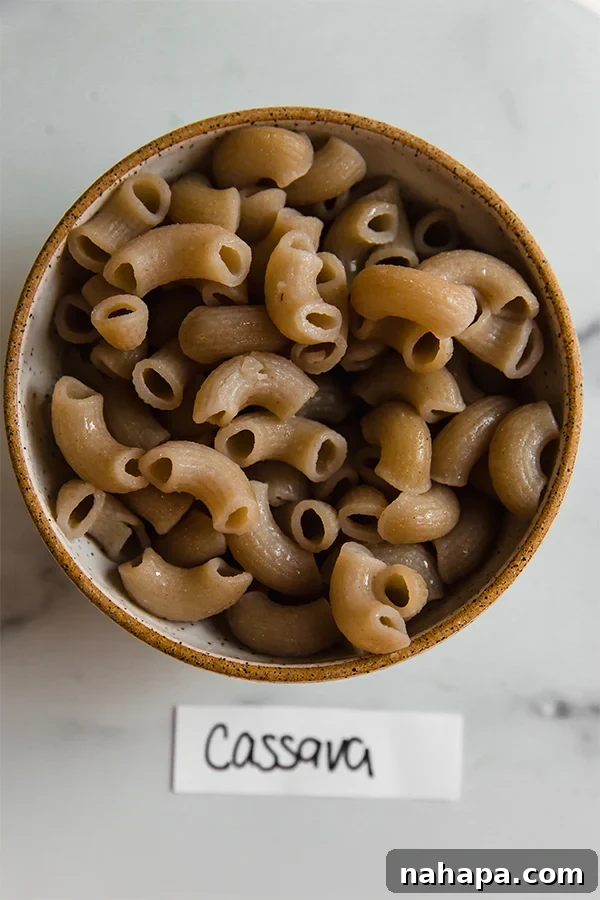
Ingredients: Organic Cassava Flour, Water.
Flavor/Texture: Jovial cassava pasta offers a mild, slightly earthy flavor with a subtle hint of cassava that’s generally well-received. Its texture is notably softer than brown rice pasta, providing a tender bite that is different from wheat pasta but incredibly satisfying in its own right. It tends to absorb sauces exceptionally well, becoming a cohesive part of the dish.
How to Use It: This pasta is ideal for comfort food dishes where a softer texture is desired. Think creamy mac & cheese, baked ziti, lasagna, or pasta with rich meat sauces. Its ability to soak up flavors makes it excellent for vegetable-heavy sauces or pestos. It’s also a fantastic alternative for those following specific dietary protocols that restrict grains.
Where to Buy It: Like other Jovial products, their cassava pasta can be found on the Jovial website, at health food stores like Whole Foods and Sprouts, and increasingly in the natural foods sections of larger grocery stores. Online retailers also carry a good selection.
Cooking Tips: Given its softer texture, it’s crucial not to overcook Jovial cassava pasta. Keep a close watch and aim for a slightly firm, yet tender, texture. It’s best when served immediately and combined with your sauce to prevent sticking or clumping. Stirring frequently during the first few minutes of boiling can also help.
4. Korean Sweet Potato Glass Noodles (Dangmyeon): The Unique & Versatile
Korean Sweet Potato Glass Noodles, known as Dangmyeon, offer a truly unique and naturally grain-free pasta alternative. Made entirely from sweet potato starch, these translucent noodles provide a distinct chewy texture and serve as a fantastic way to incorporate “hidden vegetables” into your meal. While traditionally used in the famous Korean stir-fry dish, Japchae, their versatility extends far beyond.
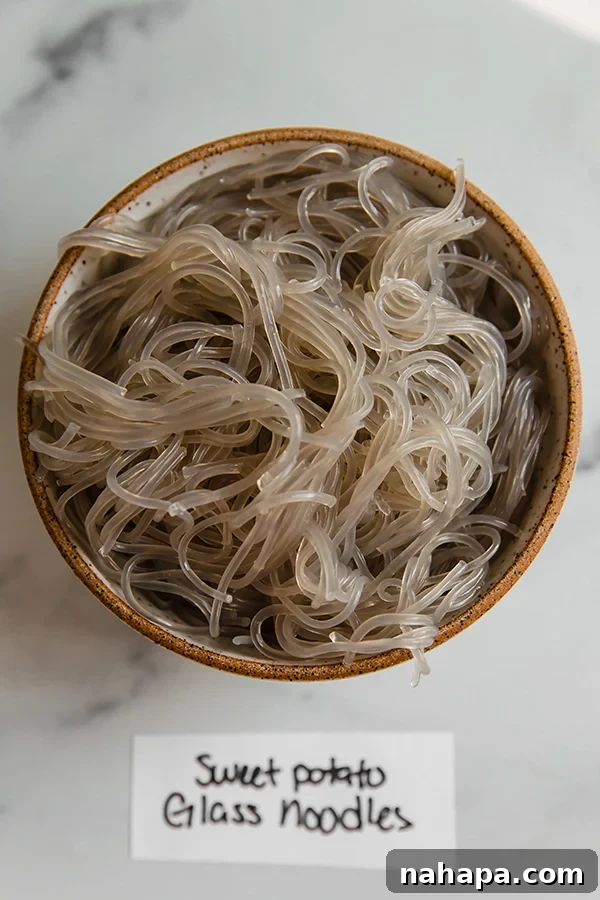
Ingredients: Sweet potato starch.
Flavor/Texture: Glass noodles have a wonderfully springy, chewy texture that provides a satisfying bite. Their flavor is incredibly mild, almost neutral, allowing them to absorb the flavors of whatever sauce or broth they are cooked in. This makes them an excellent vehicle for bold and vibrant Asian-inspired dishes.
How to Use It: Beyond Japchae, these noodles excel in various stir-fries, cold noodle salads with a peanut or sesame dressing, and even added to soups for extra substance and chewiness. They are also fantastic in fresh spring rolls or as a base for custom noodle bowls. Their translucent appearance adds an appealing visual element to any dish.
Where to Buy It: You can often find Korean sweet potato glass noodles at your local Asian market, typically in the noodle aisle. They are also widely available through online retailers like Amazon, making them accessible no matter where you live.
Cooking Tips: Glass noodles are usually soaked in hot water for a period or boiled briefly, then rinsed and tossed with a small amount of sesame oil to prevent sticking before being added to a stir-fry or salad. Overcooking can make them too soft, so aim for that signature springy texture.
Making the Right Choice: Which Gluten-Free Pasta is Best for You?
Ultimately, the “best” gluten-free pasta depends on your personal preferences, dietary needs, and the specific dish you’re preparing. If you’re looking for an all-around staple that closely resembles traditional pasta in both taste and texture, **Jovial Brown Rice Pasta** is often the top contender. Its neutral flavor and firm bite make it incredibly versatile for nearly any pasta recipe.
- For a Protein Boost: If adding more protein and fiber to your diet is a priority, Banza Chickpea Pasta is an excellent choice.
- For Strict Grain-Free Diets: Jovial Cassava Pasta provides a tender, delicious option that fits grain-free lifestyles perfectly.
- For Unique Textures & Asian Cuisine: Korean Sweet Potato Glass Noodles offer an adventurous, chewy, and naturally grain-free alternative, especially for stir-fries and salads.
Don’t hesitate to try a few different brands and types to discover which ones you enjoy most. Each offers a distinct experience, and finding your favorites will significantly enhance your gluten-free cooking.
Pro Tips for Cooking Gluten-Free Pasta
Cooking gluten-free pasta effectively requires a few considerations to achieve the best possible texture and prevent common issues like mushiness or stickiness:
- Use Ample Water: Always cook gluten-free pasta in a large pot with plenty of water. This helps prevent sticking and allows the pasta to move freely.
- Salt Generously: Just like with traditional pasta, salt the boiling water generously. This infuses flavor into the pasta itself.
- Don’t Overcook: Gluten-free pastas, especially those made from legumes or starches, can go from al dente to mushy very quickly. Start checking for doneness a minute or two before the package instructions suggest. Al dente is key!
- Stir Frequently: Stir the pasta often during the first few minutes of cooking to prevent it from sticking to itself or the bottom of the pot.
- Rinsing (Sometimes): While traditional pasta is rarely rinsed, some gluten-free varieties (especially those with higher starch content) can benefit from a quick rinse with warm water after draining if you plan to use them in a cold salad or if they feel excessively sticky. However, if you’re serving with a sauce, it’s often best to drain and immediately toss with the sauce so the starches help the sauce adhere.
- Serve Immediately: Gluten-free pasta tends to firm up or become slightly drier as it cools. For the best experience, serve it promptly after cooking, ideally tossed with your warm sauce.
Frequently Asked Questions About Gluten-Free Pasta
Is gluten-free pasta healthier than regular pasta?
It depends on the ingredients! Some gluten-free pastas, like Banza chickpea pasta, are higher in protein and fiber, offering significant nutritional benefits. Others, made primarily from refined rice or corn flour, might not be more nutritious than regular pasta unless fortified. Always check the ingredient list and nutritional information.
Does gluten-free pasta taste good?
Absolutely! The quality of gluten-free pasta has vastly improved. With brands like Jovial and Banza, you can enjoy delicious pasta dishes that satisfy cravings and offer great texture and flavor. The key is choosing high-quality brands and preparing them correctly.
Can I use gluten-free pasta in any recipe?
For most recipes, yes! Gluten-free pasta can be substituted cup-for-cup for regular pasta. You might need to adjust cooking times slightly, as gluten-free varieties can cook faster or have different ideal textures. For baked dishes like lasagna, some find that heartier options like brown rice or lentil pasta hold up better.
What’s the difference between gluten-free and grain-free pasta?
All grain-free pastas are gluten-free, but not all gluten-free pastas are grain-free. Gluten is a protein found in wheat, barley, and rye (which are grains). Gluten-free pasta means it doesn’t contain these ingredients. Grain-free pasta means it doesn’t contain any grains at all (like rice, corn, oats, as well as wheat, barley, rye). Cassava pasta and sweet potato glass noodles are examples of grain-free options.
Embrace the World of Gluten-Free Pasta!
Going gluten-free doesn’t mean sacrificing the comfort and joy of a delicious pasta meal. With the fantastic options available today, you can explore a diverse range of flavors and textures that cater to various dietary needs and preferences. Whether you’re craving a traditional Italian dish or a vibrant Asian stir-fry, there’s a gluten-free pasta out there waiting to become your new favorite. Experiment, cook with confidence, and rediscover the endless possibilities of pasta night!