
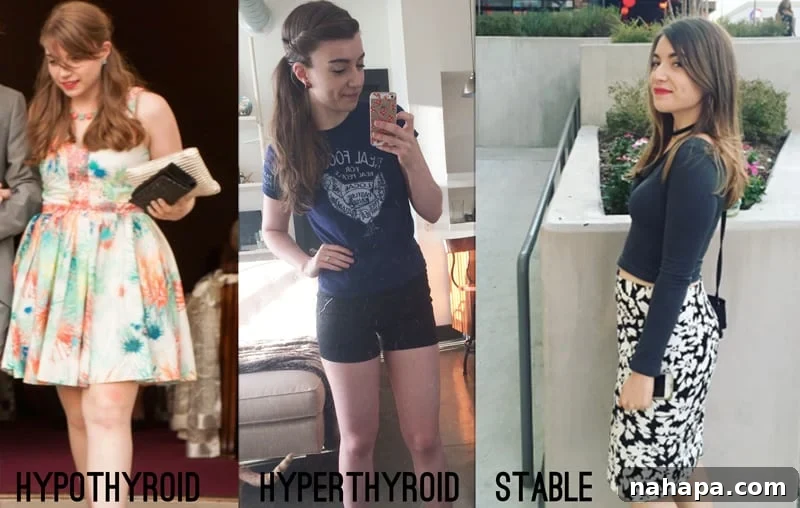
Disclaimer: I am not a medical doctor, nutritionist, or licensed healthcare provider. This blog post is based on my personal experiences and research, offering general information only. It is not intended to substitute for professional medical advice, diagnosis, or treatment. Always consult with a qualified healthcare professional before making any decisions about your health.
Naturally Managing Hashimoto’s Disease: My Holistic Path to Lasting Wellness
It has been eight long years since I first manifested the unmistakable symptoms of Hashimoto’s disease, a journey that likely began silently within my body over a decade ago. This autoimmune condition, where the immune system mistakenly attacks the thyroid gland, is estimated to affect up to 90% of women who grapple with hypothyroidism. Hashimoto’s presents a formidable challenge, characterized by an extensive list of debilitating symptoms, from profound fatigue and persistent weight gain to noticeable hair loss and an overwhelming intolerance to cold. I personally experienced them all. Yet, against what often felt like insurmountable odds, I stand here today, empowered and successfully managing my Hashimoto’s naturally through a holistic approach.
After several years of inadvertently neglecting healthy lifestyle choices and enduring the relentless ups and downs of the Hashimoto’s roller coaster, I reached a critical turning point. I was utterly exhausted, frustrated by the lack of comprehensive solutions, and determined to reclaim my health. This profound dissatisfaction sparked a journey of self-advocacy that led me to pursue formal education and become a Nutritional Therapy Practitioner (NTP) myself. My unwavering resolve to get better fueled every step, and little by little, day by day, I began to see transformative results.
It is with immense gratitude and a deep sense of purpose that I now share the insights and strategies that have enabled me to manage my Hashimoto’s naturally. My hope is that by detailing my personal experience and the holistic principles I embraced, I can offer guidance, inspiration, and practical tools to support you on your own unique path to wellness and vitality.
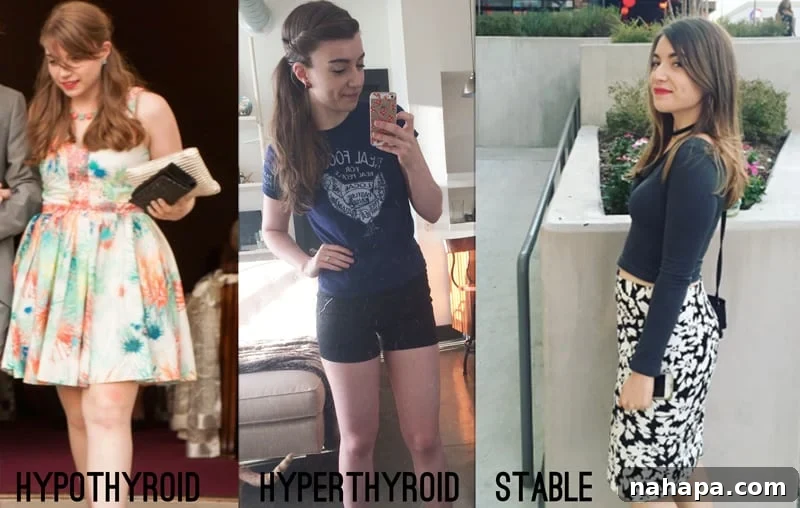
While I maintain a realistic perspective, understanding that I am not miraculously “cured” for all eternity and that potential flare-ups are always a possibility if I stray from my established practices, my daily life is no longer dominated by a constant barrage of nagging symptoms. The incessant battle has subsided, replaced by a profound sense of balance, resilience, and sustained vitality.
1. Collaborating with a Functional Medicine Practitioner
The journey to managing an autoimmune condition like Hashimoto’s naturally is incredibly empowering, but it should never be undertaken in isolation. While powerful lifestyle modifications and natural therapies form the cornerstone of my approach, they are most effective when integrated with professional medical guidance. A pivotal turning point in my healing was establishing a partnership with an MD who also practices functional medicine.
Unlike conventional medicine, which often focuses on symptom management, functional medicine delves deep to identify and address the root causes of disease. This holistic perspective provided a level of comprehensive care that was revolutionary for me. I cannot stress this enough: working one-on-one with a knowledgeable doctor is 100% necessary and incredibly beneficial. While significant improvements can indeed be made through dietary and lifestyle changes, a functional medicine practitioner brings expertise in diagnostic testing, interpreting complex physiological imbalances, and crafting personalized treatment plans.
My practitioner was instrumental in helping me navigate the best approach for my thyroid medication. Yes, I am on thyroid medication, and I consider it a vital component that complements my holistic lifestyle. This integrated strategy—combining conventional pharmaceutical support with natural interventions—has been fundamental to my success. It’s crucial to understand that medication, when necessary and properly managed, can provide the foundational support needed for the body to respond more effectively to natural healing modalities. Always follow your own doctor’s advice regarding medication.
2. Prioritizing Gut Health and Digestive Wellness
The ancient wisdom of Hippocrates, “All disease begins in the gut,” resonates profoundly for anyone dealing with an autoimmune condition. With a staggering 70-80% of our immune system residing within our digestive tract, the health of our gut is undeniably paramount for overall well-being and, critically, for modulating autoimmune responses. For those with Hashimoto’s, understanding the intricate autoimmune-gut connection is not just important—it’s foundational.
This connection largely revolves around the concept of intestinal permeability, widely known as “leaky gut.” When the delicate lining of our intestines becomes compromised and overly permeable, it allows partially digested food molecules, toxins, and microbial byproducts to “leak” directly into the bloodstream. Our immune system, perceiving these foreign substances as threats, mounts an inflammatory attack. A crucial mechanism called molecular mimicry can then occur, where these foreign invaders structurally resemble our own bodily tissues. Consequently, the immune system, once activated, may mistakenly begin attacking its own organs or organ systems—in the case of Hashimoto’s, targeting the thyroid gland.
Therefore, meticulously focusing on nurturing your gut health and optimizing digestion is not merely beneficial; it is absolutely vital for achieving sustainable wellness and managing Hashimoto’s. So, what steps can you take to foster a thriving gut? My “secret” involved a systematic and holistic approach:
- Adopt a Nourishing Dietary Protocol: Research and select a dietary framework tailored to your individual needs, such as the Autoimmune Protocol (AIP), Paleo, GAPS, or low-FODMAP. I found the Autoimmune Protocol (AIP) template to be exceptionally effective in calming my immune system and supporting gut healing. This involves a temporary elimination phase followed by careful reintroductions.
- Work with a Practitioner to Treat Infections and Imbalances: Partner with your healthcare provider to identify and address any underlying gut infections (like SIBO, parasites, or Candida overgrowth) or chronic imbalances that can severely compromise intestinal integrity and perpetuate inflammation.
- Supplement Mindfully for Digestive Support: Incorporate targeted digestive aids such as enzymes and hydrochloric acid (HCl) when necessary. These supplements can significantly improve the breakdown and absorption of nutrients, reducing digestive burden and symptoms like bloating, gas, and indigestion.
- Reduce Stress and Systemic Inflammation: Actively manage both physiological and psychological stress, as chronic stress has a profound negative impact on gut function and permeability. Simultaneously, eliminate inflammatory foods and lifestyle factors that contribute to chronic systemic inflammation.
- Enhance Beneficial Bacteria: Cultivate a robust and diverse gut microbiome by consistently incorporating high-quality probiotics and nutrient-rich fermented foods (like sauerkraut, kimchi, and fermented vegetables, if tolerated). These introduce beneficial bacteria that crowd out pathogens and support a healthy gut ecosystem.
- Strategic Food Elimination and Introduction: Systematically remove highly inflammatory foods such as gluten, dairy, processed sugars, unhealthy seed oils, and artificial additives. Simultaneously, prioritize and add a wide variety of whole, unprocessed, nutrient-dense, and easily digestible foods to fuel healing.
3. Embracing Nutrient-Dense Eating
While the elimination of overtly inflammatory foods—such as processed oils, gluten, and refined sugars—is a critical initial step in reducing systemic stress and inflammation, it is crucial not to halt there. For far too long, I operated under the misconception that as long as I avoided gluten, I could consume any “gluten-free” packaged food item without consequence. I recall relying heavily on products like Rice Chex, failing to grasp that “gluten-free” does not automatically equate to “healthy” or “nutrient-dense.” This narrow focus meant I was still missing out on vital nutrients.
My true dietary transformation occurred when I fully committed to the Autoimmune Protocol (AIP). This was a pivotal moment, marking the first time in my life I consciously transitioned from a diet heavily reliant on processed convenience foods to one intensely focused on sourcing and consuming as much real, local, and whole food as possible. This commitment meant a proactive effort: diligently searching online for nearby farmers’ markets, actively exploring local food co-ops, joining Community Supported Agriculture (CSA) programs, and strategically utilizing health-focused grocery stores to obtain the freshest, most nutrient-packed ingredients available.
True nutrient density stems directly from nature’s bounty, providing your body with the essential vitamins, minerals, phytonutrients, and antioxidants it desperately needs to repair, rebuild, and thrive. Key components of a nutrient-dense diet include:
- An Abundance of Fresh Vegetables: Incorporate a colorful and diverse array of vegetables such as beets, carrots, celery, kale, spinach, cauliflower, broccoli, sweet potatoes, dark leafy greens, and cruciferous vegetables. These provide crucial fiber, vitamins, and minerals.
- Healing Bone Broth: Regularly consume homemade bone broth, revered for its collagen, gelatin, and amino acid content, which are highly beneficial for gut healing and reducing inflammation.
- Wild-Caught Fish: Prioritize fatty fish like salmon, sardines, mackerel, and various shellfish. These are exceptional sources of anti-inflammatory omega-3 fatty acids, crucial for brain health and reducing systemic inflammation.
- Pasture-Raised Meats: Opt for high-quality, ethically sourced proteins such as grass-fed beef, grass-fed lamb, and pastured chicken. These offer a superior nutrient profile, including beneficial fats and essential amino acids, compared to conventionally raised meats.
- Wholesome Healthy Fats: Include sources like avocados, pastured animal fats, high-quality extra virgin olive oil, coconut oil, and nuts (if individually tolerated and reintroduced after an elimination phase). Healthy fats are essential for hormone production, nutrient absorption, and satiety.
The message is clear: genuine nourishment for a healing body comes from whole, unprocessed foods, not from a cardboard box or a factory assembly line.
4. Customizing My Diet to Individual Intolerances
Navigating and identifying individual food intolerances is one of the most intricate and personalized aspects of managing an autoimmune condition like Hashimoto’s. It’s crucial to understand that commonly marketed food allergy tests, such as IgG antibody panels, often lack 100% reliability and can frequently lead to inaccurate or misleading information. In reality, most individuals, especially those with autoimmune diseases, harbor a broader spectrum of food sensitivities and intolerances than what standard elimination protocols like the Autoimmune Protocol (AIP) might initially reveal.
Therefore, a deeply personalized approach rooted in self-observation and careful experimentation is absolutely essential. This involves meticulous symptom tracking, where you record how your body responds to specific foods, and even techniques like pulse testing, which involves monitoring your pulse rate before and after consuming a suspect food to detect potential inflammatory reactions. Through this diligent process of elimination, thoughtful reintroduction, and keen observation, I gradually uncovered that certain foods—even those generally considered “healthy” or “AIP-friendly” for others—were simply not compatible with my unique physiological system. While it might sound unusual to attribute such specific reactions to foods, when we consider the widespread industrial alterations to our modern food supply and the resulting epidemic of chronic illnesses, it is not at all far-fetched to conclude that some foods can be profoundly detrimental to an already sensitive and compromised body.
5. Actively Managing Adrenal Dysfunction
Before I embarked on my studies to become a Nutritional Therapy Practitioner (NTP), the concept of “adrenal fatigue” was entirely foreign to me. However, my education quickly illuminated its critical importance, revealing that adrenal health is inextricably linked to proper thyroid function, and to my surprise, I discovered I was experiencing stage 2 adrenal fatigue. This was a profound realization that shifted my entire approach to healing.
The adrenal glands are two small, but mighty, organs situated atop your kidneys, responsible for producing vital hormones, most notably cortisol. Cortisol orchestrates our body’s “fight or flight” response, managing stress and influencing nearly every system in the body. In the intricate endocrine cascade, the production of cortisol sits metabolically “upstream” from thyroid hormone synthesis. When the adrenal glands are chronically overworked and exhausted due to prolonged physical or psychological stress, this imbalance severely disrupts the entire hormonal system. This disruption directly impacts thyroid function, often exacerbating Hashimoto’s symptoms and making true healing incredibly challenging.
I vividly recall a period during my most recent hyperthyroid flare. I was simultaneously planning my wedding, working a demanding full-time job, attending school, actively developing this blog, and managing a consulting gig—all while striving to adhere strictly to the AIP diet. Looking back, it’s hardly surprising that my body entered a severe flare state. My adrenals were quite literally screaming for relief amidst such immense, unrelenting pressure.

Adrenal fatigue isn’t solely triggered by major life events like wedding planning. It can manifest from persistent workplace pressure, other significant life transitions, chronic emotional burdens, or even as a prolonged side effect of another illness. Its widespread prevalence means many of us have either experienced or are currently battling various degrees of it, often recognizing its tell-tale symptoms: pervasive low energy despite adequate sleep, intense salt cravings, difficulty falling asleep or staying asleep, and a general feeling of being “wired but tired.”
So, how does one effectively manage and support adrenal function?
- Eliminate Inflammatory Dietary Stressors: Remove foods that contribute to physiological stress and inflammation. For me, adhering strictly to an AIP template meant diligently avoiding grains, dairy, nightshades, and all forms of added sugars. During my initial healing phase, I also took a temporary break from nuts and seeds, which can be inflammatory for some.
- Identify and Resolve Unnecessary Stressors: Consciously evaluate your life for obvious sources of high stress and proactively work to mitigate them. Reflect honestly on whether certain commitments or activities are truly essential or if they are disproportionately contributing to your stress load. In my case, juggling multiple jobs during wedding planning was a clear, albeit challenging, example of an avoidable stressor that needed to be addressed.
- Cultivate Mindfulness and Relaxation: Integrate daily practices like prayer, meditation, deep breathing exercises, and mindfulness into your routine. These practices provide invaluable tools for gaining perspective, calming the nervous system, reducing cortisol levels, and re-centering yourself amidst life’s inevitable challenges.
- Utilize Mindful Supplementation: Under the expert guidance of a qualified functional medicine practitioner, consider targeted adrenal support supplements. Many of my NTP clients, and myself included, have benefited significantly from specific herbal adaptogens or glandular adrenal support to help restore balance and optimal function to the fatigued adrenal glands.
6. Regulating Blood Sugar Levels
Even before I began to comprehensively address my adrenal health, I was acutely aware of underlying blood sugar dysregulation. A blood test conducted during a particularly severe Hashimoto’s flare had unequivocally revealed these issues, leaving me confused, anxious, and deeply frustrated by the lack of clear answers from conventional doctors. Pressing questions like “Do I need to worry about diabetes?” or “Am I insulin resistant?” lingered without adequate medical guidance. I instinctively knew this was a significant problem that demanded immediate and focused attention.
Blood sugar regulation is absolutely paramount for everyone, but it is especially critical for individuals managing Hashimoto’s disease and other autoimmune conditions. Fluctuations in blood sugar levels, whether too high or too low, impose an immense physiological stress on the body and, particularly, on the delicate balance of the endocrine system. Consider this compounding effect: if you’re already grappling with the complexities of Hashimoto’s and, like I was, experiencing adrenal fatigue, your body is already working overtime simply to maintain homeostasis amidst this physiological turmoil. Introducing excessive sugar or experiencing frequent blood sugar crashes further compounds this burden, triggering widespread inflammatory responses, exacerbating hormonal imbalances, and draining your body’s already limited resources.
Through my NTP training and personal experimentation, I realized I was inadvertently consuming far too much sugar, even after meticulously eliminating processed foods. My diet, though “cleaner” in many respects, was still unbalanced, with an overemphasis on fruit and complex carbohydrates and an insufficient intake of healthy fats to stabilize blood sugar responses. My focus then strategically shifted to the following powerful strategies:
- Eliminate Excessive Added Sugars: Be rigorously honest with yourself about the pervasive presence of added sugars in your diet. While occasional treats are perfectly fine and an enjoyable part of a balanced life, rampant and hidden sugars—found in everything from sauces to seemingly healthy snacks—contribute significantly to chronic blood sugar instability. Prioritize whole, unprocessed foods that are naturally low in added sugars.
- Strategically Pair Carbohydrates with Healthy Fats and Proteins: Develop a deep understanding of the metabolic impact of different macronutrients. Carbohydrates, particularly simple ones, are quickly metabolized for energy, often leading to rapid blood sugar spikes followed by precipitous crashes (explaining why you might feel ravenously hungry shortly after consuming a simple bagel for breakfast). Fats, on the other hand, provide slow-burning, sustained energy, while protein significantly contributes to satiety and helps to buffer blood sugar responses. By consistently pairing my plantains with avocado, or other carbohydrates with generous servings of healthy fats (like olive oil, coconut oil, or nuts/seeds if tolerated) and quality proteins, I successfully minimized drastic blood sugar fluctuations, curbed cravings, and maintained more stable energy levels throughout the day.
7. Adjusting Workout Intensity for Healing
When the body is already under significant physiological stress from an autoimmune condition like Hashimoto’s, intense physical exercise can, ironically, become another potent stressor. Rather than promoting health, overly strenuous workouts can burden both the body and the adrenal glands just as much as conventional psychological or emotional stress. It’s crucial to understand that while movement is essential, there’s a delicate balance between beneficial activity and activity that hinders healing and recovery.
For many years after my Hashimoto’s diagnosis, I was an avid CrossFitter. I absolutely loved the powerful endorphin rush, the immense sense of empowerment from heavy weightlifting, and the camaraderie of the community. However, over time, the relentless intensity of this high-impact training began to take its toll. Combined with all the other significant stressors in my life—work, wedding planning, studies—my body was simply not in a state where super intense workouts were serving my health or promoting recovery. It was an incredibly difficult decision to step back from CrossFit, and it brought a profound sense of sadness and loss of identity. Yet, trading my wrist wraps for a yoga mat proved to be a pivotal shift, leading to a remarkable and positive change in both my desire and ability to engage in physical activity.
Initially, during the most intense period of wedding planning and its associated stress, I scaled back dramatically, attending gentle yoga classes just two to three times a week. This felt like a significant reduction in effort, but it was incredibly empowering. The mindful, low-impact movements of yoga provided immense benefits for my adrenals by reducing cortisol, calming my nervous system, improving my mindset, and enhancing my overall physical well-being without overtaxing my system. Today, I continue to prioritize yoga at least once a week, have gradually and mindfully reintroduced weightlifting (with a focus on proper form and adequate recovery), and deeply enjoy regular walks and invigorating hikes in nature. While these activities may not carry the same “cool factor” or competitive edge as CrossFit, these mindful and restorative forms of movement have been an indispensable piece of my holistic health journey, allowing my body to heal and thrive without added stress.
8. Cultivating a Resilient and Healthy Mindset
As I’ve openly shared, my journey with Hashimoto’s is far from one of flawless perfection or linear progression. Achieving significant progress doesn’t mean I’m immune to setbacks, or that a flare-up will never occur again. However, what I can absolutely control is my proactive approach to these challenges: to continuously learn from the steps that led to my current progress, to consistently strive for balance in all aspects of my life, and most importantly, to cultivate a mindset that acknowledges and embraces this journey as a lifelong commitment.
While “30-day restarts” or short-term protocols can be excellent for getting back on track, true, sustainable transformation extends far beyond mere dietary changes or temporary fixes. It encompasses a profound and enduring shift in perspective and self-perception. So, what constitutes a truly healthy and resilient mindset in the often-challenging context of chronic illness?
- Embrace Non-Permanence with Grace: Recognize that your current state of well-being, no matter how positive, may not be a permanent fixture. I may feel fantastic today, but acknowledging that a flare-up is always a possibility grounds me in reality, fosters vigilance without succumbing to fear, and cultivates a sense of grace and acceptance for the body’s natural fluctuations.
- Practice Profound Gratitude Daily: Even on the most challenging days, there is always something to be grateful for. Actively acknowledging moments when I feel good, healthy, and energized not only boosts my mood and mental well-being but also seems to amplify those positive health outcomes, creating a virtuous cycle of sustained wellness.
- Disregard Societal Health Dogma: Society frequently promotes concepts like the “80/20 rule” or “everything in moderation” as keys to health. For someone with a complex autoimmune condition, this generic advice can be profoundly misleading and even detrimental. I have personally learned that I cannot consume “junk food” in moderation and expect to maintain my health. The more I internalized the belief that I *needed* such foods, the more I craved them. I had to consciously release society’s pervasive notion that processed foods are a necessary component of a “balanced” diet and fully embrace a lifestyle that genuinely and unequivocally supports my unique body and its healing needs.
- Commit to the Long Haul with Conviction: Understand that managing Hashimoto’s is a marathon, not a sprint. While I am significantly healthier and more vibrant than I once was, this doesn’t imply I can indulge in nightly donuts or party until the early hours without consequence. Maintaining my current state of health requires a consistent, long-term commitment to my chosen lifestyle, and I’ve come to not only accept but genuinely embrace this reality as a path to enduring well-being.
9. Anchoring in Faith and Trust
Long before I understood the profound healing power of bone broth, and even before I received my Hashimoto’s diagnosis, my deep and abiding faith in God had already initiated a much deeper form of healing within me, extending far beyond the measurable impacts of any lifestyle practice. Throughout the entire challenging course of my disease, I have consistently witnessed God’s guiding hand at work in my life.
Even in the darkest, most discouraging moments, I found immense solace, strength, and unwavering direction in knowing that a higher power was leading me through. While it’s easy to succumb to anger, frustration, and feelings of injustice when facing chronic illness—and admittedly, there were times I did—my ultimate trust in God’s divine plan has always pulled me through the most difficult periods. My journey with Hashimoto’s, with all its trials, triumphs, and profound lessons, has ultimately become a powerful catalyst for significant personal growth. It has compelled me to share my story with vulnerability and purpose, to help others navigate their own health challenges, and in turn, has transformed me into a more conscious, empathetic, and deeply grateful human being. For this invaluable, life-altering transformation, I am eternally thankful.
This is my unique journey, a path I wouldn’t trade for anything in the world. While your individual journey to wellness may require different adjustments, specific tweaks, and a more personalized approach, I want to assure you with absolute conviction that living well with Hashimoto’s, and indeed with chronic illness in general, is absolutely possible. My deepest hope is that this narrative conveys a fundamental and empowering truth: true healing and sustainable well-being are not solely about medication, nor are they exclusively about diet, nor any single component in isolation. None of these elements exist in a vacuum; just as no single aspect of our complex lives is truly isolated.
Our health is influenced by a multitude of interconnected cofactors—genetic predispositions, environmental exposures, emotional states, social connections, spiritual well-being, and lifestyle choices. Balancing these diverse and intricate aspects of our lives requires a holistic, integrated approach that addresses the whole person. My sincere wish for you is that you discover what truly resonates and works best for your unique body, mind, and spirit, empowering you to become healthier, happier, and more vibrant on your own remarkable journey to lasting wellness.