
Navigating Life After the Autoimmune Protocol: Is AIP a Forever Diet?
Embarking on the Autoimmune Protocol (AIP) can often feel like stepping into a complex maze. The sheer volume of information, the strict dietary adjustments, and the commitment required can be incredibly overwhelming for many. It’s common to observe individuals within the AIP community who appear to adhere to the protocol indefinitely, leading to confusion and the perception that AIP is a lifelong commitment. As someone who has actively engaged with and written about AIP for years, I understand this perspective intimately. While I’ve been a vocal advocate for AIP’s transformative power, my journey does not involve following the full, strict elimination phase 100% of the time. This article aims to clarify the true nature of the Autoimmune Protocol, share personal insights into moving forward after the elimination phase, and provide guidance on how to navigate the reintroduction process successfully.
Understanding the Autoimmune Protocol: A Foundation for Healing
Before delving into its long-term application, it’s essential to grasp what the Autoimmune Protocol truly is. The AIP is far more than just a diet; it’s a comprehensive healing protocol meticulously designed to soothe chronic inflammation, calm an overactive immune response, and support gut healing, all of which are central to managing autoimmune diseases. It operates on the principle that many autoimmune conditions are exacerbated by leaky gut, nutrient deficiencies, and systemic inflammation triggered by certain foods and lifestyle factors.
The protocol typically begins with an elimination phase, during which commonly inflammatory and gut-irritating foods are temporarily removed from the diet. This includes grains, legumes, dairy, nightshades, eggs, nuts, seeds, refined sugars, processed foods, and certain oils. The goal of this phase is to give the digestive system a much-needed break, reduce immunological burden, and allow the body’s natural healing mechanisms to kick in. This foundational phase is generally recommended for a minimum of 30 days, or crucially, until noticeable symptom reduction and improvements in well-being are achieved. Once this healing foundation is established, the protocol transitions into a systematic reintroduction phase, where foods are carefully brought back into the diet one by one to identify individual sensitivities and expand dietary variety. For a comprehensive overview, you can download a full AIP food list here, and explore my complete guide to AIP here.
Is the Autoimmune Protocol Designed to Last Forever? The Reintroduction Philosophy
The short and emphatic answer is no, the Autoimmune Protocol is not meant to be a permanent diet. This critical point is often misunderstood, leading to unnecessary dietary restriction and stress. As highlighted by experts like Eileen Laird, AIP is fundamentally a short-term therapeutic intervention, a tool to facilitate healing rather than a lifelong eating plan. Its design inherently encourages and relies upon the reintroduction process.
The ultimate objective of AIP is to empower individuals to expand their diet as much as possible while maintaining symptom remission. Once the body has had sufficient time to heal – inflammation has subsided, and symptoms have significantly improved – the careful reintroduction of previously eliminated foods becomes paramount. This systematic process allows you to identify which foods you can tolerate without triggering an adverse immune response. The AIP framework genuinely wants you to be able to enjoy a broader range of nutrient-dense foods like eggs, nuts, seeds, and certain dairy products, provided your body can tolerate them. These foods are not inherently “bad”; rather, they contain compounds that can be problematic for a compromised system but offer valuable nutritional profiles once healing has occurred. The temporary break allows your body to reset and rebuild its tolerance.
The template you follow post-AIP is highly individualized. While many individuals naturally gravitate towards a paleo or mostly paleo diet after reintroductions, continuing to avoid universally inflammatory ingredients such as canola oil, refined sugar, artificial additives, and MSG is generally recommended for long-term health. The exact dietary framework that works best for you will be entirely dictated by your unique bio-individuality and the results of your reintroduction trials.
My Personal Journey: Navigating Current Reintroductions
My reintroduction journey is a dynamic and ongoing process, as tolerance levels are not static. Factors such as stress, sleep quality, gut health, and environmental exposures can all influence how my body responds to specific foods. This ebb and flow means that my list of tolerated foods can change over time. Here’s a look at my current successful reintroductions, in no particular order:
- Egg Yolks: Often one of the first and most well-tolerated reintroductions, egg yolks are a fantastic source of vitamins and healthy fats.
- Ghee & Butter: Ghee, being clarified butter, often reintroduces well due to the removal of milk solids. I can also tolerate butter occasionally.
- Goat and Sheep Dairy: These are often easier to digest than cow’s dairy for many individuals, and I’ve found them to be good additions.
- White Rice: While a grain, white rice lacks many of the anti-nutrients found in whole grains and is often tolerated by individuals who have healed their gut.
- Chickpeas: A versatile legume, chickpeas have added a welcome variety to my diet.
- Lentils: Another legume, lentils are a good source of fiber and protein and are a staple in many cuisines.
- Coffee (in moderation): For many, coffee is a beloved ritual. Finding I can enjoy it in moderation has been a significant reintroduction.
- Almonds: Nuts are a good source of healthy fats and protein, and almonds have become a regular part of my diet.
- Black Pepper and Other Seed Spices: Expanding the spice cabinet beyond strictly AIP options has greatly enhanced my culinary experience.
- Chia Seeds: These tiny seeds pack a nutritional punch and are excellent for adding texture and fiber.
- Chocolate: For many, including myself, the reintroduction of chocolate (often in its purer, darker forms) is a joyous milestone!
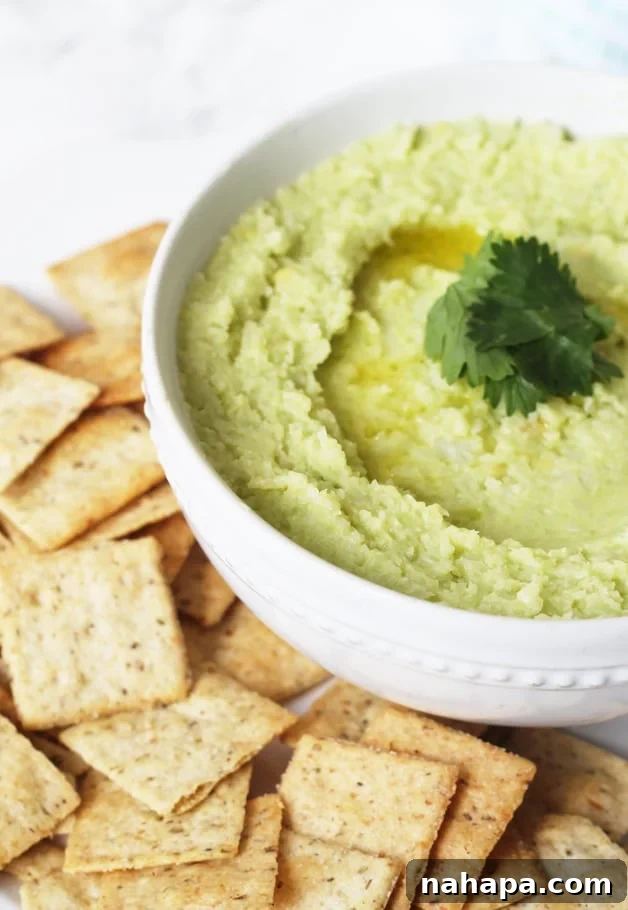
While I could technically tolerate alcohol, it’s not something I’ve ever particularly cared for, so it hasn’t been a priority reintroduction. I continue to avoid most other grains and all nightshades, as these remain triggers for me. It’s a testament to the protocol’s effectiveness that I can now enjoy a much wider array of foods. I’m incredibly grateful for foods like Simple Mills almond flour crackers (often enjoyed with my avocado cauliflower hummus, as pictured), goat cheese, and many others. Of course, there are foods I still miss, like tomatoes, but I focus on gratitude for what my body can now tolerate, rather than dwelling on what I cannot.
Applying Autoimmune Protocol Principles to Life After Reintroductions
Even with successful reintroductions, I continue to emphasize that I follow an “AIP template.” This means that while I enjoy coffee with almond milk when I desire it, or add lentils to my soup on New Year’s Day, the core principles of the Autoimmune Protocol remain deeply integrated into my daily life. Here’s how these principles continue to guide my approach to health and wellness:
- Prioritize Nutrient Density: The foundation of the AIP diet is nutrient density, and this remains a cornerstone of my eating habits. I actively focus on consuming foods rich in vitamins, minerals, and other vital nutrients. This means regularly incorporating homemade bone broth for gut support, liver and other organ meats for their unparalleled nutrient profiles, an abundance of colorful vegetables for antioxidants and fiber, and healthy fats like avocado and olive oil. These foods provide the sustained nourishment required for ongoing healing and optimal immune function.
- Embrace Foundational Lifestyle Recommendations: AIP is not solely about diet; it’s a holistic approach to wellness. Therefore, I diligently practice good lifestyle habits that complement my dietary choices. This includes prioritizing consistent, restorative sleep, which is crucial for cellular repair and immune regulation. Effective stress reduction techniques, such as mindfulness, gentle movement, spending time in nature, and meditation, are integral to managing autoimmune symptoms. These lifestyle pillars significantly impact overall well-being and inflammatory responses.
- Utilize and Create AIP-Friendly Recipes: My continued commitment to the AIP community is reflected in my dedication to creating and using AIP-compliant recipes. These recipes are designed not only for their nutrient density but also to intentionally avoid any lingering intolerances I might have. By developing and sharing such recipes, I aim to support others on their healing journeys, providing delicious and safe options that adhere to the principles I deeply believe in. This allows me to enjoy a diverse and satisfying diet without compromising my health.
- Implement AIP Resets When Necessary: Life with an autoimmune condition is rarely linear. There are times when stress levels are high, sleep is disrupted, or I might inadvertently consume a trigger food. In such instances, if I experience a flare-up or notice an increase in symptoms, I don’t hesitate to return to a stricter AIP elimination phase for a temporary “reset.” This allows my body to calm down, reduce inflammation, and regain stability before gradually reintroducing foods again. It’s a powerful tool for self-regulation and maintaining long-term health.
Most importantly, my deep belief in the transformative power of the Autoimmune Protocol fuels my continued presence and recipe creation within the AIP community. This process has profoundly benefited my body and health, fostering significant healing and improved well-being. While my recipes may occasionally feature reintroduced items like nuts or chocolate, I steadfastly advocate for the core principles of the AIP diet. I am immensely grateful for this supportive and healing community, which continues to be a source of inspiration and encouragement.
Addressing Challenges: What to Do If Reintroductions Prove Difficult
It’s important to acknowledge that the reintroduction phase isn’t always smooth sailing. Experiencing persistent issues with reintroductions is a common scenario and can be incredibly frustrating. This might indicate that your body hasn’t fully healed, or there could be deeper underlying issues contributing to ongoing inflammation and immune dysfunction. These root causes could include chronic infections (like Epstein-Barr virus, Lyme disease), gut dysbiosis, heavy metal toxicity, mold exposure, unresolved emotional trauma, or significant nutrient deficiencies.

If you find yourself struggling, seeking professional guidance is crucial. Working one-on-one with a qualified practitioner who is trained in healing diets can provide invaluable support. I collaborate with a team of Nutritional Therapy Practitioners (NTPs) who are experts in coaching individuals through complex healing protocols, and you can request a free consultation with them here. Additionally, partnering with your own medical doctor to investigate potential co-infections, identify underlying root causes, or run comprehensive diagnostic tests can be pivotal for achieving long-term success and understanding your body’s unique challenges.
For those who desire more structure and comprehensive guidance throughout their AIP journey, including detailed meal plans, recipes, lifestyle advice, and in-depth information on autoimmunity and reintroductions, I created the Autoimmune Protocol Makeover Guide. This 30-day ebook offers a clear roadmap to navigate the elimination and reintroduction phases effectively, providing the tools and knowledge needed to empower your healing process.
I sincerely hope this deep dive into life after the Autoimmune Protocol has been insightful and helpful. Understanding that AIP is a powerful healing tool, not a restrictive life sentence, is key to successful long-term management of autoimmune conditions. Your journey with AIP is uniquely yours, defined by your body’s responses and your individual path to wellness. What does your experience with following and adapting the Autoimmune Protocol look like?