This recipe contains affiliate links.
Experience the Tropical Delight: Easy Mango Sticky Rice Rolls
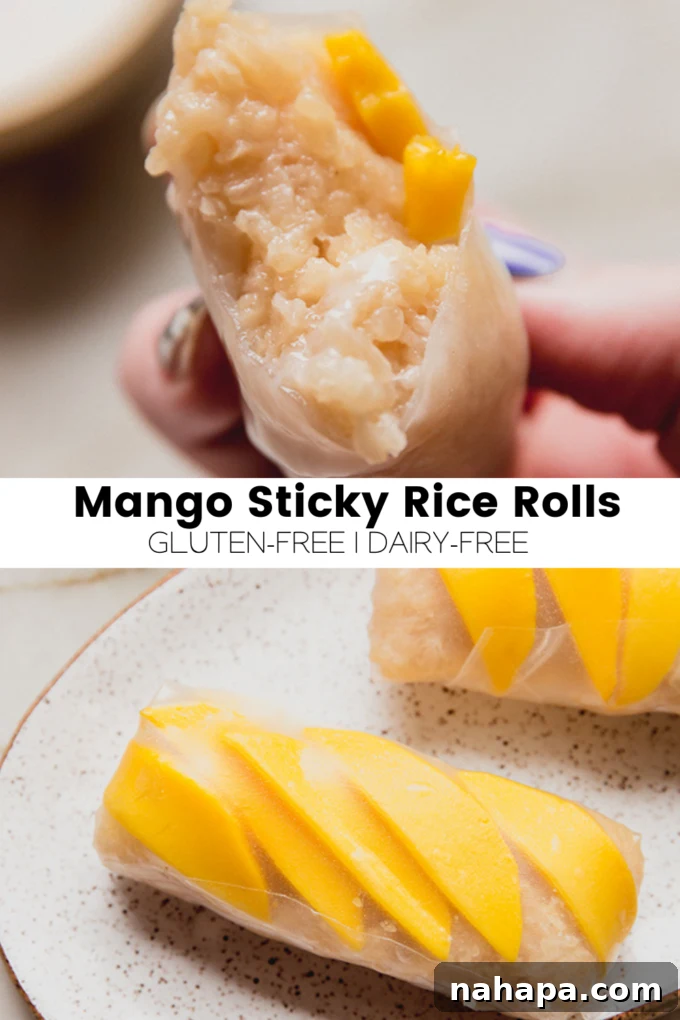
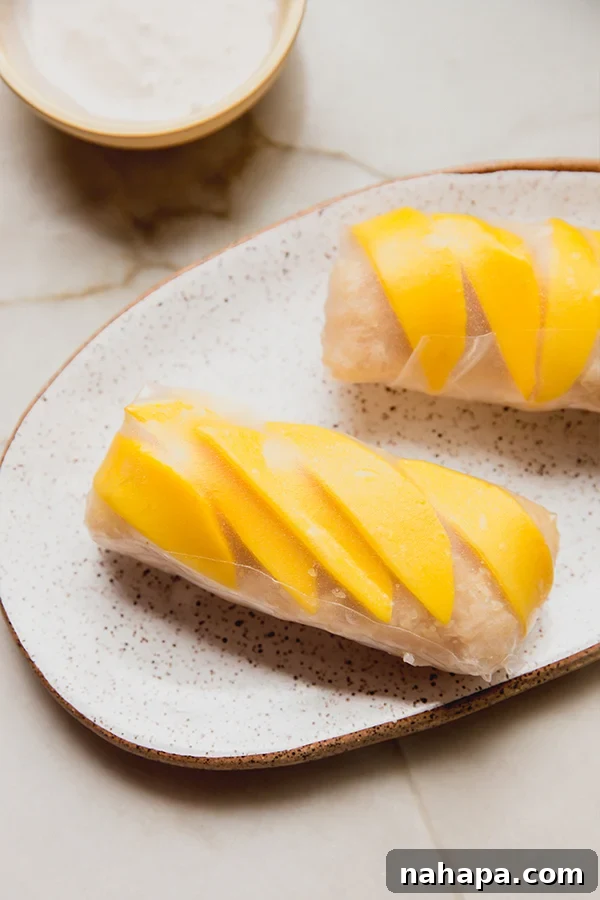
Embark on a culinary journey with these delightful Mango Sticky Rice Rolls, a refreshing and innovative twist on a beloved Thai classic. While the traditional Mango Sticky Rice is perfect in its own right, this recipe transforms the iconic dessert into convenient, bite-sized rolls, perfect for sharing, entertaining, or simply enjoying as a unique treat. Imagine the creamy, sweet sticky rice, infused with rich coconut milk, paired with juicy, ripe mango, all encased in delicate rice paper. This fusion creates an unforgettable dessert that’s both familiar and excitingly new.
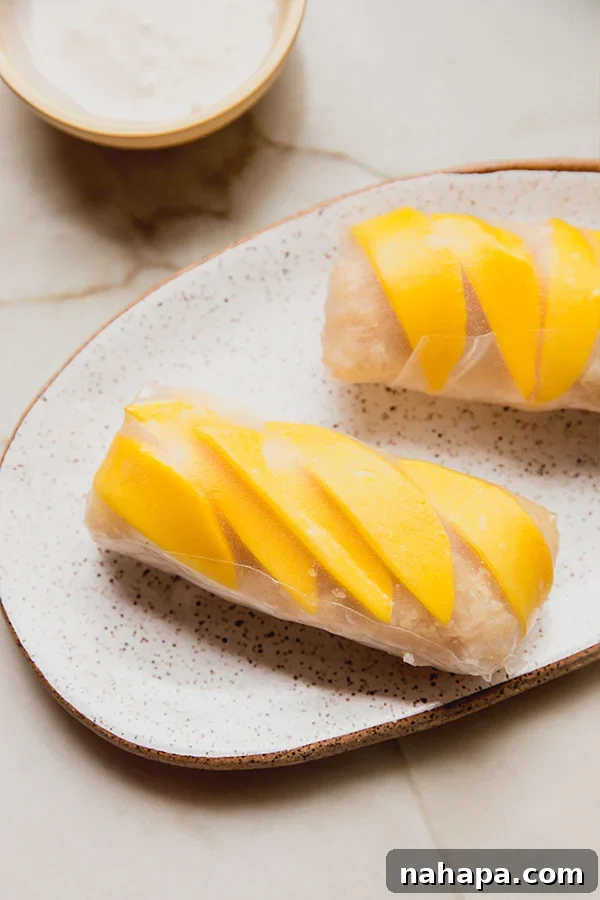
My love affair with Mango Sticky Rice began during my college years, a period when I was transitioning to a gluten-free lifestyle. A thoughtful friend brought me her mother’s homemade Thai version, and I was instantly captivated. The combination of naturally gluten and dairy-free ingredients – sweetened sticky rice, succulent fresh mango, and a luscious coconut sauce – quickly made it one of my all-time favorite desserts. Its simplicity and exquisite flavor profile are truly unmatched.
The inspiration for these Mango Sticky Rice Rolls came after my Fruit Rice Paper Rolls gained immense popularity. Readers clamored for a variation featuring the irresistible flavors of mango sticky rice, and I’m thrilled to say this innovative adaptation is just as, if not more, delightful! It’s important to note that this is a non-traditional take; the original dessert needs no improvement. However, this recipe offers a playful and engaging way to experience the beloved taste of mango sticky rice in a novel format, making it an exciting addition to any dessert spread.
Why You’ll Fall in Love with These Mango Sticky Rice Rolls
These rolls aren’t just a dessert; they’re an experience. Here’s why they’re sure to become a new favorite:
- Naturally Gluten-Free & Dairy-Free: In an era where dietary restrictions are common, finding a dessert that inherently caters to these needs without extensive modifications is a true blessing. These rolls are naturally free from gluten and dairy, making them accessible and enjoyable for a wider audience, including those with sensitivities or allergies.
- A Fun & Creative Twist on a Classic: While we adore the traditional Mango Sticky Rice, this recipe offers an exciting new way to savor those cherished flavors. Wrapping the sticky rice and mango in delicate rice paper creates a portable, hand-held dessert that’s perfect for parties, picnics, or simply a fun family activity. It’s a culinary adventure that respects the essence of the original while adding a modern, playful flair.
- Refreshing & Light: Especially wonderful during warmer months, these rolls offer a cooling and refreshing sensation. The fresh mango, combined with the creamy coconut rice and light rice paper, makes for a dessert that feels indulgent yet isn’t overly heavy.
- Easy to Prepare: Don’t be intimidated by the presentation! While they look impressive, these rolls are surprisingly simple to make. With clear, step-by-step instructions, even novice cooks can master this recipe and impress their guests.
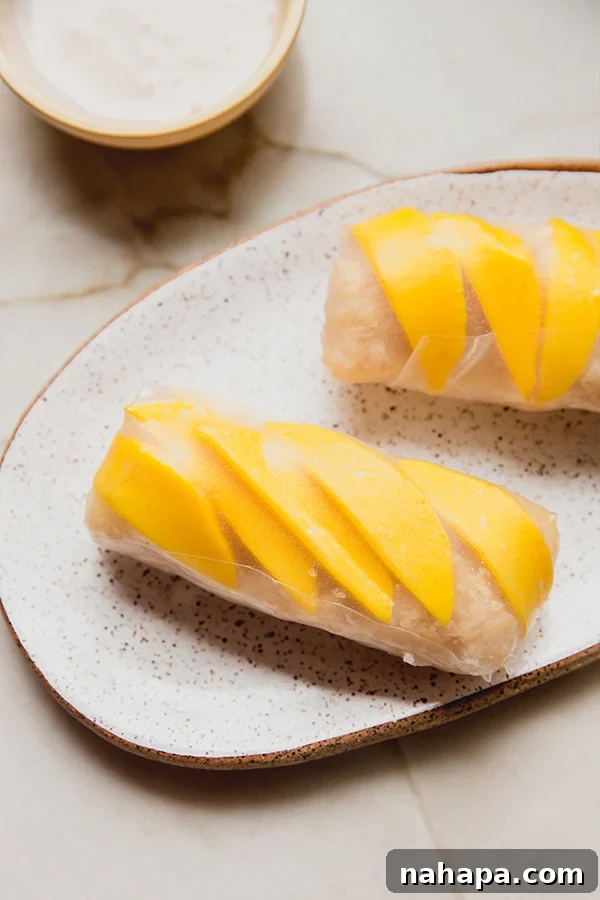
- Visually Stunning: The vibrant colors of fresh mango peeking through translucent rice paper make these rolls incredibly appealing. They are a feast for the eyes as much as they are for the palate, guaranteed to draw compliments at any gathering.
Essential Ingredients for Your Mango Sticky Rice Rolls
Crafting these delectable rolls requires a handful of simple, high-quality ingredients. Each component plays a crucial role in achieving the perfect balance of flavor and texture:
- Sweet Rice (Glutinous Rice): Despite its name, glutinous rice is completely gluten-free. This special type of short-grain rice, known for its sticky and chewy texture when cooked, is the foundation of our dessert. It absorbs the coconut milk beautifully, becoming wonderfully rich and slightly sweet. Look for it in Asian grocery stores or online.
- Fresh Mango: The star of the show! Selecting a ripe, sweet mango is paramount. Look for mangoes that are slightly soft to the touch and have a fragrant, fruity aroma near the stem. Varieties like Ataulfo (honey mango) or Alphonso are excellent choices for their sweetness and smooth, non-fibrous flesh.
- Full-Fat Canned Coconut Milk: This is what gives sticky rice its signature creamy texture and rich flavor. Always opt for full-fat coconut milk (not the light version) for the best results. The creaminess is essential for both the sticky rice and the dipping sauce. I recommend this particular canned coconut milk for its consistent quality.
- Rice Paper Wrappers: These thin, translucent sheets, typically made from rice flour, water, and salt, are traditionally used for Vietnamese spring rolls. They become pliable when softened in water, making them perfect for wrapping our sticky rice and mango. You can find them in most Asian markets or in the international aisle of larger supermarkets.
- Coconut Sugar: A natural sweetener that adds a subtle caramel note and a beautiful golden hue to the sticky rice. Unlike white sugar, coconut sugar imparts a richer, more complex sweetness that complements the coconut milk and mango wonderfully.
- Salt: Just a pinch of salt is crucial for balancing the sweetness and enhancing the overall flavors, preventing the dessert from being cloyingly sweet.
- Honey: Used to sweeten the accompanying coconut sauce, honey provides a lovely floral sweetness that pairs exquisitely with the mango.
- Arrowroot Starch (or Cornstarch): This acts as a natural thickener for the coconut sauce, giving it a smooth, glossy consistency that adheres beautifully to the rolls. It’s a great gluten-free alternative to cornstarch.
How to Create These Mango Sticky Rice Rolls: A Step-by-Step Guide
Making these delightful rolls is a straightforward process. Follow these steps for a perfect outcome:
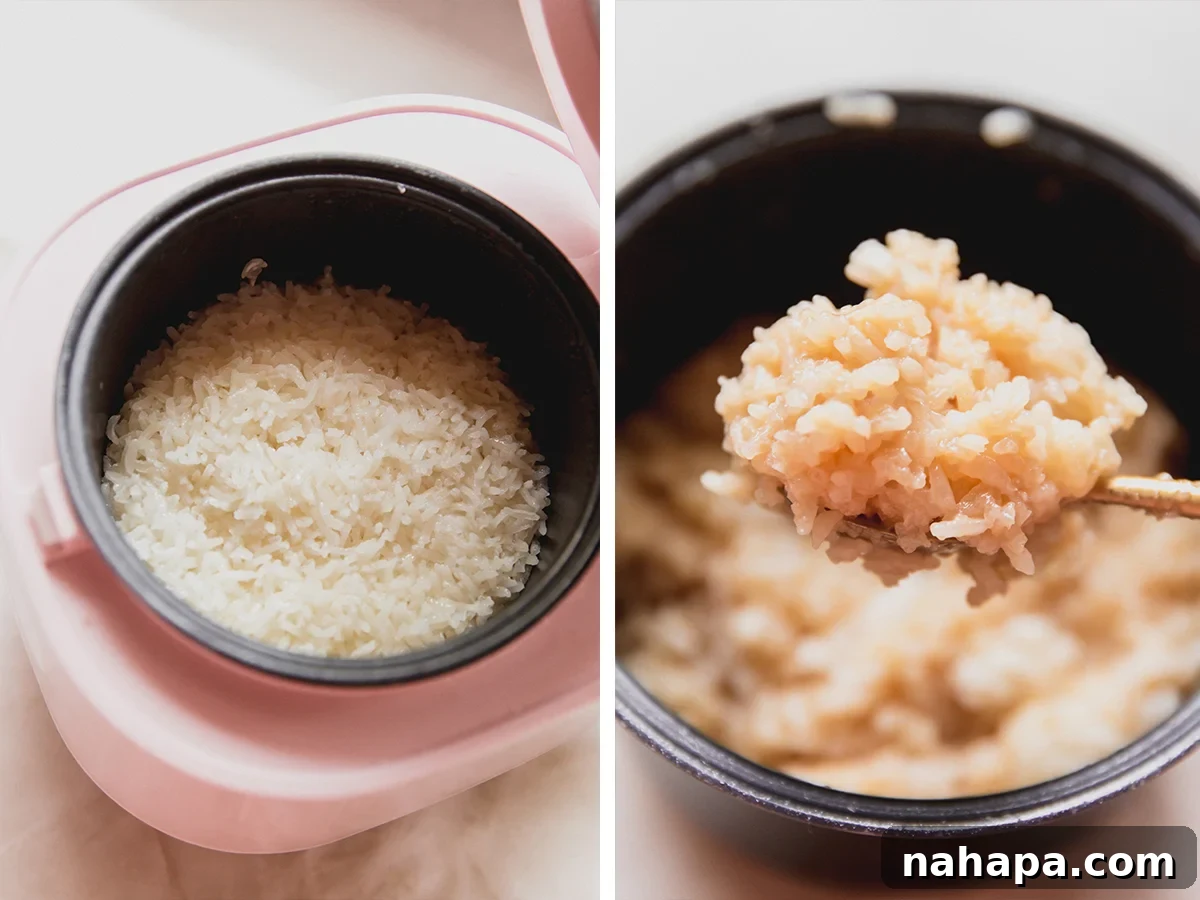
- Step One: Prepare the Sweet Rice. Begin by rinsing the sweet rice thoroughly under cold water in a fine-mesh strainer until the water runs clear. This removes excess starch, preventing the rice from becoming overly gummy. Transfer the rinsed rice to a rice cooker, add the specified amount of water (typically 1 ¼ cups for 1 cup of rice), and cook for 25 minutes. Once the cooking cycle is complete, resist the urge to open the lid immediately. Allow the rice to steam for an additional 10 minutes with the lid closed; this crucial step ensures the rice fully absorbs the moisture and becomes perfectly tender.
- Step Two: Infuse the Sticky Rice with Coconut Sweetness. While the rice rests, prepare the coconut infusion. In a medium saucepan, combine ¾ cup of full-fat canned coconut milk, ⅓ cup of coconut sugar, and a pinch of salt. Heat the mixture over medium-low heat, stirring constantly until the coconut sugar completely dissolves. Bring it to a gentle simmer for just a few minutes, allowing the flavors to meld. Remove from heat and immediately pour this fragrant coconut mixture over the cooked sticky rice. Stir gently to incorporate, ensuring every grain is coated. You’ll notice the rice taking on a beautiful, slightly darker hue due to the natural color of coconut sugar – this is perfectly normal and adds to its rustic charm. Set the sweetened sticky rice aside to cool slightly, making it easier to handle.
- Step Three: Craft the Velvety Coconut Dipping Sauce. No mango sticky rice is complete without its accompanying sauce! In a small saucepan, whisk together ½ cup of canned coconut milk, 1 tablespoon of honey, and 2 teaspoons of arrowroot starch. Heat over low-medium heat, stirring continuously. The sauce will gradually thicken as it heats. Continue to simmer for about 3-4 minutes, or until it reaches a smooth, pourable, yet thick consistency. Remove from heat and set aside to cool. This sauce is essential for dipping and enhances the overall flavor profile of the rolls.
- Step Four: Prepare the Rice Paper Wrappers. Working with one piece of rice paper at a time is key to success. Fill a shallow dish or a wide plate with warm water (not hot, or the paper will become too sticky and tear). Submerge one rice paper wrapper for about 15-20 seconds, or until it becomes pliable and soft but still slightly firm. Carefully remove it from the water and lay it flat on a clean, damp cutting board or a smooth plate. Let it sit for another minute to fully soften and become translucent. This extra minute allows the paper to reach its ideal elasticity for rolling.
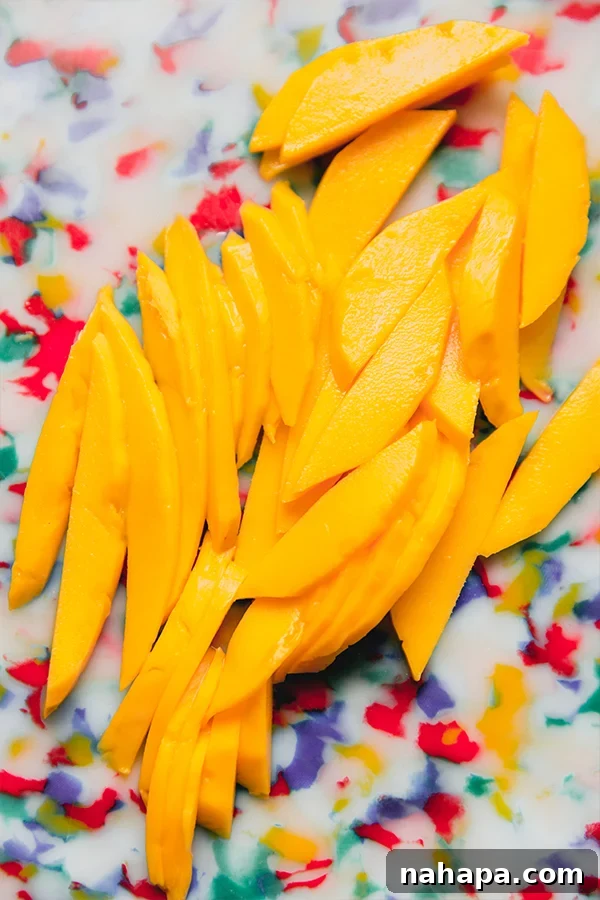
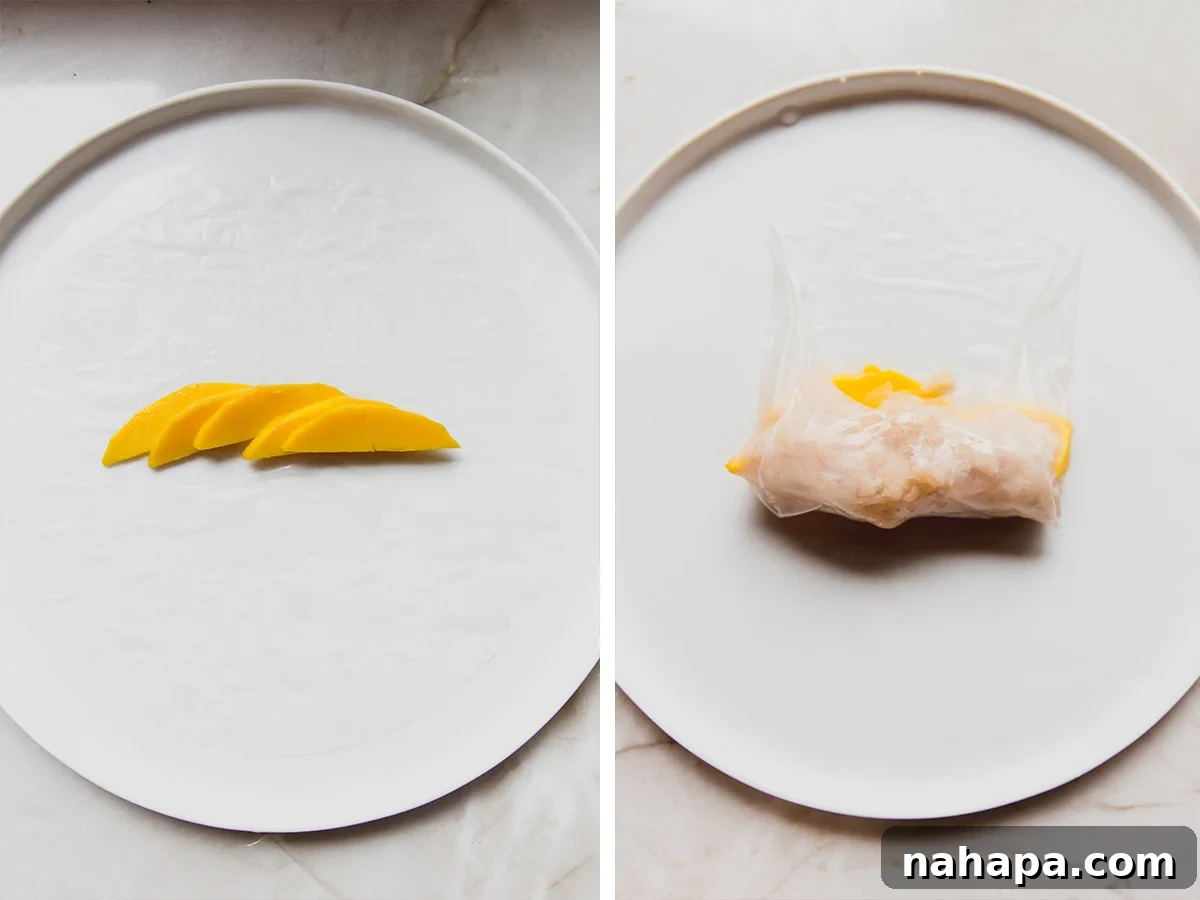
- Step Five: Expertly Assemble Your Rolls. Once the rice paper is perfectly pliable, it’s time to fill and roll. Arrange 4-5 thin slices of fresh mango horizontally across the center of the softened rice paper, leaving about an inch of space from the edges. Next, spoon 1-2 generous tablespoons of the cooled sticky rice mixture over the mango slices. To roll, first fold the bottom edge of the rice paper up and over the filling, tucking it in snugly. Then, fold in the two side corners towards the center. Finally, roll the entire assembly upwards from the bottom, creating a tight, neat spring roll shape. The tighter the roll, the better it will hold together. Place the finished roll seam-side down on a serving platter and repeat the process for the remaining rice paper and filling.
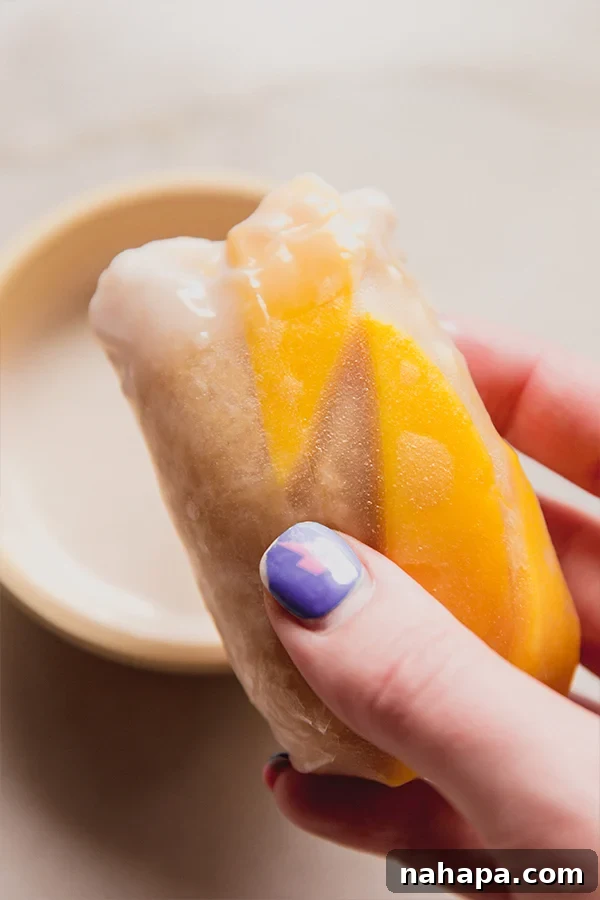
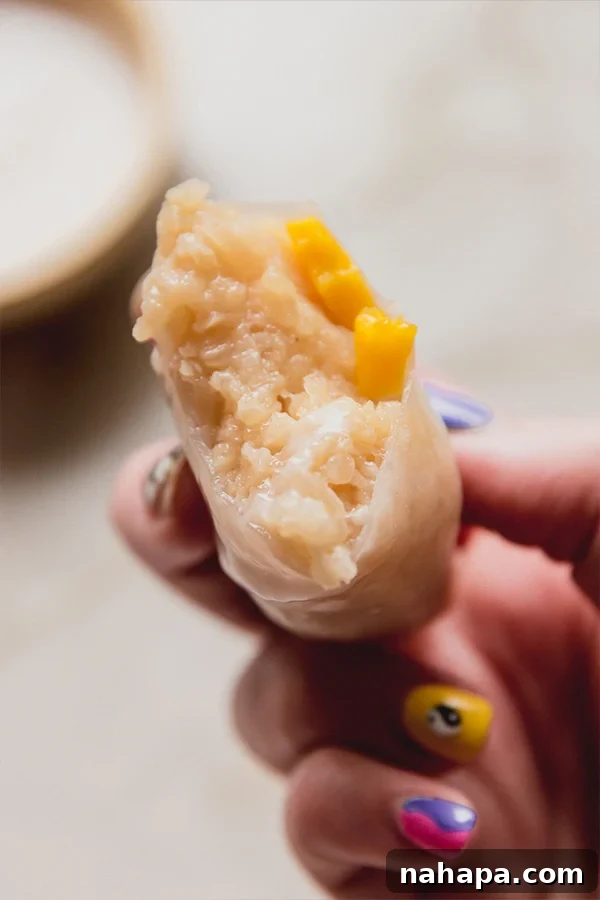
- Step Six: Serve and Savor! Arrange your beautifully assembled Mango Sticky Rice Rolls on a platter. Serve them immediately with the prepared coconut dipping sauce on the side. Each bite offers a harmonious blend of sweet mango, creamy coconut rice, and a delicate chew from the rice paper, perfectly complemented by the velvety dipping sauce. Prepare to be delighted!
Important Recipe Notes for Success
- Embrace the Non-Traditional Aspect: It’s worth reiterating that these rolls are a creative interpretation, not a claim to authenticity. Traditional mango sticky rice is a masterpiece in itself, and this recipe is simply a fun, requested variation that offers a new way to enjoy its incredible flavors. Don’t compare it directly to the classic; appreciate it as a delightful spin!
- Anticipate a Darker Rice Color: Due to the use of coconut sugar instead of white sugar, your sticky rice will have a richer, caramel-like color rather than the bright white of traditional versions. This is intentional and adds depth of flavor.
- Adjusted Coconut Milk for Rolling: The amount of coconut milk used in this recipe for the sticky rice is slightly less than what’s typically used in traditional mango sticky rice. This is by design, as a slightly firmer, less ‘wet’ sticky rice packs more easily into the delicate rice paper wrappers, ensuring they hold their shape beautifully.
Pro Tips & Tricks for Perfect Rolls
- Mastering Rice Paper: Working with rice paper can be a little tricky at first, but practice makes perfect! Don’t get discouraged if your first few rolls aren’t flawless. The key is to be patient and gentle. Ensure your water is warm, not hot, as too hot water can make the paper disintegrate. Allow the paper to soften adequately (it should be pliable but not overly sticky) before attempting to roll. Go slow and carefully, and you’ll get the hang of it quickly.
- Always Use Full-Fat Coconut Milk: For maximum creaminess and flavor in both the sticky rice and the dipping sauce, full-fat canned coconut milk is non-negotiable. It provides the luxurious texture and rich coconut taste that defines this dessert.
- Ripe Mangoes are Key: The success of this dessert hinges on the quality of your mangoes. Choose mangoes that are perfectly ripe – sweet, fragrant, and yielding gently to pressure. Underripe mangoes will be tart and fibrous, while overripe ones can be mushy.
- Don’t Overfill Your Rolls: It’s tempting to load up the filling, but overfilling will make the rolls difficult to close and prone to tearing. Aim for a balanced amount of mango and sticky rice to ensure easy rolling and a beautiful presentation.
- Chill for Easier Handling: While the rolls are best assembled fresh, chilling the sticky rice mixture slightly before rolling can make it easier to handle and shape.
- Serving Suggestion: For an extra touch of elegance, garnish your serving platter with fresh mint leaves or a sprinkle of toasted sesame seeds before serving.
Can You Prepare This Recipe Ahead of Time?
You can certainly prepare components of this recipe in advance to streamline your assembly process. The sticky rice can be cooked and infused with coconut milk a day ahead and stored in an airtight container in the refrigerator. Similarly, the coconut dipping sauce can be made in advance and refrigerated. However, for the freshest taste and best texture, I highly recommend assembling the rolls just before serving. Rice paper can become a bit chewy or firm when stored for too long, and fresh mango is always best enjoyed right after slicing.
Frequently Asked Questions About Mango Sticky Rice Rolls
Q: What kind of rice should I use?
A: You’ll want to use sweet rice, also known as glutinous rice or sticky rice. Despite the name, it is naturally gluten-free. It’s essential for achieving the characteristic chewy and sticky texture of this dessert.
Q: Can I use light coconut milk?
A: While you technically could, it’s not recommended. Full-fat canned coconut milk is crucial for the rich, creamy flavor and luxurious texture of both the sticky rice and the dipping sauce. Light coconut milk will result in a less satisfying and thinner consistency.
Q: My rice paper is tearing when I roll it. What am I doing wrong?
A: There are a few common reasons. The water might be too hot, making the paper overly soft and fragile. Or, you might be soaking it for too long. Alternatively, the paper might not be soft enough, causing it to crack when folded. Ensure the water is warm (not boiling hot), soak for just 15-20 seconds until pliable but still slightly firm, and then let it rest on your surface for an additional minute to fully hydrate before rolling. Also, avoid overfilling the rolls.
Q: How do I store leftover Mango Sticky Rice Rolls?
A: It’s best to enjoy these rolls fresh. However, if you have leftovers, store them in an airtight container in the refrigerator for up to 1-2 days. The rice paper might become slightly firmer, and the mango may lose some freshness. The dipping sauce can be stored separately and reheated gently if desired.
Q: Can I use frozen mango?
A: Fresh, ripe mango is highly recommended for the best flavor and texture. Frozen mango tends to be too watery and soft once thawed, which can make the rolls soggy and less appealing. If fresh mango isn’t available, make sure any frozen mango is completely thawed and very well drained before using.
Q: Is this recipe spicy like some Thai dishes?
A: No, this is a sweet dessert and contains no spicy elements. It focuses on the sweet and creamy flavors of mango and coconut.
More Refreshing Treats You’ll Love
If you enjoyed these innovative Mango Sticky Rice Rolls, you might also like to explore these other delightful and wholesome recipes:
- Vibrant Fruit Rice Paper Rolls: A lighter, fruit-forward alternative, perfect for a fresh snack.
- Honey Lime Mint Fruit Salad: A bright and zesty fruit salad that bursts with flavor.
- The Best Dairy-Free Chocolate Fruit Dip: A rich and creamy dip that pairs perfectly with your favorite fruits.
Mango Sticky Rice Rolls {Thai Inspired}
Leave a Review
Pin Recipe
Want to save this for later?
Just drop your name and email below. Then we’ll email it right to your inbox. ✉️
Ingredients
For the sticky rice
- 1 cupsweet rice
- 1 ¼ cup water
- ¾ cup canned coconut milk
- ⅓ cup coconut sugar
- Pinch of salt
For the coconut sauce
- ½ cup canned coconut milk
- 1 tbsp honey
- 2 tsp arrowroot starch
For the rolls
- 4-5 pieces of rice paper
- 1 large mango, sliced thin
Instructions
-
Add the rice to a fine mesh strainer and rinse until the water runs clear. Add the rice to a rice cooker and cover with 1 1/4 cup water. Cook for 25 minutes in the rice cooker. Keep the rice cooker lid closed for 10 minutes after the cooking time is up.
-
Using a medium pot, combine 1/2 cup coconut milk, 1/3 cup coconut sugar, and a pinch of salt. Bring to a low boil, and simmer for a few minutes until the sugar dissolves. Remove from the heat and stir into the cooked rice. Note that the rice will be a darker color than traditional sticky rice, as the coconut sugar is darker. Set aside.
-
Make the coconut sauce by combining the coconut milk, honey, and arrowroot starch in a small pot. Simmer for 3-4 minutes or until the sauce is thick. Set aside.
-
Working with one piece of rice paper at a time, dip it into warm water to lightly soften. Add the rice paper to a plate and allow to sit for about a minute to further soften.
-
Add 4-5 slices of mango to the center of the rice paper. Spoon on to large spoonfuls of sweet rice.
-
Roll the rice paper by folding in the two corners, then folding up the bottom edge and rolling it into a tight spring roll. Set aside and repeat for all of the rice paper.
-
Serve the mango rolls with the coconut sauce on the side for dipping.
Notes