
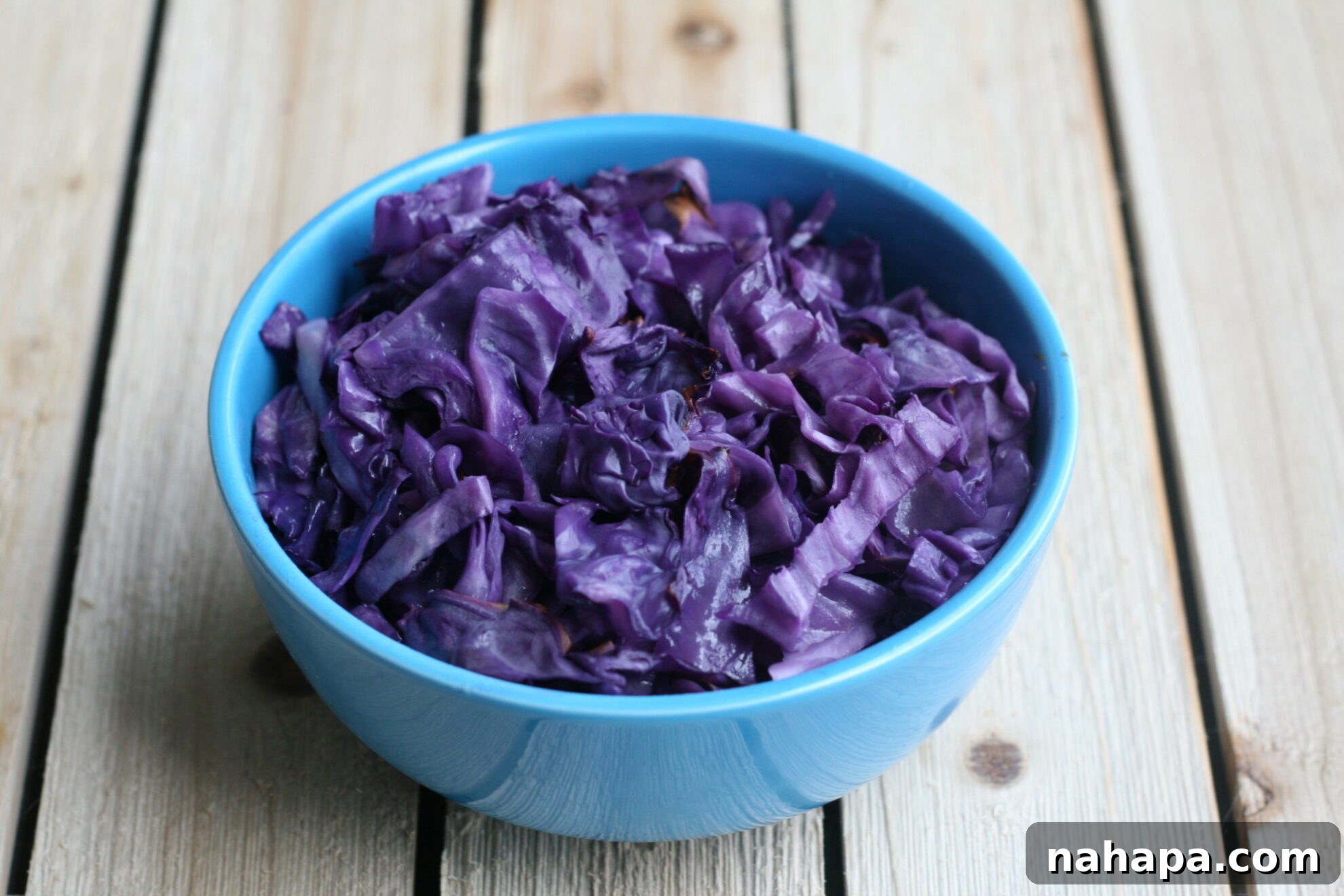
Embarking on a journey to incorporate more vegetables into my diet has been an incredibly rewarding experience, yet for a long time, the humble head of cabbage remained a culinary mystery. Its imposing size felt intimidating, making me wonder how I could possibly tackle such a voluminous vegetable. However, a simple shift in perspective, inspired by my success with other seemingly daunting vegetables like spaghetti squash, opened my eyes to the incredible potential of cabbage. And I am so genuinely thrilled that it did! Red cabbage, with its stunning color and versatile flavor profile, has rapidly ascended to become one of my absolute staple vegetables, gracing my table almost every week.
Why Red Cabbage Deserves a Spot on Your Plate
While green cabbage often takes the spotlight in many American kitchens, I wholeheartedly champion its vibrant cousin, red cabbage. My admiration for red cabbage is deeply rooted in my Hungarian heritage; my mother always held it in high regard, and I quickly developed a profound appreciation for its striking beauty. Its deep, rich purple hues are simply captivating, making every dish it touches a feast for the eyes. I firmly believe that we eat with our eyes first, and red cabbage never fails to delight with its visual appeal before even a single bite is taken. Beyond its aesthetic charm, red cabbage offers a bounty of nutritional benefits that make it an exceptional addition to any diet.
Red cabbage is a powerhouse of essential vitamins and minerals. It’s particularly rich in Vitamin C, an antioxidant crucial for immune function and skin health, and Vitamin K, vital for blood clotting and bone health. Furthermore, its distinctive color is a tell-tale sign of its high anthocyanin content, powerful antioxidants that contribute to its vibrant pigment and offer anti-inflammatory properties. These compounds are extensively studied for their potential roles in protecting against chronic diseases, making red cabbage not just a beautiful vegetable, but a truly functional food. Incorporating it regularly can significantly boost your intake of dietary fiber, supporting digestive health and promoting a feeling of fullness, which can be beneficial for weight management. Its mild, slightly peppery flavor, which sweetens and mellows beautifully when cooked, allows it to complement a wide array of dishes.
Cruciferous Vegetables, Thyroid Health, and Smart Cooking
As a member of the cruciferous vegetable family, red cabbage, like broccoli, cauliflower, and kale, contains naturally occurring compounds called glucosinolates. These compounds, when broken down, can form goitrogens, substances that, in very large quantities and primarily when consumed raw, might interfere with thyroid function in sensitive individuals. This is a legitimate concern, especially for those with pre-existing thyroid conditions like Hashimoto’s, an autoimmune disease that affects the thyroid gland.
However, it’s crucial to understand the nuances of this interaction. The impact of goitrogens from cruciferous vegetables on thyroid health is often overstated in the context of a balanced diet. Firstly, the concentration of goitrogens is significantly reduced through cooking. Heat helps to deactivate the enzyme myrosinase, which is responsible for converting glucosinolates into goitrogenic compounds. Therefore, opting to cook your red cabbage, as this recipe demonstrates, is a much safer approach than consuming large amounts of it raw if you have thyroid concerns. Secondly, the overall amount of goitrogenic compounds from eating a moderate portion of cooked cabbage is generally considered negligible for most people. For individuals with Hashimoto’s or other thyroid issues, incorporating cooked cruciferous vegetables in moderation is typically well-tolerated and allows them to reap the numerous benefits these nutrient-dense foods offer without undue risk. Always consult with your healthcare provider for personalized dietary advice, but rest assured that enjoying cooked red cabbage is a sound nutritional choice for most.
The Transformative Magic of Oven Roasting Cabbage
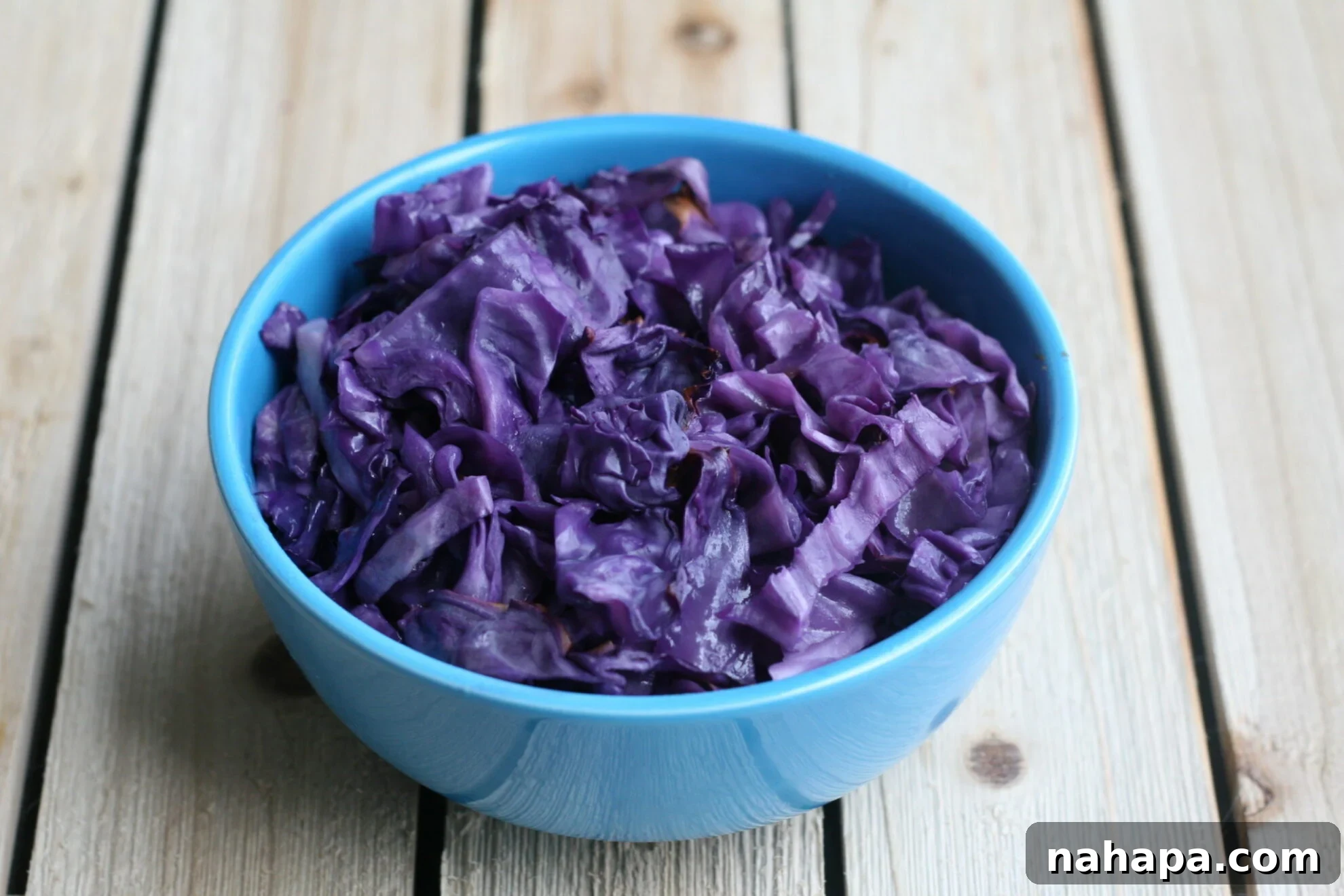
While cabbage can be enjoyed in many forms, from raw slaw to fermented sauerkraut, oven roasting unlocks a truly magical transformation. The dry heat of the oven caramelizes the natural sugars within the cabbage, deepening its flavor profile and turning its sometimes-sharp, slightly bitter notes into something wonderfully sweet and subtly nutty. This process also softens the fibrous leaves, making them incredibly tender, yet with just the right amount of crispness around the edges – a delightful textural contrast that elevates the humble cabbage to a gourmet experience. Roasting also makes preparing cabbage incredibly simple and largely hands-off. Once prepped and seasoned, it can be left to cook in the oven, freeing you up to focus on other components of your meal or simply relax. It’s a low-effort, high-reward cooking method that brings out the very best in red cabbage, creating a side dish that is both comforting and sophisticated.
How to Make Perfect Oven Roasted Red Cabbage (AIP, Paleo Friendly)
This simple recipe is not only delicious but also compliant with AIP (Autoimmune Protocol) and Paleo dietary guidelines, making it a fantastic option for those seeking wholesome, anti-inflammatory meals. Minimal ingredients and straightforward steps ensure a stress-free cooking experience.
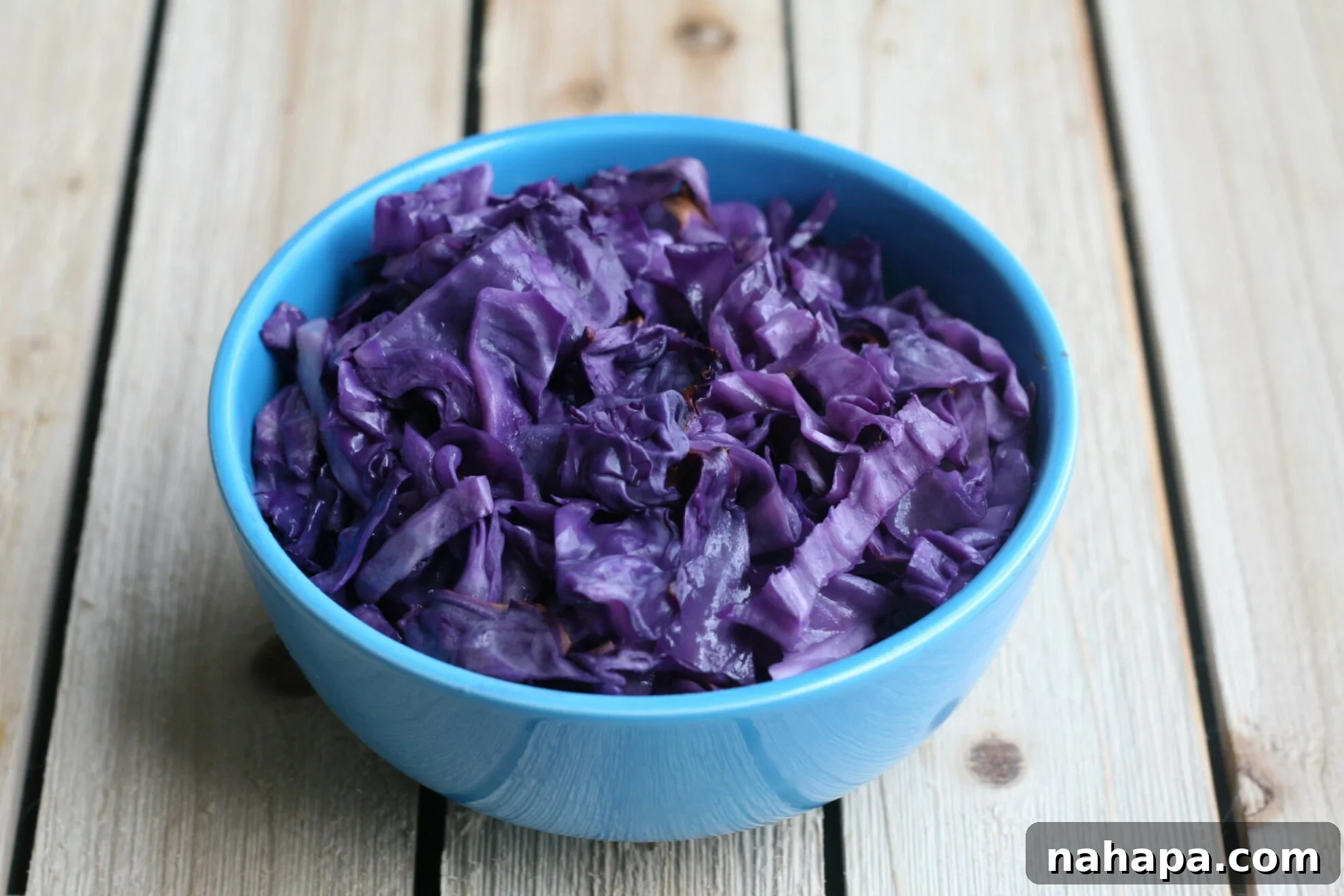
Oven Roasted Red Cabbage (AIP, Paleo)
Author: Michelle
This delightful oven-roasted red cabbage recipe transforms a simple vegetable into a tender, slightly sweet, and incredibly flavorful side dish. It’s naturally AIP and Paleo compliant, making it a versatile addition to any healthy eating plan.
Prep Time: 10 minutes
Cook Time: 20-25 minutes
Servings: 4-6
Ingredients
- 1 medium head of red cabbage
- 1 tbsp coconut oil (or ghee if reintroduced and tolerated)
- 1 tsp sea salt
- Optional: a pinch of black pepper (omit for strict AIP), garlic powder, or dried herbs for extra flavor
Instructions
- Preheat your oven to 375°F (190°C).
- Carefully slice the red cabbage into long, thin strips, as you would for coleslaw. Aim for consistent thickness to ensure even cooking.
- Discard the thick, tough white core and any bruised outer leaves.
- Spread the sliced cabbage evenly in a single layer on a large baking sheet. Avoid overcrowding the pan, as this can steam the cabbage instead of roasting it. Use two baking sheets if necessary.
- Drizzle the coconut oil (or ghee) over the cabbage. Using your hands, gently toss the cabbage to ensure it is thoroughly coated with the oil.
- Sprinkle generously with sea salt. If using, add black pepper, garlic powder, or dried herbs at this stage.
- Bake in the preheated oven for 20 to 25 minutes, or until the cabbage is tender and the edges are just beginning to crisp and caramelize. Keep an eye on it to prevent burning.
- Remove from the oven and serve immediately. Enjoy your perfectly roasted red cabbage!
All nutrition facts are estimated and will vary based on preparation and ingredients used.
Did you Make this Recipe?
Tag @unboundwellness on Instagram and hashtag #unboundwellness!
Want to save this for later?
Just drop your name and email below. Then we’ll email right to your inbox. ✉️
Tips for Roasting Success
Achieving perfectly roasted red cabbage is simple with a few helpful pointers. Firstly, ensure your cabbage slices are uniform in thickness. This guarantees even cooking, preventing some pieces from burning while others remain undercooked. Secondly, do not overcrowd your baking sheet. Cabbage needs space to roast properly; if packed too tightly, it will steam rather than caramelize, resulting in a soggy texture. If you have a large head of cabbage, use two sheets. Thirdly, while the recipe suggests coconut oil, you can experiment with other AIP-compliant fats like avocado oil, or even animal fats like duck fat, for different flavor nuances. Don’t be shy with the salt; it truly enhances the cabbage’s natural sweetness. Finally, feel free to get creative with seasonings – a sprinkle of garlic powder, a dash of onion powder, or a pinch of dried thyme or rosemary can add another layer of deliciousness, all while staying within AIP guidelines. Remember to taste and adjust seasonings to your preference before serving.
Serving Suggestions & Effortless Meal Prep
One of the greatest attributes of oven-roasted red cabbage is its incredible versatility. It pairs beautifully with an extensive range of main courses, making it an ideal side dish for almost any meal. Serve it alongside perfectly pan-seared fish for a light yet satisfying dinner, complement a hearty beef roast for a complete and comforting meal, or enjoy it as a vibrant accompaniment to grilled chicken or pork chops. For a fully plant-based option, it’s excellent with roasted sweet potatoes or even mixed into a warm grain bowl (if grains are part of your diet). Beyond main meals, this roasted cabbage makes for a delightful and nutritious snack all on its own, especially when you’re craving something savory and tender.
Moreover, oven-roasted red cabbage is a fantastic component for weekly meal preparation. You can roast a large batch at the beginning of the week and store it in an airtight container in the refrigerator for up to 3-4 days. This allows you to quickly assemble nutrient-dense meals throughout your busy week. Simply reheat gently in a skillet or microwave, or even enjoy it cold in salads. Having an arsenal of delicious, prepared vegetables on hand is a game-changer for maintaining a healthy diet, enabling you to effortlessly combine them with your choice of protein for quick, wholesome, and satisfying meals without any fuss. This approach not only saves time but also ensures that you always have nutritious options readily available, making healthy eating both convenient and enjoyable.
Conclusion
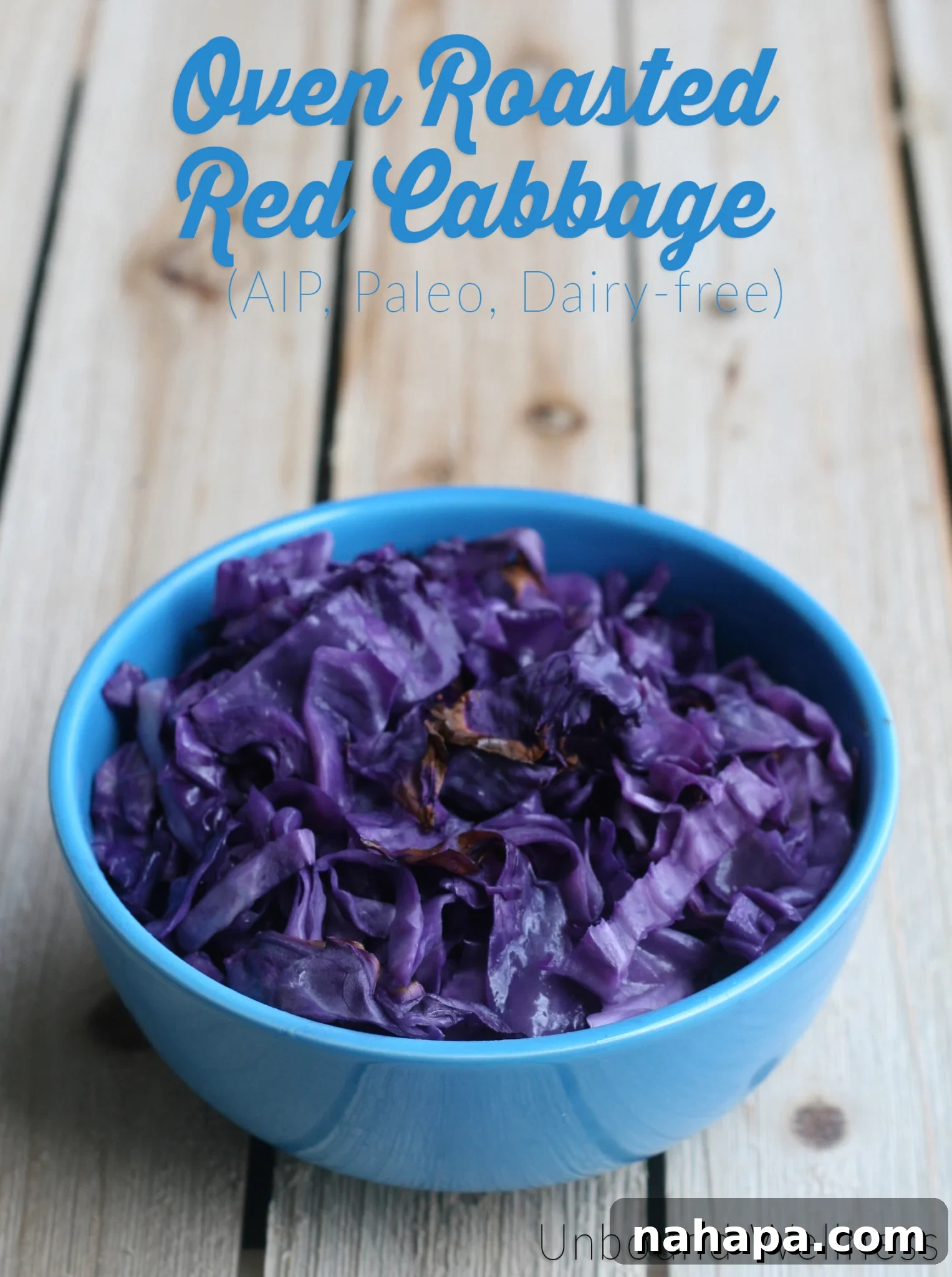
From an initial sense of intimidation to becoming a beloved weekly staple, red cabbage has truly transformed my approach to vegetable consumption. This oven-roasted recipe highlights its natural sweetness, beautiful color, and impressive nutritional profile, all while offering a simple, AIP and Paleo-friendly preparation. Whether you’re looking for a vibrant side dish, a healthy snack, or an easy meal prep component, this recipe is sure to become a cherished addition to your culinary repertoire. I sincerely hope you enjoy discovering the delightful flavors and benefits of this fantastic vegetable!