
This post contains affiliate links.
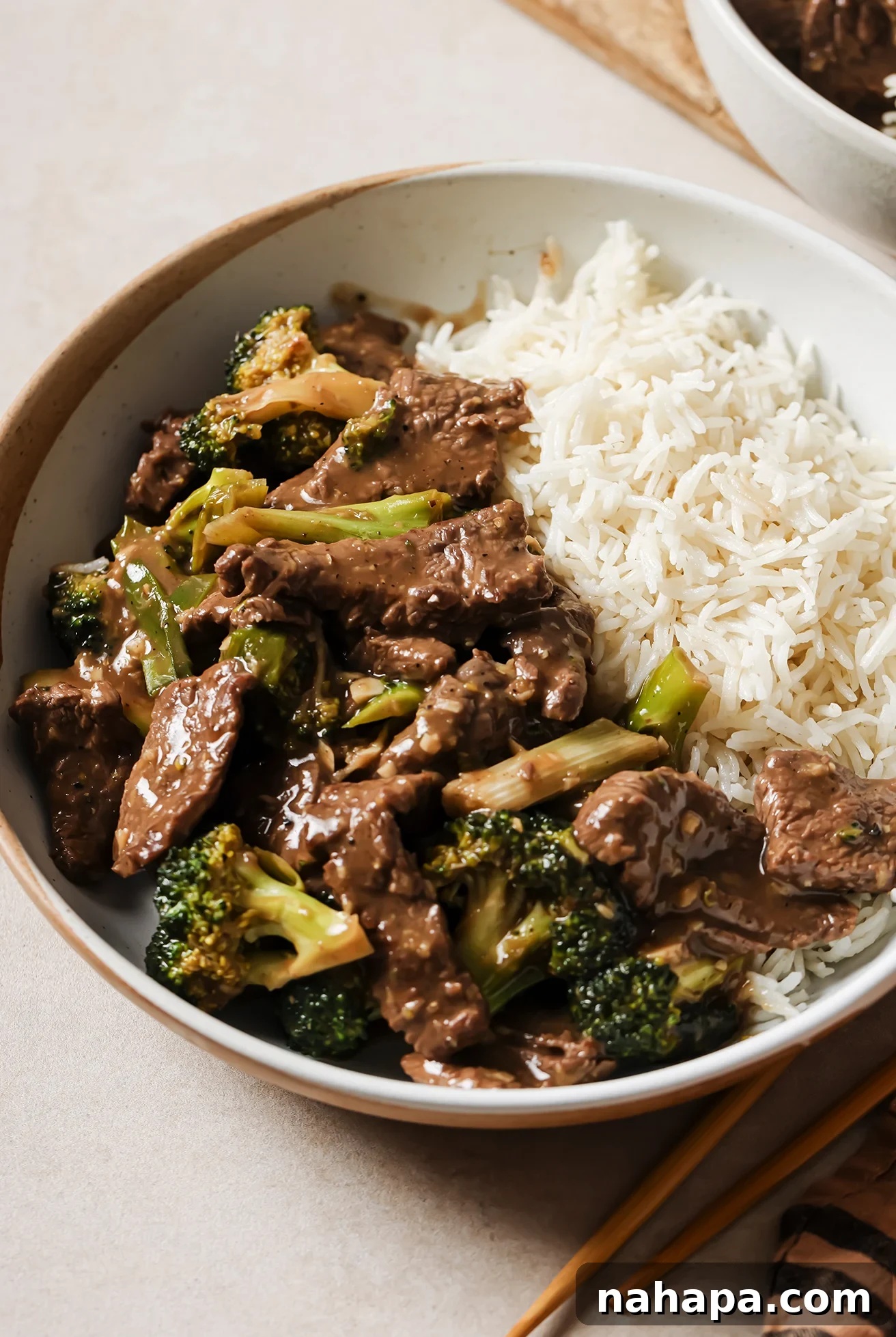
Experience the delight of a classic takeout favorite, reimagined for your healthy lifestyle! This homemade Gluten-Free Mongolian Beef with Broccoli delivers an explosion of savory-sweet flavors that will make you forget about ordering in. Crafted to be both soy-free and gluten-free, this recipe ensures everyone can enjoy a hearty and delicious meal without compromise.
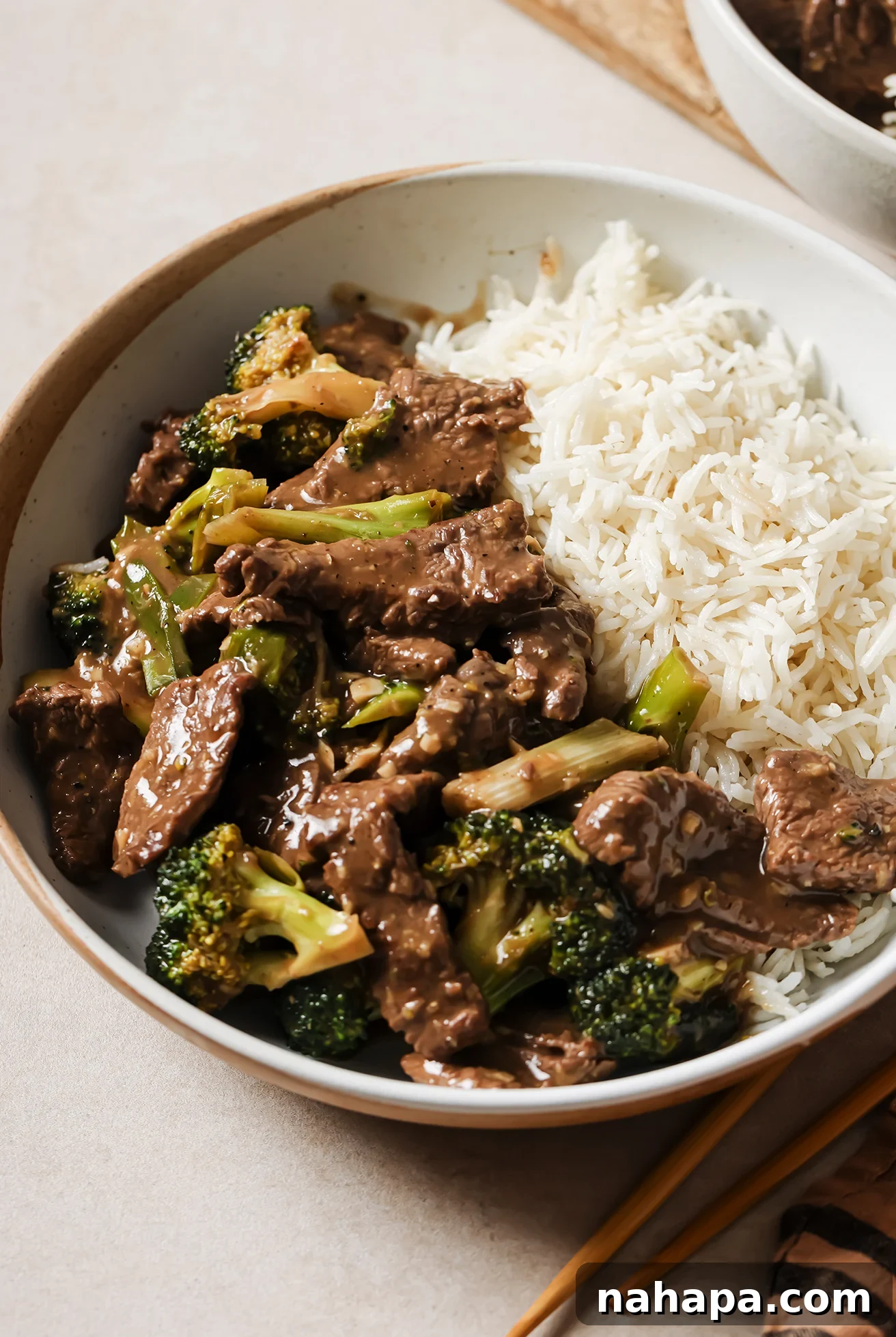
Mongolian Beef is a timeless dish cherished for its incredibly tender slices of flank steak, coated in a delicate crisp, and then generously simmered in a rich, dark, and utterly addictive sauce. Traditionally, this robust and satisfying meal is made with soy-based ingredients, which can be problematic for those with gluten or soy sensitivities. The good news is, you no longer have to miss out on this comforting, flavor-packed experience!
If you’ve been navigating the challenges of a gluten-free diet, you might feel limited when it comes to enjoying beloved Asian-inspired dishes like Chicken and Broccoli or classic Mongolian Beef from restaurants. Most restaurant versions rely heavily on soy sauce, which contains wheat. This thoughtfully crafted homemade recipe offers the perfect solution, bringing all the authentic tastes and textures right into your kitchen, completely free from gluten and soy.
This homemade gluten-free Mongolian beef recipe brings restaurant-quality flavors and incredible tenderness to your table, made easy and healthy at home!
Table of contents
- Why you’ll love this Mongolian beef
- Recipe Ingredients
- Key Ingredients Explained
- Substitutions and modifications
- How to make Gluten-Free Mongolian Beef
- Tips & Tricks for Perfect Mongolian Beef
- Recipes FAQs
- More Stir Fry Recipes That You’ll Love…
Why You’ll Love This Homemade Mongolian Beef
This isn’t just another recipe; it’s an invitation to rediscover a favorite dish without dietary concerns. Here’s why this Gluten-Free Mongolian Beef will become a staple in your kitchen:
- Authentic Restaurant-Style Flavor: Prepare for a culinary revelation! This recipe perfectly captures the essence of your favorite Chinese takeout. The rich, glossy sauce delivers that signature balance of sweet and savory notes, combined with aromatic ginger and garlic, making you feel like you’ve just picked up a fresh order.
- Ultimate Comfort Food: There’s something incredibly satisfying about a warm, hearty stir-fry, especially when it features succulent beef and vibrant vegetables. Much like my Gluten-Free Chicken and Broccoli Ramen Noodle Stir Fry, this dish offers a deeply comforting and filling experience that’s perfect for any night of the week.
- Nutrient-Packed with Added Broccoli: While traditional Mongolian Beef often focuses solely on the beef, I adore adding fresh broccoli directly into the stir-fry. This not only boosts the nutritional value but also adds a fantastic texture contrast and absorbs all the delicious sauce. If you prefer, you can certainly serve steamed broccoli on the side.
- Dietary Friendly & Inclusive: This recipe is a game-changer for anyone avoiding gluten and soy. By utilizing simple ingredient swaps like coconut aminos, it becomes accessible for those with specific dietary needs, allowing everyone at the table to enjoy a fantastic meal. It’s also easily adaptable for paleo and Whole30 lifestyles.
- Quick & Easy Weeknight Meal: Despite its impressive flavor profile, this dish comes together surprisingly fast. With a little prep work, you can have a delicious and healthy dinner on the table in under an hour, making it an ideal choice for busy weeknights.
- Better Than Takeout: Not only is this version healthier and free from common allergens, but the fresh ingredients and homemade care genuinely elevate the flavor beyond what you often find in commercial takeout. You control the quality, the ingredients, and the taste!
Recipe Ingredients
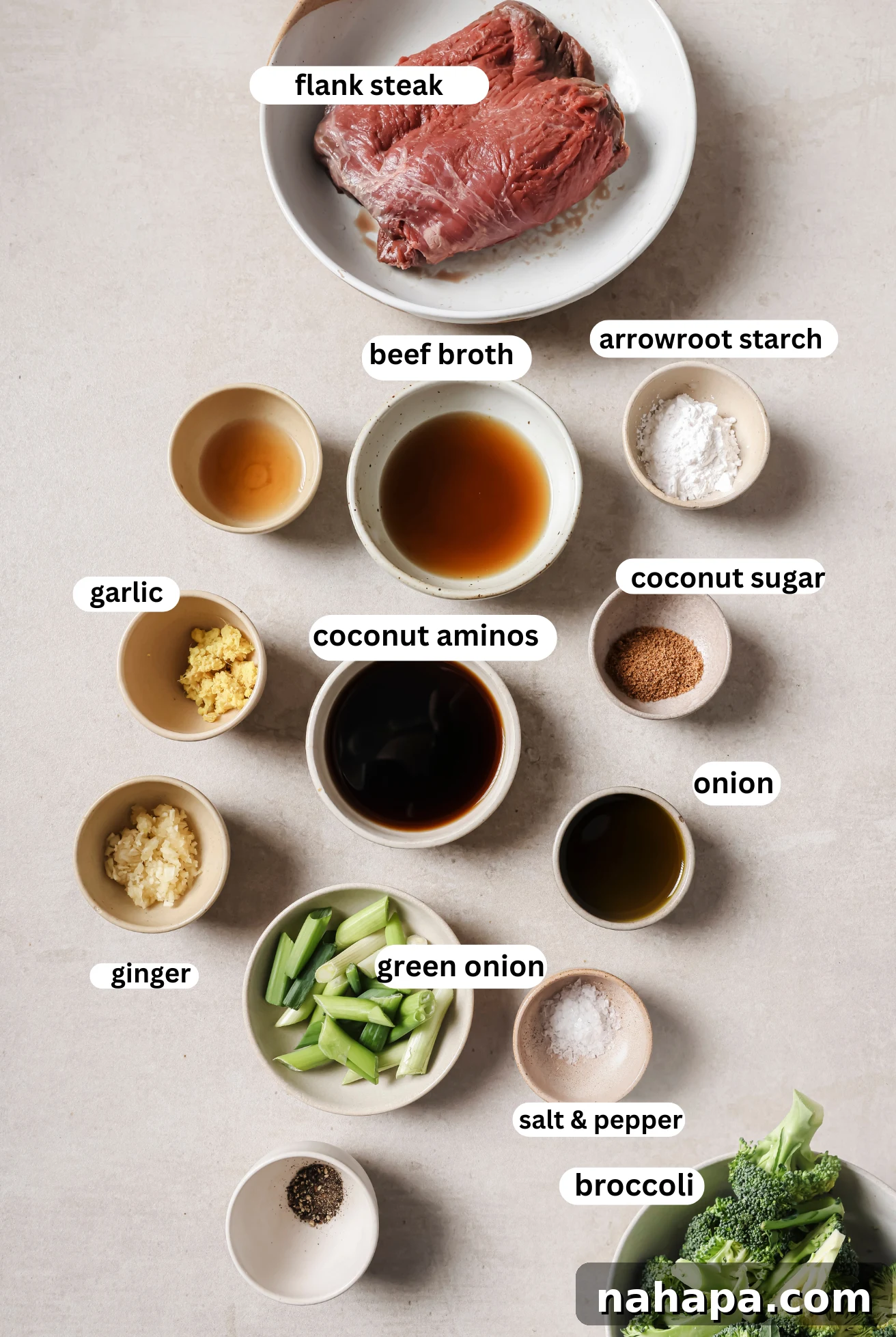
Crafting the perfect Mongolian Beef requires a few key components that work harmoniously to create its signature flavor and texture. Here’s a closer look at the essential ingredients you’ll need:
- Flank Steak: The star of the show, flank steak is ideal for stir-fries due to its robust flavor and fibrous texture, which becomes incredibly tender when sliced correctly.
- Coconut Aminos: This is our secret weapon for a soy-free and gluten-free sauce. Coconut aminos is a dark, savory condiment made from the fermented sap of coconut palm and sea salt. It offers a rich umami flavor with a hint of sweetness, similar to soy sauce but with a lower sodium content and a cleaner ingredient profile. You can readily find it online or in the health food aisle of most grocery stores.
- Fresh Ginger and Garlic: These aromatic powerhouses are non-negotiable for authentic Asian flavors. Freshly minced garlic and grated ginger provide a pungent, warming depth that is crucial to the Mongolian Beef sauce.
- Beef Broth: Adds savory depth and helps form the base of the sauce, ensuring it has enough liquid to simmer and coat the beef and broccoli beautifully.
- Rice Vinegar: A touch of acidity from rice vinegar brightens the overall flavor of the sauce, balancing the sweetness and richness. For an AIP-compliant version, you can substitute with apple cider vinegar.
- Coconut Sugar: Provides the characteristic sweetness of Mongolian Beef. Coconut sugar is a great unrefined alternative to brown sugar, offering a caramel-like flavor.
- Arrowroot Starch: This gluten-free thickener is used both to coat the beef, giving it a light crisp texture, and to thicken the sauce to that perfect glossy consistency.
- Avocado Oil: With its high smoke point, avocado oil is excellent for stir-frying and searing the beef to achieve a beautiful crust without burning.
- Broccoli Florets: Adds a healthy green vegetable to the dish, offering a pleasant crunch and absorbing the delicious sauce.
- Sea Salt and Black Pepper: Essential seasonings to enhance all the flavors in the beef and sauce.
- Green Onions: Sliced green onions are added at the end for a fresh, slightly pungent garnish, providing a final touch of flavor and color.
Key Ingredients Explained for a Healthier Stir-Fry
Understanding the role of each ingredient helps in appreciating this healthier take on a beloved dish:
- Flank Steak: Choosing the right cut is paramount for a tender stir-fry. Flank steak is lean and flavorful. When slicing, always go against the grain to ensure maximum tenderness. Look for a piece with good marbling but not excessive fat.
- Coconut Aminos vs. Soy Sauce: Traditional Mongolian Beef uses soy sauce, which contains soy and wheat (gluten). Coconut aminos is a fantastic alternative for those with allergies or sensitivities. It’s naturally gluten-free and soy-free, and while it tastes similar to soy sauce, it’s slightly sweeter and less salty. This allows for better control over the sodium content in your dish.
- Arrowroot Starch vs. Cornstarch: Cornstarch is a common thickener but is often derived from GMO corn and isn’t strictly paleo or Whole30. Arrowroot starch is an excellent grain-free and gluten-free alternative that provides the same silky texture to the sauce and a crispy coating for the beef. It performs similarly but is a healthier choice for many.
- Fresh Aromatics: The difference between fresh ginger and garlic and their powdered counterparts is significant. Fresh aromatics provide a vibrant, pungent, and much more complex flavor profile that is essential for an authentic-tasting stir-fry sauce. Always opt for fresh if possible.
Substitutions and Modifications for Your Dietary Needs
One of the best things about homemade cooking is the flexibility to adapt recipes to your preferences and dietary requirements. Here are some smart substitutions and modifications for this Mongolian Beef:
- Beef Cut Alternatives: If flank steak isn’t available, thinly sliced sirloin steak or even skirt steak will also work beautifully for this recipe. Ensure you slice these cuts against the grain for tenderness.
- Vegetable Variations: While broccoli is fantastic, feel free to get creative with other vegetables! You can incorporate sliced bell peppers, snap peas, carrots, bok choy, or even mushrooms. For this recipe, I love adding the broccoli directly with the beef so it gets coated in the flavorful sauce. This is a non-traditional addition for Mongolian Beef, which typically focuses solely on the meat. You can easily prepare the recipe as is and serve the vegetables steamed or lightly stir-fried on the side. Keep in mind you might have a little extra sauce if you don’t add veggies, which is perfect for drizzling over rice!
- Soy-Free Sauce Alternatives: While coconut aminos is highly recommended, liquid aminos can be used as a swap. However, be mindful that liquid aminos typically have a much higher sodium content, so you’ll need to adjust the amount of added salt in the recipe to taste.
- Sweetener Options: If you don’t have coconut sugar, you can use a small amount of honey or maple syrup as alternatives. Adjust the quantity to achieve your desired sweetness.
- Serving Suggestions: This versatile dish pairs wonderfully with various sides. Serve it with fluffy white or brown rice for a classic meal. For a grain-free, lower-carb option, opt for cauliflower rice. Both absorb the savory sauce beautifully.
- AIP (Autoimmune Protocol) Compliance: For those following AIP, remember to omit black pepper and ensure your beef broth is AIP-compliant. You can also substitute rice vinegar with apple cider vinegar.
- Thickener Alternatives: If arrowroot starch is unavailable, cornstarch can be used as a 1:1 substitute, though it is not gluten-free or paleo.
How to Make Gluten-Free Mongolian Beef
Creating this delicious and healthy Mongolian Beef is simpler than you think. Follow these straightforward steps, enhanced with helpful photos, to achieve a restaurant-quality meal at home. For complete, detailed instructions and precise measurements, please refer to the recipe card below.
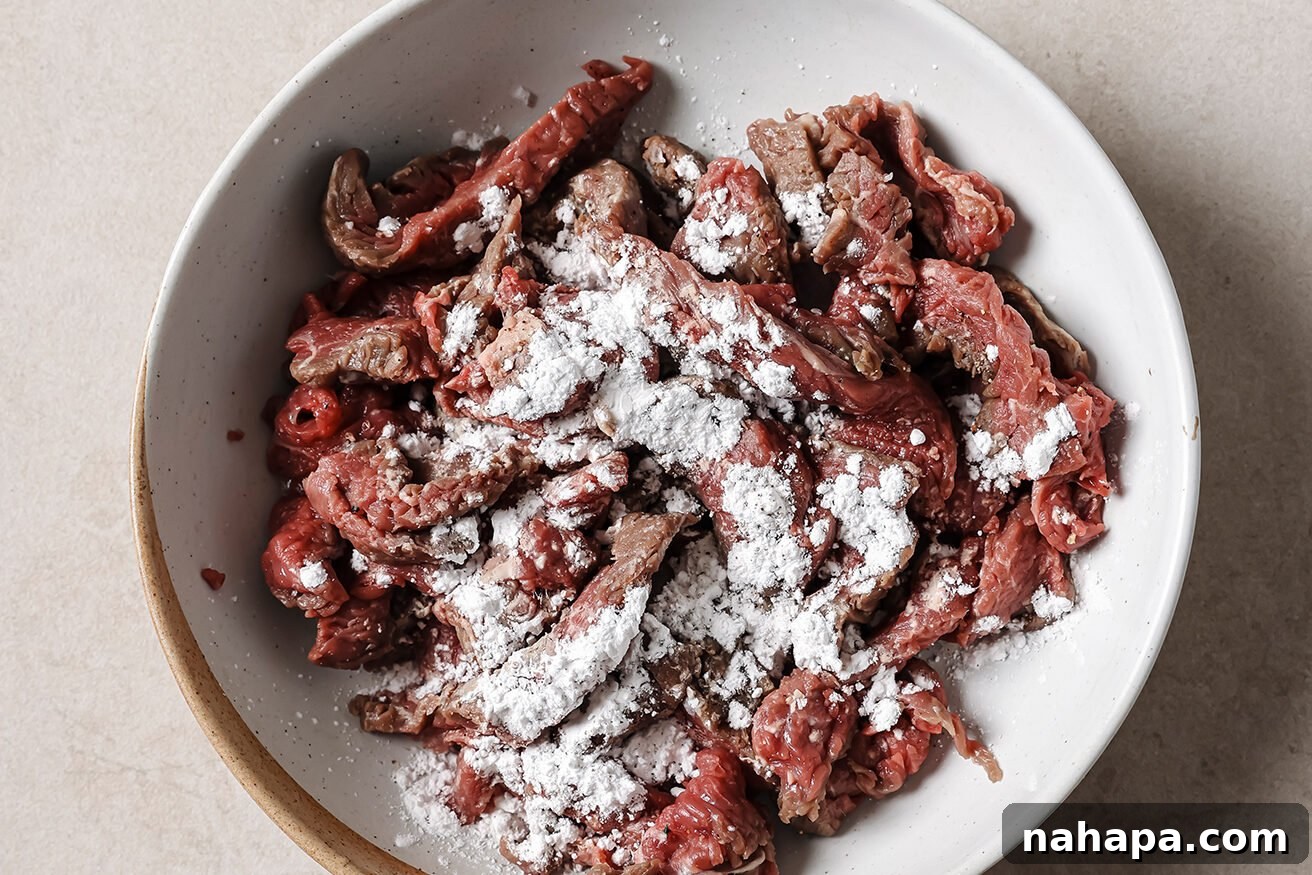
Step One: Prepare the Beef. Begin by thinly slicing your flank steak against the grain. This is a crucial step for tender beef! Once sliced, place the beef in a bowl and generously coat it with arrowroot starch. Toss well to ensure each piece is evenly covered. Set the coated beef aside while you prepare the other components.
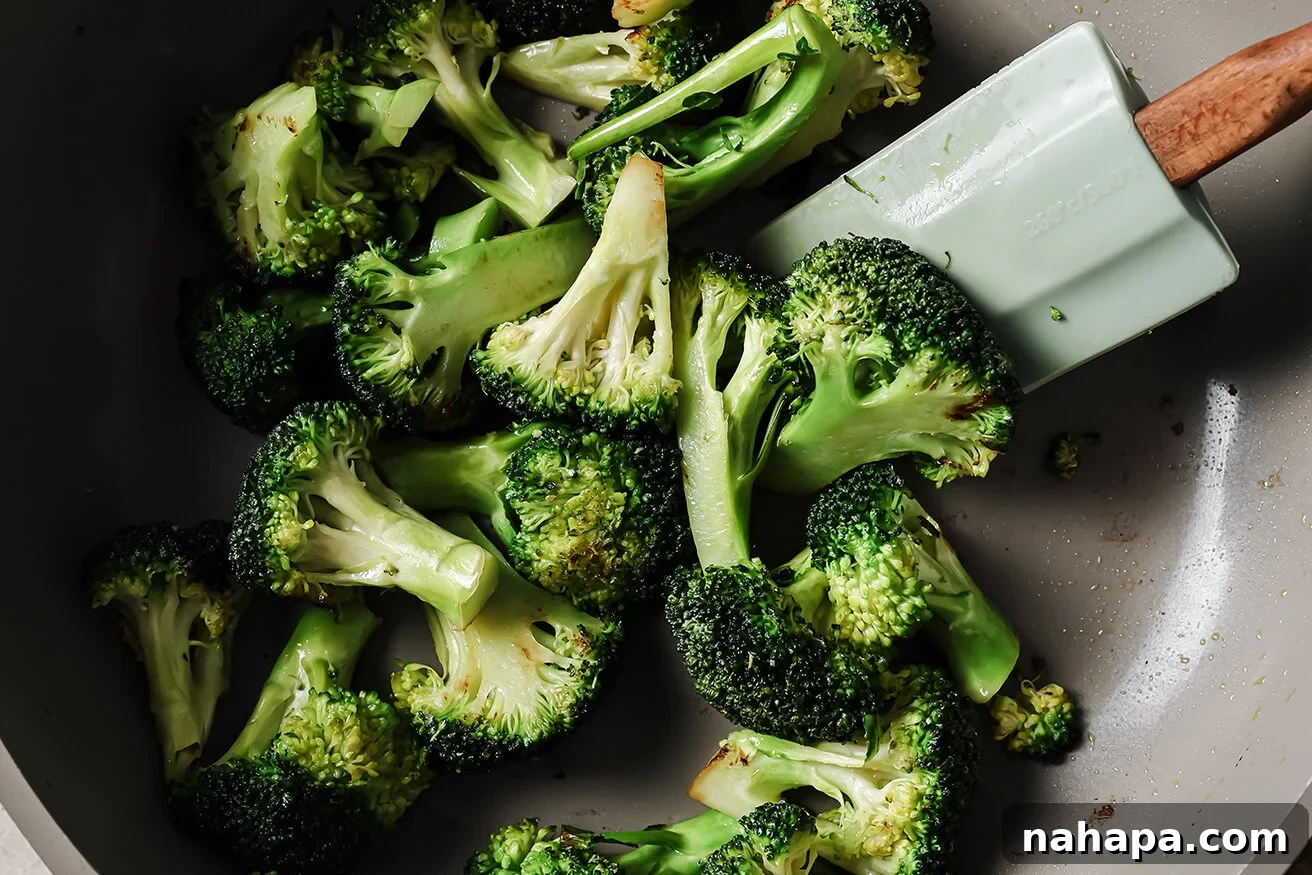
Step Two: Sauté the Broccoli & Cook the Beef. In a large, deep skillet or wok, heat a portion of avocado oil over medium-high heat. Add the broccoli florets and a pinch of salt and pepper. Sauté for about 6-7 minutes, or until the broccoli is tender-crisp. Remove the broccoli from the pan and set it aside. Using the same pan, add the remaining avocado oil and cook the prepared beef in batches to avoid overcrowding, searing until beautifully browned and slightly crispy. Remove cooked beef and set aside with the broccoli.
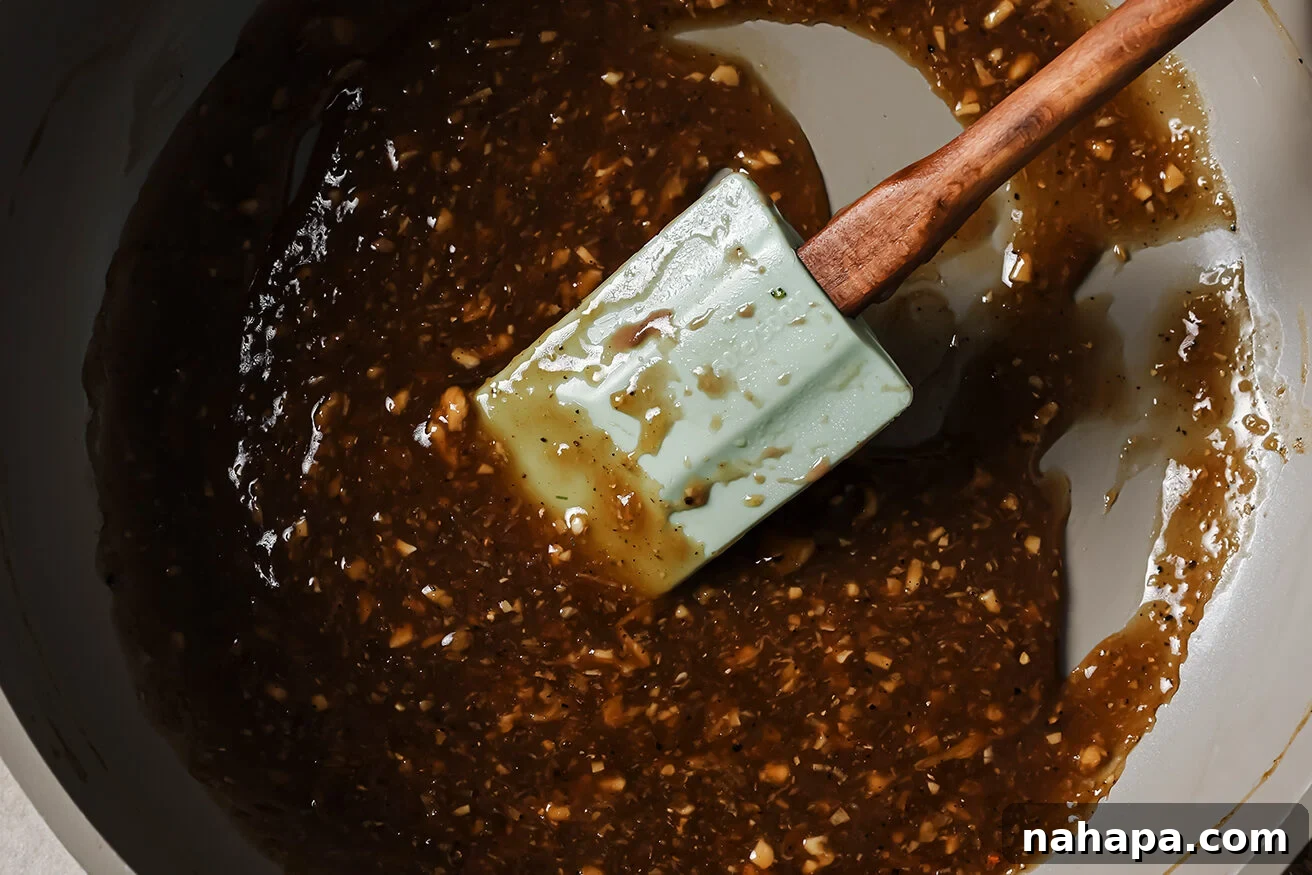
Step Three: Simmer the Sauce. After cooking the beef, you’ll have delicious browned bits (fond) at the bottom of the pan – these are packed with flavor! Carefully pour the prepared Mongolian sauce mixture (coconut aminos, beef broth, rice vinegar, garlic, ginger, coconut sugar, arrowroot starch, salt, and pepper) into the hot pan. Use a wooden spoon to gently scrape up all those flavorful bits from the bottom. Bring the sauce to a gentle simmer and let it cook for 3-4 minutes, or until it has thickened to a desirable consistency and the aromatics are fragrant.
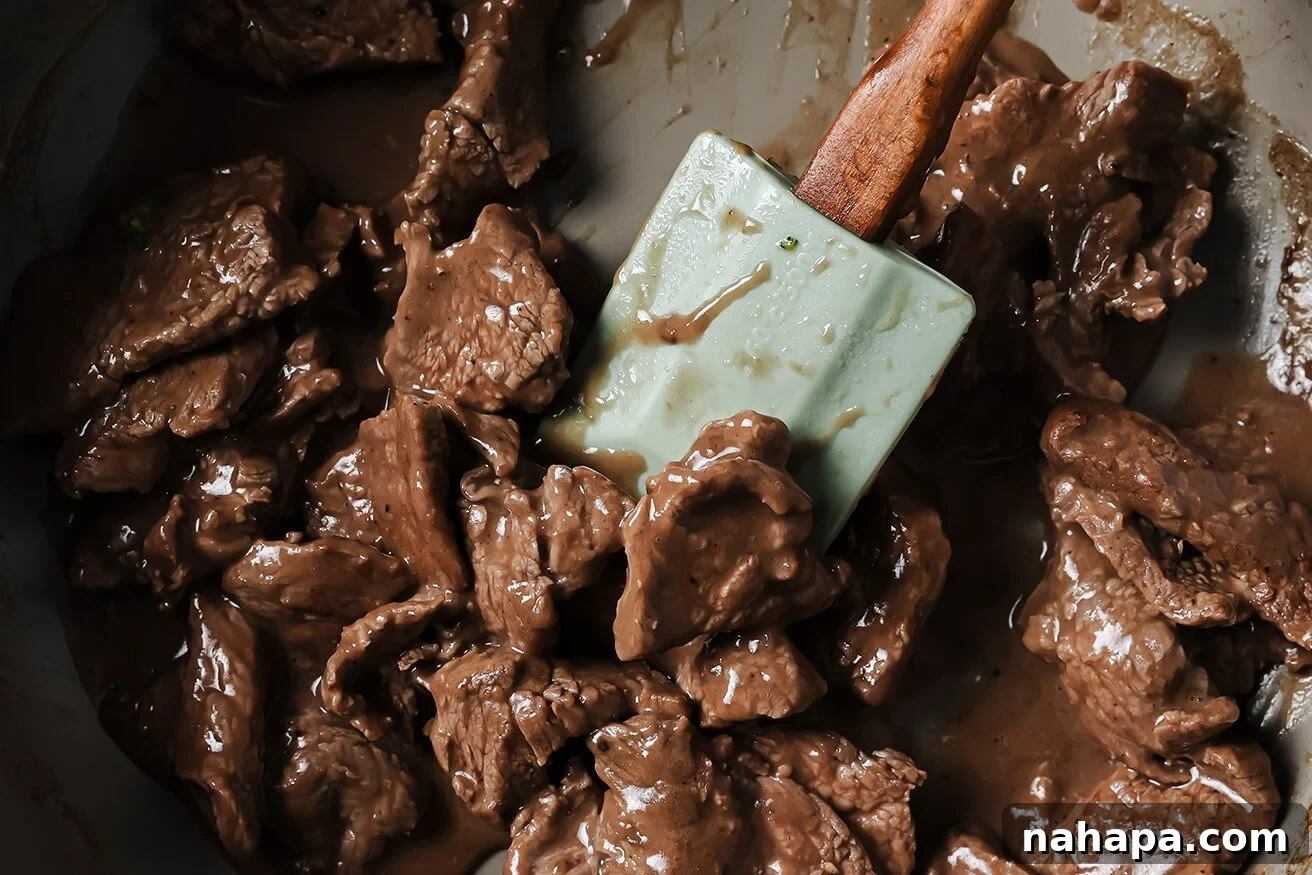
Step Four: Combine Beef with Sauce. Once the sauce has thickened, return the cooked beef slices to the pan. Reduce the heat to low and gently toss the beef to ensure every piece is thoroughly coated in the rich, glossy Mongolian sauce. This step allows the beef to soak up all those incredible flavors.
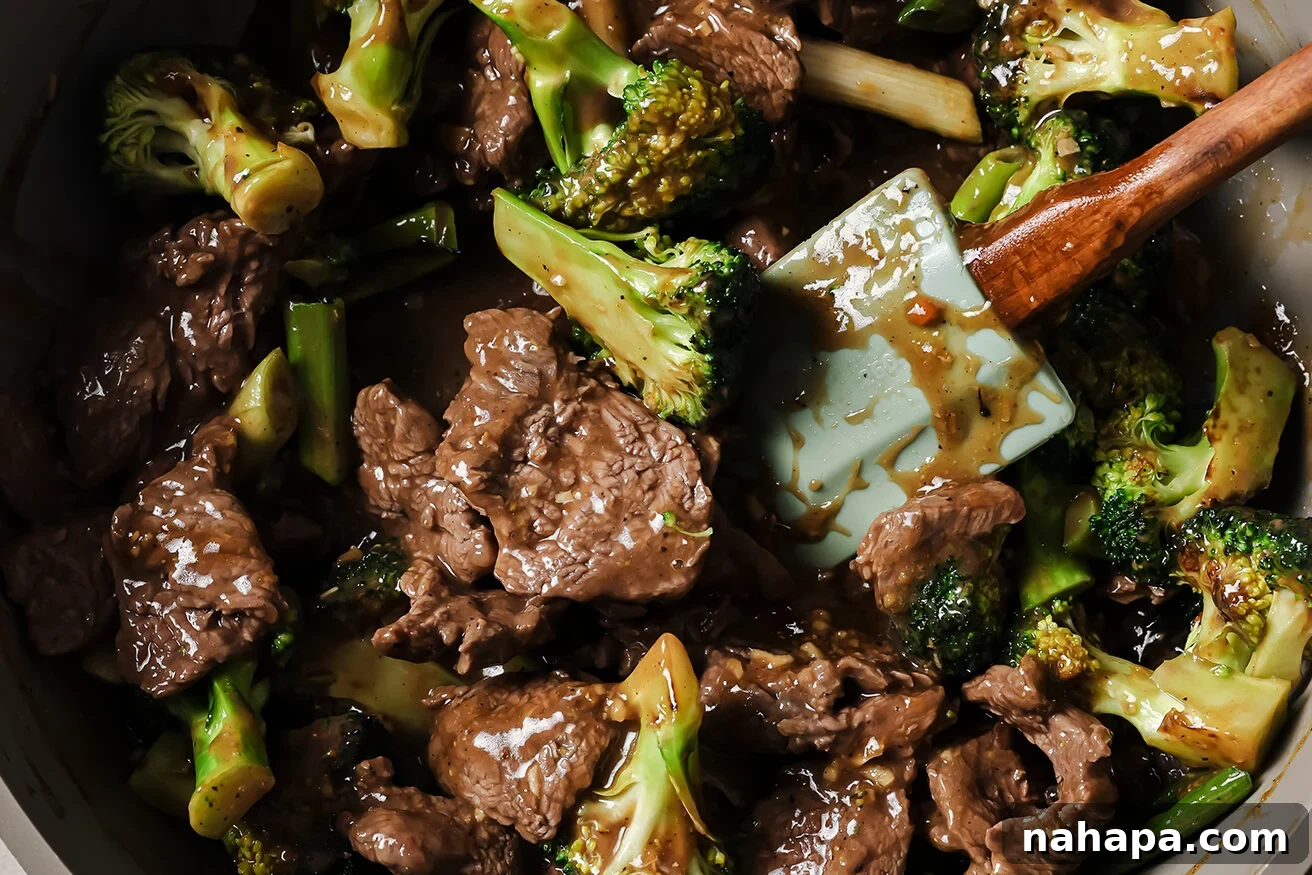
Step Five: Add Broccoli and Toss. Now, add the previously sautéed broccoli florets back into the pan with the beef and sauce. Gently toss everything together, ensuring the broccoli also gets generously coated in the savory sauce. The goal is to warm the broccoli through and integrate its flavors with the rest of the dish.
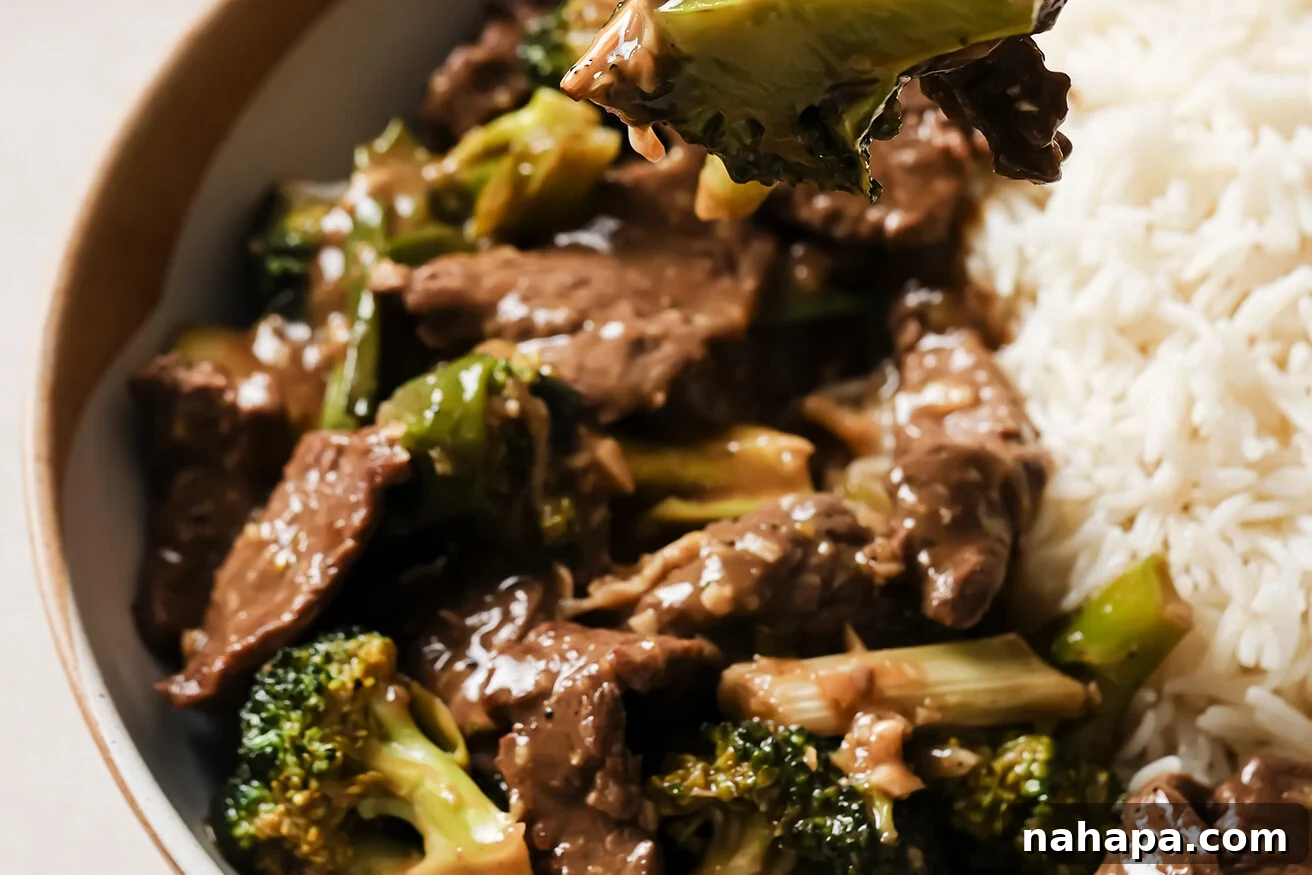
Step Six: Garnish and Serve. Once everything is thoroughly combined and heated through, turn off the heat. Stir in the sliced green onions, giving a final fresh aromatic touch. Serve your flavorful Gluten-Free Mongolian Beef immediately with a side of freshly steamed rice or cauliflower rice for a complete and utterly satisfying meal. Enjoy!
Tips & Tricks for Perfect Mongolian Beef
Achieving perfectly tender beef and a glossy, flavorful sauce is key to an outstanding Mongolian Beef. Here are some pro tips and tricks to elevate your homemade stir-fry:
- Slice the Beef Thinly and Against the Grain: This is arguably the most crucial tip for tender beef in stir-fries. Slicing against the grain shortens the muscle fibers, making the beef much easier to chew and more tender. Aim for thin, bite-sized strips (about 1/4 inch thick) for quick cooking and maximum sauce absorption.
- Don’t Overcrowd the Pan – Cook in Batches: When searing the beef, it’s vital to give each piece enough space to make direct contact with the hot pan. Overcrowding lowers the pan’s temperature, causing the beef to steam rather than sear and crisp. Cook the beef in small batches until beautifully browned and slightly crispy. This develops a rich, savory crust known as the Maillard reaction.
- Ensure Your Pan is Hot: A blazing hot pan is essential for stir-frying. This allows the beef to sear quickly and lock in its juices, preventing it from becoming tough. Make sure your oil is shimmering before adding the beef.
- Thicken the Sauce to Your Liking: The recipe calls for a specific amount of arrowroot starch, but you might prefer a thicker or thinner sauce. If your sauce isn’t thick enough, mix another teaspoon of arrowroot starch with a tablespoon of cold water (this is called a “slurry”) and whisk it into the simmering sauce. Let it simmer for another minute until it reaches your desired consistency.
- Prep All Ingredients Before You Start (Mise en Place): Stir-frying is a fast cooking method, so having all your ingredients prepped and ready to go before you even turn on the stove is key. Slice the beef, chop the broccoli, mince the garlic and ginger, and whisk together the sauce ingredients in advance.
- Taste and Adjust Seasoning: Before adding the beef and broccoli back to the sauce, taste it! Adjust salt, sweetness, or acidity as needed. A squeeze of lime or a splash more vinegar can brighten flavors, while a pinch more coconut sugar can balance saltiness.
- Don’t Overcook the Broccoli: You want the broccoli to be tender-crisp – cooked through but still retaining a slight bite. This adds a wonderful texture contrast to the tender beef.
- Meal Prep Friendly: This dish makes fantastic leftovers. Store cooled Mongolian Beef and broccoli in an airtight container in the refrigerator for up to 3-4 days. You can also prepare the sauce ahead of time and store it in the fridge for up to a week.
Recipes FAQs
Here are some frequently asked questions to help you master this delicious Gluten-Free Mongolian Beef:
Flank steak is generally considered the best cut for Mongolian beef due to its rich flavor and ability to become wonderfully tender when sliced thinly against the grain. However, sirloin steak or even skirt steak will also work exceptionally well. Just be sure to slice against the grain and trim any large fatty pieces for the best texture.
Traditional Mongolian beef or chicken recipes, especially those found in restaurants, almost always contain gluten because their sauce base is typically soy sauce, which is made with wheat. This homemade version, however, uses coconut aminos and arrowroot starch to create a delicious and authentic-tasting gluten-free Mongolian sauce that everyone can enjoy.
Absolutely! If you enjoy a bit of heat, you can easily add red pepper flakes to the sauce when it’s simmering, or incorporate a dash of sriracha or chili garlic sauce to taste. For an extra kick, a finely minced fresh red chili pepper can be added with the garlic and ginger.
Leftovers of this Gluten-Free Mongolian Beef can be stored in an airtight container in the refrigerator for up to 3-4 days. To reheat, gently warm it in a skillet over medium heat or in the microwave until heated through. If the sauce seems too thick, you can add a splash of beef broth or water to loosen it up.
Yes! This recipe is designed to be naturally gluten-free and soy-free, making it a fantastic option for both Whole30 and Paleo diets. Ensure that your coconut aminos and beef broth are compliant (check labels for added sugars or undesirable ingredients) and omit the coconut sugar for a strict Whole30 protocol, or use a compliant sweetener like a small amount of date paste for Paleo.
More Stir Fry Recipes That You’ll Love…
If you’re a fan of quick, flavorful, and healthy stir-fries, be sure to explore these other delicious options from my collection:
- Ground Beef and Cabbage Stir Fry: A simple and hearty stir-fry that’s perfect for a low-carb, high-flavor meal.
- Lemon Chicken Stir Fry: A zesty and refreshing take on stir-fry, packed with vibrant vegetables and bright lemon flavor.
- Chicken and Broccoli Ramen Noodle Stir Fry: Another comforting and satisfying gluten-free stir-fry featuring tender chicken and crisp broccoli.
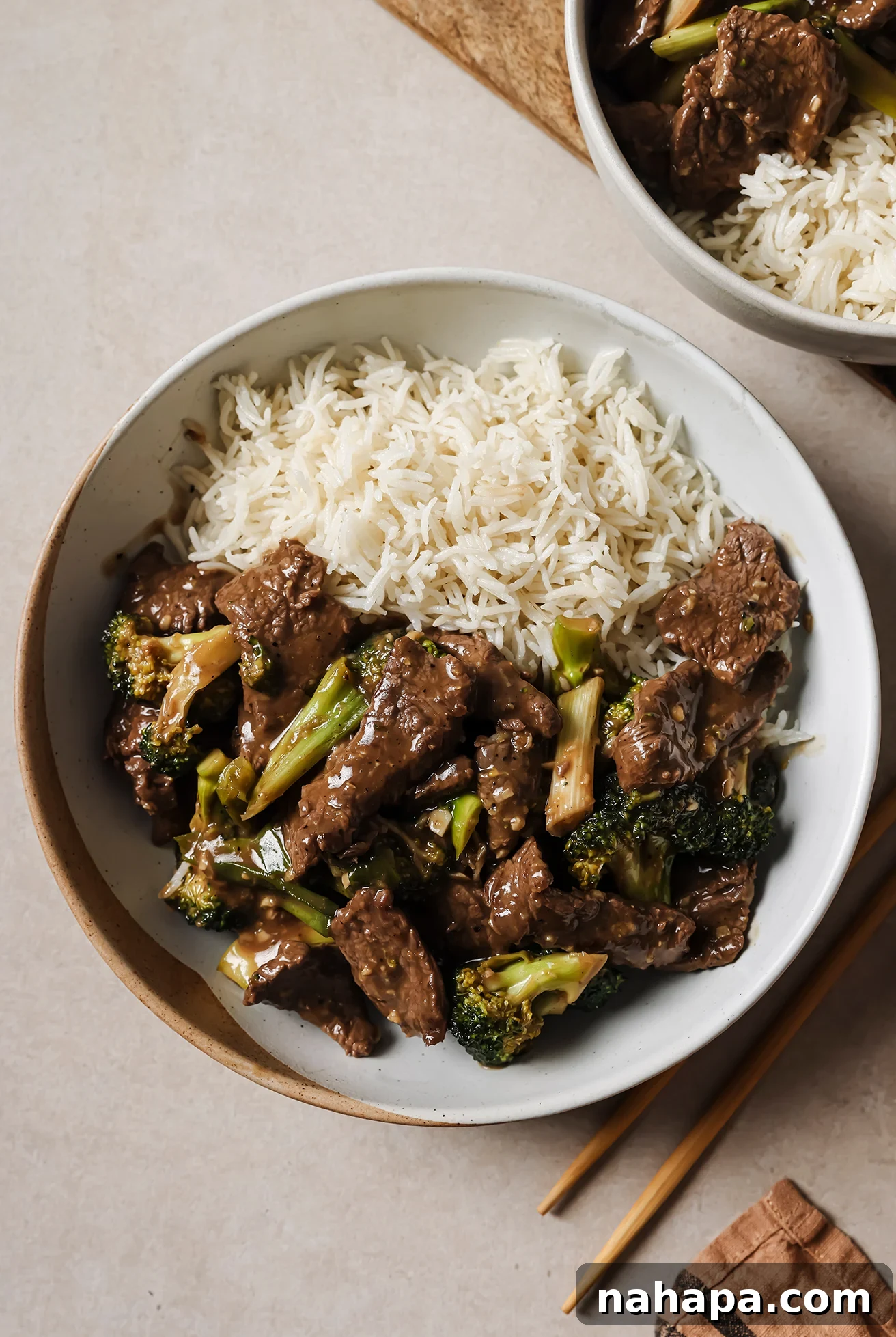
If you tried this Gluten-Free Mongolian Beef or any other recipe on my blog, please leave a 🌟 star rating and let me know how it went in the 📝 comments below. Your feedback means the world! Thanks for visiting!
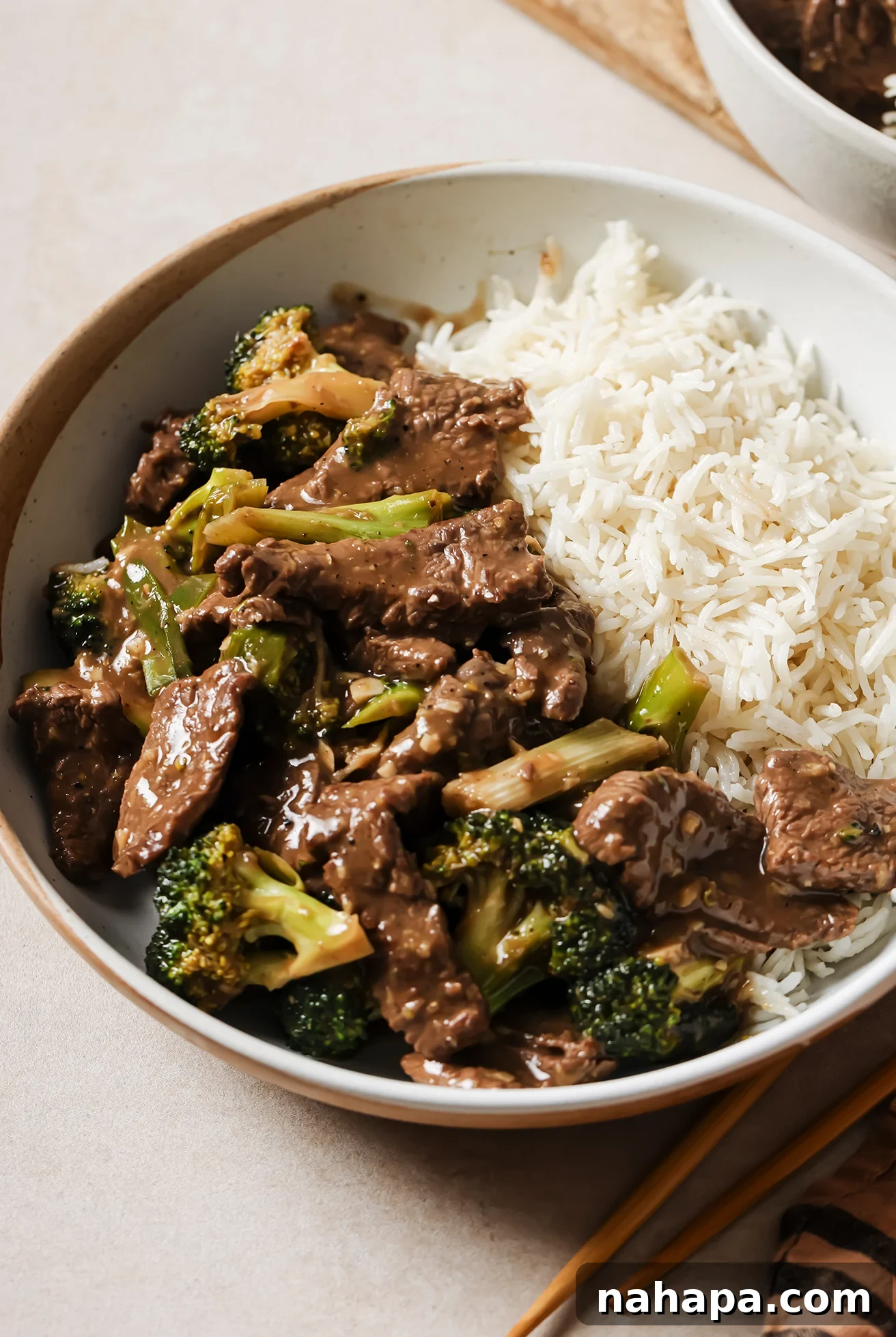
Gluten-Free Mongolian Beef with Broccoli
Pin Recipe
Ingredients
For the sauce
- ⅓ cup coconut aminos
- ¼ cup beef broth
- 1 tbsp rice vinegar, sub apple cider vinegar for AIP
- 3 cloves garlic, minced
- 1 thumb ginger, grated
- 2 tsp coconut sugar
- Salt and pepper
- 2 tsp arrowroot starch
For the stir fry
- 3-4 tbsp avocado oil, divided
- 1 ½ cup broccoli florets
- 1 tsp sea salt, divided
- ½ tsp black pepper, omit for AIP
- 1.5 lb flank steak
- 2 tbsp arrowroot starch
- 3 green onions, sliced into 1″ strips
Instructions
-
Prepare the Sauce: In a medium bowl, combine the coconut aminos, beef broth, coconut sugar, 2 teaspoons of arrowroot starch, minced garlic, grated ginger, salt, and pepper. Whisk all ingredients thoroughly until well combined and smooth. Set this flavorful sauce aside.
-
Sauté the Broccoli: Heat 1-2 tablespoons of avocado oil in a large deep skillet or wok over medium-high heat. Add the broccoli florets, along with a pinch of salt and pepper. Sauté for 6-7 minutes, stirring occasionally, until the broccoli is tender-crisp. Remove the cooked broccoli from the pan and set it aside. Quickly wipe out the pan.
-
Prepare the Flank Steak: Season the flank steak slices with salt and pepper on both sides. Using a sharp knife, slice the steak against the grain into approximately 1-inch bite-sized strips. In a clean bowl, add the remaining 2 tablespoons of arrowroot starch. Add the steak slices to the bowl and toss thoroughly until each piece is evenly coated. This coating will help create a delicious crisp on the beef.
-
Cook the Beef: Using the same skillet, heat the remaining 2 tablespoons of avocado oil over medium-high heat until hot and shimmering. Add about a third or half of the coated steak slices to the pan, ensuring not to overcrowd it. Cook for 2-3 minutes on each side until the steak begins to crisp and turn golden brown. Remove the cooked steak and place it on a clean plate. Repeat this process with the remaining beef until all pieces are cooked.
-
Simmer the Sauce: Pour the prepared sauce mixture slowly into the hot pan. Use a wooden spoon to scrape up any browned bits (fond) from the bottom of the pan – these bits are packed with flavor! Allow the sauce to simmer for about 3-4 minutes, or until the garlic is fragrant and the sauce has thickened to a glossy consistency. (See notes below for tips on achieving a thicker sauce if desired.)
-
Combine & Serve: Return the cooked beef and the sautéed broccoli back to the pan with the simmering sauce. Add the sliced green onions. Reduce the heat to low and toss everything gently to fully coat the beef and broccoli in the luscious sauce. Serve fresh and hot with a side of steamed rice or cauliflower rice for a complete and satisfying meal.
Notes