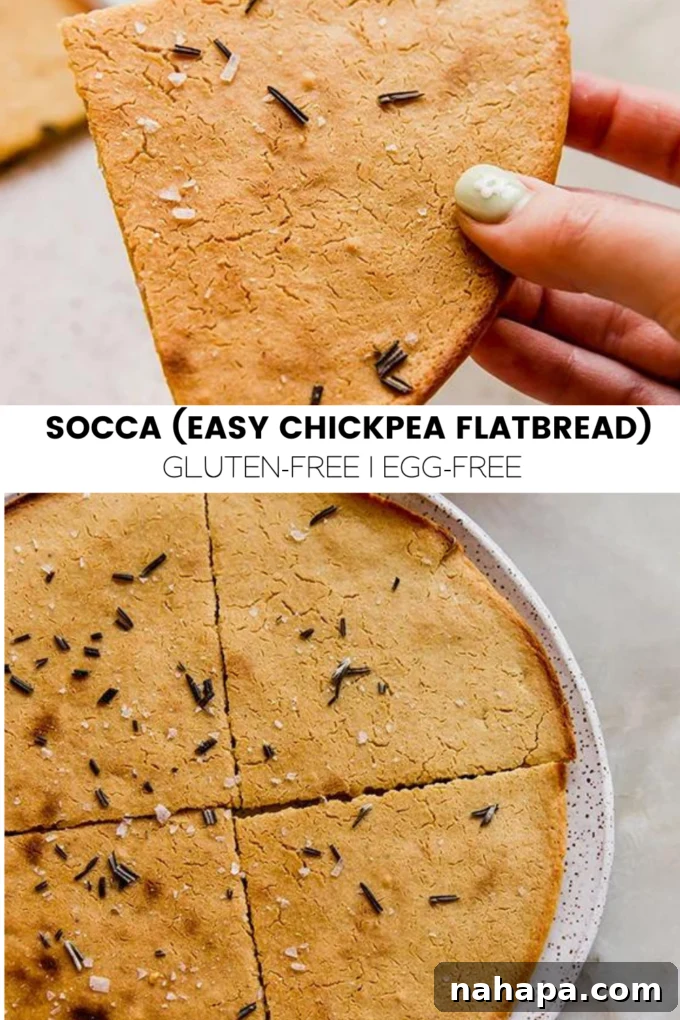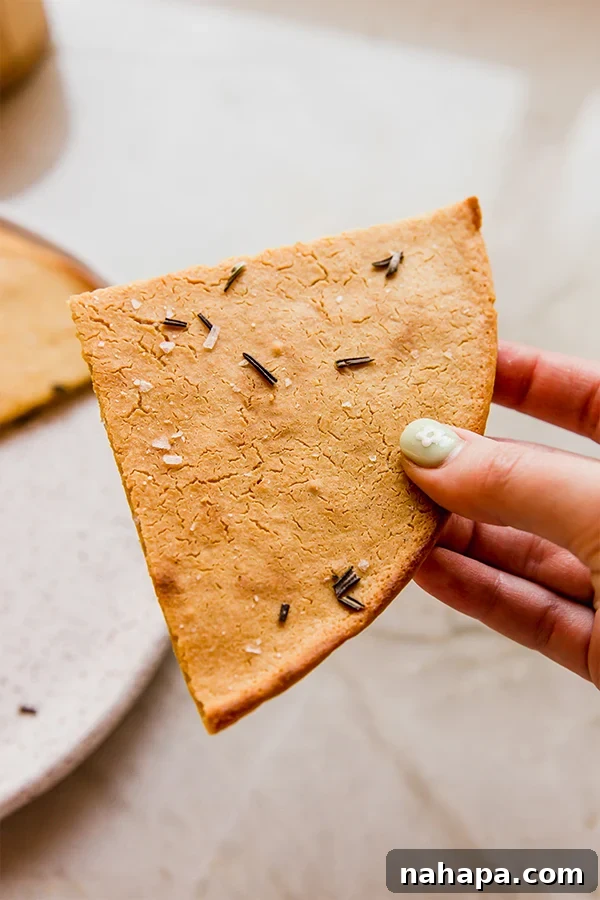
Discover the delightful simplicity of Socca, a traditional chickpea flatbread that hails from the sun-drenched regions of Southern France and Italy. This incredibly easy recipe offers a naturally gluten-free, grain-free, and egg-free alternative to traditional bread, made with just a handful of wholesome ingredients. Perfect for a quick snack, a versatile appetizer, or a rustic side dish, Socca is a testament to the power of simple cooking to create truly delicious and satisfying food.
What is Socca? An Ancient Delicacy Reimagined
Socca, also known as Farinata in Italy, is a thin, unleavened pancake or flatbread made from chickpea flour. Its origins trace back centuries to the Mediterranean coast, particularly around Nice in France and Liguria in Italy, where it has been a staple for generations. This humble yet hearty dish was historically a nourishing and economical food for fishermen and farmers, often cooked in large, wood-fired ovens on copper or iron pans.
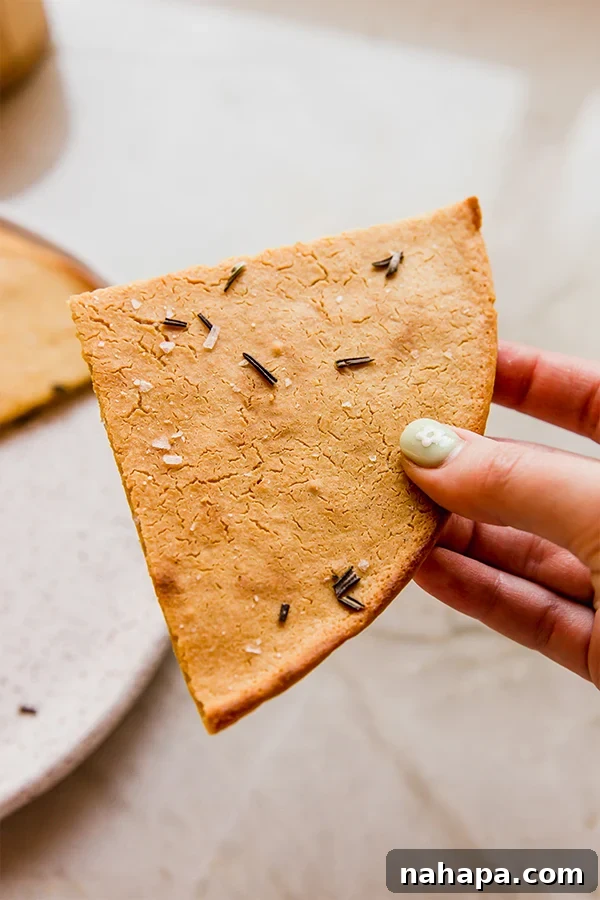
At its core, Socca is a testament to minimalist cuisine. It requires only chickpea flour, water, olive oil, and salt, which transform into a remarkably flavorful and satisfying flatbread. The batter, when baked in a very hot pan, develops a beautifully crisp, golden-brown exterior while remaining tender and slightly chewy on the inside. Its rustic charm and distinctive nutty flavor make it a beloved regional specialty, now enjoyed worldwide by those seeking simple, wholesome, and naturally compliant dishes.
For those navigating dietary restrictions, Socca is a true culinary gem. It naturally fits into gluten-free, grain-free, and even vegan lifestyles, making it an inclusive option for almost any table. Whether you’re sensitive to gluten, avoiding grains, or simply looking for an easy and delicious plant-based recipe, Socca offers a fantastic solution. Its inherent simplicity also makes it an excellent canvas for various flavors, from fresh herbs to savory spices, allowing for endless customization.
Why You’ll Fall in Love with This Socca Recipe
There are countless reasons to embrace the simplicity and deliciousness of homemade Socca. This recipe, in particular, stands out for its ease and versatility, promising a delightful culinary experience without complicated steps or exotic ingredients.
- Effortlessly Simple Ingredients: You won’t need a lengthy shopping list for this recipe. With just chickpea flour, water, olive oil, salt, and a touch of black pepper, you likely already have most ingredients in your pantry. This minimalist approach proves that extraordinary flavor doesn’t require complexity. The quality of these few ingredients, especially a good olive oil, truly shines through in the final product.
- Unleash Your Culinary Creativity: Socca is incredibly versatile, making it a fantastic addition to any meal. Enjoy it as a light appetizer, a satisfying side dish to a main course, or a wholesome snack. It pairs wonderfully with a variety of dips and spreads, allowing you to tailor it to your taste and occasion. Think beyond just dipping – use it as a base for mini pizzas, a side for soups and stews, or even a unique component in a Mediterranean platter.
- Naturally Diet-Friendly: In today’s world of diverse dietary needs, this Socca recipe truly shines. It is inherently gluten-free, grain-free, and egg-free, making it suitable for individuals with celiac disease, gluten sensitivities, or those following paleo, vegan, or AIP (Autoimmune Protocol) diets. It’s a wonderful way to enjoy a comforting “bread” without any common allergens.
- Quick and Rewarding: While the batter requires a brief resting period, the active prep time for Socca is minimal, and the baking time is relatively short. This makes it an ideal choice for busy weeknights when you want something homemade and healthy without spending hours in the kitchen. The reward is a warm, fragrant, and satisfying flatbread that feels both rustic and gourmet.
- A Taste of the Mediterranean: With every bite, Socca transports you to the sun-drenched coasts of the South of France and Italy. Its unique nutty flavor, coupled with the richness of olive oil and the optional hint of fresh rosemary, offers an authentic taste experience that is both comforting and exotic. It’s a wonderful way to introduce a touch of Mediterranean flair to your cooking.
The Essential Ingredients for Perfect Socca
The beauty of Socca lies in its unpretentious ingredient list. Each component plays a crucial role in creating the distinctive texture and flavor of this traditional flatbread. Understanding the function of each ingredient can help you achieve the best results.
- Chickpea Flour: This is the star of our recipe. Also known as gram flour or besan flour, chickpea flour is made from ground dried chickpeas. It’s naturally gluten-free and provides the unique nutty flavor and slightly dense, yet tender, texture that defines Socca. Ensure you use fine chickpea flour for a smooth batter and optimal results.
- Salt and Black Pepper: These humble seasonings are vital for enhancing the overall flavor profile. Salt brings out the natural sweetness of the chickpea flour and balances the richness of the olive oil. Freshly ground black pepper adds a subtle warmth and aromatic complexity, complementing the rustic character of the flatbread. Don’t underestimate their impact!
- Water: The liquid base that binds everything together. The correct ratio of water to chickpea flour is crucial for achieving the ideal batter consistency—thin enough to pour but substantial enough to form a flatbread. Using room-temperature water is generally best for uniform mixing.
- Olive Oil: A cornerstone of Mediterranean cuisine, high-quality extra virgin olive oil is indispensable for Socca. It contributes significantly to the flavor, richness, and the desired crispy texture of the edges. You’ll use it in the batter and to grease the pan, ensuring a beautiful golden crust and easy release. Choose a good quality oil for the best taste experience.
- Fresh Rosemary: While optional, fresh rosemary is a classic topping for Socca, adding an aromatic, herbaceous note that perfectly complements the chickpea flavor. Sprinkled on top after baking, its fragrant leaves infuse the flatbread with an authentic Mediterranean aroma. If fresh rosemary isn’t available, dried rosemary can be used sparingly, or you can explore other fresh herbs like thyme or oregano.
How to Make Authentic Socca (Chickpea Flatbread): A Step-by-Step Guide
Crafting this delicious chickpea flatbread is surprisingly straightforward, relying on simple techniques that yield impressive results. Follow these detailed steps to create your own perfect Socca at home.
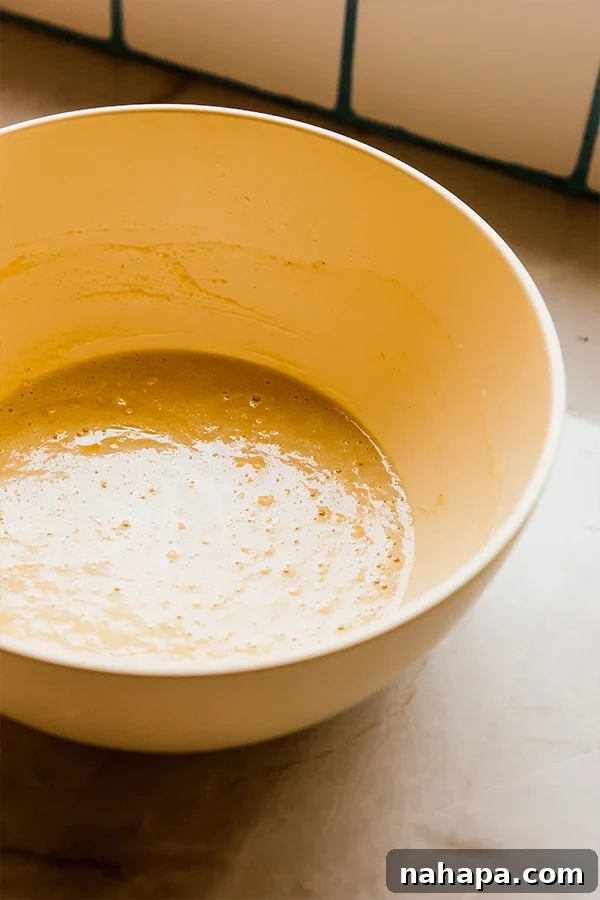
- Step One: Prepare the Batter with Precision. In a large mixing bowl, begin by whisking together the dry ingredients: the chickpea flour, salt, and black pepper. This ensures an even distribution of seasonings. Gradually pour in the water and the olive oil, stirring continuously with a whisk until a smooth, lump-free batter forms. The consistency should be similar to that of a thin pancake batter. Cover the bowl with a clean kitchen towel or plastic wrap and allow the batter to rest at room temperature for at least one hour. This resting period is crucial as it allows the chickpea flour to fully hydrate, resulting in a more tender and less “raw” tasting flatbread. It also helps prevent the Socca from becoming too brittle.
- Step Two: Preheat Your Oven and Pan. Preheat your oven to a high temperature, typically 450°F (230°C). While the oven preheats, place a 10-inch cast iron skillet or a similar heavy-bottomed, oven-safe pan directly into the oven. Allow the pan to heat thoroughly for at least 10 minutes. Getting the pan extremely hot before adding the batter is key to achieving Socca’s signature crispy bottom and edges, preventing it from sticking and ensuring even cooking.
- Step Three: Pour and Bake to Golden Perfection. Carefully remove the preheated cast iron pan from the oven using oven mitts. It will be extremely hot. Drizzle about 1 tablespoon of olive oil into the hot pan and swirl it around to completely coat the bottom and sides. Immediately pour the rested chickpea batter into the hot, oiled pan. The batter should sizzle slightly upon contact with the hot surface. Swiftly transfer the pan back to the preheated oven. Bake for approximately 15-17 minutes, or until the Socca is firm, the edges are golden brown, and the surface is set. For an extra crispy top, turn on the oven’s broiler for an additional 1-2 minutes, watching it very closely to prevent burning.
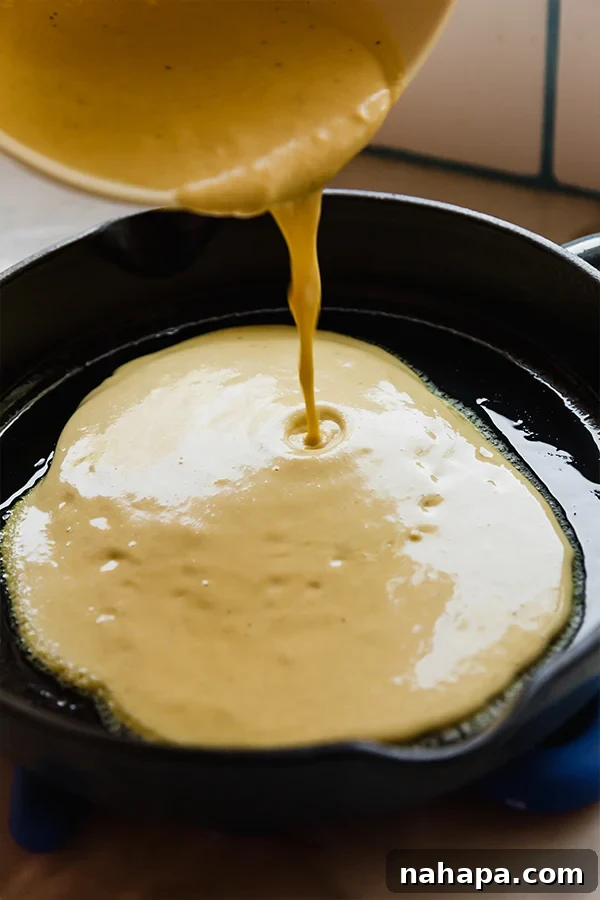
- Step Four: Finish and Serve. Once baked to your liking, carefully remove the pan from the oven. Allow the Socca to cool in the pan for 5-10 minutes. This cooling time helps it firm up slightly and makes it easier to remove without breaking. Using a spatula, gently loosen the edges and transfer the Socca to a cutting board.
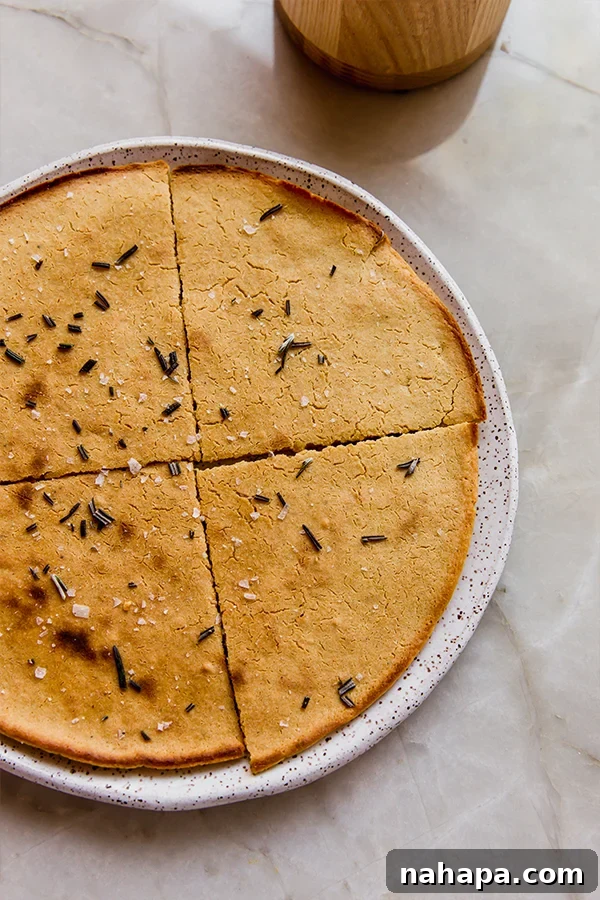
- Step Five: Garnish, Slice, and Enjoy. Sprinkle generously with fresh rosemary leaves and a final pinch of sea salt to taste. Slice the warm Socca into wedges, much like a pizza. It’s best enjoyed immediately, straight out of the oven, while it’s still warm and at its crispiest. Serve with your favorite dips or alongside other Mediterranean dishes for a truly authentic experience.
Expert Tips & Tricks for the Best Socca
While Socca is inherently simple, a few expert tips can elevate your homemade version from good to absolutely outstanding:
- Achieve Ultimate Crispiness: The hallmark of a perfect Socca is its wonderfully crisp texture. To ensure this, make sure your cast iron pan is scorching hot before pouring in the batter. The high oven temperature and the initial sizzle in the hot oil are critical. If your Socca isn’t as crisp as you’d like after baking, a quick minute or two under the broiler (watch it carefully!) will typically do the trick. A thin layer of batter also promotes crispiness.
- Don’t Skip the Batter Rest: The resting period for the batter is not merely a suggestion; it’s essential. It allows the chickpea flour to fully hydrate, resulting in a smoother batter, a more tender final texture, and a less “beany” taste. If you’re short on time, even 30 minutes is better than none, but an hour is ideal.
- The Right Pan Matters: A well-seasoned cast iron skillet is the traditional choice and yields the best results due to its excellent heat retention and even heat distribution. A 10-inch pan is standard for a single batch, producing a thin, crispy Socca. If you don’t have cast iron, any heavy, oven-safe, non-stick pan can work, but you may need to adjust baking times slightly and ensure it’s very well oiled.
- Experiment with Toppings and Flavorings: While fresh rosemary and salt are classic, feel free to get creative. Before baking, you can add finely chopped garlic, a pinch of chili flakes, or other Mediterranean herbs to the batter. After baking, consider a sprinkle of flaky sea salt, a drizzle of high-quality olive oil, or a dusting of Parmesan cheese (if not strictly vegan/dairy-free).
- Serving Temperature: Socca is undeniably at its best when served warm, directly from the oven. The crispness fades as it cools, though it remains delicious. If you have leftovers, reheat them briefly in a dry skillet or toaster oven to revive some of that crispy texture.
- Adjusting Batter Consistency: If your batter seems too thick after resting, add a tablespoon or two of water until it reaches a pourable, thin pancake-like consistency. If it’s too thin, a tablespoon of extra chickpea flour can help, but avoid making it too thick, as it will lose its traditional crispness.
How to Eat and Serve Socca: Versatile Pairings
Socca is a wonderfully versatile dish that can be enjoyed in numerous ways, making it suitable for various occasions. Its rustic flavor profile and satisfying texture mean it shines on its own or as part of a larger meal.
This chickpea flatbread is truly best enjoyed fresh out of the oven. The warmth highlights its nutty flavor, and the delicate crispness of the edges is unparalleled. Slice it into wedges or strips and serve it hot or warm for the optimal experience. It’s fantastic as a standalone snack or light lunch, but it truly excels when paired with complementary flavors.
Here are some popular and delicious ways to serve your Socca:
- Dipping Sauces: The simplest and most classic way to enjoy Socca is with a flavorful dip.
- Olive Oil and Balsamic Glaze: A timeless combination that highlights the quality of good olive oil.
- Olive Tapenade: The salty, briny flavors of black olives and capers perfectly complement Socca.
- Pesto: Fresh basil pesto adds a vibrant, herbaceous burst of flavor.
- Hummus: A natural pairing, as both are chickpea-based.
- Tzatziki: The cool, refreshing cucumber and yogurt dip offers a lovely contrast.
- Spicy Harissa Dip: For those who enjoy a bit of heat.
- As a Side Dish: Socca makes an excellent accompaniment to a variety of main courses.
- Serve alongside grilled fish or chicken, offering a lighter alternative to bread.
- Pair with hearty stews, chili, or vibrant summer salads for a complete and satisfying meal.
- Enjoy with roasted vegetables for a wholesome and nutritious dinner.
- Appetizer or Mezze Platter: Cut into small squares or triangles, Socca is perfect for an appetizer spread.
- Arrange on a platter with cured meats, cheeses, roasted red peppers, artichoke hearts, and other Mediterranean delights.
- Top with a spoonful of bruschetta or finely chopped tomatoes and fresh basil for an elegant bite.
- Breakfast or Brunch: Yes, Socca can even be a delightful addition to your morning.
- Serve with scrambled eggs, avocado, and a sprinkle of chili flakes.
- Top with fresh herbs and a drizzle of olive oil for a savory start to the day.
You’ll also like these delicious and healthy alternatives:
- Tigernut Pizza Crust
- Sweet Potato Flatbread
- Cauliflower Breadsticks
Socca (Easy Chickpea Flatbread)
Leave a Review
Pin Recipe
Ingredients
- 1 cup chickpea flour
- ½ tsp salt
- ¼ tsp black pepper
- 1 cup water
- 1 ½ tbsp olive oil, plus extra for greasing the pan
- Fresh rosemary (for topping)
Instructions
- Using a large bowl, whisk the chickpea flour, salt, and pepper together. Pour in the water and olive oil and stir to combine until a smooth batter forms. Cover the bowl with a clean dish towel and allow to sit at room temperature for an hour.
- Preheat the oven to 450 F (230°C). Transfer a 10″ cast iron pan (or other oven-safe skillet) to the oven and allow to heat for 10 minutes.
- Carefully remove the hot pan from the oven and grease it with about 1 tablespoon of olive oil. Add the chickpea batter into the hot pan, ensuring it spreads evenly. Transfer to the oven and bake for 15-17 minutes. For extra crispiness, turn the oven on broil and broil for another 1-2 minutes, watching carefully to prevent burning.
- Remove from the oven and allow to cool in the pan for 5-10 minutes before transferring to a cutting board.
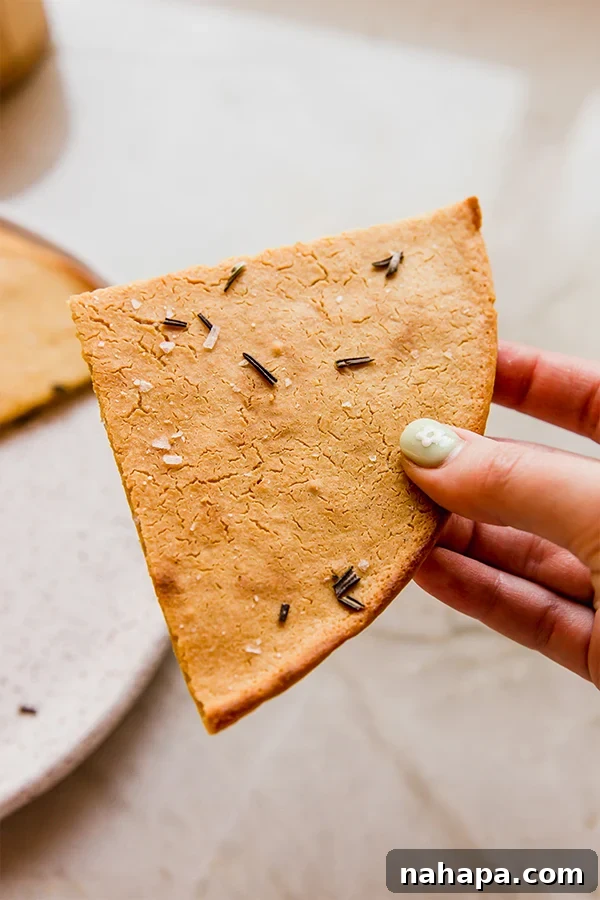
- Top with fresh rosemary and salt to taste. Slice into 4 pieces and serve warm, optionally with a dip of your choice!
Notes
All nutrition facts are estimated and will vary based on ingredients and preparation methods.
Serving: 1serving
,
Calories: 134kcal
,
Carbohydrates: 13.4g
,
Protein: 5.2g
,
Fat: 6.8g
,
Fiber: 2.5g