
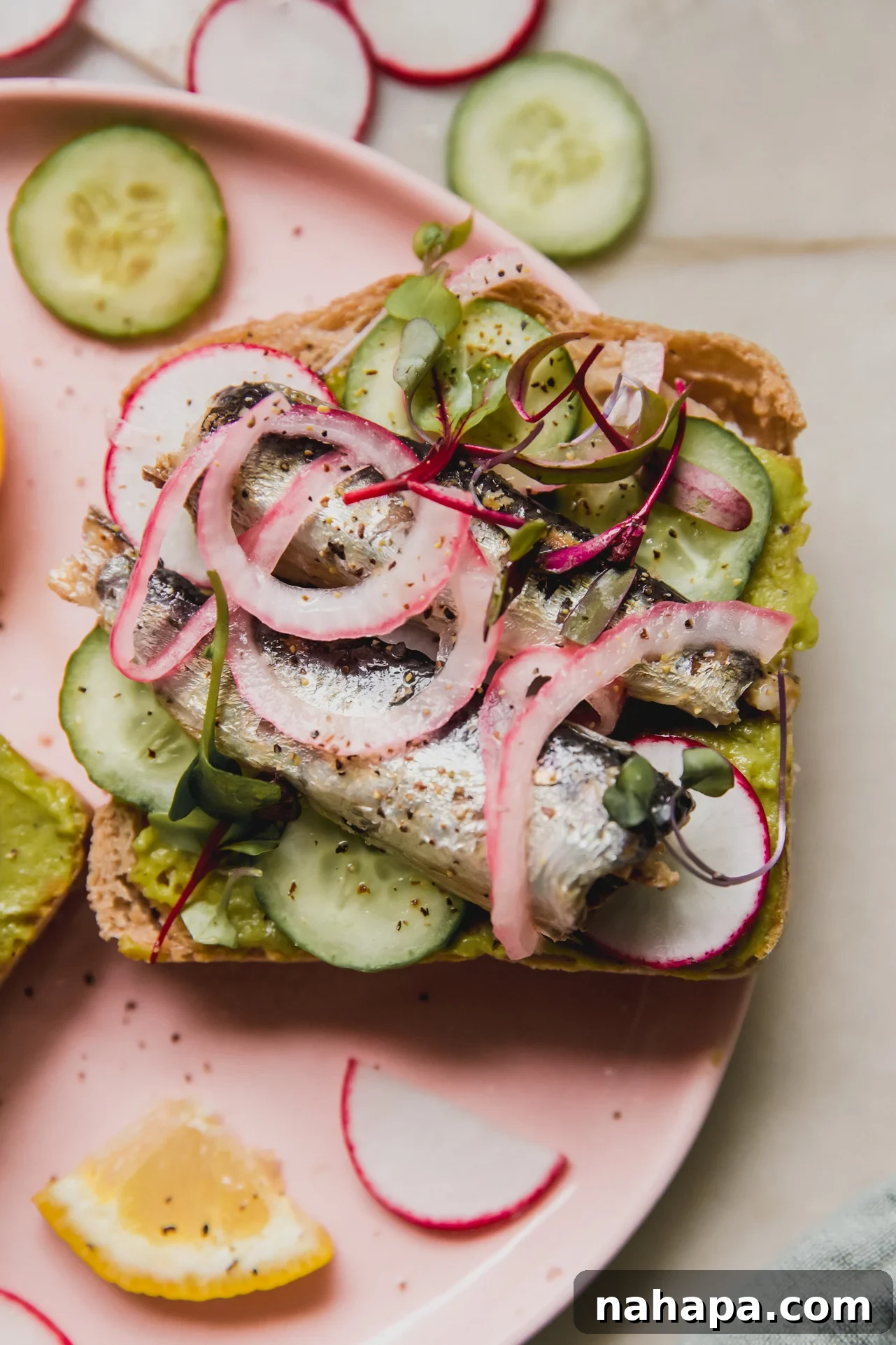
This sardine toast recipe offers a perfect blend of nutrition and simplicity, transforming often-overlooked sardines into a delicious, wholesome meal. Ideal for those seeking a quick, healthy, and satisfying option, this version is meticulously crafted to be both gluten-free and dairy-free, making it accessible to a wider range of dietary needs without compromising on flavor or texture. It’s a testament to how simple ingredients can come together to create something truly remarkable, proving that healthy eating can be both effortless and incredibly enjoyable.
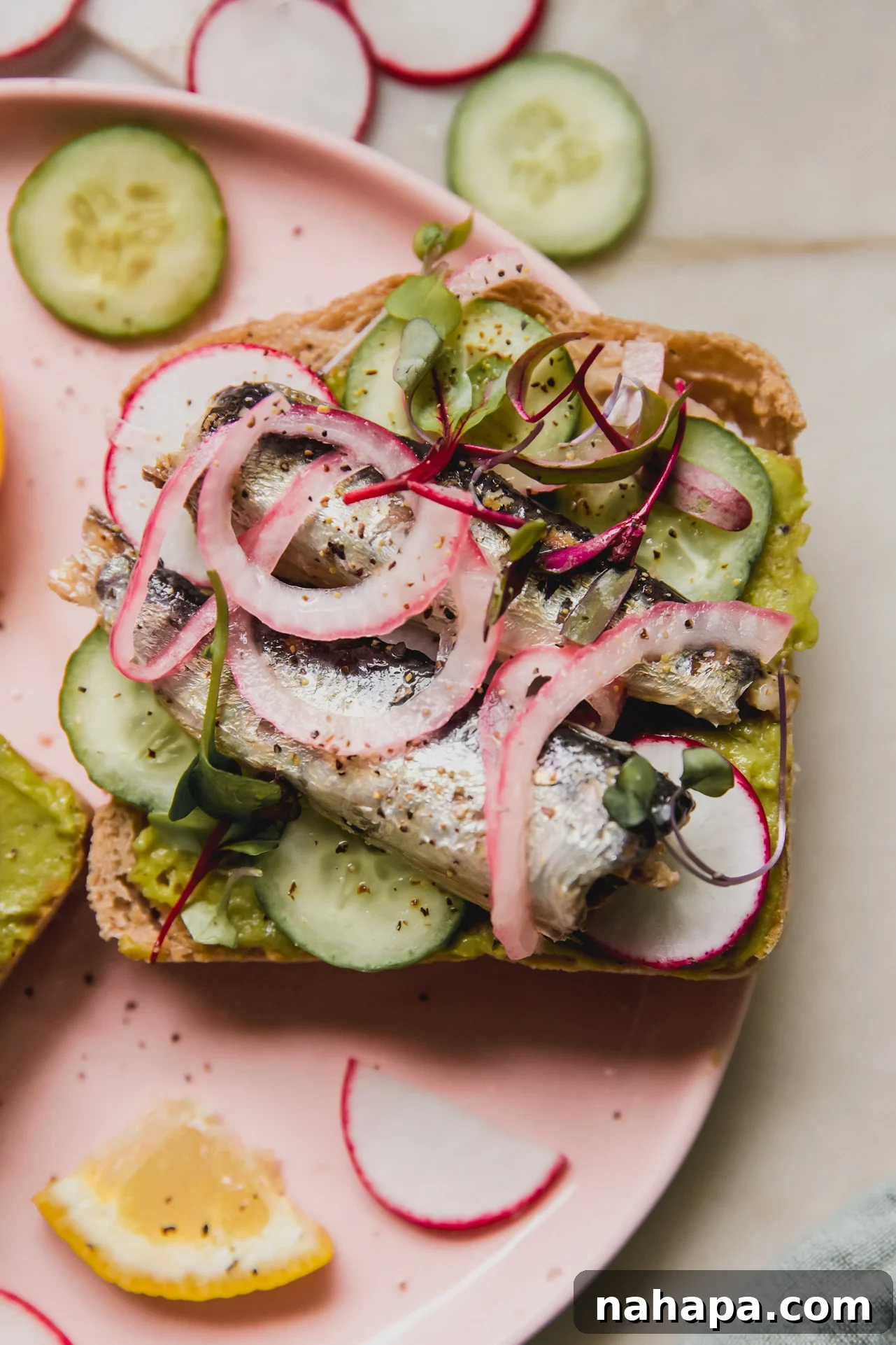
Sardines have undeniably emerged as a delightful and quirky trend, captivating attention beyond just the culinary world. From sardine-themed apparel to vibrant serving platters, these tiny fish are making a big splash in popular culture. While it’s fun to wear them, the real question is: are we truly incorporating these nutritional powerhouses into our diets? If not, you absolutely should be! While sardines might initially seem less familiar than a classic avocado tuna salad, this recipe is designed to make them incredibly approachable and undeniably delicious.
Sardines are incredibly nutrient-packed, yet they often carry an unwarranted reputation for being intimidating or difficult to prepare. Many people struggle to find appealing ways to incorporate them into their meals, leading to a shortage of truly inspiring sardine recipes. This recipe for sardine toast aims to change that perception, demystifying sardines and transforming them into an easy, flavorful, and accessible dish that you’ll want to make again and again.
Unlocking the Power: What Are the Benefits of Eating Sardines?
Sardines are tiny fish with immense nutritional benefits, often celebrated as a true superfood. Incorporating them into your diet can lead to a significant boost in overall health and well-being. Here’s a closer look at why these small fish pack such a mighty punch:
- Rich in Omega-3 Fatty Acids: This is arguably the most well-known benefit. Sardines are an exceptional source of eicosapentaenoic acid (EPA) and docosahexaenoic acid (DHA), two crucial types of omega-3s. Most modern diets are deficient in these essential fats, which are vital for heart health, reducing inflammation, supporting brain function, and maintaining healthy vision. Regular consumption of omega-3s can help lower the risk of cardiovascular disease, improve mood, and enhance cognitive performance. (source)
- An Economical Protein Powerhouse: In an era where healthy protein sources can be expensive, sardines stand out as an incredibly affordable and accessible option. A single tin of sardines can provide approximately 18 grams of high-quality protein, which is fantastic value. This makes them an excellent choice for budget-conscious individuals looking to meet their daily protein requirements without breaking the bank. Protein is essential for muscle repair, satiety, and numerous bodily functions.
- Abundant in Vitamin D: Unlike many foods, sardines naturally contain a significant amount of Vitamin D, a nutrient critical for bone health, immune system function, and mood regulation. Many people are deficient in Vitamin D, especially those with limited sun exposure. Eating sardines regularly can contribute significantly to your daily Vitamin D intake.
- Excellent Source of Calcium: When consumed with their edible bones (as is common with canned sardines), these fish provide a remarkable amount of calcium. This is particularly beneficial for individuals who avoid dairy products, offering an alternative and bioavailable source of this vital mineral for strong bones and teeth.
- Packed with Vitamin B12: Sardines are an outstanding source of Vitamin B12, which is essential for nerve function, red blood cell formation, and DNA synthesis. B12 deficiency can lead to fatigue and neurological issues, making sardines a crucial dietary component, especially for those on plant-based diets who might struggle to find natural sources.
- Other Essential Minerals: Beyond calcium, sardines offer other vital minerals like selenium, which acts as a powerful antioxidant, and phosphorus, another key mineral for bone health and energy metabolism. They also provide iron, important for oxygen transport in the blood, and potassium, crucial for blood pressure regulation.
- Sustainable and Low Mercury: Being small fish low on the food chain, sardines generally have much lower levels of mercury compared to larger predatory fish. This makes them a safer and more sustainable seafood choice, contributing to ocean health while providing maximum nutritional benefits.
Demystifying the Flavor: What Do Sardines Taste Like?
For those new to the world of canned fish, the thought of eating sardines might conjure up images of an overly “fishy” or intense flavor. However, the reality is far more nuanced and enjoyable. Sardines possess a surprisingly mild flavor, characterized by a savory, slightly briny taste with only a hint of fishiness. Their delicate texture, especially when packed in high-quality oil, is often buttery and melts in your mouth.
The flavor profile of canned sardines is significantly influenced by what they are packed in. This is why I always recommend opting for sardines tinned in olive oil. The olive oil enhances their natural richness, providing a smoother, more palatable experience. It also allows the sardine’s subtle notes to shine through, rather than being overpowered. Brands that pack their sardines with added ingredients like lemon slices or chili flakes can introduce further layers of flavor, offering a convenient way to diversify your sardine experience.
I am particularly fond of Fish Wife Sardines with olive oil and lemon for their exceptional quality and balanced taste. When choosing sardines, look for brands that prioritize good quality olive oil and clear sourcing information. This attention to detail can make a significant difference in taste and enjoyment. The beauty of sardines lies in their versatility; their mild flavor makes them a fantastic canvas for various accompaniments, absorbing and complementing the flavors of fresh herbs, acidic elements like pickled onions, and crisp vegetables.
Essential Components: A Deep Dive into Recipe Ingredients
See the recipe card below for full information on ingredients and quantities.
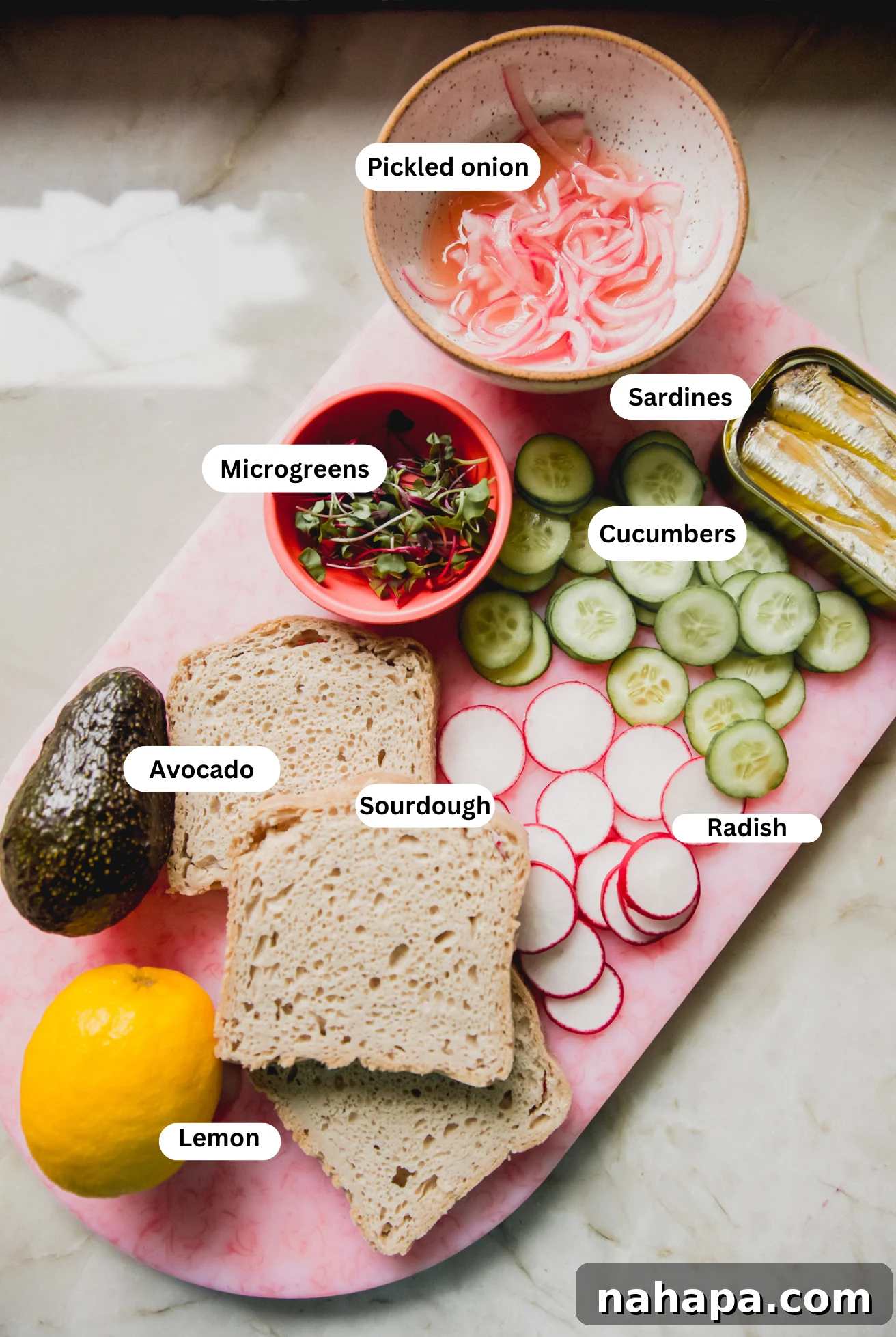
Crafting the perfect sardine toast involves selecting complementary ingredients that enhance the flavor and texture of the sardines. Here’s a breakdown of the key components:
- Sardines: The star of the show! For maximum nutritional benefits, especially calcium and omega-3s, I highly recommend bone-in and skin-on sardines. The bones are incredibly soft and virtually undetectable when eaten, contributing a wealth of nutrients. However, if you’re new to sardines and prefer a smoother introduction, boneless and skinless varieties are a great starting point. My go-to choice is often these high-quality sardines packed in olive oil.
- Gluten-Free Bread: The foundation of our toast. A sturdy, flavorful bread is crucial. The Bread Srsly Sourdough loaf is my absolute favorite for its delightful chewiness and tangy flavor, which holds up beautifully to the toppings. Remember to use my partner code UNBOUNDWELLNESS for a discount! If sourdough isn’t your preference, any good quality gluten-free bread with a firm texture will work.
- Avocado: Provides a creamy, rich base that balances the fishiness of the sardines and adds healthy monounsaturated fats. Mash it until smooth with a fork, or for a convenient shortcut, use a pre-made avocado mash.
- Cucumber, Radish, and Microgreens: These fresh additions are essential for texture and flavor. Thinly sliced cucumbers offer a refreshing crunch and cool contrast, while radishes provide a peppery bite. Microgreens add a delicate texture, a burst of fresh flavor, and visual appeal, elevating the toast from simple to sophisticated.
- Pickled Onions: An absolute must for any toast, especially one featuring sardines. The bright, tangy acidity of pickled onions cuts through the richness of the avocado and sardines, adding a crucial layer of flavor that awakens the palate and prevents the dish from feeling heavy.
- Flaky Salt: A finishing sprinkle of flaky sea salt is non-negotiable. It provides a delightful textural crunch and intensifies all the other flavors, making each bite sing.
- Fresh Lemon Juice: A final squeeze of lemon juice brightens the entire dish, enhancing the freshness of the vegetables and harmonizing with the sardines.
Step-by-Step Guide: How to Craft the Perfect Sardine Toast
Creating this delicious sardine toast is incredibly simple and quick, making it perfect for a healthy breakfast, lunch, or snack. Here are the easy steps, accompanied by visual cues to guide you. For precise measurements and full instructions, refer to the recipe card below.
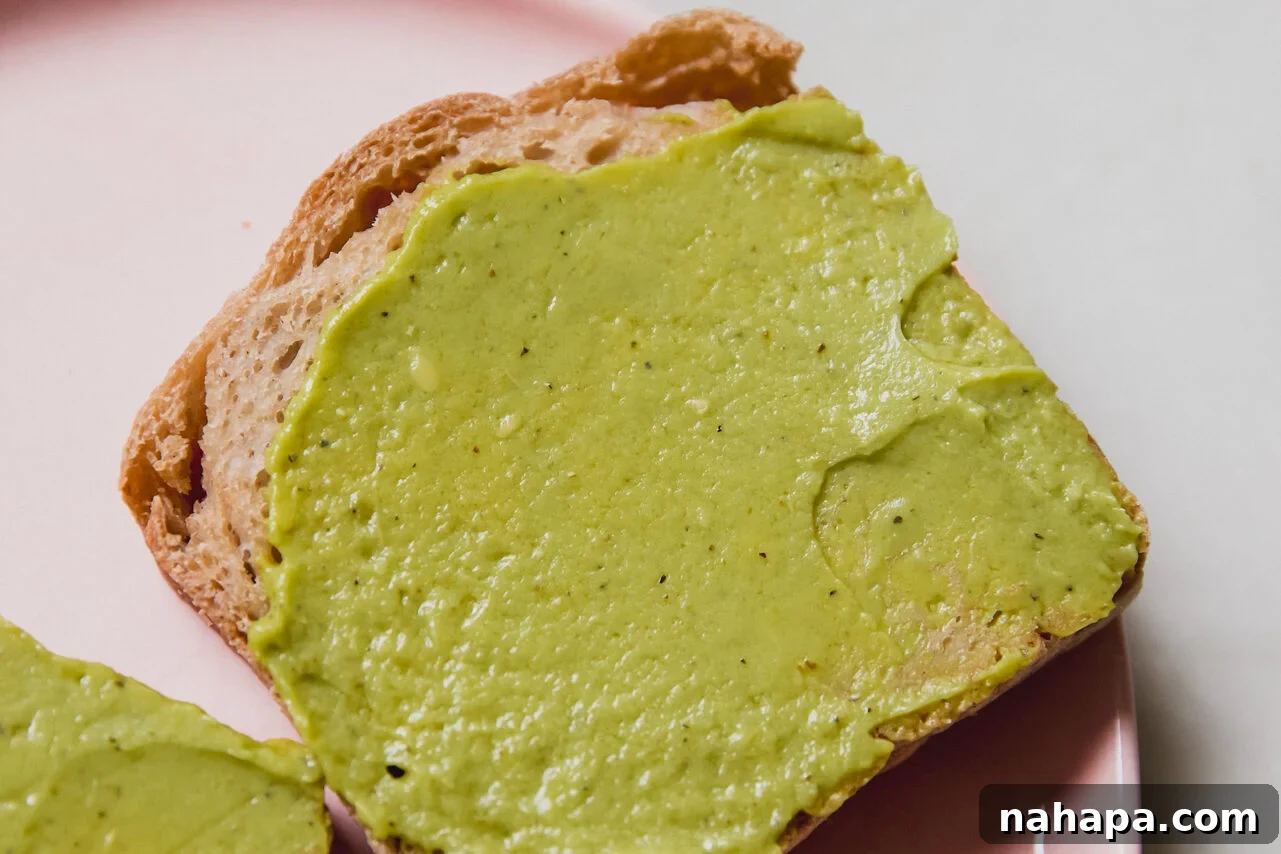
Step One: Prepare the Base. Begin by lightly toasting your gluten-free bread slices until they are golden and crisp. While the bread is toasting, mash the avocado in a small bowl until it reaches a smooth, creamy consistency. Add a small squeeze of fresh lemon juice, along with a pinch of salt and pepper, and mix well. Once the toast is ready, spread the seasoned avocado mash evenly across each slice, creating a vibrant green foundation.
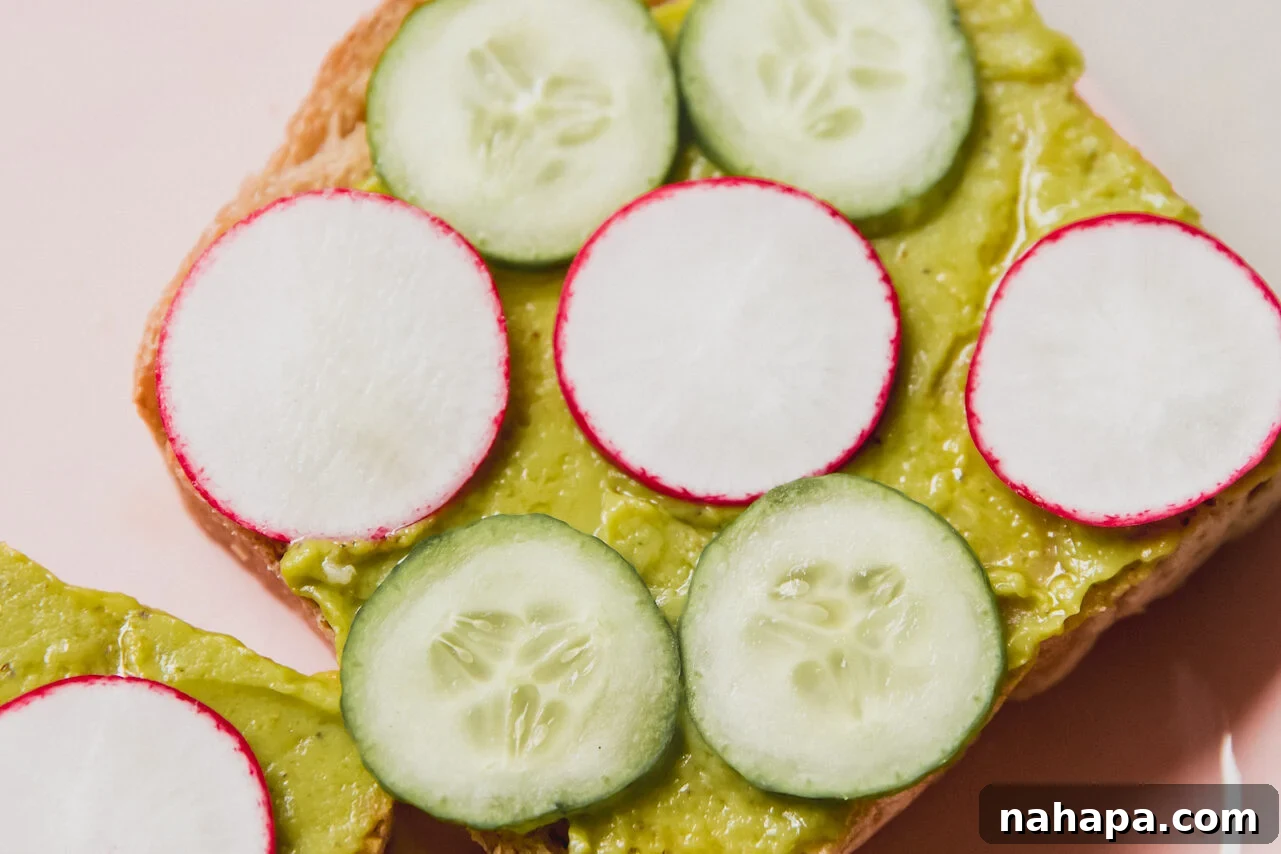
Step Two: Layer Fresh Vegetables. Carefully arrange the thinly sliced cucumber and radish pieces over the avocado layer. Overlap them slightly or scatter them evenly, ensuring a good distribution of their refreshing crunch and subtle peppery notes. This layer adds essential texture and vibrant color, preparing the toast for its star topping.
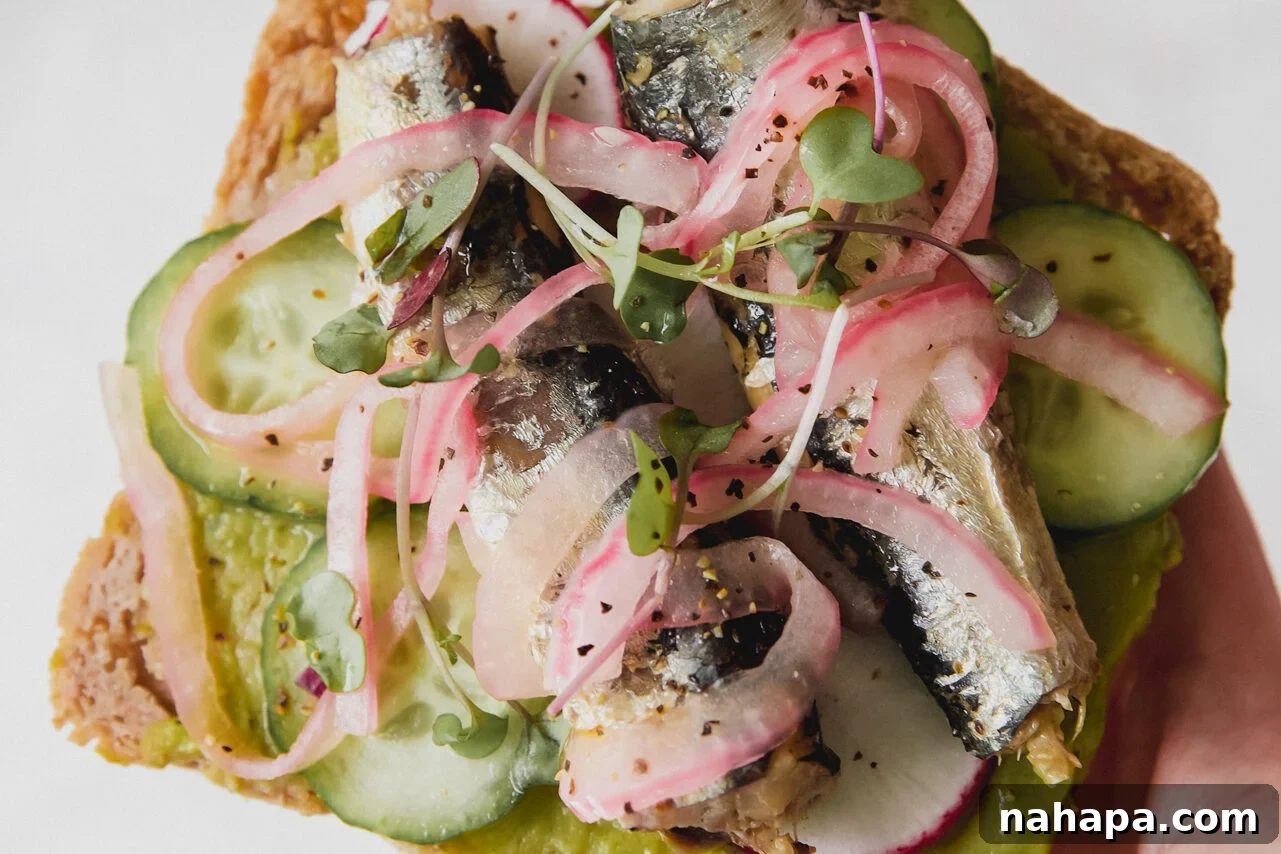
Step Three: Add Sardines and Tangy Onions. Gently place 2-3 whole sardines (or an equivalent amount if using flaked sardines) on each slice of toast. Arrange them attractively. Next, generously scatter the pickled onions over the sardines. The sharp, tangy flavor of the pickled onions is crucial here, providing a delightful contrast to the richness of the avocado and the savory depth of the sardines.
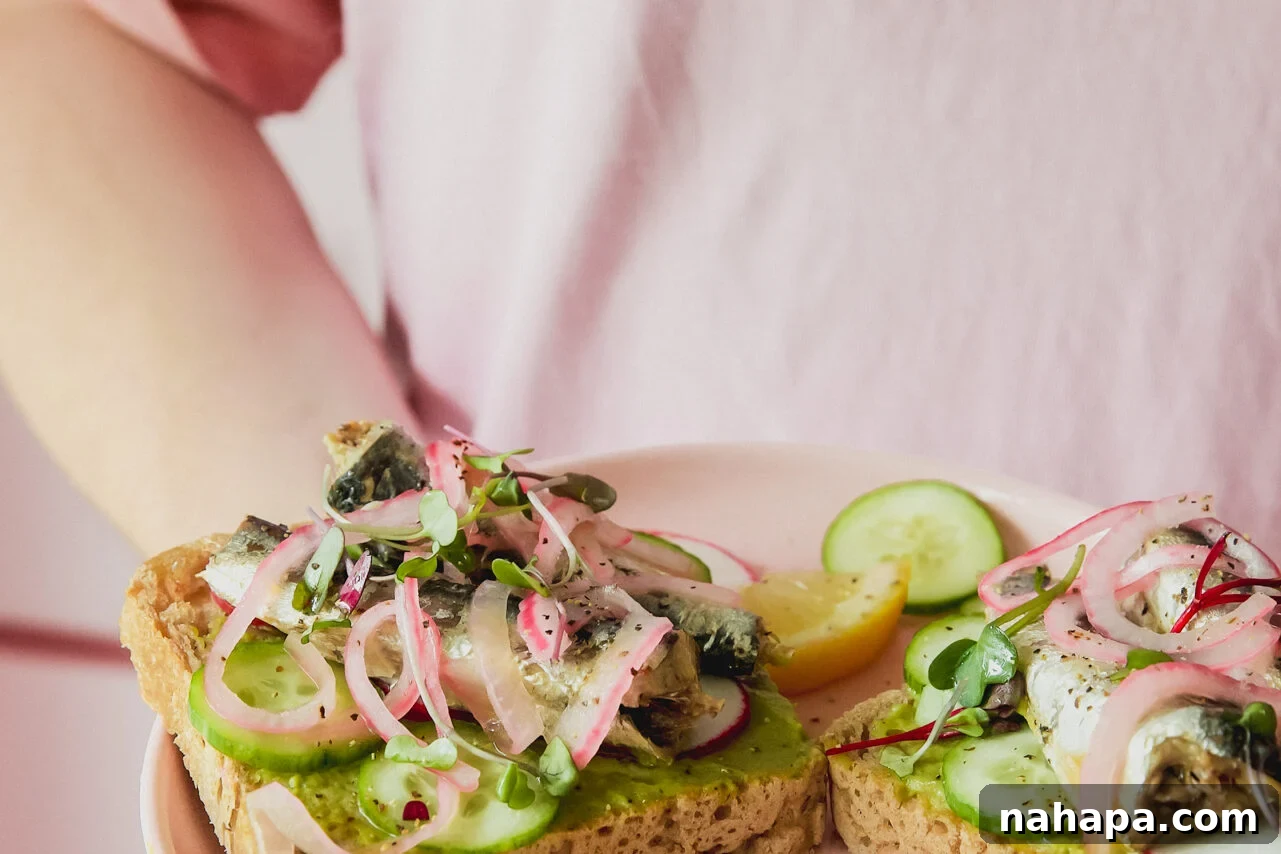
Step Four: The Finishing Touches. Complete your sardine toast by scattering fresh microgreens over the top. Drizzle with an additional squeeze of fresh lemon juice, and finally, sprinkle with a generous pinch of flaky sea salt and a grind of black pepper. The flaky salt provides a wonderful textural element and enhances all the flavors. Serve immediately and enjoy the harmonious blend of textures and tastes!
Elevate Your Toast: Expert Tips & Creative Variations
While this sardine toast recipe is simple and delicious as is, a few expert tips can further enhance your experience, and creative variations can keep things exciting:
- Season to Your Personal Preference: The saltiness of sardines can vary significantly between brands, and the flavor of your bread also plays a role. Always taste your assembled toast before adding extra seasoning. Adjust the flaky salt and pepper according to your liking. A final drizzle of the olive oil from the sardine tin can also add a delightful depth of flavor.
- Enjoy Fresh for Optimal Texture: This toast is best enjoyed immediately after assembly. Like any avocado toast, letting it sit for too long can lead to the bread becoming soggy, especially with the moisture from the vegetables and sardines. If you’re preparing for a short delay, keep the toast and toppings separate and assemble just before serving.
- Choosing Quality Sardines: Invest in high-quality canned sardines. Look for brands that use good olive oil, and if possible, specify the origin of the fish. Portugal, Spain, and France are renowned for their excellent tinned fish. Quality sardines will have a firmer texture and a cleaner, more refined taste.
- Creative Topping Combinations: Don’t be afraid to experiment with other toppings!
- Herbs: Fresh dill, parsley, or chives can add another layer of freshness.
- Spice It Up: A sprinkle of chili flakes or a dash of hot sauce can introduce a pleasant kick.
- Tangy Additions: Capers or finely chopped cornichons can enhance the briny notes.
- Extra Crunch: Toasted sesame seeds or a sprinkle of everything bagel seasoning can add extra texture.
- Creamy Alternatives: A thin smear of dairy-free cream cheese or hummus underneath the avocado can offer a different creamy base.
- Tomatoes: Diced cherry tomatoes or thin slices of ripe tomato add sweetness and juiciness.
- Eggs: For a heartier meal, top with a soft-boiled or fried egg.
- Serving Suggestions: This sardine toast is incredibly versatile. It makes a fantastic light lunch, a nutrient-dense breakfast, or even an elegant appetizer for entertaining. Pair it with a simple side salad for a complete meal.
- Meal Prep for Convenience: While the toast is best fresh, you can prep some components ahead of time. Slice your cucumbers and radishes, make a batch of pickled onions, and have your avocado mash ready (store with a squeeze of lemon juice to prevent browning). This way, assembling the toast takes mere minutes.
Beyond Toast: Other Gluten-Free Fish Recipes to Explore
If you’ve enjoyed this sardine toast and are looking for more delicious ways to incorporate healthy fish into your gluten-free diet, here are some other fantastic recipes to try:
- Salmon Teriyaki Bowls
- Salmon Cucumber Sushi Boats
- Avocado Salmon Salad
If you tried The Easiest Sardine Toast or any other recipe on my blog, please leave a 🌟 star rating and let me know how it went in the 📝 comments below. Your feedback is greatly appreciated and helps other readers discover new favorites. Thanks for visiting!
⭐
⭐
⭐
⭐
The Easiest Sardine Toast
2 slices of toast
5 mins
5 mins
Michelle
Leave a Review
Pin Recipe
Ingredients
Instructions
- Lightly toast the bread and set aside.
- Mash the avocado until smooth, adding a small squeeze of lemon juice and salt and pepper. Spread the avocado mash over the bread.
- Layer the toast, starting with the cucumber and radish slices, then 2-3 whole sardines per slice of toast, then finishing with pickled onion, micro greens, a squeeze of lemon and flaky salt and pepper.
- Enjoy the toast fresh!
Notes
Use avocado mash as a shortcut.
Depending on the brand of sardines you use, they may be more or less salty, so season to your personal preference!
Nutrition Information (Estimated Per Serving):
Serving: 1 slice, Calories: 312kcal, Carbohydrates: 22g, Protein: 18g, Fat: 17g, Saturated Fat: 2g, Polyunsaturated Fat: 4g, Monounsaturated Fat: 7g, Cholesterol: 95mg, Sodium: 313mg, Potassium: 540mg, Fiber: 5g, Sugar: 3g, Vitamin A: 223IU, Vitamin C: 20mg, Calcium: 291mg, Iron: 2mg
Want to save this for later?
Just drop your name and email below. We’ll email it right to your inbox! ✉️
Did you Make this Recipe?
Tag @unboundwellness on Instagram and hashtag #unboundwellness!