This post contains affiliate links.
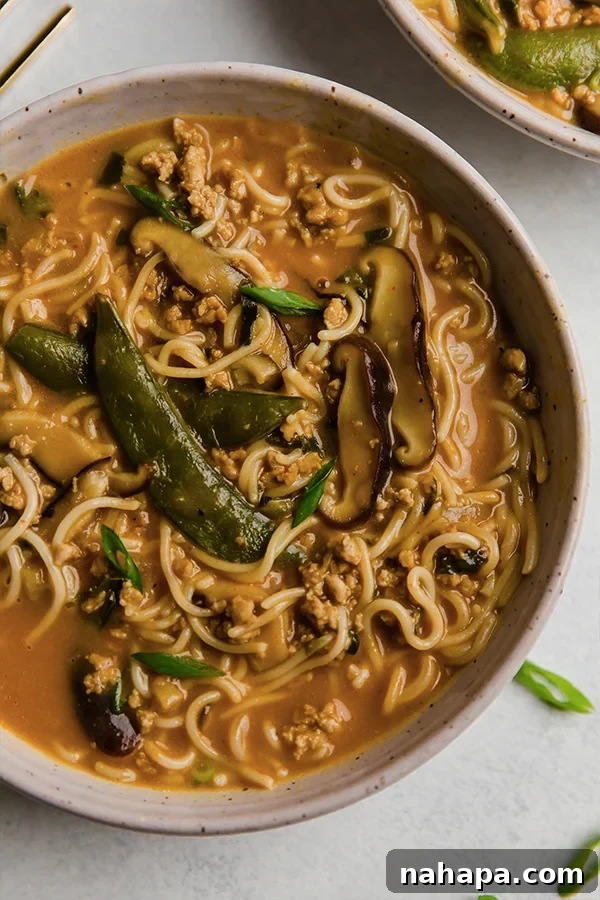
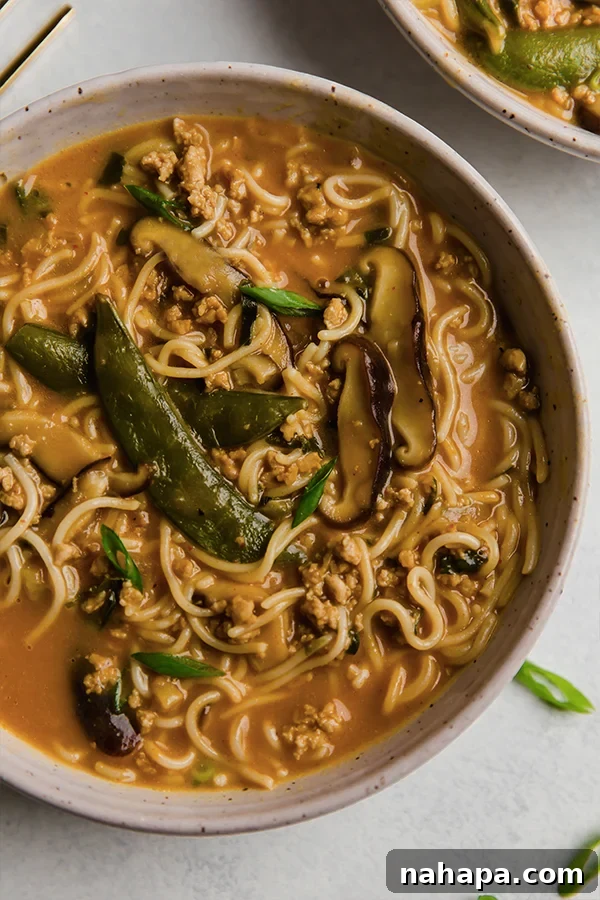
Experience Comfort in a Bowl: Creamy Coconut Curry Ramen (Gluten-Free & Allergy-Friendly)
There’s nothing quite as comforting and satisfying as a warm, savory bowl of ramen. The rich broth, tender noodles, and a medley of flavorful ingredients create an experience that’s deeply nourishing for both body and soul. However, for those navigating food intolerances, enjoying authentic ramen from a local restaurant can often be a challenge. Finding a restaurant-quality ramen that is free from gluten, soy, or nightshades might feel like a quest in itself.
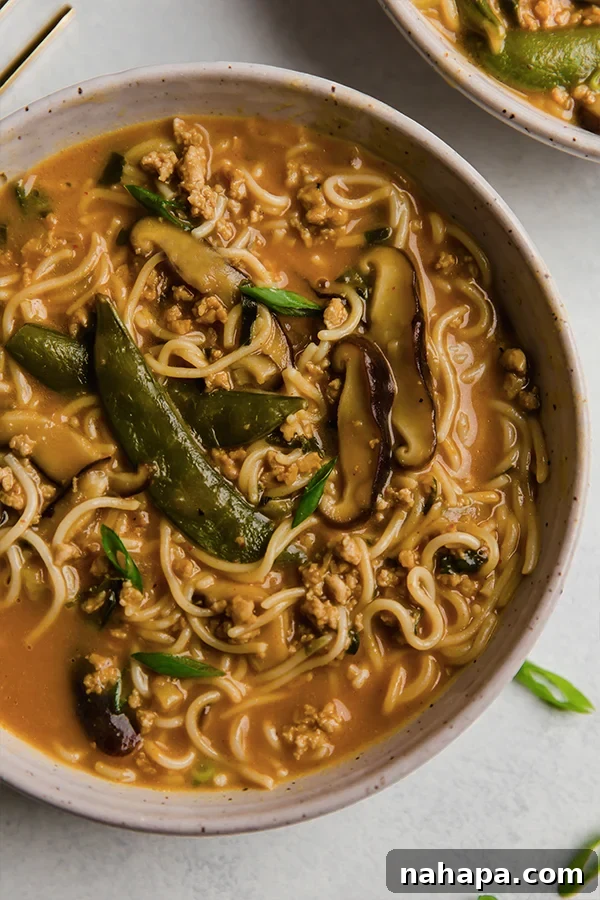
The good news is that recreating this beloved dish at home is not only achievable but also surprisingly simple, allowing you complete control over every ingredient. This recipe for Creamy Coconut Curry Ramen offers a delightful solution, delivering all the complex flavors and comforting textures you crave, while being entirely gluten-free, soy-free, and adaptable for those following an AIP (Autoimmune Protocol) or nightshade-free diet. It’s a versatile and wholesome meal packed with vibrant vegetables and an explosion of delicious, aromatic spices.
Why Choose Homemade Ramen? The Benefits of Crafting Your Own Bowl
Beyond catering to specific dietary needs, making ramen at home comes with a host of advantages. Firstly, you have unparalleled control over the quality and freshness of your ingredients. You can opt for organic vegetables, pasture-raised meats, and high-quality broths, ensuring your meal is as nutritious as it is delicious. Secondly, it’s often more cost-effective than dining out, especially when feeding a family. Lastly, the customization possibilities are endless. Don’t like a particular vegetable? Swap it out! Prefer a different protein? Go for it! Homemade ramen is a canvas for your culinary creativity, allowing you to tailor it perfectly to your taste buds.
This particular Coconut Curry Ramen stands out with its incredibly creamy broth, achieved through the magic of coconut milk. This ingredient not only adds a luxurious texture but also brings a subtle sweetness that balances the savory notes of the curry. Combined with lean protein and a colorful array of fresh vegetables, this dish transforms into a powerhouse of nutrients, making it a truly wholesome and guilt-free indulgence.
The Heart of the Bowl: Essential Ingredients for Our Creamy Coconut Curry Ramen
Crafting this flavorful ramen begins with selecting high-quality components. Each ingredient plays a vital role in building the dish’s depth, aroma, and creamy texture.
- Ground Pork: The foundation of this hearty ramen. Ground pork adds a delicious savory depth to the broth. For those seeking alternatives, ground chicken or turkey can be used for a lighter option. If you prefer a vegetarian or vegan version, consider firm tofu, tempeh, or simply loading up on extra vegetables for a plant-based delight. Ensure your pork is crumbled and cooked until nicely browned to develop rich flavor.
- Salt and Pepper: Basic seasonings that are essential for enhancing the natural flavors of the pork and balancing the overall dish. Season generously to your preference.
- Coconut Aminos: A fantastic soy-free alternative to soy sauce, coconut aminos provide a similar umami depth with a slightly sweeter profile. It’s crucial for achieving that characteristic Asian-inspired flavor while keeping the recipe soy-free. We use it both for seasoning the pork and enriching the broth.
- Coconut Oil: The preferred cooking fat for sautéing our aromatics and vegetables. Coconut oil imparts a subtle tropical aroma that complements the coconut milk and curry paste beautifully.
- Aromatics (Onion, Garlic, and Ginger): These three ingredients form the aromatic backbone of countless Asian dishes, and this ramen is no exception. Diced onion, minced garlic, and grated fresh ginger create a fragrant base that infuses the entire broth with warmth and complexity. Don’t skip these; they are flavor powerhouses!
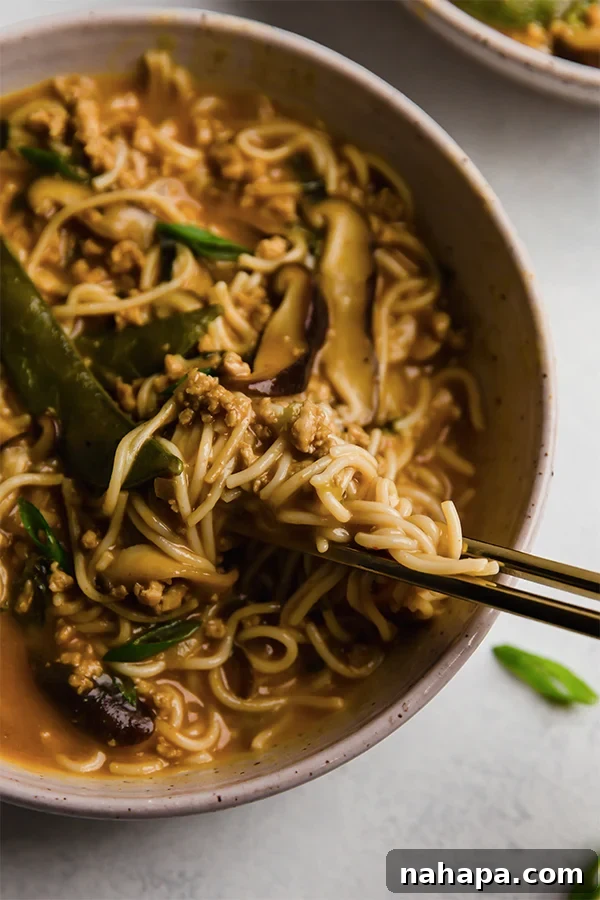
- Fresh Vegetables (Baby Bok Choy, Shiitake Mushrooms, and Sugar Snap Peas): This combination brings a fantastic mix of textures and nutrients. Baby bok choy offers a delicate crunch, shiitake mushrooms contribute a meaty texture and earthy umami, while sugar snap peas add a sweet crispness. These vegetables not only boost the nutritional profile but also absorb the rich curry broth, adding bursts of flavor in every bite. Feel free to incorporate other favorites like carrots, spinach, or bell peppers (if not nightshade-free).
- Chicken Broth: The liquid base of our ramen. A high-quality chicken broth will significantly impact the depth of flavor in your final dish. Opt for low-sodium options to control the saltiness yourself, or use homemade broth for the best results.
- Coconut Milk: This is where the “creamy” in our “creamy coconut curry ramen” comes from! Full-fat canned coconut milk is essential for achieving a rich, velvety texture and a luxurious mouthfeel. It also balances the spice from the curry paste and provides healthy fats.
- Curry Paste: The star flavor component, infusing the broth with its signature complex spice blend. Use 1-2 tablespoons depending on your preferred spice level and the intensity of your curry paste. For an AIP-compliant version, you will need to omit this ingredient and rely on turmeric for flavor.
- Turmeric Powder: Known for its vibrant golden color and potent anti-inflammatory properties, turmeric adds a warm, earthy note and contributes to the beautiful hue of the broth. It’s particularly important if omitting curry paste for AIP.
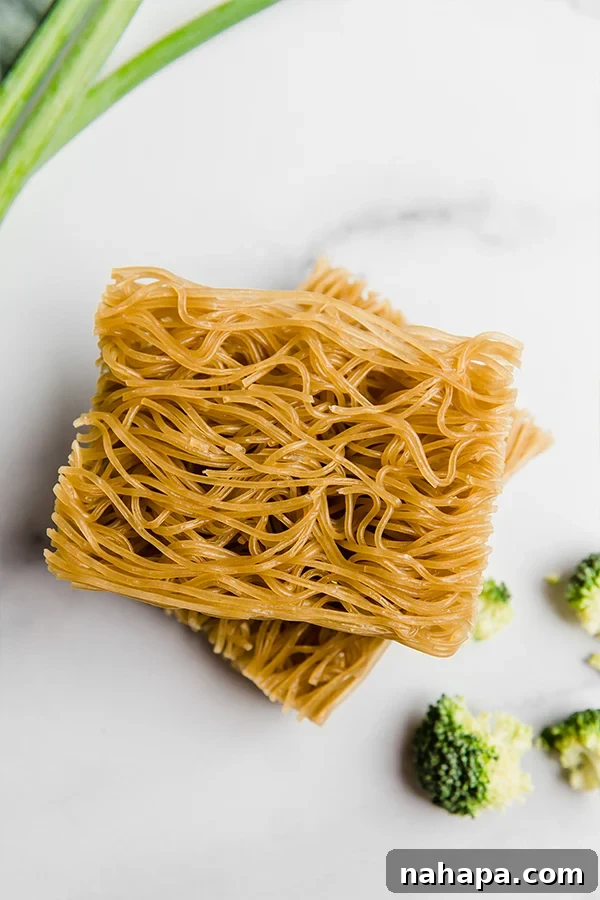
- Gluten-Free Ramen: The noodle component that makes this dish ramen! Look for rice-based gluten-free ramen noodles, which offer a similar chewiness to traditional wheat noodles without the gluten. For those on an AIP diet, sweet potato glass noodles or zucchini noodles are excellent alternatives.
- Fresh Toppings (Lime and Green Onion): These final touches are non-negotiable! Fresh lime juice adds a bright, zesty counterpoint to the rich broth, cutting through the creaminess and awakening the flavors. Chopped green onions provide a fresh, pungent garnish and a pop of color.
Crafting Your Bowl: Step-by-Step Instructions for Coconut Curry Ramen
This recipe is designed for simplicity, making it perfect for a weeknight meal or a cozy weekend treat. Follow these steps to create your perfect bowl of creamy coconut curry ramen.
- Prepare the Ground Pork: Begin by heating a large Dutch oven or a sturdy pot over medium heat. Add your ground pork, seasoning it generously with salt and pepper. Using a spoon or spatula, break up the pork and cook it until it’s fully browned and no longer pink. Once cooked, stir in 1 tablespoon of coconut aminos, allowing it to coat the pork and enhance its savory notes. Carefully remove the cooked pork from the pot and set it aside, draining any excess fat to prevent the broth from becoming overly greasy.
- Sauté the Aromatics and Vegetables: Return the pot to the stove (no need to clean it). Add 1 tablespoon of coconut oil. Once melted, add the diced onion, minced garlic, and grated ginger. Sauté these aromatics for 3-4 minutes, or until they become fragrant and the onion softens and turns translucent. Next, add the baby bok choy, sugar snap peas, and shiitake mushrooms to the pot. Sauté for another 3 minutes, stirring occasionally, until the vegetables are lightly tender-crisp. You want them cooked but still retaining some bite.
- Build the Flavorful Broth: Return the cooked ground pork to the pot with the sautéed vegetables. Pour in the chicken broth and coconut milk. Stir in the remaining 2 tablespoons of coconut aminos, the curry paste (if using), turmeric powder, and additional salt and pepper to taste. Bring the mixture to a boil, then immediately reduce the heat to a high simmer, allowing the flavors to meld and deepen for about 5-7 minutes. This simmering time is crucial for developing a rich and cohesive broth.
- Cook the Ramen Noodles: Carefully add the gluten-free ramen noodles to the simmering broth. Allow them to cook for 2-3 minutes, gently using tongs to separate the noodle bricks and stir them into the liquid. Keep an eye on the noodles; gluten-free varieties can sometimes cook faster than traditional ones. You want them tender but still firm to the bite.
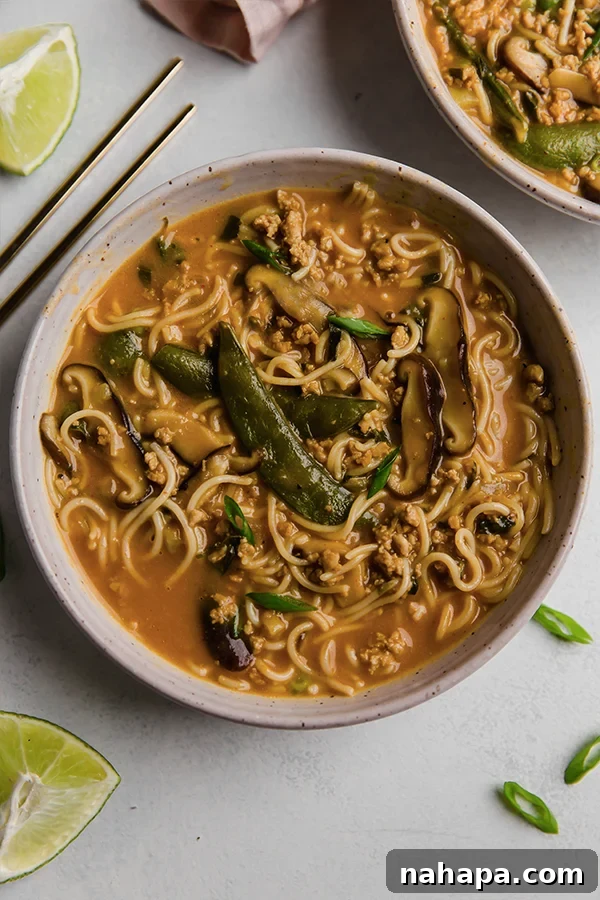
- Finish and Serve: Once the ramen noodles are perfectly cooked, turn off the heat. Ladle the creamy coconut curry ramen generously into individual serving bowls. Squeeze fresh lime juice over each serving—this brightens the entire dish and adds a delightful tang. Garnish with a sprinkle of chopped green onions. For an extra touch, consider adding a soft-boiled egg, a drizzle of chili oil (if not AIP/nightshade-free), or a dash of sesame seeds. Serve immediately and savor every spoonful!
Frequently Asked Questions About This Ramen
Is this creamy coconut curry ramen healthy?
The term “healthy” can be subjective, but this ramen recipe is certainly crafted with an abundance of wholesome, nutrient-dense ingredients. We prioritize lean protein, a variety of fresh vegetables, healthy fats from coconut milk, and anti-inflammatory spices like turmeric. By making it at home, you avoid artificial additives, excessive sodium, and unhealthy oils often found in restaurant or instant ramen. It’s a balanced meal that supports overall well-being.
Can I use a protein other than ground pork?
Absolutely! This recipe is incredibly versatile when it comes to protein. If you prefer a lighter meat, ground chicken or ground turkey are excellent substitutions that will still absorb the rich flavors of the broth. For a completely plant-based option, you can omit the ground meat altogether and boost the vegetable content, or add pan-fried firm tofu or tempeh for a satisfying texture and protein kick. Just ensure any alternative protein is cooked thoroughly and seasoned well before adding it to the broth.
Can this recipe be made AIP (Autoimmune Protocol) compliant?
Yes, it certainly can! With a couple of simple adjustments, this delicious ramen can fit within the AIP guidelines:
- Noodle Swap: Instead of gluten-free rice ramen, opt for sweet potato glass noodles, which are naturally AIP-friendly. Alternatively, spiralized zucchini noodles make a fantastic light and fresh option, though the texture will be different from traditional ramen. While technically not “ramen” in the traditional sense without the specific noodles, the rich broth and flavorful ingredients still deliver a deeply satisfying “ramen-style” experience.
- Curry Paste Omission: Curry pastes often contain nightshades (like chili peppers) and sometimes other AIP no-nos. For an AIP version, simply omit the curry paste entirely. The dish will still be incredibly flavorful, driven by the fresh ginger, garlic, onion, coconut aminos, and especially the turmeric, creating a wonderful turmeric “curry” ramen. It’s a delightful flavor profile in its own right!
Beyond the Bowl: Tips for Enjoying and Storing Your Ramen
This creamy coconut curry ramen is best enjoyed fresh, but leftovers can be stored and reheated. To keep the noodles from getting too soft, you might consider storing the noodles separately from the broth if you anticipate having a lot left. Reheat the broth gently on the stovetop and add fresh noodles if desired, or simply warm the entire dish and enjoy. The flavors often deepen overnight, making it an even more delightful meal the next day.
Looking for More Comforting Noodle Dishes?
If you loved this creamy coconut curry ramen, you might also enjoy these other nourishing and flavorful recipes:
- Asian Inspired Chicken Noodle Soup
- Chicken and Ramen Stir Fry
- Ground Beef Ramen Noodle Stir Fry
Creamy Coconut Curry Ramen {Gluten-free}
4
servings
15 minutes
30 minutes
Michelle
Leave a Review
Pin Recipe
Want to save this for later?
Just drop your name and email below. Then we’ll email right to your inbox. ✉️
Ingredients
- 1 lb ground pork
- Salt and pepper to taste
- 3 tbsp coconut aminos, divided
- 1 tbsp coconut oil
- ½ onion, diced
- 3 cloves garlic, minced
- 1 thumb ginger, grated
- 1 head baby bok choy, chopped
- 4 oz shitake mushrooms, sliced
- 1 cup sugar snap peas
- 3 ½ cups chicken broth
- 1 ½ cups coconut milk
- 1-2 tbsp curry paste, see notes for AIP
- 1 tsp turmeric powder
- 2 bricks gluten-free ramen
- Juice of one lime
- 2 tbsp green onion, chopped
Instructions
-
Using a large Dutch oven over medium heat, add the ground pork. Season with salt and pepper and crumble until fully cooked. Add 1 tbsp coconut aminos and stir to combine. Set aside and drain the excess fat.
-
Add the coconut oil to the pot and sauté the onion, garlic, and ginger for 3-4 minutes. Add the bok choy, snap peas, and mushrooms and sauté for another 3 minutes or until lightly tender.
-
Add the ground pork back to the pot and pour in the broth, coconut milk, 2 tbsp coconut aminos, curry paste, turmeric, and salt and pepper. Stir and bring to a boil and reduce to a high simmer.
-
Add the ramen to the broth and allow to simmer for 2-3 minutes. Use tongs to separate the ramen and stir.
-
Once the ramen is cooked through, turn off the heat. Serve topped with lime juice and green onion.
Notes
To make AIP:
- Use sweet potato glass noodles or zucchini noodles instead of ramen.
- Omit the curry paste. This basically makes it a turmeric “curry” ramen instead, but I have it this way instead and it’s delicious.
Serving: 1g
,
Calories: 678kcal
,
Carbohydrates: 39.8g
,
Protein: 28.1g
,
Fat: 47g
,
Fiber: 3g
Did you Make this Recipe?
Tag @unboundwellness on Instagram and hashtag #unboundwellness!