
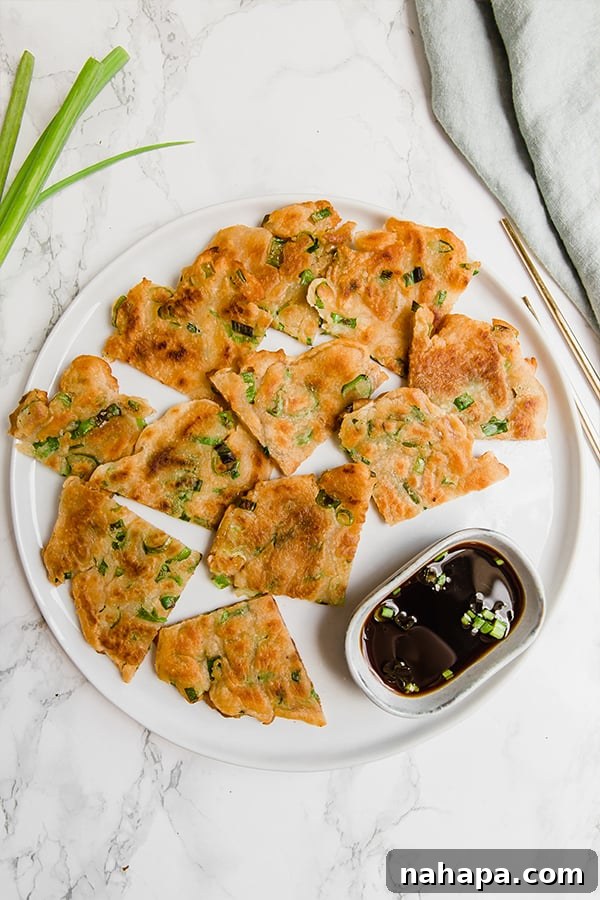
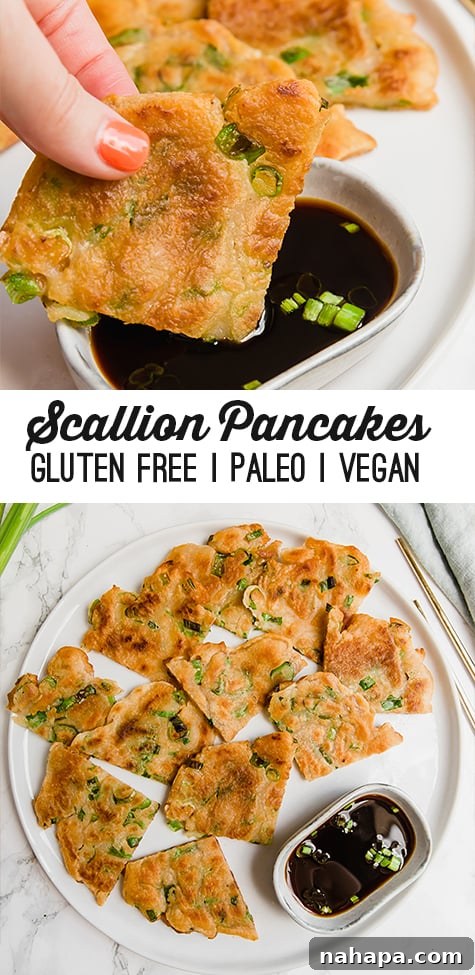
Embark on a culinary adventure with these incredible Gluten-Free Scallion Pancakes! A delightful twist on the classic Chinese flatbread, this recipe brings together a harmonious blend of chewy, crispy, and savory flavors. Perfect for those following gluten-free, Paleo, or Autoimmune Protocol (AIP) diets, these pancakes prove that dietary restrictions don’t mean sacrificing taste or texture. Prepare to be amazed by how easily you can create this satisfying dish right in your own kitchen, offering a healthy and delicious alternative to a beloved comfort food.
What Are Scallion Pancakes (Cong You Bing)?
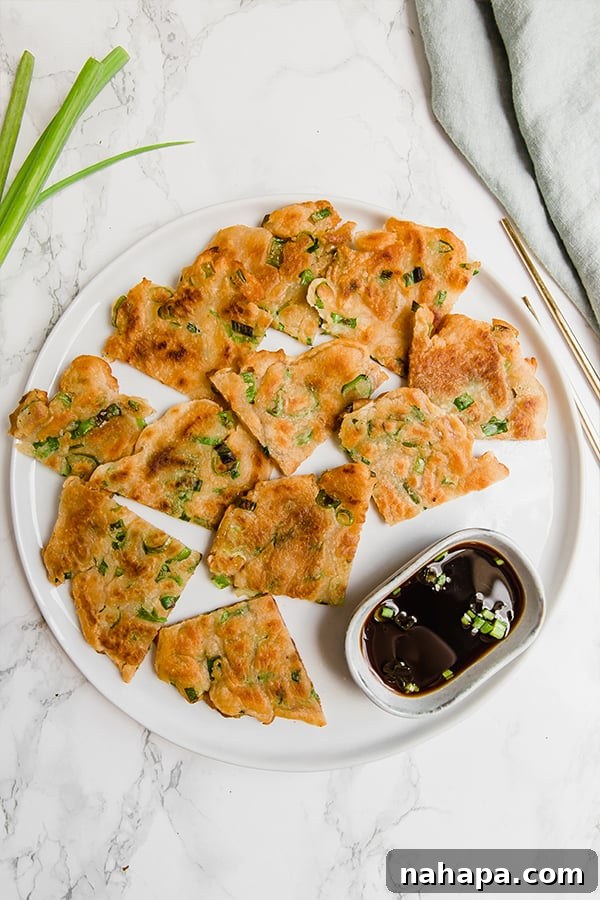
Scallion pancakes, known in Mandarin as Cong You Bing (葱油饼), are a revered staple in Chinese cuisine. Unlike the sweet, fluffy American pancakes often enjoyed with syrup, these are a savory flatbread characterized by their distinctive chewy interior, crispy exterior, and the aromatic burst of fresh green onions. They are traditionally made by layering dough with oil and finely chopped scallions, then rolling and flattening before pan-frying to golden perfection.
The magic of a good scallion pancake lies in its unique texture – a delicate balance between a slightly dense, elastic dough and numerous flaky, crispy layers created during the rolling process. Each bite offers a satisfying crunch followed by a tender chew, infused with the subtle, savory notes of scallions and a hint of salt. They are incredibly versatile, serving as a popular appetizer, a satisfying snack, or a delightful accompaniment to various main dishes. This recipe captures all the traditional appeal while making it accessible for a wider range of dietary needs.
Why Choose Gluten-Free, Paleo, and AIP Scallion Pancakes?
For many, enjoying classic dishes like scallion pancakes comes with dietary challenges. Traditional recipes rely heavily on wheat flour, making them off-limits for individuals with gluten sensitivities, Celiac disease, or those following specific dietary protocols. This recipe thoughtfully addresses these concerns, opening up a world of flavor without compromise.
Gluten-Free: By replacing wheat with cassava and arrowroot flours, these pancakes become safe and enjoyable for anyone avoiding gluten. This is crucial for managing conditions like Celiac disease and non-Celiac gluten sensitivity, helping to prevent uncomfortable symptoms and promote better digestive health.
Paleo: The Paleo diet focuses on eating whole, unprocessed foods that were presumably available to our ancestors. This means excluding grains, legumes, dairy, and refined sugars. Our scallion pancakes are crafted to fit seamlessly into a Paleo lifestyle, using compliant flours and healthy fats, allowing you to enjoy a flavorful dish that supports your health goals.
AIP (Autoimmune Protocol): The Autoimmune Protocol is a stricter elimination diet designed to help manage autoimmune conditions by reducing inflammation and promoting gut healing. AIP further restricts common allergens and inflammatory foods such as eggs, nuts, seeds, nightshades, and certain spices. This recipe is carefully formulated to be AIP-compliant, making it a wonderful option for those on this healing journey who still crave delicious and satisfying meals. It demonstrates that even on a restrictive diet, culinary creativity can thrive, bringing joy back to eating.
By opting for this specialized version, you’re not just making a meal; you’re making a choice for your health, ensuring that you can savor every bite without worrying about adverse reactions, all while enjoying a dish that is inherently vibrant and flavorful.
Essential Ingredients for AIP & Gluten-Free Scallion Pancakes
Crafting these dietary-friendly scallion pancakes requires a careful selection of ingredients that mimic the texture and flavor of the traditional version while adhering to strict dietary guidelines. Each component plays a vital role in achieving the perfect balance of chewy, crispy, and savory.
Cassava Flour
Cassava flour is a game-changer for gluten-free and grain-free baking. Derived from the cassava root, it has a neutral flavor and a fine texture that makes it an excellent substitute for wheat flour in many recipes. In these pancakes, cassava flour provides the necessary bulk and a delightful chewiness, contributing significantly to the flatbread’s structural integrity and satisfying mouthfeel. It’s an essential base that helps achieve that traditional doughy texture without any gluten.
Arrowroot Starch
Arrowroot starch, also known as arrowroot powder, is a powerful binding agent that is both gluten-free and AIP-compliant. It helps to create a cohesive dough, improving its elasticity and making it easier to handle. Furthermore, arrowroot starch contributes to the desirable crispiness of the pancakes when fried, ensuring that flaky exterior that is so characteristic of authentic scallion pancakes. It prevents the dough from becoming too dense and adds a lightness to the final product.
Avocado Oil
Avocado oil is a fantastic choice for this recipe due to its high smoke point and neutral flavor. This healthy fat is used both in the dough to add richness and moisture, and for frying the pancakes to achieve that beautiful golden crisp. Its mild taste ensures that the savory flavors of the scallions are the star, without any overpowering oil notes. It’s also a great source of monounsaturated fats, making it a healthy choice for cooking.
Fresh Scallions
The star ingredient, fresh scallions (green onions), provides the signature savory flavor and aroma that defines this dish. You’ll want to use a generous amount, finely chopped, to ensure every bite is bursting with their mild, oniony goodness. Scallions are not just for flavor; they also add a vibrant pop of color to the pancakes, making them visually appealing.
Hot Water
The temperature of the water is critical for this dough. Using hot (but not boiling) water helps to “bloom” the cassava and arrowroot starches, creating a more pliable and workable dough. It’s a technique commonly used in various flatbreads to achieve a softer, more extensible dough that’s easier to roll out thinly and results in a tender final texture. This is key for developing that signature chewiness.
Apple Cider Vinegar & Baking Soda
Together, these two ingredients act as a gentle leavening agent. The apple cider vinegar reacts with the baking soda to create tiny air pockets in the dough, contributing to a slightly lighter texture and helping the pancakes puff up ever so slightly during cooking. The vinegar also adds a subtle tang that complements the savory scallions beautifully, enhancing the overall flavor profile without being overtly noticeable.
Sea Salt
A simple yet indispensable ingredient, sea salt is crucial for seasoning the dough and enhancing all the other flavors. It balances the richness of the oil and the earthiness of the flours, bringing out the vibrant taste of the scallions. Ensure an even distribution of salt throughout the dough for consistent seasoning in every pancake.
How to Make Perfect Gluten-Free Scallion Pancakes: Step-by-Step Guide
Creating these delightful gluten-free, Paleo, and AIP scallion pancakes is a rewarding process. Follow these detailed steps to ensure perfectly chewy, crispy, and savory results every time.
- Prepare the Dry Ingredients: In a large mixing bowl, combine the cassava flour, arrowroot starch, sea salt, and baking soda. Whisk them together thoroughly until all ingredients are well incorporated and there are no lumps. This ensures an even distribution of leavening and seasoning.
- Form the Dough: Gradually pour the hot water into the dry mixture, stirring continuously with a sturdy spoon or spatula. Continue mixing until a shaggy, somewhat crumbly dough forms. Next, add the avocado oil and apple cider vinegar. Mix well until the dough comes together more cohesively. You may need to use your hands to gently knead it within the bowl for a minute or two until it forms a soft, pliable ball.
- Incorporate the Scallions: Add the chopped scallions to the dough. Gently fold and knead them into the dough until they are evenly distributed. Be careful not to overwork the dough at this stage; just ensure the scallions are well incorporated throughout.
- Roll the Pancakes: Lightly dust a clean work surface with a small amount of arrowroot starch to prevent sticking. Divide the dough into three equal portions. Take one portion and, using a rolling pin (or your hands if the dough feels too delicate), gently roll it out into a round, thin pancake, aiming for about 1/4 to 1/3 inch thick. The dough should be thin enough to cook through and become crispy but not so thin that it tears easily. Repeat with the remaining dough balls.
- Fry to Perfection: Heat a large non-stick pan over medium heat and add enough avocado oil to lightly coat the bottom (about 1-2 tablespoons per pancake). Once the oil is shimmering, carefully place one pancake into the hot pan. Fry for approximately 2-3 minutes on each side, or until the pancake is golden brown and lightly crisped. Adjust heat as needed to prevent burning. The edges should be crispy, and the center cooked through. Remove from the pan and set aside on a wire rack to maintain crispiness while you cook the others.
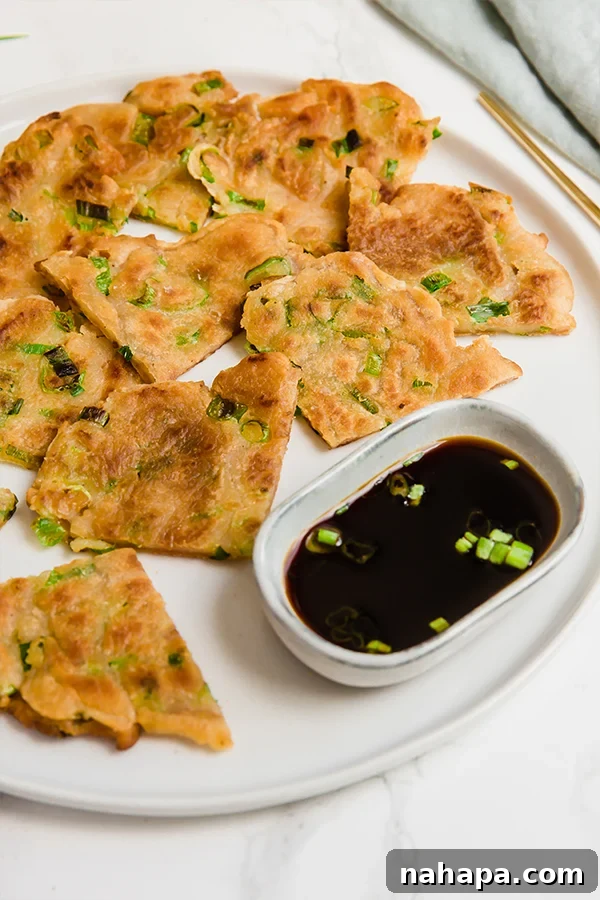
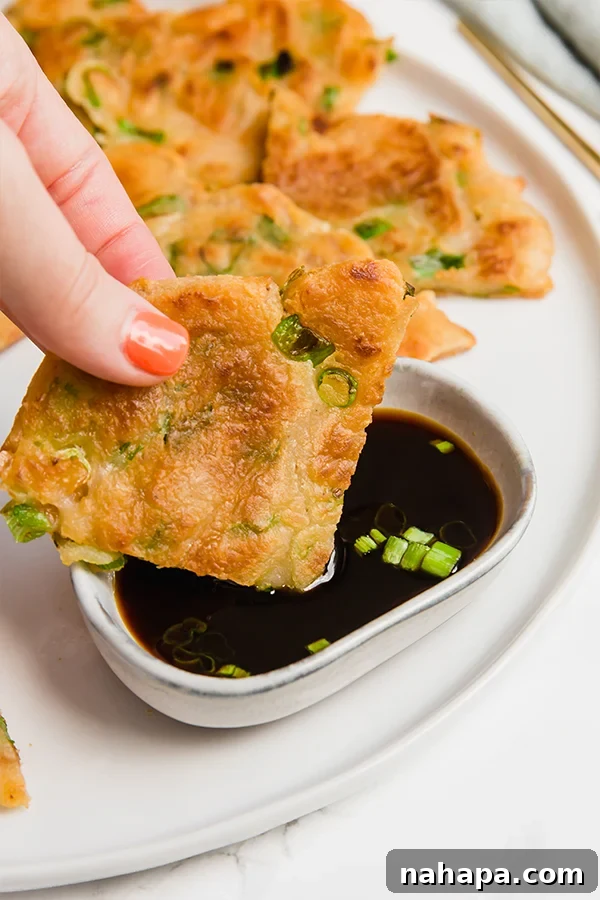
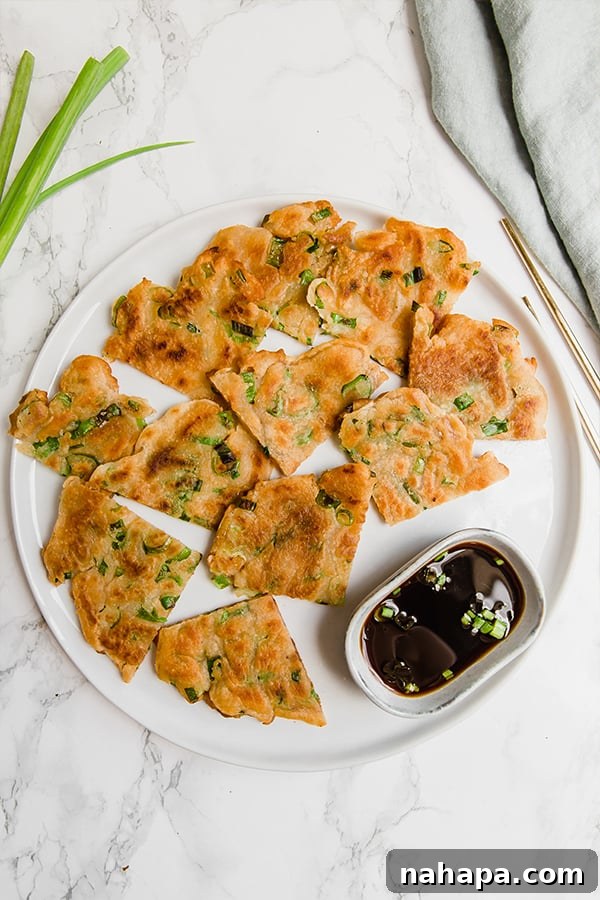
- Serve and Enjoy: Once all pancakes are cooked, slice each one into fours or wedges for easier sharing and dipping. Serve them immediately with coconut aminos, a classic AIP-friendly dipping sauce, or any other preferred accompaniment. These are fantastic as a side dish, appetizer, or a delicious snack on their own!
Tips for Achieving the Best Scallion Pancakes
Mastering gluten-free and AIP scallion pancakes means paying attention to a few key details. These tips will help you achieve that desirable chewy interior and wonderfully crispy exterior every time.
Dough Consistency is Key
The dough should be soft, pliable, and slightly tacky but not overly sticky. If your dough feels too dry and crumbly after mixing, add a tiny bit more hot water, a teaspoon at a time, until it comes together. If it’s too sticky, dust it with a little more arrowroot starch. The right consistency makes rolling much easier and contributes to the final texture.
Rolling Technique Matters
For those iconic flaky layers, thinness is important. Roll the dough as thinly as possible without tearing it. Because gluten-free dough can be more delicate, work gently. Use a generous dusting of arrowroot starch on your surface and rolling pin to prevent sticking. Even if the edges aren’t perfectly round, the taste will still be amazing!
Frying for Optimal Crispiness
The secret to crispy scallion pancakes lies in the frying. Ensure your pan is hot enough (medium heat) before adding the oil and pancakes. Don’t overcrowd the pan; cook one or two at a time to maintain consistent temperature. Use enough avocado oil to generously coat the bottom of the pan. Press down gently on the pancakes with a spatula while frying to maximize contact with the hot surface, promoting a crispier crust. Cook until deeply golden brown on both sides.
Flavor Variations (AIP-Friendly)
While the basic recipe is fantastic, feel free to experiment with AIP-compliant additions. A pinch of garlic powder or ginger powder (if tolerated and AIP-compliant for you) can add extra depth of flavor to the dough. You can also finely chop other AIP-friendly herbs like cilantro or chives and fold them into the dough alongside the scallions for a fresh twist.
Serving Suggestions and Pairings
These gluten-free scallion pancakes are incredibly versatile and can be enjoyed in various ways. Their savory profile makes them an excellent companion to a multitude of dishes.
- Classic Dipping: The simplest and most popular way to enjoy them is with a side of coconut aminos, which offers a soy-free, gluten-free, and AIP-compliant alternative to soy sauce.
- Enhanced Dips: For a more complex flavor, create an AIP-friendly dipping sauce by combining coconut aminos with a splash of apple cider vinegar, a tiny bit of grated ginger, and a sprinkle of chopped fresh cilantro.
- As a Side Dish: These pancakes are perfect alongside stir-fries, grilled chicken or fish, or even a comforting bowl of soup. They soak up flavors wonderfully and add a delightful texture contrast to any meal.
- Appetizer or Snack: Cut them into smaller wedges and serve them as an impressive appetizer for guests or simply enjoy them as a satisfying snack throughout the day.
- Meal Prep Component: Make a larger batch and incorporate them into your weekly meal prep for a quick and easy addition to lunches or dinners.
Storage and Reheating
Leftover scallion pancakes can be just as delicious as freshly made ones if stored and reheated properly.
- Refrigeration: Store cooked and cooled scallion pancakes in an airtight container in the refrigerator for up to 3-4 days.
- Freezing: For longer storage, allow the pancakes to cool completely. Place parchment paper between each pancake to prevent sticking, then stack them in a freezer-safe bag or container. They can be frozen for up to 2-3 months. Thaw in the refrigerator overnight before reheating.
- Reheating: The best way to reheat scallion pancakes is in a dry, non-stick pan over medium heat until warmed through and crispy again, about 2-3 minutes per side. You can also reheat them in a toaster oven or conventional oven at 350°F (175°C) for about 5-10 minutes for optimal crispiness. Microwaving is generally not recommended as it can make them soggy.
Frequently Asked Questions (FAQ)
Can I make the dough ahead of time?
Yes, you can prepare the dough in advance. After incorporating the scallions, form it into a ball, cover it tightly with plastic wrap or place it in an airtight container, and refrigerate for up up to 24 hours. Let it come to room temperature for about 15-20 minutes before rolling and frying.
What can I use instead of cassava flour?
For this specific AIP-compliant recipe, cassava flour is ideal for its texture. While other gluten-free flours like tapioca starch or plantain flour might work, they may alter the final texture and require adjustments in water quantity. It’s best to stick to cassava flour for the most authentic result.
How do I get them extra crispy?
To achieve maximum crispiness, ensure your pan is adequately hot and you use enough avocado oil for frying. Don’t overcrowd the pan, and press down lightly with a spatula while cooking each side. Frying for a minute or two longer on each side until they are a deep golden brown will also help enhance the crunch.
Are these scallion pancakes vegan?
Yes, this recipe for scallion pancakes is naturally vegan as it contains no animal products. It uses plant-based ingredients exclusively, making it suitable for both vegan and AIP diets.
These Gluten-Free Scallion Pancakes are more than just a recipe; they’re an invitation to explore delicious flavors without dietary limitations. Whether you’re adhering to specific health protocols or simply looking for a healthier alternative to a classic, these chewy, crispy, and savory flatbreads are sure to become a new favorite. Enjoy the process of making them and savor every delightful bite!
You’ll Also Love These AIP & Paleo Recipes
- Orange Chicken Meal Prep (AIP)
- Mongolian Beef Stir-Fry (Paleo & AIP)
Recipe Rating: 5 out of 5 stars from 10 reviews
Scallion Pancakes (Gluten Free, Vegan, Paleo, AIP)
Yield: 3 pancakes
Prep Time: 10 mins
Cook Time: 15 mins
Author: Michelle
Print Recipe
Leave a Review
Pin Recipe
Want to save this for later? Sign up for our newsletter to get delicious AIP and Paleo recipes delivered straight to your inbox!
Ingredients
- ½ cup + 2 tbsp cassava flour
- 3 tbsp arrowroot starch, plus extra for flouring a surface
- ⅛ tsp baking soda
- ½ tsp sea salt
- ½ cup hot water
- 2 tbsp avocado oil, plus extra for frying
- 1 tsp apple cider vinegar
- ½ cup scallions, chopped
Instructions
- Using a large bowl, mix together the flours, salt, and baking soda until well incorporated.
- Slowly pour the hot water into the dough and stir well to form a shaggy dough. Pour in the oil and apple cider vinegar and mix well.
- Gently fold in the scallions until well incorporated.
- Lightly dust a clean surface with some arrowroot starch and divide the dough into 3 equal balls. Use a rolling pin (or your hands if the dough is too delicate and sticky) to form the dough balls into round, thin pancakes that are about 1/4-1/3″ thick.
- Use a large pan to heat avocado oil over medium heat. Fry the pancakes one at a time for about 2-3 minutes on each side, or until lightly crisped. Set aside.
- Slice the pancakes into fours and serve with coconut aminos as a side dish or appetizer.
Notes
All nutritional information are estimations and will vary. Nutritional information does not include optional ingredients.
Nutrition Information (Estimated):
- Serving: 1 pancake
- Calories: 297 kcal
- Carbohydrates: 22.7 g
- Protein: 5.1 g
- Fat: 21.2 g
- Fiber: 8.8 g
All nutrition facts are estimated and will vary. Consult a professional for precise dietary information.
Did you Make this Recipe? Tag @unboundwellness on Instagram and hashtag #unboundwellness!