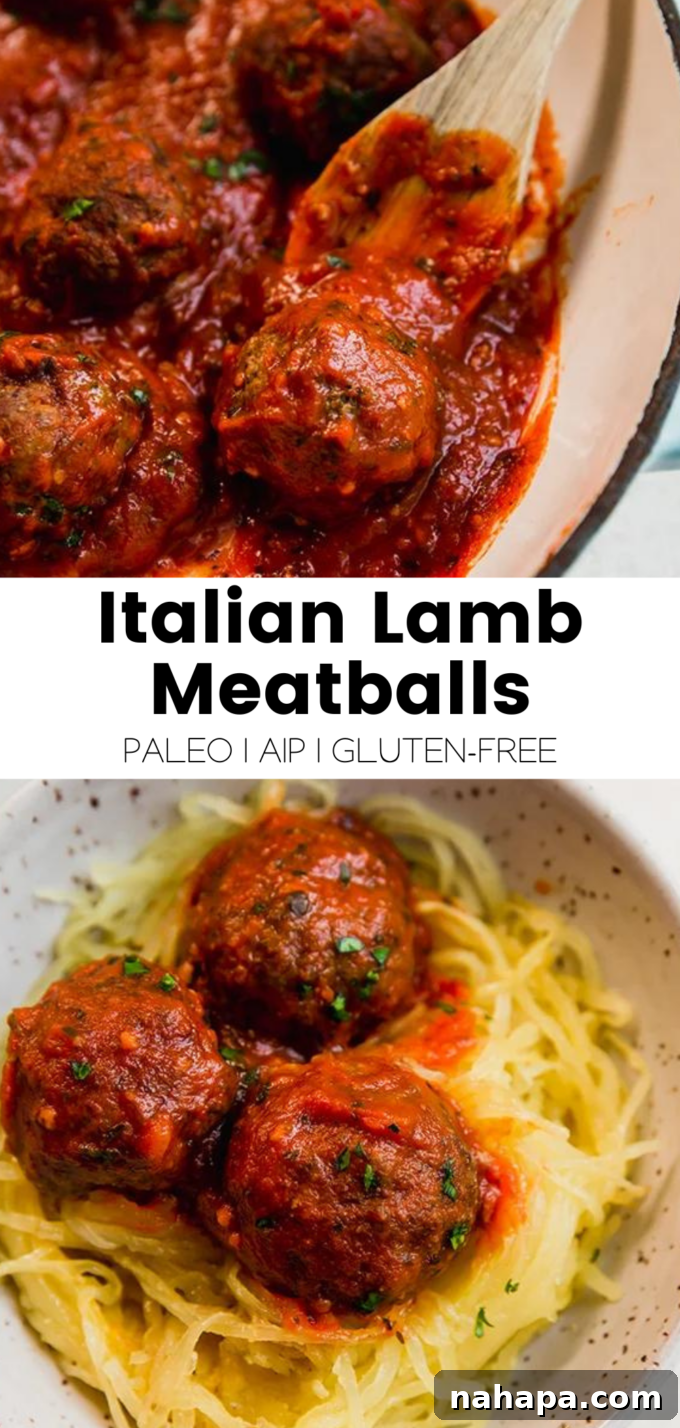
There’s an undeniable magic in a plate of classic spaghetti and meatballs, a dish that instantly conjures feelings of comfort and home. As someone who grew up in an Italian American family, I can attest that few meals rival the soulful satisfaction of perfectly cooked pasta served with rich, savory meatballs. While beef meatballs are a beloved staple, venturing into the world of ground lamb offers a delightful and flavorful twist that will elevate your weeknight dinner rotation or impress guests at your next gathering.
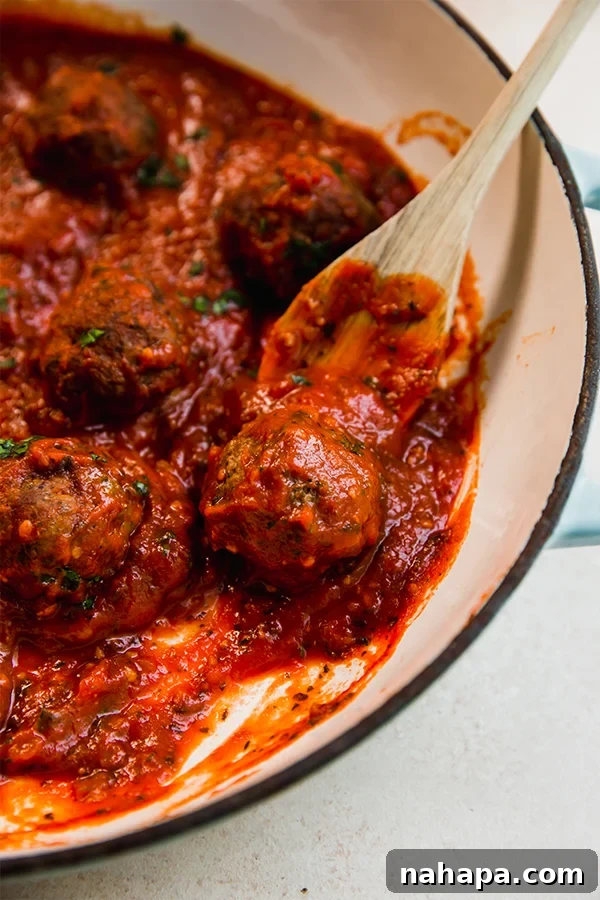
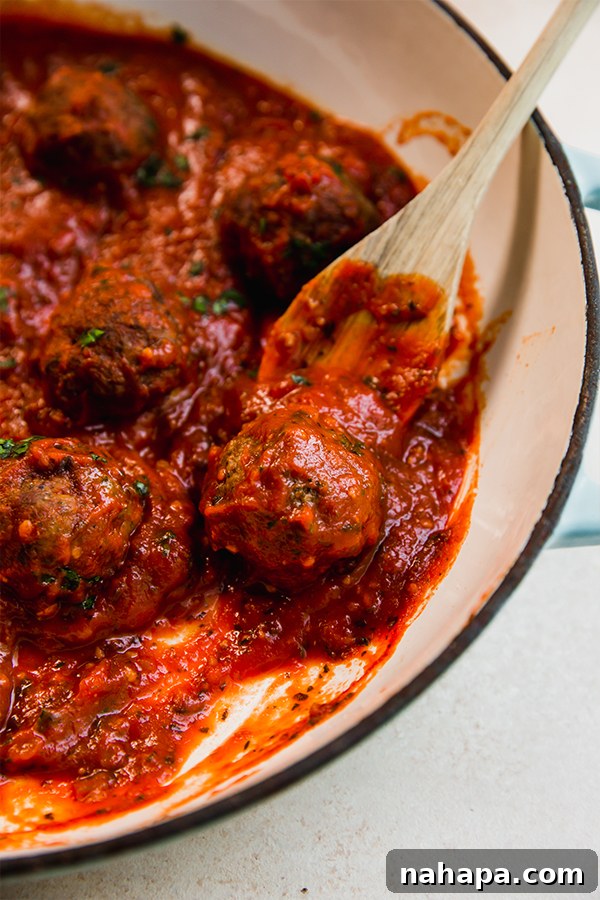
These Italian Lamb Meatballs are a testament to simple, wholesome cooking that doesn’t compromise on taste. They boast a deeply savory flavor profile, enhanced by a thoughtful blend of Italian herbs and spices. What makes this recipe truly special is its adaptability; it’s naturally gluten-free, paleo-friendly, and can be effortlessly adjusted to be compliant with the Autoimmune Protocol (AIP). Forget the stovetop mess – these meatballs are baked to perfection in the oven, then crisped under the broiler for that irresistible golden-brown exterior, saving you time and cleanup.
Why You’ll Love This Italian Lamb Meatball Recipe
- Unforgettable Savory Flavor: Lamb brings a distinct, rich, and slightly gamey flavor that beautifully complements traditional Italian seasonings. It’s a sophisticated upgrade to your usual meatball recipe, offering a depth of taste that will keep you coming back for more. These meatballs are not just delicious; they are a hearty comfort food, perfect for those chilly evenings or whenever you crave a truly satisfying meal.
- Effortless Oven Baking: Say goodbye to splattering oil and constant flipping! This recipe leverages the ease of oven baking, making the preparation process incredibly simple and mess-free. Baking ensures the meatballs cook evenly through, retaining their moisture, while a quick finish under the broiler creates a wonderfully crispy crust without the need for additional pans or fussy steps. This hands-off approach frees you up to prepare your pasta or side dishes.
- A Refreshing Culinary Twist: While beef meatballs hold a special place in our hearts, introducing lamb offers a fantastic way to diversify your palate and explore new culinary experiences. Lamb is naturally tender and absorbs flavors beautifully, making it an excellent canvas for the classic Italian herb blend. It’s just different enough to feel exciting, yet familiar enough to be universally appealing.
- Dietary-Friendly and Inclusive: This recipe is designed with health and dietary needs in mind. It’s inherently gluten-free, making it suitable for those with celiac disease or gluten sensitivities. Furthermore, it adheres to paleo principles, focusing on whole, unprocessed ingredients. With simple modifications, it can also be made fully compliant with the Autoimmune Protocol (AIP), ensuring that a wider range of people can enjoy this delicious dish without compromising their dietary goals.
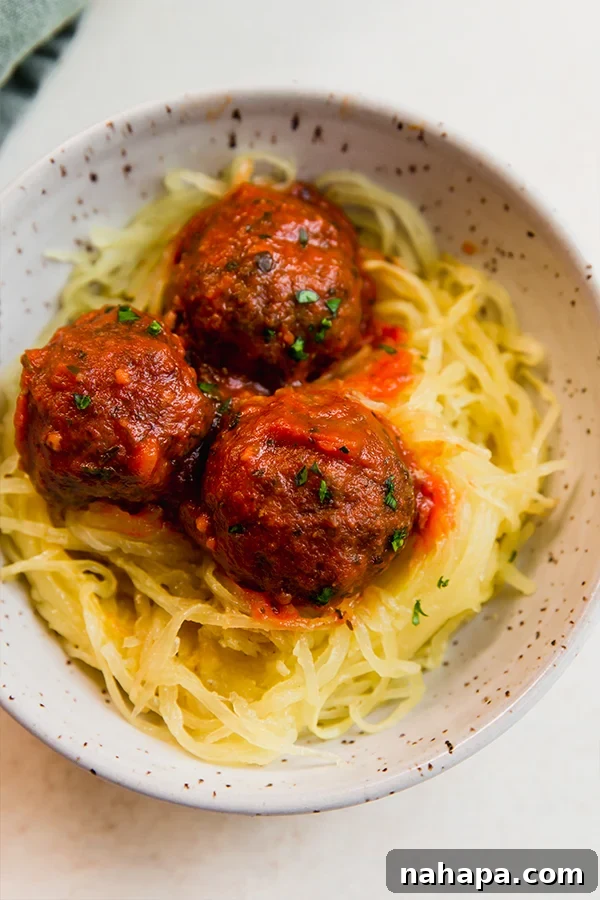
- Versatile Serving Options: While traditionally served with pasta and tomato sauce, these lamb meatballs are incredibly versatile. They pair wonderfully with a variety of gluten-free pasta options, vegetable noodles like zucchini or spaghetti squash, or even as part of a hearty salad. Their robust flavor also makes them excellent as an appetizer or in a simple rice bowl.
Essential Ingredients for Flavorful Lamb Meatballs
Crafting these delectable Italian lamb meatballs requires a selection of fresh, high-quality ingredients and a thoughtful blend of aromatic seasonings. Each component plays a crucial role in achieving the perfect texture and the rich, authentic Italian flavor.
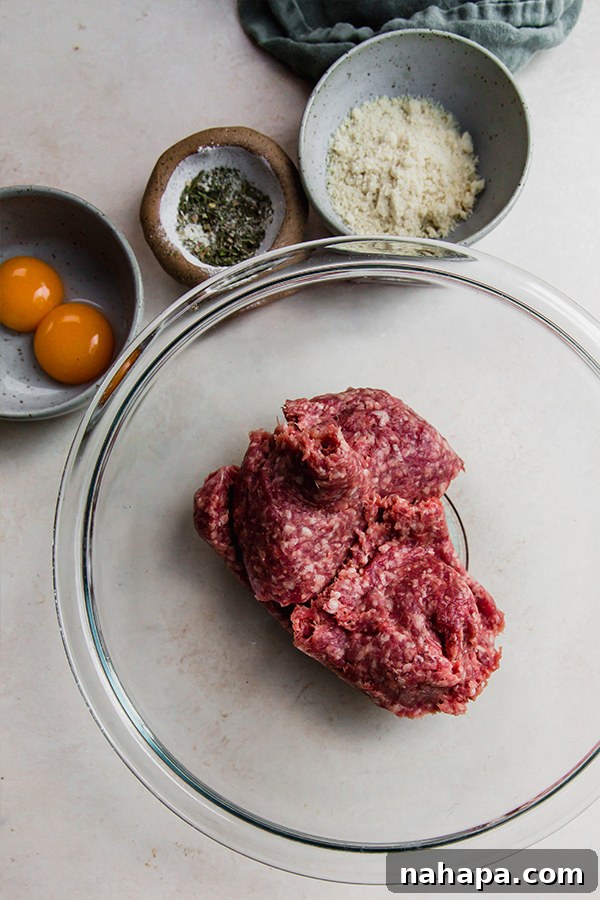
- Ground Lamb: The star of the show! Opt for good quality ground lamb, typically found with an 80/20 fat ratio, which provides excellent flavor and keeps the meatballs moist. Lamb offers a unique richness and savory depth that sets these meatballs apart from the usual beef or pork varieties. It’s also a great source of protein and essential nutrients.
- Egg Yolks: These act as a crucial binding agent, helping to hold the meatballs together and preventing them from crumbling during cooking. They also add a subtle richness to the texture. For those following the AIP diet, egg yolks can be omitted – see the AIP modifications section for how to adjust.
- Almond Flour: This finely ground flour serves as a gluten-free binder, absorbing moisture and contributing to a tender meatball texture. It’s a fantastic paleo-friendly alternative to breadcrumbs. If you’re on AIP or prefer a nut-free option, coconut flour works beautifully as a substitute, though in a smaller quantity due to its higher absorbency.
- Olive Oil: A staple in Italian cooking, a touch of good quality olive oil adds moisture and helps to ensure a tender, flavorful meatball. It also aids in crisping the exterior during baking.
- Aromatic Seasonings: The heart of Italian flavor!
- Garlic Powder & Onion Powder: These provide a foundational layer of savory, aromatic taste. Using powders ensures even distribution throughout the meatball mixture.
- Dried Thyme: Earthy and slightly minty, thyme adds a classic Mediterranean note.
- Dried Parsley: A bright, slightly peppery herb that complements the richness of the lamb.
- Dried Basil: Sweet and aromatic, basil is indispensable for that authentic Italian profile.
- Salt: Essential for seasoning and enhancing all the other flavors.
- Black Pepper: Adds a subtle warmth and spice. Omit for strict AIP.
- Tomato Sauce: A high-quality tomato sauce is key for coating these meatballs. Choose a brand with simple ingredients or make your own for the freshest taste. For AIP compliance, a nightshade-free sauce (often made from carrots, beets, and other vegetables) is an excellent and equally delicious alternative.
- Fresh Parsley: A vibrant garnish that adds a burst of freshness and color, enhancing both the visual appeal and the taste of the finished dish. Roughly chopped fresh parsley sprinkled over the top just before serving is highly recommended.
Step-by-Step Guide: How to Make Italian Lamb Meatballs
Making these delicious Italian Lamb Meatballs is surprisingly straightforward, mostly relying on the oven for a hands-off cooking experience. Follow these steps for tender, flavorful meatballs with a perfectly crisp exterior.
- Prepare Your Workspace and Oven: Begin by preheating your oven to 400°F (200°C). This ensures the oven is at the optimal temperature when your meatballs are ready to go in. Line a large baking sheet with parchment paper. Parchment paper is essential here as it prevents sticking and makes cleanup a breeze.
- Combine the Meatball Mixture: In a spacious mixing bowl, combine the ground lamb, egg yolks (if using), almond flour (or coconut flour if AIP), olive oil, and all the dried seasonings: garlic powder, onion powder, dried thyme, dried parsley, dried basil, salt, and black pepper (if using).
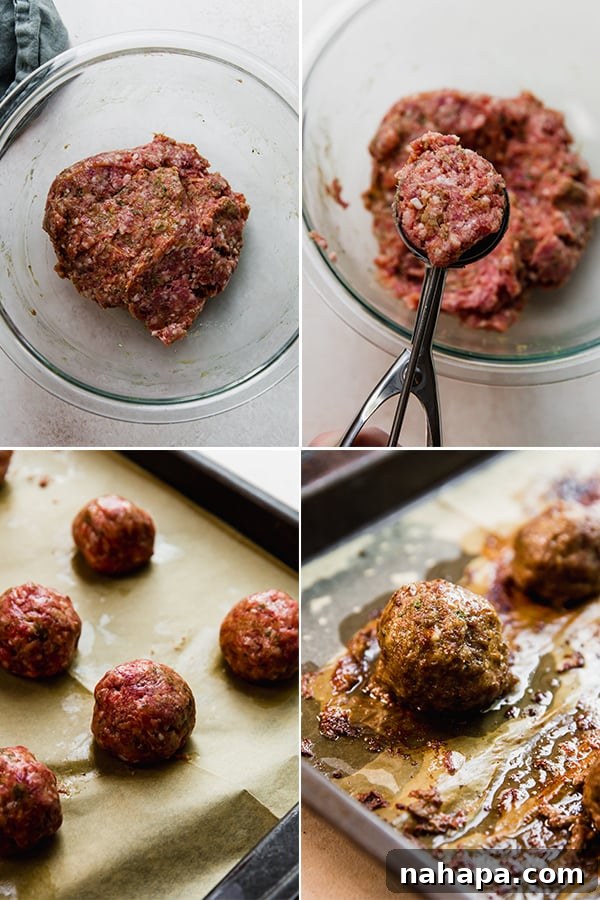
- Mix Thoroughly but Gently: Using your hands, gently mix all the ingredients until they are just combined. Be careful not to overmix, as this can lead to tough meatballs. The goal is to distribute the seasonings evenly without compacting the meat.
- Form the Meatballs: Take a cookie scoop (or your hands, lightly moistened with water or a little olive oil to prevent sticking) and scoop out portions of the meat mixture. Roll each portion into a round, uniformly sized meatball. Aim for about 12 large meatballs from one pound of lamb. Uniform size is important for even cooking. Place the formed meatballs onto the prepared baking sheet, ensuring they are spaced evenly apart to allow for proper air circulation.
- First Bake (for doneness): Transfer the baking sheet with the meatballs to the preheated oven. Bake for 20-23 minutes. At this stage, the meatballs should be cooked through, but likely won’t have developed a crispy exterior yet.
- Broil for Crispiness: Carefully remove the baking sheet from the oven. Switch your oven to the broiler setting (often “high”). Place the meatballs back under the broiler for an additional 2-4 minutes. Keep a close eye on them, as broilers can vary in intensity and brown food quickly. You’re looking for a lovely golden-brown crisp on the outside. Once crisped, remove them from the oven.
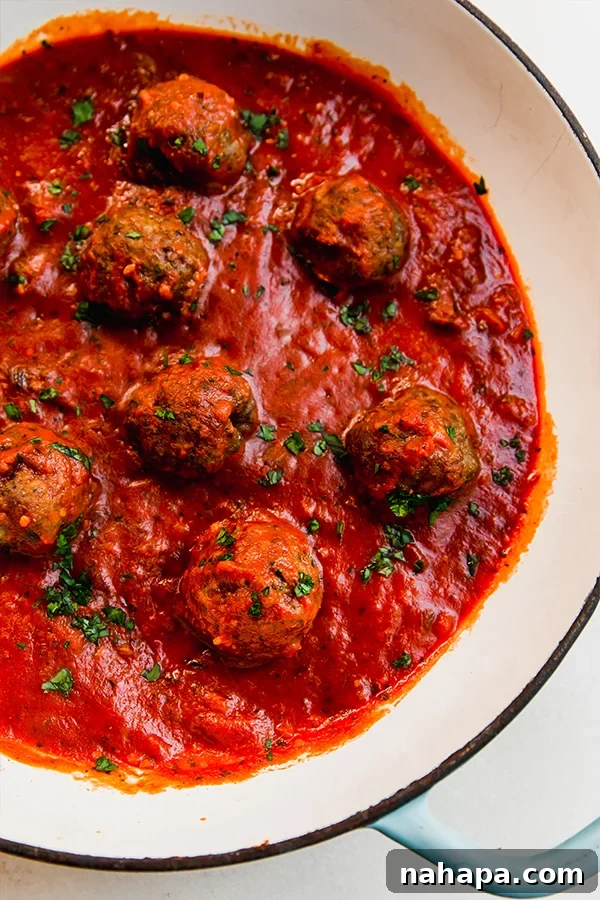
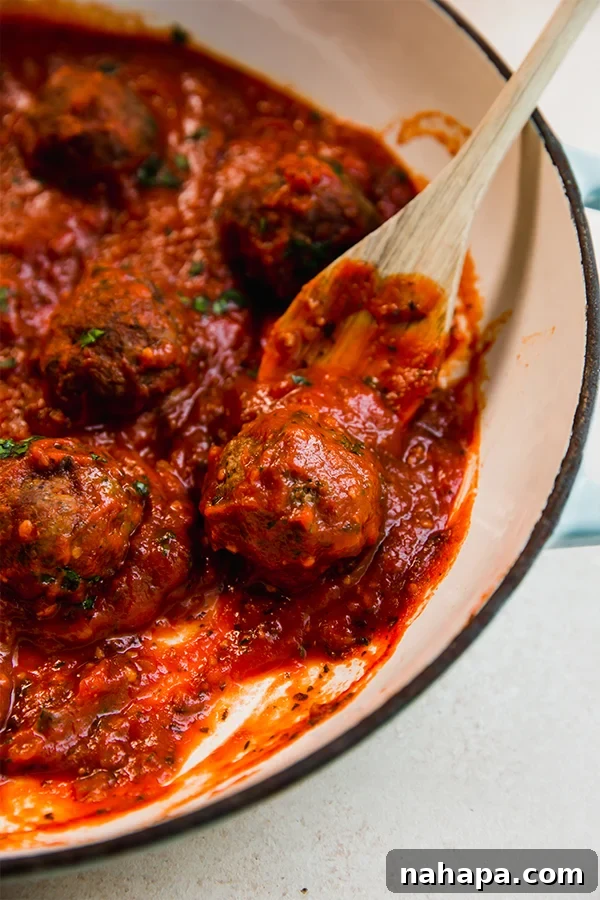
- Toss in Sauce: In a large, deep pan, gently heat your chosen pasta sauce over medium-low heat until it’s simmering lightly. Carefully add the cooked meatballs to the sauce and gently toss to coat them completely. Allow them to simmer in the sauce for a few minutes to absorb the flavors, but avoid overcooking, which can dry them out.
- Garnish and Serve: Turn off the heat. Sprinkle generously with fresh chopped parsley for a burst of color and fresh flavor. Serve your savory Italian Lamb Meatballs immediately over your favorite gluten-free pasta or nutritious veggie noodles like spaghetti squash or zucchini noodles. Enjoy!
Adapting These Meatballs for the AIP Diet
Making these delicious Italian Lamb Meatballs compliant with the Autoimmune Protocol (AIP) is straightforward with a few simple substitutions. The goal is to eliminate common inflammatory ingredients while maintaining flavor and texture.
- Omit Egg Yolks, Add Moisture: The original recipe calls for egg yolks as a binder. For AIP, simply leave them out. To compensate for the loss of moisture and to help bind the meatballs, add an extra tablespoon of olive oil to the meat mixture. This will help keep the meatballs tender and prevent them from drying out.
- Swap Almond Flour for Coconut Flour: Almond flour is not permitted on the AIP diet. Instead, use coconut flour. Coconut flour is much more absorbent than almond flour, so you’ll only need 2 tablespoons of coconut flour for this recipe, compared to the 3 tablespoons of almond flour. Be sure to mix it in thoroughly.
- Choose Nightshade-Free Sauce and Pasta: Nightshades (like tomatoes and black pepper) are avoided on AIP.
- Sauce: Instead of traditional tomato sauce, opt for a nightshade-free marinara sauce. Many excellent ready-made “nomato” sauces are available, or you can easily make your own using ingredients like carrots, beets, and herbs. Trust me, it’s just as delicious and satisfying!
- Pasta: Serve your AIP-friendly meatballs with cassava spaghetti or other AIP-compliant pasta alternatives. Zucchini noodles or spaghetti squash are also fantastic options that are naturally AIP.
Perfect Pairings: What to Serve with Italian Lamb Meatballs
These versatile Italian Lamb Meatballs can anchor a variety of delicious meals. While they shine with classic pasta, don’t limit your imagination! Here are some fantastic serving suggestions:
- Classic Gluten-Free Pasta: The quintessential pairing! Choose your favorite gluten-free spaghetti, fettuccine, penne, or fusilli to create a comforting and familiar dish. Ensure your pasta is cooked al dente and tossed with your chosen sauce before adding the meatballs.
- Hearty Vegetable Noodles: For a lighter, nutrient-dense, and often paleo/AIP-friendly option, vegetable noodles are perfect.
- Spaghetti Squash: Bake or microwave a spaghetti squash, then use a fork to scrape out the spaghetti-like strands. It’s a fantastic low-carb alternative that holds sauce beautifully.
- Zucchini Noodles (Zoodles): Use a spiralizer to create fresh zucchini noodles. Briefly sauté them or simply warm them with the sauce to keep them tender-crisp.
- Creamy Mashed Cauliflower: For a rich, comforting, and low-carb side, a fluffy bed of mashed cauliflower is an excellent choice. Its subtle flavor allows the robust meatballs and sauce to truly stand out.
- Fluffy Rice or Quinoa: If you’re looking for a grain-based side that isn’t pasta, plain steamed white rice or quinoa makes a wonderful base to absorb all that delicious sauce. Opt for white rice for AIP compliance.
- Polenta (Not AIP/Paleo): For those not adhering to paleo or AIP, creamy polenta offers a delightful, comforting counterpoint to the savory meatballs and rich sauce.
- Crisp Side Salad: A simple, fresh green salad with a light vinaigrette provides a refreshing contrast to the hearty main course, adding texture and brightness.
- Garlic Bread or Crusty Loaf (Not GF/Paleo/AIP): For non-gluten-free diets, a slice of toasted garlic bread or a crusty piece of Italian bread is perfect for soaking up any leftover sauce.
Do You Have to Serve These With Spaghetti and Tomato Sauce?
Absolutely not! While the classic pairing of spaghetti and tomato sauce is undeniably delicious and comforting, these Italian Lamb Meatballs are incredibly versatile and can be enjoyed in many creative ways. Their robust and savory flavor profile makes them adaptable to a variety of dishes beyond the traditional. Here are a few ideas to inspire you:
- Appetizers or Party Bites: Serve them on their own with toothpicks, alongside a small bowl of dipping sauce (marinara, a creamy garlic aioli, or even a spicy harissa dip if you like a kick). They make fantastic finger foods for gatherings.
- Meatball Subs or Sliders: Tuck them into gluten-free rolls (or regular rolls if not GF) with a generous spoonful of sauce and a sprinkle of fresh parsley for a satisfying sandwich. For smaller portions, use slider buns.
- Mediterranean Bowls: Create a vibrant bowl with couscous or quinoa (or cauliflower rice for paleo/AIP), roasted vegetables (like bell peppers, zucchini, and red onion), and a few lamb meatballs, drizzled with a lemon-tahini dressing.
- Stuffed Bell Peppers: Halve bell peppers, fill them with a mixture of cooked rice (or cauliflower rice), some sauce, and chopped meatballs, then bake until tender.
- Pizza Topping: Roughly chop the cooked meatballs and use them as a unique and flavorful topping for your homemade or store-bought pizza.
- Skewers: Thread meatballs onto skewers with cherry tomatoes, zucchini chunks, and onion wedges, then grill or bake for a fun and interactive meal.
- Hearty Soups or Stews: Add cooked meatballs to a simmering vegetable or lentil soup during the last few minutes of cooking for added protein and flavor.
The beauty of these lamb meatballs lies in their standalone flavor. Feel free to experiment and discover your own favorite way to enjoy them!
Tips for Perfect Italian Lamb Meatballs Every Time
Achieving the perfect Italian lamb meatballs is easy with a few key tips:
- Don’t Overmix: When combining the ingredients, mix just until everything is incorporated. Overmixing can lead to dense, tough meatballs. Gentle handling keeps them tender and juicy.
- Uniform Size: Use a cookie scoop or your hands to form meatballs of roughly the same size. This ensures they cook evenly. If some are much larger than others, they will require longer cooking times, while smaller ones might dry out.
- Don’t Crowd the Pan: When placing meatballs on the baking sheet, ensure there’s enough space between each one. Overcrowding can steam the meatballs instead of allowing them to crisp up, preventing that desired golden-brown exterior. Use two baking sheets if necessary.
- Internal Temperature Check: To ensure your meatballs are safely cooked, use a meat thermometer. Lamb meatballs should reach an internal temperature of 160°F (71°C).
- Resting the Meat: While not strictly necessary for meatballs, allowing the mixed meat to rest in the fridge for 15-30 minutes before forming can sometimes help the flavors meld and the mixture to firm up slightly, making them easier to handle.
- Adjust Seasonings to Taste: The provided seasoning blend is a great starting point, but feel free to adjust to your preference. Love more garlic? Add a bit extra! Prefer less thyme? Scale it back. A good way to test the seasoning is to cook a tiny patty of the mixture on the stovetop and taste before forming all the meatballs.
Storage and Reheating
These Italian Lamb Meatballs are excellent for meal prep and leftovers. Here’s how to store and reheat them:
- Refrigeration: Cooked meatballs can be stored in an airtight container in the refrigerator for up to 3-4 days. If they are already coated in sauce, store them together.
- Freezing:
- Cooked Meatballs (without sauce): Arrange cooled, cooked meatballs in a single layer on a baking sheet and freeze until solid. Then transfer them to a freezer-safe bag or container. This prevents them from sticking together. They can be frozen for up to 2-3 months.
- Cooked Meatballs (with sauce): Once cooled, transfer the meatballs and sauce to a freezer-safe container. They can be frozen for up to 2-3 months.
- Uncooked Meatballs: Form the meatballs and arrange them on a parchment-lined baking sheet. Freeze until solid, then transfer to a freezer-safe bag or container. Cook from frozen, adding about 10-15 minutes to the baking time.
- Reheating:
- From Refrigerator: Reheat in the oven at 300°F (150°C) for about 10-15 minutes, or gently simmer in sauce on the stovetop over low heat until warmed through. You can also microwave them, though the texture might be slightly softer.
- From Freezer: Thaw overnight in the refrigerator, then reheat as above. If reheating from frozen, place meatballs in an oven-safe dish with a little sauce or broth, cover, and bake at 325°F (160°C) until heated through, about 20-30 minutes.
Health Benefits of Lamb
Beyond its delicious taste, lamb is a highly nutritious protein source that offers several health benefits:
- Rich in Protein: Lamb is an excellent source of high-quality protein, essential for muscle growth, repair, and overall body function.
- Packed with Vitamins and Minerals: It’s particularly rich in B vitamins (B12, niacin, B6), which are crucial for energy metabolism and nervous system health. It also provides significant amounts of iron, zinc, and selenium.
- Healthy Fats: Lamb contains a good balance of saturated and monounsaturated fats, including conjugated linoleic acid (CLA), which has been linked to various health benefits.
- Omega-3 Fatty Acids: Grass-fed lamb can be a good source of omega-3 fatty acids, which are important for heart and brain health.
These Italian Lamb Meatballs are a flavorful, comforting, and adaptable dish that promises to become a cherished addition to your recipe collection. Whether you’re adhering to specific dietary protocols or simply seeking a delicious twist on a classic, these meatballs deliver on all fronts. Enjoy the rich flavors and the ease of this wonderful recipe!
You’ll also love…
- Mongolian Beef Meatballs
- Teriyaki Turkey Meatballs
- The Best Oven Baked Meatballs
Italian Lamb Meatballs
Yield: 4 servings
Prep Time: 15 mins
Cook Time: 30 mins
Total Time: 45 mins
Author: Michelle
Ingredients
- 1 lb ground lamb
- 2 egg yolks (omit for AIP)
- 3 tbsp almond flour (sub 2 tbsp of coconut flour for AIP, see notes)
- 1 tbsp olive oil
- 2 tsp garlic powder
- 1 tsp onion powder
- ½ tsp dried thyme
- 2 tsp dried parsley
- 2 tsp dried basil
- 1 tsp salt
- ⅓ tsp black pepper (omit for AIP)
- 16 oz tomato sauce (sub nightshade-free sauce for AIP)
- 2 tbsp fresh parsley, chopped
Instructions
- Preheat the oven to 400°F (200°C) and line a large baking sheet with parchment paper.
- Using a large bowl, combine the lamb, egg yolk (if using), almond flour (or coconut flour), olive oil, and all seasonings (garlic powder, onion powder, dried thyme, dried parsley, dried basil, salt, and black pepper if using). Mix well to thoroughly combine without overworking the meat.
- Using a cookie scoop or your hands, scoop out the meatball mixture and form it into round, uniformly sized meatballs. You should have about 12 large meatballs. Place them on the prepared baking sheet, ensuring even spacing.
- Transfer to the preheated oven and bake for 20-23 minutes. The meatballs should be cooked through but not yet crispy.
- Turn on the broiler setting on the oven and cook for 2-4 more minutes, or until the meatballs are lightly crispy and golden brown on the outside. Remove from the oven and set aside.
- Using a large, deep pan, heat a pasta sauce of your choice until lightly bubbling. Add the baked meatballs and gently toss to coat them in the sauce. Allow them to simmer briefly to absorb flavors, but do not overcook.
- Turn off the heat and top generously with fresh chopped parsley. Serve over a gluten-free pasta of your choice or nutritious veggie noodles like spaghetti squash or zucchini noodles.
Notes
- If making the meatballs AIP, omit the egg yolks and add about 1 tbsp of extra olive oil to the meat mixture to compensate for the lost moisture and binding.
- If using coconut flour for AIP, use only 2 tbsp as it is highly absorbent.
- All nutritional information are estimations and will vary. Estimations do not include optional ingredients.
Nutrition Information (Estimated Per Serving)
Serving: 1 serving, Calories: 444kcal, Carbohydrates: 9.2g, Protein: 22.7g, Fat: 33.7g, Fiber: 2.3g
All nutrition facts are estimated and will vary.