
In the vibrant tapestry of our daily eating routines, few elements bring as much sheer delight and convenience as snacks. They are the culinary equivalent of a perfectly chosen accessory – compact, enjoyable, and effortlessly portable. From the much-anticipated break during school days to that essential moment of respite in a busy workday, snacks serve as small, delicious escapes. It’s hard to imagine anyone who doesn’t appreciate the simple pleasure of a well-timed snack.
However, while the appeal of convenience snacks is undeniable, navigating the world of packaged options can be fraught with challenges, particularly when adhering to specific dietary protocols like Paleo, AIP (Autoimmune Protocol), or gluten-free. These specialized convenience foods often come with a hefty price tag, making them a significant drain on one’s grocery budget. Beyond the cost, there’s the underlying issue of their processed nature. Even if they claim to be allergen-friendly or boast health benefits, they are still, at their core, processed items. It’s not uncommon to find a quarter of a grocery bill allocated to these quick fixes, many of which offer little in the way of genuine health promotion. This reality underscores a critical point: embracing the preparation of healthy, homemade AIP and Paleo snacks is not just a preference, but a necessity for both financial prudence and consistent adherence to health goals.
As a dedicated nutritional therapy practitioner, my mission is to guide clients toward healing through sustainable, personalized dietary approaches. My practice involves crafting comprehensive meal plans that consistently integrate insightful snack ideas, innovative recipes, and practical tips. This often raises a common question: if many health philosophies caution against snacking, why do I endorse it for my clients?
Why Strategic Snacking Can Be a Healthy Choice for Many
Snacking frequently bears the brunt of a negative reputation, often labeled as inherently unhealthy or completely superfluous. The truth, however, is nuanced. While it’s accurate that not everyone intrinsically needs snacks, dismissing them entirely overlooks their potential benefits in specific contexts.
It’s crucial to acknowledge the circumstances where snacking can indeed be counterproductive. Constant, mindless grazing, especially on highly processed or sugary items, can place an undue burden on your digestive system. Digestion is an intricate process that thrives in a relaxed, rested state, occurring in distinct increments throughout the day. Disrupting this natural rhythm by continually eating on the go can impair digestive function and, over time, contribute to various gut health issues. Therefore, for individuals whose digestion is robust and blood sugar stable, or those who consume sufficiently nourishing main meals, frequent snacking might indeed be unnecessary.
Conversely, a significant portion of my clients present with underlying blood sugar dysregulation, often without fully realizing its profound impact. This imbalance frequently manifests as persistent sugar cravings, inexplicable energy dips, pronounced mood swings, hormonal disruptions, and even chronic gut problems. In the critical phase of regulating blood sugar, maintaining stable glucose levels is paramount for fostering true healing. Abrupt drops and sharp spikes in blood sugar only exacerbate these existing issues, prolonging recovery. This is where balanced, healthy homemade snacks, ideally compliant with Paleo or AIP principles (particularly for those managing autoimmune conditions), become invaluable. By deliberately choosing snacks rich in protein and healthy fats, and consciously avoiding carbohydrate-dense grains, we can effectively mitigate blood sugar fluctuations, thereby supporting the body’s healing processes.
The argument is frequently made that simply increasing fat intake at main meals negates the need for snacks. While there’s an element of truth to this – adequate healthy fats contribute significantly to satiety – it’s not a universal solution. Many of my clients also grapple with compromised digestive function. Their systems aren’t immediately prepared to handle a sudden, substantial increase in dietary fat at every meal. Instead, we embark on a collaborative journey to carefully and progressively enhance their fat digestion. This involves a mindful, gradual elevation of fat intake, often complemented by digestive enzyme supplementation and the strategic inclusion of foods known to support fat assimilation. The human body possesses an incredible innate capacity to restore balance, and it’s immensely rewarding to witness many clients experience marked improvements within weeks. However, this transformation requires dedicated effort. Not everyone can instantaneously transition into an efficient fat-burning metabolism overnight, making strategic snacking an indispensable interim strategy.
Ultimately, while I remain a staunch advocate for comprehensive, nourishing, and deeply satiating full meals – and I don’t believe everyone requires daily snacks – these smaller eating occasions find their perfect place within the right context and when comprised of the right types of food. The key lies in understanding how to snack smartly and healthily.
Mastering the Art of Healthy Snacking: Essential Strategies
When it comes to “healthy snacks,” the mainstream narrative often falls short, promoting options that are far from truly health-promoting. Protein bars laden with artificial ingredients or single-serving peanut butter packets, despite popular perception, are rarely optimal choices. My personal journey, having initially pursued a career as a registered dietitian before transitioning to an NTP, revealed just how prevalent these less-than-ideal recommendations can be within professional circles. So, how can one truly get snacking right? Here are four foundational principles:
1. Prioritize Balanced Snacks for Sustained Energy and Satiety
The vast majority of commercially processed snacks are unfortunately dominated by refined carbohydrates and sugars, even those marketed as “protein-rich.” This imbalance leads to rapid energy spikes followed by inevitable crashes, leaving you hungry again shortly after. The cornerstone of effective healthy snacking lies in balance. Aim for snacks that thoughtfully combine protein, healthy fats, and complex carbohydrates. This macronutrient synergy ensures prolonged satiety, provides sustained energy, and, critically, helps stabilize blood sugar levels. Protein contributes to muscle repair and a feeling of fullness, healthy fats slow down digestion and provide essential nutrients, and complex carbohydrates offer steady glucose release without the dramatic spikes. By choosing snacks that embody this balance – such as the examples detailed below – you’re not just staving off hunger; you’re fueling your body efficiently and promoting metabolic harmony.
2. Snack Mindfully and Only When Genuinely Hungry
As previously emphasized, snacks serve a specific purpose: to bridge the gap between meals when legitimate hunger strikes or when actively working to regulate blood sugar. This doesn’t translate to a universal mandate for three snacks a day. Cultivate the practice of truly listening to your body’s hunger cues. Are you genuinely feeling an emptiness in your stomach, or is it boredom, stress, or habit prompting you to reach for food? Snacking out of habit rather than need can disrupt mealtime hunger, lead to overconsumption, and undermine your health goals. Make snacking a conscious, intentional act, ensuring it serves a physiological need rather than simply filling time or craving.
3. Snacks Are Supplements, Not Substitutes, for Wholesome Meals
In a culture often preoccupied with dieting – a cycle I personally experienced for many years – it’s all too easy to fall into the trap of relying heavily on protein bars, small bowls of cereal, or other quick fixes as meal replacements. This approach is not only detrimental to stable blood sugar and optimal gut health but is also profoundly unsatisfying. There’s an immense difference in satisfaction between nibbling on a cereal bar throughout the day and sitting down to a truly nourishing, well-portioned meal that sustains you for hours. Whole, complete meals provide a broader spectrum of essential nutrients, promote a deeper sense of satiety, and support robust metabolic function. Snacks should complement your meals, offering a nutritional boost or blood sugar support when needed, never usurping the vital role of nutrient-dense main dishes.
4. Embrace the Power of Homemade: Control, Cost, and Customization
The siren call of processed snacks, while convenient, comes at a high price, both financially and in terms of health. They often contain questionable ingredients, hidden sugars, artificial additives, and unhealthy fats that undermine any purported health benefits. The decision to make your snacks homemade is one of the most empowering steps you can take. It grants you complete control over every ingredient, ensuring purity and alignment with your dietary needs, whether Paleo, AIP, or gluten-free. Moreover, it offers substantial savings on your grocery budget, liberating funds that can be better spent on high-quality whole foods. Homemade snacks also open the door to endless customization, allowing you to tailor flavors and textures to your exact preferences. The misconception that homemade snacks are complicated or time-consuming is easily debunked; with a little planning and the right ideas, they can be remarkably simple, fun, and entirely doable.
With these foundational principles in mind, let’s explore some incredibly easy, delicious, and compliant homemade snack ideas that are perfect for your busy life.
Delicious & Convenient Homemade AIP & Paleo Snacks for Life On-the-Go
Homemade Beef Jerky and Fresh Apple Slices
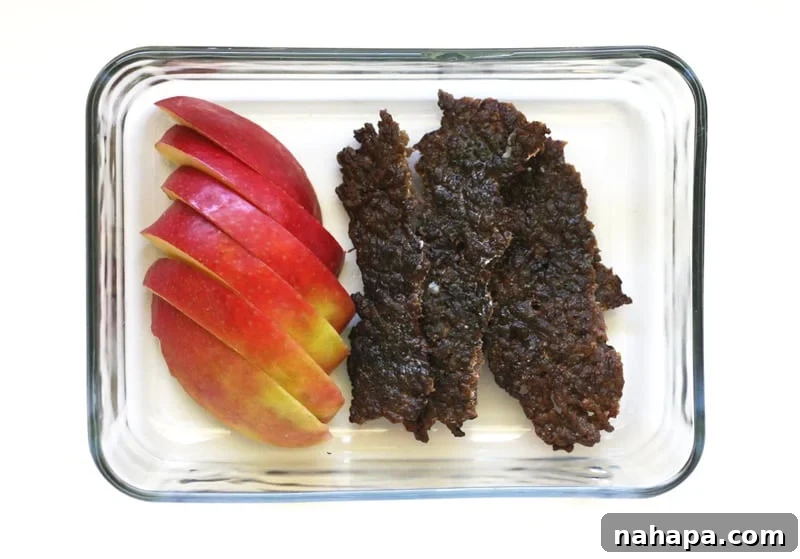
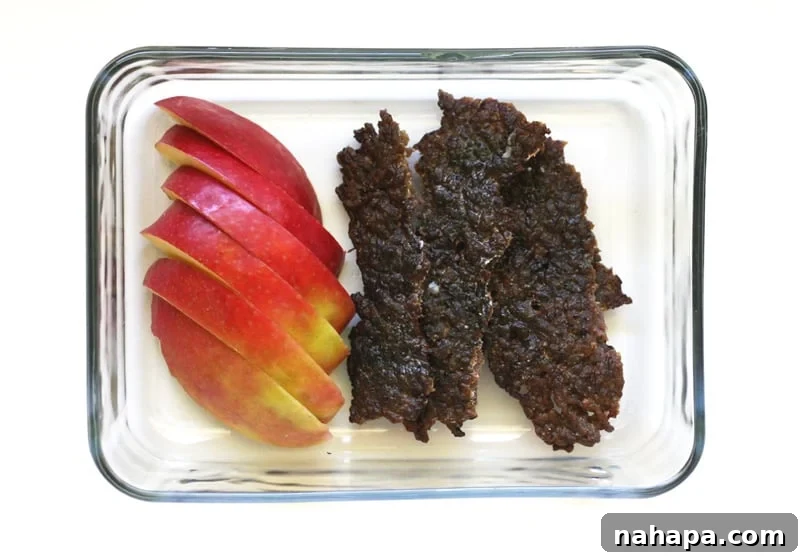
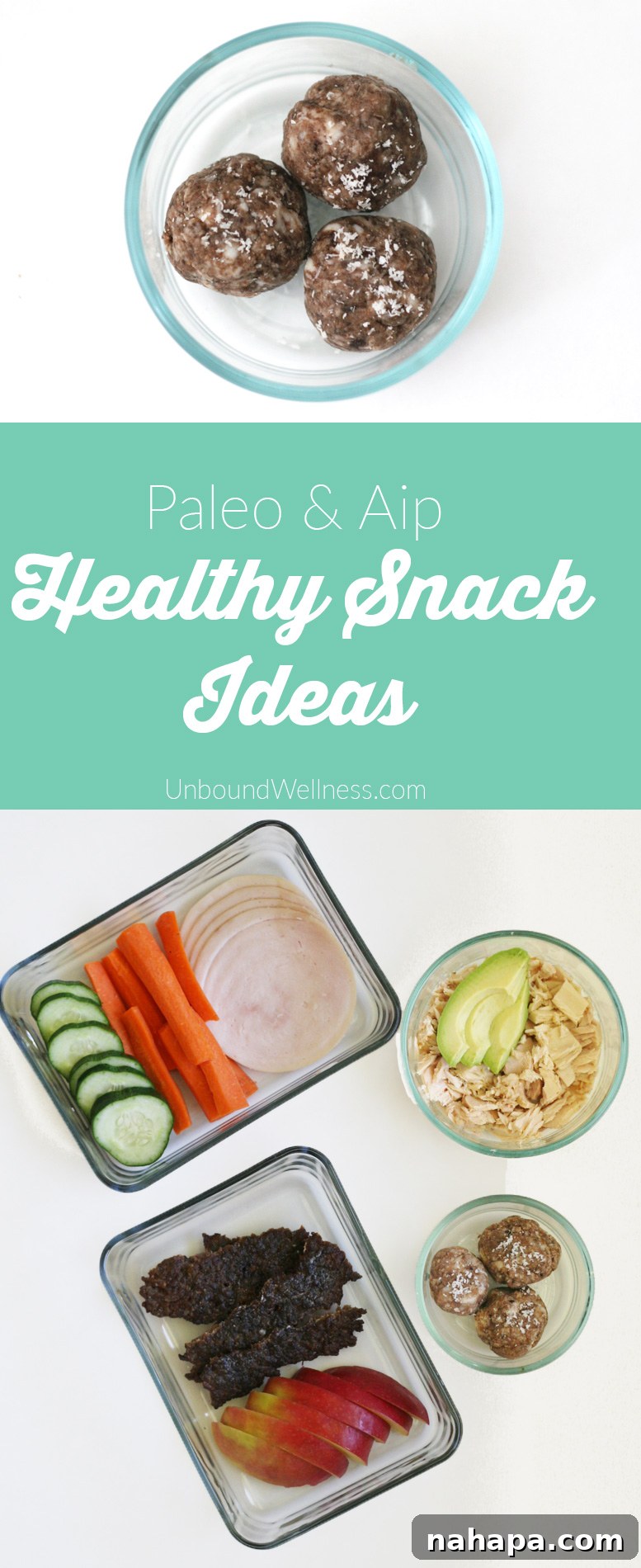
The idea of making homemade jerky often intimidates people, but in reality, it is remarkably simpler than it sounds. Many fantastic recipes, such as the one I adapt which is similar to this ground beef jerky recipe, allow for minimal effort, often involving little more than letting it dehydrate in the oven overnight. This method yields a perfectly chewy, savory jerky that is free from unhealthy additives often found in store-bought versions. When paired with the crisp sweetness and fibrous goodness of half an apple, you create a powerhouse snack. The lean protein from the jerky provides sustained energy and deep satiety, while the apple offers natural sugars, essential vitamins, and dietary fiber, making for an incredibly satisfying and perfectly balanced portable snack that keeps hunger at bay for hours.
Premium Turkey Slices and Assorted Sliced Veggies
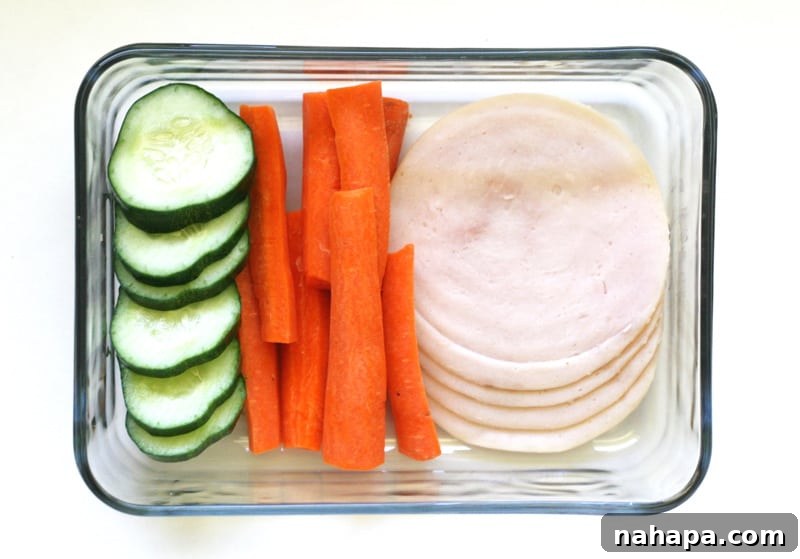
While sourcing truly high-quality deli meat requires a discerning eye, making conscious choices can transform this simple combination into an excellent, nutrient-dense snack. Look for organic, nitrate-free, and ideally pasture-raised turkey slices to ensure you’re consuming the best quality protein. When paired with a vibrant assortment of sliced vegetables – think crisp cucumber, crunchy bell peppers, tender carrots, or even jicama sticks – you create a harmonious blend of textures and flavors. This snack is not only incredibly easy to assemble but also delivers a powerful dose of lean protein, essential vitamins, minerals, and dietary fiber. It’s a refreshing, satisfying option that supports sustained energy without unnecessary additives, making it perfect for a quick, healthy bite any time of day.
Wild-Caught Tuna and Creamy Avocado
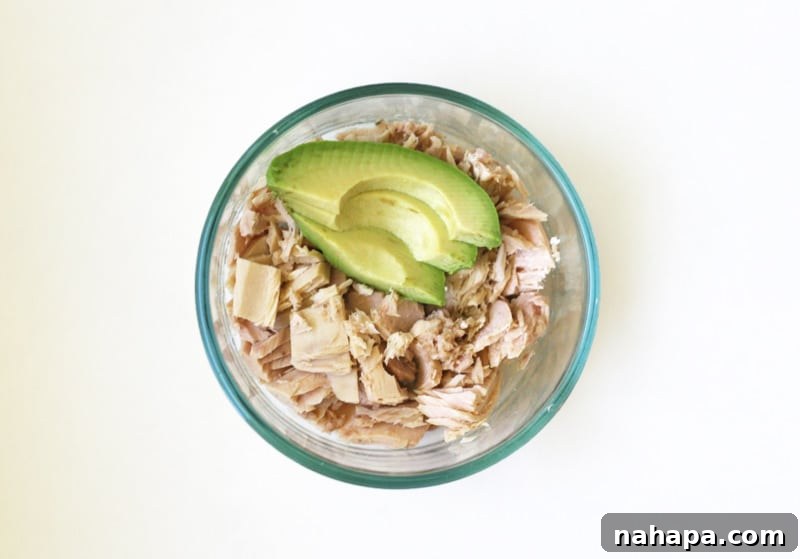
This dynamic duo is a personal favorite, offering a rich, creamy texture akin to a mayonnaise-based salad, but with a far superior nutritional profile. Opting for wild-caught tuna ensures you’re getting a lean source of high-quality protein and beneficial omega-3 fatty acids, which are crucial for brain health and reducing inflammation. When combined with the healthy monounsaturated fats and fiber from ripe avocado, you create a truly exceptional protein and fat-rich snack. This combination is particularly effective at promoting deep satiety, helping to keep you full and energized for longer periods. Crucially, it helps stabilize blood sugar levels, preventing the unwelcome spikes and crashes that often accompany less balanced snacks. It’s a simple, yet powerful, option for a quick and nourishing pick-me-up.
Decadent Chocolate-y Collagen Protein Bites
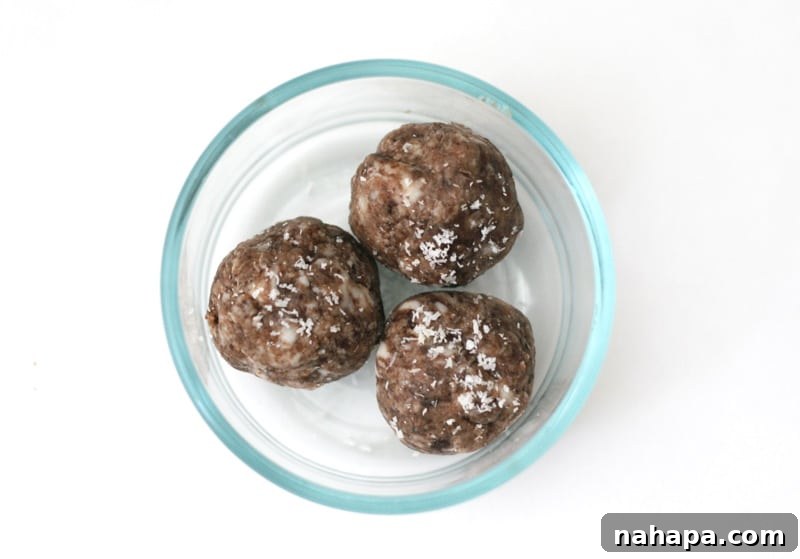
Indulge your sweet tooth without derailing your health goals with these incredibly satisfying chocolate-y collagen protein bites. This unique recipe masterfully blends nutrient-dense coconut butter, beneficial collagen powder, and carob powder for a subtle, earthy sweetness. Collagen is a powerhouse ingredient, supporting gut health, promoting healthy skin, hair, and nails, and contributing to joint well-being. The healthy fats from coconut butter ensure these bites are deeply satiating, preventing quick hunger pangs, while the controlled sweetness from carob powder offers that desired “treat-like” experience without refined sugars or artificial additives. These bites are a testament to how truly delicious and satisfying healthy, homemade snacks can be, effectively keeping you full and content while nourishing your body from within.
Cinnamon-Infused Banana with Creamy Coconut Butter
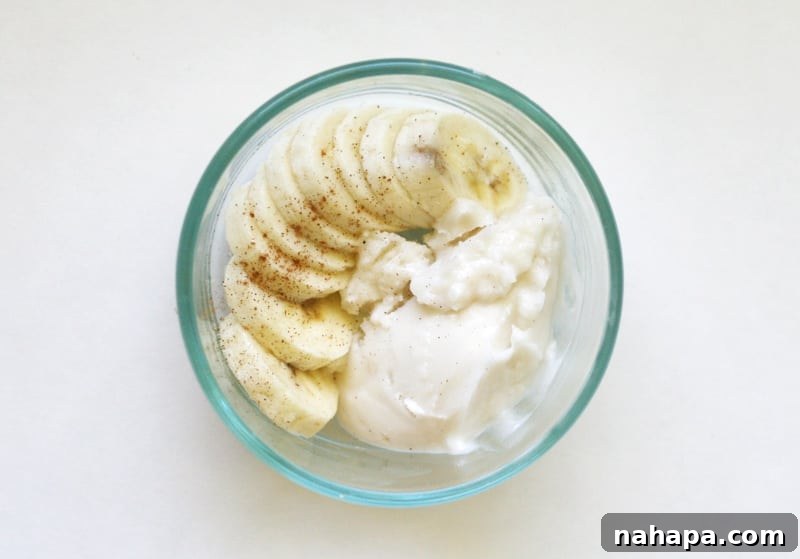
For those moments when a sweet craving hits, this snack offers a wholesome and surprisingly decadent alternative. While bananas do contain natural sugars and can slightly elevate blood sugar, the strategic addition of cinnamon helps to moderate this effect, known for its ability to improve insulin sensitivity. Swirling in creamy coconut butter elevates this simple fruit into a luxurious treat. Coconut butter provides healthy fats that slow down sugar absorption and enhance satiety, giving the snack a rich, almost cake-batter-like consistency and flavor. It’s a comforting, satisfying option that beautifully addresses sweet cravings while still providing beneficial nutrients like potassium from the banana. This combination proves that even “treat-like” snacks can be crafted to support your overall wellness journey, making it a delightful and permissible indulgence.
Embracing homemade, thoughtfully chosen snacks is a powerful strategy in your journey towards optimal health, especially when navigating specific dietary paths like AIP or Paleo. By understanding the nuanced role of snacking, prioritizing balance, listening to your body, and taking control of your ingredients, you can transform snacks from a potential pitfall into a valuable tool for sustained energy, stable blood sugar, and overall well-being. These delicious, easy-to-prepare options demonstrate that healthy eating doesn’t have to be complicated or bland; it can be incredibly enjoyable, empowering, and perfectly integrated into your busy life.