
Mastering International Travel with a Restricted Diet: Paleo, Gluten-Free, and AIP Survival Guide
That familiar sensation of still being in motion long after you’ve landed, the phantom rumble of turbulence, or the lingering echo of a baby’s cries – this is the unique signature of extreme jet lag. After an epic journey spanning over 24 hours from the charming streets of Florence, through bustling German and London airports, and finally back to my cozy home in Dallas, that feeling is all too real. Returning to my own space after an incredible honeymoon is a bittersweet transition, but I’m thrilled to report that any current discomfort is purely the result of time zone shifts, not a single dietary misstep! Whether you call it meticulous preparation or simply the superior quality of food in the EU, I am incredibly proud to have successfully navigated Italy with my Paleo, gluten-free, and autoimmune protocol (AIP) restrictions, all while feeling genuinely good.
This post will serve as your essential guide to maintaining your dietary integrity while traversing continents. I’ll delve into the specific foods that fueled my journey to and from Italy, alongside my tried-and-true strategies for making it all happen seamlessly. Trust me, the culinary adventures once in Italy were a bit more relaxed and deserve their own detailed account – a tale too rich to share in one go. For now, let’s focus on the art of healthy travel, ensuring your health and wellbeing remain a priority, even when thousands of miles from your kitchen.
Pre-Flight Preparations: Fueling Your Journey with a Restricted Diet
The foundation of successful restricted-diet travel lies in thorough preparation. Knowing you’ll be spending extended periods in transit, where healthy, compliant options are scarce, necessitates bringing your own provisions. This proactive approach eliminates stress and safeguards against unplanned dietary compromises. My strategy for the initial leg of my journey involved packing a carefully curated meal designed to sustain me through the transatlantic flight to London and subsequent connections through two German airports. Crucially, bringing food into the EU and through customs proved to be a non-issue, alleviating one major travel concern right from the start. Always remember to check current regulations for fresh produce and meat products, but generally, sealed, prepared foods for personal consumption are permissible.
What I Ate: The Outbound Journey to Italy
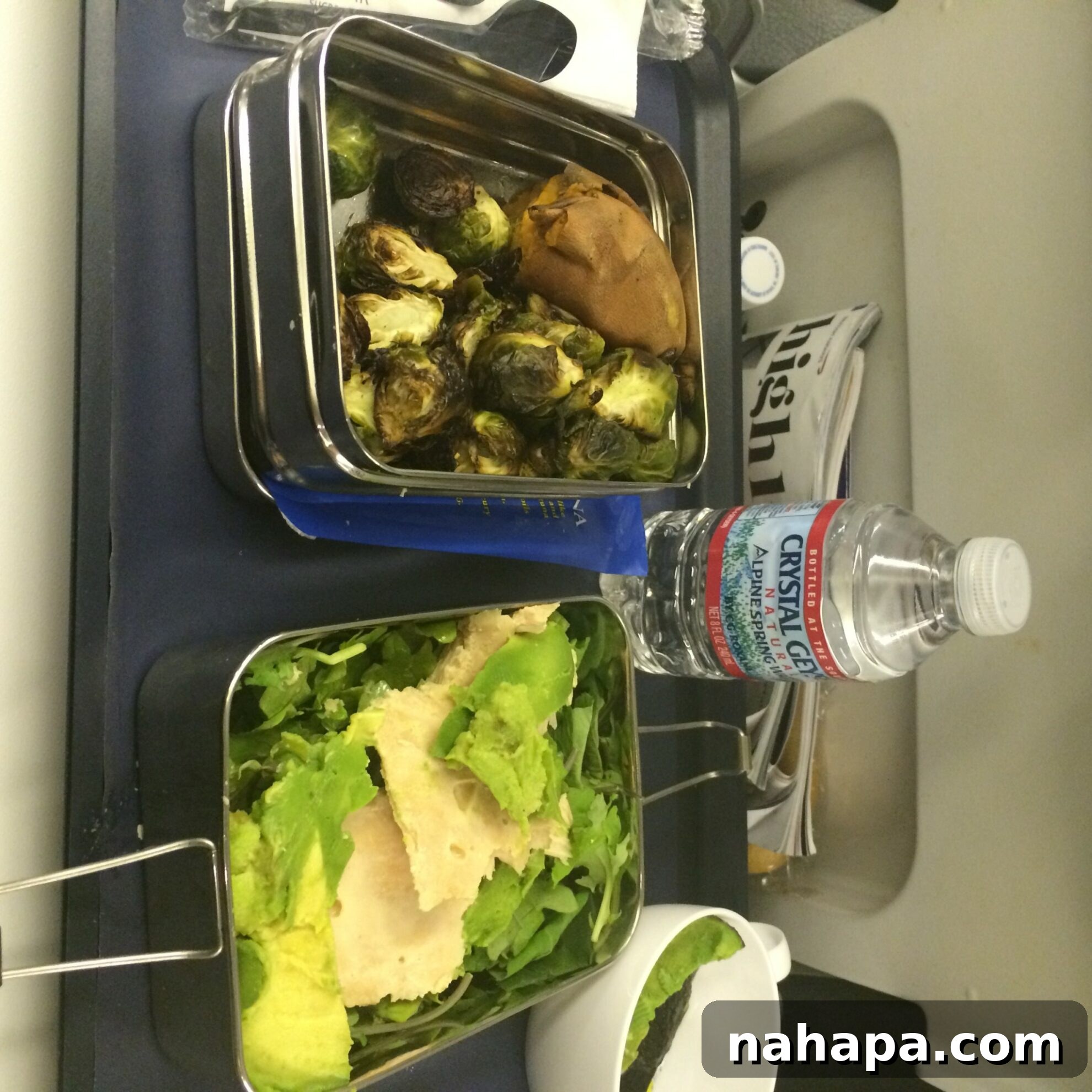
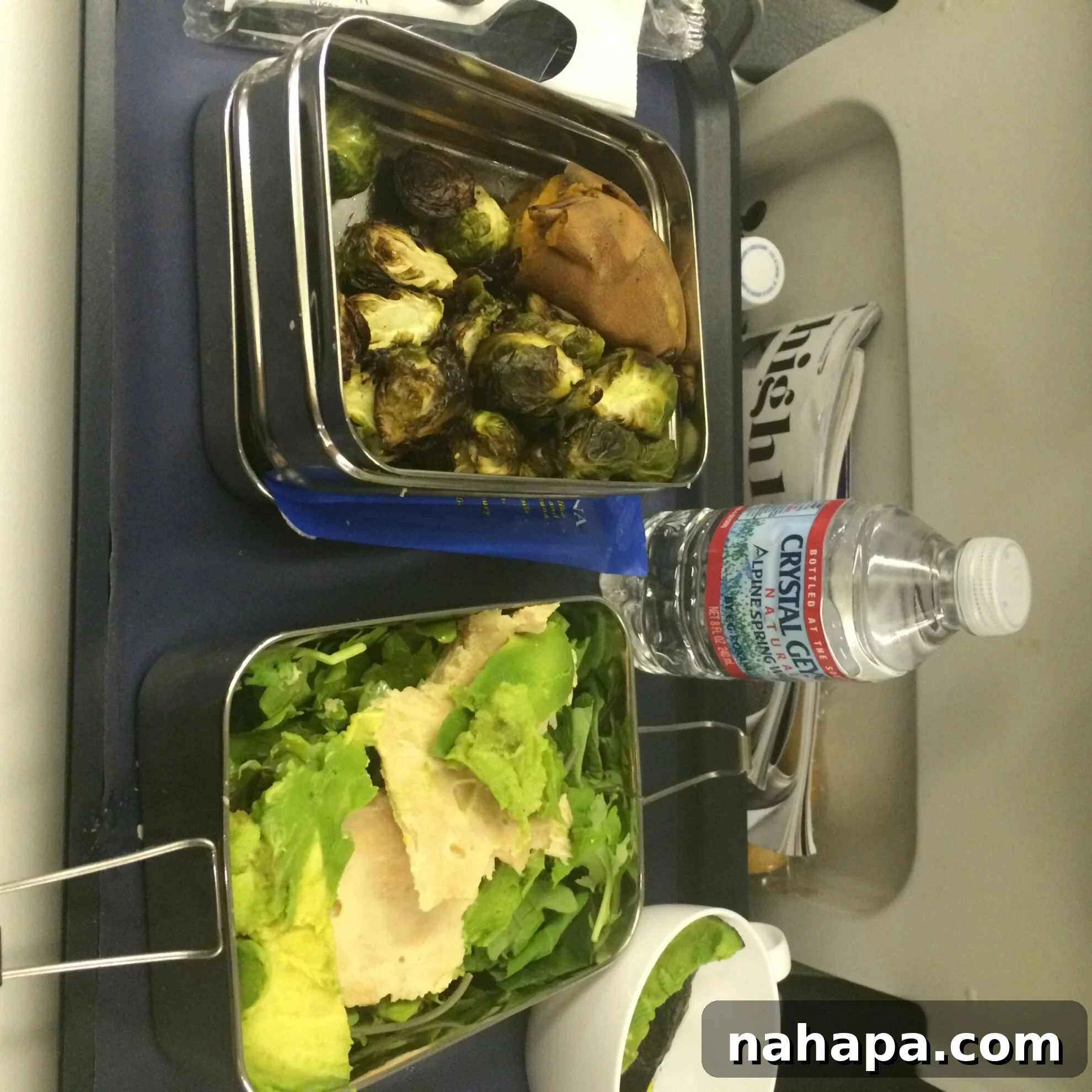
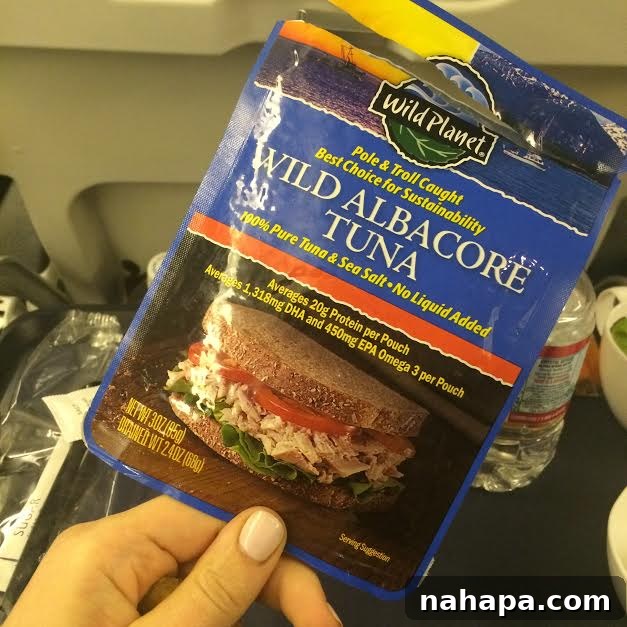
For our overnight flight to London, I came armed with a home-cooked dinner packed securely in my new Ecolunch box. This stainless steel container proved to be an excellent investment, keeping my meal fresh, preventing any unfortunate leaks or spills during turbulence, and being easy to clean. My inflight dinner was a powerhouse of nutrients: perfectly roasted Brussels sprouts, half a baked sweet potato for complex carbohydrates, a generous serving of nutrient-dense kale, creamy avocado for healthy fats, and a convenient pouch of Wild Planet tuna for lean protein. This combination offered a perfect balance of protein, healthy fats, and fiber to keep me satisfied, minimize blood sugar spikes, and combat the drying effects of cabin air.
FUELING THE ADVENTURE: THE FLIGHT TO ITALY
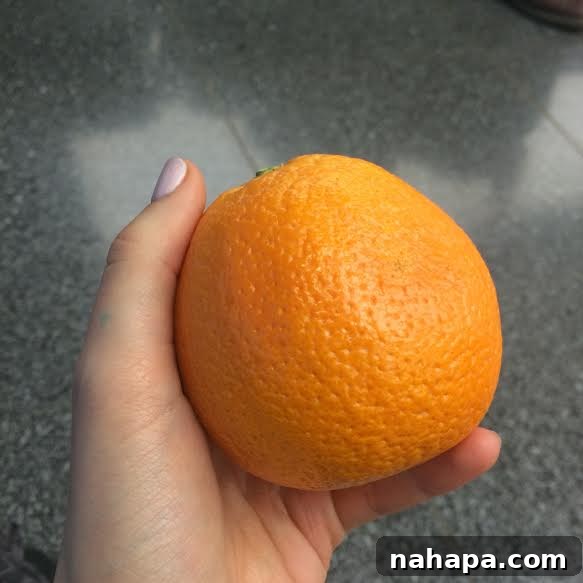
Beyond my main meal, I also packed an array of shelf-stable snacks to ward off hunger between flights. One of my favorites was dry mango, a naturally sweet and satisfying treat I stocked up on at Target before departing. These easily portable snacks are essential for staving off temptations from less-than-ideal airport food options, offering a healthier, compliant alternative when fresh produce might be less accessible.
Upon landing at London Heathrow, I sought out a reliable option for a substantial, healthy meal. At the Giraffe restaurant in Terminal 5, I successfully loaded up on healthy fats, a crucial component for sustained energy during travel and managing jet lag. The staff was incredibly accommodating, providing an extra side of avocado to supplement my meal. It was absolutely delicious and incredibly satisfying! It’s worth noting that I had strategically reintroduced eggs into my AIP diet prior to this trip. This proactive step significantly expanded my available safe options at airport eateries, making it much easier to find compliant meals and proving to be a truly invaluable step for flexible travel. When dining out with restrictions, looking for establishments that prioritize fresh ingredients and are willing to customize dishes is key.
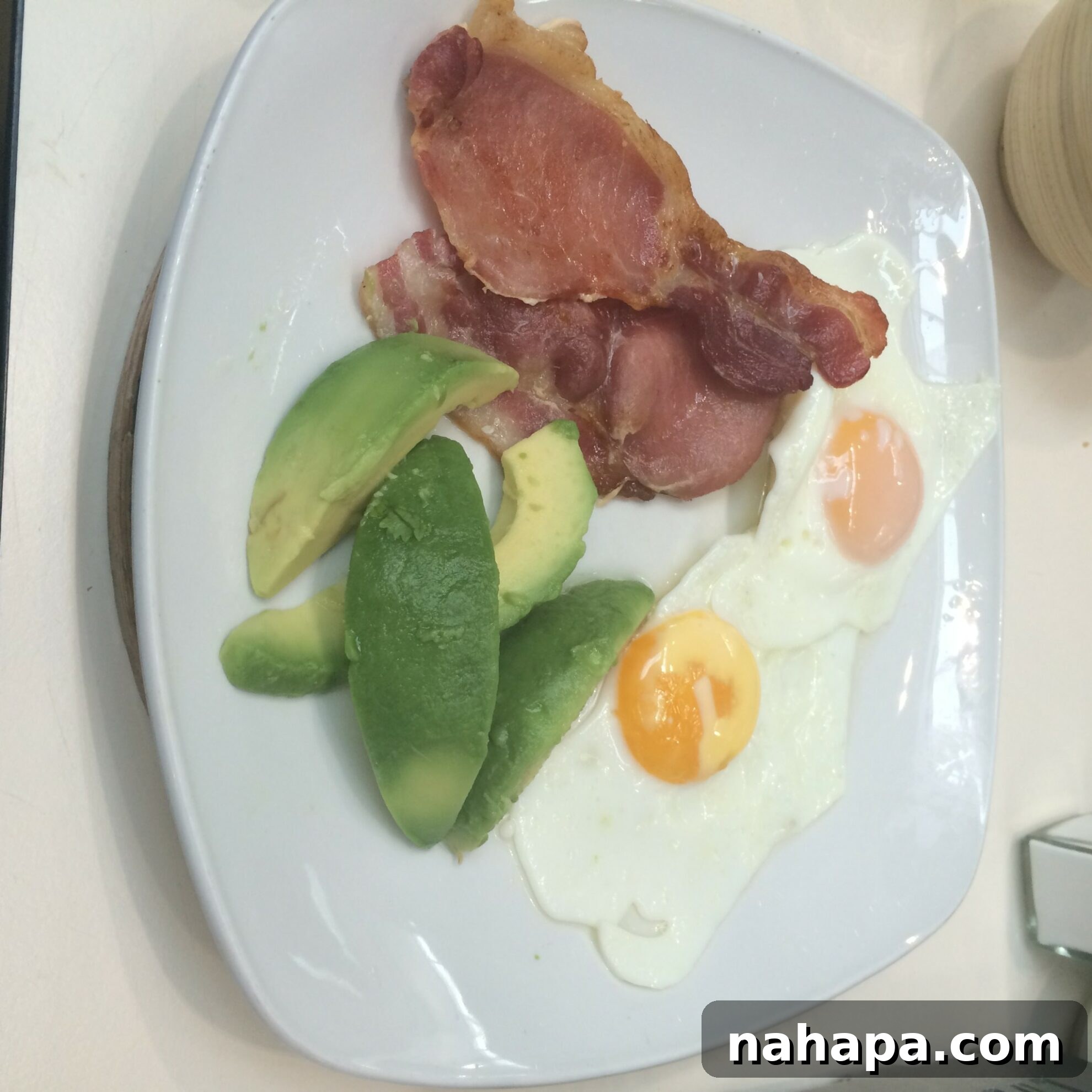
This high-fat meal proved instrumental in keeping me full and focused through the subsequent legs of my journey into Italy. The satiety provided by healthy fats meant I wasn’t constantly thinking about my next meal, allowing me to relax more. For the remaining flights, I simply grazed on more Wild Planet tuna, supplemented with fresh fruit and crunchy baby carrots. These simple, whole foods ensured I stayed nourished without feeling sluggish or experiencing any digestive discomfort. While I also tried some freeze-dried strawberries, I can’t wholeheartedly recommend them for travel; they tended to be quite messy and crumbly, which isn’t ideal in a confined space!
The Return Journey: Maintaining Dietary Discipline Amidst Adventures
My culinary experiences within Italy were surprisingly pleasant – a topic I’ll elaborate on in an upcoming post. Before departing Florence, I enjoyed a wonderful pre-flight salad. It featured fresh mozzarella, savory prosciutto, tender artichoke hearts, and some corn, which I opted to leave off as it wasn’t a preferred food. While the inclusion of cheese technically deviates from a strict AIP protocol, it was a conscious and well-tolerated choice for me at that point in my reintroduction phase. It certainly remained a solid gluten-free travel option, demonstrating the flexibility possible once you understand your body’s specific tolerances and have gone through a reintroduction process. This balance between adherence and mindful indulgence is often key to sustainable long-term dietary success, especially while abroad.

A Peculiar Encounter at Stuttgart Security: The Avocado Incident
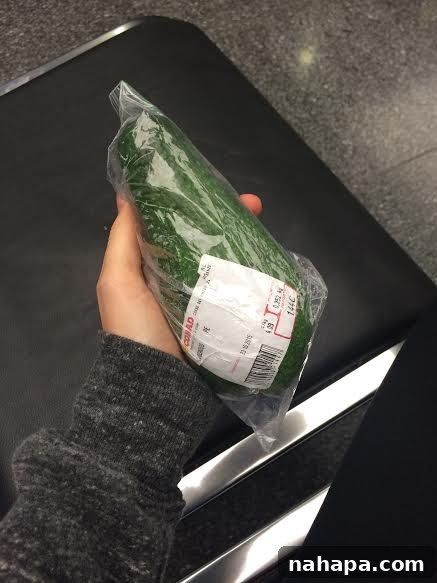
Our journey back included a tight connection in Stuttgart, Germany, before our final leg to London. This meant navigating customs and security yet again with a mere whisper of a layover – a situation where every second counts. I meticulously emptied all electronics, tupperware, and liquids onto the trays, as is standard procedure. However, I was utterly surprised when a German TSA agent held up my purse, his expression one of polite bewilderment, and inquired, “Madam, is this your bag?” Puzzled, I confirmed it was, wondering what seemingly innocent item I’d forgotten to declare. He squinted at the x-ray monitor for a few seconds, as if trying to decipher an ancient riddle. With a finger thoughtfully resting on his chin, he used his other hand to trace a bottom-heavy, oblong shape in the air, asking, “Is that… an avocado?”
My tired brain could only muster a simple, “…yes,” in response. He paused again, a moment of silent contemplation passing between us. I was too exhausted to recall if he actually took it out for a closer inspection, but the entire exchange concluded with a subtle softening of his face and a bemused, “Well… okay.” It seems not everyone considers an avocado an essential carry-on item for international travel, especially in Europe where fresh produce might be less commonly carried through security! This humorous incident underscores the importance of being prepared with your own food, even if your ‘essential’ items raise a few eyebrows and lead to memorable airport stories.
Airport Dining Delights: London Heathrow Revisited
After an overnight stay in London, during which I indulged in some much-needed room service poached eggs (too tired for a photo!), I found myself once again navigating Heathrow’s culinary landscape. We cleared security around 10 AM, and having only had an apple that morning, I was initially disappointed to discover we weren’t in Terminal 5 where Giraffe had previously saved the day. However, I am fortunate to have a husband who enthusiastically shares my penchant for non-traditional breakfasts. He eagerly seized the opportunity to visit Yo-Sushi, a vibrant and unexpected choice for a morning meal.

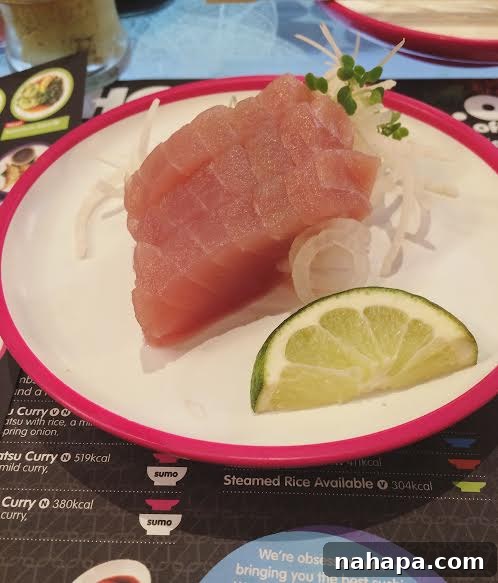
Yo-Sushi, a vibrant conveyor belt sushi bar, proved to be an excellent choice. The freshness of the ingredients and the wide selection were impressive. It’s more than just a meal; it’s an experience, as we spent a considerable amount of time simply watching the diverse options glide by. For my restricted diet, I kept it wonderfully simple, enjoying two plates of fresh tuna sashimi. It was a perfect, clean, and satisfying meal, devoid of hidden ingredients or sauces, making it an ideal choice for gluten-free, Paleo, and even AIP-compliant diners (if reintroducing fish). The pure protein and healthy fats provided sustained energy without any post-meal sluggishness.
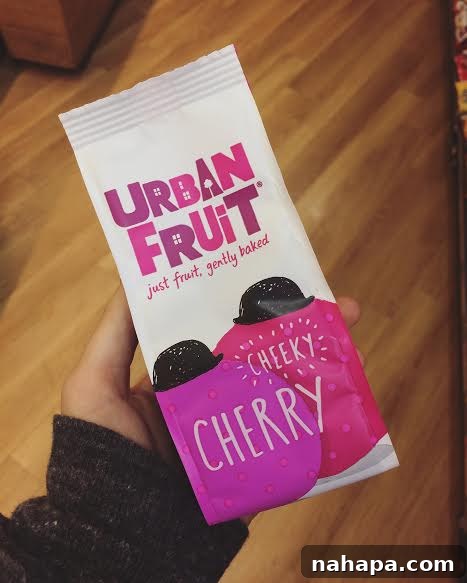
Running low on dried fruit from the first leg of my journey, I was delighted to discover an exceptional option at Heathrow: Urban Fruit baked cherries. These seemed to be a brand specific to England, and they were absolutely delicious. Crucially, they were not sweetened with any added sugars, making them a perfect and truly AIP-compliant travel snack. Finding such gems in an airport environment, especially those free from common allergens and added sweeteners, is always a victory and highlights the benefits of exploring local health food options.
My final meal on the long flight back to Dallas mirrored my outbound dinner: Wild Planet tuna, Brussels sprouts (which I had thoughtfully prepared and packed from our Air BNB in Florence), and avocado. This consistent, reliable meal proved once again to be the ideal choice for maintaining my dietary integrity and comfort throughout the entire journey. Preparing meals in an Air BNB, when possible, offers unparalleled control over ingredients and ensures you have exactly what you need for the journey ahead.
Essential Strategies: 7 Expert Tips for International Travel on a GF, Paleo, or AIP Diet
Having navigated numerous international trips with specific dietary requirements, I’ve refined a set of strategies that consistently ensure a comfortable and compliant journey. These tips are invaluable for anyone traveling with gluten-free, Paleo, or Autoimmune Protocol (AIP) restrictions:
- Prioritize Portable Protein Sources: Shelf-stable protein is your ultimate travel companion. Items like Wild Planet tuna packs, salmon pouches, or high-quality Epic Bars were absolute lifesavers. They require no refrigeration, are easy to get through security (always check specific country regulations for animal products, but processed/canned meats are generally fine), and provide essential sustenance when other options are scarce. This prevents hunger-driven impulsive choices and supports stable energy levels, crucial for combating jet lag and maintaining cognitive function during long travel days.
- Embrace Healthy Fats for Satiety: Loading up on healthy fats is a game-changer for long travel days. My breakfast of eggs, bacon, and avocado in London kept me comfortably full for hours, eliminating the stress of rushing to find food during short layovers. Healthy fats not only provide sustained energy but also help regulate blood sugar, reducing cravings and keeping you feeling balanced and satiated. Think avocados, olives, high-quality olive oil, coconut butter, or nuts and seeds (if reintroduced and tolerated). These caloric dense options are excellent for small, powerful snacks.
- Invest in Quality, Leak-Proof Food Containers: A reliable set of tupperware is non-negotiable for anyone packing their own meals. As I highlighted, my Ecolunch box was an exceptional investment. Stainless steel containers are ideal as they retain temperature better than plastic, are highly durable, eco-friendly, and you don’t have to worry about breakages like with glass. Look for designs with robust, leak-proof seals to prevent any unwanted messes in your carry-on, especially when packing moist foods or dressings.
- Pack a Diverse Range of Snacks: A mix of dried and fresh snacks is key to preventing palate fatigue and ensuring balanced nutrition. Dried fruits like mango, apricots, figs, or the Urban Fruit cherries I found in London are fantastic for their portability, long shelf life, and concentrated energy. However, travel can be dehydrating, so always complement these with fresh fruits and vegetables like apples, pears, celery sticks, or baby carrots, which also provide vital hydration and micronutrients. Variety helps prevent boredom and ensures you’re getting a broad spectrum of nutrients.
- Simplify Restaurant Orders and Ask Direct Questions: When dining out, especially in unfamiliar territory, simplicity is your best friend. Sashimi (plain slices of fish, no rice or sauces) is often a safe and delicious option for gluten-free and Paleo diets. If sashimi isn’t available, don’t hesitate to ask detailed questions about dish ingredients. I’ve encountered numerous surprises, such as a “calamari and spinach” dish in Italy arriving with unexpected potatoes and red pepper flakes. Clearly communicate your dietary needs, ask about cooking oils (e.g., “Is it cooked in olive oil or vegetable oil?”), and request modifications like grilled proteins with plain steamed or roasted vegetables. Patience and polite persistence go a long way.
- Stay Hydrated Religiously: This cannot be stressed enough, especially on long-haul flights. Airplane cabin air is incredibly dry, and dehydration can exacerbate jet lag symptoms, fatigue, headaches, and even digestive issues. Carry a reusable water bottle and refill it constantly after security at water fountains or in restaurants. Opt for plain water over sugary drinks, sodas, or excessive caffeine and alcohol, which can further dehydrate you. Electrolyte packets (ensure they are free from questionable ingredients) can also be a helpful addition to combat fluid loss and maintain mineral balance.
- Research Your Destinations in Advance: Before you even leave home, do a little digging. Look up airport restaurant menus online to identify potential safe eating spots and their operating hours. If you’re staying in an Air BNB or hotel with a kitchenette, locate nearby grocery stores or health food shops that might carry organic, gluten-free, or fresh produce options. Apps like “Find Me Gluten Free” or “HappyCow” can be invaluable resources. Knowing your resources beforehand significantly reduces stress, last-minute scrambling, and increases your chances of finding compliant and delicious food.
My adventures in Italy and the story of our wedding are bursting with memories, photographs, and countless inspirations for new recipes. I can’t wait to share those with you in upcoming posts, diving deeper into the joys of eating well while immersing yourself in a new culture. Until then, happy and healthy travels, friends!
What are your favorite, most reliable travel snacks or strategies for staying on track with your diet while abroad? Share your wisdom in the comments below!