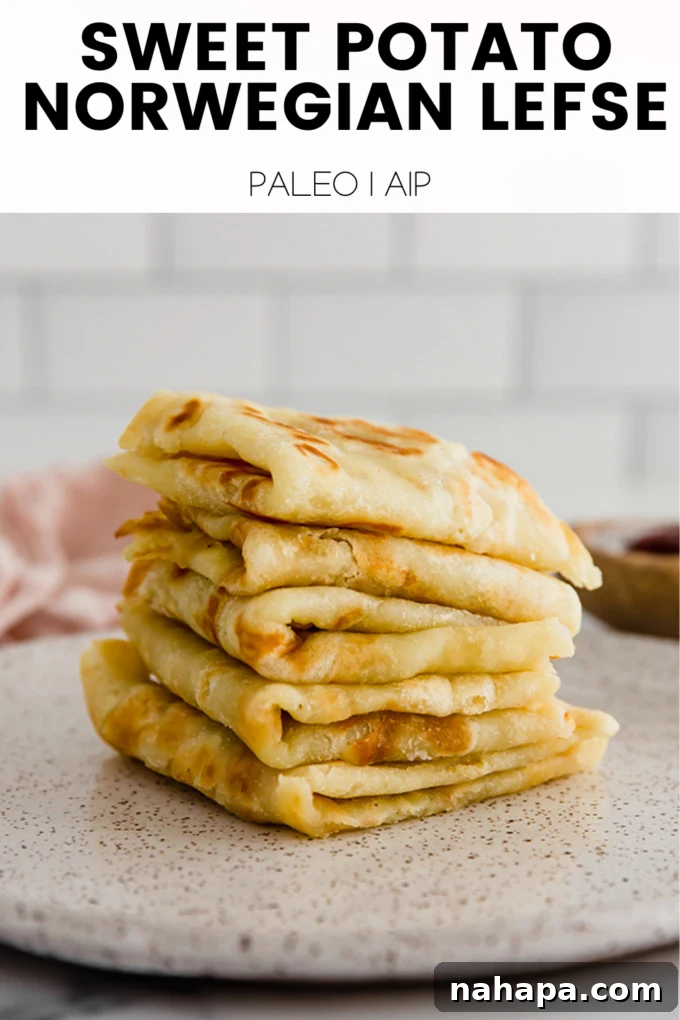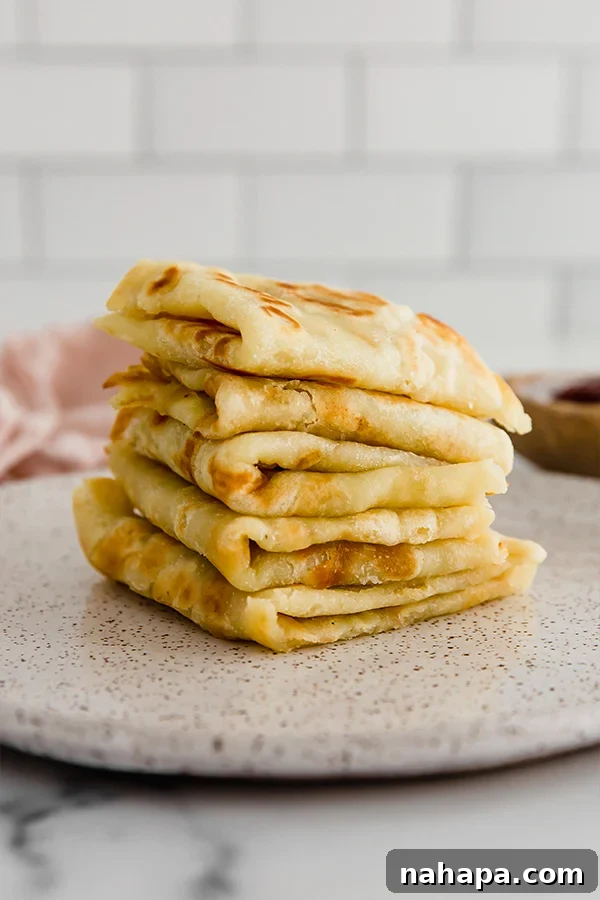
This delightful Norwegian Lefse is a revolutionary take on a beloved classic. Crafted with nourishing sweet potato, this recipe is entirely grain-free and dairy-free, making it an ideal choice for those following Paleo and Autoimmune Protocol (AIP) lifestyles. Get ready to enjoy a traditional treat reimagined for modern dietary needs!
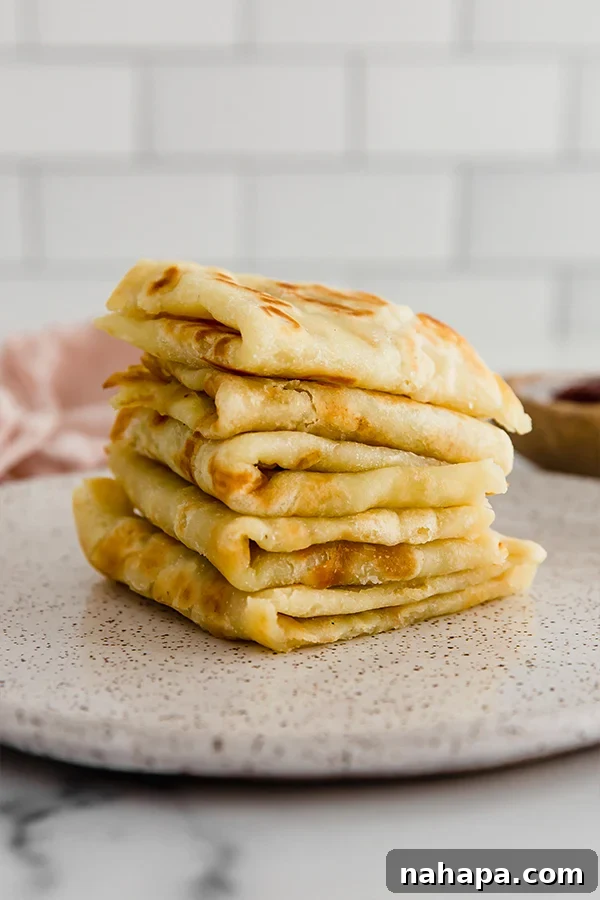
Sweet Potato Norwegian Lefse: A Paleo & AIP Friendly Delight
Are you searching for a holiday treat or a comforting snack that aligns with your dietary restrictions without compromising on taste or tradition? Look no further! This sweet potato Norwegian Lefse recipe delivers all the warmth and charm of the original, but with a nourishing, allergen-friendly twist. Meticulously developed to be grain-free and dairy-free, this version is also fully compliant with both Paleo and Autoimmune Protocol (AIP) guidelines. It’s the perfect way to bring a taste of Scandinavian heritage into your home, ensuring that everyone can partake in this delicious experience, regardless of their dietary needs.
Unveiling Norwegian Lefse: A Culinary Tradition Explained
Norwegian Lefse is a soft, thin flatbread that holds a cherished place in Scandinavian culinary traditions, particularly during festive periods like Christmas. Traditionally, it’s crafted from a simple dough of riced potatoes, flour, butter, and cream, then rolled out paper-thin and cooked on a griddle. Its delicate texture and mild, slightly sweet flavor make it incredibly versatile. Lefse is often served as a sweet treat, generously spread with butter, cinnamon sugar, or various fruit jams, then rolled up or folded. Beyond sweet applications, it can also accompany savory dishes, much like a thin bread. While I don’t personally have Norwegian heritage, the concept of a delicate, rollable flatbread reminds me fondly of Hungarian palacsinta, a dish I’m intimately familiar with from my own background. This recipe bridges that gap, offering a deeply satisfying and familiar experience with a health-conscious modification.
The Health-Conscious Twist: Why Sweet Potato, Paleo, and AIP?
The true innovation of this recipe lies in its carefully chosen ingredients, specifically the sweet potato, which is the heart of its Paleo and AIP compliance. Traditional lefse often uses regular potatoes, a nightshade vegetable that is typically excluded from the Autoimmune Protocol, and common grain flours (like wheat) and dairy products (butter and cream), which are restricted in both Paleo and AIP diets. By using white sweet potato, we eliminate nightshades, grains, and dairy, creating a truly inclusive flatbread.
- Paleo-Friendly: The Paleo diet focuses on whole, unprocessed foods that were presumably available to our ancestors. This recipe aligns perfectly by utilizing sweet potatoes, healthy fats, and grain-free binders, shunning refined sugars, grains, and dairy.
- AIP-Friendly: The Autoimmune Protocol is a stricter elimination diet designed to reduce inflammation and heal the gut. This recipe meticulously avoids common AIP triggers such as nightshades (regular potatoes), grains, dairy, eggs (though not in original lefse, it’s common in flatbreads), and refined sugars.
- Grain-Free and Dairy-Free: These are core benefits, making this lefse accessible to individuals with gluten sensitivities, celiac disease, lactose intolerance, or dairy allergies. The sweet potato provides a natural, subtle sweetness and a tender texture that makes up for the absence of traditional ingredients. It’s a testament to how traditional flavors can be beautifully adapted for modern health needs, proving that eating well doesn’t mean sacrificing deliciousness.
Crafting Your Grain-Free Lefse: The Essential Ingredients
Creating this unique sweet potato lefse requires a thoughtful selection of ingredients that ensure both authentic flavor and strict adherence to dietary principles. Here’s a closer look at what you’ll need and why each component is vital for the success of your grain-free flatbread:
- White Sweet Potato: This is the cornerstone of our grain-free lefse, providing the necessary starch and structure. Varieties such as Hannah, Jersey, or Japanese sweet potatoes are specifically recommended due to their distinct characteristics. Unlike their orange counterparts, these white varieties tend to be drier and starchier, which is absolutely crucial for creating a dough that is pliable, less sticky, and easy to handle during the delicate rolling process. While orange sweet potatoes might be a convenient substitute, their higher moisture content and sweeter profile could significantly alter the final texture, potentially making the dough more challenging to work with and resulting in a different flavor.
- Coconut Flour: A truly remarkable grain-free flour, coconut flour plays a pivotal role in absorbing excess moisture from the cooked sweet potato. Its exceptional absorbency helps to bind the dough together, giving it the necessary structure to be rolled out thinly without tearing. Start with the recommended amount and, if your dough still feels too wet, you can incrementally add a little more to achieve the perfect, workable consistency.
- Avocado Oil: This versatile oil serves a dual purpose in our recipe. It’s incorporated directly into the dough to add richness and flexibility, contributing to the lefse’s tender texture. Additionally, avocado oil is used for frying the lefse. Its high smoke point and neutral flavor make it an excellent choice for cooking, allowing the subtle flavors of the sweet potato to shine through while helping to achieve that desirable golden-brown finish.
- Salt: A small pinch of salt is essential, not just for seasoning, but for enhancing the overall flavor profile. It expertly balances the natural sweetness of the sweet potato and brings out the best in all the other ingredients, ensuring that each bite of lefse is perfectly seasoned.
- Arrowroot Starch: This gluten-free and grain-free starch is indispensable for achieving the characteristic thinness and delicate, slightly chewy texture of traditional lefse. It acts as a primary binder, providing elasticity to the dough, which is vital for rolling it out to almost paper-thin dimensions. Furthermore, arrowroot starch is your best friend when it comes to flouring your working surface and parchment paper. A generous dusting prevents the fragile dough from sticking, allowing for seamless rolling and easy transfer to the hot pan.
The Essential Tools for Mastering Sweet Potato Lefse
While the idea of making lefse might seem daunting, having the right kitchen tools can transform the process into a smooth and enjoyable experience. These specialized items, though not always common in every kitchen, are highly recommended for achieving the authentic thinness and delicate texture that defines traditional lefse:
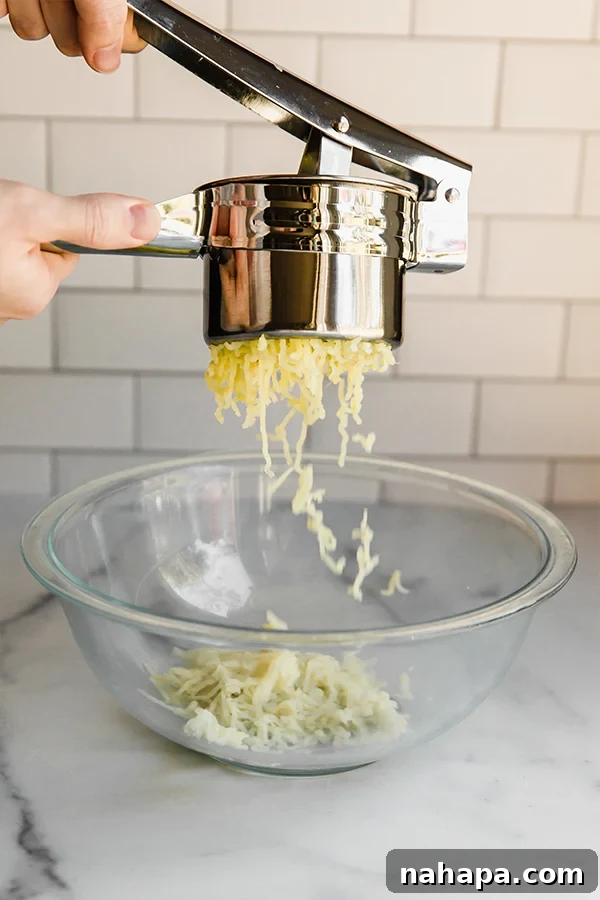
- Potato Ricer: This specialized tool is truly invaluable for preparing the sweet potato base. Unlike a regular potato masher, which can leave small lumps, a potato ricer forces the cooked sweet potato through tiny holes, producing an incredibly fine, airy, and lump-free mash. This super-smooth consistency is absolutely crucial for creating a delicate dough that can be rolled out to paper-thin specifications without tearing or cracking. It’s a game-changer for achieving that signature lefse texture.
- Rolling Pin: A good quality rolling pin is, of course, a fundamental tool for any flatbread recipe. For lefse, a standard or tapered rolling pin works well. The key here is to apply even pressure across the dough as you roll, ensuring uniform thinness. Some traditionalists even use a specialized grooved lefse rolling pin, but a smooth, heavy rolling pin will suffice with patience and practice.
- Angled Spatula (or Thin Butter Knife): Once rolled out to its fragile thinness, lefse dough is incredibly delicate. An angled spatula, or even a thin, flexible butter knife, becomes your best friend for carefully lifting the raw lefse from the parchment paper. This tool allows you to gently separate the dough from the surface without tearing, making the transfer to the hot pan much easier and preserving the integrity of your beautifully rolled flatbread. Precision and a gentle touch are paramount in this step.
Step-by-Step Guide: How to Make Grain-Free Sweet Potato Lefse
Creating this grain-free and dairy-free Norwegian lefse is a rewarding process that yields a truly delicious result. Follow these detailed steps carefully to ensure a perfect batch every single time, from preparing the sweet potatoes to serving your homemade flatbread:
-
Prepare the Sweet Potatoes: Boil and Rice to Perfection
Start by taking your chosen white sweet potato variety (Hannah, Jersey, or Japanese are best) and peel it thoroughly before chopping it into uniform, medium-sized pieces. Place these pieces in a medium pot and add enough water to generously cover them. Bring the water to a vigorous boil and continue cooking for approximately 15-20 minutes, or until the sweet potato pieces are completely fork-tender. Once cooked, it is critically important to drain the sweet potatoes exceptionally well. Any excess moisture will make your dough sticky and difficult to handle. For best results, allow them to steam dry in the colander for a minute or two.

While the sweet potato is still warm – this is key for a smooth, lump-free consistency – run it through a potato ricer directly into a large mixing bowl. The ricer will transform the tender sweet potato into an incredibly fine, fluffy mash, eliminating any stubborn lumps that could interfere with the delicate rolling process later on. Avoid using a food processor, as it can over-process the sweet potatoes and lead to a gummy texture.
-
Form the Grain-Free Dough: Achieving the Right Consistency
To the perfectly riced sweet potato, add 2 tablespoons of coconut flour, 3 tablespoons of avocado oil, and a generous pinch of salt. Use a sturdy spoon or your hands to thoroughly stir and combine these ingredients, ensuring they are evenly distributed throughout the sweet potato mash. Next, begin to incorporate the arrowroot starch, adding it gradually, about 1/3 cup at a time. After each addition, stir well to allow the starch to fully integrate. The exact amount of arrowroot starch may vary slightly based on the inherent moisture content of your specific sweet potatoes. Continue mixing until a cohesive, pliable dough begins to form. Once all ingredients are combined, allow the dough to rest for 5-10 minutes. This crucial resting period gives the coconut flour and arrowroot starch time to fully absorb any remaining moisture and allows the dough to cool slightly, making it much easier and more stable to handle.
The finished dough should feel soft but firm, easy to manipulate without being overly sticky or prone to crumbling. If, after resting, the dough still feels too wet or challenging to work with, incorporate an additional tablespoon of coconut flour, mixing it in until you achieve a desirable, workable consistency. It should be firm enough to roll into smooth, uniform balls without losing its shape.
-
Portion and Prepare for Rolling: Streamlining the Process
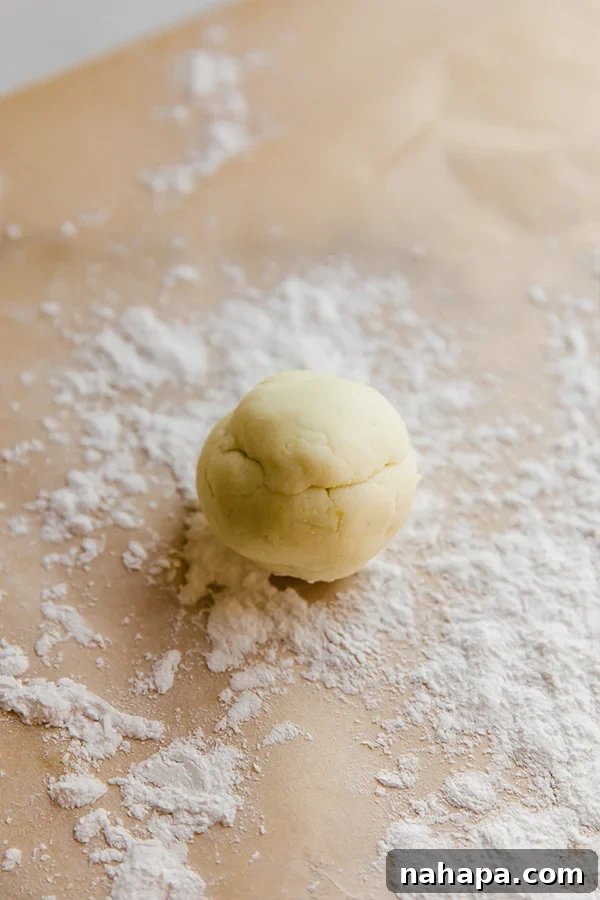
Once your grain-free dough has reached the ideal consistency, it’s time to divide it into individual portions. For perfectly sized lefse, aim for small, uniform pieces, each roughly equivalent to about 2 tablespoons worth of dough. Gently roll each portion into a smooth, compact ball and set them aside on a plate or baking sheet. Pre-portioning your dough like this will significantly streamline the rolling process, allowing you to move efficiently from one piece to the next.
-
Roll the Lefse Thinly: The Art of Delicacy
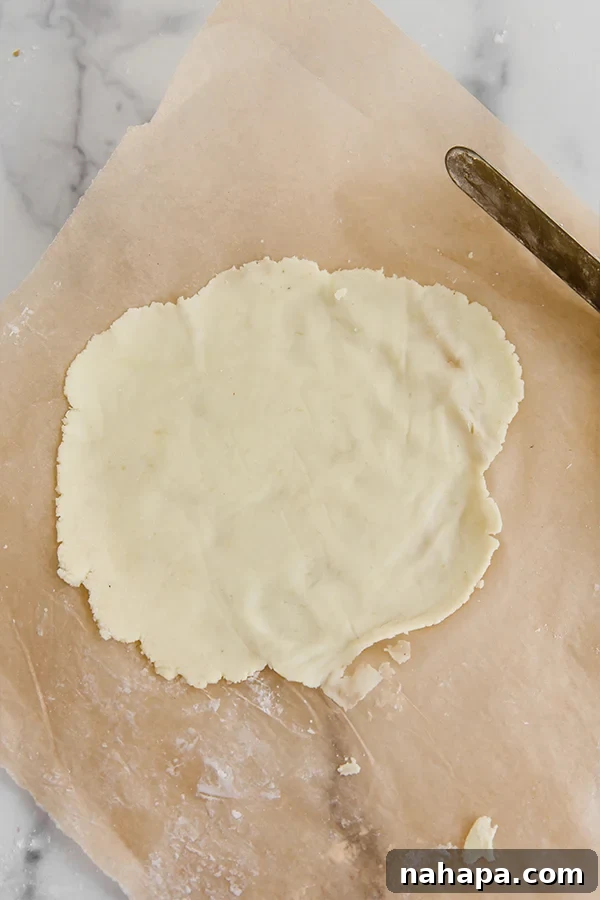
This step is where the magic of lefse truly comes alive. Prepare your rolling surface by laying down a clean piece of parchment paper. Generously dust this parchment paper with arrowroot starch – this is absolutely vital to prevent the delicate dough from sticking. Take one dough ball and place it squarely in the center of the floured parchment. Carefully place another piece of parchment paper directly on top of the dough ball. Using your rolling pin, begin to roll the dough flat, applying consistent, even pressure. Work from the center outwards, gradually thinning the dough until it is incredibly thin, almost translucent. The thinner you can roll it, the more authentic and delightful your lefse will be in texture. Patience and a gentle hand are your best assets here.
Once rolled to your desired thinness, carefully peel off the top layer of parchment paper. Then, using an angled spatula or a thin butter knife, meticulously and gently separate the delicate lefse from the bottom parchment paper. This step requires a steady hand and extreme care to avoid tearing the fragile dough, which is at its most vulnerable at this stage. You can also roll the dough directly on a generously floured surface and then use the spatula to lift it.
-
Cook the Lefse to Golden Perfection: On the Griddle
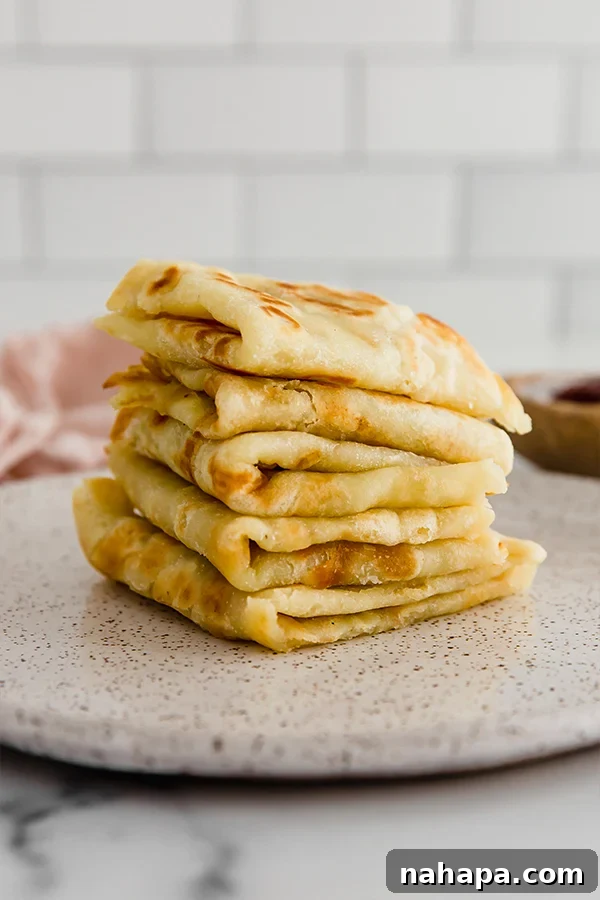
Heat a large, deep pan or griddle over medium heat. Add 2-3 tablespoons of avocado oil to the pan, ensuring it’s evenly coated. Once the oil is hot and shimmering, indicating it’s ready, carefully transfer one rolled lefse disc to the hot pan. Cook each side for approximately 2-3 minutes. As the lefse cooks, you might observe small bubbles forming on its surface; gently press down on these with a spatula to prevent them from growing too large and to ensure even cooking and browning. The aim is a beautiful light golden-brown color with characteristic darker brown spots, which signify the perfect cook. Once cooked, carefully transfer the lefse to a clean plate or a wire rack to cool slightly. Repeat this process with the remaining dough, adding more avocado oil to the pan as necessary for each new piece.
-
Serve and Savor Your Homemade Sweet Potato Lefse
Your freshly cooked sweet potato lefse is now ready to be enjoyed! The traditional way to serve lefse is either with a simple sprinkle of coconut sugar for a touch of sweetness, or rolled with your favorite berry jam for a burst of fruity indulgence. For an even richer experience, consider spreading a thin layer of dairy-free cream cheese or a homemade fruit compote. Gently roll or fold the lefse and serve it warm. This incredibly versatile flatbread can also be enjoyed with savory fillings, making it a wonderful and flexible addition to any meal, snack time, or special occasion. Experiment with different toppings to find your perfect pairing!
Tips for Achieving Perfect Paleo & AIP Sweet Potato Lefse Every Time
Making lefse can be a delicate art, but with a few expert tips, you can ensure your grain-free, dairy-free version turns out flawlessly:
- Don’t Over-Process Sweet Potatoes: While a potato ricer is ideal for achieving a smooth mash, avoid using a food processor. Over-processing sweet potatoes can release too much starch and make them gummy, which will negatively affect the texture and workability of your dough.
- Work Efficiently and Keep Dough Covered: Sweet potato dough, like many gluten-free doughs, can dry out quickly. It’s best to work with one small portion at a time, keeping the remaining dough covered with a damp cloth or plastic wrap to maintain its moisture and pliability.
- Generous Flour for Rolling is Key: Do not be shy with the arrowroot starch when preparing your parchment paper or rolling surface. A generous dusting is your absolute best defense against the delicate dough sticking, allowing you to roll it out to its required thinness without tearing.
- Embrace Thinness: The hallmark of excellent lefse is its thinness. The thinner you can roll your dough, the more authentic and delightful the texture will be. This may take a little practice, but it’s worth the effort!
- Maintain Consistent Medium Heat: An even, medium heat on your pan or griddle is crucial for uniform cooking. If the heat is too high, the lefse will scorch before it cooks through; too low, and it will become dry and tough without developing those desirable golden-brown spots.
- Handle with Care: Once rolled, the dough is very fragile. Use gentle, swift movements when transferring it to the hot pan to avoid tears.
Frequently Asked Questions About Sweet Potato Lefse
Can I make this recipe ahead of time?
Absolutely! This sweet potato lefse is an excellent candidate for meal prep. You can prepare it up to a day in advance and store the cooked pieces in an airtight container in the refrigerator. For longer storage, lefse also freezes exceptionally well. To freeze, simply stack the cooked pieces with small squares of parchment paper in between each one to prevent sticking, then wrap the entire stack tightly in plastic wrap and aluminum foil before placing it in a freezer-safe bag or container. When ready to enjoy, thaw the lefse at room temperature or gently reheat it in a dry pan over low heat until warmed through.
Can I use orange sweet potato instead of white?
While I highly recommend using white sweet potato varieties such as Hannah, Jersey, or Japanese for their ideal drier, starchier consistency, orange sweet potatoes could potentially be used as a substitute. However, be prepared for a few differences: orange sweet potatoes will impart a significantly sweeter flavor to your lefse and, of course, a distinct orange hue, which deviates from the traditional appearance. More importantly, their higher moisture content might require you to adjust the recipe by adding a bit more coconut flour or arrowroot starch to achieve the proper dough consistency for rolling.
Is this recipe truly coconut-free?
The current recipe, as written, utilizes coconut flour. Coconut flour is a fantastic ingredient in this recipe because of its superior ability to absorb moisture and bind the dough effectively, which is critical for handling sweet potato-based dough. If you need a completely coconut-free option, you could experiment with replacing the coconut flour with additional arrowroot starch or, alternatively, cassava flour. It is important to note that these flours have different absorption rates and binding properties than coconut flour, so you would need to adjust the quantities and potentially the overall moisture content of your dough carefully to achieve a similar, workable consistency and texture.
What are some creative serving suggestions for this lefse?
Beyond the classic sprinkle of coconut sugar or a spread of berry jam, this versatile lefse opens up a world of culinary possibilities! For sweet variations, consider spreading it with homemade apple butter, a fruit-sweetened chocolate “nutella” substitute, or a dollop of dairy-free yogurt with fresh fruit. For a savory twist, try a light spread of an AIP-compliant “cream cheese” alternative and a sprinkle of fresh chives, or even wrap it around some compliant smoked salmon and fresh dill. It can also be a unique accompaniment to a stew or soup, much like a flexible, soft bread. The mild flavor of the sweet potato allows for both sweet and savory explorations!
Discover More Paleo & AIP Friendly Delights
If you thoroughly enjoyed making and savoring this grain-free and dairy-free sweet potato lefse, you’ll be thrilled to explore other healthy and delicious recipes that fit a similar dietary framework. Expand your repertoire of allergen-friendly dishes with these delightful options:
- Paleo Strawberry Plantain Crepes
- Paleo Pancake Skewers
- 3 Ingredient Banana Pancakes
Recipe Card: Sweet Potato Norwegian Lefse (Paleo, AIP)
Sweet Potato Norwegian Lefse (Paleo, AIP)
A delicious, grain-free and dairy-free version of traditional Norwegian Lefse, perfect for Paleo and AIP lifestyles!
Yield: 8-10 servings
Prep Time: 30 minutes
Cook Time: 15 minutes
Author: Michelle
Ingredients
- 1 lb white sweet potato, peeled and chopped (Hannah, Jersey, or Japanese Sweet Potato all work)
- 2-3 tbsp coconut flour
- 3 tbsp avocado oil, plus extra for frying
- Pinch of salt
- 1 cup arrowroot starch, plus extra for flouring the surface
Instructions
- Add the sweet potato to a medium pot and cover with water. Bring to a boil for 15-20 minutes or until fork tender. Strain the sweet potato thoroughly.
- While the sweet potato is still warm, run it through a potato ricer into a large mixing bowl to create a smooth mash.
- To the riced sweet potato, add 2 tbsp of coconut flour, 3 tbsp avocado oil, and a pinch of salt. Stir well to combine. Gradually add the arrowroot starch, 1/3 cup at a time, stirring thoroughly after each addition. Allow the dough to sit for 5-10 minutes to set and cool slightly.
- The dough should be easy to handle and roll into small balls. If it still feels too wet, add an additional tablespoon of coconut flour and mix.
- Roll the dough into small, uniform pieces, with about 2 tbsp worth of dough per piece. Set aside.
- Prepare your rolling surface by laying down parchment paper and generously dusting it with arrowroot starch. Place a dough ball on the parchment, cover with another piece of parchment, and roll flat with a rolling pin until very thin. Carefully use a butter knife or angled spatula to remove the delicate lefse from the surface.
- Heat 2-3 tbsp of avocado oil in a large deep pan or griddle over medium heat. Once hot, carefully add the lefse. Cook for 2-3 minutes on each side, gently pressing down with a spatula to prevent excessive bubbling. Transfer to a clean plate and repeat with all remaining lefse.
- Serve your homemade lefse topped with coconut sugar or your favorite berry jam, then roll or fold to enjoy.
Notes
This recipe has been adapted from Sweet Treats.
All nutrition facts provided are estimates and may vary based on specific ingredients and preparation methods.
Nutrition Information (Estimated Per Serving)
- Serving: 1 piece (approximately)
- Calories: 91 kcal
- Carbohydrates: 11.1 g
- Protein: 1.1 g
- Fat: 4.9 g
- Fiber: 2.1 g