
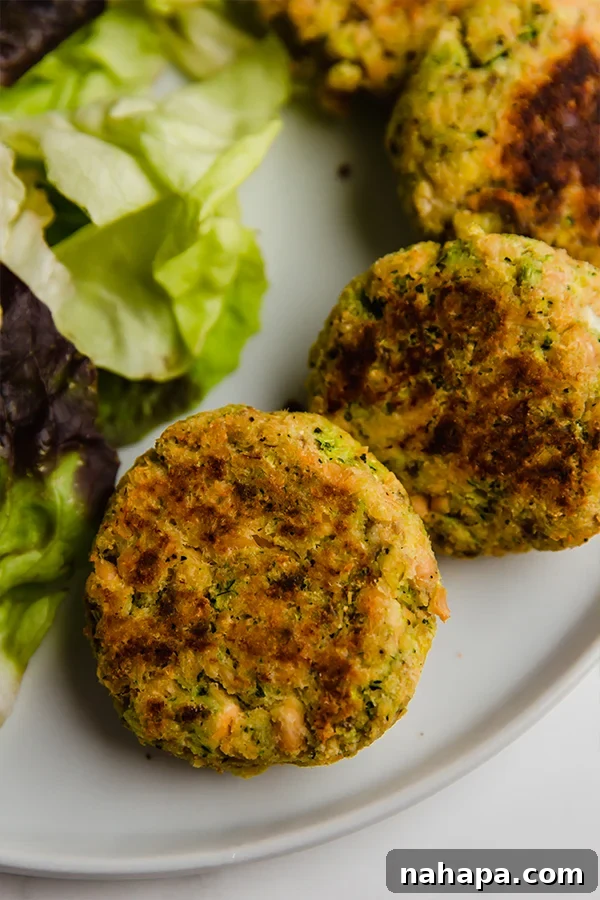
Delicious & Healthy Paleo Salmon Cakes: Your Ultimate AIP & Whole30 Recipe
Discover how to create incredibly flavorful and nutrient-dense salmon cakes, meticulously crafted to be compliant with Paleo, AIP (Autoimmune Protocol), and Whole30 diets. These simple yet satisfying patties, made primarily with convenient canned salmon, are packed with hidden vegetables and essential omega-3 fatty acids, making them a perfect addition to your healthy meal rotation.
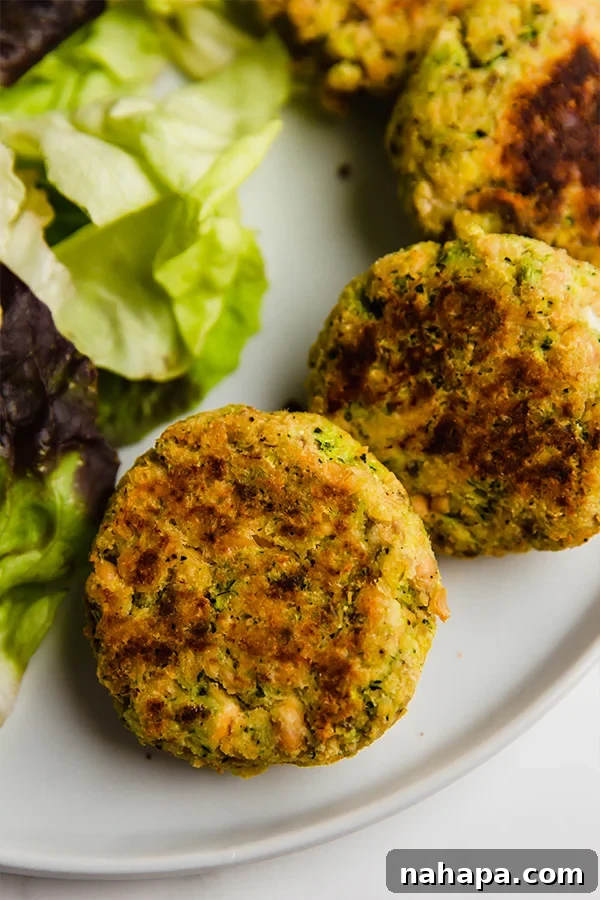
Why These Paleo Salmon Cakes Will Become Your New Favorite
Salmon is renowned for its exceptional health benefits, particularly its rich concentration of omega-3 fatty acids, which are crucial for heart health, brain function, and reducing inflammation. While full salmon fillets are a wonderful option, incorporating salmon into your diet in various forms keeps things exciting and accessible. These paleo salmon cakes offer a fantastic, easy, and flavorful alternative, especially if you’re looking for new ways to enjoy this superfood.
What makes these salmon cakes truly stand out is their thoughtful design to be friendly for multiple dietary lifestyles, including Paleo, AIP, and Whole30. This means they are free from grains, legumes, dairy, refined sugars, and inflammatory ingredients, ensuring they support optimal health and well-being for those with specific dietary needs.
Beyond their dietary compliance, these little patties ingeniously incorporate hidden vegetables like zucchini and leek, boosting their nutritional profile without compromising on taste or texture. This makes them an excellent choice for individuals (and even picky eaters!) looking to increase their daily vegetable intake effortlessly.
The Unbeatable Convenience of Canned Salmon
Many people overlook canned salmon, but it’s a true kitchen hero! It’s not only incredibly convenient and affordable but also retains a high nutritional value, making it a stellar pantry staple. Using canned salmon dramatically cuts down on prep time, as there’s no need for deboning or cooking raw fish from scratch. Simply drain and mix – it’s that easy!
When selecting canned salmon, opt for wild-caught varieties whenever possible. Wild Planet is a highly recommended brand that prioritizes sustainability and quality, ensuring you’re getting the best possible product for your health and the environment. Choosing wild-caught salmon ensures a higher omega-3 content and fewer contaminants compared to farmed alternatives.
The Power of Hidden Vegetables
One of the best features of these salmon cakes is the inclusion of finely chopped zucchini and leek. These vegetables not only add essential vitamins and minerals but also contribute to the texture and moisture of the cakes. Zucchini is a good source of Vitamin C and K, while leeks offer a mild oniony flavor and various antioxidants. Blending them into the mixture makes them virtually undetectable, a secret weapon for adding nutrients without altering the delicious salmon taste. This makes the cakes particularly appealing for families or anyone looking to subtly enhance their veggie intake.
Crafting Your Perfect Salmon Cakes: A Step-by-Step Guide
Creating these delightful salmon cakes is a straightforward process that yields impressive results. Follow these detailed steps to ensure perfectly formed, crispy, and flavorful patties every time.
1. Prepare the Vegetables
- Begin by preheating your oven to 400°F (200°C). Line a baking sheet with parchment paper and lightly grease it. This step is crucial for preventing sticking and ensuring easy flipping.
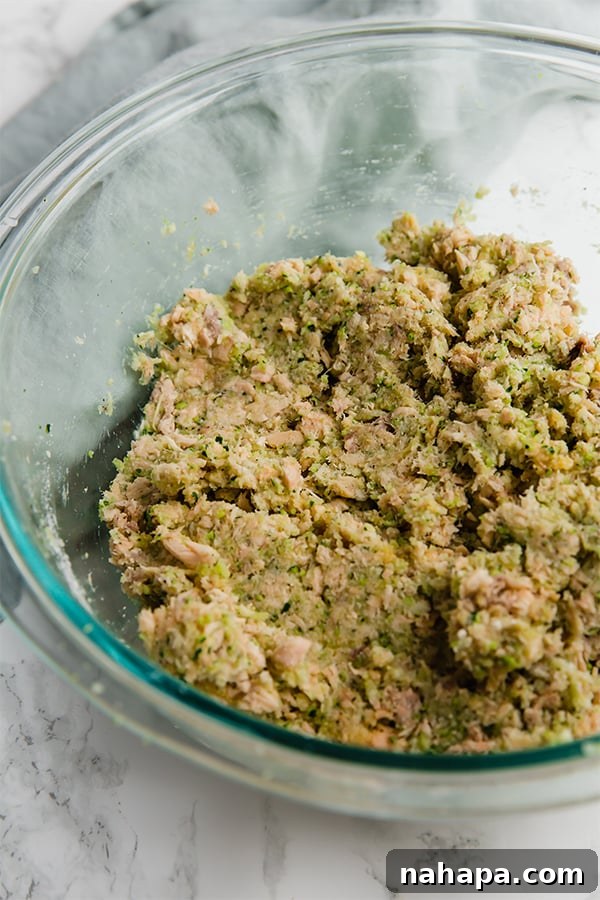
- Take your chopped zucchini and leek (ensure you’re using only the white part of the leek for the best flavor and texture). Add them to a food processor. Process until the vegetables are very finely chopped, almost to a pulp-like consistency. This fine chop is key to making them “hidden” and integrating smoothly into the salmon mixture.
- This next step is perhaps the most critical for achieving the right consistency: strain the excess water from the zucchini and leek. Place the finely chopped vegetables into a nut milk bag or a clean, sturdy dish towel. Squeeze out as much liquid as you possibly can. This prevents the salmon cakes from becoming soggy and helps them crisp up beautifully during baking. Transfer the thoroughly drained vegetable mixture to a large mixing bowl.
2. Combine and Form the Mixture
- Open your canned salmon and drain it thoroughly. Just like with the vegetables, removing excess liquid from the salmon is vital. You can press it gently against a sieve or use paper towels to absorb additional moisture. Add the drained salmon to the mixing bowl with the zucchini and leek.
- Next, incorporate the remaining ingredients: avocado oil (or another AIP-compliant oil), coconut flour, your chosen egg or egg substitute (refer to the notes below for the AIP-friendly gelatin egg), minced garlic, dill, sea salt, and black pepper (omit pepper for strict AIP).
- Mix everything together very well. Use your hands to ensure all ingredients are evenly distributed and thoroughly combined. The mixture should be cohesive and easy to handle.
- Once combined, form the salmon mixture into patties. Aim for patties about 3 inches in diameter and slightly flatten them. This size and thickness allow for even cooking and a nice crispy exterior. Carefully arrange the patties on your prepared baking sheet, ensuring they are evenly spaced to allow for proper air circulation and crisping.
3. Bake to Perfection
- Place the baking sheet with the salmon cakes into the preheated oven. Bake for an initial 15 minutes.
- After 15 minutes, very carefully flip each salmon cake. They will be delicate, so use a thin spatula and gentle movements to avoid breaking them.
- Return the baking sheet to the oven and continue baking for another 12-15 minutes, or until the salmon cakes are golden brown and crisp on the outside. The exact cooking time may vary depending on your oven and the thickness of your patties.
- Once baked, remove the salmon cakes from the oven and allow them to cool slightly on the baking sheet before serving. Cooling helps them firm up and become even more delicious.
Essential Ingredients for Flavor & Texture
The success of these salmon cakes lies in a handful of carefully selected ingredients, each playing a crucial role in achieving the perfect flavor and texture.
Wild-Caught Canned Salmon
As mentioned, quality salmon is key. Wild-caught canned salmon (such as the Wild Planet brand) provides a fantastic base, rich in flavor and beneficial omega-3s. It’s pre-cooked, simplifying the process, and its flaky texture is ideal for forming patties.
Moisture-Managing Veggies: Zucchini & Leek
Zucchini and leek are the unsung heroes of this recipe, providing nutrients and contributing to the cake’s structure. Their finely chopped nature and the crucial step of draining excess water prevent the patties from becoming mushy. The leek offers a subtle, sweet onion flavor that complements salmon beautifully, while zucchini adds lightness and moisture.
The Perfect Binder: Coconut Flour
Coconut flour is an excellent grain-free, gluten-free, and Paleo/AIP-compliant binder. It’s incredibly absorbent, which is perfect for soaking up any residual moisture from the salmon and vegetables, ensuring the patties hold their shape. It also contributes a very subtle sweetness that enhances the overall flavor. It’s important to note that coconut flour behaves differently from other flours, so substitutions are not recommended without significant recipe adjustment.
Flavor Boosters: Garlic, Dill, and Seasonings
Freshly minced garlic brings a pungent, aromatic depth, while dill adds a bright, herbaceous note that is classically paired with salmon. Sea salt enhances all the flavors, and a touch of black pepper (if not strictly AIP) provides a gentle warmth. These seasonings transform simple ingredients into a gourmet experience.
Egg & AIP Egg Substitute
A single egg acts as a binder, helping the cakes hold together. For those following the AIP diet, eggs are typically excluded during the elimination phase. However, a gelatin egg substitute works wonderfully to provide the necessary binding properties without compromising your dietary needs. This innovative substitute ensures everyone can enjoy these delicious salmon cakes.
Pro Tips for Flawless Salmon Cakes
Even simple recipes benefit from a few expert tips. Follow these suggestions to elevate your salmon cakes from good to absolutely perfect!
Mastering Moisture Control
The number one tip for achieving firm, crispy salmon cakes is to remove as much excess moisture as possible from both the vegetables and the canned salmon. Skipping this step can lead to soggy patties that fall apart. Using a nut-milk bag or a clean dish towel to vigorously squeeze the chopped zucchini and leek is non-negotiable. Similarly, press out any liquid from the canned salmon. This extra effort will be rewarded with superior texture.
Achieving Optimal Crispness
Baking at a slightly higher temperature (400°F) helps create a lovely golden crust. The parchment paper, combined with a light greasing, assists in this process and makes flipping much easier. Don’t be afraid to let them get truly golden – that’s where the best flavor and texture are found. Flipping them halfway through ensures both sides get equally crisp.
Ensuring Even Cooking
When placing the patties on the baking sheet, ensure they are evenly spaced. Overcrowding the pan can lead to steaming instead of baking, which will prevent the cakes from getting properly crispy. Give each cake its space to breathe and brown beautifully.
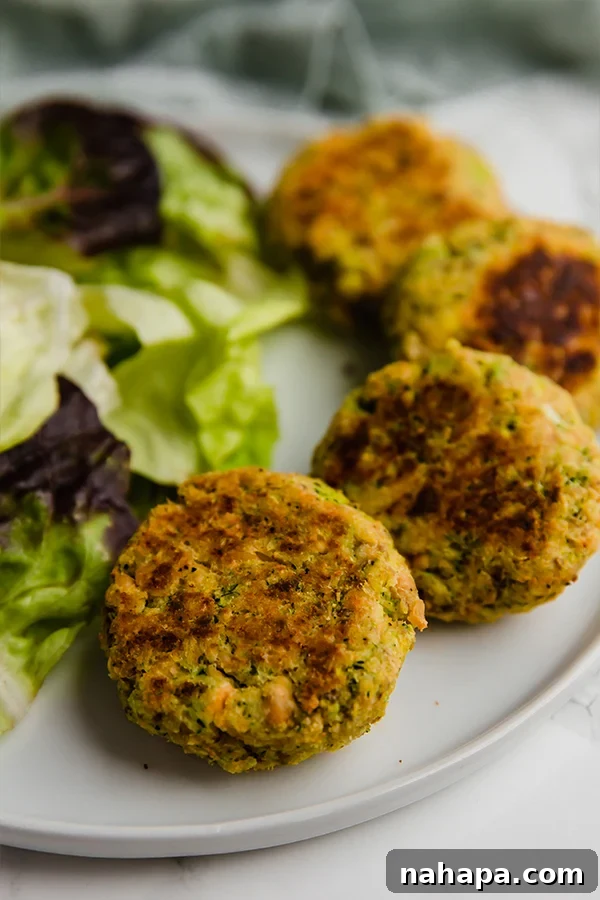
Serving Suggestions & Pairing Ideas
These versatile salmon cakes pair wonderfully with a variety of sides, making them suitable for lunch, dinner, or even a light snack. Here are some delicious ideas to complete your meal:
- Fresh Side Salad: A simple green salad with a lemon-herb vinaigrette offers a refreshing contrast to the richness of the salmon.
- Sweet Potato Fries: For a heartier side, homemade sweet potato fries are a fantastic Paleo and Whole30 compliant option. Their natural sweetness and crisp texture complement the savory cakes perfectly.
- Creamy Avocado Sauce: A creamy topping can elevate these salmon cakes to another level. Consider a cilantro avocado sauce, which adds a burst of fresh flavor and healthy fats. You could also try a simple lemon-tahini dressing (if Tahini is AIP compliant for you) or a homemade AIP mayonnaise.
- Roasted Vegetables: Asparagus, broccoli, or Brussels sprouts roasted with a drizzle of olive oil and sea salt make an excellent nutrient-rich accompaniment.
- Cauliflower Rice: For a grain-free base, serve the salmon cakes over a bed of seasoned cauliflower rice.
Storage & Meal Prep Tips
These salmon cakes are excellent for meal prepping and can be enjoyed for several days after cooking. Proper storage is key to maintaining their freshness and flavor.
- Storage: Store leftover salmon cakes in an airtight glass container in the refrigerator. They will last for 3-4 days. While they technically last that long, they’re often so delicious they don’t stick around for long!
- Reheating: To reheat, gently warm them in a skillet over medium-low heat until heated through, or pop them back into the oven at a lower temperature (around 300°F/150°C) for 10-15 minutes to help them crisp up again. Avoid microwaving if you want to retain their texture.
- Freezing: These salmon cakes can also be frozen for longer storage. Once completely cooled, arrange them in a single layer on a baking sheet and freeze until solid. Then transfer them to a freezer-safe bag or container, separating layers with parchment paper to prevent sticking. They can be frozen for up to 1-2 months. Thaw in the refrigerator overnight before reheating.
Tools for the Job
While you don’t need a gourmet kitchen to make these salmon cakes, a few tools can make the process significantly easier and faster.
- Food Processor: A food processor is highly recommended for finely chopping the zucchini and leek. It achieves a consistent texture quickly and efficiently, which is crucial for the “hidden” veggie aspect and overall patty consistency. If you don’t have one, you can use a box grater for the zucchini and finely mince the leek with a knife, but it will require more time and effort.
- Nut Milk Bag or Clean Dish Towel: Essential for thoroughly straining the excess water from the chopped vegetables.
- Large Mixing Bowl: For combining all the ingredients.
- Baking Sheet & Parchment Paper: For non-stick baking and easy cleanup.
- Spatula: A thin, sturdy spatula is helpful for carefully flipping the patties.
Frequently Asked Questions About Paleo Salmon Cakes
- Can I use fresh salmon instead of canned?
- Absolutely! If using fresh salmon, you’ll need to cook it first (bake or pan-sear) and then flake it before incorporating it into the mixture. Ensure it’s completely cooled and any excess moisture is removed.
- Can I make these salmon cakes in an air fryer?
- Yes, an air fryer is a great option for extra crispiness! Preheat your air fryer to 375°F (190°C). Place the patties in a single layer, ensuring they don’t touch. Air fry for 10-12 minutes, flipping halfway through, or until golden and cooked through. Cooking times may vary, so keep an eye on them.
- Are there other vegetables I can add?
- While zucchini and leek are recommended for their mild flavor and moisture content, you could experiment with other finely grated, well-drained vegetables like carrots, sweet potato, or even finely chopped spinach. Just be mindful of the added moisture and adjust coconut flour if needed.
- What if I don’t have coconut flour?
- Coconut flour is very unique in its absorbency. This recipe relies on it to bind the ingredients and absorb moisture. While some gluten-free flours might work, results are not guaranteed. Almond flour, for example, would require a significantly different quantity due to its different absorption properties.
- Can I pan-fry these instead of baking?
- Yes, you can pan-fry them for an even crispier exterior. Heat a generous amount of avocado oil (or other high-heat oil) in a large skillet over medium heat. Fry the patties for 3-5 minutes per side, or until golden brown and cooked through. Be careful not to overcrowd the pan.
Other Delicious Recipes You’ll Love
If you enjoyed these salmon cakes, be sure to explore more of our healthy and compliant recipes:
- Sweet Potato Crab Cakes
- Bang Bang Salmon Bowls
- Salmon Florentine
Recipe: Paleo & AIP Salmon Cakes
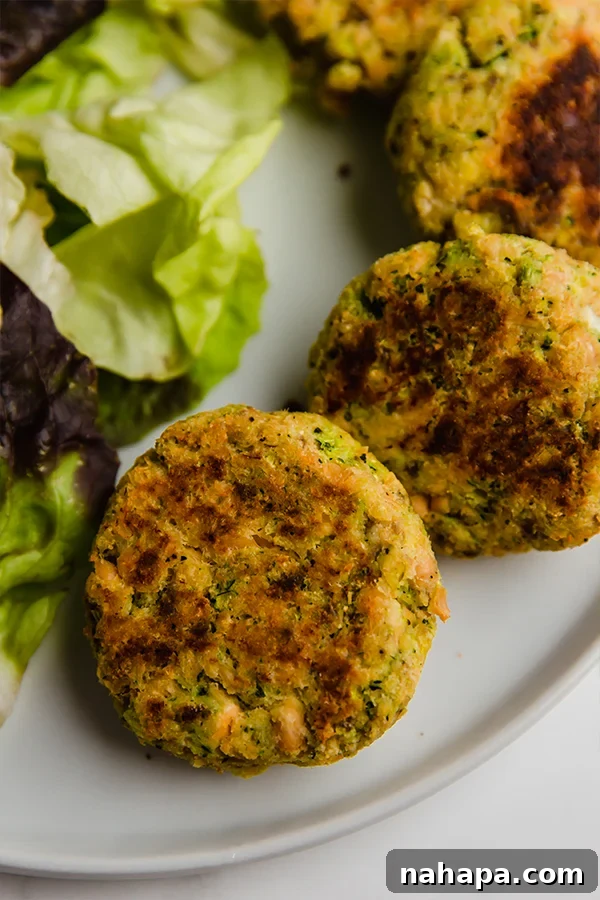
These salmon cakes are the perfect veggie dense meal made with simple canned salmon! They’re paleo, AIP, and whole30 compliant.
- Yield: 3 servings
- Prep Time: 15 minutes
- Cook Time: 30 minutes
- Author: Michelle
Ingredients
- 12 oz zucchini, about 2.5 cups, chopped
- ½ cup leek, white part only, chopped
- Two 6 oz cans of wild-caught salmon, drained
- 3 tbsp avocado oil
- 1 egg (or see notes for gelatin egg substitute for AIP)
- 3 tbsp coconut flour
- 2 tsp dill
- 3 cloves garlic, minced
- 1 tsp sea salt
- ¼ tsp black pepper (omit for strict AIP)
- For the gelatin egg substitute (AIP):
- ¼ cup water
- 1 tbsp gelatin
Instructions
- Preheat the oven to 400°F (200°C) and line a baking sheet with parchment paper that is lightly greased.
- Add the chopped zucchini and leek to a food processor and chop until fine. Using a nut milk bag (or clean dish towel) strain all of the excess water from the zucchini and leek. Transfer to a mixing bowl.
- Drain the canned salmon thoroughly and add to the zucchini and leek mixture along with the oil, coconut flour, egg (or gelatin egg substitute), garlic, dill, sea salt, and black pepper (if using). Mix well to combine all ingredients.
- Form the salmon mixture into patties about 3 inches in diameter and slightly flatten. Evenly space the patties on the prepared baking sheet.
- Bake in the preheated oven for 15 minutes before very carefully flipping each patty. Bake for another 12-15 minutes or until crisp and golden brown.
- Allow to cool slightly before serving. Serve with a side of your choice and an optional sauce like this creamy avocado sauce.
Notes
For the Gelatin Egg Substitute (AIP): Add ¼ cup cold water to a small saucepan. Slowly sprinkle 1 tbsp gelatin over the water. Allow the mixture to “bloom” and rest for 2-3 minutes until hardened. Place the pot on the stove and turn it on low heat, stirring constantly until the gelatin dissolves and the mixture turns to liquid (do not boil). Remove from heat. Vigorously whisk the gelatin mixture until it becomes frothy. Immediately add the frothed gelatin egg to your salmon mixture and mix well to combine, as it will start to set quickly.
All nutritional information provided is an estimation and will vary based on specific ingredients and preparation. Estimations do not include optional ingredients or serving sauces.
Nutrition Information (Estimated Per Serving)
- Serving: 1 salmon cake
- Calories: 365 kcal
- Carbohydrates: 11.6 g
- Protein: 32.5 g
- Fat: 22.2 g
- Fiber: 4.2 g
All nutrition facts are estimated and will vary.
This post first appeared on Unbound Wellness in January of 2017 and was updated in March 2020.