This post contains affiliate links.
Delightful Paleo & AIP Carrot Cake Scones (Grain-Free, Nut-Free)
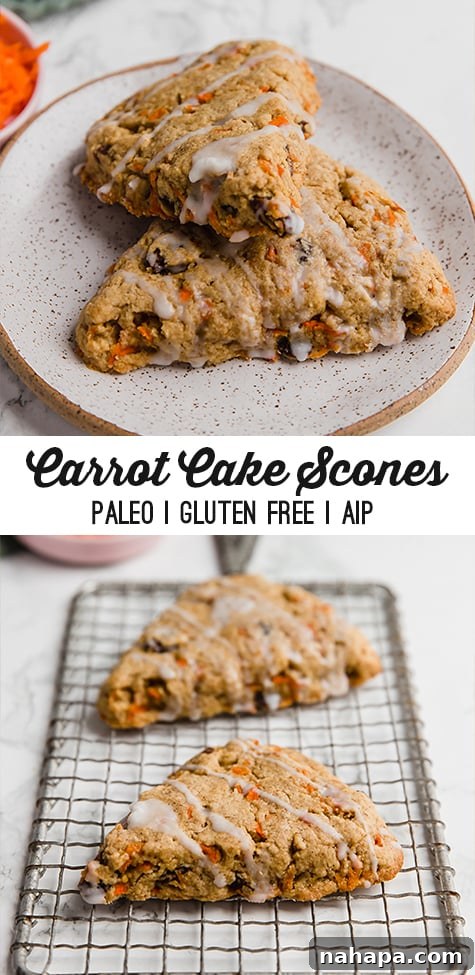
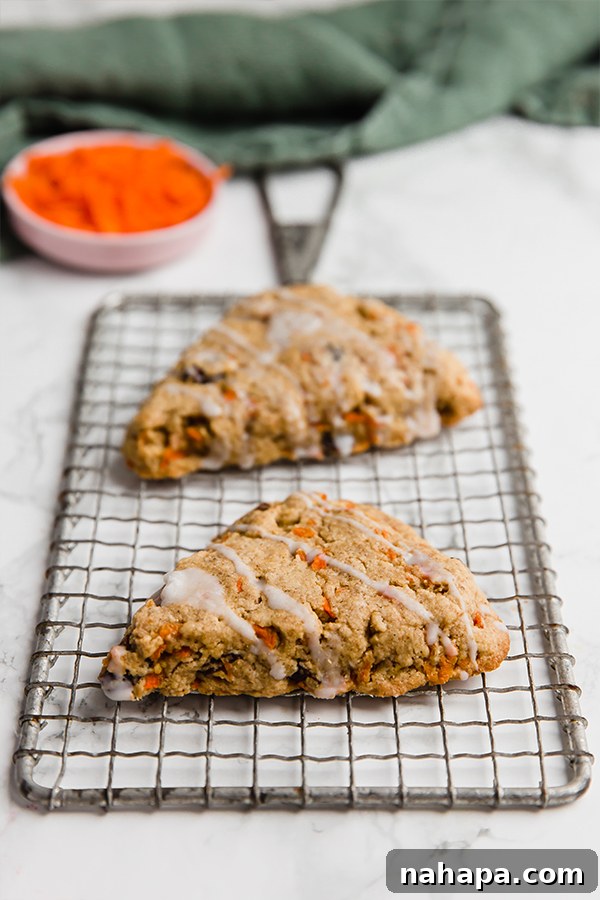
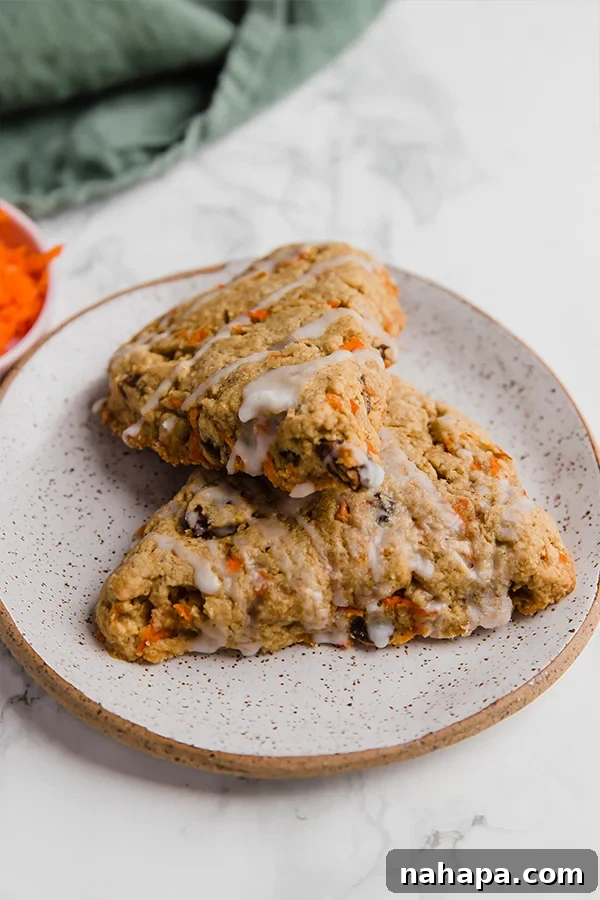
Embrace the vibrant flavors of spring with these incredible Carrot Cake Scones! Perfectly crafted to be grain-free, paleo, nut-free, and AIP-friendly, they offer a delightful twist on a classic dessert. Whether you’re navigating dietary restrictions or simply seeking a healthier indulgence, these scones deliver on taste, texture, and wholesome goodness. Get ready to bake a batch of pure springtime joy!
The Irresistible Appeal of Carrot Cake
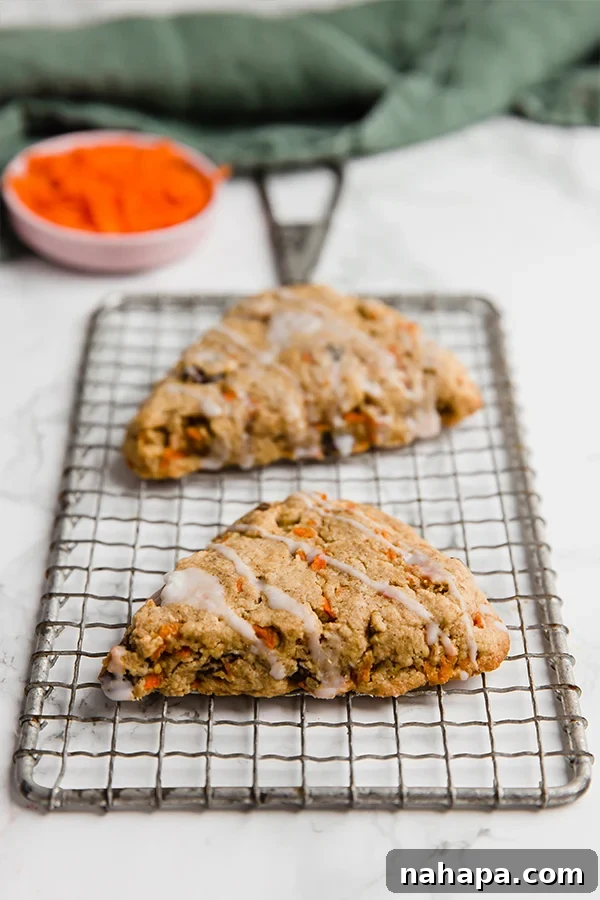
Carrot cake stands as a beloved springtime staple, cherished for its moist crumb, aromatic spices, and a generous layer of creamy frosting. Traditionally, it features a blend of wheat flour, sugar, freshly grated carrots, often studded with juicy raisins and crunchy walnuts. It’s a decadent treat that evokes warmth and comfort, making it a perfect addition to any seasonal celebration or a cozy afternoon tea.
As a huge fan of all things carrot cake (you might remember my popular carrot cake muffins!), I wanted to combine the wholesome goodness of carrot cake with the comforting charm of a freshly baked scone. The result? These delectable Carrot Cake Scones – a truly special creation that is not only paleo, nut-free, and AIP-compliant but also incredibly versatile. They’re an excellent choice for a nutritious breakfast, an elegant brunch centerpiece, or a satisfying guilt-free dessert that fits a variety of dietary needs.
Why These Carrot Cake Scones Will Become Your New Favorite
These scones aren’t just delicious; they’re thoughtfully designed to meet various dietary needs without compromising on flavor or texture. Here’s why you’ll adore them:
- A Stealthy Dose of Veggies: We’ve ingeniously incorporated fresh, finely shredded carrots directly into the scone dough. This not only adds natural sweetness and moisture but also provides a welcome boost of vitamins, minerals, and antioxidants. Sneaking nutrient-rich vegetables into a dessert? That’s a culinary win in any cookbook!
- Perfect for Restrictive Diets: Crafted entirely without grains or nuts, these scones are a godsend for those with common allergies, sensitivities, or following specific dietary protocols like Paleo and AIP. They utilize tigernut flour, a unique, nutrient-dense tuber that behaves beautifully in baking, alongside tapioca starch, ensuring a delightful texture that’s completely free from common allergens.
- Sweetened Naturally: Say goodbye to refined sugars! Our recipe relies solely on the natural, rich sweetness of pure maple syrup. This not only helps maintain a lower glycemic impact but also contributes to the scones’ deep, comforting flavor profile, making them a healthier alternative for your sweet cravings without sacrificing indulgence.
- Egg-Free & Dairy-Free: By using a clever gelatin egg substitute, we ensure these scones are entirely egg-free, catering to those with egg allergies or who prefer to avoid them. Combined with coconut oil, they are also completely dairy-free, further broadening their accessibility for those with specific dietary requirements or preferences, including the Autoimmune Protocol.
Mastering the Art of Paleo & AIP Carrot Cake Scones: A Step-by-Step Guide
Creating these wholesome carrot cake scones is a straightforward and rewarding process. Follow these detailed steps to achieve perfect, tender, and flavorful results every time:
Preparing Your Dough: The Foundation of Flavor
- Preheat Oven and Prepare Baking Sheet: Begin by preheating your oven to 350°F (175°C). Line a baking sheet with parchment paper, then lightly grease it. This crucial step prevents sticking and ensures easy removal of your freshly baked scones, maintaining their perfect shape.
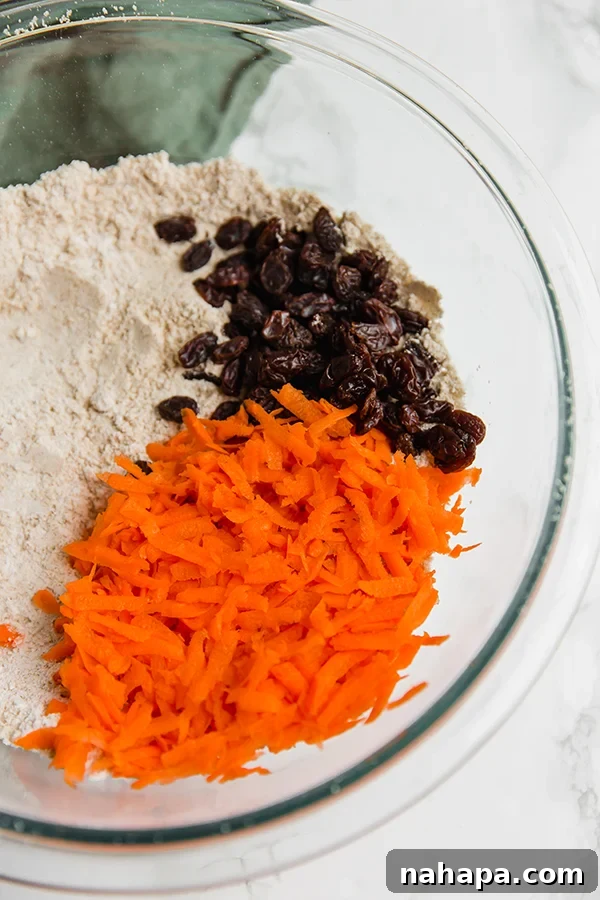
- Combine Dry Ingredients: In a large mixing bowl, meticulously sift together the tigernut flour, tapioca starch, fragrant cinnamon, and baking soda. Sifting is paramount for aerating the flours and eliminating any lumps, which contributes significantly to a lighter, more tender scone texture.
- Integrate Wet & Flavorful Elements: Gently fold in the softened coconut oil, the natural sweetness of maple syrup, the finely shredded carrots (it’s vital to pat them thoroughly dry first to prevent excess moisture in the dough!), and the plump raisins. Mix these ingredients thoroughly until a cohesive dough forms. Ensure everything is well combined, but be careful to avoid overmixing, as this can lead to tough rather than tender scones.
Crafting the Gelatin Egg (or Using a Regular Egg)
For an egg-free and AIP-friendly option, a gelatin egg is a fantastic binder. If you tolerate eggs and prefer a conventional approach, you can easily substitute one regular egg for this step.
- Prepare the Gelatin Egg: In a small saucepan, add the specified amount of water. Slowly and evenly sprinkle the gelatin powder over the water, allowing it to “bloom” and harden for 2-3 minutes. This critical resting period ensures the gelatin dissolves smoothly and completely when heated, preventing clumps.
- Activate the Gelatin: Place the saucepan on the stove over low heat. Gently warm the mixture, stirring occasionally, until the gelatin has completely returned to a liquid state. Immediately remove it from the heat and vigorously whisk until it becomes light and frothy. The frothy consistency is crucial for its binding properties and helps create a lighter texture in the scones.
- Incorporate into Batter: Without delay, add the freshly prepared gelatin egg to your scone batter. Mix quickly and thoroughly to ensure it’s evenly distributed throughout the dough before it has a chance to set and firm up.
Forming and Baking Your Scones
- Shape the Dough: Once your dough is perfectly combined and uniform, transfer it to the prepared baking sheet. Gently form the dough into a large, even circle, aiming for a consistent thickness of just over an inch. This uniform thickness is key for achieving that classic scone texture and ensuring even baking.
- Slice into Triangles: Using a pizza roller or a sharp knife, carefully slice the dough circle into 6 equal triangular scones. Aim for clean cuts to help them rise beautifully.
- Space and Bake: Gently separate each scone on the baking sheet, leaving approximately 1 inch of space between them. This allows for proper air circulation during baking, ensuring they cook evenly and develop a beautiful golden crust.
- Bake to Golden Perfection: Place the baking sheet in your preheated oven and bake for 20-25 minutes, or until the scones are golden brown on the edges and cooked through. A simple test: a toothpick inserted into the center of a scone should come out clean.
- Cool Before Serving: Once baked, carefully remove the scones from the oven. Using a spatula, transfer them to a wire cooling rack. Allowing them to cool completely on the rack is essential, especially for baked goods made with gelatin eggs, as it gives them time to fully set, firm up, and achieve their ideal tender texture. Rushing this step might result in crumbly or overly soft scones.
Optional Finishing Touch: Coconut Butter Glaze
For an extra touch of sweetness and visual appeal, consider drizzling your cooled scones with a simple, creamy coconut butter glaze. To prepare, melt 1 tablespoon of coconut butter gently over a double boiler. This method is highly recommended to prevent burning and achieve a smooth, pourable consistency. Once melted, drizzle artfully over your scones just before serving for a delicate finish.
Essential Tips & Tricks for Scone Success
Achieving bakery-quality, dietary-friendly scones at home is easier than you think with these expert tips:
- Dry Carrots are Key: Freshly shredded carrots naturally contain a good amount of moisture. To prevent soggy scones and ensure a perfect, light crumb, always pat them thoroughly dry with a paper towel or clean kitchen towel before adding them to the batter. This small but significant step can make all the difference in texture.
- Patience is a Virtue (Especially for Cooling): While it’s incredibly tempting to dive right into warm, fragrant scones, allowing them to cool completely on a wire rack is crucial. Baked goods made with gelatin eggs need this specific time to fully set and firm up, developing their best, most stable texture. Rushing this step might result in crumbly or overly soft scones that don’t hold their shape as well.
- The Gentle Art of Melting Coconut Butter: If you opt for a luscious coconut butter glaze, always melt it using a double boiler method. Direct heat can easily burn coconut butter, making it gritty, seizing it, or causing the oils to separate. A double boiler provides gentle, even heat, ensuring a smooth, creamy, and perfectly pourable drizzle every time.
- Avoid Overmixing: Just like with traditional wheat-based scones, overmixing the dough can develop gluten (even in some gluten-free flour blends, overworking can lead to a less tender result) and lead to a dense, chewy texture rather than the desired light and tender crumb. Mix until the ingredients are just combined.
- Consistent Scone Thickness: When shaping your dough circle on the baking sheet, aim for a uniform thickness of approximately an inch to an inch and a quarter. This consistency ensures that all your scones bake evenly and are ready at the same time, preventing some from being undercooked while others are overbaked.
Key Ingredients for Your Paleo Carrot Cake Scones
Each ingredient in this recipe plays a vital role in creating delicious, diet-friendly scones that are both flavorful and compliant with specific dietary needs:
- Tigernut Flour: The Nut-Free & Grain-Free Base
Despite its misleading name, tigernut flour comes from a root vegetable (a tuber), not a nut. This makes it an exceptional, safe choice for both grain-free and nut-free baking, making it perfectly suited for paleo and AIP diets. It imparts a distinctive, slightly sweet, and earthy flavor profile, along with a wonderfully unique, tender texture to baked goods. Please note: This recipe was developed specifically with tigernut flour due to its unique properties. We have not tested it with other alternative flours, and therefore, cannot recommend a swap that would guarantee the same delicious and consistent results. - Tapioca Starch (or Arrowroot Starch): The Essential Binder
Also widely referred to as tapioca flour, this ingredient is crucial for providing essential structure and contributing to a light, slightly chewy texture in the scones. It functions as an excellent binder in gluten-free and grain-free baking, helping to hold everything together. If tapioca starch isn’t readily available, arrowroot starch (sometimes called arrowroot powder) can be used as a direct 1:1 substitute with very similar results. - Freshly Shredded Carrots: The Natural Sweetener & Moisturizer
The undeniable star of the show! Using freshly shredded carrots is paramount for achieving the best flavor, natural sweetness, and moist texture in these scones. Avoid pre-shredded carrots if possible, as they can often be drier, less vibrant, and lack the full flavor of freshly grated ones. A simple box grater or a food processor makes quick work of shredding them. Remember our crucial tip: pat them dry to remove excess moisture before incorporating them into the dough! - Raisins: A Burst of Sweetness (Optional)
These small, dried grapes add delightful pockets of concentrated sweet flavor and a pleasant, chewy texture that complements the warm carrot cake spices beautifully. If you’re not a fan of raisins, or if you’re adhering to a stricter AIP elimination phase that excludes them, you can easily omit them from the recipe. For those who tolerate nuts and desire a different textural element (and are not on AIP), finely chopped walnuts or pecans could be a delicious (though non-AIP) alternative. - Coconut Oil: Healthy Fat & Moisture
Softened coconut oil provides the necessary healthy fat content for a tender crumb and a rich flavor base. It’s an excellent dairy-free alternative that works wonderfully and is compliant with paleo and AIP baking principles. Ensure it’s softened, but not fully melted and liquid, for proper integration into the dough, allowing it to coat the dry ingredients evenly. - Maple Syrup: Unrefined Sweetness
Pure maple syrup is our chosen natural sweetener for this recipe, offering a complex, caramel-like flavor that pairs perfectly with cinnamon and carrots. It’s an unrefined option that ensures these scones are free from processed sugars, contributing to their healthier profile while providing satisfying sweetness. - Cinnamon & Baking Soda: Spice & Leavening
Ground cinnamon provides that essential warming spice characteristic of classic carrot cake, adding depth and aromatic appeal. Baking soda, when combined with the slight acidity of other ingredients in the dough, acts as a leavening agent. This helps the scones rise during baking, contributing to a lighter, airier, and more delicate texture. - Gelatin: The Egg-Free Solution
Unflavored gelatin powder, such as reputable brands like Great Lakes or Vital Proteins, is utilized to create our unique gelatin egg, making these scones completely egg-free. This acts as a crucial binder in the dough, providing structure and helping the scones hold their shape without the need for traditional eggs.
Common Questions About Paleo & AIP Carrot Cake Scones
Here are answers to some frequently asked questions about this recipe:
- Can I substitute other flours for tigernut flour?
As highlighted in the ingredients section, tigernut flour possesses a very unique composition and absorption qualities. Substituting it with common alternatives like almond flour, coconut flour, or a standard gluten-free all-purpose blend would drastically alter the texture and liquid requirements of the recipe. This would likely necessitate significant and complex adjustments, so for the absolute best results and to ensure the scone’s intended texture, it is strongly recommended to stick to tigernut flour. - Are these scones suitable for a vegan diet?
This recipe utilizes a gelatin egg as a binder, and gelatin is derived from animal collagen, making it an animal product. Therefore, as written, these scones are not suitable for a strict vegan diet. To make them vegan, you would need to explore and test a suitable plant-based egg substitute that performs well in scone recipes, such as a “flax egg” (ground flaxseed mixed with water) or a commercial vegan egg replacer, though the final texture and rise may vary. - How should I store leftover scones?
To maintain their freshness and delightful texture, store cooled scones in an airtight container at room temperature for up to 2-3 days. For slightly longer storage, they can be kept in the refrigerator for up to 5 days, though their texture is often best at room temperature. - Can I freeze these carrot cake scones?
Absolutely! These scones freeze beautifully. Once they have completely cooled, wrap individual scones tightly in plastic wrap, then place them in a freezer-safe bag or an airtight container. They can be frozen for up to 2-3 months without compromising flavor or texture. When ready to enjoy, thaw them at room temperature or gently reheat them in a toaster oven or conventional oven for a fresh-baked feel. - What if I don’t have a double boiler for the coconut butter glaze?
No problem! You can easily create a makeshift double boiler at home. Simply place a heat-safe glass or metal bowl over a small saucepan of simmering water, ensuring that the bottom of the bowl does not touch the water. Stir the coconut butter frequently until it is smoothly melted. Alternatively, you can melt coconut butter very carefully in a microwave: heat it in short bursts of 15-20 seconds, stirring thoroughly between each burst, to prevent it from burning or separating.
More Wholesome Treats You’ll Love
If you enjoyed these dietary-friendly and delicious carrot cake scones, be sure to explore these other fantastic recipes designed with health, flavor, and specific dietary needs in mind:
- Irresistible Carrot Cake Muffins
- Energizing Carrot Cake Protein Cookies
- Bright & Zesty Lemon Blueberry Scones
Carrot Cake Scones (Paleo, Grain-free, AIP)
(Recipe Rating: 4.34 out of 5 stars based on 6 reviews)
These carrot cake scones are a delicious spring dessert! They’re grain-free, paleo, nut-free, and AIP-friendly.
Recipe Details
- Yield: 6 scones
- Prep Time: 15 mins
- Cook Time: 30 mins
- Author: Michelle
Ingredients
- 1 ¼ cup tigernut flour
- ¼ cup tapioca starch (or arrowroot starch)
- ¼ tsp baking soda
- 1 tsp cinnamon
- ¼ cup coconut oil, softened
- ¼ cup maple syrup
- ½ cup freshly shredded carrots, patted dry to remove excess moisture
- 3 tbsp raisins
- For the gelatin egg (sub 1 regular egg if tolerated):
- 1 tbsp gelatin (great lakes or vital proteins)
- ¼ cup water
- For optional topping:
- 1 tbsp melted coconut butter
Instructions
- Preheat the oven to 350°F (175°C) and line a baking sheet with lightly greased parchment paper.
- Using a large bowl, sift the tigernut flour, tapioca starch, cinnamon, and baking soda together.
- Fold in the coconut oil, maple syrup, shredded carrots, and raisins. Mix well to combine.
- For the gelatin egg: Add the water to a small saucepan and slowly sprinkle over the gelatin. Allow the mixture to rest and harden for 2-3 minutes. Place the pot on the stove and turn the heat on low. Remove from the heat once the gelatin egg has returned to liquid, and vigorously whisk until frothy. Add the gelatin egg to the batter immediately and mix to combine. (Alternatively, if tolerated, substitute 1 regular egg for the gelatin egg).
- Once the dough is thoroughly combined, place it on the baking sheet and form it into a large circle, keeping it a little over an inch in height. Use a pizza roller or a knife to slice the dough into 6 triangular scones. Carefully separate the scones to allow about 1″ between each scone.
- Bake in the oven for 20-25 minutes or until baked through. Remove from the oven and carefully transfer to a cooling rack to cool completely.
- Add the optional coconut butter drizzle if desired, once scones are cooled.
Notes
All nutritional information are estimations and will vary based on ingredients and preparation methods. Estimations do not include optional ingredients.
Nutrition Information (per 1 scone serving)
- Serving: 1 scone
- Calories: 271 kcal
- Carbohydrates: 18.7 g
- Protein: 3.5 g
- Fat: 13.2 g
- Fiber: 1.4 g
Want to save this recipe for later?
You can bookmark this page or simply revisit Unbound Wellness for more wholesome recipes!
Did You Make This Recipe?
We’d love to see your creations! Tag @unboundwellness on Instagram and use the hashtag #unboundwellness!