
Are certain foods leaving you feeling unwell, despite their reputation for health? You might be surprised to learn that a common group of vegetables and fruits, known as nightshades, could be the culprit. Often celebrated for their nutritional value, nightshades can, for some individuals, trigger uncomfortable symptoms ranging from joint pain and digestive issues to skin flares and chronic inflammation. If you’ve been grappling with unexplained health concerns, understanding nightshades might be the key to unlocking a path to better well-being.
In this complete guide, we’ll dive deep into the world of nightshade vegetables and fruits. We’ll provide a comprehensive list of what to look out for, explore the reasons why some people choose to avoid them, and shed light on the scientific compounds that may contribute to their inflammatory potential. More importantly, we’ll equip you with practical advice on identifying hidden nightshades in everyday foods and offer an array of delicious, nightshade-free substitution recipes to ensure you never feel deprived. Get ready to navigate your diet with confidence and discover if a nightshade-free approach could be your answer to optimal health.
Understanding Nightshade Vegetables & Fruits: A Comprehensive Overview
Nightshade plants, scientifically classified under the Solanaceae family, encompass an incredibly diverse group of plants, numbering in the thousands. While many are inedible or even toxic, this family also includes some of the most widely consumed and seemingly healthy vegetables and fruits in modern diets. From the vibrant bell pepper to the humble potato, these staples are often praised for their vitamin content and versatility. However, beneath their nutritious facade lies a complex chemistry that can, for a susceptible portion of the population, lead to a range of adverse health effects. Understanding which foods fall into this category is the first crucial step in identifying potential dietary triggers.
List of Common Nightshade Vegetables & Fruits
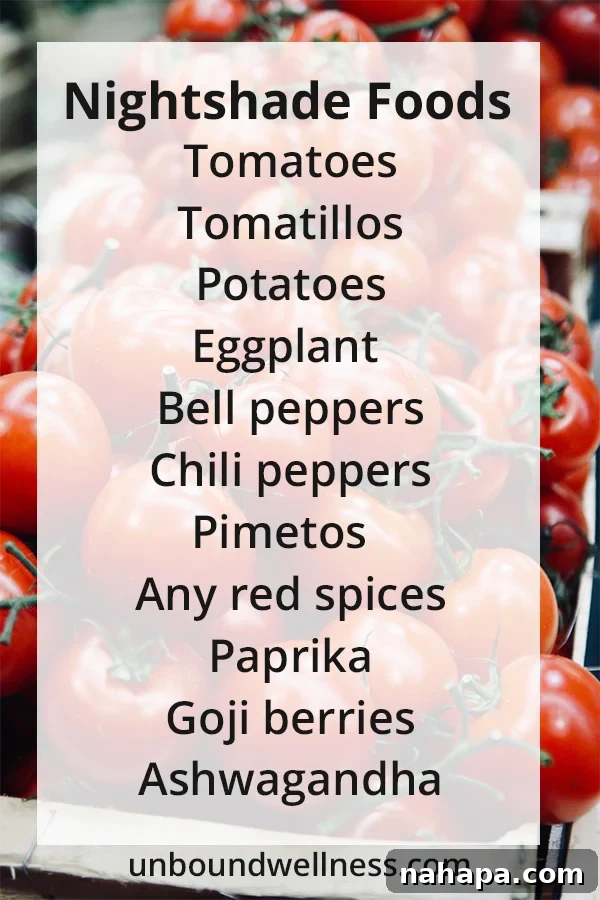
The nightshade family includes a wide array of plants, some of which are common ingredients in nearly every cuisine around the globe. Here’s a detailed list of the most prevalent nightshades you might encounter in your daily diet:
- Tomatoes: All varieties, including beefsteak, cherry, Roma, heirloom, and sun-dried tomatoes. This also extends to all tomato-derived products such as marinara sauce, ketchup, tomato paste, tomato juice, salsa, and pizza sauce.
- Tomatillos: Often mistaken for green tomatoes, these tart fruits are distinct members of the nightshade family, frequently used in Mexican cuisine.
- Potatoes: This specifically refers to white potatoes, red potatoes, Yukon gold, russet, and other common potato varieties. Potato-derived products like potato starch, potato flour, and even some vodkas can also be sources. (It’s important to note that sweet potatoes are NOT nightshades.)
- Eggplant: Also known as aubergine, this versatile purple vegetable is a popular ingredient in many Mediterranean and Asian dishes.
- All Peppers: This category is extensive and includes bell peppers (green, red, yellow, orange), jalapeños, serrano peppers, habanero peppers, cayenne peppers, and other hot chili peppers.
- Red Spices: Many spices that provide heat or color are derived from nightshade peppers. These include chili powder, cayenne powder, red pepper flakes, and paprika (both sweet and smoked). Curry powders often contain a blend of spices, including nightshade varieties, so careful label reading is essential.
- Pimentos: These sweet, cherry-like peppers are often found stuffed in green olives or used to add color and mild flavor to various dishes.
- Goji Berries: These increasingly popular “superfoods” are small, red berries native to Asia, known for their antioxidant properties but are indeed a nightshade fruit.
- Ground Cherries: Distinct from common cherries, ground cherries are small, often golden-orange fruits encased in a papery husk, sometimes used in jams and desserts.
- Ashwagandha: An adaptogenic herb widely used in Ayurvedic medicine, often consumed in powder or supplement form for stress reduction and other health benefits.
- Tobacco: While not a food, tobacco is a prominent member of the nightshade family and contains nicotine, an alkaloid with known stimulant and addictive properties. Its inclusion highlights the diverse chemical profiles within the Solanaceae family.
Common Foods Often Mistaken for Nightshades (But Are Not!)
With such a diverse list, it’s easy to become confused about what constitutes a nightshade. Many healthy foods are frequently, but incorrectly, assumed to belong to this family. Let’s clarify some common misconceptions:
- Zucchini: A summer squash, zucchini is part of the cucurbit family, not nightshades.
- Sweet Potatoes: Despite their name and starchy texture, sweet potatoes belong to the morning glory family (Convolvulaceae) and are completely unrelated to white potatoes. They are a safe and nutritious alternative.
- Mushrooms: Fungi, not plants, mushrooms are biologically distinct and not nightshades.
- Onions: Members of the allium family, onions (and garlic, leeks, chives) are entirely separate from nightshades.
- Black Pepper: Derived from the dried berries of the Piper nigrum plant, black pepper is a vine and not related to chili peppers or other nightshades. It is typically well-tolerated by those sensitive to nightshades.
The Nightshade Controversy: Are They Truly Inflammatory? Should You Avoid Them?
The question of whether to avoid nightshades is complex and highly individual. For the vast majority of people, nightshade vegetables are a perfectly healthy and nutrient-dense part of a balanced diet. Tomatoes are renowned for their lycopene, a potent antioxidant; bell peppers are packed with vitamin C; and eggplants offer a low-carb, fiber-rich option. It would be an overstatement to suggest that the entire human population needs to eliminate nightshades.
However, for a significant subset of the population, nightshades can indeed be inflammatory and contribute to the exacerbation of various chronic health conditions. If you experience persistent symptoms, especially those related to inflammation, joints, or digestion, nightshades might be a trigger worth investigating. Those with certain pre-existing conditions are particularly prone to nightshade sensitivities:
- Rheumatoid Arthritis & Other Joint Issues: Many individuals report increased joint pain and stiffness after consuming nightshades.
- Digestive Issues: Conditions like Irritable Bowel Syndrome (IBS), Leaky Gut Syndrome, or general digestive distress can be aggravated.
- Autoimmune Diseases: People with autoimmune conditions such as Hashimoto’s thyroiditis, Graves’ disease, lupus, or Crohn’s disease often find that nightshades trigger flares.
The potential for inflammation stems from several unique compounds found in nightshade plants:
Glycoalkaloids (e.g., Solanine): These natural toxins are produced by nightshades as a defense mechanism against insects and predators. Potatoes, in particular, contain glycoalkaloids like solanine and chaconine, which have been shown in some studies to impact intestinal permeability, potentially contributing to “leaky gut” and digestive issues (source 1). While amounts in conventionally grown, properly stored nightshades are usually not acutely toxic, chronic exposure in sensitive individuals may lead to subtle but persistent inflammation. Solanine, found in potatoes and eggplant, can indeed have toxic effects in excessively high amounts (source 2), though this is rare with normal dietary consumption.
Saponins: Also present in nightshades, saponins are naturally occurring compounds that can sometimes interfere with digestion and limit the absorption of essential nutrients (source 3). While some saponins have beneficial properties, others can irritate the gut lining in sensitive individuals.
Capsaicin: The compound responsible for the heat in chili peppers, capsaicin, is widely recognized for its analgesic and anti-inflammatory properties, often used in topical pain relief. However, in some individuals, particularly those with existing gut inflammation or sensitivities, capsaicin can have the opposite effect, causing irritation, burning sensations, and worsening digestive symptoms (source 4). This illustrates that a compound’s effect can be highly dependent on individual physiology and existing health status.
In summary, while nightshades are nutritious for many, their unique biochemical composition means they don’t agree with everyone. If you’re experiencing chronic health issues, especially those linked to inflammation, it’s certainly worth considering nightshade intolerance as a potential factor.
Recognizing Nightshade Intolerance: Common Symptoms to Watch For
Symptoms of nightshade intolerance are not always immediate or severe, making them difficult to pinpoint. They can also mimic symptoms of other food sensitivities or underlying conditions. However, paying close attention to your body after consuming nightshades can reveal a pattern. Remember that everyone’s reaction can vary, but these are some of the common signs to look out for:
- Joint Pain and Stiffness: One of the most frequently reported symptoms, often described as an exacerbation of existing arthritis or new onset aches in fingers, knees, or hips. This is thought to be linked to the inflammatory compounds affecting cartilage and joint tissues.
- Increased Inflammation: A general feeling of systemic inflammation, characterized by swelling, redness, and discomfort in various parts of the body.
- Chronic Fatigue: Feeling unusually tired or drained, even after adequate rest, which can be a sign of the body working overtime to combat inflammation.
- Migraines and Headaches: For some, nightshades can act as a trigger for severe headaches or migraines, possibly due to their impact on neuroinflammation or blood vessel dilation.
- Skin Flares: Conditions like eczema, psoriasis, acne, or unexplained rashes can worsen, indicating an inflammatory response manifesting on the skin.
- Digestive Distress: This can manifest as bloating, gas, stomach pain, diarrhea, constipation, acid reflux, or a general feeling of discomfort after meals containing nightshades. These symptoms are often linked to the gut-irritating properties of glycoalkaloids and saponins.
- Flares to Any Preexisting Conditions: If you have an autoimmune disease or other chronic illness, you might notice a worsening of your specific symptoms, indicating that nightshades could be fueling your condition.
It’s common to not immediately associate these symptoms with specific foods, especially if you’ve been consuming them your whole life. Many people, myself included, don’t feel an obvious, acute reaction like an allergic response. Our bodies can become so accustomed to a baseline level of inflammation that we simply stop noticing the subtle nuances of how certain foods affect us. This is precisely why structured elimination diets, such as the Autoimmune Protocol (AIP), are considered the gold standard for identifying food intolerances. By removing common inflammatory foods for a period, your body gets a chance to “de-inflame,” allowing you to more accurately gauge your reaction when foods are slowly and systematically reintroduced.
Navigating a Nightshade-Free Lifestyle: Spotting Hidden Nightshade Ingredients
Embarking on a nightshade-free diet can feel daunting, particularly because nightshade ingredients frequently hide in otherwise healthful or unsuspecting foods. Becoming a savvy label-reader and understanding common culinary practices is essential. I’ve become an expert at sniffing out these sneaky ingredients after years of avoiding them. Here’s how to spot common nightshade culprits:
Potato Starch & Potato Flour: These are common thickeners and binders, especially prevalent in gluten-free products.
- Hidden in: Gluten-free breads, pizza crusts, crackers, pastries, and other baked goods.
- Also found in: Some soups, gravies, sauces, and processed foods that require a thickening agent. Always check the “ingredients” list thoroughly.
Nightshade Spices: Red spices derived from peppers are pervasive and give many dishes their characteristic flavor and color.
- Hidden in: Most Mexican and Southwestern cuisines (chili powder, cayenne, paprika are foundational).
- Common in: Sausages, hot dogs, lunch meats, and other processed meats (paprika is a very common ingredient for color and flavor).
- Often found in: Breakfast sausages, spiced nuts, seasoning blends (e.g., Cajun, Creole, barbecue rubs).
- General rule: If something is labeled “spicy,” “hot,” or “peppery,” assume it contains nightshades unless explicitly stated otherwise.
Tomatoes & Tomato Products: These are not just in obvious places; they can add umami and acidity to many savory items.
- Hidden in: Many vegetable broths and bouillon cubes, contributing to depth of flavor.
- Often found in: Seasoning blends, especially Italian herb mixes, dried tomato flakes or powder, and some “all-purpose” spice blends.
- Also in: Certain processed foods like crackers, chips, salad dressings, and even some unexpected sauces.
Always make it a habit to scrutinize ingredient lists, even on products you regularly purchase, as formulations can change. When dining out, don’t hesitate to ask about ingredients, especially in sauces, marinades, and spiced dishes.
Delicious Nightshade Substitutions: A Culinary Guide for Flavor Without Flare-Ups
Committing to a nightshade-free diet doesn’t mean sacrificing flavor or variety. On the contrary, it opens up a world of culinary creativity and introduces you to new ingredients and cooking techniques. You absolutely do not have to live without delicious meals! Here are some of my favorite and most effective substitutes for nightshade-heavy dishes:
How to Make Substitutions for Tomatoes
Tomatoes are incredibly versatile, providing sweetness, acidity, and umami. Replicating their distinct flavor profile requires a creative approach.
- Substitutes for Marinara Sauce & Ketchup: The ultimate tomato-free solution is a homemade Nomato sauce. This typically involves blending roasted carrots, beets (for color), sweet potatoes, and sometimes bone broth or apple cider vinegar to achieve a similar texture and flavor balance. This versatile sauce can be used for pasta, pizza, or as a base for stews.
- Substitute for Chili: A hearty chili doesn’t need tomatoes! My instant pot nomato chili uses a blend of sweet potatoes, carrots, and strategic spices to create a rich, satisfying base without any nightshades.
- Substitute for Enchiladas: Many enchilada sauces rely heavily on tomatoes and chili peppers. This zucchini chicken enchilada casserole comes with a specialized nightshade-free enchilada sauce recipe, proving you can still enjoy your favorite Mexican-inspired dishes.
- Nightshade-Free Lasagna: Enjoy the comforting layers of lasagna without the typical tomato base. This one-pot lasagna skillet is grain-free, dairy-free, and nightshade-free, using clever substitutions to deliver all the classic flavor.
- Tomato Paste Alternatives: For recipes needing a concentrated tomato flavor, consider blending puréed carrots and beets, or using a robust vegetable broth reduction.
How to Make Substitutions for Eggplant
Eggplant is known for its meaty texture and ability to absorb flavors.
- Zucchini: With a similar spongy texture when cooked, zucchini is an excellent swap for eggplant in dishes like stir-fries, gratins, or even “eggplant” parmesan. Try these baked low-carb zucchini fries as a delicious alternative.
- Portobello Mushrooms: Large portobello caps can mimic the heartiness of eggplant, especially when grilled or roasted. They work well as a substitute in stacks, burgers, or even a mushroom “parmesan.”
- Firm Tofu or Tempeh: For those who tolerate soy, firm tofu or tempeh can be pressed and marinated to achieve a substantial, savory texture akin to eggplant.
How to Make Substitutions for Potatoes
Potatoes offer a starchy, satisfying base to many meals. Fortunately, there are many nutrient-dense alternatives.
- Sweet Potatoes: The number one choice for a potato substitute, sweet potatoes are incredibly versatile and nutritious.
- Sweet potato tater tots
- Sweet potato chicken poppers
- Sweet potato fries
- Mashed sweet potatoes, baked sweet potatoes, or sweet potato hash are all excellent replacements.
- Plantain: A staple in many tropical cuisines, plantains (especially green ones) can be fried, roasted, or mashed to create starchy, satisfying dishes. They offer a slightly different flavor profile but work well in many contexts.
- Rutabaga: Also known as swede, rutabaga is a root vegetable with a slightly sweet and earthy flavor. It can be mashed, roasted, or used in stews as a potato replacement.
- Parsnips: These sweet, carrot-like root vegetables are fantastic roasted, mashed, or puréed into soups.
- Celeriac (Celery Root): With a unique earthy flavor, celeriac can be roasted, mashed, or cut into “fries” for a low-carb, nightshade-free option.
How to Make Substitutions for Red Spices
Replicating the heat and color of nightshade-based spices can be achieved with various flavorful alternatives.
- Cumin: This warm, earthy, seed-based spice (not AIP-compliant due to seeds, but nightshade-free) offers a fantastic kick and depth of flavor without the heat of chili peppers. Be aware that it can impart a greenish hue to dishes, which can be surprising but harmless.
- Black Pepper: As a seed spice (also not AIP-compliant but nightshade-free), black pepper is a classic and reliable way to add warmth and pungency to almost any dish.
- Turmeric: I constantly reach for turmeric as a red spice substitute. It provides a beautiful golden color, a subtle peppery warmth, and numerous anti-inflammatory benefits. This turmeric chicken curry recipe showcases how beautifully it can replace nightshade-heavy curry powders.
- Ginger: Fresh or ground ginger can add a wonderful pungent heat, especially in stir-fries, marinades, and soups.
- White Pepper: Milder than black pepper but with a distinct earthiness, white pepper can be a good choice where you want spice without the visible flecks of black pepper.
- Mustard Powder: Dry mustard powder can add a sharp, tangy, and subtly spicy note to dishes, particularly in rubs or sauces.
- Horseradish: For a powerful kick, fresh or prepared horseradish can provide intense heat, especially in sauces or dressings.
The Path to Healing: Can Nightshade Intolerance Be Reversed?
The possibility of reintroducing nightshades after a period of avoidance is highly individual and depends entirely on your body’s unique healing capacity and bio-individuality. For some, like myself, certain nightshades might remain an ongoing trigger. I personally experience significant reactions to red spices, peppers, and potatoes, making their reintroduction challenging. However, I’ve found a degree of flexibility with tomatoes in moderation, suggesting that sensitivity levels can vary even within the nightshade family for a single individual.
Many people do successfully reintroduce some or all nightshades after a period of gut healing and reduced inflammation. The key is a structured, patient approach. Following an elimination protocol that prioritizes gut healing and then systematically reintroduces foods is paramount. The Autoimmune Protocol (AIP) is an excellent example of such a method, designed to reduce systemic inflammation and allow the body to heal before carefully testing food sensitivities. This process enables you to truly understand which foods your body can now tolerate and which still pose a problem.
While reintroduction isn’t guaranteed for everyone, there is certainly hope. The journey is about listening to your body, understanding your unique triggers, and finding a sustainable way of eating that supports your best health. Even if full reintroduction isn’t possible, as this guide demonstrates, there are countless delicious ways to live a vibrant, nightshade-free life. I hope this comprehensive overview has empowered you with the knowledge and tools to navigate nightshade intolerance and embrace a world of flavorful alternatives!
This article was originally published in August 2018 and was updated in December of 2019, with further comprehensive updates in 2024 to ensure accuracy and expand on valuable insights.