

This post contains affiliate links. Learn what that means here. I am not a doctor and this is not medical advice.
When the conversation shifts to long-term digestive wellness, the usual suspects often take center stage: bone broth, glutamine, and diligently avoiding gluten. While these dietary adjustments and supplements are indeed valuable components of a gut-healing journey, they represent just a fraction of the comprehensive approach needed for true gut restoration. A thriving gut involves more than just what you eat; it encompasses a holistic array of practices and natural remedies that extend beyond the plate. Many of these impactful strategies are surprisingly simple, budget-friendly, and can be integrated into your routine starting today.
Throughout my own journey towards improved gut health, I’ve discovered that certain non-food practices have made a difference as profound as any dietary change or supplement. These remedies are largely accessible and gentle, offering complementary support to your digestive system. As always, it is paramount to consult with your healthcare provider or a qualified medical professional beforehand to ensure these practices align with your individual health needs and existing conditions. However, they are certainly worth discussing with your doctor as potential additions to your wellness regimen.
Holistic Gut Health: Natural Practices Beyond Diet and Supplements
Unlock Digestive Wellness with These Non-Food Remedies

1. Castor Oil Packs for Digestive Support
Among the most potent and historically revered remedies for gut health, castor oil packs stand out. While they might require a few inexpensive tools to get started, their efficacy in supporting the body’s natural detoxification and digestive processes is well-documented. For centuries, castor oil has been prized for its ability to enhance circulation, stimulate lymphatic flow, and promote the healthy movement of bile and gastric juices when applied topically.
This ancient practice is particularly beneficial when addressing common gut issues linked to impaired gallbladder function, sluggish bile flow, or generally compromised digestion. When bile, essential for fat breakdown and toxin elimination, becomes stagnant, it can impede overall gut healing and lead to discomfort. Applying a castor oil pack specifically over your right rib cage area can be remarkably effective if you experience challenges with fat digestion, liver congestion, or gallbladder issues. This targeted application helps to encourage bile release, facilitating smoother fat metabolism and reducing symptoms like nausea after consuming fatty meals. Furthermore, placing a pack over your stomach area can alleviate stomach aches by stimulating gastric juice production, supporting better digestion.
Beyond digestive benefits, castor oil packs are also anecdotally known to aid with other conditions, such as ovarian cysts, by potentially improving local circulation and reducing inflammation. Integrating this practice can provide significant support for your body’s inherent healing mechanisms.
How to Prepare and Apply a Castor Oil Pack:
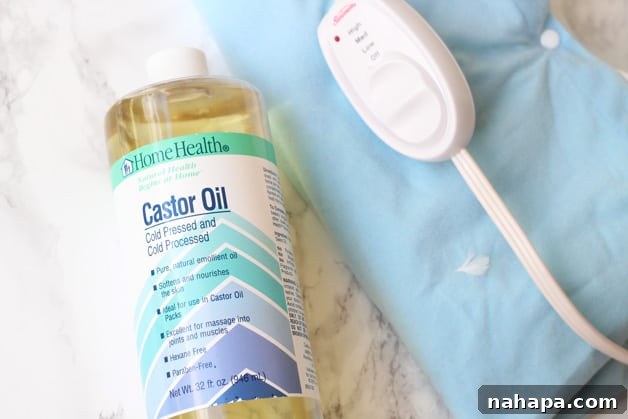
What you need:
- High-quality, organic castor oil (hexane-free is preferable).
- A piece of wool flannel (or organic cotton flannel) large enough to cover the desired area.
- A heating pad or hot water bottle.
- A large glass jar or container with a lid for storing the flannel.
- 2-3 old towels and clothing you don’t mind getting stained (castor oil can stain fabrics).
- Plastic wrap or an old towel to secure the pack and protect surfaces (optional).
Step-by-step application:
- Cut your flannel to a size that adequately covers the target area (e.g., liver/gallbladder or abdomen).
- Place the flannel in your glass jar and saturate it thoroughly with castor oil. It should be soaked but not dripping excessively.
- Lie down comfortably. Apply the oil-soaked flannel directly onto your skin over the desired area.
- Cover the flannel with plastic wrap or an old towel to hold it in place and prevent oil from spreading.
- Place the heating pad on top of the wrapped pack. This warmth helps the oil penetrate deeper and enhances its therapeutic effects.
- Cover yourself with an old towel to protect your bedding and relax for 30-60 minutes. It’s common to feel gentle gurgling or movement as your body responds.
- After use, remove the pack. You can use a mixture of baking soda and water or baby powder to help remove residual oil from your skin. Store the flannel in the sealed glass jar in the refrigerator for multiple uses (typically 20-30 applications before needing a fresh one).
The frequency of castor oil pack application depends on your specific health goals and doctor’s recommendations. A great starting point is 30 minutes, 1-2 times per week. For those with a history of liver or gallbladder issues, a monthly or bi-weekly routine can be particularly supportive. Always discuss your personalized regimen with a healthcare professional.
2. Oil Pulling: An Ancient Oral Detox for Gut Health
This ancient Ayurvedic practice is remarkably simple and requires minimal effort or special equipment, as you likely already have the necessary ingredients in your pantry. Oil pulling involves swishing a tablespoon of oil around your mouth, essentially gargling with oil, for an extended period. The mouth is the gateway to our digestive system, and just as our gut hosts a complex microbiome, our oral cavity is home to its own diverse flora. The health of your oral microbiome directly impacts your gut health, with imbalances in the mouth potentially contributing to systemic issues.
Oil pulling works by “pulling” harmful bacteria, toxins, and other debris from the mouth. The oil acts like a magnet, attracting and dissolving fat-soluble toxins and microbes. This process can significantly reduce the bacterial load in the mouth, preventing these pathogens from traveling down into the gut and potentially disrupting its delicate balance. Regular oil pulling supports not only oral hygiene but also contributes to a healthier overall internal environment, reducing the burden on your digestive and immune systems.
How to Practice Oil Pulling:
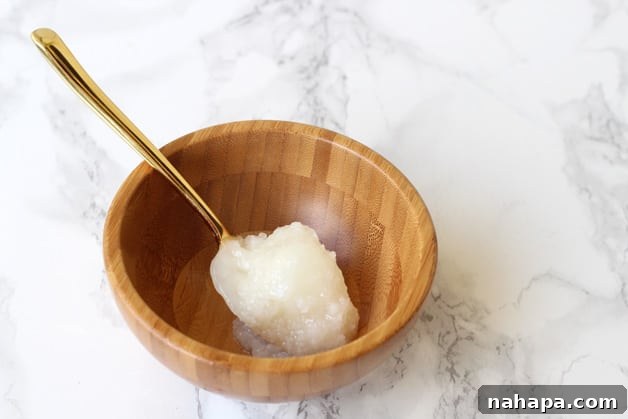
What you need:
- A high-quality, organic oil such as coconut oil (known for its antimicrobial properties) or sesame oil (traditionally used in Ayurveda). Choose an oil that suits your taste and tolerance.
Simple steps to incorporate oil pulling:
- First thing in the morning, before eating or drinking, scoop 1-2 tablespoons of your chosen oil into your mouth. If using coconut oil, it may be solid; it will quickly melt.
- Gently swish, suck, and pull the oil through your teeth for 5 to 20 minutes. Avoid gargling in your throat. The goal is to move the oil around your entire mouth.
- Start with 5-10 minutes if you’re new to it, gradually working your way up to 15-20 minutes as you become comfortable.
- Important: Do not swallow the oil, as it contains the toxins and bacteria you’re trying to remove.
- When finished, spit the oil into the trash can (not down the sink, as it can clog pipes, especially coconut oil).
- Rinse your mouth thoroughly with warm water, and then brush your teeth as usual.
You can perform oil pulling daily for optimal benefits or several times a week. While consistency is key, even intermittent practice can yield positive results for your oral and systemic health.
3. Dry Brushing for Lymphatic and Digestive Health
Dry brushing is another accessible and cost-effective practice that requires only a single tool and offers a multitude of benefits for gut health and overall well-being. This technique involves gently brushing your dry skin with a natural-bristle brush, stimulating both your lymphatic system and circulation. The skin is our largest organ and a major pathway for detoxification; dry brushing helps to enhance its eliminative capacity.
The lymphatic system, a critical part of our immune system, is responsible for collecting and removing waste products, toxins, and excess fluid from tissues. Unlike the circulatory system, the lymphatic system doesn’t have a pump; it relies on body movement to circulate lymph. Dry brushing effectively stimulates lymphatic flow, which in turn supports detoxification. By reducing the body’s toxic burden, dry brushing indirectly benefits the gut, as the liver and intestines don’t have to work as hard to process and eliminate waste. Improved circulation and detoxification can also positively impact digestion, helping to reduce bloating and support gut motility.
Beyond its internal benefits, dry brushing also acts as a gentle exfoliant, removing dead skin cells and promoting healthy skin cell renewal, leaving your skin softer and smoother.
How to Integrate Dry Brushing into Your Routine:

What you need:
- A natural bristle dry brush, ideally with a long handle to reach your back.
Simple technique for maximum benefit:
- Perform dry brushing on dry skin, typically before showering.
- Begin at your feet and work your way upwards, always brushing towards your heart. Use long, sweeping motions on your limbs.
- On your stomach, brush in gentle circular, clockwise motions, following the natural path of digestion.
- Apply moderate pressure—enough to stimulate but not irritate your skin.
- Spend about 5-10 minutes covering your entire body.
- After dry brushing, shower to wash away exfoliated skin cells and toxins. You may follow with a nourishing body oil or moisturizer.
Dry brushing can easily be done daily. Even a few minutes each morning can provide an invigorating boost and contribute significantly to your lymphatic and skin health, indirectly supporting your gut’s detoxification pathways.
4. Infrared Sauna Therapy for Deep Cellular Detoxification
Infrared sauna therapy is a powerful tool for promoting deep detoxification at a cellular level, distinguishing it from traditional saunas. Instead of simply heating the air around you, infrared light penetrates the body’s tissues directly, causing a more profound sweat and elevating the core body temperature. This unique mechanism is believed to be highly effective in mobilizing and eliminating toxins, including heavy metals, environmental pollutants, and metabolic waste, which are often implicated in chronic gut issues and inflammation.
By reducing your body’s overall toxic burden, infrared sauna therapy lightens the workload on your liver and kidneys, allowing your digestive system to function more efficiently. It can also enhance circulation, reduce inflammation, promote relaxation, and support immune function – all crucial elements for a healthy gut. My initial experience with infrared saunas was challenging, especially during a Texas summer heatwave while on a mercury detox protocol. However, the benefits are compelling, and it’s a practice worth pursuing under the right conditions and guidance.
Accessing and Utilizing Infrared Sauna Therapy:
Where to experience it:
- You can invest in a home infrared sauna, which offers convenience and long-term cost-effectiveness for frequent users.
- Alternatively, many yoga studios, gyms, spas, and wellness centers now offer infrared sauna sessions. Check local facilities for availability.
How often to use it:
- The frequency and duration depend on your health goals and whether you are on a specific detox protocol. It’s crucial to stay well-hydrated before, during, and after sessions, supplementing with electrolytes as needed.
- A typical starting point is 15-30 minutes, 2-3 times per week. Daily use is generally not recommended, as excessive fluid and mineral loss can occur. Always listen to your body and consult with your doctor, especially if you have underlying health conditions.
Infrared sauna therapy offers a profound way to support your body’s detoxification pathways, which is fundamental to addressing the root causes of many gut imbalances and fostering comprehensive digestive health.
5. Colonics and Enemas: Advanced Gut Cleansing Practices
It is essential to approach these practices with extreme caution and under professional guidance, as their safety and efficacy can vary significantly from person to person. Always consult your doctor before considering colonics or enemas, especially if you have any pre-existing health conditions.
Colonics and enemas are both designed to cleanse the colon, aiding in the removal of accumulated waste, toxins, and potentially harmful pathogens. While they represent a more advanced level of gut support with a higher barrier to entry, these practices are sometimes utilized in comprehensive healing protocols, including for parasite and candida removal, and even as part of certain cancer treatments.
By clearing out stagnant material, these therapies aim to reduce toxic reabsorption, improve the environment for beneficial gut bacteria, and enhance overall gut function. They can be particularly helpful for those struggling with chronic constipation, bloating, or a significant toxic burden.
Understanding the Difference: Enemas vs. Colonics:
Enemas:
- Enemas can often be administered at home using an enema kit.
- They involve introducing a specific liquid (such as purified water, therapeutic organic coffee specifically prepared for enemas, or herbal infusions) into the lower part of the colon.
- Coffee enemas, for instance, are believed to stimulate the liver’s production of glutathione, a powerful antioxidant, further aiding detoxification. Detailed instructions and safety guidelines for coffee enemas can be found here.
- Enemas generally target the rectum and lower sigmoid colon, offering a more superficial cleanse compared to colonics.
Colonics (Colon Hydrotherapy):
- Colon hydrotherapy must be performed by a certified and experienced colon hydrotherapist in a clinical setting.
- This procedure involves a continuous gentle flow of filtered, temperature-controlled water into the entire colon, allowing for a much deeper and more thorough cleanse than an enema.
- The therapist uses gentle abdominal massage to help dislodge impacted waste and ensure the effective removal of material.
- Colonics are often preferred for more comprehensive detoxification, especially when addressing issues like chronic candida overgrowth or parasitic infections, as they can reach deeper into the large intestine.
Regardless of which therapy you consider, it is paramount to engage in a thorough discussion with your doctor or a qualified healthcare professional. They can help determine if these practices are appropriate and safe for your current health status and guide you on the best approach.
6. Gentle Exercise: Movement as Medicine for Your Gut
Our bodies are inherently designed for movement, yet modern lifestyles often keep us sedentary. Regular physical activity, particularly gentle exercise, is a cornerstone of holistic health and plays a vital, often overlooked, role in supporting gut wellness. Movement helps to get your lymphatic system flowing, reduces physiological stress, mitigates inflammation, and enhances the body’s natural detoxification processes – all indispensable components of true gut healing.
Exercise directly impacts the gut by improving gut motility, preventing stagnation, and promoting healthy bowel movements. It can also positively influence the gut microbiome by diversifying bacterial species and reducing the prevalence of inflammatory ones. Furthermore, physical activity is a powerful stress reliever. By lowering cortisol levels, exercise helps to protect the integrity of the gut lining and supports the crucial gut-brain axis, fostering a more resilient digestive system.
The type and intensity of exercise should always be tailored to individual needs, especially when healing from chronic illness or significant gut dysbiosis. The focus should be on gentle, consistent movement rather than high-impact, strenuous activities that might exacerbate stress or inflammation in a compromised system.
Recommended Gentle Exercises for Gut Health:
Aim for even 15-30 minutes of these activities daily to cultivate a happier gut:
- Daily Walks: A simple yet effective way to stimulate digestion, reduce stress, and improve circulation.
- Yin Yoga: Long-held, passive poses that target connective tissues, promoting relaxation and facilitating lymphatic flow.
- Light Yoga: Gentle flows and stretches that enhance flexibility, reduce tension, and stimulate internal organs.
- Slower Weight Lifting: Focus on proper form and moderate weights to build strength without excessive strain.
- Rebounding (mini-trampoline): An excellent, low-impact exercise for stimulating lymphatic drainage and improving circulation throughout the body.
Consistency is more important than intensity. Find activities you enjoy and make them a regular part of your daily rhythm to support your gut’s journey to wellness.
7. Prayer and/or Meditation: Nurturing the Mind-Gut Connection
When navigating the complexities of chronic illness, especially gut-related issues, our minds can become relentlessly active. We often find ourselves caught in a cycle of worrying about food choices, analyzing symptoms, questioning every decision, and grappling with uncertainty. This incessant mental chatter is a perfect recipe for chronic stress, which is profoundly detrimental to gut health.
A body cannot truly heal when it is engulfed in a stressed-out state.
The gut-brain axis is a powerful two-way communication system, and chronic stress can lead to increased gut permeability (“leaky gut”), altered gut motility, and imbalances in the gut microbiome. Therefore, calming a stressed and overactive brain is paramount for fostering an environment conducive to healing. Practices like prayer and meditation offer potent tools for alleviating stress, fostering a sense of peace, and actively supporting the mind-gut connection. As someone who consistently turns to prayer and spiritual guidance during times of stress, I can attest firsthand to its profound ability to bring calm and clarity.
Effective Ways to Begin Your Mind-Gut Nurturing Journey:
- Morning Devotionals: Start your day with spiritual reflection or prayer. Apps like the Bible App offer structured readings and meditations.
- Meditation Apps: Utilize guided meditation platforms such as Headspace or Calm. These apps offer a variety of programs tailored for beginners and experienced meditators alike, focusing on mindfulness, anxiety reduction, and improved sleep.
- Yoga Nidra (Yogic Sleep): This guided relaxation technique induces a state of deep rest, similar to sleep, but with full conscious awareness. It’s incredibly effective for stress reduction and can be particularly beneficial before bed. This video is a favorite resource for Yoga Nidra.
By intentionally carving out time for these practices, you actively shift your nervous system from a “fight or flight” response to a “rest and digest” state, creating optimal conditions for your gut to heal and thrive.
8. Gratitude Journaling: Cultivating Positivity for Digestive Resilience
In our pursuit of gut health, one of the most powerful yet simplest tools for counteracting stress and fostering overall well-being is the practice of gratitude. Regardless of how challenging or bleak circumstances may seem, there is always something, no matter how small, to be grateful for. The more we consciously focus on the positive aspects of our lives, the faster negative thoughts and stress begin to dissipate, creating a healthier internal environment for healing.
Chronic stress directly impacts the gut by altering its microbiome, increasing inflammation, and impairing digestion. By shifting our mindset to one of gratitude, we can actively reduce stress hormones like cortisol and increase positive neurochemicals, which in turn supports a more balanced gut-brain axis. Gratitude journaling helps to retrain the brain to seek out and appreciate the good, building resilience and promoting a more optimistic outlook.
How to Start Your Gratitude Practice:
Integrating gratitude into your daily routine is incredibly straightforward:
- Daily Reflection: Dedicate a few minutes each day to simply sit down and write about things you are grateful for. It could be five small things – like a warm cup of coffee, a sunny sky, or a kind word – or one significant life event.
- Unguided or Guided: You can choose to write freely, or use a structured journal like The Five Minute Journal, which provides prompts to guide your reflections and make the practice consistent.
Consistency is key. Making gratitude journaling a daily habit, even for a brief moment, can profoundly shift your perspective, reduce stress, and create a more harmonious environment within your body, supporting your journey towards optimal gut health and overall vitality.
I sincerely hope this comprehensive exploration of non-dietary gut health practices has provided valuable insights and actionable steps for your wellness journey. Remember that healing is deeply personal, and integrating these practices should always be done in consultation with your healthcare provider. I encourage you to experiment with these remedies, discover what resonates most with you, and share your experiences and favorite practices!