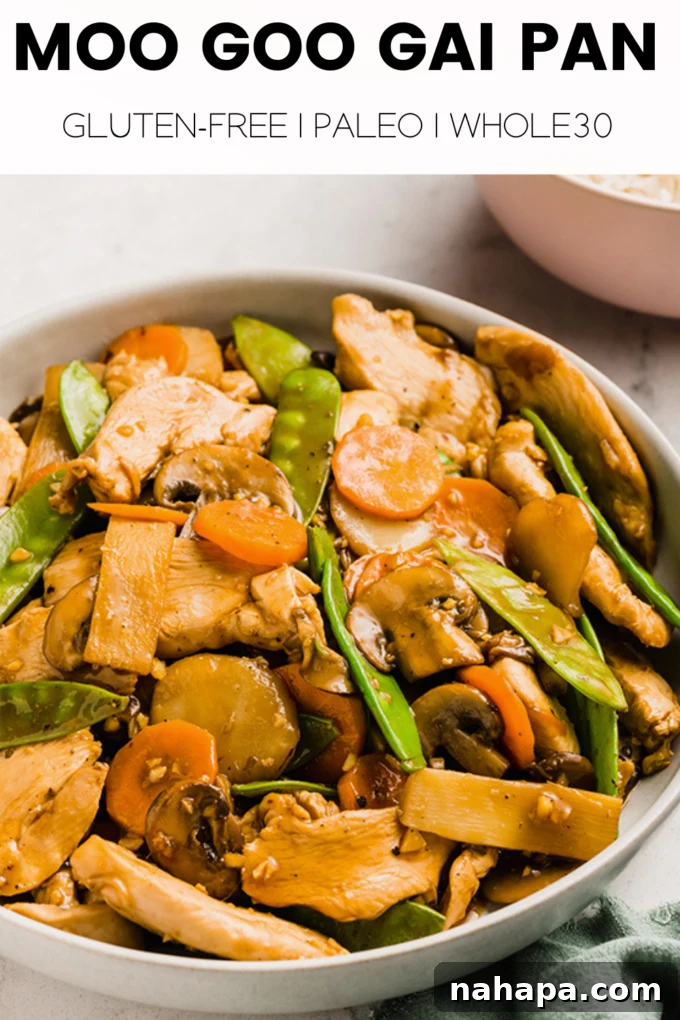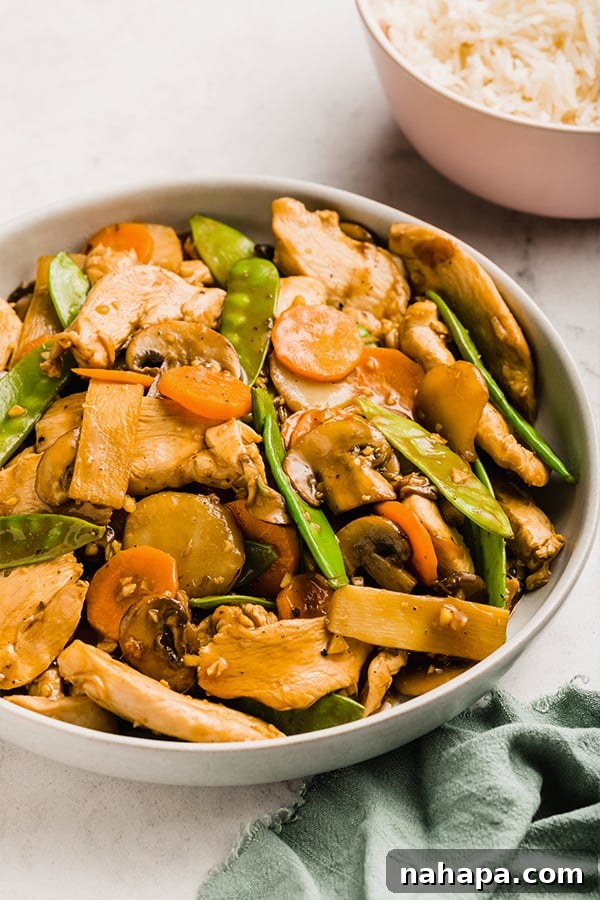
Discover the ultimate guide to crafting a healthier, authentic Chinese Mushroom Chicken, widely known as Moo Goo Gai Pan. This exquisite dish strikes the perfect balance between traditional flavors and modern dietary needs, making it paleo, Whole30 compliant, and easily adaptable for an AIP (Autoimmune Protocol) lifestyle. Forget heavy, overly saucy takeout versions; prepare to indulge in a vibrant, fresh, and deeply satisfying meal that supports your wellness journey without compromising on taste.
What is Moo Goo Gai Pan? A Classic Reimagined
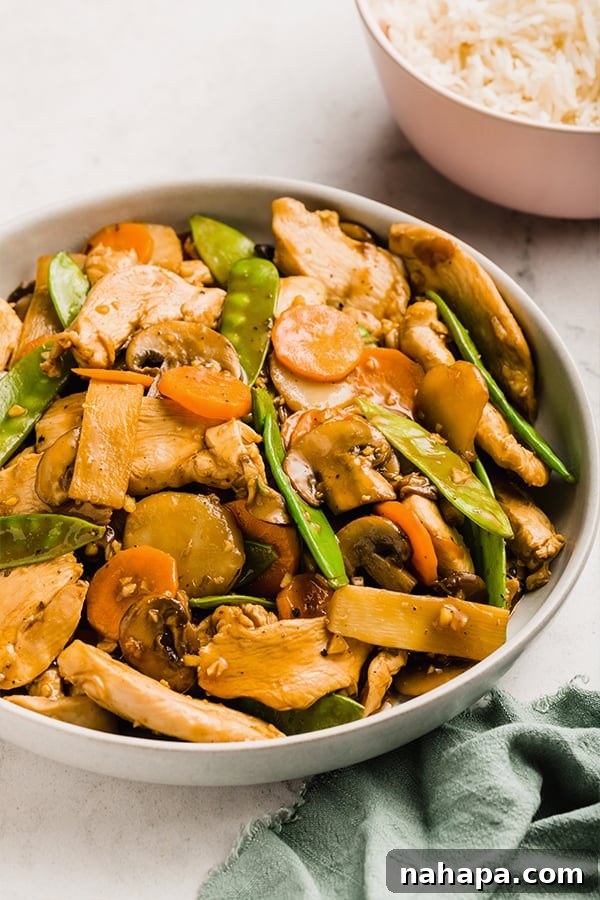
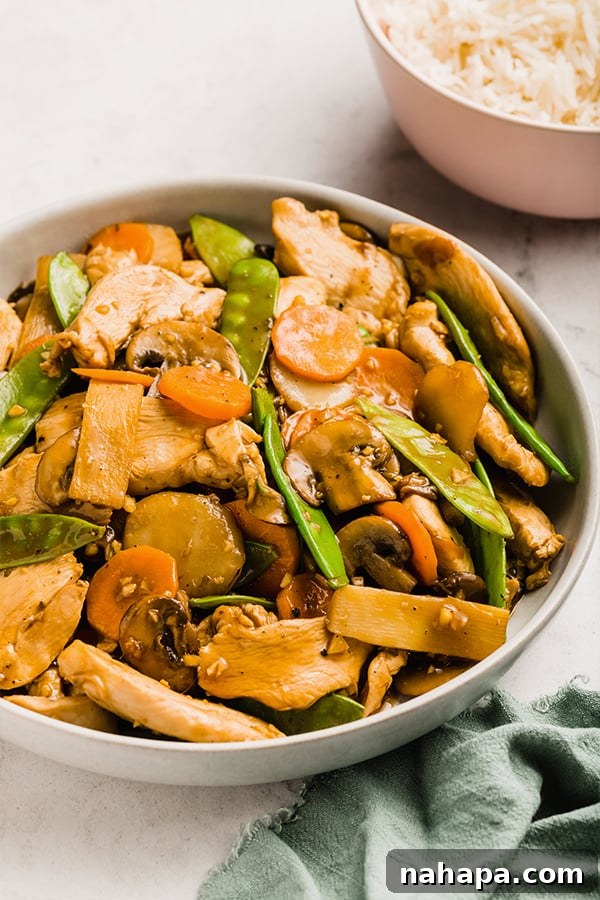
Moo Goo Gai Pan is a beloved staple on Chinese-American restaurant menus, celebrated for its tender sliced chicken, earthy mushrooms, and crisp vegetables bathed in a savory, light sauce. Originating from Cantonese cuisine, the name itself offers a literal description of its main components: “Moo Goo” translates to mushroom, and “Gai Pan” means sliced chicken. Unlike some richer, darker Chinese dishes, Moo Goo Gai Pan typically features a clear or lightly colored sauce, allowing the natural colors and flavors of the fresh ingredients to shine through.
This classic stir-fry is traditionally prepared with ingredients like snow peas, carrots, and water chestnuts, all tossed together in a sauce often made from chicken stock, soy sauce, and cornstarch. Our specially crafted version, however, respects the essence of the original while thoughtfully adapting it to meet the requirements of a gluten-free, paleo, and Whole30 diet. Furthermore, with a few simple adjustments, it becomes entirely AIP compliant, ensuring everyone can enjoy this wholesome and incredibly delicious dish.
The Meaning Behind the Name: Mushroom & Sliced Chicken
As mentioned, “Moo Goo Gai Pan” directly translates to “mushroom and sliced chicken.” This straightforward name perfectly encapsulates the heart of the dish, highlighting its two primary ingredients. Understanding the name not only offers a peek into Cantonese culinary naming conventions but also reinforces the dish’s identity as a mushroom-and-chicken-centric stir-fry.
Why Choose This Healthier Moo Goo Gai Pan?
In a world where healthy eating is paramount, finding delicious and compliant recipes can be a game-changer. This Moo Goo Gai Pan recipe isn’t just a tasty meal; it’s a testament to how traditional favorites can be transformed into incredibly healthy options without sacrificing flavor or authenticity. Here’s why this version stands out:
- Paleo-Friendly: Adhering to the Paleo diet means consuming foods that our hunter-gatherer ancestors would have eaten. This recipe eliminates grains, legumes, and dairy, focusing instead on lean protein, fresh vegetables, and natural fats. Our sauce uses coconut aminos instead of soy sauce and arrowroot starch in place of cornstarch, perfectly aligning with Paleo principles.
- Whole30 Compliant: The Whole30 program emphasizes eating whole, unprocessed foods for 30 days. This recipe is free from added sugars, grains, legumes, dairy, and artificial ingredients, making it an ideal choice for anyone following the Whole30 protocol. We specifically remove coconut sugar if you’re on Whole30, relying on the natural sweetness of the vegetables and the savory depth of the sauce.
- AIP (Autoimmune Protocol) Friendly: For those managing autoimmune conditions, the AIP diet offers a structured approach to identifying food sensitivities. This recipe can be easily adapted by omitting common AIP triggers like black pepper, snow peas (a legume), and water chestnuts (often processed with citric acid). Suggested swaps like broccoli or asparagus ensure you still get plenty of fresh, nutritious vegetables. It’s a fantastic option for introducing a comforting, flavorful meal into a restrictive diet.
This commitment to healthier alternatives ensures that you can enjoy a classic Chinese stir-fry with peace of mind, knowing that every ingredient contributes to your well-being.
Essential Ingredients for Your Moo Goo Gai Pan Stir Fry
The beauty of Moo Goo Gai Pan lies in its simplicity and the quality of its fresh ingredients. Each component plays a vital role in creating the dish’s signature texture and flavor profile.
- Chicken Breast (or Thigh): Lean chicken breast is the traditional choice, sliced thinly into bite-sized pieces for quick cooking and optimal sauce absorption. For a richer flavor and slightly more tender texture, boneless, skinless chicken thighs can be used interchangeably. Precision in slicing is key here – aim for uniform, thin pieces to ensure even cooking and a delightful mouthfeel.
- Mushrooms: True to its name, mushrooms are the undeniable star. White button mushrooms or cremini (baby bella) mushrooms are commonly used, lending their earthy, umami notes to the dish. Sliced mushrooms blend seamlessly into the stir-fry, absorbing the sauce beautifully and adding a tender, meaty texture. For an elevated experience, consider adding a mix of shiitake or oyster mushrooms for more complex flavors.
- Carrots: Thinly sliced carrots not only add a pop of vibrant color but also a subtle sweetness and a pleasant crunch. They should be cooked just enough to be tender-crisp, retaining some of their natural bite.
- Snow Peas: These bright green pods are a stir-fry favorite, offering a fresh, sweet flavor and a delightful snap. For those following the AIP elimination phase, snow peas are typically avoided as they are legumes. A perfect AIP-compliant substitute would be fresh asparagus spears or tender broccoli florets, which contribute similar texture and nutritional value.
- Water Chestnuts: Known for their unique aquatic crunch, water chestnuts add a fantastic textural contrast to the soft chicken and mushrooms. However, canned water chestnuts often contain citric acid, which is generally avoided during the AIP elimination phase. If you are on AIP, it’s best to omit them or seek out a brand that explicitly states no citric acid, or substitute with bamboo shoots.
- Bamboo Shoots: These offer a mild, slightly sweet flavor and a tender, crisp texture that complements the other vegetables perfectly. They are generally AIP-friendly and a great addition for their unique contribution to Asian-inspired dishes.
- Garlic & Ginger: The aromatic backbone of any good stir-fry, fresh minced garlic and ginger infuse the dish with warmth, depth, and that unmistakable Chinese flavor. Don’t skimp on these!
Crafting the Perfect Paleo & Gluten-Free Moo Goo Gai Pan Sauce
The sauce is what brings Moo Goo Gai Pan to life, coating every ingredient with savory goodness. Traditionally, this sauce would include chicken stock, soy sauce, Chinese cooking wine, and corn starch. To keep our version paleo, Whole30, and AIP-friendly, we’ve ingeniously substituted these elements:
- Coconut Aminos: This is our stellar gluten-free and soy-free alternative to soy sauce. Made from the sap of coconut blossoms, it offers a similar savory, umami flavor with a touch of sweetness, but with significantly less sodium and no soy. It’s a fundamental ingredient for any paleo or Whole30 Asian-inspired dish.
- Chicken Broth: High-quality chicken broth forms the liquid base of the sauce, adding body and a rich, savory foundation. Opt for a low-sodium or homemade broth to control the overall saltiness of the dish, especially when using coconut aminos.
- Arrowroot Starch: Replacing cornstarch, arrowroot starch is a fantastic grain-free thickener. It creates a silky, glossy sauce that clings beautifully to the chicken and vegetables. When mixed with a cold liquid before adding to a hot pan, it prevents clumping and ensures a smooth consistency.
- Apple Cider Vinegar: A small amount adds a subtle tang that brightens the overall flavor profile of the marinade.
- Sea Salt & Black Pepper: Essential for seasoning. If following AIP, remember to omit black pepper.
- Coconut Sugar (Optional for Whole30): A touch of coconut sugar can enhance the subtle sweetness of the sauce, mimicking traditional recipes. However, for strict Whole30 compliance, it should be omitted. The dish will still be delicious and flavorful without it.
The secret to a perfectly balanced sauce lies in whisking these ingredients together thoroughly before adding them to the hot pan. This ensures a smooth, lump-free consistency and even distribution of flavors.
How to Make Healthy Moo Goo Gai Pan: A Step-by-Step Guide
Preparing this healthy Moo Goo Gai Pan is a straightforward process, making it an ideal weeknight dinner. Follow these steps to create a truly memorable meal:
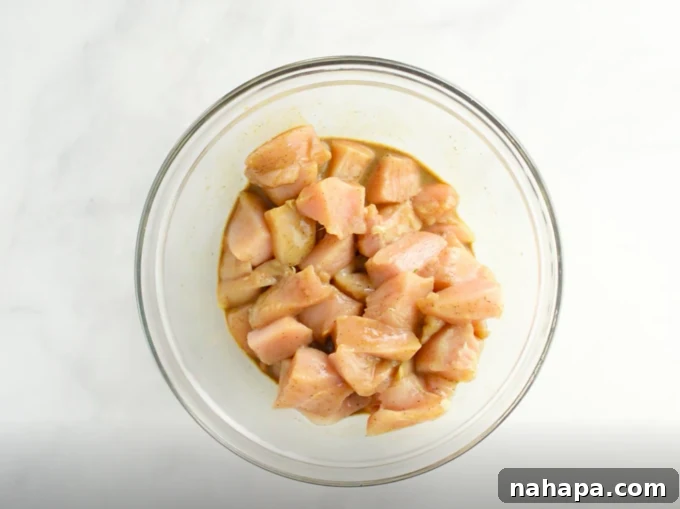
- Step 1: Prep the Marinade and Marinate the Chicken. Begin by whisking together the coconut aminos, arrowroot starch, apple cider vinegar, sea salt, and black pepper (if using) in a medium bowl. Add your thinly sliced chicken breast or thigh pieces to this flavorful marinade, tossing gently to ensure every piece is thoroughly coated. Allow the chicken to marinate in the refrigerator for 15-20 minutes. This crucial step tenderizes the chicken and infuses it with the initial layer of flavor.
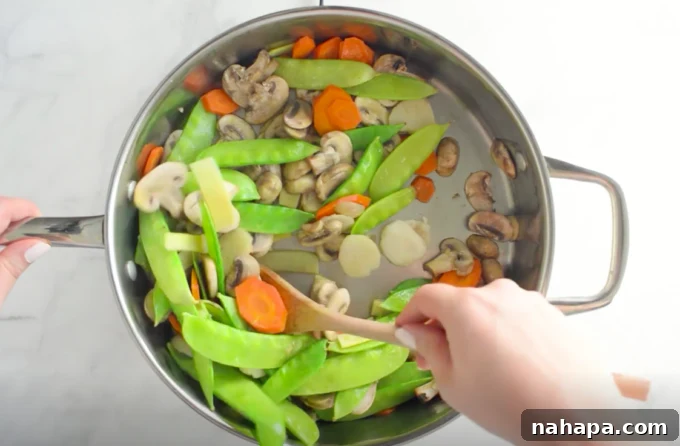
- Step 2: Cook the Vegetables. While the chicken is soaking up the marinade, prepare your vegetables. Heat one tablespoon of avocado oil in a large wok or a heavy-bottomed stainless steel pan over medium-high heat. Add the thinly sliced carrots and stir-fry for 3-4 minutes until they begin to tenderize but still retain a slight crispness. Next, add the sliced mushrooms and cook for another 2-3 minutes until they soften and release their moisture. Finally, incorporate the snow peas (or AIP alternatives like broccoli/asparagus), water chestnuts (if using), and bamboo shoots, cooking for an additional 2-3 minutes to warm them through and slightly soften. Remove all cooked vegetables from the pan and set them aside on a plate; this prevents them from overcooking while the chicken cooks.
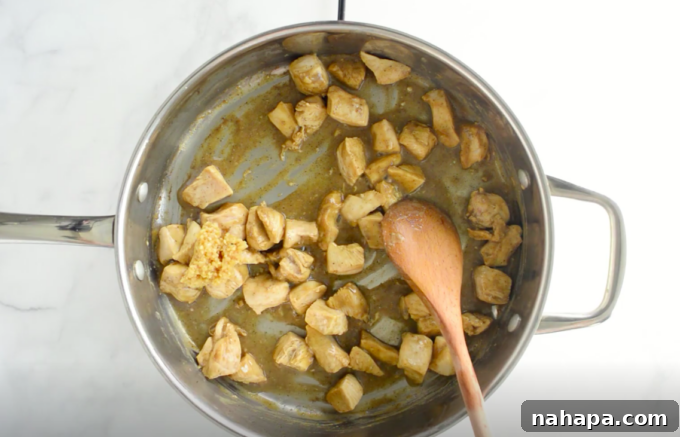
- Step 3: Cook the Chicken and Aromatics. Remove the marinated chicken from the fridge. If needed, add the remaining tablespoon of avocado oil to the same pan and increase the heat to medium-high. Add the chicken in a single layer, ensuring not to overcrowd the pan, and cook for 3-4 minutes, or until it’s fully cooked through and reaches an internal temperature of 165°F (74°C). Once the chicken is nearly done, add the minced ginger and garlic to the pan, stirring them in for about one minute until fragrant. This ensures the aromatics are fresh and potent without burning. Remove the pan from the heat immediately after.
- Step 4: Prepare the Sauce. In a separate small bowl, combine the chicken broth, coconut aminos, coconut sugar (if using, omit for Whole30), and the remaining one tablespoon of arrowroot starch. Whisk this mixture vigorously until the arrowroot starch is fully dissolved and there are no lumps. Set this sauce aside.
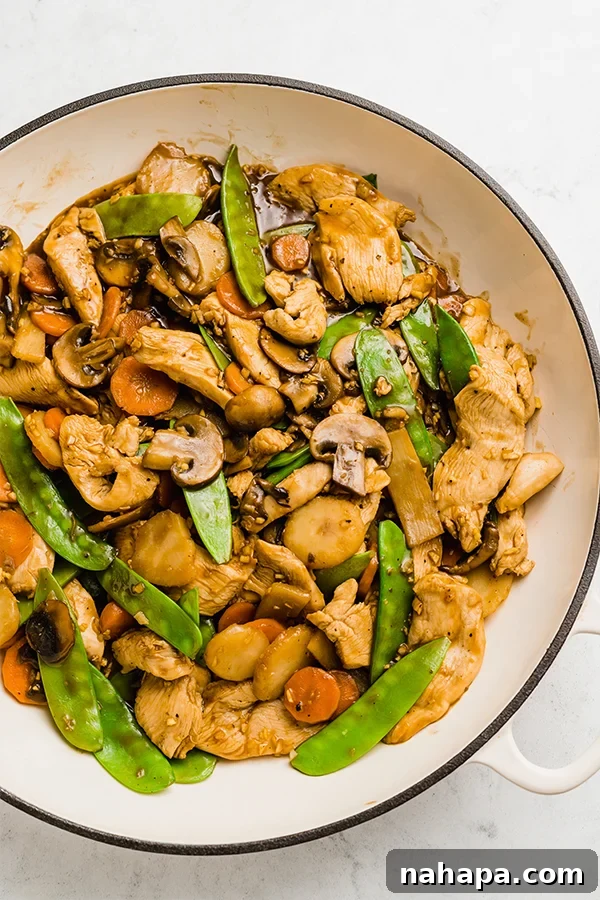
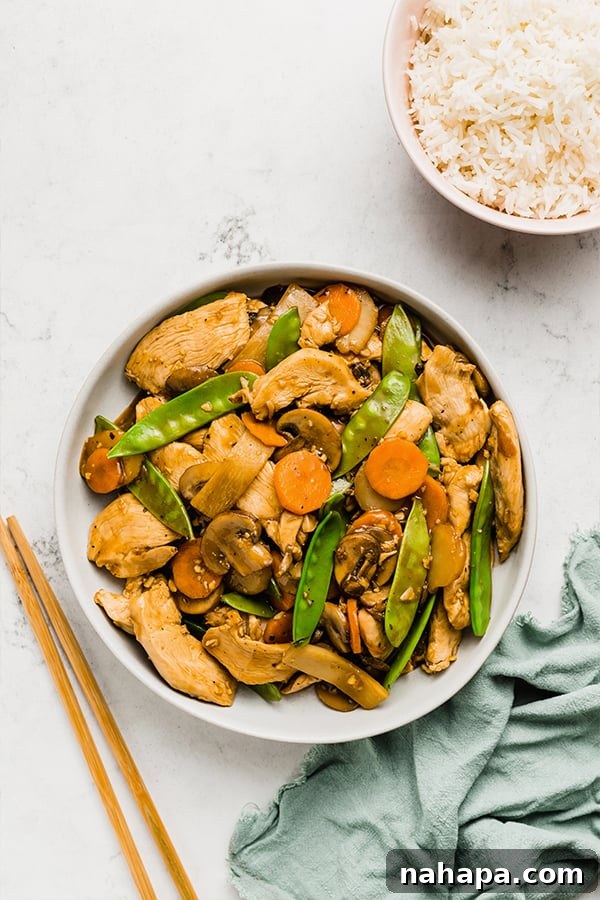
- Step 5: Combine and Serve. Return the cooked vegetables to the pan with the chicken. Pour the prepared sauce evenly over the chicken and vegetables. Place the pan back on medium heat and stir constantly for 2-3 minutes. The sauce will begin to thicken and coat all the ingredients, creating a glossy, inviting sheen. Taste and adjust seasoning with additional sea salt if desired. Once the sauce has reduced and thickened to your preference, remove the pan from the heat. Serve your delicious, healthy Moo Goo Gai Pan immediately while warm, perhaps over a bed of cauliflower rice for a grain-free meal, or plain white rice for a more traditional serving.
FAQs About Moo Goo Gai Pan
Here are some common questions to help you perfect your Moo Goo Gai Pan:
How do you make Moo Goo Gai Pan gluten-free?
Making Moo Goo Gai Pan gluten-free is incredibly simple with this recipe. The primary culprit for gluten in traditional versions is soy sauce. We’ve replaced it entirely with coconut aminos, which is naturally gluten-free and soy-free. Additionally, traditional recipes might use cornstarch, which is typically gluten-free, but we opt for arrowroot starch as a grain-free alternative for those following paleo or Whole30 diets, ensuring it’s a completely gluten-free and health-conscious choice. You can find coconut aminos in most health food stores or the international aisle of larger supermarkets, and it’s also readily available online.
What pan should you use to make Moo Goo Gai Pan?
For the best stir-fry results, a wok is ideal because its sloped sides and large surface area allow for quick, even cooking and easy tossing of ingredients. However, if you don’t own a wok, a large stainless steel pan or an enamel cast iron pan will work perfectly fine. The key is to use a pan that is large enough to hold all your ingredients without overcrowding, allowing them to sauté rather than steam. Good heat distribution is also important for achieving that characteristic stir-fry crispness.
Can I add different vegetables?
Absolutely! Moo Goo Gai Pan is quite versatile. Feel free to incorporate other quick-cooking vegetables like broccoli florets, bell peppers (any color), snap peas (if not AIP), sliced zucchini, or even bok choy. Ensure you slice them to a similar size for even cooking. Adjust cooking times as necessary based on the density of the vegetables you choose.
How can I make this dish spicier?
If you enjoy a bit of heat, you can easily add a kick to your Moo Goo Gai Pan. Incorporate a pinch of red pepper flakes during the cooking of the aromatics (ginger and garlic), or stir in a teaspoon of sriracha (check ingredients for Whole30/AIP compliance) or a dash of hot sesame oil at the end. For AIP, fresh chili peppers (if reintroduced and tolerated) or a hint of ginger can offer warmth without intense spice.
How should I store and reheat leftovers?
Leftover Moo Goo Gai Pan can be stored in an airtight container in the refrigerator for up to 3-4 days. To reheat, gently warm it in a skillet over medium heat on the stovetop, adding a splash of chicken broth or water if the sauce has thickened too much. You can also microwave it, but the stovetop method often yields better texture, especially for the vegetables.
Making your own Moo Goo Gai Pan at home not only ensures you control the quality of ingredients but also allows for customization to suit your dietary needs perfectly. This recipe proves that healthy eating can be incredibly delicious and satisfying.
You’ll also love these healthy and delicious recipes:
- Paleo & Whole30 Mongolian Beef Stir Fry
- Easy Keto & Whole30 Egg Roll in a Bowl
- Comforting Paleo Hot & Sour Soup
Rated 5 out of 5 stars by 10 reviews
Moo Goo Gai Pan | Chinese Mushroom Chicken (Paleo, Whole30, AIP Option)
Yield: 4 servings
Prep Time: 30 mins
Cook Time: 30 mins
Author: Michelle
This Moo Goo Gai Pan is an authentic Chinese Mushroom Chicken made healthier! It’s paleo, Whole30 compliant, and can be made AIP friendly.
Leave a Review
Pin Recipe
Ingredients
For the marinade
- 1 tbsp coconut aminos
- 2 tsp arrowroot starch
- 2 tsp apple cider vinegar
- ¾ tsp sea salt
- ½ tsp black pepper (omit for AIP)
For the stir fry
- 1 lb chicken breast, sliced into thin bite-sized pieces
- 2 tbsp avocado oil, divided
- ¾ cup carrot, thinly sliced
- 2 cups mushrooms, sliced
- 1 cup snow peas (see notes for AIP)
- ¼ cup water chestnuts (see notes for AIP)
- ¼ cup bamboo shoots
- 2 cloves garlic, minced
- 1 thumb ginger, minced
- ⅓ cup chicken broth
- ¼ cup coconut aminos
- 2 tsp coconut sugar (omit for Whole30)
- 1 tbsp arrowroot starch
Instructions
- Whisk together the ingredients for the marinade in a medium bowl.
- Add the chicken and toss to coat in the marinade. Allow to sit in the fridge for 15-20 minutes.
- While the chicken is marinating, prepare the vegetables by heating the avocado oil in a large pan and cook the carrots until tender for 3-4 minutes. Add the mushrooms and cook for another 2-3 minutes until slightly tender. Add the snow peas, water chestnuts and bamboo shoots and cook for another 2-3 minutes to soften. Remove from the pan and set aside.
- Remove the chicken from the fridge. Add more oil to the pan if needed and set to medium-high heat. Add the chicken and cook for 3-4 minutes or until temperature reads 165°F. Add the ginger and garlic and cook for another minute. Remove the pan from the heat.
- Combine the broth, coconut aminos, coconut sugar, and 1 tbsp of arrowroot starch in a bowl and whisk well.
- Add the vegetables back to the pan with the chicken and pour in the sauce. Stir to combine and reheat for 2-3 minutes as the sauce reduces. Add more salt to taste as needed.
- Remove from heat and serve warm.
Notes
- For AIP, omit the water chestnuts and swap the snow peas for broccoli or asparagus.
- All nutrition facts are estimates and will vary.
Nutrition Information (Estimated Per Serving):
Serving: 1 serving, Calories: 422 kcal, Carbohydrates: 42.3g, Protein: 40.8g, Fat: 10.8g, Fiber: 14.2g
All nutrition facts are estimated and will vary.
Did you Make this Recipe?
Tag @unboundwellness on Instagram and hashtag #unboundwellness!
This post was originally published in 2019 and the recipe and photos were updated in 2021.
Recipe by Michelle, Unbound Wellness. Photos by Eat Love Eats