
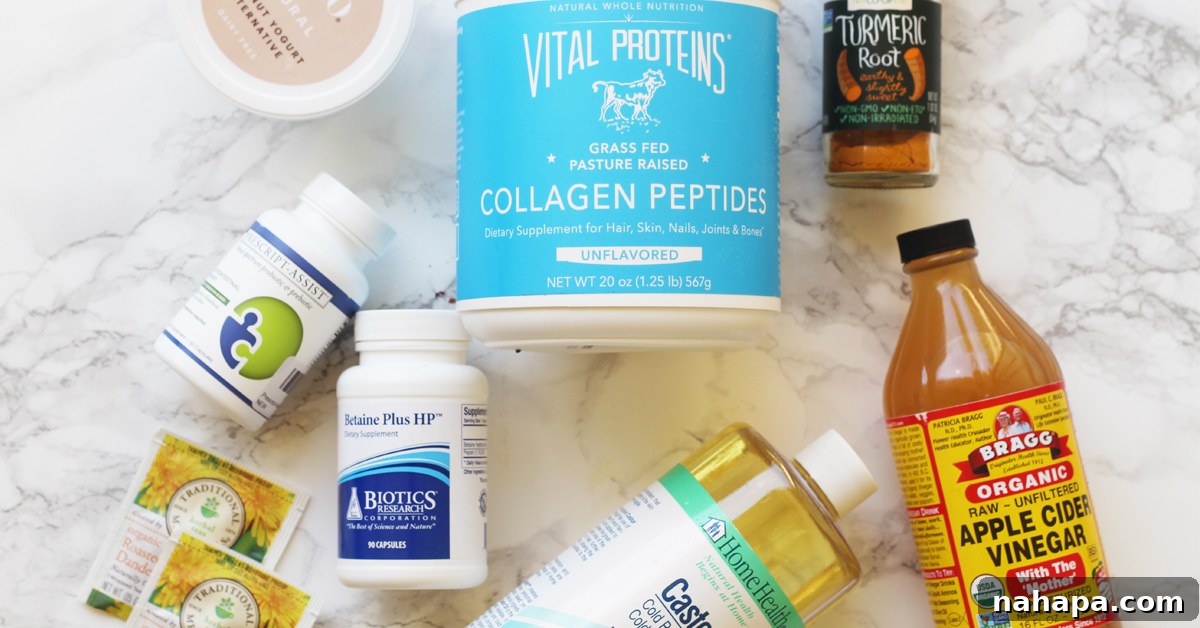
Embarking on a journey to revitalize your gut health can feel overwhelming, especially when grappling with chronic conditions like Hashimoto’s disease. My own experience began with a doctor’s protocol: a bag of supplements and a set of instructions. While this initial regimen offered a valuable kickstart, its efficacy proved short-lived. After a mere two weeks, I found myself with a cascade of unanswered questions, a dwindling repertoire of meal ideas, and a profound realization that sustainable gut health demanded a far more comprehensive and holistic approach. What I truly needed was a robust arsenal of tools and resources – a genuine “gut healing toolkit” – to navigate the complexities of long-term wellness.
The intricate landscape of gut health is unique to every individual. Factors such as the specific composition of your gut microbiome, your individual autoimmune status, and a myriad of other physiological elements dictate a personalized healing journey. Consequently, no single protocol fits all. However, a foundational set of tools and resources exists, offering widespread benefits for anyone striving for a healthier gut lifestyle. Unfortunately, these broader essentials aren’t always comprehensively shared during conventional medical consultations. This glaring gap inspired me to compile this definitive guide: The Ultimate List of Tools & Resources For Healing Your Gut and Maintaining Your Gut Health.
It’s crucial to understand that this list is not an invitation for immediate, exhaustive implementation. It encompasses a wide array of strategies and supports, designed to be integrated into your life at a comfortable pace. Overwhelm is counterproductive to healing. Therefore, I strongly advocate for a gradual, deliberate approach, allowing you to incorporate these resources thoughtfully and sustainably into your daily routine. Take your time, listen to your body, and build your toolkit step by step.
The Ultimate List of Tools & Resources For Healing Your Gut
1. A Holistic Doctor and/or Medical Team
Whether you’re contending with the discomfort of Irritable Bowel Syndrome (IBS), managing an autoimmune condition like Hashimoto’s, or simply experiencing occasional stomach cramping, the most effective path to resolution begins with identifying and addressing the root cause of your symptoms. Superficial treatments that merely mask symptoms offer temporary relief but fail to tackle the underlying issues. If the root cause continues to fester deep within your digestive system, a cyclical pattern of recurring or escalating problems is almost inevitable.
Root causes of gut dysfunction are often far from straightforward. They rarely boil down to a single culprit like gluten. Instead, they typically involve an intricate web of interconnected factors, including imbalances in the gut microbiome, chronic inflammation, nutrient deficiencies, stress, infections, and environmental toxins. Untangling this complex interplay requires specialized expertise. This is precisely why partnering with a qualified holistic doctor, functional medicine practitioner, or an integrated health team is paramount. These professionals possess the diagnostic tools and therapeutic understanding to delve beyond symptoms, uncover the true origins of your health challenges, and develop a personalized, comprehensive healing strategy. They guide you through testing, dietary modifications, lifestyle adjustments, and targeted supplementation to foster deep and lasting healing.
To gain further insight into selecting the right healthcare partner or assembling a supportive medical team for your gut health journey, explore this detailed blog post.
2. Digestive Aids
Proper digestion is the cornerstone of gut healing. Without efficient breakdown and absorption of nutrients, your body cannot repair itself, nor can it effectively eliminate waste and toxins. Even the most pristine diet will fall short if your digestive system isn’t functioning optimally. The specific digestive aids required will vary significantly from person to person, contingent on their unique digestive capabilities and imbalances. However, these foundational supports are often critical in restoring digestive harmony.
Here is an essential list of digestive aids you may wish to discuss with your healthcare provider to determine their suitability for your individual needs:
Stomach Acid Support
- Adequate stomach acid (hydrochloric acid) is vital for initiating protein digestion, sterilizing incoming food, and facilitating nutrient absorption, particularly minerals like zinc and B12. Low stomach acid can lead to indigestion, nutrient deficiencies, and increased susceptibility to bacterial overgrowth.
- Digestive Bitters: These traditional herbal remedies stimulate digestive juices, including stomach acid and bile, by activating bitter taste receptors. Taking them before meals can significantly enhance digestion.
Digestive Enzymes
- Digestive enzymes are biological catalysts essential for breaking down carbohydrates, proteins, and fats into smaller molecules that can be absorbed. Supplementation can be particularly helpful for individuals with pancreatic insufficiency, malabsorption, or digestive discomfort after meals.
- Pancreatic enzymes, protease, amylase, and lipase can aid in the comprehensive digestion of various food components, reducing digestive burden and improving nutrient uptake.
Bile Support
- Bile, produced by the liver and stored in the gallbladder, is crucial for emulsifying fats and fat-soluble vitamins, making them easier to digest and absorb. It also plays a role in detoxification and bowel regularity.
- Ox bile: For individuals who have had their gallbladder removed or suffer from sluggish bile flow, ox bile supplements can provide exogenous bile salts to improve fat digestion and prevent fat malabsorption, which can otherwise contribute to gut dysbiosis.
3. Gut Health Supplements
Supplements can play a supportive role in a comprehensive gut healing protocol, providing targeted nutrients and compounds to repair the gut lining, balance the microbiome, and reduce inflammation. As with all interventions, the exact combination, dosage, and sequence of supplements should be determined by a qualified doctor or healthcare practitioner based on your specific health status and diagnostic testing. However, some supplements are widely recognized for their beneficial impact on gut health:
- L-Glutamine: This amino acid is a primary fuel source for intestinal cells (enterocytes) and is crucial for maintaining the integrity of the gut lining. It helps to repair and strengthen the intestinal barrier, which is vital for addressing “leaky gut” syndrome (increased intestinal permeability) and reducing inflammation.
- Colostrum: Derived from bovine milk, colostrum is rich in growth factors, immunoglobulins, and antimicrobial peptides that support gut health. It helps to repair damaged intestinal tissue, modulate the immune system, and protect against pathogens, making it particularly beneficial for individuals with autoimmune conditions or compromised gut integrity.
- Probiotics: These beneficial microorganisms, when consumed in adequate amounts, confer a health benefit to the host. They help to restore balance to the gut microbiome, enhance digestion, improve nutrient absorption, strengthen the immune system, and produce short-chain fatty acids beneficial for gut health. The specific strains and dosages are crucial and should be tailored to individual needs.
- Restore (Humic and Fulvic Acid Blend): This unique supplement aims to strengthen the tight junctions in the gut lining, effectively reducing permeability. By fostering a more robust gut barrier, it supports immune function, enhances overall gut integrity, and may help mitigate the impact of environmental toxins on the digestive system.
4. Good Quality Food & Recipes
While eliminating inflammatory or offending foods is a critical first step in gut healing, it’s equally important to actively nourish your body with high-quality, nutrient-dense foods. Healing requires abundant raw materials, and these are best supplied through a diet rich in bioavailable nutrients. Focusing on whole, unprocessed foods supports the body’s natural healing mechanisms and provides the essential building blocks for repair and regeneration. Here’s what you’ll need to stock your kitchen with to truly support your gut:
- Local, organic vegetables: Opting for local and organic produce minimizes exposure to pesticides and herbicides, which can negatively impact gut health and the microbiome. Local produce is often fresher, more nutrient-dense, and supports sustainable farming practices. For comprehensive guidance on sourcing these vital ingredients near you, consult this informative post.
- Grass-fed and pasture-raised meats: These meats are superior to conventionally raised options, offering a healthier fatty acid profile (more omega-3s), higher levels of vitamins (like E and B), and fewer antibiotics or hormones. They provide essential amino acids for tissue repair and a cleaner protein source. I highly recommend reputable suppliers like US Wellness Meats for their commitment to quality.
- Wild-caught fish: A fantastic source of anti-inflammatory omega-3 fatty acids, wild-caught fish also provides high-quality protein and essential micronutrients like selenium and Vitamin D. Prioritize species lower in mercury and sustainably sourced to maximize benefits.
Beyond ingredients, knowing how to transform them into delicious, gut-supportive meals is key. Here are some indispensable gut-healing recipes that should become staples in your kitchen:
- Bone Broth: A powerhouse of collagen, gelatin, amino acids (like glutamine), and minerals, bone broth is fundamental for repairing the gut lining, reducing inflammation, and supporting overall digestive health.
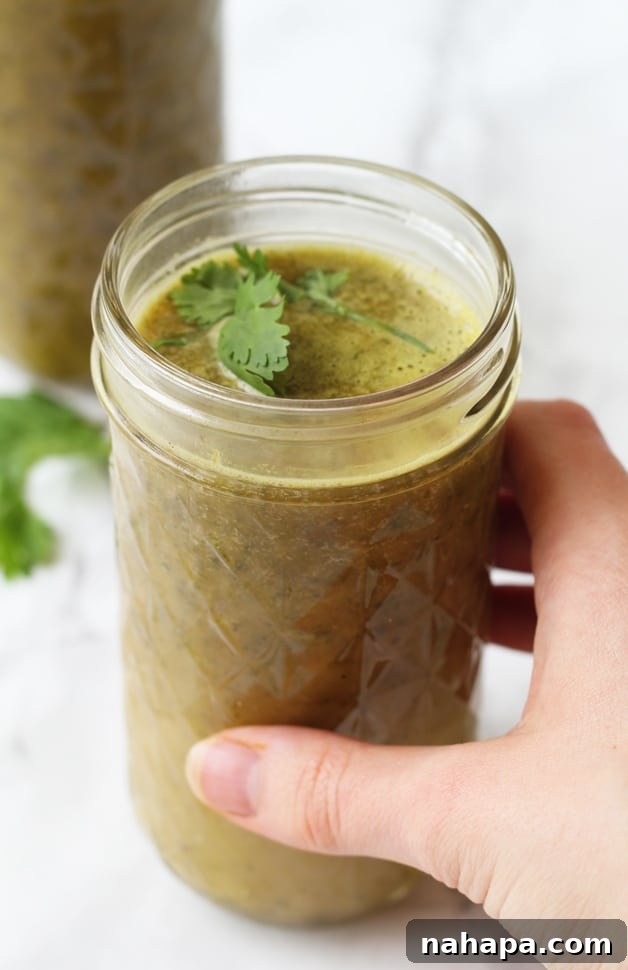
- Bone Broth Green Drink: A creative way to incorporate the healing benefits of bone broth with nutrient-rich greens, offering a potent dose of vitamins, minerals, and gut-supportive compounds in an easily digestible form.
- Beet Kvass: This fermented beverage provides beneficial bacteria, enzymes, and nitric oxide, supporting liver detoxification, blood pressure, and digestive health. Its vibrant color and earthy taste make it a delightful addition.
- Turmeric Bites: Harnessing the potent anti-inflammatory properties of turmeric, these bites offer a delicious and easy way to incorporate this powerful spice, known for its ability to soothe gut inflammation.
- Salmon Cakes: An excellent way to enjoy the omega-3 benefits of salmon, these patties often incorporate other gut-friendly ingredients and can be made without common allergens like eggs, making them suitable for various healing protocols.
5. Probiotic Foods
Integrating probiotic-rich foods into your diet is a powerful strategy for cultivating a diverse and thriving gut microbiome. These foods introduce beneficial bacteria directly into your digestive system, helping to rebalance gut flora, enhance digestion, and fortify the immune system. For many, consuming probiotic foods is arguably superior to relying solely on probiotic supplements, as foods often provide a wider array of bacterial strains and complementary nutrients in a natural matrix. They can be consumed in small, regular amounts daily, yielding profound long-term benefits.
However, a crucial caveat applies: if you are dealing with specific conditions such as Small Intestinal Bacterial Overgrowth (SIBO), Candida overgrowth, or severe histamine intolerance, introducing probiotic-rich foods might initially exacerbate symptoms. In these cases, it’s often advisable to undertake a targeted healing protocol to address the overgrowth or intolerance first, before gradually reintroducing fermented foods under professional guidance. For everyone else, embracing these living foods is an incredible way to support gut reinoculation.
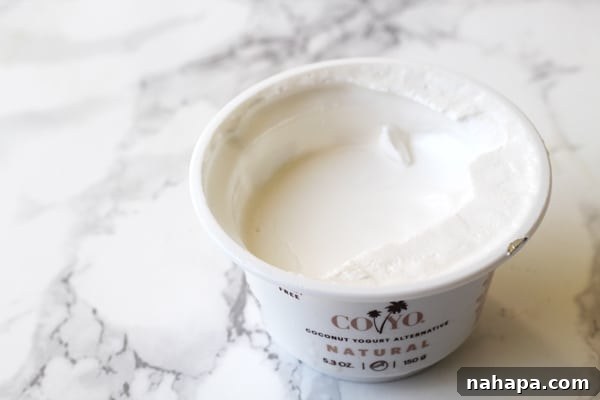
Among my absolute favorites are sauerkraut, a finely chopped fermented cabbage that offers a wealth of beneficial bacteria and enzymes. I also enthusiastically recommend probiotic drinks like beet kvass, which we discussed earlier, and kefir – especially dairy-free versions like coconut kefir. Coconut yogurt is another fantastic addition to the gut-healing diet, providing probiotics in a creamy, satisfying form. Coyo is a brand I particularly appreciate for its quality and taste, and I’m always keen to try new options like The Coconut Cult. While making your own fermented foods can be incredibly rewarding, having high-quality store-bought options provides a convenient shortcut for busy schedules.
6. Gut-Loving Pantry Staples
Beyond fresh ingredients and specific probiotic foods, having a well-stocked pantry with gut-friendly staples can significantly ease the process of preparing nourishing meals and supporting your healing journey. These items serve multiple purposes, from enhancing the nutritional value of dishes to aiding digestion and reducing inflammation. Building a repertoire of these staples means you’re always prepared to whip up something healthy and supportive.
- Vital Proteins Collagen: An incredibly versatile protein source, collagen peptides are easily dissolvable and can be added to smoothies, coffee, or even soups. Rich in amino acids like glycine, proline, and hydroxyproline, collagen is vital for repairing and maintaining the integrity of the gut lining, promoting elasticity, and supporting connective tissues throughout the body.
- Vital Proteins Gelatin: Similar to collagen but with gelling properties, gelatin is excellent for making gut-healing gummies, puddings, or thickening soups and sauces. It contributes to gut lining repair and can be soothing for the digestive tract.
- Apple Cider Vinegar (ACV): Raw, unfiltered apple cider vinegar with the “mother” is a fantastic digestive aid. Taken before meals, it can help stimulate stomach acid production, improving protein digestion and nutrient absorption. It’s also an essential ingredient for making flavorful bone broth and can be used in salad dressings.
- Ginger, Dandelion, and Peppermint Tea: These herbal teas offer wonderful digestive support. Ginger is known for its anti-inflammatory properties and ability to soothe nausea. Dandelion supports liver function and bile flow, aiding detoxification. Peppermint can help relax digestive muscles and relieve gas and bloating. Keeping a variety on hand ensures a comforting and therapeutic beverage choice.
- Quality Spices (Turmeric, Dried Herbs, etc.): Spices are not just for flavor; many possess potent medicinal properties. Turmeric, with its active compound curcumin, is a powerful anti-inflammatory. Dried herbs like oregano, basil, and thyme offer antioxidants and antimicrobial benefits, contributing to a healthy gut environment.
- Coconut Oil: A medium-chain triglyceride (MCT) oil, coconut oil provides an easily digestible energy source and contains lauric acid, which has antimicrobial properties. It’s excellent for cooking, baking, and even as a source of healthy fats for gut healing.
- Ghee (if tolerated): Clarified butter, ghee is essentially butter with milk solids removed, making it typically well-tolerated by those sensitive to dairy. It’s rich in butyrate, a short-chain fatty acid that fuels colon cells and promotes gut health. It has a high smoke point, making it suitable for cooking.
For discovering even more high-quality, gut-friendly staples and often at a discount, I highly recommend exploring Thrive Market! As a bonus, by utilizing that specific link, you’ll receive an encouraging 15% off your very first order, helping you kickstart your healthy pantry.
7. An Instant Pot and/or Slow Cooker, and High-Speed Blender
Modern kitchen appliances can be game-changers on a gut healing journey, transforming potentially time-consuming and complex recipes into effortless, nourishing meals. These three tools, in particular, have revolutionized my culinary life, becoming indispensable staples that I utilize multiple times a week. They not only save time but also expand the possibilities for preparing nutrient-dense, gut-supportive foods with ease and consistency.
Instant Pot (A multi-functional pressure cooker that can often replace a slow cooker, though I still find value in having both for simultaneous cooking needs):
- Accelerated Cooking: Dramatically reduces cooking times for traditionally slow-cooked items like bone broth, stews, and roasts, making nutrient-dense meals accessible even on busy weekdays.
- Enhanced Nutrient Retention: Pressure cooking helps to lock in nutrients that might otherwise degrade with longer cooking methods.
- Versatility: Beyond pressure cooking, it often functions as a slow cooker, rice cooker, steamer, and sauté pan.
-
Recommended Uses:
- Soups: Prepare comforting, healing soups quickly, such as this Carrot Leek Spring Soup and this Basil Zucchini Summer Soup.
- Stews: Tenderize meats and vegetables for hearty, flavorful stews in a fraction of the traditional time.
- Roasts: Achieve perfectly tender and juicy roasts with minimal effort.
- Bone Broth: Make rich, gelatinous bone broth in 2-3 hours instead of 12-24.
Slow Cooker (Ideal for set-it-and-forget-it cooking, perfect for developing deep flavors and tender textures):
- Gentle Cooking: Low and slow cooking methods are excellent for breaking down tough cuts of meat and extracting maximum nutrients from ingredients, especially in broths.
- Flavor Development: Long cooking times allow flavors to meld beautifully, creating incredibly rich and satisfying meals.
- Convenience: Prepare ingredients in the morning and return home to a fully cooked, warm meal.
-
Recommended Uses:
- Bone Broth: The classic method for simmering bones over extended periods to draw out collagen and minerals.
- Stews: Develop tender meats and rich broths effortlessly.
- Roasts: Achieve fall-apart tender roasts with minimal supervision.
High-Speed Blender (e.g., Vitamix) (Essential for achieving silky-smooth textures and incorporating a wide array of ingredients):
- Optimal Nutrient Extraction: High-speed blenders pulverize ingredients so finely that they can break down cell walls, making nutrients more bioavailable and easier to digest.
- Smooth Consistency: Perfect for creating lump-free smoothies, pureed soups, and creamy sauces, which can be particularly soothing for a sensitive gut.
- Versatility: Can handle tough ingredients like fibrous greens, nuts, and ice with ease.
-
Recommended Uses:
- Smoothies: Craft nutrient-dense, gut-healing smoothies, such as this Gut Healing Acai Bowl, packed with fruits, vegetables, and supplements.
- Pureed Soups: Transform chunky soups into velvety smooth, digestible concoctions, like this Basil Zucchini Summer Soup.
- Sauces and Dressings: Create healthy, homemade sauces and dressings without emulsification issues.
8. Great Cookbooks
Navigating the culinary landscape of a gut-healing diet, particularly one that often excludes common staples like grains, dairy, and sometimes even eggs or nuts, can be daunting. It’s easy to feel creatively stifled and overwhelmed by the restrictions. This is where a collection of reliable, inspiring cookbooks becomes an invaluable part of your gut healing toolkit. They provide not just recipes, but also education, encouragement, and practical strategies for making delicious, nourishing food within your dietary parameters. These resources empower you to move beyond basic meals and discover a world of flavor and variety that supports your health goals.
Here are some trusted, no-fail cookbooks that consistently offer innovative and gut-friendly recipes, making them essential references in my kitchen:
- The Healing Kitchen: This cookbook is an absolute lifesaver for anyone following a restrictive healing diet, such as the Autoimmune Protocol (AIP). It provides a wealth of delicious, compliant recipes that are both creative and easy to follow, proving that therapeutic diets can still be incredibly flavorful and satisfying. It helps transform dietary challenges into culinary triumphs.
- Nourishing Traditions: A seminal work in the real food movement, this book delves into traditional food preparation techniques that enhance nutrient content and digestibility. It’s a treasure trove of information on fermentation, soaking grains and nuts, making bone broth, and utilizing nutrient-dense animal fats. While not exclusively AIP, its principles are foundational for any gut-healing approach.
- He Won’t Know It’s Paleo: This cookbook is perfect for those who want to prepare healthy, gut-friendly meals without making their family or guests feel like they’re on a restrictive diet. It features creative and delicious recipes that are Paleo-compliant but taste like comforting, traditional dishes, making healthy eating enjoyable for everyone at the table.
9. Gut Health-Focused Books
The journey to optimal gut health is not just about diet and supplements; it’s also fundamentally about knowledge and empowerment. The science of the gut microbiome is constantly evolving, and understanding the basic principles of gut function, dysbiosis, and repair is crucial for sustained healing. Empowering yourself with accurate information allows you to make informed decisions, engage meaningfully with your healthcare team, and maintain motivation on what can often be a challenging path. These books provide foundational knowledge, scientific context, and practical insights that can profoundly deepen your understanding and commitment to gut healing.
Here are a few of my most highly recommended books that have been instrumental in my own understanding and approach to gut health:
- Eat Dirt: Authored by Dr. Josh Axe, this book explores the concept of “leaky gut” (intestinal permeability) as a root cause of many chronic health issues, including autoimmune diseases. It offers a comprehensive plan for repairing the gut lining, rebalancing the microbiome, and reducing inflammation through diet, lifestyle, and targeted supplements. It’s an excellent guide for understanding and addressing a compromised gut barrier.
- Gut and Psychology Syndrome (GAPS): Dr. Natasha Campbell-McBride’s groundbreaking work posits a strong connection between gut health and brain function, impacting conditions like autism, ADHD, dyslexia, dyspraxia, depression, and schizophrenia. The GAPS diet protocol is designed to heal the gut lining, detoxify the body, and restore a healthy gut flora, offering profound insights into the gut-brain axis.
- The Paleo Approach: Written by Dr. Sarah Ballantyne, this book is the definitive guide to the Autoimmune Protocol (AIP). It provides an exhaustive, evidence-based explanation of how diet and lifestyle factors impact autoimmune disease and offers a detailed, step-by-step plan for implementing the AIP. It’s essential reading for anyone seeking to reverse autoimmune symptoms through comprehensive dietary and lifestyle changes.
10. Castor Oil Pack Supplies
Castor oil packs represent a deeply therapeutic and often overlooked tool for supporting gut healing and overall detoxification. This traditional remedy involves applying castor oil to the skin, typically over the abdomen, and covering it with flannel and gentle heat. The localized application of castor oil, rich in ricinoleic acid, is believed to penetrate the skin and stimulate lymphatic circulation, enhance blood flow, and promote detoxification pathways, particularly those associated with the liver and gallbladder. These effects collectively contribute to improved digestion, reduced inflammation, and better elimination, making castor oil packs a favorite recommendation for clients aiming to nurture their digestive health. They are especially beneficial for individuals experiencing sluggish digestion, constipation, liver congestion, or gallbladder issues.
To create your own effective castor oil pack, you will need just a few simple supplies:
- Castor Oil: Opt for high-quality, cold-pressed, hexane-free castor oil. The quality of the oil is paramount for therapeutic benefits.
- Flannel: You’ll need a piece of natural wool or cotton flannel, large enough to cover the desired area (e.g., your entire abdomen). This acts as the absorbent layer for the oil.
- Heating Pad: A heating pad or a hot water bottle is used to apply gentle, consistent heat over the castor oil pack, which helps the oil penetrate more effectively and enhances its therapeutic action.
For detailed, step-by-step instructions on how to properly prepare and apply a castor oil pack for maximum benefit, you can find an excellent guide here!
11. Social Support
Embarking on an alternative health lifestyle, particularly one focused on intensive gut healing, often means diverging from mainstream dietary and social norms. In a world where convenience foods like pizza, beer, and processed snacks are commonplace, maintaining a strict healing protocol can feel isolating and challenging. Trust me, I understand this sentiment deeply. The psychological burden of feeling “different” or constantly having to explain your choices can be significant.
This is precisely why robust social support is not just helpful, but absolutely essential for long-term adherence and emotional well-being. Having a strong network of family, friends, or like-minded individuals who understand and support your journey can make all the difference. They can offer encouragement on difficult days, celebrate your progress, and even provide practical ideas for navigating social situations or discovering new gut-friendly recipes. Sharing experiences and knowing you’re not alone can be incredibly empowering.
Beyond your immediate circle, online communities offer an expansive and accessible source of support. I’ve personally fostered several such communities to connect individuals on similar paths. I created a dedicated Facebook group, Gut Healing Support, specifically for this purpose. Additionally, for those who follow my podcast, there’s the Unbound Healing Community. For individuals following the Autoimmune Protocol (AIP), I highly recommend joining the AIP Support group, which offers a wealth of shared knowledge and empathetic understanding. These online spaces provide a platform for asking questions, sharing successes, and finding solidarity with others who truly “get it.”
12. Go-To Relaxation Methods
It is an undeniable truth that true physiological healing cannot occur in a state of chronic stress. The profound connection between the gut and the brain, known as the gut-brain axis, means that psychological stress has direct, detrimental effects on digestive health. Elevated levels of cortisol, the body’s primary stress hormone, can compromise the integrity of the gut lining, increasing its permeability (contributing to “leaky gut”). Furthermore, stress can inhibit the production of vital stomach acid, which directly impairs digestion and hinders the absorption of crucial minerals like zinc, essential for immune function and gut repair. To digest, absorb, and heal effectively, our bodies must be in a parasympathetic, or “rest and digest,” state.
If you’re grappling with more severe issues like adrenal dysregulation, working closely with your doctor to address these deeper physiological imbalances is critical. However, for everyone, cultivating a repertoire of smaller, consistent relaxation methods can significantly help manage daily stress and foster a healing environment. Integrating these practices regularly can lower cortisol, support optimal digestion, and enhance your body’s innate capacity for repair.
Here is a curated list of my favorite and most effective relaxation methods that I frequently recommend, though remember that personalization is key:
- Short walks outside: Even a brief stroll in nature can reduce stress hormones, improve mood, and provide a mental break. The fresh air and natural environment offer a calming sensory experience.
- Yoga class: Combining physical postures, breathing exercises, and meditation, yoga is a powerful tool for reducing stress, improving flexibility, and promoting a sense of calm and body awareness.
- Guided meditation: Following a guided meditation can help quiet a busy mind, reduce anxiety, and promote deep relaxation, even for beginners. Many apps and online resources offer free sessions.
- Devotionals: For those with spiritual inclinations, engaging in daily devotionals can provide solace, perspective, and a sense of connection. (I personally utilize the Bible App on my phone for discovering new devotionals.)
- Gratitude journaling: Regularly writing down things you are grateful for can shift your mindset from stress and negativity towards appreciation and positivity, significantly improving mood and resilience.
- Hobbies like sewing, reading, cooking, etc.: Engaging in creative or absorbing hobbies can be a form of active meditation, allowing your mind to focus on an enjoyable task and temporarily escape stressors.
- Tea with friends: Social connection is a potent stress reducer. Sharing a warm beverage and conversation with loved ones fosters a sense of belonging and support.
- Walking around Target (or your favorite store): Sometimes, a simple, low-stakes activity that provides a pleasant distraction can be surprisingly relaxing and a gentle way to decompress. (Come on, you know you love it!)
As is the overarching theme of this entire discussion, not all relaxation methods resonate with everyone. What brings profound calm to one person might feel like a chore to another. My most universal and vital piece of advice is this: relaxation needs to be a non-negotiable, regularly incorporated element of your daily life. I’m advocating for consistent practice, even if it’s just 10-15 minutes each day. Prioritizing these moments of calm is an investment in your gut health and overall well-being.
13. Blogs, Podcasts, and Other Media
In today’s information-rich environment, access to ongoing education and inspiration is more critical than ever for anyone committed to a gut healing journey. Blogs, podcasts, and other digital media provide a continuous stream of up-to-date research, practical advice, success stories, and expert insights that can keep you informed, motivated, and connected. These resources serve as an invaluable complement to your professional medical guidance, offering different perspectives and a broader community of support. They allow you to delve deeper into specific topics, learn from diverse experiences, and discover new strategies to enhance your well-being.
Here are some of my top recommendations for blogs that consistently deliver high-quality, trustworthy content on gut health, autoimmune conditions, and holistic wellness:
- Unbound Wellness: My own platform, where I share personal experiences, science-backed information, and practical tips for managing autoimmune disease and healing the gut through a functional and holistic approach. (Of course, I have to include it!)
- The Paleo Mom: Dr. Sarah Ballantyne’s blog is an incredible resource for understanding the science behind the Paleo Autoimmune Protocol (AIP). Her articles are meticulously researched and provide deep dives into complex topics related to autoimmune disease and gut health.
- Chris Kresser: A leading voice in functional medicine, Chris Kresser’s blog offers evidence-based insights into a wide range of health topics, including gut health, diet, and chronic disease. His work is rigorously scientific and highly informative.
- Phoenix Helix: Eileen Laird’s blog is a compassionate and practical guide for navigating life with autoimmune disease, specifically focusing on the AIP. She provides excellent resources, recipes, and personal stories that resonate with many.
- Dr. Axe: Dr. Josh Axe’s website covers a vast array of natural health topics, including extensive content on gut health, natural remedies, and nutrition, offering a holistic perspective on wellness.
- Autoimmune Wellness: Co-founded by Angie Alt and Mickey Trescott, this site provides comprehensive resources, guides, and inspiration for living well with autoimmune disease, with a strong emphasis on the AIP and lifestyle factors.
In addition to reading, listening to podcasts offers a convenient way to absorb information while on the go. Here are some podcasts that I find particularly insightful and valuable:
- Unbound Healing Podcast: My podcast, where I interview experts and share practical strategies for healing the gut and managing autoimmune conditions, bringing a wealth of knowledge directly to your ears.
- Balanced Bites: Hosted by Diane Sanfilippo and Liz Wolfe, this podcast offers practical advice on real food nutrition, healthy living, and dispelling common health myths, often touching on gut health.
- Paleo Women Podcast: Caitlin and Jamie discuss various health topics from a female perspective, providing insights into hormone balance, gut health, and navigating wellness within a Paleo framework.
- Revolution Health Radio: Chris Kresser’s podcast features in-depth interviews with leading experts on functional medicine, offering cutting-edge information on optimizing health, preventing chronic disease, and understanding the root causes of illness.
I genuinely hope this comprehensive list empowers you to build a robust and personalized gut healing toolkit. May your journey be filled with discovery, resilience, and renewed vitality. Enjoy the process, and happy healing! <3