Thank you, That’s It Fruit for partnering with me on this insightful post! This content is sponsored by my friends at That’s It Fruit. All opinions and experiences shared here are genuinely my own.
The vast and ever-evolving landscape of health and wellness is perpetually abuzz with debates and differing opinions. Among the most discussed topics is the role of snacking in our daily lives. Is it a beneficial habit or a detrimental one? How frequently should one snack, and what truly constitutes a healthy, nourishing snack? These are questions that have undoubtedly crossed my mind, and perhaps yours, countless times. While individual dietary needs and lifestyles vary greatly, there are indeed fundamental guidelines that can empower anyone to make smarter snacking choices. Today, I’m eager to delve into these principles, particularly for those navigating a real food, paleo lifestyle.
Understanding the “Why” and “When” of Smart Snacking
Before we dive into the “how,” let’s first address the foundational questions: why and when should we consider snacking? As a passionate advocate for nourishing, nutrient-dense meals, I consistently share recipes that promote satiety and robust health. However, in the reality of our busy lives, a well-chosen snack can be an indispensable tool for maintaining energy, balancing blood sugar, and preventing extreme hunger that often leads to less healthy choices. Snacking isn’t about grazing mindlessly; it’s about strategic fuel. Here are some common scenarios where having a healthy snack on hand truly proves invaluable:
- Traveling Long Distances: Whether by plane, train, or automobile, travel often presents limited healthy food options. A pre-packed snack can be a lifesaver, keeping hunger at bay and preventing reliance on airport fast food or gas station fare.
- Extended Work or School Days: When lunch feels like a distant memory and dinner is hours away, a wholesome snack can provide the necessary sustained energy to maintain focus and productivity without experiencing an energy crash.
- Conferences or Events: These can be marathon sessions, often with scheduled meal breaks that don’t align with your hunger cues or offer suitable dietary options. Having your own provisions ensures you stay energized and satisfied.
- Navigating Social Gatherings: Parties and events are wonderful for connection, but the food offerings might not always align with a real food or paleo approach. A discreet snack allows you to participate without feeling deprived or compromising your health goals.
- Post-Workout Recovery: After a strenuous workout, your body needs quick, clean fuel to aid muscle repair and replenish glycogen stores. A targeted snack can accelerate recovery and reduce soreness.
- Managing Food Intolerances or Allergies: For individuals like myself who manage food intolerances, being prepared with safe snacks is not just a convenience but a necessity to avoid adverse reactions and discomfort.
- Simply Feeling Like a Treat: Sometimes, you just want something satisfying between meals. Opting for a healthy, real food snack can fulfill this desire without derailing your dietary commitments.
It’s crucial to reiterate that everyone’s needs are unique. What works for one person might not work for another. However, for many, especially those committed to a real food or paleo lifestyle, strategically incorporating snacks can be a powerful strategy for maintaining consistent energy levels, managing cravings, and ensuring adequate nutrient intake throughout the day. As someone who navigates food intolerances, adheres to a real food paleo diet, and frequently travels, I rely heavily on healthy snacks to power through airports, long journeys, and various events where potentially problematic foods are abundant. This mindful approach ensures I avoid discomfort and stay vibrant. So, how can you truly master smart snacking while embracing a real food, paleo diet?
How To Master Smart Snacking On A Real Food Paleo Diet
Embarking on a real food paleo journey means making conscious choices about everything you consume. Snacking is no exception. Here are my top strategies for intelligent, effective snacking:
1. Prioritize Full, Nourishing Meals – Don’t Rely Solely on Snacks
This principle is paramount and holds the top spot for a very good reason. One of the most common pitfalls I observe in dietary habits is the tendency to forgo complete, balanced meals in favor of constant grazing. This approach is counterproductive to optimal health and goes against the very essence of a nourishing eating pattern.
Our bodies are designed to thrive on regular, substantial meals that provide a diverse array of nutrients. When we sit down to enjoy a full meal, we not only ensure a more comprehensive intake of vitamins, minerals, healthy fats, quality proteins, and complex carbohydrates, but we also engage in a process vital for proper digestion. Digestion is a complex cascade of events that unfolds most efficiently in a relaxed, mindful state. If we are perpetually eating or constantly on the move, our digestive system struggles to keep up, leading to potential issues like bloating, indigestion, and inefficient nutrient absorption. Constant snacking can also lead to a perpetual insulin response, potentially contributing to blood sugar dysregulation over time.
Instead of merely nibbling throughout the day, focus on structuring your day around three well-balanced, sit-down meals. Think of these as your primary fuel stations. Snacks should serve as supplemental fuel, intended to bridge the gap between meals when genuine hunger strikes or specific circumstances (like those mentioned above) necessitate an extra boost. They are a supportive cast, not the main act. By prioritizing full meals, you cultivate a healthier relationship with food, enhance digestion, and achieve more sustained satiety, reducing the likelihood of impulsive, less healthy snack choices.
2. Favor Real Foods with Simple, Understandable Ingredients
When I first transitioned to a paleo and autoimmune protocol diet, especially with frequent travel, I faced a significant challenge finding appropriate snacks. The market seemed flooded with products labeled “healthy” or “natural” that, upon closer inspection, contained a litany of undesirable ingredients: excessive added sugars, inflammatory seed oils like canola oil, or corn-based fillers. Despite the allure of convenience, I quickly learned that the temporary ease offered by these highly processed options was never worth the subsequent discomfort—headaches, digestive issues, and a general feeling of malaise. My well-being always trumps convenience.
The cornerstone of smart snacking, particularly within a real food paleo framework, is a steadfast commitment to whole, unprocessed foods. These are foods in their most natural state, or minimally altered, allowing you to easily identify every ingredient. Prioritize options like fresh chopped vegetables (celery sticks and carrot rounds are my travel staples for their crisp texture and portability), seasonal fruits, homemade snacks crafted from wholesome ingredients, or carefully selected pre-packaged options that boast an impressively short and recognizable ingredient list.
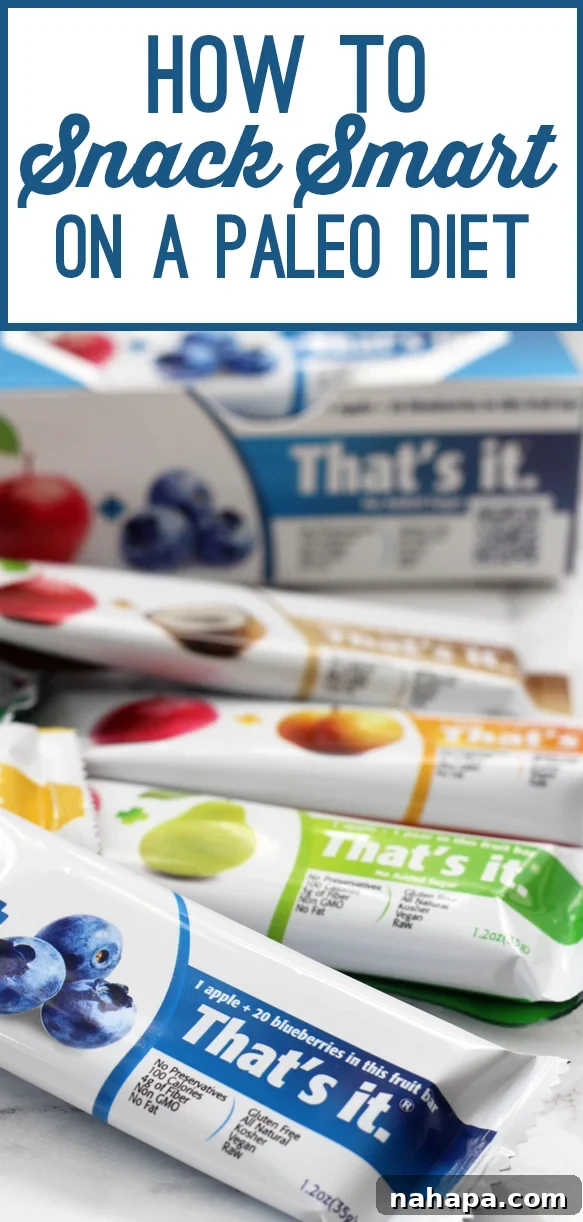
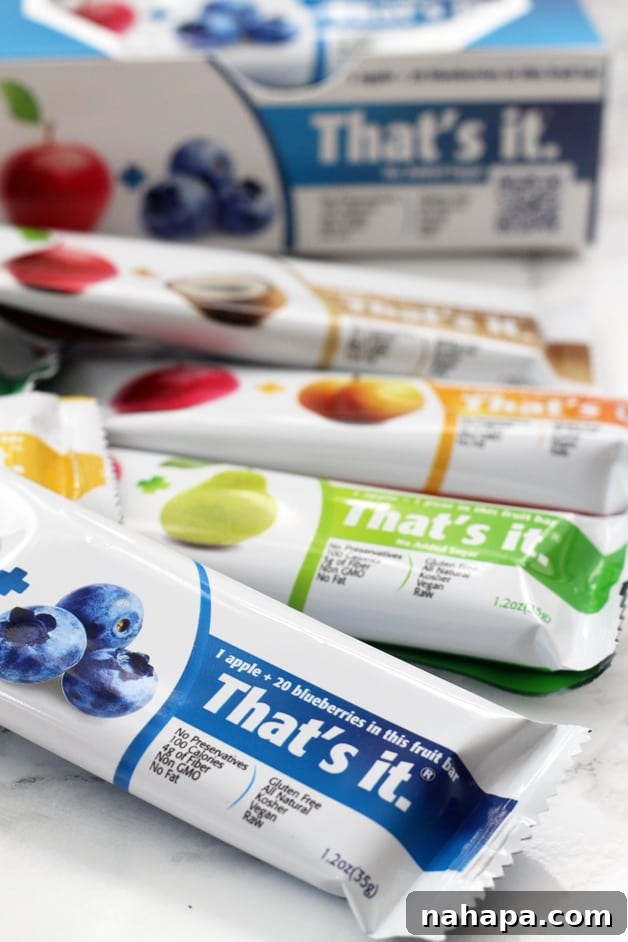
It was during my early paleo days that I discovered That’s It bars – an absolute game-changer for simple, real food snacking on the go. These ingenious fruit bars have become a constant companion in my bag, accompanying me on numerous trips and providing sustained energy during long work sessions at coffee shops. What makes them stand out is their unwavering commitment to purity: each bar is crafted from just two ingredients, typically a blend of apple and another fruit, with absolutely no added sugars, juices, or artificial additives. The first flavor I tried, and quickly fell in love with, was the apple and blueberry – a delightful and satisfying combination.

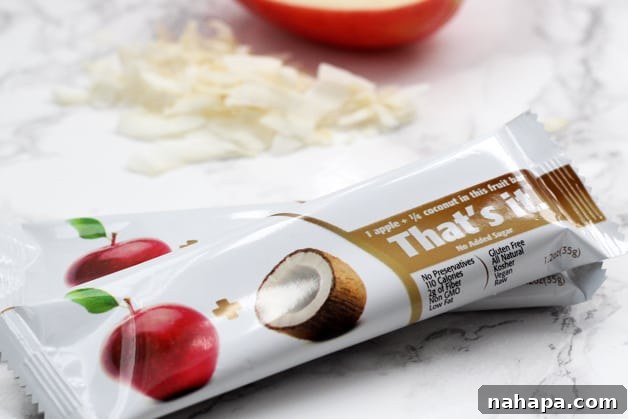
My excitement grew even further when I explored their wider range of flavors, discovering delightful varieties like apple and coconut, and countless others. They offer options such as apple and pear, apple and banana, and even unique black bean-based bars for those who tolerate legumes – demonstrating their innovation within the simple-ingredient philosophy. This broad selection ensures there’s a flavor profile to suit almost any palate, all while adhering to their clean label promise.
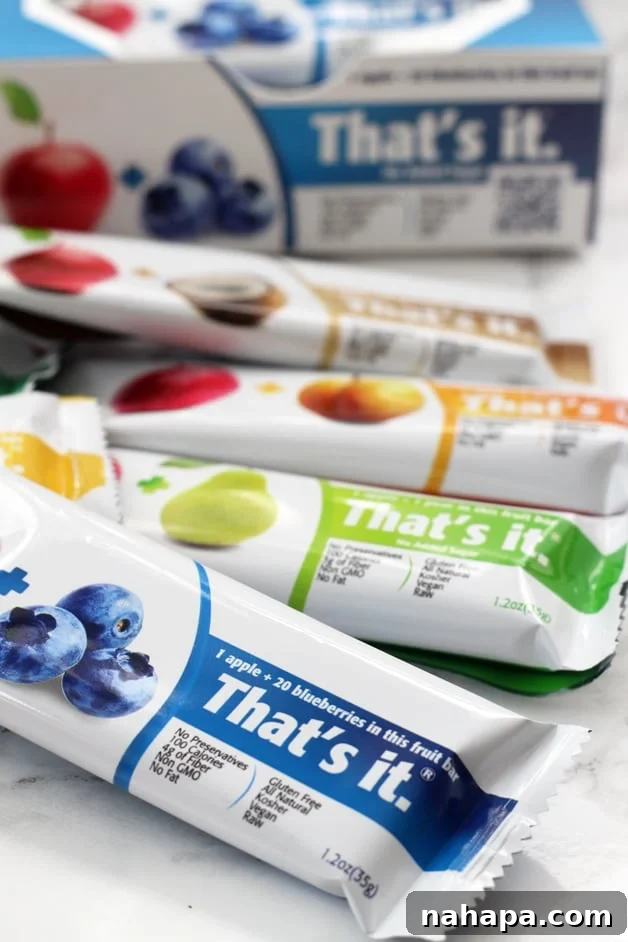
That’s It bars are particularly brilliant when space is at a premium. There are many instances when a whole piece of fruit simply won’t fit into my purse or carry-on bag, making these compact, nutrient-dense bars an ideal substitute. They offer the natural sweetness and fiber of whole fruit without the bulk or mess. Opting for snacks made with real, simple ingredients doesn’t have to be a challenging endeavor, and with convenient, thoughtfully created options like these, it’s becoming easier than ever to maintain a clean diet on the go.
3. Plan Ahead: The Unsung Hero of Healthy Snacking
If your goal is to consistently snack smartly while adhering to a real food paleo diet, then this step is unequivocally critical. I cannot count the number of times I’ve arrived at an airport or college campus completely unprepared, only to be confronted with a disheartening array of packaged snacks laden with inflammatory seed oils and excessive sugars. This “empty-handed” scenario is the arch-nemesis of healthy eating on the go.
Effective planning begins with forethought. Before you leave the house, take a moment to consider your day: Where will you be? How long will you be there? What food options might be available (or conspicuously absent)? And, most importantly, what can you realistically and safely bring with you? For travel, this often means checking airline regulations regarding food, understanding customs laws if traveling internationally, and confirming hotel amenities, such as whether a refrigerator is available in your room to store perishable items.
I am somewhat notorious among my friends for always having a well-stocked snack arsenal in my purse if I anticipate being out for an extended period. When traveling for longer durations, I often pack an entire dedicated bag filled with safe, compliant foods. While I may have felt a tad self-conscious about this meticulous preparation in the beginning, years of managing food intolerances have taught me an invaluable lesson: the minor inconvenience of planning ahead is a far superior alternative to the debilitating regret of a headache or stomach ache brought on by an impulsive, poor food choice. Planning is an act of self-care. Create a “snack kit” for your bag or car, designate a specific drawer in your fridge for grab-and-go items, and make it a habit to check your inventory before you head out. This proactive approach transforms potential dietary hurdles into seamless opportunities for nourishing your body.
4. Balance Your Snacks for Optimal Blood Sugar and Satiety
The goal of smart snacking isn’t just to quell hunger; it’s to provide sustained energy and maintain stable blood sugar levels. To achieve this, it’s essential to aim for a balance of healthy fats, proteins, and carbohydrates in your snack choices whenever possible. Relying solely on a carbohydrate-heavy snack can lead to a quick spike and subsequent crash in blood sugar, leaving you feeling hungrier and less energized shortly after.
So, what does a balanced snack look like in practice? The key is synergy – combining different macronutrients to create a more complete and satisfying mini-meal. Here are some examples of balanced paleo-friendly snacks I frequently pack for trips or long days, demonstrating how each component plays a vital role:
- Protein Powerhouse: Beef jerky (look for brands with no added sugar or questionable ingredients) or a clean meat bar. Protein is crucial for satiety and muscle maintenance.
- Healthy Fats & Protein Boost: Collagen fat balls (homemade options are fantastic, often blending healthy fats like coconut butter with collagen protein) or a handful of raw nuts/seeds (almonds, walnuts, pumpkin seeds) for sustained energy and healthy brain function.
- Clean Carbohydrate Source: A That’s It Fruit bar provides natural fruit carbohydrates and fiber, offering a quick energy lift without the added sugars found in many other options. Alternatively, a small apple or a handful of berries.
- Vegetables with Healthy Fats: Sliced cucumber or bell peppers with a small serving of guacamole (homemade or clean store-bought) or a small container of olive tapenade.
- Hard-Boiled Eggs: An excellent source of protein and healthy fats, incredibly portable and satiating.
- Avocado Slices with Sea Salt: Simple, nutrient-dense, and rich in healthy monounsaturated fats.
When you combine these elements – perhaps a piece of jerky with a few berries, or a That’s It Fruit bar alongside a handful of mixed nuts – you create a snack that is not only more satisfying but also promotes better blood sugar control. This balance helps you feel fuller for longer, prevents energy slumps, and minimizes cravings, all while being convenient enough to carry in a small bag. It’s about empowering your body with the right fuel, at the right time.
When we dedicate a little thought and time to selecting the best options, healthy snacking transforms from a challenge into an effortless habit. I sincerely hope these simple yet powerful tips provide valuable guidance for your daily routine, holiday travels, and beyond. Embracing smart snacking is a key pillar of a sustainable, vibrant real food lifestyle. Feel free to share your own favorite tips and balanced snack combinations in the comments below – let’s inspire each other to snack smarter!