This post contains affiliate links.
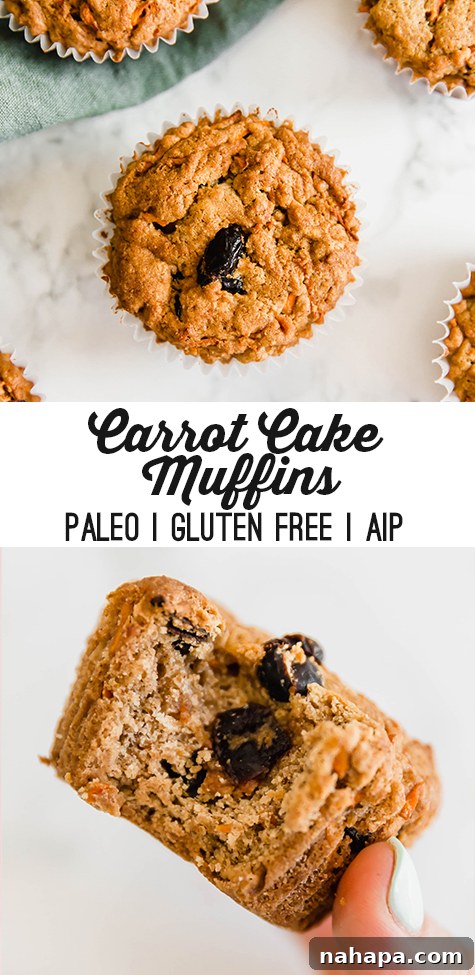
Indulge Guilt-Free: The Best Paleo, AIP & Allergy-Friendly Carrot Cake Muffins
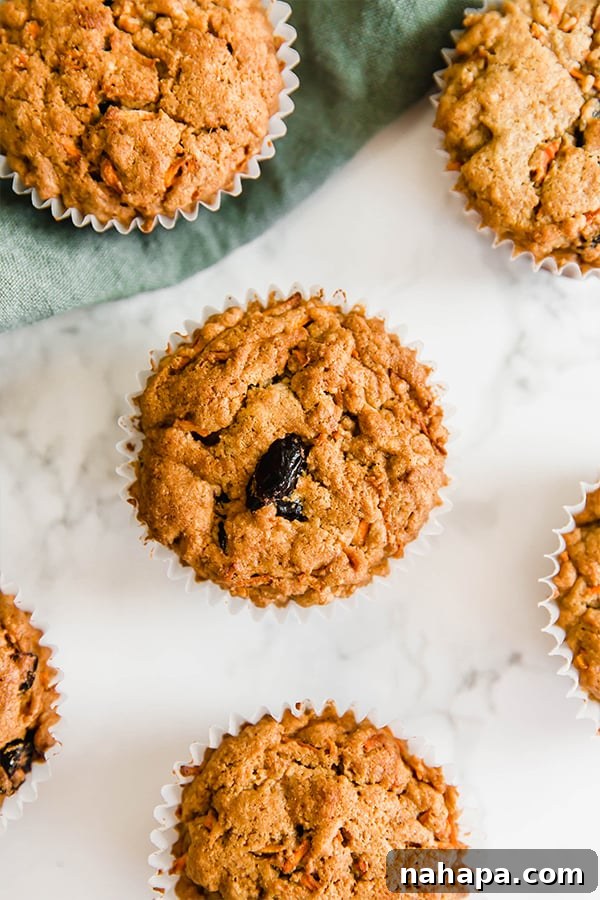
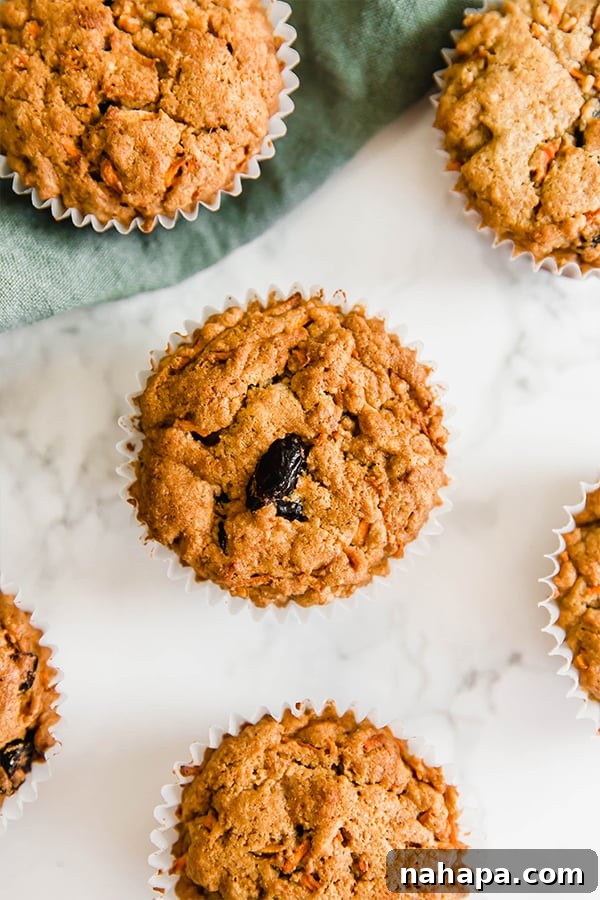
There’s something incredibly comforting about a warm, spiced carrot cake, isn’t there? The rich aroma, the moist texture, and that hint of sweetness always bring a smile. For years, however, carrot cake was a dessert I could only admire from afar. My lifelong allergy to most nuts (almonds being the rare exception) meant that traditional carrot cake, almost always laden with pecans or walnuts, was strictly off-limits. It’s truly a disappointment when a beloved treat is out of reach due to dietary restrictions.
This personal challenge ignited a passion: to create a carrot cake muffin recipe that was not only safe for my allergies but also met the strict requirements of a paleo and AIP (Autoimmune Protocol) diet. The result? These incredibly delicious carrot cake muffins that are completely free from grains, nuts, dairy, and even eggs!
These muffins are a true game-changer for anyone navigating dietary restrictions or simply looking for a healthier, yet utterly satisfying, treat. They’re perfect for sharing with friends and family who have various dietary needs, as they cater to so many common allergens. Imagine serving them at an Easter brunch, as an elegant after-dinner dessert, or simply enjoying one as a wholesome snack with your morning coffee or tea. They truly taste amazing, proving that allergy-friendly baking doesn’t mean compromising on flavor or texture.
The Secret to Perfectly Textured Allergy-Friendly Muffins
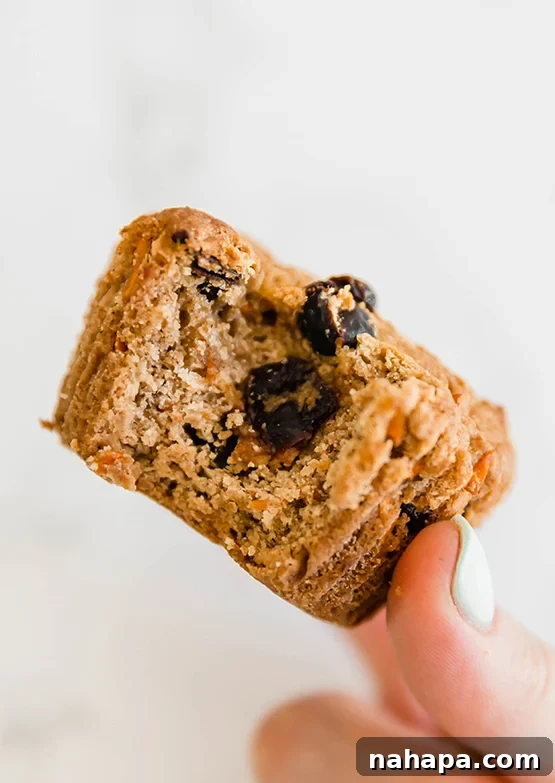
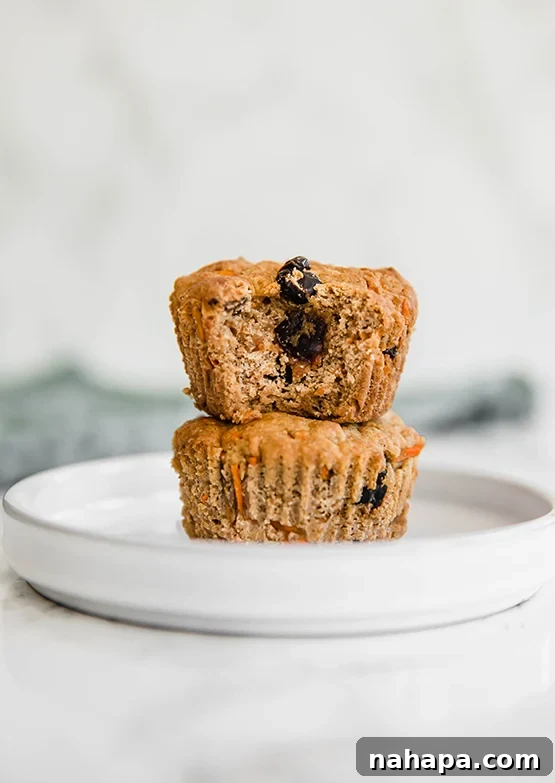
Baking without common binders like grains and eggs can often lead to a tricky texture, sometimes resulting in crumbly or overly dense baked goods. But don’t let that deter you! These carrot cake muffins defy expectations with their wonderfully moist and tender crumb. The key to achieving this fantastic texture lies in one crucial step: patience.
It’s absolutely essential to let these muffins cool completely before you take that first bite. This allows them to set properly, preventing them from becoming too soft or falling apart. Once they’re out of the oven, transfer them to a cooling rack and let them rest at room temperature for at least 30 minutes. For an even firmer, more satisfying texture, consider popping them into the fridge for a bit after they’ve cooled on the counter. This extra chilling time works wonders, creating a muffin that holds together beautifully and offers that delightful chewiness you crave from a classic baked good.
Seriously, discovering a grain-free baked good with such an incredible texture was a revelation for me! It’s not something you encounter every day, especially when adhering to strict dietary protocols. This is the kind of texture I genuinely missed when I first transitioned to a grain-free lifestyle, and I am ecstatic to have this delicious option back in my life. You might just see a lot more muffin recipes from me in the future!
Why Choose Paleo & AIP Muffins?
For those unfamiliar, the Paleo diet focuses on whole, unprocessed foods that our hunter-gatherer ancestors might have consumed, emphasizing lean proteins, fruits, vegetables, nuts, and seeds, while excluding grains, legumes, and dairy. The Autoimmune Protocol (AIP) is an even stricter elimination diet designed to help reduce inflammation and symptoms for individuals with autoimmune diseases. It builds upon Paleo principles but also excludes eggs, nuts, seeds, nightshades, and certain spices during its elimination phase.
Crafting recipes that adhere to these guidelines means creating food that is naturally nutrient-dense and free from common inflammatory ingredients. These carrot cake muffins are a testament to how delicious and satisfying food can still be, even with these dietary considerations. They’re not just for those following Paleo or AIP; they’re a fantastic, healthier alternative for anyone looking to reduce their intake of grains, dairy, or nuts, or simply seeking a wholesome and allergy-friendly treat.
Essential Ingredients for Your Carrot Cake Muffins
The magic of these muffins comes from a thoughtful combination of alternative flours and natural sweeteners. Each ingredient plays a vital role in achieving that perfect taste and texture:
Tigernut Flour: The Nut-Free Secret Weapon
Despite its name, tigernut flour is not derived from nuts at all, but from a small root vegetable (tuber). It’s a fantastic, allergy-friendly flour that contributes significantly to the soft, slightly chewy texture of these muffins. Its mild, naturally sweet flavor blends seamlessly with the other ingredients. Important Note: While almond flour may be an option if you tolerate nuts, cassava flour is not a suitable substitute for tigernut flour in this specific recipe, as it absorbs liquid very differently and will drastically alter the muffin’s consistency.
Tapioca Flour (or Starch)
Tapioca flour, also known as tapioca starch, is extracted from the cassava root. It acts as a binder and helps create a light, springy texture in gluten-free baking. It also contributes to the slightly chewy quality. If you don’t have tapioca flour on hand, you can likely get away with swapping it for arrowroot starch, another excellent grain-free thickener and binder.
Coconut Flour & Coconut Oil
Coconut flour is an incredibly absorbent, high-fiber flour that helps to soak up excess moisture, particularly from the shredded carrots, ensuring the muffins aren’t too wet. It also adds a subtle sweetness and richness. I have not tested this recipe without coconut flour, as it’s crucial for the texture balance. Coconut oil serves as the primary source of fat in this recipe, replacing traditional dairy butter or other oils. It provides richness and moisture. While I haven’t tried palm shortening in this recipe, it might work as a substitution if you prefer not to use coconut oil or need a different fat source.
Maple Syrup: Natural Sweetness
Maple syrup provides the natural sweetness for these muffins, complementing the warmth of the spices and the natural sugars in the carrots. It’s an excellent refined sugar-free option that also contributes a lovely depth of flavor. In a pinch, you can likely swap honey for maple syrup, though the flavor profile will be slightly different.
Finely Shredded Carrots
Of course, you can’t have carrot cake without carrots! These fresh, finely shredded carrots are not just for flavor; they contribute essential moisture and natural sweetness to the muffins. For the best results, use either a fine grater or a food processor to ensure the carrots are shredded very finely, allowing them to integrate smoothly into the batter and bake evenly.
Raisins (or Dried Cranberries)
Traditionally, golden raisins are a staple in carrot cake, adding bursts of concentrated sweetness and a chewy texture. However, finding raisins without added sugars or undesirable oils can sometimes be a challenge, especially for AIP. If you’re having trouble, dried cranberries (like these ones) make a fantastic alternative, offering a lovely tart-sweet contrast.
Eggs (or Gelatin Eggs for Egg-Free Option)
For those who tolerate them, regular eggs work perfectly in this recipe. However, to make these muffins completely egg-free and AIP-compliant, I use grass-fed gelatin to create two “gelatin eggs.” This ingenious substitute acts as a binder, mimicking the function of traditional eggs and ensuring the muffins hold together beautifully without compromising on texture.
Frequently Asked Questions About These Muffins
Q: Can I make these muffins nut-free?
A: Yes, absolutely! This recipe is specifically designed to be nut-free, utilizing tigernut flour (which is a tuber, not a nut) as its primary flour. This makes it a fantastic option for those with nut allergies.
Q: Are these muffins suitable for the AIP diet?
A: Yes, these muffins are crafted to be AIP compliant. They are free from grains, nuts, seeds, dairy, and can be made egg-free using the gelatin egg substitute. Always double-check your specific AIP stage for spice reintroductions.
Q: How should I store these carrot cake muffins?
A: Once completely cooled, store the muffins in an airtight container at room temperature for up to 2-3 days. For longer freshness, store them in the refrigerator for up to a week, or freeze them for up to 3 months. If freezing, allow them to thaw at room temperature or gently warm them before serving.
Q: Can I add other ingredients to the muffins?
A: For AIP compliance, stick to the recipe. However, if you’ve reintroduced certain ingredients, feel free to experiment with additions like finely chopped pineapple (for extra moisture and sweetness), orange zest for a brighter flavor, or even a tiny pinch of ginger or nutmeg if those spices are tolerated. Always ensure any additions are appropriate for your specific dietary needs.
Q: What’s the best way to get finely shredded carrots?
A: You can use a box grater with its fine-shredding side, or for a quicker method, a food processor with a shredding disc works perfectly. The finer the shred, the better they will integrate into the batter and the smoother the muffin texture will be.
More Allergy-Friendly Treats You Might Love
If you’re enjoying these delicious carrot cake muffins, you’ll be thrilled to discover more of my allergy-friendly recipes designed to delight your taste buds without compromising your health:
- Blueberry Banana Collagen Muffins
- Chewy Carrot Cake Protein Cookies
- Zesty Lemon Berry Scones
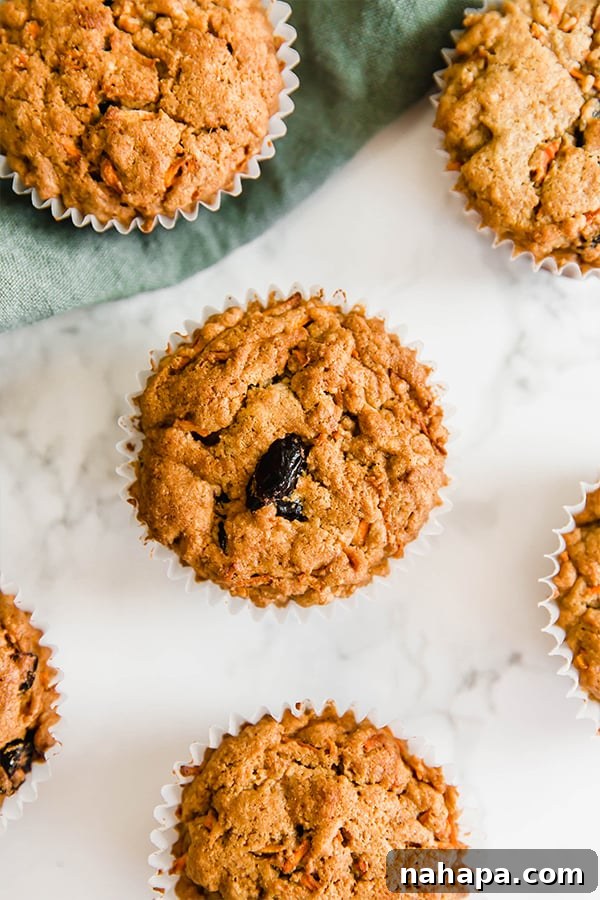
Carrot Cake Muffins (GF, Paleo, AIP)
Pin Recipe
Ingredients
- 1 cup tigernut flour
- ¼ cup tapioca starch
- 2 tbsp coconut flour
- 1 cup finely shredded carrots
- 2 tbsp raisins, sub dried cranberries
- ½ tsp baking soda
- 1 tsp cinnamon
- ¼ cup maple syrup
- ⅓ cup + 2 tbsp coconut oil, melted
- 2 eggs, substitute gelatin eggs (see notes below)
For gelatin egg substitute:
- ½ cup water
- 2 tbsp gelatin
Instructions
- Preheat the oven to 375°F (190°C) and line a 12-cup muffin tin with 8-9 muffin liners.
- In a large bowl, combine the tigernut flour, tapioca starch, coconut flour, shredded carrots, raisins, baking soda, and cinnamon. Mix these dry ingredients well to ensure they are evenly distributed.
- Stir in the maple syrup and melted coconut oil, mixing until just combined.
- Add the eggs (or prepared gelatin eggs) and stir well until a cohesive dough forms. Do not overmix.
- Spoon the muffin dough evenly into the prepared muffin liners (you should have enough for about 8-9 muffins).
- Bake in the preheated oven for 20-25 minutes, or until a toothpick inserted into the center comes out clean and the tops are golden brown.
- Carefully transfer the muffins to a cooling rack and allow them to cool completely before enjoying. This step is crucial for the muffins to set properly. For an even better texture, consider cooling them in the fridge for a bit after they’ve reached room temperature.
Notes
For the gelatin egg substitute: Add ½ cup water to a small saucepan and slowly sprinkle in 2 tbsp of gelatin. Use a fork to gently mix in any clumps. Set aside and allow the mixture to harden for 2-3 minutes. Place the pot on the stove and turn the heat to low. Slowly melt the gelatin over 1-2 minutes, stirring occasionally, until it has returned to a liquid state. Immediately remove from heat once melted. Vigorously whisk the liquid until it becomes frothy. Pour it into your muffin mixture immediately to swap for two eggs.
All nutrition facts are estimations and will vary based on exact ingredients and brands used. Nutrition facts do not include ingredient swap options.
Did you Make this Recipe?
Tag @unboundwellness on Instagram and hashtag #unboundwellness!