

In the realm of wellness and nutrition, few superfoods hold as much revered status as bone broth. This ancient elixir, cherished across cultures for centuries, is a powerhouse of essential minerals like calcium, magnesium, phosphorus, and potassium. More profoundly, it’s exceptionally rich in collagen and gelatin—proteins vital not only for nourishing the entire body but also for fortifying and healing the crucial gut lining. While commercially prepared bone broths are available, mastering the art of making your own at home offers unparalleled control over quality and ingredients, ensuring you harness its full spectrum of therapeutic benefits. And the good news is, creating this liquid gold in your kitchen is far less daunting than you might imagine!

My personal journey with bone broth began in my early twenties, a time when I was grappling with significant gut issues that left me feeling perpetually unwell. It was my mother who introduced me to the wonders of homemade chicken bone broth, a comforting and deeply nourishing staple that quickly became an indispensable part of my diet. I remember meticulously packing it into containers to take with me to college, a liquid lifeline amidst the chaos of student life. Looking back, navigating the transition to a healthier diet involved its share of trial and error, but incorporating bone broth was unequivocally one of the most beneficial choices I made. It wasn’t just food; it was a foundational pillar in my path to recovery, offering gentle yet powerful support to my struggling digestive system.
The Remarkable Health Benefits of Bone Broth
Bone broth is more than just a flavorful soup base; it’s a therapeutic tonic brimming with compounds that can profoundly impact your health. Its rich nutritional profile makes it a staple in many healing diets.
Supports Gut Health and Digestive Wellness
Perhaps its most acclaimed benefit, bone broth is a champion for gut health. The high concentration of collagen and gelatin are instrumental in mending and maintaining the integrity of the intestinal lining. For individuals suffering from leaky gut syndrome, irritable bowel syndrome (IBS), or other digestive complaints, these proteins help to seal the compromised junctions in the gut wall, reducing inflammation and improving nutrient absorption. Amino acids like glutamine, proline, and glycine, also abundant in broth, further contribute to rebuilding and soothing the digestive tract, fostering a healthy environment for beneficial gut bacteria.
Promotes Radiant Skin, Hair, and Nails
The beauty benefits of bone broth are often lauded, and for good reason. Collagen is the most abundant protein in the human body, serving as the primary building block for skin, hair, and nails. Regular consumption of bone broth provides the body with readily available collagen, which can enhance skin elasticity, reduce the appearance of wrinkles, and promote a youthful glow. It also strengthens brittle nails and adds luster to hair, transforming dull strands into vibrant locks. Think of it as a natural, inside-out beauty treatment.
A Gentle Introduction to Nutrient-Dense Foods
For many, particularly those with compromised digestive systems or a historical aversion to meat, consuming nutrient-dense animal proteins can be challenging. Bone broth offers a gentle and easily digestible alternative. My own experience saw bone broth acting as a crucial bridge, helping me to reintroduce meat into my diet after years of avoidance due to severe gut issues. Its liquid form makes nutrients more bioavailable, allowing even sensitive systems to absorb essential vitamins and minerals without distress.
A Bioavailable Nutritional Powerhouse
Beyond collagen, bone broth is an incredible source of vitamins, minerals, and amino acids. These nutrients are extracted from the bones and connective tissues during the slow simmering process, resulting in a liquid that is practically predigested. This makes it exceptionally easy for the body to assimilate and utilize. Calcium, magnesium, phosphorus, silicon, sulfur, and trace minerals are all present, providing comprehensive support for bone density, nerve function, and overall metabolic health. It’s truly a multi-vitamin in a mug.
Embracing Ancient Wisdom: Traditional Food Preparation
In an era dominated by processed foods, bone broth stands as a beacon of traditional culinary practices. Our ancestors intuitively understood the value of utilizing every part of an animal, transforming discarded bones into a nourishing staple. They certainly didn’t rely on canned broths, powdered cubes, or boxed versions filled with artificial flavors and excessive sodium. By making bone broth, we connect with these time-honored traditions, preparing food in a way that respects natural resources and maximizes nutritional yield.
Boosts Immune Function and Reduces Inflammation
The amino acids in bone broth, such as arginine, glutamine, and cysteine, have powerful anti-inflammatory effects. Chronic inflammation is at the root of many modern diseases, and regular consumption of bone broth can help to mitigate it throughout the body. Furthermore, a healthy gut is intimately linked to a robust immune system. By healing the gut lining and reducing inflammation, bone broth indirectly strengthens the body’s defenses, making it more resilient against infections and illnesses.
Supports Joint Health and Mobility
The collagen and gelatin in bone broth are not just for skin and hair; they are crucial components of cartilage, tendons, and ligaments. As we age, our body’s natural collagen production declines, leading to joint stiffness and pain. Consuming bone broth provides the raw materials needed to repair and rebuild connective tissues, supporting joint lubrication and flexibility. This can be particularly beneficial for athletes, individuals with arthritis, or anyone looking to maintain optimal joint health and mobility.
The Art of Crafting Perfect Gut-Healing Bone Broth
Creating a truly gelatinous, nutrient-rich, and flavorful bone broth involves a few key steps and considerations. Follow these guidelines to achieve a perfect brew every time.
Selecting the Finest Bones: The Foundation of Flavor and Nutrients
The quality of your broth hinges significantly on the quality and type of bones you use. Opt for bones from grass-fed, pasture-raised, or organic animals whenever possible, as these are less likely to contain unwanted hormones or antibiotics and tend to yield more nutrient-dense broth. For optimal gel and flavor, a combination of marrow bones (rich in minerals) and joint bones (rich in collagen) is ideal:
- 1.5-2 lbs of Soup Bones: These contribute rich flavor and essential minerals.
- Beef shanks or other beef soup bones
- Whole chicken carcass (meat removed)
- Lamb soup bones
- 0.5-1 lb of Joint Bones: These are critical for a gelatinous, collagen-rich broth.
- Beef knuckle or ankle bones
- Lamb neck bones
- Chicken feet (an excellent and often overlooked source of collagen)
You can typically source high-quality bones from local butcher shops, farmers’ markets, health food stores, or through Community Supported Agriculture (CSA) programs.
Enhancing Flavor: Roasting Your Bones
While optional for chicken, roasting beef or lamb bones before simmering is a game-changer for flavor. This step caramelizes the bones, imparting a deeper, richer, and more complex taste to your broth. Simply spread the bones on a baking sheet and roast them in a hot oven until browned, usually around 15-20 minutes at 375°F (190°C).
The Essential Additions: Apple Cider Vinegar, Vegetables, and Herbs
A few simple additions elevate your broth from good to exceptional:
- Apple Cider Vinegar: Approximately 1 tablespoon of raw apple cider vinegar is crucial. Its acidity helps to draw out vital minerals from the bones, making them more available in your finished broth. Don’t skip this step!
- Vegetable Scraps: To maximize flavor and nutrients, and minimize waste, save vegetable scraps such as onion peels, carrot tops, celery ends, leek greens, and even mushroom stems in a freezer bag. Add 1-2 cups of these to your broth pot.
- Fresh Herbs and Spices: Herbs like bay leaves, sage, thyme, and parsley, along with whole peppercorns, infuse the broth with aromatic depth and additional antioxidants. A pinch of sea salt at the beginning can also help draw out flavors.
The Slow Simmer: Time is Your Secret Ingredient
Patience is paramount when making bone broth. A low and slow simmer over an extended period is essential for properly extracting all the valuable minerals, collagen, and gelatin from the bones. The ideal cooking times vary by bone type:
- Chicken and Turkey Bones: Aim for 12-24 hours.
- Beef, Lamb, or Bison Bones: Cook for 24-36 hours, or even up to 48 hours, for maximum extraction.
Maintain a gentle simmer, just below a boil. Regularly skim off any foam or impurities that rise to the surface during the first few hours of cooking; this helps ensure a cleaner, clearer broth.
Rapid Cooling: Preserving Freshness and Safety
Once your broth has finished simmering, it’s crucial to cool it down quickly to prevent bacterial growth. Never leave hot broth sitting at room temperature for extended periods. A highly effective method is to transfer the hot broth into a clean metal pot or large bowl and then place that container into a larger vessel filled with ice water. This “ice bath” rapidly chills the broth without diluting its rich flavor or nutrient concentration. Stirring the broth periodically during cooling also helps expedite the process.
The Gel Test: A Sign of Collagen-Rich Goodness
After your bone broth has been properly chilled in the refrigerator, it should ideally resemble Jell-O—a firm, jiggly gel. This gelatinous texture is the tell-tale sign of a high-quality, collagen-rich broth. If your broth doesn’t gel, don’t worry, it’s still packed with nutrients (see troubleshooting below), but a good gel indicates a superior extraction of collagen. To use, simply reheat the chilled broth to return it to its liquid form.
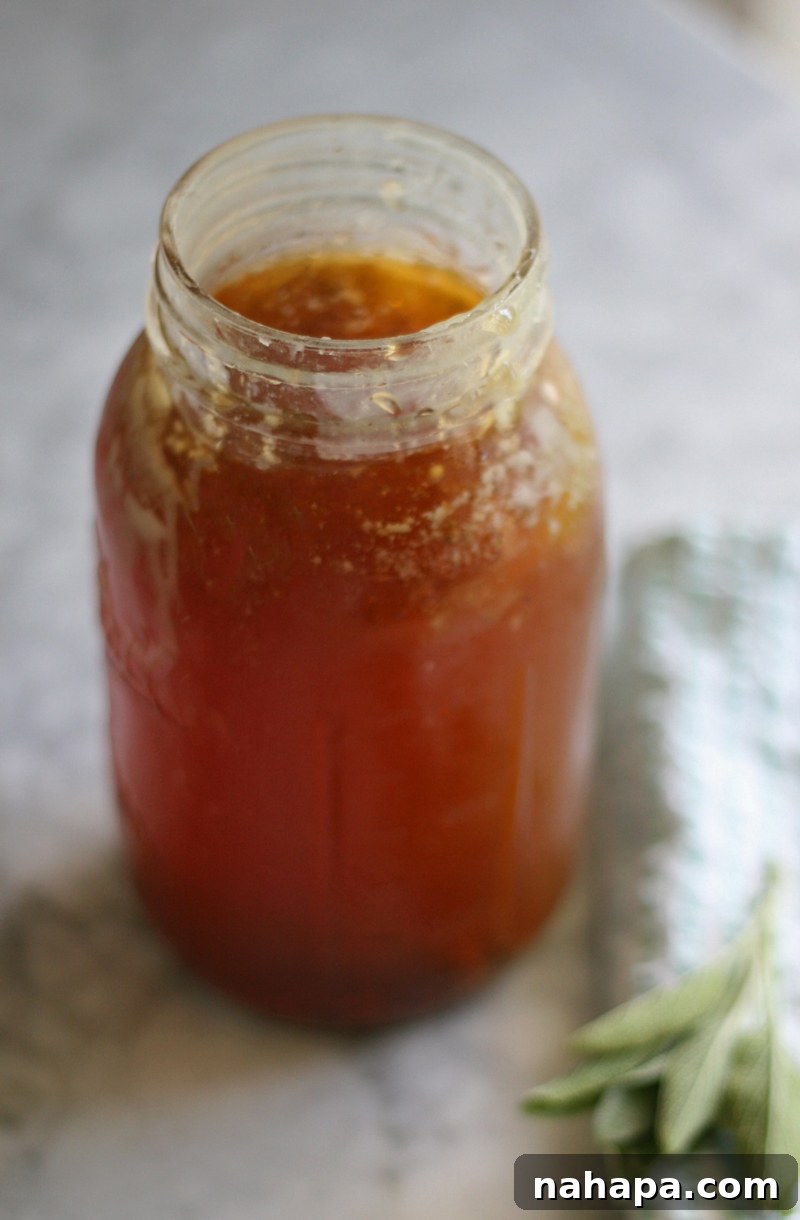
Storing Your Homemade Bone Broth
Once you’ve made a batch of this precious elixir, proper storage is key to ensuring its longevity and safety.
Long-Term Storage: Freezing for Future Use
For broth you don’t plan to use within a few days, freezing is the best option. Silicone molds designed for large ice cubes or muffin tins are excellent for freezing broth in convenient, single-serving portions. Once frozen solid, pop the broth cubes out and transfer them to freezer-safe bags or containers. Label them with the date. Frozen bone broth will maintain its quality for several months, making it easy to have a ready supply for cooking or sipping.
Short-Term Storage: Refrigeration Tips
If you intend to use your broth within the next 4-5 days, it can be safely stored in the refrigerator. Transfer the cooled broth into airtight glass containers, such as wide-mouth mason jars or sturdy glass Tupperware. Always ensure the containers are completely sealed to maintain freshness and prevent contamination. Aim to consume refrigerated broth within approximately 5 days for optimal taste and safety.
Troubleshooting Common Bone Broth Challenges
Even seasoned bone broth makers encounter issues from time to time. Here are solutions to common challenges:
“My Broth Didn’t Gel!”
While a gelatinous broth is often the goal, a non-gelled broth is still incredibly nutrient-dense and beneficial. However, if you’re aiming for that satisfying jiggle, consider these factors for your next batch:
- Water Ratio: Did you use too much water relative to the amount of bones? A higher bone-to-water ratio yields a more concentrated broth and increases the likelihood of gelling. Try reducing the water next time.
- Bone Selection: Were there enough joint bones or chicken feet in your mix? These are the primary sources of collagen. Increasing the proportion of these collagen-rich bones will significantly improve your chances of achieving a gel.
- Simmer Time: Was the broth simmered long enough? Collagen needs adequate time and low heat to break down into gelatin. Extending the cooking time within recommended limits can help.
“My Broth Has a Thick Layer of Fat… What Do I Do with It?”
It’s completely normal for a layer of fat to solidify on top of your chilled bone broth, especially if you used fattier bones like beef shanks. This layer actually acts as a natural seal, helping to preserve the broth underneath. Simply skim off this solid fat layer before reheating your broth. Don’t discard it! This rendered animal fat, often called tallow (from beef) or schmaltz (from chicken), is an excellent, healthy cooking fat. Store it in a separate container in the fridge or freezer and use it for sautéing vegetables, roasting potatoes, or frying eggs, adding rich flavor to your dishes.

How to Make Perfect Gut-Healing Bone Broth (Recipe)
8-9
cups
20 mins
1-2 days
Michelle
Pin Recipe
Ingredients
-
2-3 lbs
grass-fed beef soup bones or whole chicken carcass with meat removed -
½ lb
grass-fed beef knuckle or 2-4 chicken feet, toes removed -
2 cup
vegetable scraps, carrot tops, onion pieces, celery, etc. -
1 tbsp
apple cider vinegar -
3
sage leaves -
2
bay leaves -
1 tsp
dried thyme -
½ tsp
sea salt - Filtered water
Instructions
-
If using beef or lamb bones (skip for chicken carcass): Preheat oven to 375°F (190°C). Line a large baking sheet with parchment paper. Place bones on the baking sheet and roast for 15-20 minutes until lightly browned. Remove from oven and let cool slightly. This step adds depth of flavor.
-
Place the roasted bones (or raw chicken carcass) into a large slow cooker or stockpot. Add all remaining ingredients: vegetable scraps, apple cider vinegar, sage leaves, bay leaves, dried thyme, and sea salt.
-
Pour in enough filtered water to fully cover the bones by about an inch. Place the lid securely on the pot.
-
Set your slow cooker to its low setting, or if using a stockpot, bring to a gentle simmer on the stovetop and then reduce heat to the lowest setting to maintain a bare simmer. Cook for 24 hours for chicken or turkey bones, and 24-36 hours (or up to 48 hours for an even richer broth) for beef or lamb bones. Periodically skim any foam or impurities that rise to the surface during the first few hours of cooking.
-
Once cooking is complete, carefully strain the broth through a fine-mesh sieve or cheesecloth into a clean metal or glass bowl, discarding the bones and spent vegetables.
-
To cool the broth quickly and safely, place the bowl of hot broth into a larger vessel filled with ice water (an ice bath). Stir occasionally until the broth is cool to the touch.
-
Store the cooled broth in airtight glass containers (like wide-mouth mason jars or glass Tupperware) in the refrigerator for up to 5 days. For longer storage, pour into silicone molds and freeze into cubes. Once frozen, transfer cubes to a freezer-safe bag or container; frozen broth keeps well for several months.
-
Once chilled, a layer of fat will solidify on top. Skim this fat off and reserve it for cooking if desired. Reheat the desired portion of broth and enjoy as a nourishing drink, or use it as a base for soups, stews, and sauces.
Notes
Serving:
1
serving
,
Calories:
86
kcal
Did you Make this Recipe?
Tag @unboundwellness on Instagram and hashtag #unboundwellness!
This post was originally published on September 4, 2016, and updated on May 13, 2019.