
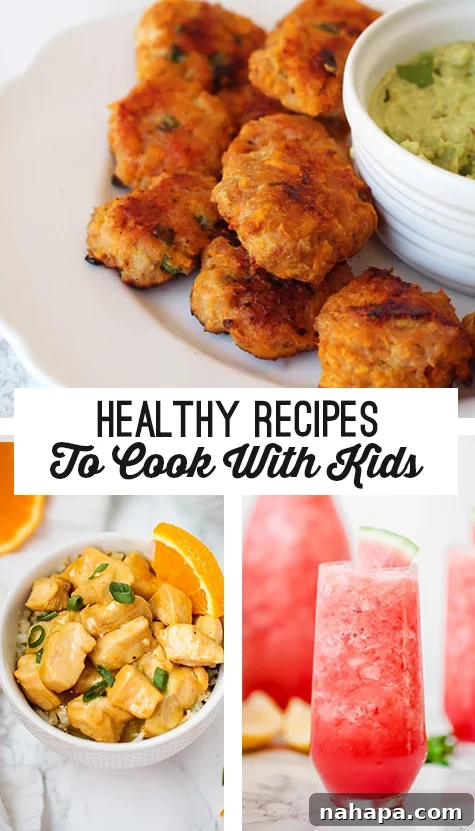
Welcome to a comprehensive guide designed to empower you and your children in the kitchen! This resource offers invaluable tips, engaging techniques, and a collection of delicious, healthy recipes tailored for young chefs. Every recipe featured here is thoughtfully crafted to be gluten-free, dairy-free, allergen-friendly, and, most importantly, incredibly kid-friendly, ensuring a safe and enjoyable culinary experience for everyone.
In these truly unique times, with many children spending more time at home and engaging in home-based learning, an increasing number of families are discovering the joys of cooking together. I’ve heard from countless readers who are embracing this opportunity to introduce their children to the culinary world, turning extra time at home into valuable learning and bonding experiences. While my own little one is still happily nestled in my belly (currently nine months pregnant!), I’ve always cherished the idea of cooking with kids. My experience includes leading food craft activities during volunteer opportunities and cooking alongside friends’ children, sparking a deep interest in the subject. This passion has led me to delve into research, preparing for the exciting moment when my son is old enough to join me in the kitchen. There are so many profound benefits to cooking with children, making now an absolutely perfect time to start this rewarding journey.
Why Cooking with Kids is a Transformative Experience: Unlocking a World of Benefits
Engaging children in the kitchen offers a rich tapestry of developmental advantages that extend far beyond simply preparing a meal. It’s an investment in their future, fostering essential life skills, academic understanding, and personal growth. Here’s a deeper look into the incredible benefits of cooking with your kids:
Cultivating an Essential Life Skill for Lifelong Well-being
Cooking is undoubtedly one of the most fundamental life skills anyone can possess. It’s a pathway to healthier eating habits, as children who cook are more likely to make nutritious choices and appreciate fresh ingredients. Learning to prepare meals also translates into significant cost savings, as home-cooked meals are often more economical than dining out. Furthermore, it empowers individuals to nourish themselves and their loved ones in a truly meaningful way. In an era where home economics is often absent from school curricula, teaching these practical skills at a young age provides an invaluable foundation for self-sufficiency and responsible living.
A Delicious Way to Master Simple Math and Science Skills
The kitchen is a vibrant, hands-on laboratory for practical math and science. Measuring ingredients introduces children to fractions, volume, and conversions – think teaspoons to tablespoons, or cups to ounces. Understanding ratios in recipes and even adjusting ingredient quantities for different serving sizes provides real-world application of mathematical concepts. Beyond numbers, cooking involves fascinating scientific principles, from understanding how heat transforms ingredients (like eggs solidifying or bread rising with yeast) to the chemical reactions involved in baking. These aren’t abstract textbook problems; they’re tangible experiences that make learning engaging and memorable, with the gratifying reward of a delicious dish at the end!
Teaching the Virtue of Patience and Delayed Gratification
In a world of instant gratification, cooking from scratch offers a valuable lesson in patience. Baking bread, slow-cooking a stew, or carefully simmering a sauce all require time and a methodical approach. There’s no rushing the process of ingredients transforming through heat or cooling. Following a recipe from beginning to end, understanding that certain steps require waiting, teaches children the importance of perseverance and the reward that comes from seeing a project through. This quiet lesson in delayed gratification is a powerful tool for developing resilience and a deeper appreciation for the effort involved in creation.
Sparking Joy and Creativity Through Collaborative Activity
Cooking is inherently a joyful and creative activity. It provides a productive outlet for children’s imaginations, allowing them to experiment with flavors, textures, and even presentation (under guidance, of course!). The sensory experience of smelling, touching, and tasting ingredients can be incredibly stimulating and fun. Moreover, cooking together fosters teamwork and communication, strengthening family bonds. It’s an opportunity to create shared memories, laugh over minor mishaps, and celebrate successes, culminating in the satisfying reward of a finished meal or treat enjoyed by everyone.
Encouraging Healthy Eating Habits and Adventurous Palates
Children are often more willing to try new foods when they’ve been involved in their preparation. By participating in the cooking process, they develop a sense of ownership over the meal, making them more adventurous eaters. This exposure to various ingredients, from colorful vegetables to lean proteins, naturally encourages healthier eating choices. It demystifies food and helps them understand what goes into their meals, laying the groundwork for a balanced diet and a positive relationship with food that can last a lifetime.
Boosting Confidence, Independence, and Fine Motor Skills
Every small task completed in the kitchen—whether it’s stirring a batter, peeling a vegetable, or setting the table—contributes to a child’s sense of accomplishment and self-worth. This empowerment builds confidence and fosters independence, teaching them that they are capable of contributing meaningfully to household tasks. Beyond personal growth, cooking is an excellent way to refine fine motor skills and hand-eye coordination. From precise measurements to careful pouring, chopping, and mixing, these activities strengthen dexterity and concentration, benefiting overall development.
Transforming Kitchen Time into Unforgettable Fun: Practical Tips for Engaging Young Chefs
Making cooking an enjoyable experience for kids is key to fostering their enthusiasm and a lifelong love for food preparation. Here are some strategies to inject more fun into your culinary adventures:
Empower Them with Choice: Let Them Be the Decision-Makers
One of the easiest ways to boost a child’s engagement is to grant them a sense of control. Ask them what they would like to cook, or offer a limited selection of options. Giving them the power to choose between, say, “tacos or pasta night?” or “muffins or cookies?” instantly adds an extra layer of ownership and excitement. While you’ll still be managing the grocery list and budget, offering two or three viable choices is a fantastic way to involve them in the decision-making process. Consider using visual recipe cards with pictures for younger children to help them make their selection.
Embrace Creative Tools: Make Prep Playful with Cookie Cutters and Beyond
Simple tasks can become extraordinary with a touch of creativity. For instance, when preparing fruits or vegetables for a snack platter or salad, pull out those cookie cutters! Transform ordinary slices of apple, cucumber, or cheese into stars, hearts, or dinosaurs. I recently used this technique while volunteering with 4th and 5th graders, and their delight was infectious. Beyond cookie cutters, consider kid-friendly spatulas, mini rolling pins, or even uniquely shaped pasta to make meal prep feel more like an art project than a chore.
Turn it into a Game or Challenge: Inject Friendly Competition
Introduce elements of play into the cooking process. Challenge your kids to see who can identify the most ingredients by smell or touch (blindfolded, perhaps, for extra fun!). Time them on how quickly they can wash and dry the dishes (safely, of course!), or create a “mystery ingredient” game where they guess what you’re adding. These playful approaches make tasks less daunting and more entertaining, transforming chores into engaging activities.
Create a Dedicated Kid-Friendly Cooking Zone: Foster Independence
Designate a specific area in your kitchen where your child can comfortably participate. This might involve a sturdy step stool so they can reach the counter, a special apron, or their own set of child-safe utensils. Having their “own” space and tools helps them feel like a professional chef, increasing their confidence and willingness to help. Ensure everything they need for their specific tasks is within easy reach, minimizing frustration.
Embrace the Mess: Prioritize Fun Over Perfection
Let’s face it, cooking with kids can be messy. Flour might fly, ingredients might spill, and things won’t always look Instagram-perfect. It’s crucial to relax and accept that a certain level of mess is part of the learning process. Focus on the joy of the activity and the skills being learned rather than striving for pristine perfection. A little mess is a small price to pay for building wonderful memories and fostering a child’s culinary development. You can always involve them in the cleanup afterwards as another valuable life lesson!
Prioritizing Food Safety in the Kitchen: Essential Lessons for Young Cooks
While the kitchen is a fantastic learning environment, it also presents unique safety considerations, especially when working with children. Teaching food safety from a young age instills good habits and ensures a healthy, accident-free cooking experience.
Explain the ‘Why’s Behind Food Safety: Fostering Understanding, Not Just Rules
Merely stating rules like “wash your hands” or “don’t cross-contaminate” isn’t as effective as explaining the underlying reasons. Take the time to share why washing hands after touching raw meat is crucial (to prevent the spread of harmful bacteria), or why a cutting board used for raw chicken shouldn’t then be used for fresh vegetables without thorough cleaning (to avoid cross-contamination). Understanding the “why” empowers children to think critically about food safety and internalize these practices, making them more responsible and aware cooks.
Mastering Proper Handwashing Techniques: A Non-Negotiable Habit
Proper handwashing is paramount in any kitchen. It’s a fundamental skill that should be reinforced consistently. Teach your children the correct technique, emphasizing:
- Lathering thoroughly with soap and warm water, covering all surfaces of their hands.
- Washing hands for at least 20-30 seconds – a good tip is to sing the “Happy Birthday” song twice or the “ABCs” to ensure adequate time.
- Scrubbing the front and back of their hands, between their fingers, and even under their nails, especially after handling raw ingredients or if anything could get trapped there.
- Using a clean towel to turn off the faucet and dry their hands completely, preventing recontamination.
Exercising Caution with Sharp Utensils and Heat: Age-Appropriate Supervision is Key
The kitchen is filled with potential hazards, including sharp objects and heat sources. It’s vital to teach children respect for these tools and elements:
- **Knives and Graters:** Always supervise children when using knives. Start with blunt butter knives or plastic knives for very young children, progressing to small, sharp paring knives as they get older and demonstrate competence. Teach proper grip and cutting techniques, such as the “claw” hold to protect fingertips. Graters can also cause scrapes, so supervision is crucial.
- **Food Processors and Blenders:** Emphasize keeping hands clear of moving blades. Teach them how to safely assemble, use, and disassemble these appliances under your watchful eye.
- **Stovetop and Oven:** Explain that these are hot surfaces that can cause burns. Teach them to use oven mitts, keep sleeves rolled up, and always turn pot handles inwards to prevent accidental knocking. Practice “cold stove” cooking first, demonstrating steps without heat, before introducing actual cooking temperatures. Always ensure an adult is present and actively supervising when heat sources are in use.
Safe Handling of Raw Ingredients: Preventing Contamination
Beyond handwashing, teach children about the safe handling of raw meats, poultry, and eggs. Explain the concept of cross-contamination: keeping raw ingredients separate from ready-to-eat foods. Use separate cutting boards and utensils for raw meat and produce, or ensure they are thoroughly washed and sanitized between uses. Discuss the importance of cooking foods to their proper internal temperatures to eliminate harmful bacteria, perhaps introducing them to the concept of a meat thermometer when they are older.
Understanding Allergen Awareness: A Crucial Consideration for All
Given that these recipes are allergen-friendly, it’s also a great opportunity to teach children about food allergies and sensitivities, both for their own safety and for others. Discuss common allergens (even if your family doesn’t have them) and the importance of reading labels. If your family manages specific allergies, involve your children in identifying safe ingredients and understanding why certain foods must be avoided, fostering empathy and awareness.
Great Healthy Recipes to Cook with Kids: Fun, Flavorful & Allergen-Friendly Meals
Get ready to ignite your child’s passion for cooking with these fantastic recipes! Each dish is designed to be enjoyable for young chefs to prepare while adhering to gluten-free, dairy-free, and allergen-friendly standards. From hearty main courses to delightful snacks and refreshing drinks, there’s something here to suit every taste and skill level. Let’s get cooking!
Main Dishes: Satisfying Meals the Whole Family Will Love
Sweet Potato Chicken Poppers
These Sweet Potato Chicken Poppers are a beloved favorite on my blog, and for good reason—they’re incredibly kid-friendly! Think of them as a healthier, homemade alternative to traditional chicken nuggets. With minimal ingredients and straightforward steps, they’re perfect for involving young cooks. Remember to emphasize handwashing after handling raw chicken to ensure a safe cooking environment.
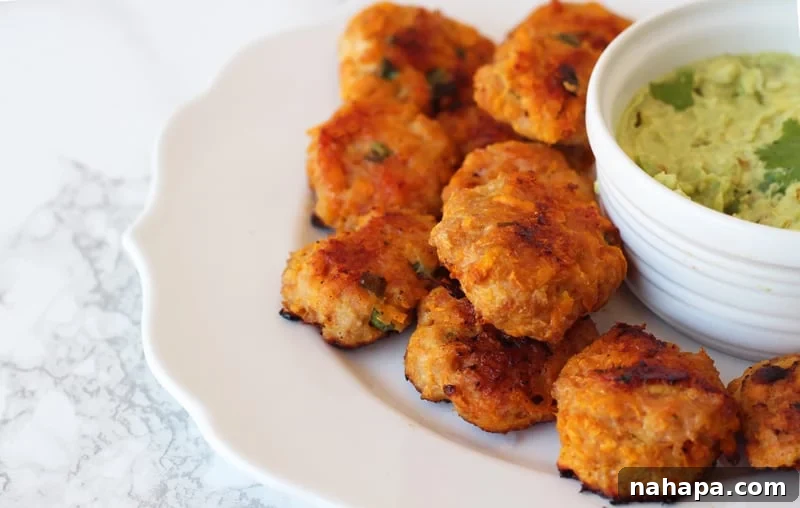
What Kids Can Help With:
- **Measuring Ingredients:** Children can accurately measure spices, sweet potato puree, and other dry or wet components.
- **Mixing Ingredients:** This is a fantastic opportunity for them to get their hands (or spatulas!) dirty, combining everything in a large bowl until well incorporated.
- **Forming Poppers:** The most fun part! Kids can roll the mixture into small, bite-sized nuggets and then gently flatten them into popper shapes, developing fine motor skills.
Slow Cooker Barbacoa
Taco night is always a winner, and making your own barbacoa makes it even better! This slow cooker recipe is ideal for family cooking, especially since much of the work is hands-off. When shredding the barbacoa, ensure it’s cooled enough for safe handling. Depending on your child’s age and skill, offer appropriate supervision and assistance with any tasks involving knives for prepping toppings.
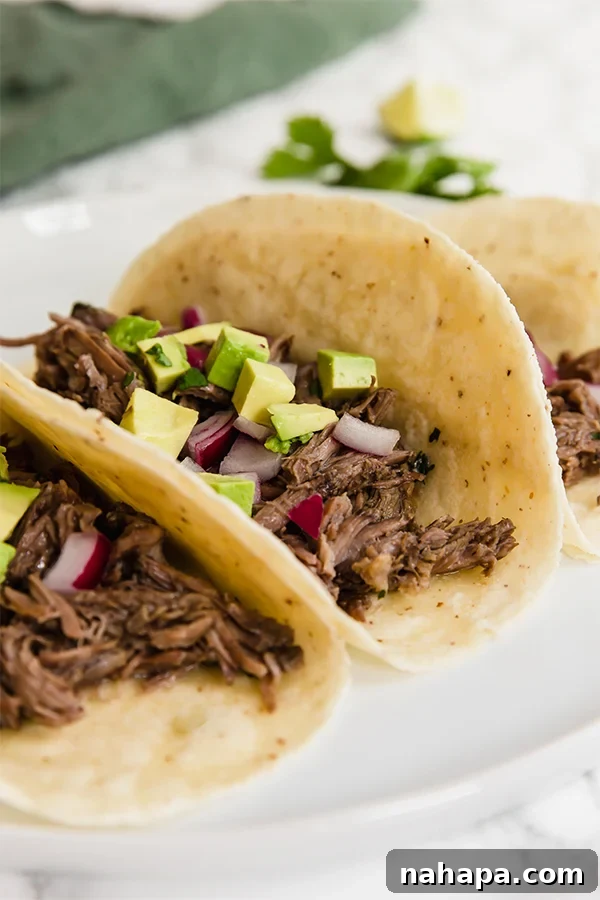
What Kids Can Help With:
- **Measuring Spices and Liquids:** They can assist with accurately measuring all the seasonings and liquids that go into the slow cooker.
- **Shredding the Barbacoa:** Once the meat is cooked and slightly cooled, kids can enjoy using two forks (or clean hands) to shred the tender barbacoa.
- **Prepping Taco Toppings:** Allow them to choose their favorite taco fillings and help with age-appropriate prep, such as washing lettuce, slicing soft items (with supervision), or arranging toppings.
- **Assembling Tacos:** The ultimate customization! Kids will love building their own tacos with all their chosen ingredients.
Slow Cooker Orange Chicken
This Slow Cooker Orange Chicken is a delicious and easy way to enjoy a takeout favorite, made healthier at home. The slow cooker does most of the heavy lifting, making it an excellent recipe for young chefs to contribute to without needing constant supervision over a hot stove. It’s perfect for a flavorful weeknight dinner that kids will adore.

What Kids Can Help With:
- **Measuring Sauce Ingredients:** Children can accurately measure the various liquids and spices that create the vibrant orange sauce.
- **Mixing the Sauce:** A fun and simple task that allows them to combine all the sauce ingredients until well blended.
- **Choosing and Prepping Side Dishes:** Let them pick a favorite side like cauliflower rice or steamed broccoli and help with age-appropriate tasks like washing vegetables or stirring.
Side Dishes: Healthy Additions to Any Meal
Sweet Potato Tater Tots
These Sweet Potato Tater Tots transform a classic kid-favorite into a wholesome and nutritious snack or side dish using real food ingredients. They are incredibly versatile and offer a wonderful opportunity for children to engage in hands-on food preparation, from mixing to shaping. They’re sure to be a hit!

What Kids Can Help With:
- **Measuring Ingredients:** Kids can help measure out the sweet potato, tapioca flour, and seasonings.
- **Mixing Ingredients:** Combining all the ingredients in a bowl is a tactile and engaging task for little hands.
- **Forming Tater Tots:** This is a fantastic sensory activity! Children can roll and shape the mixture into individual tater tots, developing their motor skills and creativity.
- **Choosing Dips and Serving:** Let them pick their favorite healthy dips and arrange the tots on a serving platter.
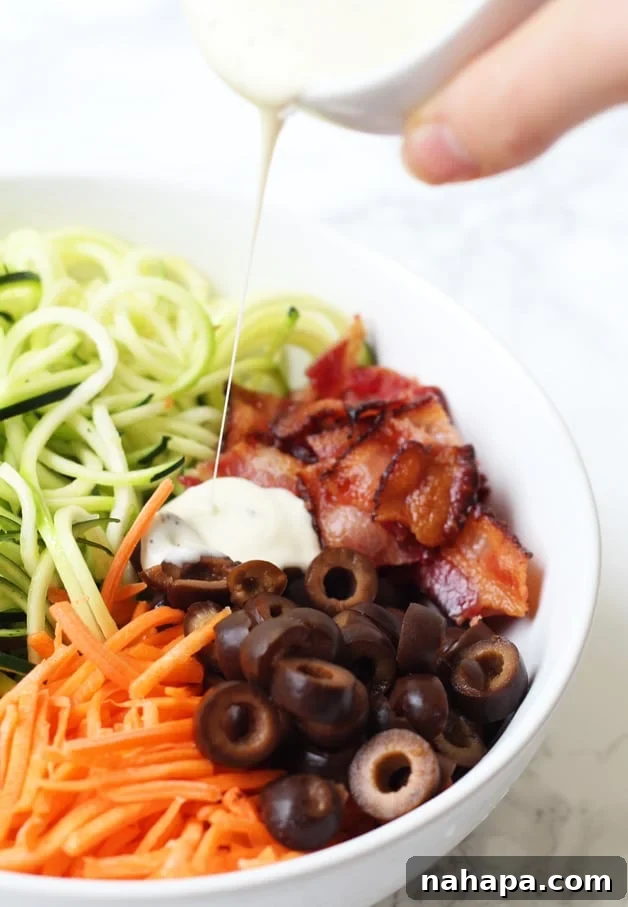
Bacon Ranch Zucchini Noodle Pasta Salad
This Bacon Ranch Zucchini Noodle Pasta Salad offers a refreshing twist on a classic, perfect for a lighter meal or a vibrant side dish. It’s a great way to introduce vegetables in a fun format, and the homemade ranch adds a fresh, zesty flavor that kids will appreciate. Making the dressing from scratch is also a wonderful lesson in creating flavors from basic ingredients.
What Kids Can Help With:
- **Measuring Pasta Salad Ingredients:** Kids can help measure the cooked zucchini noodles, bacon, and other salad components.
- **Measuring Homemade Ranch Ingredients:** They can precisely measure out the herbs, spices, and liquids for the creamy homemade ranch dressing.
- **Mixing the Homemade Ranch:** Stirring together the dressing ingredients is a simple and rewarding task.
- **Combining Salad and Ranch:** Children can gently toss the pasta salad ingredients with the prepared ranch dressing until everything is well coated.
Snacks & Treats: Guilt-Free Goodies for Anytime
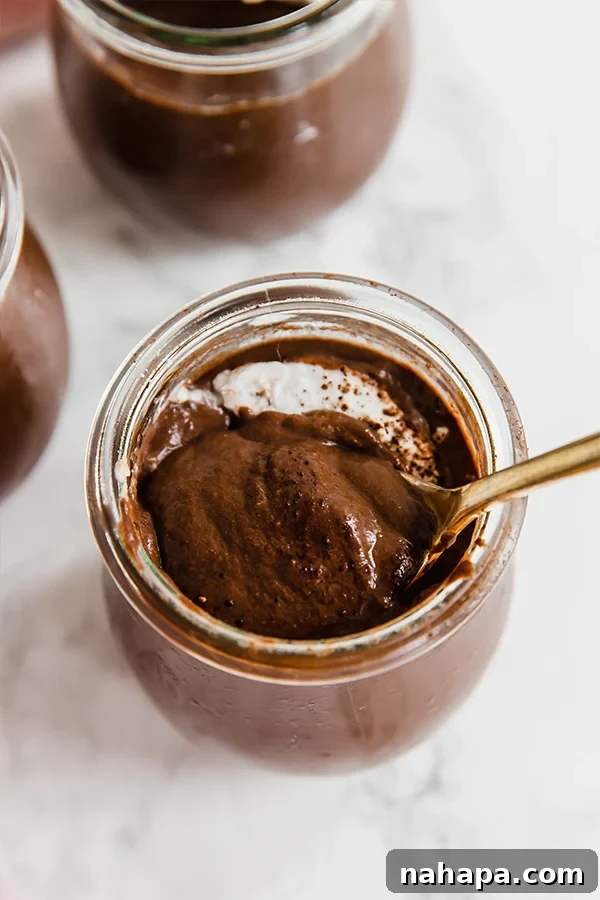
Homemade Chocolate Pudding
Forget the box mixes! This Homemade Chocolate Pudding recipe proves that making rich, creamy pudding from scratch is surprisingly easy and incredibly rewarding. It’s a perfect snack or dessert that allows kids to see simple ingredients transform into a delicious treat. Emphasize safety by ensuring they only handle the pot when it’s off the stove and cooled.
What Kids Can Help With:
- **Measuring Ingredients:** Kids can measure out the dry ingredients like cocoa powder and sweetener, and wet ingredients like milk (or dairy-free alternative).
- **Adding and Whisking (Cold):** They can add ingredients to the pot and whisk them together thoroughly before the pot goes on the stove, avoiding any heat.
- **Pouring into Jars:** Once the pudding has cooled, children can carefully pour it into individual serving jars or bowls.
- **Choosing Toppings:** This is where creativity shines! Let them choose their favorite toppings, such as fresh berries, dairy-free chocolate chips, or shredded coconut, to customize their pudding.
No-bake Cookie Dough Bites
These No-bake Cookie Dough Bites are an absolute dream for kids who love to eat cookie dough raw—because this recipe is designed to be safe to eat uncooked! It’s a simple, mess-free, and incredibly satisfying snack that requires no oven, making it ideal for young children and a quick kitchen activity.

What Kids Can Help With:
- **Measuring Ingredients:** Children can accurately measure all the dry and wet ingredients needed for the cookie dough mixture.
- **Mixing Ingredients:** This is a fun, hands-on task for them to combine everything until a cohesive dough forms.
- **Rolling into Balls:** Kids will love rolling the cookie dough mixture into individual, bite-sized balls, perfect for developing their fine motor skills.
Drinks: Refreshing Sips for Sunny Days
Watermelon Lemonade
This simple and vibrant Watermelon Lemonade is the quintessential summer drink, perfect for cooling down on warm days. Both kids and adults will adore this naturally sweet and refreshing beverage. It’s an excellent recipe for introducing children to the wonders of fresh fruit and blending, making it a super fun and healthy alternative to store-bought juices.

What Kids Can Help With:
- **Measuring Ingredients:** Kids can help measure the watermelon cubes, lemon juice, and any optional sweetener.
- **Adding to the Blender:** Under supervision, they can carefully add all the ingredients into the blender.
- **Blending:** With an adult’s help, children can push the button to blend the ingredients until smooth, watching the magic happen!
- **Straining Seeds:** For a smoother drink, they can help hold the strainer over a pitcher while the liquid is poured through, catching any unwanted seeds or pulp.
We hope these comprehensive tips and delicious, allergen-friendly recipes inspire countless joyful moments in your kitchen. Cooking with your children is more than just preparing food; it’s about nurturing essential life skills, building confidence, fostering creativity, and creating cherished family memories. Embrace the learning, savor the flavors, and most importantly, have fun together. Happy cooking!