
Thank you Douglas Laboratories for sponsoring this post. I was selected for this opportunity by Douglas Laboratories and the content and opinions expressed here are all my own.
Embracing Healthy Aging: A Holistic Approach at Every Stage of Life
Growing up in a society that often emphasizes physical appearance and body size above all else, I, like many American girls, became fixated on these external metrics. My initial understanding of health was superficial: good food made me look good, unhealthy food made me look bad. This perspective, while common in adolescence, barely scratched the surface of what true well-being entails. Even now, in my mid-to-late twenties, I prioritize my health so I can feel good now. But is that truly all that matters?
The reality is far more profound. Our present health decisions and daily habits undeniably shape our current state of being, but their impact extends far beyond today. They lay the groundwork for our future health, influencing our vitality and quality of life for years, even decades, to come. Regardless of our age, whether we are navigating the formative years of our teens or enjoying the prime of our twenties, thirties, and beyond, fostering healthy aging practices is a responsibility we owe to our future selves.
While youth might lead us to perceive health simply as looking or feeling good, it’s crucial to shift this perspective towards proactive, long-term well-being. Healthy aging isn’t a concern reserved for later life; it’s a dynamic, ongoing process that begins the moment we start making conscious choices about our lifestyle.
Why Does Healthy Aging Matter at Any Age?
Every decision we make, from the foods we choose to consume to the way we manage stress, contributes to the intricate tapestry of our future health. These daily choices profoundly influence how healthy, capable, and vibrant we will be as we navigate the various stages of life.
It’s a misconception that health is solely a present concern. The repercussions of neglecting our bodies can manifest unexpectedly and sometimes much earlier than anticipated. For me, the stark reality hit hard when I was diagnosed with Hashimoto’s disease as a teenager and later with multiple food allergies in my twenties. This wasn’t merely a stroke of bad luck; it was a profound realization that the seemingly innocuous choices I made during my younger years had contributed to my current health challenges. My childhood and early teens were marked by an incredibly nutrient-void diet, which severely compromised my gut health. Coupled with the overuse of antibiotics and NSAIDs, this lifestyle weakened my immune system, setting the stage for future complications.
While genetics undeniably play a significant role in predispositions to conditions like autoimmune disease, my poor diet and lifestyle choices certainly exacerbated these genetic tendencies, accelerating the onset and severity of my symptoms. This personal journey underscored a vital lesson: proactive health management is paramount, irrespective of age.
When Do We Start to See the Effects of Poor Health Choices?
The timeline for health consequences to surface can be surprisingly long and often goes unnoticed until the issues are well-entrenched. Experts suggest it can take up to seven years for deep mineral deficiencies to become overtly apparent. Similarly, critical imbalances such as adrenal dysfunction or hormonal disruptions can develop gradually, reaching a “tipping point” seemingly out of the blue. The subtle erosion of health often begins long before physical symptoms manifest, making it challenging to recognize when we are heading down a detrimental path until we are already deep into its effects.
My own experience serves as a compelling testament to this truth: one doesn’t have to be in their sixties to face the consequences of unhealthy aging. I confronted the harsh reality of my past choices at a mere 17 years old, and I continue to navigate those effects years later. While individuals with autoimmune diseases or other chronic illnesses may have a genetic predisposition, the everyday choices we make—at any juncture of our lives—wield immense power in determining the trajectory and severity of our symptoms.
How to Cultivate a Mindset of Healthy Aging at Any Age
1. Prioritize Real, Nutrient-Dense Food
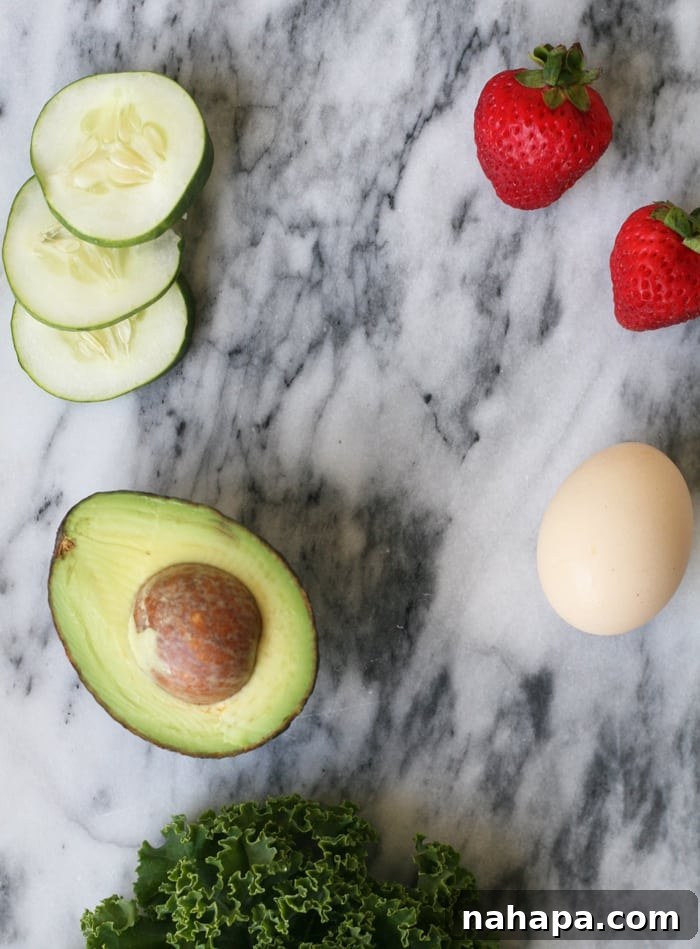
Eating real food might seem like an obvious recommendation, but in today’s complex food landscape, it can be surprisingly challenging. We are bombarded with marketing for processed foods masquerading as healthy options, and a deluge of conflicting dietary advice online. This makes discerning genuinely nourishing choices difficult. My simplified guidance is to always seek foods as close to their natural source as possible and prioritize local, seasonal options. What does this truly mean for your plate?
- Opt for **pasture-raised and grass-fed meats** over conventionally raised alternatives. These animals are typically healthier, and their meat offers a superior nutrient profile, including a better fatty acid balance.
- If dairy is part of your diet, choose **grass-fed or even raw dairy** when available and safe. These options often retain more beneficial enzymes and probiotics compared to highly processed conventional dairy.
- Move beyond the standard grocery store for your produce. Explore **farmers’ markets** or local food cooperatives to access fresh, often organically grown fruits and vegetables that haven’t traveled thousands of miles to reach your table.
- Embrace **natural, healthy fats** such as animal fat from well-sourced meats, nutrient-rich egg yolks, virgin coconut oil, and grass-fed butter or ghee. These fats are essential for hormone production, nutrient absorption, and satiety.
- Make cooking at home a cornerstone of your lifestyle. This allows you complete control over ingredients, minimizing exposure to additives, unhealthy oils, and excessive sodium. Reserve convenience foods for rare occasions.
- If specific health challenges arise, consider following a targeted healing protocol like Paleo or Autoimmune Paleo (AIP) under professional guidance to address underlying issues and support gut healing.

2. Integrate Daily Movement into Your Routine
The human body is intrinsically designed for movement and activity. Historically, before modern conveniences chained us to desks and cars, our daily lives inherently involved significant physical activity. As a fellow “desk jockey,” I understand the challenges of carving out time for exercise. Between a full-time job, family responsibilities, and the myriad demands of daily life, the thought of dedicating an hour-plus to gym routines can feel overwhelming. Many wonder, “How can I possibly fit in a gym visit, a workout, cleanup, and still prepare a healthy dinner?”
The good news is that daily movement doesn’t have to be complicated or time-consuming. It’s about finding what fits seamlessly into your schedule and making it a non-negotiable part of your day. While I once had the luxury of hour-long gym sessions several times a week in college, I’ve learned to adapt my routine to whatever I can manage. The goal isn’t necessarily intense workouts, but consistent, gentle movement that keeps your body engaged and vibrant. Even short bursts of activity accumulate significant health benefits over time, improving circulation, boosting mood, enhancing cognitive function, and aiding sleep.
Here are some practical and enjoyable ways to incorporate daily movement:
- Dedicate 30 minutes of your lunch break to a brisk walk. This not only adds physical activity but also offers a mental refresh.
- Utilize online resources like YouTube for quick Tabata or yoga videos. Even 10-20 minutes of guided movement can make a substantial difference.
- Transform evening family time into an active outing. An hour-long walk after work with your loved ones provides both physical benefits and quality bonding time.
- Explore home workout plans, such as 30-day challenges or app-guided routines, which eliminate travel time and allow for flexibility.
- Swap typical weekly outings, like dining at a restaurant, for more active alternatives like a hike or a bike ride. My husband and I do this regularly, and it’s a fantastic way to explore and stay active together!

3. Recognize the Profound Harm of Chronic Stress
Looking back, it’s quite astonishing how intensely stressful my teen and college years were. Juggling jobs, classes, studying, extracurriculars, and attempting to maintain a social life created immense pressure. Even elementary and middle school can be surprisingly stress-inducing. There’s a societal expectation that younger individuals can inherently handle greater levels of stress, but I strongly disagree. The human body, regardless of age, is not designed to endure sustained, chronic stress without consequence.
Persistent elevation of cortisol, the body’s primary stress hormone, due to chronic stress at any age, leads to serious long-term hormonal imbalances. These imbalances can manifest in a cascade of adverse health effects, including weight gain (particularly around the midsection), hair loss, irregular menstrual cycles, and even impaired fertility. Stress doesn’t just feel inconvenient in the moment; it chips away at our physiological resilience, leaving lasting imprints on our health.
While everyone handles stress differently and possesses unique limits, I urge you to cultivate mindfulness around its impact. Stress is a powerful physiological force with tangible, long-term ramifications for our overall well-being. For my clients navigating particularly demanding phases—whether due to work, academic pressures, or family struggles—I encourage them to reflect on these questions:
- “What is one specific source of extra stress in your life that you genuinely have the power to change? This could be something as simple as asking your partner for help with household chores, or learning to politely decline new commitments that overextend you.”
- “Identify one hour per week, or even just a few minutes each day, that you can claim entirely for yourself. How would you choose to use this precious time? Would you read a book, engage in light exercise, practice meditation or prayer, or simply sit in quiet solitude, doing absolutely nothing?”
No amount of de-stressing is too insignificant. Embrace every opportunity to create space for calm and self-care in your daily life. These small acts of self-preservation are vital investments in your long-term health and emotional equilibrium.
4. Be Mindful About Your Hair, Skin, and Nails
Even in my mid-twenties, I’m already observing the repercussions of not diligently caring for my skin and nails in my younger years. I often regret not addressing acne scarring more proactively. However, this doesn’t mean resorting to harsh chemicals; it emphasizes the importance of consistent, gentle, and natural care. Our hair, skin, and nails often serve as external indicators of our internal health, reflecting nutrient deficiencies, hormonal imbalances, and environmental stressors.
So, how can you nourish your hair, skin, and nails wisely and be truly mindful of their health?
- Give your nails a break from polish as often as possible. Most nail polishes contain harsh chemicals that can be damaging and dehydrating to your nail beds and cuticles.
- Approach hair dyeing with caution and research. If you choose to dye, opt for more natural, less abrasive products and ensure it’s truly necessary, considering the potential damage to hair follicles and scalp health.
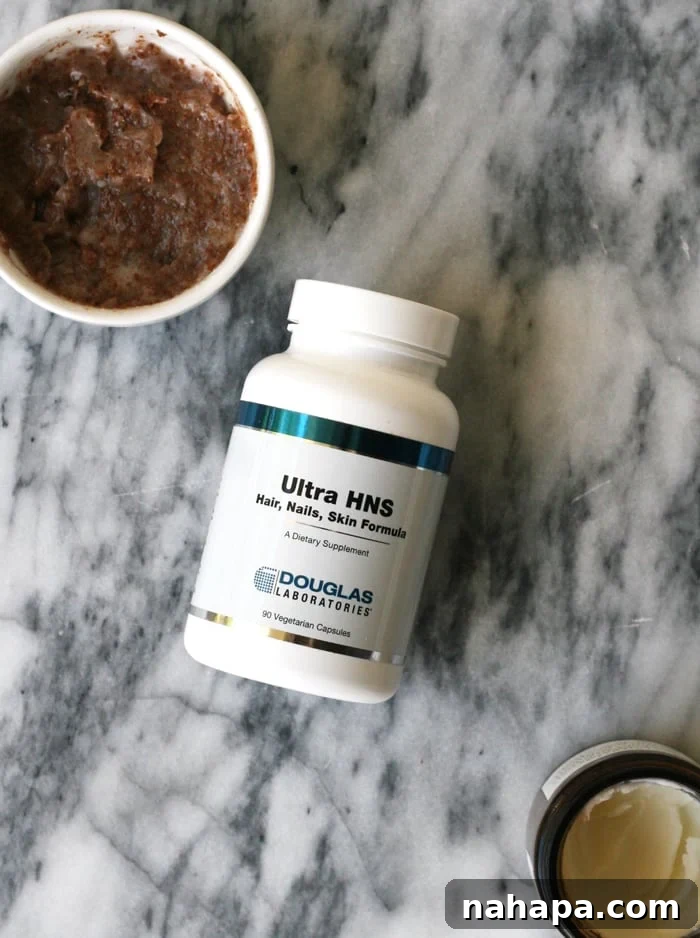
- Always, without fail, thoroughly wash off your makeup using a natural, gentle makeup remover. I personally love a simple 50/50 mix of vanilla coconut oil and coconut sugar. This concoction not only effectively removes makeup but also doubles as a gentle exfoliator, and it’s so natural you could literally eat it! (This incredible concoction is pictured below!)
- Incorporate natural skincare products free of harsh dyes, artificial fragrances, and synthetic coloring. Tallow balm, for instance, is an excellent traditional moisturizer packed with skin-loving vitamins (also pictured below).
- Consider wise supplementation when appropriate and, most importantly, when approved by your doctor. Even with a meticulously crafted real food diet, achieving every single necessary nutrient can be challenging. Factors like depleted soil quality and individual needs mean that optimal health isn’t always attainable through food alone. My skin still shows signs of my “lazy teenager” phase, and my nail health is often the first indicator when something is amiss internally. I’ve battled weak nails throughout my life, despite consuming a diet rich in vegetables and nutrient-dense broths.
One strategy I’ve successfully used in the past to give my hair, skin, and nails an extra boost is supplementing with a combination of biotin, zinc, and other crucial minerals, such as Ultra HSN from Douglas Laboratories. Biotin, in particular, has shown promising results in supporting hair and nail strength. I’m excited to reincorporate it more consistently into my beauty and wellness routine. As always, it is imperative to consult with a qualified healthcare professional before starting any new supplement regimen to ensure it is appropriate for your individual health needs, as I am not a doctor and cannot provide medical advice. (Please refer to my disclaimer for more information).
The Journey of Proactive Wellness
The overarching message is clear: do not postpone the adoption of healthy lifestyle routines that significantly influence healthy aging. Whether you are 16, 30, 60, or any age in between, every moment presents an opportunity to make a positive impact on your future health. We are constantly aging, and each day is a fresh chance to invest in a vibrant, capable, and fulfilling life ahead. By making conscious, informed choices today regarding our nutrition, movement, stress management, and self-care, we empower ourselves to navigate the aging process not just gracefully, but with enduring vitality and well-being.
These statements have not been evaluated by the Food and Drug Administration. These products are not intended to diagnose, treat, cure, or prevent any disease.