

This post contains affiliate links. Learn what that means here. Also please note that I am not a doctor, and check out my disclaimer.
My personal health journey took an unexpected turn when I received a Hashimoto’s diagnosis. Initially, I believed my entire focus would be on managing this autoimmune condition, balancing hormones, and optimizing my thyroid function. However, I was in denial about the lifelong digestive issues I’d experienced, mistakenly believing they were normal and unrelated to my thyroid health. It wasn’t until I truly embraced the **journey to heal my gut** that I began to see significant improvements in my Hashimoto’s symptoms. This realization propelled me into extensive research – devouring books, listening to countless podcasts, consulting with various medical professionals, and even pursuing formal education in nutrition. Gradually, my entire approach to wellness transformed into a lifestyle deeply rooted in prioritizing gut health. Now, I’m eager to share everything I’ve learned, offering you **50 powerful ways to heal your gut** and reclaim your vitality.
A widespread misconception is that gut health solely pertains to digestive function. Many believe that if they don’t experience obvious symptoms like bloating, gas, or reflux, their gut must be perfectly fine. This couldn’t be further from the truth! Our gut health intricately influences virtually every system in our body, impacting aspects such as:
- Mood stability and emotional well-being
- Overall mental health and cognitive function
- Weight management and metabolic balance
- Energy levels and chronic fatigue
- Joint health and inflammatory responses
- Hormonal balance and endocrine system function
- Skin clarity and dermatological conditions
- Cravings for specific foods
- Of course, various digestive issues
- Autoimmune conditions, including Hashimoto’s
- And countless other physiological processes…
Therefore, gut healing isn’t just for individuals like me who battle chronic illnesses. We can **all** significantly benefit from both short-term gut-healing interventions and the adoption of a lifestyle that consistently supports a healthier gut environment. Investing in your gut health is investing in your overall longevity and quality of life.
The path to gut healing is rarely straightforward, nor is it always easy. It requires dedication, patience, and a willingness to explore different approaches. That’s precisely why I’ve compiled this comprehensive, candid list, drawing from my personal triumphs over leaky gut syndrome and my professional insights as a nutritional therapy practitioner.
50 Ways To Heal Your Gut & Embrace Vibrant Health

Gut Healing Diet Essentials
1. Sip bone broth like a true wellness connoisseur.
Bone broth stands as an unparalleled powerhouse for gut healing. Rich in collagen, gelatin, and essential amino acids like glycine, proline, and glutamine, it actively supports the repair and integrity of the gut lining. This makes it one of the simplest yet most effective additions to your diet with minimal effort. I personally make homemade bone broth every week and strongly encourage my clients to integrate this practice into their routines. While crafting the perfect bone broth can seem like a process, the benefits are immeasurable. My favorite recipe provides a great starting point.
2. Nurture your beneficial gut bacteria.
Cultivating and feeding the good bacteria in your gut is paramount to the entire gut health process. A balanced and diverse gut microbiome is central to maintaining overall gut health and fortifying your body’s defenses against illness. You can nourish these beneficial bacteria by incorporating probiotic-rich, fermented foods such as sauerkraut, kefir, homemade yogurt, beet kvass, and other naturally fermented vegetables. It’s important to note, however, that individuals with severe bacterial overgrowths or histamine intolerance may initially struggle with fermented foods. In such cases, avoiding them temporarily is perfectly acceptable; the long-term goal is to heal your gut to a point where these beneficial foods can be reintroduced and tolerated.
3. Prioritize easy-to-digest, nutrient-dense gut-healing foods.
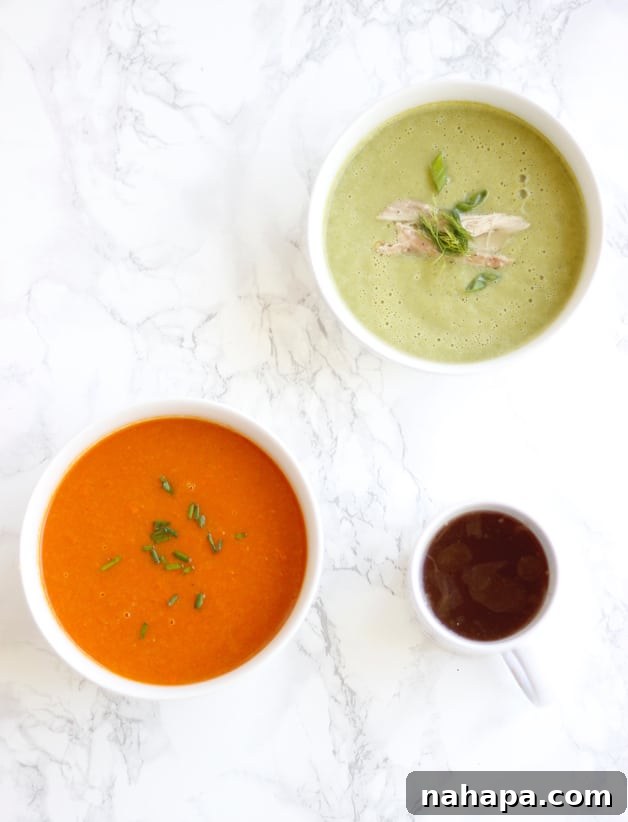
This point cannot be overemphasized. Not all healthy foods are easily digestible for everyone, especially for those with compromised gut function. While vegetables are undeniably good for you, raw vegetables, for example, might not be the best choice for *your* particular gut health situation. It’s incredibly common for individuals with gut issues to experience difficulty with a wide array of vegetables, and the way you prepare them makes a significant difference. For vegetables, experiment with cooking methods that make them very tender or even pureed. I highly recommend introducing pureed vegetable soups (like this soothing carrot soup, and many others found in my 30-day gut healing guide), as these are considerably gentler on your digestive system. When it comes to proteins, opt for meats that are slow-cooked in broth, such as a tender pot roast or a hearty beef stew. These methods break down tough fibers, making the proteins much easier to digest and assimilate.
4. Be a nutrient seeker first and foremost.
While cutting out inflammatory foods like gluten and soy often receives a lot of attention, the conversation around actively *adding in* nutrient-dense foods like sardines and liver is often less celebrated. However, true, sustainable wellness is profoundly influenced by what you *do* eat, rather than just what you *don’t*. Adopt a mindset that views food as a source of vital nutrients, deep nourishment, and something to be truly grateful for. Our hormones, enzymes, and the very cells of our bodies are constructed from the food we consume! When you’re eating to heal your gut, always approach your meals with the intention that they are providing your body with essential building blocks and the resources it needs to repair and thrive.
5. Permanently remove gluten, soy, and processed foods.
These three categories represent some of the most significant offenders when it comes to compromising gut health, warranting their own distinct mention. Gluten, soy, and the myriad of processed foods are all recognized for their detrimental effects on the delicate gut lining and are best avoided long-term whenever possible. Processed foods are inherently far removed from real, whole foods and typically contain a harmful cocktail of additives, artificial sugars, inflammatory oils, and other synthetic ingredients that actively detract from, rather than nourish, your gut. Modern forms of gluten and soy, often genetically modified (GMO), are particularly notorious for contributing to intestinal permeability, commonly known as “leaky gut,” and driving systemic inflammation.
6. Chew your food thoroughly – aim for 30-40 times per bite.
I understand this might sound excessive, but remember: your stomach doesn’t have teeth! Insufficient chewing is a major culprit behind poor digestion and nutrient absorption, leading to incomplete enzyme and acid production in the stomach. Proper mastication is the critical first step in the digestive process, mechanically breaking down food and signaling your body to begin producing digestive enzymes, which are vital for efficient nutrient extraction.
7. Temporarily eliminate the following common gut irritants:
- Gluten: A protein known to trigger inflammation and gut permeability in many.
- Soy: Often genetically modified and can be a common allergen and endocrine disruptor.
- Processed Food: Lacks nutrients and contains inflammatory ingredients.
- Processed Sugar: Feeds pathogenic bacteria and contributes to inflammation.
- Grains (including corn): Can be difficult to digest and contain anti-nutrients.
- Alcohol & Caffeine: Irritate the gut lining and disrupt detoxification pathways.
- Legumes: Contain lectins and phytic acid that can be problematic for a compromised gut.
- & Potentially nuts, seeds, nightshades, etc. (see point #9 for more on specific protocols)
8. Focus on proper food preparation techniques.
If the GAPS diet has taught us anything invaluable, it’s the critical importance of considering *how* our food is prepared. Raw almonds, for instance, are vastly different in terms of digestibility and nutrient availability compared to almonds that have been soaked and sprouted. Similarly, fried meats carry a very different digestive load than those that have been slow-cooked until tender. Prioritize slow-cooked meats or those cooked at low temperatures, ensuring vegetables are very well-cooked (steamed, roasted, or stewed), and that nuts and seeds are properly soaked and sprouted. Not only are these meticulously prepared foods significantly easier on your digestive system, but these preparation methods also enhance the bioavailability of their nutrients, ensuring your body can absorb and utilize them more efficiently for healing.
9. Consider implementing temporary gut healing approaches like AIP, GAPS, or Low-FODMAP, then customize your journey.
There is no universal, one-size-fits-all protocol when it comes to effective gut healing. We are all unique bio-individuals, and our approach must be customized to fit our specific needs and sensitivities. Here are three widely recognized templates worth exploring:
- AIP (Autoimmune Protocol): Specifically designed for individuals grappling with autoimmune diseases, focusing on reducing inflammation and healing the gut.
- GAPS (Gut and Psychology Syndrome): Originally developed for autism, this protocol is widely used for a spectrum of gut issues, neurological conditions, and immune system imbalances.
- Low-FODMAP Diet: Often highly beneficial for managing symptoms associated with Irritable Bowel Syndrome (IBS), focusing on fermentable carbohydrates.
While these are all excellent templates to provide structure and guidance, remember they are merely starting points. I strongly urge you to further customize each approach to align perfectly with your unique physiological needs. If you discover other intolerances, have specific dietary requirements, or find that combining elements from different protocols is beneficial, prioritize what works for *your* healing. The goal is to heal, not to rigidly fit into a predefined box!
10. Start your day by sipping raw celery juice (and/or water with lemon/apple cider vinegar).
Consuming 16 ounces of raw celery juice first thing in the morning on an empty stomach is highly beneficial for stimulating the natural production of stomach acid, which is crucial for optimal digestion. Similarly, a glass of water with diluted apple cider vinegar (ACV) or fresh lemon juice offers comparable benefits. These morning rituals help to “wake up” your digestive system, enhance enzyme activity, and prepare your gut for the day’s meals. Monitor how these simple practices improve your overall digestion and reduce symptoms like indigestion or heartburn.
11. Source high-quality, pastured meats.
When it comes to protein sources, simply choosing “organic” isn’t sufficient. While organic labeling indicates animals consumed organic feed, ideally, we want animals to thrive on their natural, species-appropriate diets, free from any processed feeds. Just like humans, animals can suffer health consequences from processed foods. Therefore, actively seek out grass-fed beef and pasture-raised poultry and pork. These designations ensure the animals grazed on natural forage, resulting in meat that is richer in nutrients, healthier fats (like omega-3s), and free from antibiotics or hormones. Many regions offer excellent local sources, but reputable online suppliers are also available.
12. Incorporate organ meats, wild-caught fish, well-cooked vegetables, and healthy fats daily.
Organ meats, particularly liver from high-quality, grass-fed sources, are incredibly nutrient-dense, packed with vitamins A, B, iron, and coQ10, vital for cellular energy and repair. Wild-caught fish (such as salmon, mackerel, and sardines) are rich in anti-inflammatory omega-3 fatty acids, essential for brain health and reducing systemic inflammation. Aim to consume these powerhouse foods regularly to provide your body with the profound nourishment it needs to heal. Even if raw vegetables aren’t agreeable with your system, ensure you consume well-cooked vegetables daily, ideally with every meal. Cooking breaks down tough fibers, making their phytonutrients, vitamins, and minerals more accessible and easier to absorb. As for healthy fats, focus on sources like avocado, coconut oil, extra virgin olive oil, grass-fed ghee (if tolerated), and high-quality animal fats. These fats are indispensable for controlling inflammation, supporting cell membrane integrity, and providing sustained energy, whereas poor-quality fats (like highly processed seed oils) actively promote inflammation.
13. Moderate your fruit intake.
If you’re dealing with any form of gut bacteria dysbiosis, such as SIBO (Small Intestinal Bacterial Overgrowth) or candida overgrowth, it’s prudent to be mindful of even natural sugars found in fruit. While fruit offers valuable vitamins and antioxidants, its fructose content can feed opportunistic bacteria or yeast, potentially exacerbating symptoms. Your first step should be to work with a practitioner to identify the root cause of any dysbiosis. Regardless, as a general guideline during healing, try to limit your fruit consumption to 1-2 servings per day, prioritizing lower-fructose options like berries.
14. Practice food rotation – avoid eating the same foods every day.
Our bodies were not designed to consume the same limited selection of foods daily, as modern grocery stores often enable. The ancestral way of eating emphasized seasonal variety, adapting to what was naturally available. Consistently eating the same few foods, especially when your gut health is compromised, can unfortunately lead to developing new sensitivities or reactions to those very foods. Aim to eat with the seasons and practice food rotation, perhaps on a 3-4 day cycle, meaning you only consume the same foods a couple of times a week. For instance, if you enjoy sweet potatoes on Monday, try to wait until Friday before having them again. This isn’t about rigid perfection; it’s fine to deviate occasionally. The key is to cultivate mindfulness around achieving a diverse intake of different foods each week, which supports a broader spectrum of nutrients and prevents the development of new sensitivities.
15. Master the art of balancing your meals.
Achieving balanced macronutrient ratios within your meals is crucial for stable blood sugar, optimal digestion, and long-term satiety. This means avoiding excessive carbohydrate spikes and preventing sharp drops in energy due to insufficient fat and protein. This is a highly individual process that requires ongoing adjustment, as there’s no single perfect ratio for everyone. A good starting point is to fill approximately 40% of your plate with non-starchy vegetables, 30% with healthy fats, and 30% with high-quality protein, then adjust from there. Pay close attention to how you feel after eating, how hungry you become between meals, and how your digestion responds. This personalized approach empowers you to create meals that truly nourish and support your body.
16. Avoid chugging water with meals.
Popular diet culture often encourages drinking large amounts of water with meals to control appetite, but this practice can actually be detrimental to digestion. Consuming excessive liquids during meals dilutes your essential digestive juices – stomach acid and enzymes – which are vital for breaking down food efficiently. Instead, take small sips of water with your meals if needed, and make an effort to drink the bulk of your daily water intake between meals to maintain optimal hydration without impeding digestion.
Gut Healing Lifestyle Interventions
17. Cultivate a relaxed eating environment and reduce food-related stress.
This is arguably one of the most pivotal components of true gut healing. For our bodies to properly digest food, we must be in a relaxed, parasympathetic state, often referred to as “rest and digest.” If we eat while watching distressing news, stuck in traffic, rushing to work, or in an unpleasant social setting, our sympathetic “fight or flight” response is activated, immediately impairing our digestive capabilities. Make a conscious effort to create a routine that fosters a relaxed eating state. Turn off your phone or other distractions 10 minutes before meals, take a few deep breaths, offer a prayer or blessing, and express genuine gratitude for your food. This intentional shift profoundly impacts digestion and nutrient absorption.
18. Learn how to fully embrace and enjoy your new way of eating.
Healing diets can sometimes feel restrictive, leading to feelings of being left out or deprived. It’s crucial to shift your perspective and actively find joy and satisfaction in your new approach to food. Discover new recipes, experiment with different flavors, and focus on the incredible health benefits you’re gaining rather than what you might be missing. Developing coping strategies for social situations and celebrating small victories will make this journey sustainable and enjoyable.
19. Actively eliminate unnecessary stressors from your life.
Stress is an insidious force that profoundly impacts the gut-brain axis, leading to inflammation and impaired digestive function. While completely eliminating stress is impossible, tackling unnecessary stressors is crucial. Start small: identify the “lowest hanging fruit” of stress in your life that you can remove. Could it be finding a less congested route to work, delegating tasks, or scheduling a regular “date night” with a sitter? Begin there, and continuously work towards minimizing avoidable stressors. Chronic stress elevates cortisol, which can directly compromise gut integrity and microflora balance.
20. Integrate daily and weekly self-care practices.
Self-care is an indispensable part of any healing journey because a relaxed body is a body primed for repair. Implement a small, daily self-care routine, such as a mindful 15-minute walk with your family, or reserving 10 extra minutes each morning just for yourself. Supplement this with a larger weekly practice, like attending a solo yoga class, enjoying a quiet cup of tea at a local cafe, or indulging in a relaxing Epsom salt bath. These consistent acts of self-nurturing help lower stress hormones, promote vagal tone, and create an optimal physiological environment for healing.
21. Focus on something greater than yourself.
Reflecting on what truly propelled my healing and helped me transcend constant worry about my own illness, it was shifting my focus outwards. Whether nurturing my spiritual relationship or dedicating myself to helping thousands through my blog, this broader perspective offers invaluable context. Realizing that there is so much more to life than our individual struggles provides immense relief, reduces self-preoccupation, and fosters a sense of purpose that significantly aids the healing process.
22. Practice gratitude daily.
There is always something to be grateful for, even amidst challenges. When we consciously direct our energy towards appreciating the good in our lives, we naturally have less mental and emotional bandwidth to dwell on the negative. This simple practice has a profound impact on mood, reduces stress, and fosters a more positive outlook, all of which indirectly support gut healing. I’ve personally found immense blessings in maintaining a weekly gratitude journal.
23. Take potential adrenal fatigue seriously.
Adrenal fatigue, or more accurately, HPA axis dysfunction, is often a consequence of chronic stress and can significantly impact various bodily functions, including digestion, hormone balance, and immune response. Recognizing and addressing the symptoms – persistent fatigue, difficulty sleeping, brain fog, and increased susceptibility to illness – is crucial. A compromised adrenal system can exacerbate gut issues and hinder healing, so working with a practitioner to support adrenal health is vital.
24. Shift your mindset when it comes to gut healing.
Your mental and emotional state profoundly influences your body’s ability to heal. Adopting a positive, patient, and persistent mindset is essential for successful gut healing. Instead of viewing it as a burden, embrace it as an empowering journey towards better health. Believe in your body’s capacity to heal, celebrate small progress, and cultivate resilience in the face of setbacks.
25. Adopt a healthy and enjoyable exercise routine.
The ideal exercise routine varies for everyone, but consistent movement is fundamental for a healthy body and gut. Physical activity supports healthy gut motility, reduces stress, and boosts circulation, all of which contribute to gut health. Find what resonates with you and dedicate time a few times a week. This could be as simple as daily walking, engaging in a calming yoga class, light weightlifting, or any activity that brings you joy and doesn’t overtax your system. The key is consistency and enjoyment.
26. Socialize with others on a similar healing journey.
Finding a supportive community of individuals who understand the nuances of gut healing can be incredibly empowering. Connect with others, share insights, exchange ideas, and build a network of support. The internet offers amazing opportunities to find like-minded people through hashtags on Instagram, dedicated forums, or reaching out to fellow bloggers. These connections provide encouragement, validation, and a sense of belonging that can make the journey feel less isolating.
27. Prioritize general socialization.
Human beings are inherently social creatures, and genuine connection is vital for our overall well-being. While you might be an introvert like me and constant social interaction feels overwhelming, finding ways to nurture relationships is key. This could involve dedicated family time, quality moments with your partner, or simply meeting a friend for tea occasionally. The aim isn’t overwhelming socialization, but rather creating meaningful connections that positively impact your mental and emotional health, thereby supporting your physical healing.
28. Find ways to make your healing lifestyle truly sustainable for *you*.
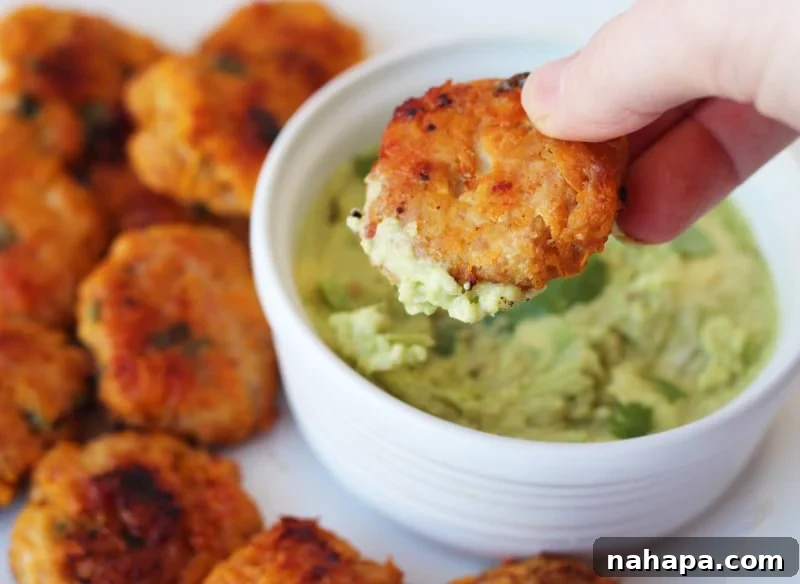
No two healing journeys are identical. While advice from others can be invaluable, I strongly encourage you to customize your approach to ensure it genuinely works for your unique life. If a particular aspect isn’t serving you or feels unsustainable, don’t hesitate to adjust it. It’s far better to modify a lifestyle for long-term adherence than to abandon it entirely due to rigid, impractical expectations. One of the best ways to foster sustainability is to discover delicious, enjoyable recipes that align with your healing goals. This is precisely why I focus on creating comforting yet compliant recipes, like these delightful Sweet Potato Chicken Poppers, that make the healing journey fun and delicious.
29. Explore Castor Oil Packs.
Castor oil packs are a traditional remedy gaining modern recognition for their benefits in supporting liver and gallbladder function. These organs are critical for detoxification and the proper digestion of fats, which directly impacts gut health. When the liver and gallbladder are sluggish, toxins can recirculate, and fat malabsorption can occur, stressing the gut. Applying a castor oil pack can help stimulate lymphatic flow, reduce inflammation, and improve organ function. Always consult with a healthcare professional before incorporating new therapies.
30. Make quality sleep a top priority.
Sleep is not a luxury; it is a fundamental pillar of health and absolutely non-negotiable for gut healing. During sleep, your body undergoes vital repair processes, cellular regeneration, and hormone regulation. Chronic sleep deprivation elevates stress hormones like cortisol, disrupts the gut microbiome, and impairs the integrity of the gut lining. Aim for 7-9 hours of restorative sleep each night. Establish a consistent sleep schedule, create a relaxing bedtime routine, and optimize your sleep environment to support deep, healing slumber. (Further reading on sleep)
31. Discuss coffee enemas with your doctor.
Coffee enemas are a complementary therapy often used in detoxification protocols to support liver function and bile flow, which in turn aids the body’s natural cleansing processes. They are believed to help remove toxins from the colon and stimulate the liver. This intervention should only be undertaken with the explicit approval and guidance of your trusted healthcare provider to ensure safety and appropriateness for your individual health status.
32. Replace toxic household and personal care products.
Our daily exposure to environmental toxins through cleaning products, cosmetics, and personal care items can significantly impact our health, including the delicate gut microbiome and endocrine system. Many chemicals found in conventional products are endocrine disruptors, irritants, and can directly harm beneficial gut bacteria. Making the switch to non-toxic alternatives reduces your body’s toxic burden, allowing it to focus more energy on healing. My preferred brands for clean living include:
- 100 Percent Pure (for makeup and skincare)
- Norwex (for eco-friendly cleaning solutions)
33. Spend time outdoors daily.
Connecting with nature offers a multitude of benefits for gut healing and overall well-being. Daily outdoor exposure helps regulate your circadian rhythm, which is vital for sleep and hormone balance. Sunlight provides essential Vitamin D, a crucial immunomodulator. “Grounding” or “earthing” by direct contact with the earth is also believed to reduce inflammation. Furthermore, spending time in nature is a powerful stress reducer, activating the parasympathetic nervous system and fostering a sense of calm that supports digestion and healing.
Essential Gut Healing Gadgets & Must-Haves
34. Invest in an Instant Pot and/or a high-quality slow cooker.
These kitchen appliances are absolute game-changers for anyone on a gut-healing journey. They are perfect for preparing nutrient-dense, easy-to-digest meals with minimal effort. An Instant Pot (a multi-functional pressure cooker) can drastically cut down the cooking time for bone broth, making it a feasible weekly staple. Both slow cookers and Instant Pots excel at tenderizing meats and vegetables, allowing you to create comforting stews, pot roasts, and flavorful broths that are gentle on your digestive system and packed with healing nutrients.
35. Acquire a powerful high-speed blender.
A robust high-speed blender is an invaluable tool for creating gut-friendly meals. I personally adore my Vitamix, which effortlessly blends ingredients to a silky-smooth consistency. This is perfect for preparing pureed vegetable soups, which are incredibly soothing for a sensitive gut, and for making nutrient-rich smoothies. Blending effectively breaks down plant fibers, making vitamins and minerals more bioavailable and easier for a compromised digestive system to absorb without irritation.
36. Stock your pantry with turmeric, ginger, and other soothing herbs.
These natural powerhouses offer profound anti-inflammatory and digestive benefits. Turmeric is renowned for its active compound, curcumin, a potent anti-inflammatory agent that supports gut lining integrity. Ginger is a classic digestive aid, helping to reduce nausea, stimulate digestive enzymes, and improve gut motility. Having these and other soothing herbs (like peppermint, chamomile, or slippery elm bark) readily available allows you to effortlessly incorporate their healing properties into your cooking, teas, and tinctures, providing natural relief and support for your digestive system.
37. Build a collection of great gut-healing cookbooks, such as:
- The Healing Kitchen: A fantastic resource for delicious, autoimmune-friendly recipes.
- Nourishing Broth: Dedicated to the art and science of healing broths.
- The Heal Your Gut Cookbook: Offers practical recipes focused on restoring gut health.
These cookbooks provide not just recipes, but inspiration and guidance, making it easier to stick to a healing diet and discover new, enjoyable meals.
Gut Healing Supplementation & Professional Support
38. Collaborate closely with a qualified doctor or functional medicine practitioner.
Working one-on-one with a knowledgeable professional to customize your protocol is invaluable and irreplaceable for true healing. While diet and lifestyle changes can significantly improve general wellness and quality of life, when it comes to legitimately healing your body from complex gut issues, you absolutely need professional medical guidance. There is no viable shortcut around this essential step. A good doctor can help diagnose underlying conditions, interpret test results, and create a targeted treatment plan. Here’s a helpful blog post on finding the right functional doctor.
39. Undergo legitimate functional testing.
When it comes to gut healing, the adage “test, don’t guess” is paramount. Blindly following generic protocols without understanding the specific imbalances in your body can be ineffective and frustrating. If you suspect SIBO (Small Intestinal Bacterial Overgrowth), a breath test can provide definitive answers. If dysbiosis, pathogens, or imbalances in your microbiome are a concern, a comprehensive stool test can offer deep insights. Functional testing provides objective data, allowing you and your practitioner to develop a precise, effective treatment strategy rather than simply masking symptoms. Getting these answers is crucial for effective execution of your healing plan.
40. Consider targeted digestive supplement support.
Digestive support supplements can play a crucial role in kickstarting or aiding the healing process, especially when natural digestive functions are impaired. This is an area where working directly with your doctor is essential to ensure the right supplements are chosen for your specific needs and conditions. Depending on your assessment, digestive support might include: Betaine HCl to enhance stomach acid production, digestive enzymes to aid in breaking down macronutrients, or bile salts to improve fat digestion and absorption. There is absolutely no shame in utilizing appropriate digestive support to help your body heal more efficiently.
41. Ensure your mineral status is optimally balanced.
Minerals are cofactors for countless enzymatic reactions in the body, and their deficiency can significantly impede healing. For instance, sufficient levels of zinc are absolutely critical for proper wound healing. A damaged gut lining, often referred to as “leaky gut,” is essentially an internal wound that requires robust repair mechanisms. If you are zinc deficient, your body’s ability to heal this compromised gut lining will be severely impaired. This vital aspect of mineral balance is another excellent area to assess and address in collaboration with your functional doctor, who can recommend appropriate testing and supplementation.
42. Incorporate structural support like collagen.
Collagen, derived from sources like bovine hide or marine life, is a powerful supplement for gut healing. It is rich in specific amino acids, particularly proline, glycine, and glutamine, which are vital building blocks for the connective tissues throughout your body, including the delicate lining of your gastrointestinal tract. Regularly supplementing with collagen helps to strengthen and repair the intestinal barrier, reduce inflammation, and improve overall gut integrity. It’s an easy addition to smoothies, soups, or even just hot water, offering a foundational element for tissue repair.
43. Take a high-quality, targeted probiotic.
A well-chosen probiotic supplement can be instrumental in restoring balance to your gut microbiome, especially after dysbiosis or antibiotic use. Probiotics introduce beneficial bacteria strains that can help displace pathogenic organisms, support immune function, reduce inflammation, and improve nutrient absorption. However, “good” probiotics are not one-size-fits-all. It’s crucial to work with your doctor or practitioner to identify the specific strains and dosages most appropriate for your individual condition, as different strains target different issues (e.g., specific strains for SIBO, IBS, or general diversity).
Gut Healing Education & Empowerment
44. Educate yourself extensively.
Knowledge truly is power, especially when navigating a complex health journey like gut healing. While it’s imperative not to self-diagnose or self-treat, understanding the intricate mechanisms of your body and the root causes of your symptoms is incredibly empowering. The more you learn about how your digestive system functions, the impact of various foods, and the role of lifestyle factors, the better equipped you’ll be to ask informed questions, collaborate effectively with your healthcare team, and make conscious choices that support your well-being. Never stop learning and seeking to deepen your understanding!
45. Learn how digestion is actually supposed to work.
A fundamental step in healing your gut is understanding the optimal digestive process. Many digestive issues stem from a breakdown at one or more stages of this complex system, from chewing and stomach acid production to enzyme activity and intestinal absorption. Bad digestion inevitably leads to poor gut health and nutrient deficiencies. By learning the proper sequence and requirements for efficient digestion, you can identify where your system might be faltering and implement targeted strategies to master your digestion, leading to improved gut function and overall health.
46. Work *hard* to identify your root cause.
True, lasting healing can only occur when you identify and address the underlying root causes of your gut issues, rather than merely treating or masking symptoms. This requires diligent detective work and a willingness to dig deep. Combine the strategies outlined in point #44 (self-education), **#38** (working with a doctor), and #39 (getting functional testing) to unravel why you are experiencing gut problems. This comprehensive approach will allow you to implement targeted solutions that resolve the foundational issues, leading to profound and sustainable healing.
47. Explore my comprehensive e-book, The 30 Day Autoimmune Makeover Guide, crafted just for you! 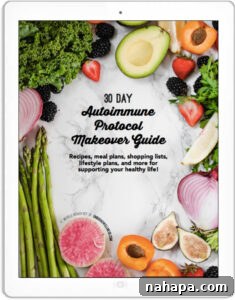
I personally authored this e-book specifically for individuals committed to nourishing their bodies, eliminating inflammatory foods, and actively healing their gut. It’s an indispensable resource packed with detailed meal plans, convenient shopping lists, delicious recipes, and much more, all designed to be anti-inflammatory and supportive of deep gut repair. This guide provides a structured, yet flexible, roadmap to help you navigate your healing journey with confidence and ease.
48. Devour these insightful books:
- Why Stomach Acid Is Good For You: Explains the crucial role of stomach acid in digestion and common misconceptions.
- Eat Dirt: Delves into the importance of a diverse microbiome and the dangers of an overly sterile environment.
- Gut: A comprehensive exploration of the gut’s influence on health, mood, and immunity.
- Nourishing Traditions: A foundational text for traditional food preparation and nutrient-dense eating.
These books offer a deeper understanding of gut health science and practical applications.
49. Follow these leading health blogs:
- The Paleo Mom: Provides science-backed information on autoimmune disease and the Paleo Autoimmune Protocol.
- Chris Kresser: Offers evidence-based insights into functional medicine, gut health, and ancestral nutrition.
- Gutsy By Nature: A personal blog sharing experiences and resources for living with autoimmune disease and healing the gut.
- Phoenix Helix: A go-to resource for the Autoimmune Protocol community, offering practical tips and recipes.
- Dr. Axe: Provides extensive content on natural medicine, superfoods, and holistic health, often with a focus on gut healing.
These blogs are excellent sources of ongoing education, research, and practical advice.
50. Tune into these informative podcasts:
- Balanced Bites: Offers a wealth of information on real food nutrition, healthy living, and practical advice.
- Paleo Women: Focuses on ancestral health, hormones, and wellness specifically for women.
- Revolution Health Radio: Chris Kresser’s podcast provides in-depth, evidence-based discussions on functional medicine and chronic health conditions.
Podcasts are a convenient way to absorb valuable health information on the go, keeping you inspired and informed on your journey.
And a bonus 51… never, ever give up!
Achieving and maintaining optimal gut health is not a quick fix or a temporary 30-day protocol; it is a profound lifestyle commitment. It demands continuous learning, the consistent formation of new positive habits, and an unwavering dedication to striving for good health. Only through this sustained effort and dedication does good health become truly sustainable and deeply integrated into your life for the long term. Embrace the journey, celebrate every step, and trust in your body’s incredible capacity to heal.