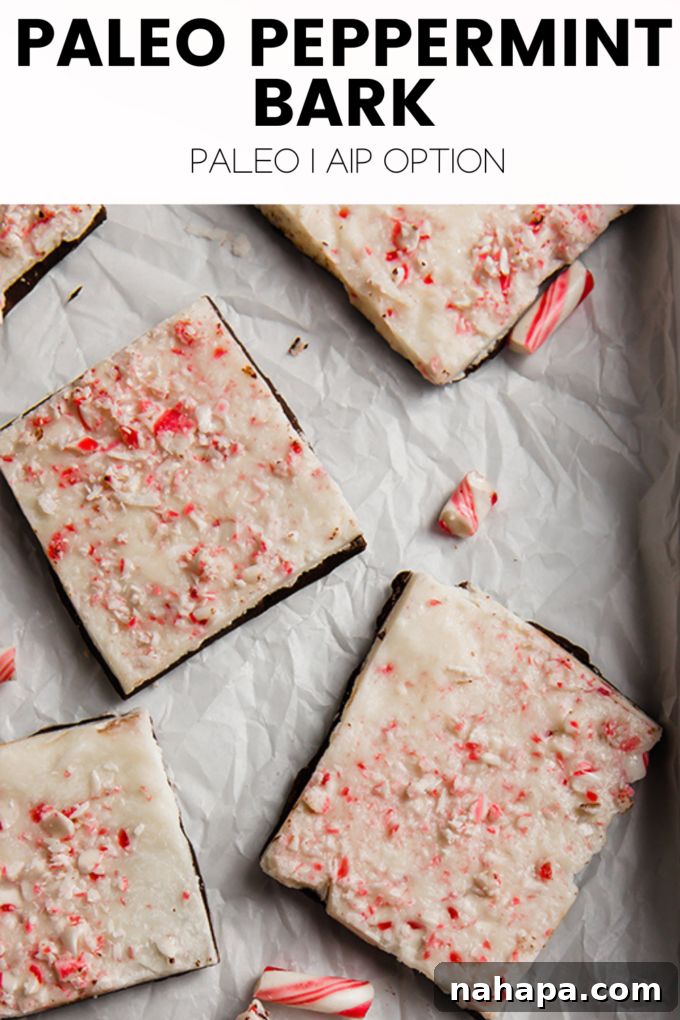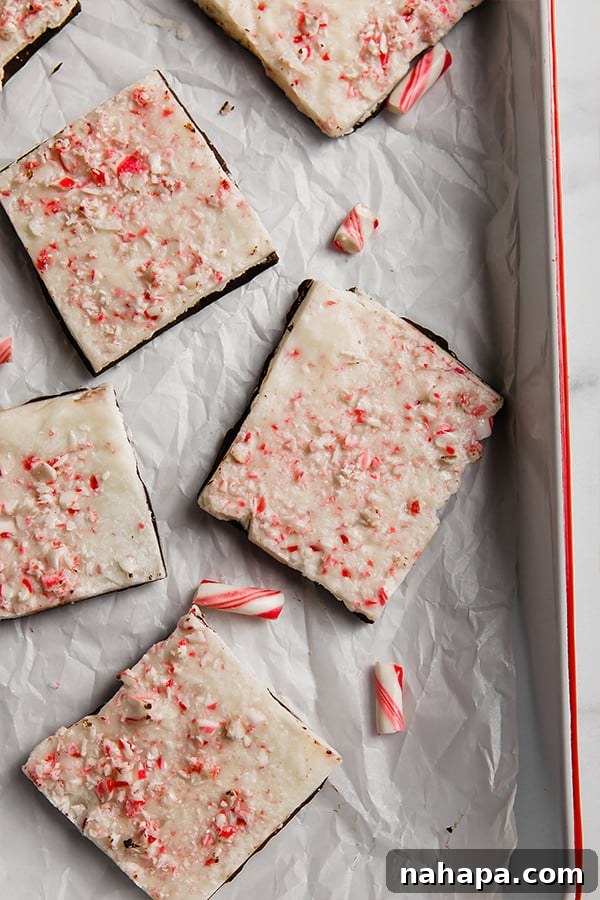
The holiday season often brings with it a feast of traditional treats, and among the most beloved is peppermint bark. That delightful combination of rich chocolate, creamy white chocolate, and refreshing peppermint, all crowned with crunchy candy cane pieces, creates an irresistible symphony of flavors. However, for those navigating food sensitivities, allergies, or specific dietary protocols like Paleo or AIP (Autoimmune Protocol), enjoying this festive classic can be a challenge due to dairy, refined sugars, and other common ingredients. Fear not! We’ve cracked the code to create a healthier, equally delicious version: our Paleo Peppermint Bark. This recipe is completely dairy-free, uses whole-food ingredients, and even includes options to make it fully AIP compliant, ensuring everyone can partake in the joy of the holidays without compromise.
Imagine a vibrant holiday spread, shimmering with festive lights, the air filled with laughter and the sweet scent of peppermint. Now picture a dessert that fits perfectly into this scene, one that you can enjoy without a second thought about unwanted ingredients. This Paleo Peppermint Bark is precisely that—a guilt-free indulgence that captures all the magic of the original, but with a nourishing twist. It’s not just a recipe; it’s an invitation to rediscover holiday favorites in a way that supports your well-being.
What Exactly is Peppermint Bark and Why Go Paleo?
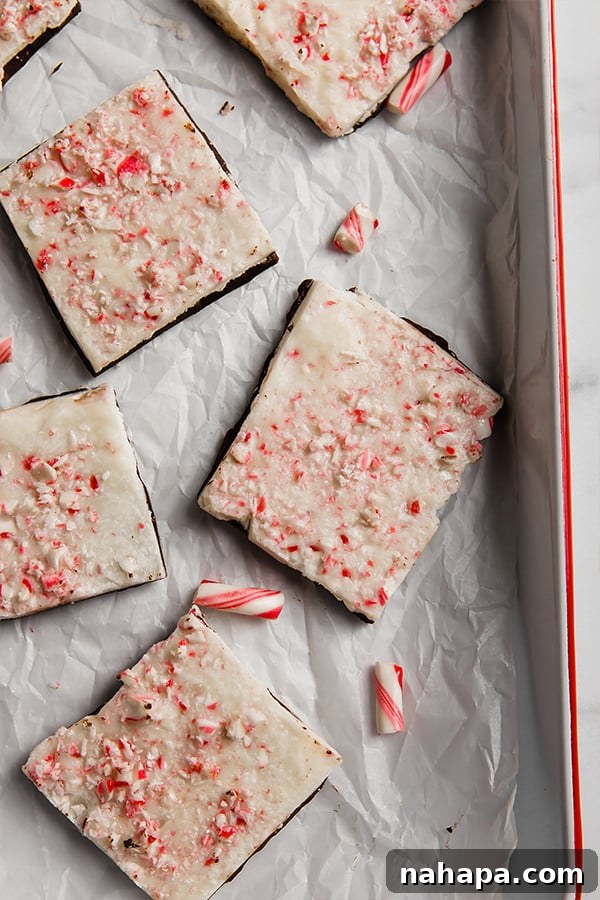
Traditional peppermint bark is a simple yet enchanting confection, typically made by layering melted dark chocolate and melted white chocolate, infusing both with peppermint extract, and then scattering crushed candy canes over the top. It’s known for its beautiful marbled appearance and that invigorating minty crunch. A staple during Christmas and winter celebrations, it embodies the spirit of the season in every bite. Its simplicity makes it appealing, but for many, its conventional ingredients present roadblocks.
The Conventional Conundrum: Dairy, Sugar, and Dyes
The primary issues with store-bought or traditional homemade peppermint bark stem from its core components: milk chocolate and white chocolate. Both are almost universally made with dairy, making them off-limits for individuals with dairy allergies, lactose intolerance, or those following a dairy-free lifestyle. Beyond dairy, many conventional white chocolates are packed with excessive refined sugars and often contain artificial flavors and hydrogenated oils. Furthermore, the vibrant red and white stripes of traditional candy canes typically rely on corn syrup and artificial food dyes, which are concerns for those seeking cleaner, more natural ingredients, or those following specific health protocols like the Autoimmune Protocol (AIP).
This is where our Paleo and AIP-friendly version shines. We’ve meticulously selected ingredients that provide the same indulgent experience without any of the common inflammatory triggers. By opting for dairy-free chocolate and a clever coconut butter-based “white chocolate” layer, we ensure that everyone can enjoy this holiday classic, transforming a once forbidden treat into a delightful and wholesome celebration of flavors.
Why Choose Our Dairy-Free and AIP-Friendly Peppermint Bark?
Embracing a paleo or AIP lifestyle doesn’t mean sacrificing the joy of holiday treats. Our peppermint bark recipe offers a bridge between tradition and wellness, allowing you to indulge without compromise. Here’s why this recipe stands out as a superior choice for health-conscious foodies:
- Completely Dairy-Free: A major hurdle for many with dietary restrictions is dairy. Our recipe uses high-quality dairy-free chocolate chips for the dark layer and creates a luscious, creamy “white chocolate” layer using coconut butter. This ensures a rich, satisfying experience without any dairy discomfort.
- Paleo-Approved Ingredients: We steer clear of refined sugars, unhealthy oils, and artificial additives. Instead, we rely on natural sweeteners like honey and healthy fats from coconut oil and coconut butter. This aligns perfectly with paleo principles, focusing on whole, unprocessed ingredients.
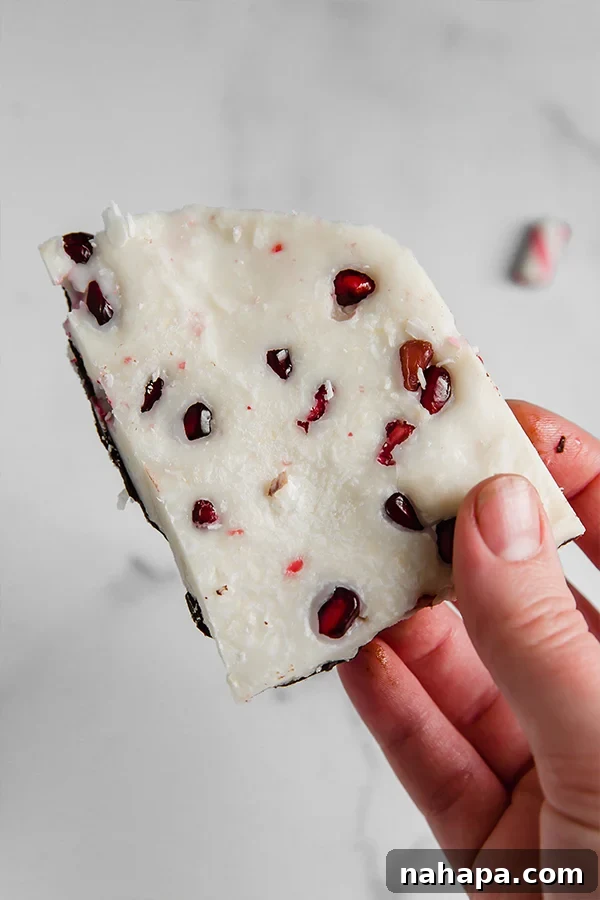
- AIP (Autoimmune Protocol) Option: For those following the strictest dietary guidelines, we’ve included clear instructions for making this bark fully AIP compliant. This involves substituting carob chips for chocolate and opting for natural toppings like pomegranate seeds instead of traditional candy canes, which often contain corn syrup and dyes.
- Simple and Fun to Make: Despite its sophisticated taste and health-conscious design, this peppermint bark is incredibly easy to prepare. With just a few basic steps and readily available ingredients, you can create a beautiful and delicious treat perfect for gifting or sharing.
- Wholesome Holiday Indulgence: You get all the classic flavors and textures of peppermint bark – the crisp snap, the smooth melt, the refreshing mint – but with the added benefit of knowing you’re nourishing your body with cleaner, better-for-you ingredients.
This recipe isn’t just an alternative; it’s an enhancement, offering a healthier way to savor the festive spirit while adhering to your dietary needs. It’s about bringing joy back to holiday eating, one delicious, dairy-free, and paleo-friendly piece at a time.
Key Ingredients for Your Homemade Paleo Peppermint Bark
Crafting the perfect paleo peppermint bark relies on a thoughtful selection of ingredients that mimic the texture and flavor of the traditional version while adhering to strict dietary guidelines. Here’s a closer look at what you’ll need and why each component is essential:
The Rich Dairy-Free Chocolate Layer
- Dairy-Free Chocolate Chips: This is the foundation of your bark’s dark layer. When selecting, look for brands that are certified dairy-free and ideally sweetened with natural alternatives like coconut sugar or maple sugar, rather than refined cane sugar, to keep it strictly paleo. Brands like Enjoy Life are excellent choices and widely available, offering robust chocolate flavor without any hidden dairy.
- Coconut Oil: A small amount of coconut oil is added to the chocolate chips to help them melt smoothly and create a wonderfully glossy, snap-able chocolate layer. It also contributes healthy medium-chain triglycerides (MCTs).
- Peppermint Extract: The star flavor! A good quality pure peppermint extract is crucial for that authentic holiday minty kick. Be mindful of the quantity, as a little goes a long way to provide a refreshing burst without overpowering the chocolate.
- AIP Option: Carob Chips: For those on the Autoimmune Protocol, chocolate is typically excluded. Homemade carob chips or commercially available AIP-compliant carob chips (ensure no forbidden ingredients) can be used as a fantastic substitute. Carob offers a naturally sweet, earthy flavor that complements the peppermint beautifully and creates a distinct, but equally enjoyable, bark.
The Creamy Coconut Butter Layer (Our White Chocolate Alternative)
This layer is the ingenious dairy-free and paleo answer to white chocolate, providing that essential creamy contrast to the dark chocolate.
- Coconut Butter (Coconut Manna): This is the hero ingredient for our white layer. Unlike coconut oil, which is just the fat, coconut butter is made from the whole coconut meat, puréed into a rich, creamy spread. It has a natural sweetness and a thick, luxurious texture that solidifies beautifully when chilled, perfectly mimicking white chocolate. Look for brands with no added sugars or preservatives.
- Coconut Oil (additional for this layer): Again, a touch of coconut oil here helps ensure the coconut butter melts smoothly and spreads evenly, preventing a grainy texture. It aids in achieving that perfect bark consistency.
- Honey: This natural sweetener provides the subtle sweetness needed for the “white chocolate” layer. Honey is paleo-friendly and offers a unique flavor depth. For strict AIP, ensure your honey is of high quality and ideally raw.
- Peppermint Extract (additional for this layer): A second dose of peppermint extract ensures both layers carry that refreshing mint flavor, creating a harmonious taste profile throughout the bark.
Festive Toppings
The topping is where you add that signature peppermint bark crunch and visual appeal.
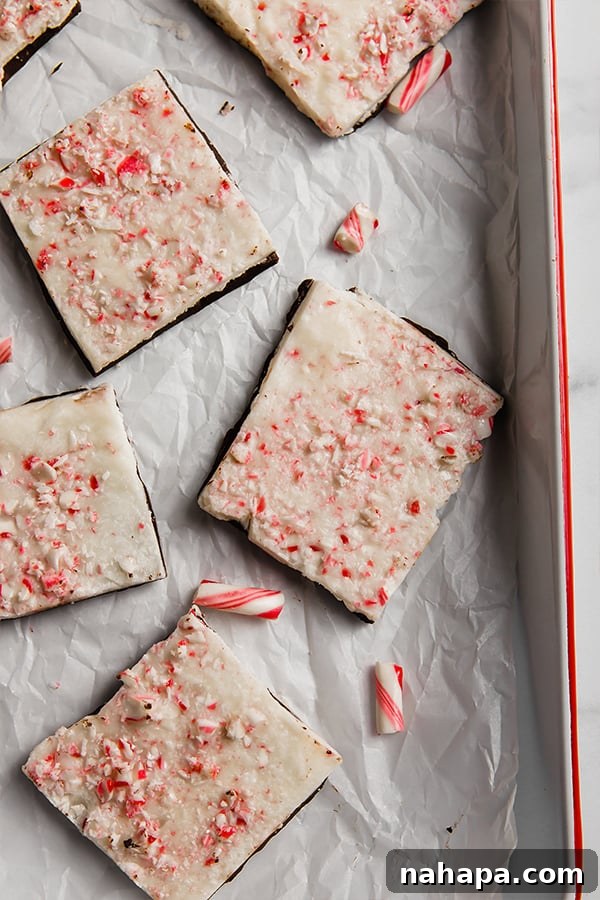
- Crushed Candy Canes: If tolerated and desired, traditional crushed candy canes are the quintessential topping. For a cleaner option, seek out organic candy canes that use natural dyes and avoid high-fructose corn syrup, such as YumEarth Organic Holiday Candy Canes. These are a great choice if you’re not strictly AIP.
- AIP Option: Pomegranate Seeds: This is a truly delightful and visually stunning AIP-compliant alternative! Pomegranate seeds add a burst of juicy, tart flavor and a beautiful ruby red color that perfectly complements the green and white layers. The slightly chewy texture is a wonderful contrast to the crisp bark, offering a unique and wholesome twist on the classic.
- Other AIP-friendly toppings could include: Shredded unsweetened coconut, dried goji berries (ensure AIP compliant), or even a sprinkle of sea salt to enhance the flavors.
By using these high-quality, thoughtfully chosen ingredients, you’re not just making peppermint bark; you’re crafting a healthful holiday masterpiece that everyone can enjoy.
Step-by-Step Guide: Crafting Your Perfect Paleo Peppermint Bark
Making this dairy-free and AIP-friendly peppermint bark is surprisingly straightforward, requiring minimal effort for maximum holiday cheer. Follow these detailed steps to ensure a flawless, delicious result every time.
1. Prepare Your Baking Pan
Before you begin melting, line an 8×8 inch (or similar size for desired thickness) baking pan with parchment paper. Ensure the parchment paper extends up the sides, creating “handles” for easy removal of the hardened bark. This simple step is crucial for preventing sticking and making the slicing process a breeze. Set the prepared pan aside.
2. Melt the Dairy-Free Chocolate Layer
In a heatproof bowl, combine 1 cup of dairy-free chocolate chips (or AIP-compliant carob chips) and 1 tablespoon of coconut oil. There are two effective methods for melting:
- Double Boiler Method: Place the bowl over a small saucepan containing about an inch of simmering water, ensuring the bottom of the bowl does not touch the water. Stir continuously until the chocolate is completely smooth and liquid. This gentle heat prevents scorching and yields a beautifully tempered chocolate.
- Microwave Method: Alternatively, you can melt the mixture in the microwave. Heat in 30-second intervals, stirring thoroughly after each interval, until fully melted and smooth. Be careful not to overheat the chocolate, as it can seize.
Once melted, remove the bowl from the heat (or microwave) and stir in ½ teaspoon of peppermint extract. Mix well until the peppermint is evenly distributed throughout the chocolate.
3. Pour and Chill the Chocolate Layer
Carefully pour the melted chocolate mixture into your prepared baking pan. Using a spatula or the back of a spoon, spread the chocolate evenly across the bottom of the pan to form a smooth, uniform layer. Transfer the pan to the refrigerator and allow it to harden completely. This typically takes 1 to 2 hours, depending on the thickness of your layer and the temperature of your fridge. It’s important that this layer is firm before adding the next.
4. Create the Creamy Coconut Butter Layer
While your chocolate layer is chilling, prepare the “white chocolate” layer. In a separate heatproof bowl, combine 1 cup of coconut butter, 2 tablespoons of coconut oil, and 1 tablespoon of honey. Melt these ingredients together using the double boiler method, as described above. Coconut butter can be quite firm at room temperature, so gentle, consistent heat and stirring are key to achieving a silky-smooth liquid consistency. Once melted and smooth, remove from heat and stir in another ½ teaspoon of peppermint extract until well combined.
5. Layer, Top, and Final Chill
Once the dark chocolate layer is completely hardened, retrieve the pan from the refrigerator. Carefully pour the melted coconut butter mixture over the chocolate layer. Gently tilt the pan from side to side to help the coconut butter spread evenly and create a smooth, consistent top layer. Immediately after pouring, sprinkle your chosen topping over the still-soft coconut butter. Whether it’s crushed organic candy canes or vibrant pomegranate seeds, distribute them evenly for visual appeal and balanced flavor in every bite. Once topped, return the pan to the refrigerator for another 1 to 2 hours, or until both layers are completely firm and set.
6. Slice and Enjoy Your Holiday Treat!
After the bark has fully hardened, carefully lift it out of the pan using the parchment paper handles. Place it on a clean cutting board. Using a sharp knife, carefully slice the bark into pieces of your desired size and shape. You can break it into jagged shards for a rustic look or cut it into neat squares. Serve your Paleo Peppermint Bark chilled for the best texture and flavor. Store any leftovers in an airtight container in the refrigerator to maintain freshness and prevent melting.
Following these steps will result in a beautifully layered, refreshingly minty, and absolutely delicious peppermint bark that caters to your dietary needs without sacrificing any of the festive fun!
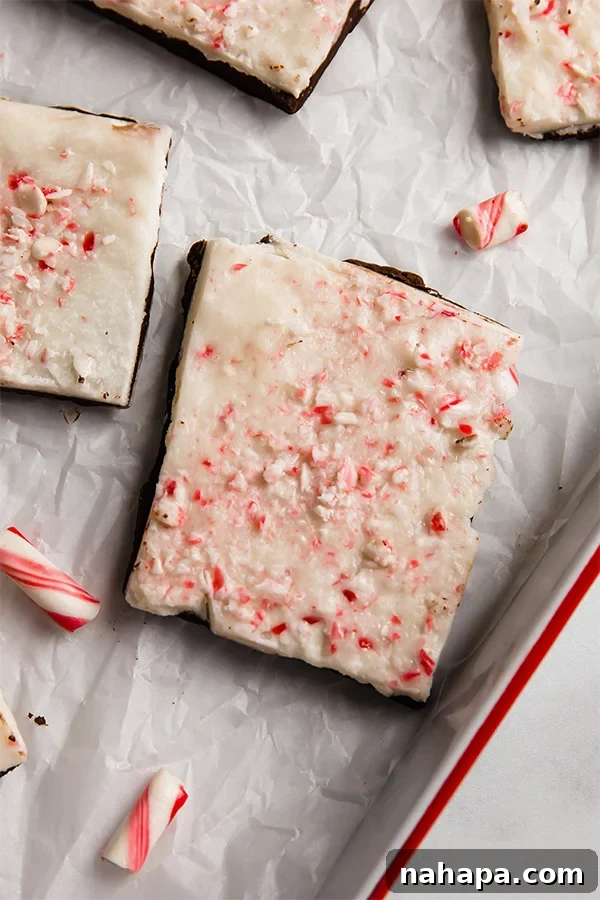
Making This Recipe Autoimmune Protocol (AIP) Compliant
The Autoimmune Protocol (AIP) is a powerful dietary approach designed to reduce inflammation and support healing. While it can be restrictive, it doesn’t mean you have to miss out on holiday cheer. Our Paleo Peppermint Bark is easily adaptable to be fully AIP compliant with just a couple of simple, yet impactful, swaps:
- Swap Chocolate Chips for Homemade Carob Chips: The primary adjustment for AIP is replacing traditional chocolate (even dairy-free versions) with carob. Cacao, the main ingredient in chocolate, is often avoided on AIP due to its stimulating compounds and potential for gut irritation in sensitive individuals. Carob, on the other hand, is a fantastic AIP-friendly alternative. It offers a naturally sweet, earthy flavor that beautifully complements peppermint. You can find AIP-compliant carob powder and make your own “chips” by melting carob powder with coconut oil and a touch of sweetener, or source pre-made AIP-friendly carob chips if available. This ensures you maintain the dark layer’s integrity without compromising your protocol.
- Opt for Pomegranate Seeds Instead of Candy Canes: Traditional candy canes are typically made with corn syrup and artificial dyes, both of which are excluded from the AIP diet. Pomegranate seeds offer a vibrant, natural alternative that adds a delightful tartness and a unique textural contrast to the bark. Their juicy burst of flavor and festive ruby-red color make them a surprisingly wonderful topping. Beyond being AIP-compliant, they introduce an additional layer of wholesome goodness and visual appeal that sets this bark apart from its conventional counterparts.
These simple modifications ensure that you can enjoy this delicious holiday treat while fully adhering to the principles of the Autoimmune Protocol. The result is a peppermint bark that is not only safe for AIP but also introduces exciting new flavors and textures that you might just come to prefer!
Tips for Success and Variations
Achieving perfect peppermint bark is simple, but a few insider tips can make all the difference, especially when working with dairy-free and AIP-friendly ingredients. Here’s how to ensure your bark turns out beautifully every time, along with ideas for creative variations:
Ensuring Perfect Layers
- Temperature Control is Key: For both the chocolate and coconut butter layers, use a double boiler method for gentle, even melting. This prevents scorching the chocolate and ensures the coconut butter melts smoothly without separating. If using a microwave, heat in short bursts (15-30 seconds) and stir thoroughly between each.
- Fully Hardened Layers: Be patient! Ensure the first chocolate layer is completely firm before pouring the coconut butter layer over it. If the bottom layer is still soft, the two layers might meld rather than create distinct, beautiful stripes.
- Even Spreading: Once poured, gently tilt the pan to spread the layers. Avoid using a spatula too vigorously, as this can cause the layers to mix or create uneven thickness. A smooth, even surface ensures uniform pieces.
Storage and Shelf Life
- Keep it Chilled: Due to the coconut oil and coconut butter, this bark is best stored in the refrigerator. It will soften at room temperature, especially in warmer environments.
- Airtight Container: Store your peppermint bark in an airtight container in the fridge for up to 2 weeks. This prevents it from absorbing other food odors and maintains its freshness and crisp texture.
- Freezing: For longer storage, you can freeze peppermint bark for up to 2-3 months. Wrap it tightly in parchment paper, then in foil, and place it in a freezer-safe bag or container. Thaw in the refrigerator before serving.
Creative Variations
- Citrus Zest: Add a teaspoon of orange or lemon zest to either the chocolate or coconut butter layer for a refreshing citrusy twist that complements the peppermint.
- Spice Infusion: A pinch of cinnamon or a tiny bit of ginger powder can add a warm, festive depth to the chocolate layer.
- Nutty Crunch: If not AIP, consider adding chopped toasted nuts (like almonds or pecans) to the bottom chocolate layer for an extra textural dimension.
- Coconut Flakes: Sprinkle toasted unsweetened coconut flakes over the top layer along with or instead of pomegranate seeds for an added tropical crunch.
- Color Fun: For a non-AIP version, a drop of natural food coloring (like spirulina for green or beet powder for red) could be added to the coconut butter layer for an extra festive look, though we love the natural beauty of the white layer!
With these tips and variations, your Paleo Peppermint Bark won’t just be a treat; it’ll be a versatile, customizable delight that you can adapt to any occasion or preference!
Frequently Asked Questions About Paleo Peppermint Bark
Making dietary-friendly versions of classic treats can sometimes raise questions. Here are some of the most common inquiries about our Paleo Peppermint Bark, along with helpful answers to ensure your success:
Q: Can I use a different sweetener instead of honey?
A: While honey is recommended for its flavor and paleo compliance, you can experiment with other liquid paleo sweeteners like maple syrup. Keep in mind that maple syrup has a distinct flavor that will subtly alter the taste profile, and it might be slightly thinner, so adjust the coconut oil amount if needed for consistency. Granulated sweeteners are not ideal for this recipe as they won’t dissolve properly in the coconut butter layer, leading to a grainy texture.
Q: How can I ensure my peppermint extract flavor is just right?
A: Peppermint extract can be potent. Start with the recommended ½ teaspoon per layer, then taste a tiny bit of the melted mixture (if safe and cool enough) before pouring. If you prefer a stronger mint flavor, add another ¼ teaspoon at a time, mixing well. Remember it’s easier to add more than to remove it!
Q: My coconut butter layer isn’t melting smoothly; what should I do?
A: Coconut butter can be quite stubborn, especially if it’s cool. Ensure your double boiler has simmering (not boiling) water and stir continuously. If it’s still clumpy, you might need to add a tiny bit more coconut oil (½ teaspoon at a time) to help it reach a smooth consistency. The key is gentle, consistent heat and patience. Overheating can cause it to become oily or seize.
Q: Can I make this bark thinner or thicker?
A: Absolutely! The thickness of your bark largely depends on the size of your baking pan. An 8×8 inch pan will yield a relatively thick bark. If you prefer thinner bark, use a larger pan, such as a 9×13 inch pan. Just remember that thinner bark will harden faster and may be more delicate to handle and slice.
Q: Is this peppermint bark suitable for gifting?
A: It’s perfect for gifting! Once hardened and sliced, arrange pieces in an attractive tin or box lined with parchment paper. Because it’s sensitive to warmth, advise the recipient to store it in the refrigerator. This makes for a thoughtful, homemade, and dietary-friendly gift that everyone will appreciate during the holidays.
Q: Can I use white chocolate chips if I’m only dairy-free, not paleo/AIP?
A: Yes, if you are only concerned with dairy-free and not strictly paleo or AIP, you can certainly use dairy-free white chocolate chips (ensure they are indeed dairy-free) in place of the coconut butter, coconut oil, and honey mixture for the top layer. This will give you a taste and texture closer to conventional peppermint bark while still being dairy-free.
We hope these answers help you confidently create a batch of delightful Paleo Peppermint Bark that becomes a new holiday tradition!
You’ll also love these other festive and healthy treats:
- Peppermint Mocha Collagen Pudding
- Chocolate Peppermint Truffles
- Paleo Thin Mint Cookies
Paleo Peppermint Bark
9 + servings
Michelle
Leave a Review
Pin Recipe
Ingredients
For the chocolate layer
-
1 cup
dairy-free chocolate chips, sub homemade carob chips for AIP -
1 tbsp
coconut oil -
½ tsp
peppermint extract
For the coconut butter layer
-
1 cup
coconut butter -
2 tbsp
coconut oil -
1 tbsp
honey -
½ tsp
peppermint extract
For topping
-
5-6
crushed yum earth candy canes, if tolerated - Or, pomegranate seeds for paleo/ AIP
Instructions
-
Line an 8×8″ baking pan with parchment paper and set aside.
-
Combine the chocolate chips and 1 tbsp coconut oil and melt over a double boiler method, or in the microwave until fully liquid. Add the peppermint extract and combine.
-
Pour the chocolate layer into the pan and allow to harden in the fridge for 1-2 hours.
-
Once the chocolate has hardened, melt the coconut butter and coconut oil together in a double boiler until liquid. Stir in the peppermint extract and honey.
-
Pour the coconut butter layer over the chocolate. Lightly tip the pan to evenly spread the coconut butter. Top with crushed candy canes or pomegranate seeds and transfer to the fridge to harden for 1-2 hours.
-
Once hardened, carefully slice into pieces of your desired size. Serve chilled
Serving: 1g
,
Calories: 361kcal
,
Carbohydrates: 30.1g
,
Protein: 3.2g
,
Fat: 26.4g
,
Fiber: 4g
Did you Make this Recipe?
Tag @unboundwellness on Instagram and hashtag #unboundwellness!
This post originally appeared on Unbound Wellness in 2016 and was updated in 2021.