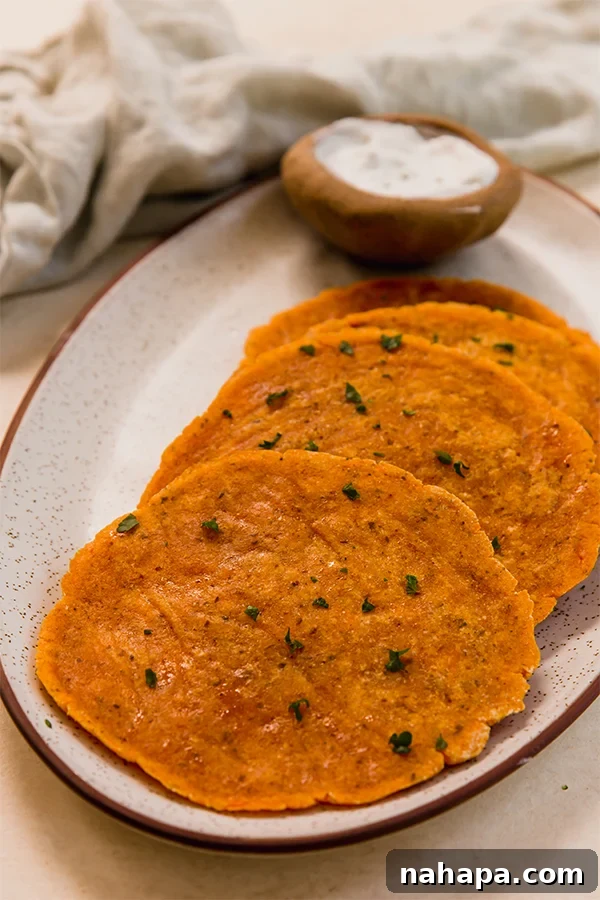
Discover the ultimate solution for your grain-free cravings with this incredible Sweet Potato Flatbread recipe! Crafted from simple, wholesome ingredients, this versatile flatbread is perfectly suited for a paleo and vegan lifestyle. Whether you’re seeking a delicious alternative to traditional bread or a flexible wrap for your favorite fillings, this recipe delivers on taste, texture, and dietary compatibility. Prepare to enjoy a truly satisfying and guilt-free culinary experience that will redefine your perception of healthy eating.
The Enduring Appeal of Grain-Free Living
For those who have embraced a gluten-free or grain-free diet, the longing for a comforting piece of bread can be surprisingly persistent. While store-bought alternatives have certainly improved over the years, there’s a unique satisfaction that comes from creating something homemade. This sweet potato flatbread was born from that very desire – a simple, homemade option that truly felt like indulging in a classic bread, without any of the grains. It’s not just a substitute; it’s a delightful culinary creation that offers a fresh perspective on healthy, mindful eating.
A Healthier Alternative: What Makes This Flatbread Special?
What truly sets this sweet potato flatbread apart is its remarkable nutritional profile and its alignment with various dietary preferences. It boasts an entirely grain-free and gluten-free composition, making it ideal for individuals with sensitivities or those following specific dietary protocols like paleo or vegan. The star ingredient, sweet potato, provides a rich source of vitamins, minerals, and dietary fiber, transforming a simple flatbread into a nutrient-dense meal component. By prioritizing natural, plant-based ingredients, this recipe offers a wholesome and delicious way to enjoy the texture and comfort of bread without compromising on health or taste. It’s a testament to how simple ingredients can create extraordinary and compliant culinary delights.
Taste and Texture Profile: A Culinary Delight
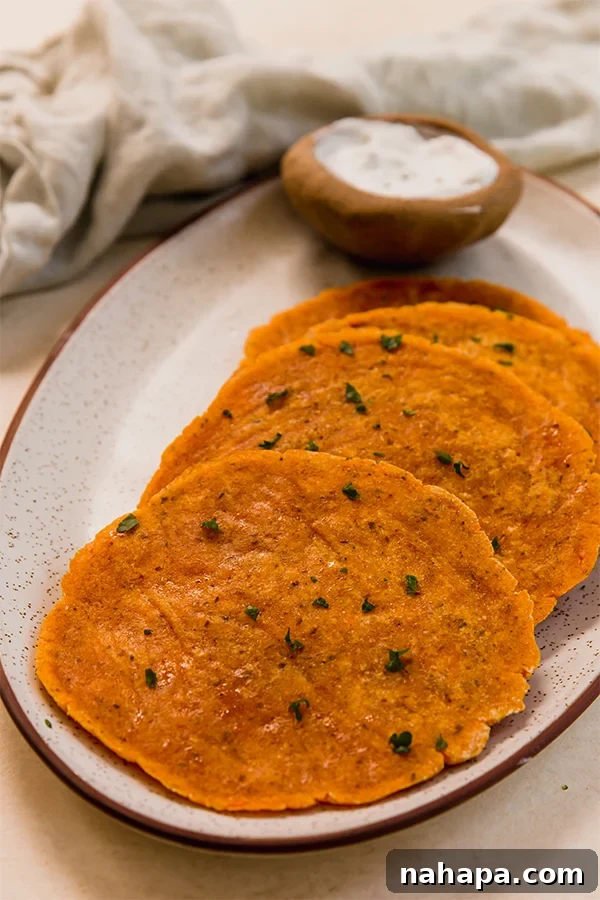
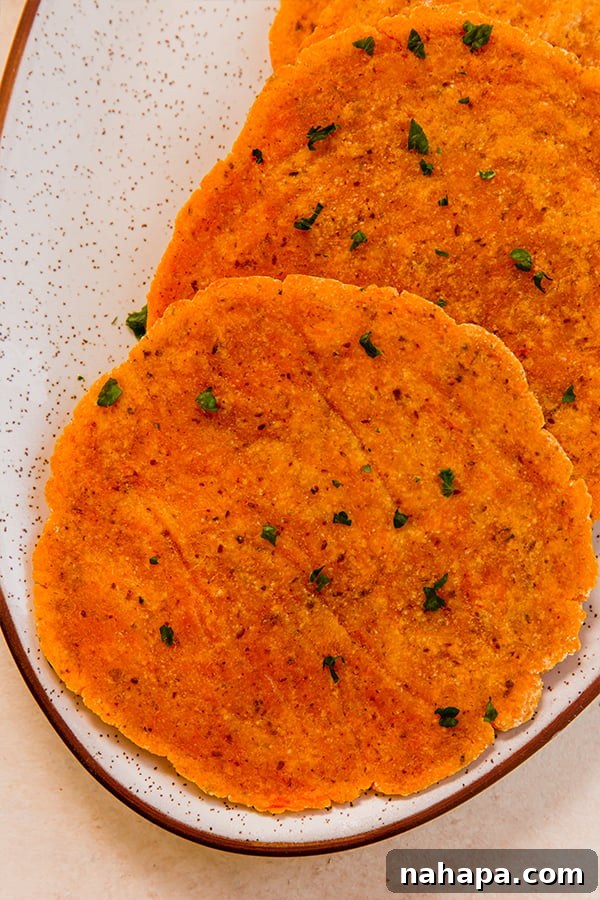
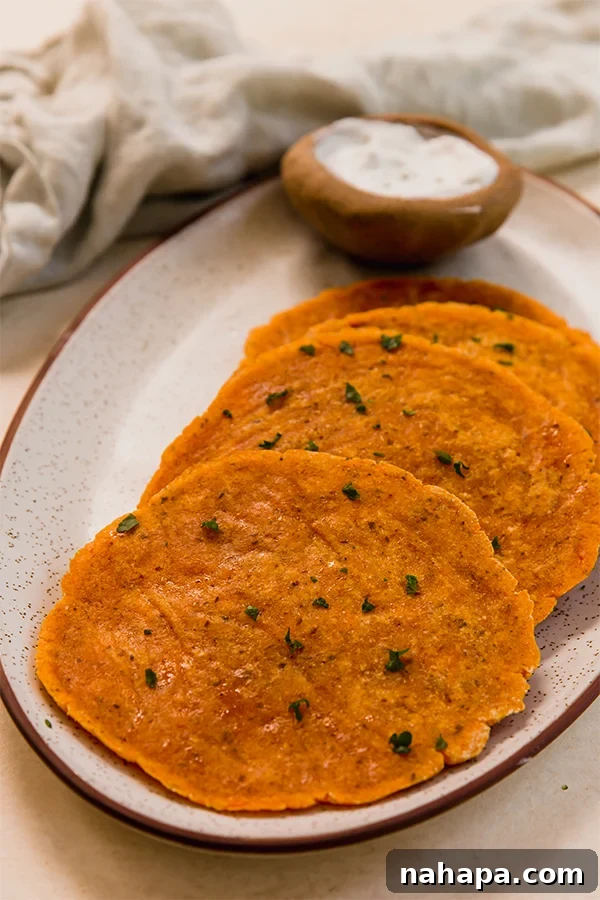
When it comes to flavor, this sweet potato flatbread offers a subtle, pleasant sweetness from the sweet potato itself, which is beautifully balanced and never overpowering. Importantly, if you’re not a fan of strong coconut flavors, you’ll be pleased to know that the coconut notes are minimal, allowing the natural essence of the sweet potato to shine through. The texture is where this flatbread truly excels: it’s wonderfully soft, delightfully chewy, and impressively flexible. Imagine a perfect hybrid between a soft corn tortilla and a traditional roti – that’s the experience you can expect. It’s robust enough that it won’t easily fall apart, yet pliable enough to bend, fold, and wrap with ease, much like a tortilla. While it’s slightly thicker than your average tortilla, making it less suitable for very tight rolls, this added thickness contributes to a more substantial and satisfying bite, akin to a warm piece of naan or roti. Each bite offers a harmonious blend of tenderness and resilience, creating a truly enjoyable eating experience.

Endless Culinary Possibilities: How to Enjoy Your Sweet Potato Flatbread
The versatility of this sweet potato flatbread is one of its most appealing features, opening up a world of culinary possibilities. Its flexible nature makes it an excellent stand-in for traditional tortillas, perfect for crafting delicious grain-free tacos, burritos, or even soft wraps filled with your favorite proteins and vegetables. While it has a delicate underlying sweetness, some might find it a touch too sweet for a classic savory pizza base. However, for those who enjoy a hint of sweetness with their savory, or if you’re open to experimenting, it can certainly be transformed into a unique pizza-style flatbread, perhaps with complementary toppings like caramelized onions and goat cheese. Beyond main dishes, it shines as an accompaniment to dips. Personally, I find it absolutely delightful when dipped into creamy yogurt or rich, homemade guacamole. Consider serving it alongside hearty stews, curries, or even using it to scoop up vibrant salads. For breakfast, you could even spread it with a nut butter and sliced fruit. The options are truly limitless, making this flatbread a staple for creative and healthy meal planning.
Wholesome Ingredients for a Wholesome Flatbread
Crafting this nutritious sweet potato flatbread requires just a few simple, yet powerful ingredients, each playing a crucial role in achieving its perfect texture and flavor:
- Sweet Potato: The foundation of our flatbread, providing natural sweetness, moisture, and a beautiful golden hue. For best results, baked and mashed sweet potato is recommended for its drier consistency compared to boiled. While orange sweet potatoes are typically used, white sweet potatoes are expected to yield similar results due to their comparable texture, though the flavor profile might be slightly less sweet.
- Arrowroot Starch: This essential ingredient acts as a primary binder and thickener, giving the flatbread its desired structure and chewiness in the absence of gluten. It contributes to the dough’s workability and the final product’s integrity.
- Coconut Flour: A fantastic grain-free flour known for its high fiber content and absorbent properties. It helps to create a soft yet sturdy texture, and a little goes a long way. It’s vital for achieving a balanced moisture level in the dough.
- Ground Flax Meal: This acts as a natural binding agent, often used as a “vegan egg” substitute in many recipes. It helps hold the flatbread together and adds a touch of healthy omega-3 fatty acids. If you’re following an Autoimmune Protocol (AIP) diet, you can omit the flax meal and compensate by adding a bit more arrowroot starch to maintain consistency.
- Salt: A pinch of salt is crucial for enhancing all the other flavors in the flatbread, balancing the sweetness of the sweet potato and bringing out the best in every bite.
- Parsley (Optional): Freshly chopped parsley serves as an optional garnish, adding a burst of freshness and a vibrant green color to the finished flatbread. It’s a simple touch that elevates the visual appeal and offers a complementary herbaceous note.
Crafting Your Perfect Sweet Potato Flatbread: A Step-by-Step Guide
Making this delightful sweet potato flatbread is an incredibly straightforward process. Follow these detailed steps to achieve perfect results every time:
Before you begin, ensure your oven is preheated to 350°F (175°C) and line a baking sheet with parchment paper, lightly greasing it to prevent sticking. This initial preparation is key for a smooth baking experience.
- Step 1: Combine the Dough Ingredients. In a large mixing bowl, combine the baked and mashed sweet potato with the arrowroot starch, coconut flour, ground flax meal (if using), and salt. Use a sturdy spoon or your hands to thoroughly mix the ingredients until they are fully incorporated and form a cohesive, slightly sticky dough. Ensure there are no dry pockets of flour remaining.
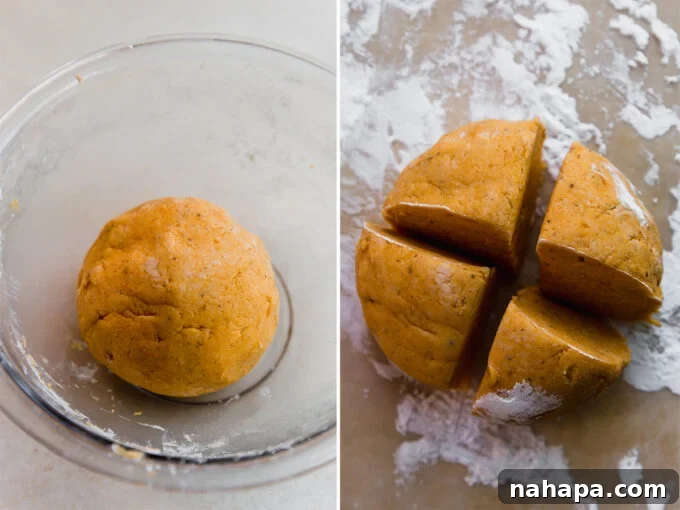
- Step 2: Prepare Your Workspace and Divide the Dough. Lightly dust a clean, flat surface with a bit of arrowroot starch to prevent the dough from sticking. This will be your rolling area. Form the entire dough mixture into a large, uniform ball. Using a sharp knife or dough scraper, divide this large ball into four equal slices. These will be your individual flatbreads.
- Step 3: Roll and Shape the Flatbreads. Working with one piece of dough at a time, gently roll it into a smaller ball and place it on your prepared baking sheet. Using your fingers or a rolling pin, carefully press and roll the dough into a flat, round piece, aiming for a thickness of about 1/8 inch. Pay attention to the edges, gently pinching them to create a neat, thick tortilla-like shape. Repeat this process for all four pieces of dough, ensuring they are evenly spaced on the baking sheet. Finally, lightly brush or spray the tops of the flatbreads with a small amount of oil; this will help them achieve a beautiful golden crust and prevent drying during baking.
- Step 4: Bake to Perfection. Carefully transfer the baking sheet to your preheated oven. Bake the flatbreads for a total of 30 minutes. Be sure to flip them halfway through the baking time (around the 15-minute mark) to ensure even cooking and browning on both sides. The flatbreads should be lightly golden and firm to the touch when done.
- Step 5: Cool and Serve. Once baked, remove the flatbreads from the oven and allow them to cool slightly on the baking sheet or a wire rack. Cooling is important as it allows the flatbreads to firm up and become more pliable. Before serving, sprinkle with fresh chopped parsley if desired for an added touch of flavor and visual appeal.
Expert Tips for Flatbread Perfection
Achieving the best sweet potato flatbreads involves a few key techniques and considerations:
- Optimize Sweet Potato Preparation: For the ideal dough consistency, always opt for baked and mashed sweet potato over boiled. Baking draws out moisture, resulting in a drier, less sticky mash that’s much easier to work with. If boiling is your only option, be absolutely meticulous about draining every drop of excess water to prevent a soggy dough. Overly wet dough will require more starch, altering the texture.
- Peeled Sweet Potato is Key: Ensure you remove the skin from your sweet potato before mashing. The skin can introduce unwanted texture and bitterness into your smooth flatbread.
- Customize Your Flavor Profile: While delicious on its own, this flatbread is a fantastic canvas for flavor experimentation. Feel free to add spices or herbs as desired. For a savory twist, consider incorporating garlic powder, onion powder, or a blend of dried Italian herbs directly into the dough mixture. A pinch of smoked paprika could also add an interesting depth.
- Don’t Overwork the Dough: Once the ingredients are combined, mix until just cohesive. Overworking the dough, especially with starch-based recipes, can sometimes lead to a tougher texture.
- Consistent Thickness for Even Cooking: When rolling, strive for an even thickness (around 1/8 inch) across all flatbreads. This ensures they cook uniformly and reach the desired texture at the same time. Uneven thickness can result in some parts being undercooked or overly crispy.
- Storage and Reheating: Store leftover flatbreads in an airtight container at room temperature for up to 2 days, or in the refrigerator for up to 4 days. To reheat, a quick warm-up in a dry skillet over medium heat for 1-2 minutes per side, or a few seconds in the microwave, will restore their softness and warmth.
Frequently Asked Questions (FAQs)
Here are answers to some common questions you might have about making this sweet potato flatbread:
Can I use other sweet potato varieties other than orange?
While this recipe traditionally calls for orange sweet potatoes, I haven’t personally tested it with other varieties like white or purple sweet potatoes. However, given their similar starch content and texture, I anticipate that white sweet potato should work similarly. The flavor might be slightly different, and the color will certainly vary, but the structural integrity should remain. If you try it with another variety, ensure it’s cooked and mashed to a similar dry consistency.
Can I use tapioca starch instead of arrowroot?
Yes, tapioca starch is a common and often interchangeable substitute for arrowroot starch in many recipes, particularly for binding and thickening. Although I haven’t specifically tested this particular flatbread recipe with tapioca starch, it should yield similar results. Both starches are excellent gluten-free binders and provide a desirable chewiness. You can use a 1:1 ratio for substitution.
Is the ground flax meal essential for binding?
The ground flax meal definitely aids in binding the ingredients together, contributing to the flatbread’s structural integrity and preventing it from crumbling. However, if you are following a strict Autoimmune Protocol (AIP) diet, flax seeds are typically excluded. In such cases, you can absolutely leave out the ground flax meal. To compensate for its binding properties, I recommend adding an additional teaspoon of arrowroot starch to your dough mixture. Be a little more cautious when handling and flipping the flatbreads during baking, as they might be slightly more delicate without the flax.
Can I make these ahead of time or freeze them?
Absolutely! This sweet potato flatbread is excellent for meal prepping. You can make a batch ahead of time and store them in an airtight container at room temperature for 2-3 days, or in the refrigerator for up to 5 days. For longer storage, these flatbreads freeze beautifully. Once completely cooled, layer them with parchment paper and place them in a freezer-safe bag or container for up to 2-3 months. To reheat from frozen, you can gently warm them in a dry skillet over medium heat until pliable and heated through, or pop them in a toaster oven.
Troubleshooting: Why is my flatbread falling apart or too wet?
If your flatbread is too wet, the most common culprit is excessive moisture in your sweet potato mash. Ensure your sweet potato is baked (not boiled) and very well mashed without any lumps. If you did boil it, squeeze out as much water as possible before adding other ingredients. If the dough still feels too wet, gradually add a small amount (1-2 teaspoons) of extra arrowroot starch until it reaches a manageable, non-sticky consistency. If it’s falling apart during handling, it might lack sufficient binding. Ensure you’ve measured the arrowroot starch and flax meal (if using) accurately. If AIP and omitting flax, be extra gentle during handling, as noted above.
Explore More Delicious Grain-Free Recipes
If you loved this sweet potato flatbread, you’re sure to enjoy these other wholesome and grain-free recipes from our collection:
- Sweet Potato Norwegian Lefse: A unique and flavorful twist on a traditional favorite, perfect for paleo and AIP diets.
- No-Knead Gluten-Free Bread: A simple, fuss-free recipe for delicious gluten-free bread that requires minimal effort.
- Easy Gluten-Free Garlic Bread: The perfect companion to any meal, this garlic bread is packed with flavor and entirely gluten-free.
Sweet Potato Flatbread
Leave a Review
Pin Recipe
Ingredients
- 1 cup sweet potato, baked and mashed
- ¾ cup arrowroot starch
- ¼ cup coconut flour
- 1 tsp flax meal, see notes for AIP substitution
- ½ tsp salt
- Chopped parsley for garnish if desired
Instructions
- Preheat the oven to 350 F (175 C) and line a baking sheet with lightly greased parchment paper.
- Add the sweet potato to a bowl along with the arrowroot starch, coconut flour, flax meal, and salt. Stir until a dough forms and the ingredients are fully incorporated.
- Prepare a clean surface and lightly dust with arrowroot starch, and set the baking sheet to the side of your workstation.
- Form the dough into a large ball and add it to the surface. Slice into 4 even pieces.
- Working with one piece of dough at a time, roll it into a ball and add it to the baking sheet. Lightly press the dough into a flat, round piece about 1/8″ thick, and use your fingers to pinch the edges together for a neat finish. Your flatbread should resemble a thick tortilla. Repeat with all of the dough, ensuring even spacing on the baking sheet. Lightly brush or spray the top of the flatbreads with oil.
- Bake in the preheated oven for 30 minutes, carefully flipping halfway through to ensure even cooking and browning.
- Allow to cool slightly before serving. Garnish with chopped parsley on top if desired.
Notes
- For AIP, substitute the flax meal with 1 tsp additional arrowroot starch. Handle the bread carefully when flipping, as it may be more delicate.
- The sweet potato should be peeled and mashed. For best results, bake the sweet potato, as it yields a drier mash than boiled. If using boiled sweet potato, ensure to fully drain any excess water to avoid a sticky dough.
- All nutritional information provided are estimations and will vary based on ingredients and preparation. Estimations do not include optional garnish ingredients.