
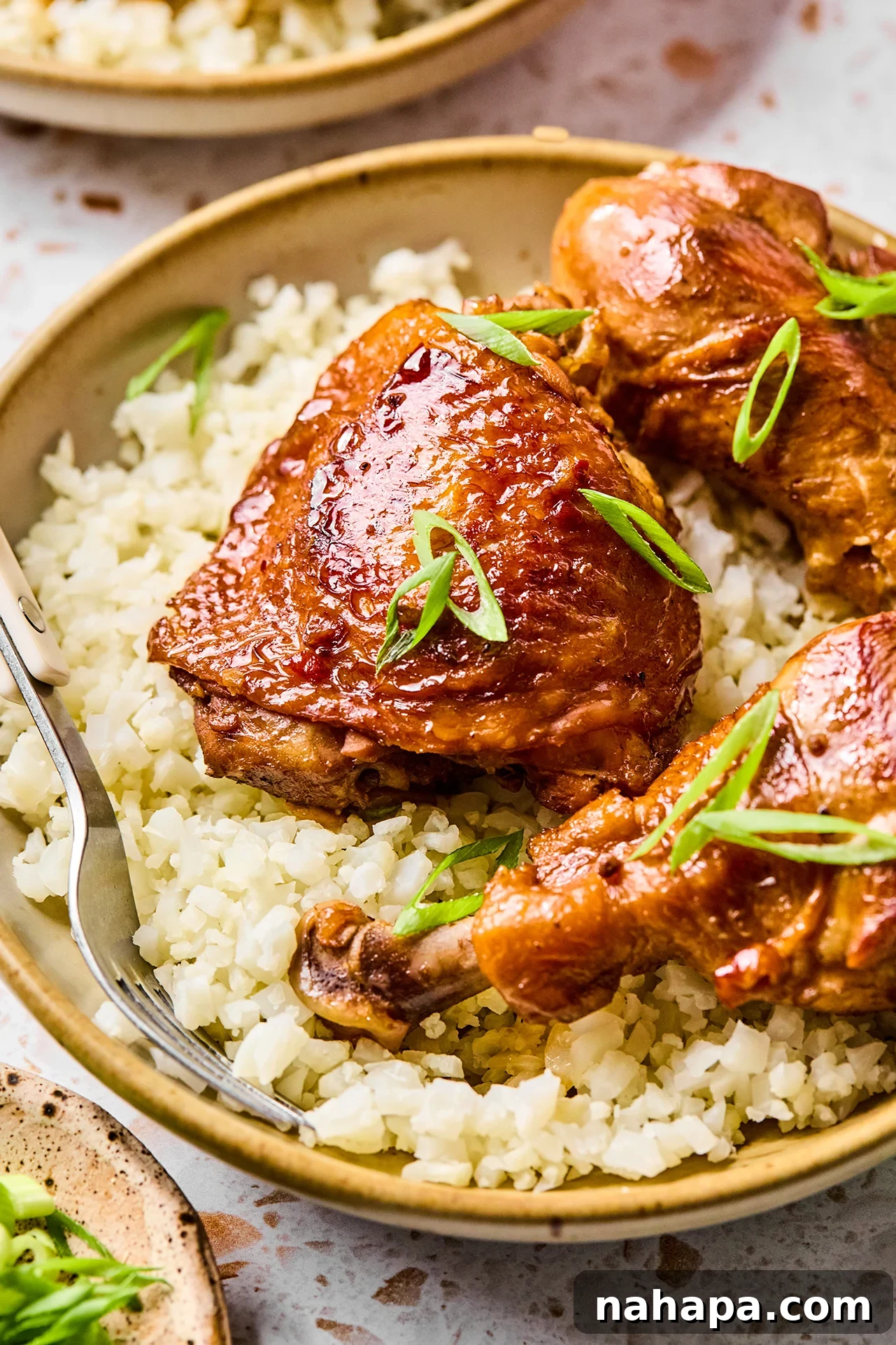
Welcome to a culinary journey that brings the vibrant flavors of the Philippines right into your kitchen! This incredibly delicious and remarkably simple Filipino Chicken Adobo recipe is a testament to the country’s rich gastronomic heritage. Celebrated for its unique balance of savory, sour, and subtly sweet notes, Adobo is not just a dish; it’s a staple, a comfort food, and a source of national pride. Our rendition makes this beloved classic accessible to everyone, crafting a deeply flavorful, garlicky main dish that is not only easy to prepare but also naturally gluten-free, soy-free, and wholesome. Get ready to transform everyday chicken into an extraordinary culinary experience that promises to become a cherished favorite in your household.
Unveiling Filipino Chicken Adobo: A Beloved Culinary Icon
Filipino Chicken Adobo holds a special place in the hearts of many, representing the unofficial national dish of the Philippines. More than just a recipe, “Adobo” refers to a cooking process that involves slowly stewing meat, seafood, or vegetables in a rich, tangy sauce. This iconic method typically features vinegar, soy sauce, abundant garlic, black peppercorns, and bay leaves. The beauty of Adobo lies in its countless regional variations; almost every Filipino family has its own cherished version, passed down through generations, making it a deeply personal and culturally significant dish.
The distinctive and captivating flavor profile of Adobo is what truly sets it apart on the global culinary stage. The vinegar, often cane or coconut vinegar in traditional recipes, provides a bright, piquant tang that perfectly cuts through the richness of the protein. Traditionally, soy sauce contributes a fundamental salty, umami depth, while generous amounts of fresh garlic infuse the dish with its signature pungent aroma and robust taste. Whole black peppercorns add a subtle, earthy heat, and bay leaves impart a delicate, aromatic complexity that becomes more pronounced during the slow cooking process. The magic happens as the chicken (or other protein) slowly braises, allowing all these powerful ingredients to meld and harmonize, resulting in incredibly tender, fall-off-the-bone meat enveloped in a thick, glossy, and intensely savory sauce.
Our carefully crafted recipe for Filipino Chicken Adobo respects the essence of this traditional dish while thoughtfully adapting it to meet modern dietary needs. By substituting traditional soy sauce with coconut aminos and opting for apple cider vinegar, we’ve created a version that is both entirely gluten-free and soy-free. This ensures that a wider audience can savor the comforting and unforgettable taste of authentic Filipino Chicken Adobo without any dietary compromises. It’s a hearty, satisfying, and profoundly flavorful meal that truly captures the essence of Filipino home cooking, ready to become a cherished part of your own culinary repertoire.
Table of contents
- What is Filipino chicken adobo?
- Why you’ll make this recipe on repeat
- How to make this Filipino chicken adobo recipe
- Recipe Ingredients
- Other Gluten-Free Chicken Recipes to Try…
- Michelle’s Tips & Tricks
Why This Gluten-Free Chicken Adobo Will Become Your Go-To Recipe
If you’re eager to break free from your usual weeknight dinner routine and infuse your meals with exciting new flavors, this Filipino Chicken Adobo is the perfect culinary adventure. It’s an excellent way to introduce diverse tastes to your table without needing complicated steps or sourcing obscure ingredients. Here’s a closer look at why this particular recipe stands out and why you’ll undoubtedly find yourself making it again and again:
- Effortless One-Pan Wonder: Say goodbye to a sink full of dishes! This entire, exquisite meal comes together beautifully in just one pan or Dutch oven. From searing the chicken to simmering it in its deeply aromatic sauce, the process is streamlined. This not only simplifies cooking but also significantly cuts down on cleanup time, making it an ideal choice for busy weeknights or for those times when you crave delicious food with minimal fuss.
- Thoughtfully Allergen-Friendly: A common concern with traditional Adobo is the presence of soy sauce, which contains gluten. Our recipe masterfully addresses this by replacing soy sauce with coconut aminos, a fantastic alternative that delivers a similar savory, umami depth without any soy or gluten. This thoughtful adaptation ensures that individuals with gluten sensitivities, soy allergies, or those following a Whole30 or AIP diet can safely and wholeheartedly enjoy this comforting classic without sacrificing an ounce of its authentic taste.
- Rich, Complex Flavors Made Simple: Despite its deeply layered and sophisticated flavors, this adobo recipe utilizes straightforward techniques and readily available ingredients. The true magic unfolds during the extended marinating and slow simmering process, which allows the pungent garlic, tangy vinegar, and savory aminos to fully penetrate the chicken. This creates an incredibly satisfying and harmoniously balanced dish that tastes like it took hours of complex work, but is surprisingly simple to achieve.
- Perfect for Savvy Meal Preppers: One of the best qualities of Filipino Adobo is that it tastes even better the next day, as the flavors have more time to meld and deepen. This characteristic makes it an exceptional candidate for meal prepping. You can easily cook a larger batch on a Sunday, portion it out, and enjoy flavorful, ready-to-eat meals throughout your busy week. It reheats beautifully and consistently delivers on taste.
- Wholesome and Nourishing: Prioritizing your well-being, this adobo is crafted with high-quality chicken, natural vinegars, and wholesome seasonings. It’s free from artificial ingredients and packed with lean protein, providing a substantial and nourishing meal option for you and your entire family. It’s feel-good food that also does good for your body.
- Incredibly Versatile Pairing: While this Filipino Chicken Adobo is undeniably delicious on its own, it also pairs beautifully with a wide array of sides. Whether you prefer the classic accompaniment of fluffy white rice, a lighter, low-carb option like cauliflower rice, or even a medley of steamed or sautéed vegetables, its rich sauce complements virtually anything. Its versatility makes it an excellent and flexible addition to any meal plan.

Crafting Your Perfect Gluten-Free Filipino Chicken Adobo: Step-by-Step Guide
Embark on your culinary journey to create this mouthwatering Filipino Chicken Adobo with these simple, illustrated steps. Each stage is designed to build layers of flavor, ensuring a truly authentic and satisfying result. For precise measurements and comprehensive instructions, please make sure to consult the detailed recipe card provided further down this article.
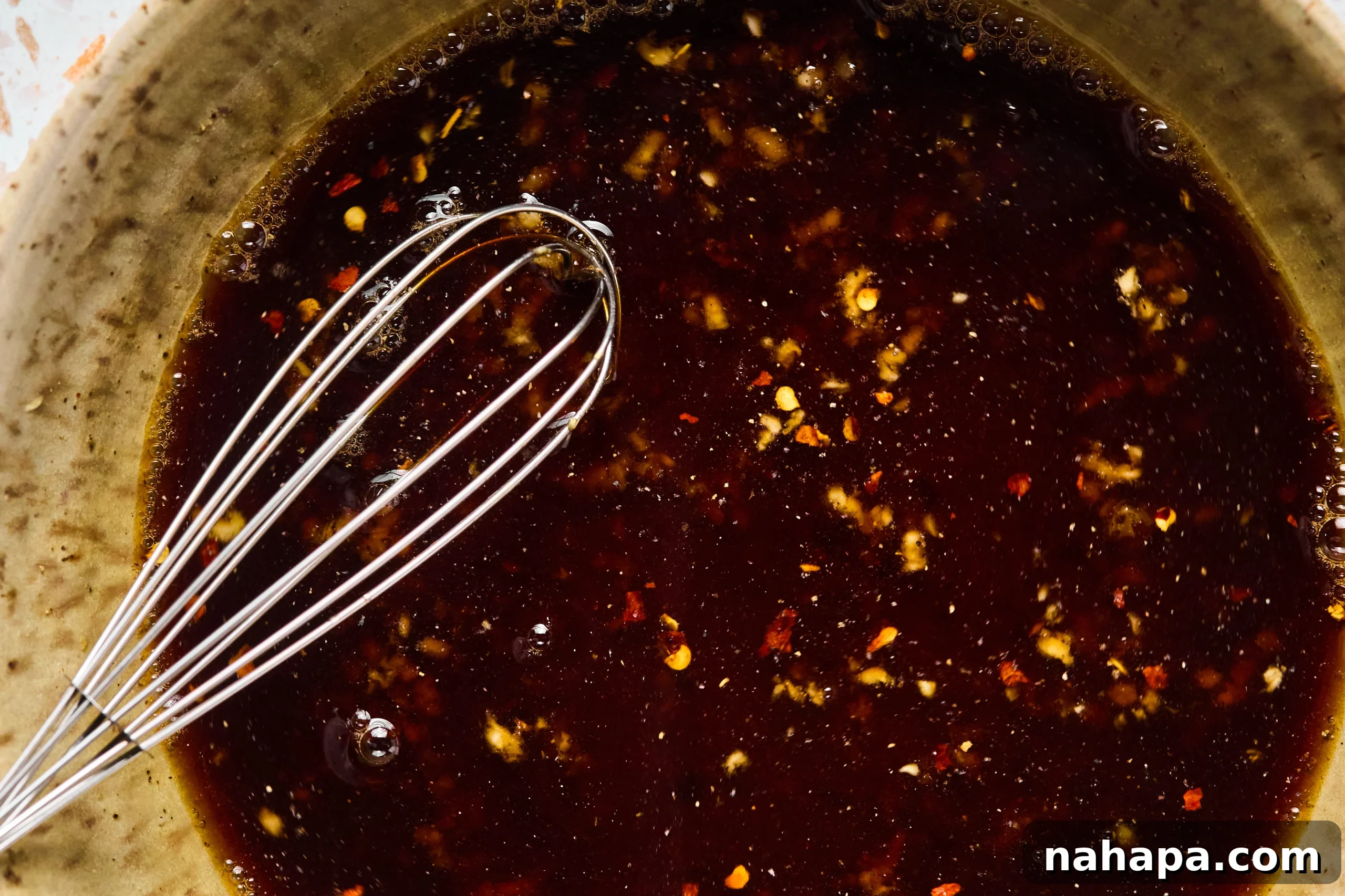
Step one: Prepare the Flavorful Marinade. Begin by ensuring your chicken pieces are patted thoroughly dry to remove any excess moisture, which helps achieve a better sear later. In a spacious mixing bowl, combine the apple cider vinegar, coconut aminos, generously minced fresh garlic, sea salt, and black pepper (if you are including it in your diet). Whisk all these ingredients vigorously until they are thoroughly blended and emulsified, creating a fragrant, perfectly balanced marinade that will infuse your chicken with incredible, complex flavors.
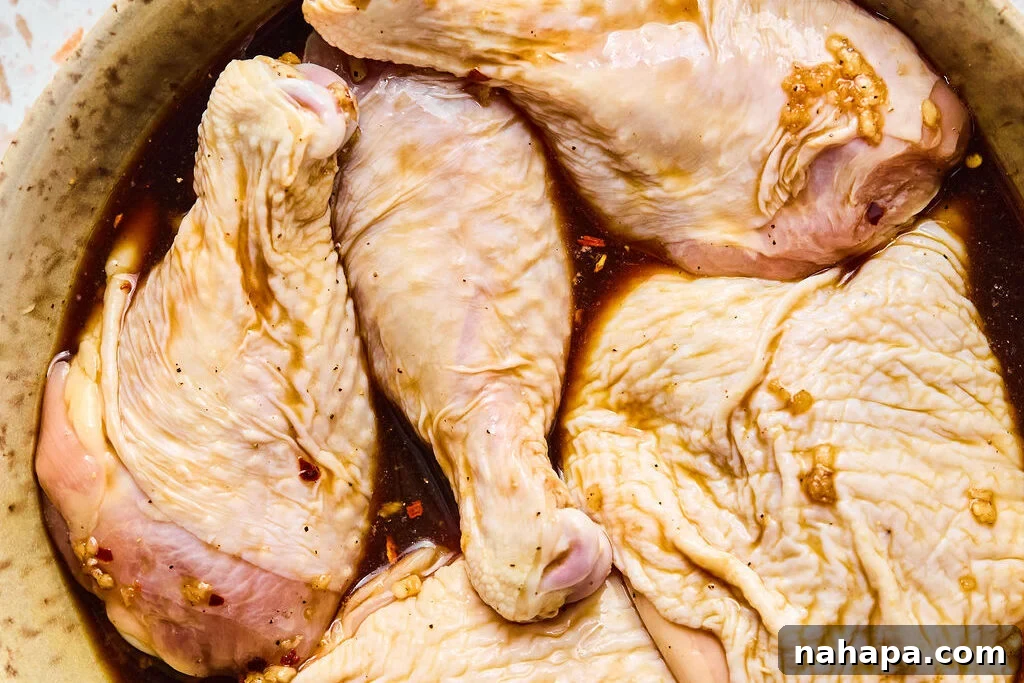
Step two: Marinate the Chicken for Maximum Flavor Infusion. Carefully add your prepared chicken pieces (we highly recommend a mix of thighs and drumsticks for optimal flavor and tenderness) to the marinade mixture in the bowl. Toss them gently but thoroughly, ensuring that each piece is completely coated with the aromatic liquid. Cover the bowl securely with a lid or plastic wrap and refrigerate for at least 1 to 3 hours. For the deepest, most authentic flavor profile and incredibly tender results, consider extending the marinating time overnight (up to 24 hours).

Step three: Sear the Chicken to Golden Perfection. In a large, deep skillet or a sturdy Dutch oven, heat the avocado oil over medium-high heat until it shimmers. Once the oil is hot, use tongs to carefully place the marinated chicken pieces into the pan, ensuring not to overcrowd it (cook in batches if necessary). Sear the chicken for approximately 3 to 4 minutes on each side until a beautiful light golden-brown crisp forms on the skin. This crucial step locks in juices and adds a delightful texture and depth of flavor to the finished dish. Remember to reserve any remaining marinade in the bowl!
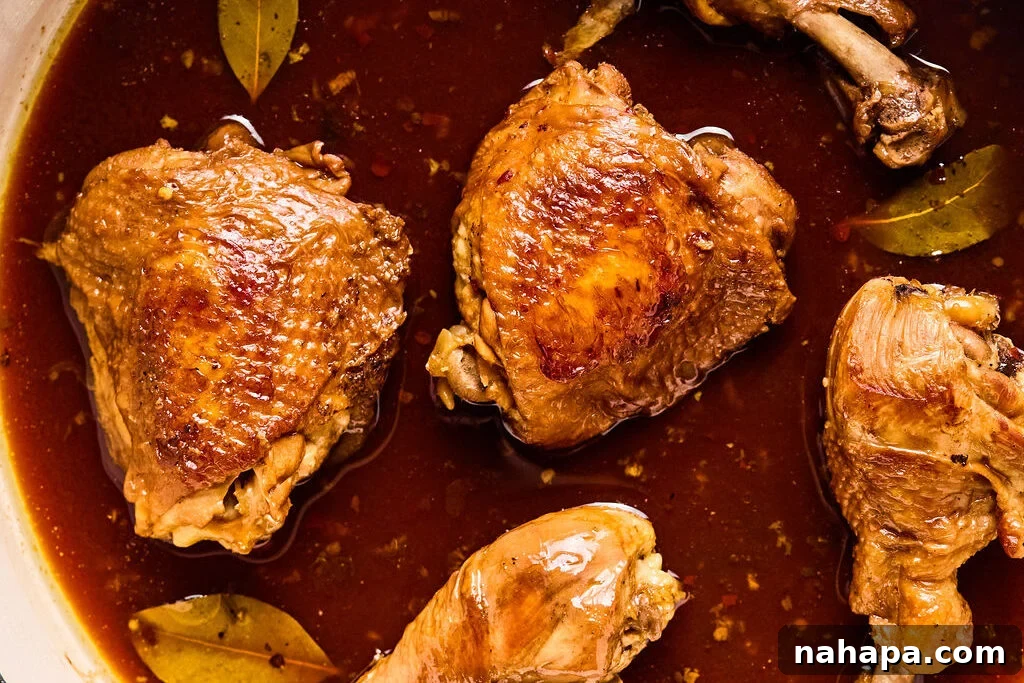
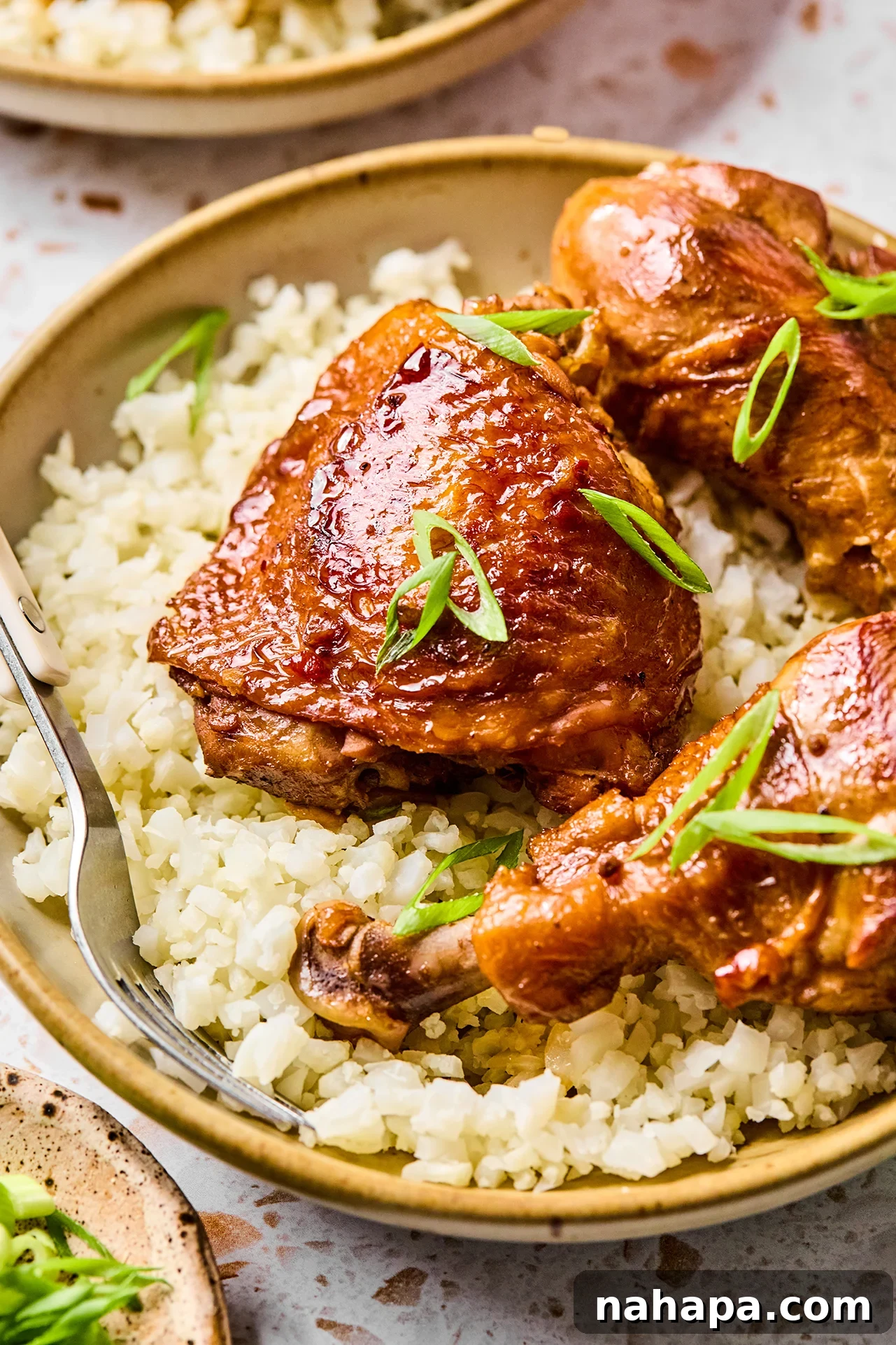
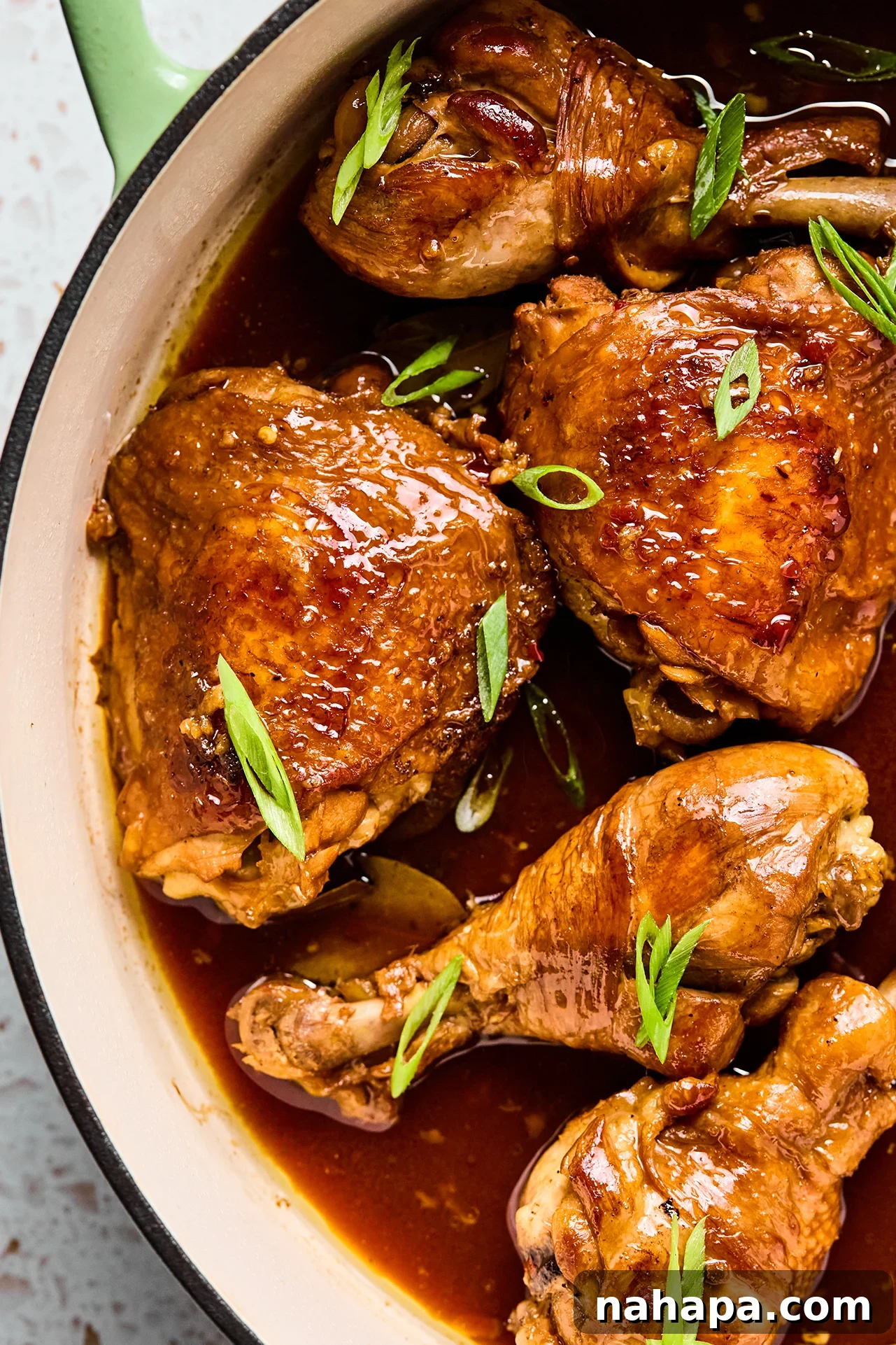
Step four: Simmer to Rich, Tender Perfection. Once the chicken is seared, pour the reserved marinade into the pan, scraping up any browned bits from the bottom. Add the bay leaves, coconut sugar (if using for sweetness), and water. Bring the entire mixture to a gentle simmer, then immediately reduce the heat to low. Cover the pan securely with a lid and allow the adobo to simmer for approximately 30 minutes, or until the chicken is fork-tender and cooked through, and the sauce has reduced and thickened to a rich, glossy consistency. Before serving, carefully remove and discard the bay leaves. Serve this delectable dish hot, garnished generously with fresh chopped green onion, and alongside fluffy cauliflower rice or your preferred accompaniment for a truly satisfying and memorable meal.
Essential Ingredients for Your Gluten-Free Chicken Adobo
Crafting the perfect Filipino Chicken Adobo begins with selecting high-quality ingredients. Our recipe thoughtfully uses specific components to ensure an authentic taste while strictly adhering to gluten-free and soy-free requirements. Below is a detailed exploration of what you’ll need, the role each element plays, and potential considerations for substitutions. For exact quantities, please refer to the comprehensive recipe card located at the conclusion of this article.
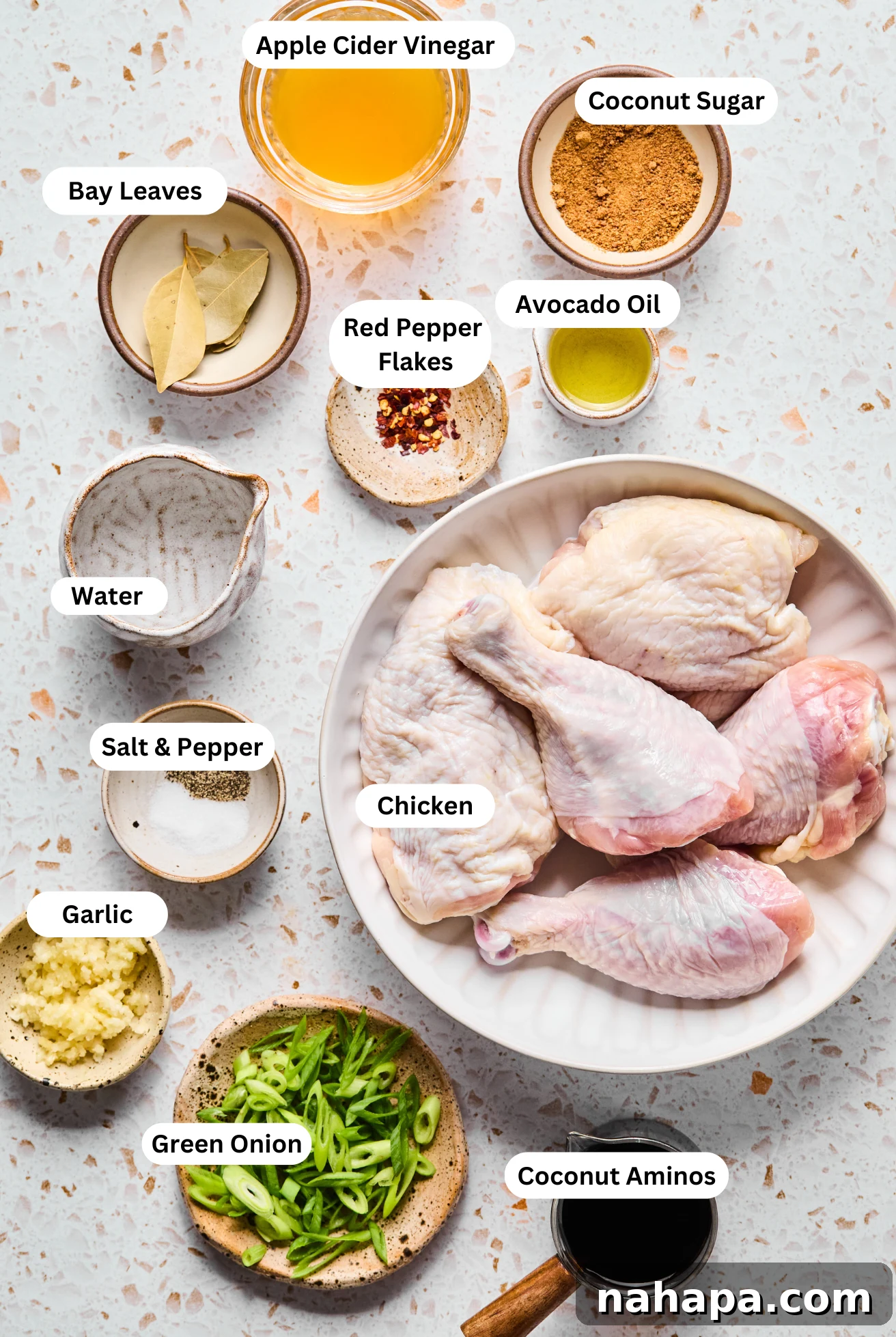
| Ingredient | Role & Why It’s Chosen | Potential Swaps & Considerations |
| Chicken Thighs & Drumsticks | These cuts are paramount for Adobo due to their bone-in, skin-on nature and higher fat content. This ensures the chicken remains incredibly moist, tender, and flavorful during the slow braising process. They absorb the marinade exceptionally well, contributing to a rich, deeply flavored dish with varied textures. | You can certainly use a whole chicken, expertly cut into pieces, or even bone-in chicken breasts. However, breasts might cook faster and have a tendency to dry out if overcooked. Boneless, skinless cuts are an option for convenience, but they may yield slightly less flavor and require a reduced simmering time. |
| Apple Cider Vinegar (ACV) | ACV is a cornerstone of this recipe, imparting the distinctive tangy and slightly fruity sourness that is characteristic of Adobo. We specifically choose ACV in this version to bypass traditional white vinegar, which often contains corn derivatives that some individuals are sensitive to. It offers a mellow yet potent acidity that perfectly balances the dish. | Traditional white vinegar (ensure it’s corn-free if sensitive) or rice vinegar can serve as alternatives. Keep in mind that rice vinegar typically has a sweeter and less acidic profile, so you might need to adjust the quantity to achieve your desired level of tang. |
| Coconut Aminos | This is the hero ingredient that makes our Adobo soy-free and gluten-free. Coconut aminos are a savory, slightly sweet condiment produced from the fermented sap of coconut blossoms. They deliver a remarkable umami depth, very similar to soy sauce, but without any soy or gluten, making them an ideal choice for allergen-friendly diets. | Liquid aminos can be used as an alternative, but exercise caution with their salt content, which is generally higher than coconut aminos. If opting for liquid aminos, significantly reduce the amount of added sea salt and taste test the sauce carefully before adding more. |
| Coconut Sugar | A small amount of coconut sugar is included to expertly balance the vibrant acidity of the vinegar and the savory notes of the aminos. It introduces a subtle, earthy sweetness that rounds out the overall flavor profile and aids in achieving that beautiful, glossy caramelization of the sauce. | Date sugar is an excellent natural sweetener alternative. For those following strict Whole30 or Ketogenic diets, the coconut sugar should be omitted entirely. The dish remains robustly flavorful without it. |
| Avocado Oil | Selected for its exceptionally high smoke point and neutral flavor, avocado oil is perfect for searing the chicken without imparting any undesirable taste. It’s a healthy, versatile fat, well-suited for high-heat cooking and a variety of culinary applications, including Asian-inspired dishes. | Refined coconut oil (ensure it’s refined if you wish to avoid a coconut flavor) or another neutral, high-heat cooking oil such as grapeseed oil can be used as substitutes. |
| Fresh Garlic, Minced | Garlic is absolutely non-negotiable in Filipino Adobo; it forms the very aromatic foundation and provides the deep, pungent flavor that is quintessential to the dish. Using fresh, finely minced garlic in a generous quantity is paramount for that vibrant, authentic garlicky punch. | While garlic powder can be a last-resort substitute, fresh garlic is profoundly recommended for superior flavor and aroma. Pre-minced garlic from a jar offers convenience but typically lacks the intensity of freshly minced cloves. |
| Bay Leaves | Bay leaves are essential for infusing the adobo sauce with a subtle, herbaceous, and slightly floral depth. They release a delicate aroma during the simmering process, which enhances the overall complexity and traditional character of the dish. | Dried bay leaves work perfectly fine if fresh ones are unavailable. In a pinch, a very small amount of dried oregano might offer a somewhat similar herbaceous note, though the overall flavor profile will be distinctly different. |
| Sea Salt & Black Pepper | Sea salt is crucial for enhancing and harmonizing all the other flavors, bringing them into perfect balance. Freshly ground black pepper adds a subtle, earthy warmth and a mild kick. Note that whole peppercorns are often traditionally used for a more nuanced spice. Black pepper should be omitted for those adhering to an AIP (Autoimmune Protocol) diet. | Always adjust salt levels to your personal preference, especially when experimenting with different types of aminos, as their sodium content can vary. For AIP, strictly omit black pepper and any red pepper flakes. |
| Water | Water is added to establish the ideal consistency for the braising liquid, allowing the chicken to cook slowly and achieve maximum tenderness while the rich flavors meld together. It also forms the essential base for the final, thickened sauce. | For an added layer of flavor and richness, chicken broth or vegetable broth can be used instead of water. If using broth, be mindful of its sodium content and adjust the added sea salt accordingly. |
| Green Onion, Chopped | As a fresh garnish, finely chopped green onion provides a bright, slightly pungent finish and a vibrant pop of color to the rich, dark adobo. It offers a wonderful contrast in both texture and taste, enhancing the presentation and freshness of the dish. | While green onion is most traditional, fresh cilantro or parsley could be used for a different fresh herb garnish, offering an alternative flavor profile. |
| Optional: Red Pepper Flakes | For those who appreciate a gentle warmth and a bit of spicy zest, a pinch of red pepper flakes can be added to the marinade or during the simmering stage. This introduces a pleasant heat without overpowering the intricate flavors of the adobo. | This ingredient should be completely omitted for AIP diets or if you simply prefer a milder dish. For a more intense spice, freshly chopped bird’s eye chilies (siling labuyo) can be used with caution. |
If you tried this Gluten-Free Filipino Chicken Adobo or any other recipe on our blog, please consider leaving a 🌟 star rating and sharing your experience in the 📝 comments below. Your feedback is greatly appreciated!
Explore More Gluten-Free Chicken Recipes…
- Paleo Mongolian Chicken
- Wholesome Turmeric Chicken Curry
- Teriyaki Chicken Meatball Meal Prep (Gluten-Free)
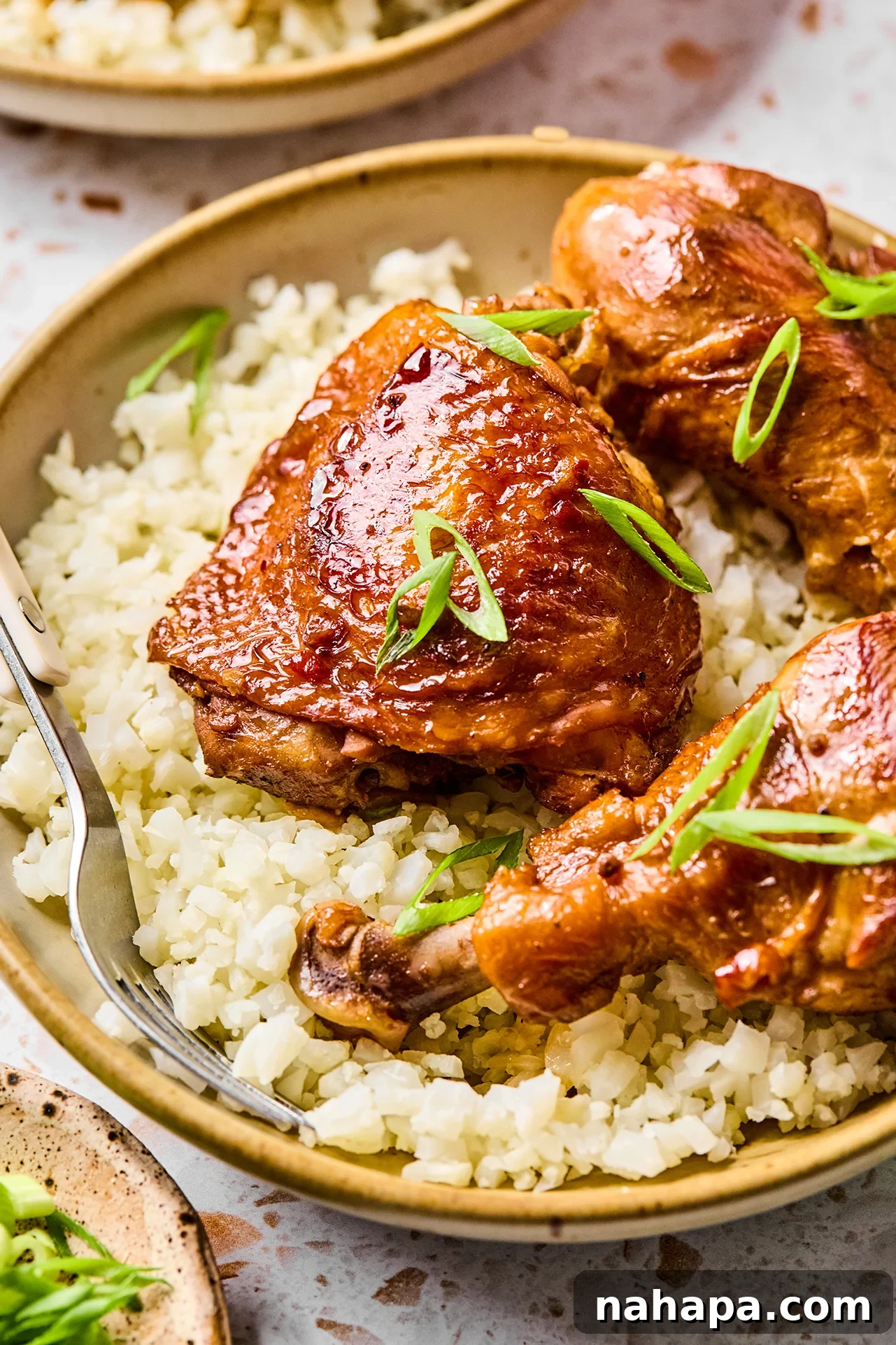
Filipino Chicken Adobo (Gluten Free)
This Filipino Chicken Adobo is a garlicky, flavorful main dish that’s simple to make and delicious! It’s gluten-free, soy-free, and all-around wholesome.
Leave a Review
Pin Recipe
Ingredients
- 1 ½ lb chicken thighs & drumsticks
- ½ cup apple cider vinegar
- ⅓ cup coconut aminos
- 6 cloves garlic, minced
- 1 tsp sea salt
- ⅓ tsp black pepper, omit for AIP
- 2 tbsp avocado oil
- 4 bay leaves
- 2 tsp coconut sugar, omit for Whole30 and Keto
- ⅓ cup water
- 1 tbsp green onion, chopped
- Optional: pinch of red pepper flakes, omit for AIP
Instructions
- Pat the chicken dry to remove any excess moisture and set aside.
- Using a large bowl, combine the apple cider vinegar, coconut aminos, garlic, salt, and pepper and whisk well to combine.
- Add the chicken to the marinade mixture and stir to coat. Cover the bowl and allow to marinate in the fridge for 1-3 hours (or overnight).
- Using a large deep skillet, heat the avocado oil over medium-high heat. Use tongs to add the chicken to the pan, reserving the marinade. Cook the chicken for 3-4 minutes on each side to lightly crisp.
- Add in the marinade, bay leaves, coconut sugar, and water and bring to a low simmer. Cover the pan and allow to simmer for 30 minutes or until the sauce is reduced and thick.
- Remove from the heat and serve topped with fresh green onion, and cauliflower rice if desired.
Nutrition Information (Estimated)
- Serving: 1 serving
- Calories: 165 kcal
- Carbohydrates: 5.8g
- Protein: 13g
- Fat: 9.5g
- Fiber: 0.6g
Chef’s Secrets: Michelle’s Tips and Tricks for Perfect Chicken Adobo
Elevate your Filipino Chicken Adobo from simply delicious to absolutely unforgettable with these expert tips and culinary insights:
- Master the Marinating Time for Deeper Flavor: While a minimum of one hour of marinating will impart some flavor, extending this time is highly recommended for truly maximizing the depth of taste. Marinating the chicken overnight (ideally 12-24 hours) in the refrigerator allows the garlic, vinegar, and coconut aminos to deeply penetrate the meat, resulting in an incredibly rich, complex, and authentic Adobo flavor that truly stands out. Don’t rush this crucial step if you have the foresight and time!
- Choose Your Chicken Cuts Wisely: Our recipe specifically calls for bone-in, skin-on chicken thighs and drumsticks. These cuts are ideal because their higher fat content and bone presence ensure the chicken remains incredibly moist, tender, and flavorful during the slow braising process, preventing it from drying out. However, feel free to adapt to your preferences. You can easily use a whole chicken, expertly butchered into separate pieces (thighs, wings, drumsticks, breasts, etc.). Just ensure the pieces are roughly uniform in size to promote even cooking. If opting for boneless, skinless cuts, be aware that they cook faster and might require a slight reduction in simmering time to prevent them from becoming dry.
- Achieving the Perfect Sauce Consistency: The hallmark of a great Adobo is its rich, glossy, and slightly thick sauce. If, after the recommended 30 minutes of simmering, your sauce hasn’t quite reached your desired consistency, simply remove the chicken pieces from the pan. Continue simmering the sauce uncovered for an additional 5-10 minutes, stirring occasionally, until it reduces and thickens beautifully. Conversely, if the sauce becomes too thick for your liking, you can always add a splash of water or chicken broth to thin it out to perfection.
- Don’t Skip the Searing Step: This initial step of searing the chicken before adding the liquid is more than just browning; it’s fundamental for flavor and texture. Getting a good, golden-brown sear on the chicken helps to lock in its natural juices, creating a beautifully crispy skin that adds a wonderful textural contrast and an extra layer of savory depth to the finished dish.
- Smart Storage and Reheating: Filipino Chicken Adobo is one of those magical dishes that tastes even better as leftovers, allowing the flavors to deepen overnight. Store any remaining adobo in an airtight container in the refrigerator for up to 3-4 days. To reheat, gently warm it on the stovetop over low heat, adding a small splash of water or broth if the sauce has thickened too much during refrigeration. Adobo also freezes exceptionally well for up to 2-3 months; simply thaw overnight in the fridge before reheating.
- Balance the Flavors to Your Palate: The true artistry of Adobo lies in its delicate balance of savory, sour, and subtly sweet elements. Always taste your sauce before serving and adjust as needed. If you find it a bit too tart, a tiny pinch more coconut sugar can help mellow the acidity. If it seems to need more depth or savory richness, a touch more coconut aminos or sea salt might be appropriate. Personalize it to your preference!
Perfect Pairings: How to Serve Your Gluten-Free Chicken Adobo
Filipino Chicken Adobo is a powerfully flavorful dish that stands proudly on its own, but it truly excels when paired with the right accompaniments. These serving suggestions are designed to complement its rich, tangy, and savory profile, elevating your dining experience:
- Steamed Rice (or Cauliflower Rice): This is the most classic and quintessential pairing for Adobo. The fluffy, neutral base of steamed white rice is absolutely perfect for soaking up every drop of the rich, garlicky, and vinegary sauce, ensuring no flavor goes to waste. For a lighter, low-carb, or grain-free option, serve your Adobo over a bed of steamed cauliflower rice, which beautifully absorbs the flavors while maintaining a wholesome profile.
- Garlic Fried Rice (Sinangag): For an extra special and intensely aromatic meal, consider replacing plain steamed rice with traditional Filipino garlic fried rice (Sinangag). The additional garlic notes in the fried rice will further amplify the Adobo’s inherent garlicky flavor, creating an aromatic explosion that is truly unforgettable and deeply satisfying.
- Steamed or Sautéed Vegetables: A side of simple, vibrant steamed vegetables offers a refreshing and healthy contrast to the richness of the chicken Adobo. Options like bok choy, green beans, asparagus, or broccoli can be lightly steamed or quickly sautéed with a hint of garlic and a dash of coconut aminos. They provide a crisp texture and a fresh, earthy counterpoint.
- Fresh Tomato and Onion Salad: For a burst of freshness and a palate cleanser, a simple side salad made with diced ripe tomatoes and thinly sliced red onions is a wonderful choice. Dressed with just a splash of apple cider vinegar, this salad provides a delightful acidic counterpoint to the savory Adobo, refreshing your taste buds between bites.
- Hard-Boiled Eggs: In some regional variations of Adobo, hard-boiled eggs are gently simmered in the sauce during the final stages of cooking. These eggs absorb the complex flavors of the Adobo beautifully, adding another layer of richness and texture. You can easily incorporate this by adding peeled hard-boiled eggs to the pot during the last 10-15 minutes of simmering.
Customizing Your Adobo: Delicious Variations & Dietary Adaptations
The inherent versatility of Adobo is one of its most cherished qualities. While this recipe provides a fantastic, flavorful gluten-free and soy-free foundation, here are some exciting ways to further customize it to your taste or specific dietary requirements:
- Embrace the Heat for Spicy Adobo: For those who crave a fiery kick, incorporating a few whole bird’s eye chilies (known as ‘siling labuyo’ in the Philippines) into the marinade or during the simmering process will introduce a delightful heat. Alternatively, a generous pinch of red pepper flakes can provide a similar effect. Adjust the quantity to your preferred level of spice, from a gentle warmth to an invigorating blaze.
- Explore Pork Adobo: While chicken is incredibly popular, succulent pork belly or tender pork shoulder also makes an absolutely incredible Adobo. You can follow the same marinade and cooking methodology presented here, but you might need to slightly adjust the simmering time to achieve ultimate tenderness, especially with tougher cuts of pork. The richness of pork brings a different, equally satisfying dimension to the dish.
- Adobo with Added Vegetables: To boost the nutritional content and add textural variety, consider incorporating vegetables into your Adobo. Cubed potatoes, crisp green beans, or colorful bell peppers can be added during the last 10-15 minutes of simmering. They will absorb some of the delicious sauce, enriching their flavor while adding valuable fiber and nutrients to your meal.
- Crispy Adobo Flakes: For a unique and exciting twist, once your chicken Adobo is fully cooked and cooled, shred the chicken meat from the bones. Then, pan-fry the shredded chicken until it becomes wonderfully crispy and slightly browned. This “Adobo Flakes” version is fantastic served for breakfast with garlic rice and a fried egg, or used as a flavorful filling for sandwiches and wraps.
- Whole30 and Keto Friendly Adaptations: This recipe is remarkably easy to adapt for both Whole30 and Ketogenic diets. Simply omit the coconut sugar entirely from the ingredient list. The robust flavors of the garlic, vinegar, and coconut aminos are strong enough to carry the dish, ensuring it remains deeply satisfying and delicious even without the added sweetness.
- AIP (Autoimmune Protocol) Friendly Version: To ensure this recipe is compliant with the Autoimmune Protocol, it is essential to omit the black pepper and any optional red pepper flakes, as nightshades and seeds are excluded on AIP. All other ingredients listed in this recipe – chicken, apple cider vinegar, coconut aminos, garlic, sea salt, avocado oil, bay leaves, water, and green onion – are generally considered AIP-friendly. If following strict AIP, you would also omit the coconut sugar.