
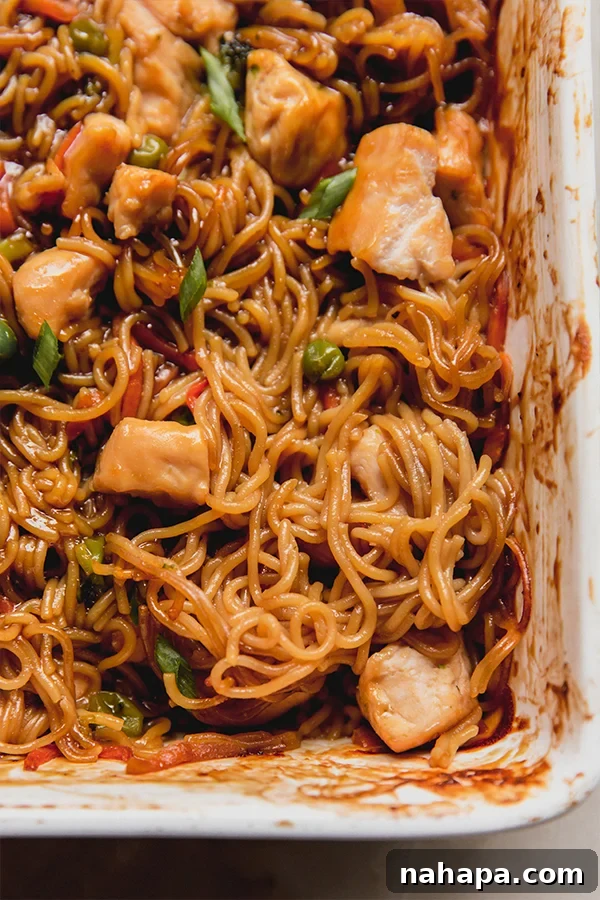
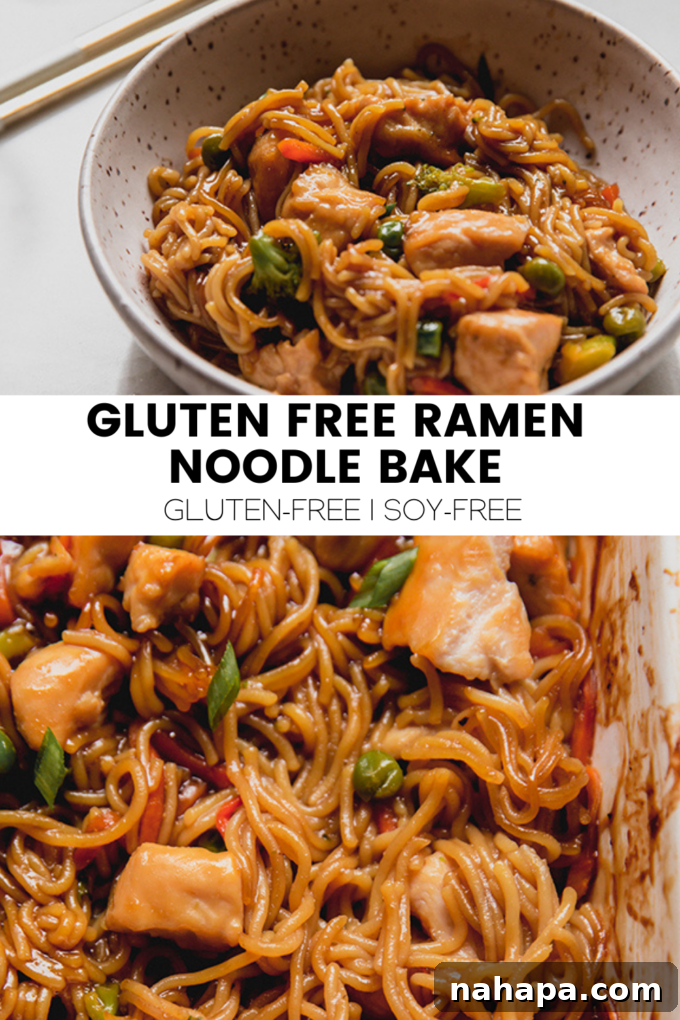
Are you constantly searching for that elusive, easy weeknight recipe that doesn’t compromise on flavor or dietary needs? Look no further! This delightful gluten-free ramen noodle bake is a game-changer for busy evenings. Crafted to be entirely soy-free and simple to prepare, it promises a delicious, hearty meal that will quickly become a household favorite.
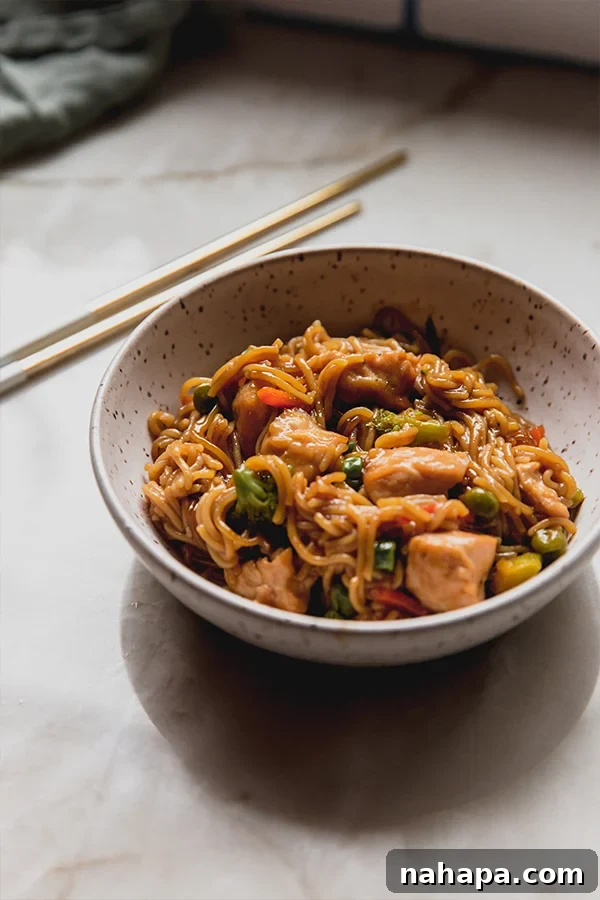
Life can be hectic, and the last thing anyone wants after a long day is a complicated cooking process. My inspiration for this simplified ramen bake came from seeing @sivanayla create a similar dish, and I immediately knew I had to adapt it for my gluten-free and soy-free kitchen. This recipe takes the comforting essence of ramen and transforms it into a convenient, baked casserole. It’s truly incredibly simple to assemble, bakes to perfection, and delivers a taste that satisfies everyone, making it a total crowd-pleaser for any dietary preference.
Effortless Gluten-Free Ramen Noodle Bake: Your Perfect Weeknight Meal
In the quest for satisfying, healthy, and quick dinners, this gluten-free ramen noodle bake stands out. It combines the beloved flavors of Asian cuisine with the ease of a casserole, ensuring a nourishing meal without the fuss. Whether you’re navigating food sensitivities or simply seeking a hassle-free meal, this recipe is designed to deliver maximum taste with minimal effort. Its naturally gluten-free and soy-free nature makes it accessible to many, while its robust flavor profile ensures it’s a dish everyone will eagerly anticipate.
Why This Gluten-Free Ramen Noodle Bake is Your Next Favorite Meal
Beyond its delicious taste, there are several compelling reasons why this baked ramen recipe deserves a permanent spot in your culinary rotation:
1. An Incredibly Easy Weeknight Dinner Solution
The beauty of this gluten-free ramen bake lies in its simplicity. Forget complicated stir-fries or multiple pots and pans. This recipe streamlines the cooking process into a few straightforward steps: prepare the sauce, briefly soak the noodles, combine everything in a baking dish, and let your oven do the rest. It’s an ideal choice for those evenings when time is short, but the desire for a homemade, wholesome meal is strong. You can easily prep ingredients ahead of time, making assembly even quicker on the night you plan to bake it.
2. Dietary-Friendly Without Compromising Flavor
Living with dietary restrictions shouldn’t mean sacrificing delicious food. This recipe is meticulously crafted to be both gluten-free and soy-free, making it suitable for individuals avoiding these common allergens. Instead of traditional soy sauce, we utilize coconut aminos, which provide a rich, umami flavor profile without any soy. The ramen noodles specified are also certified gluten-free, ensuring a safe and satisfying experience for those with celiac disease or gluten sensitivity. You get all the comforting flavors of a classic ramen dish, adapted for a healthier, more inclusive table.
3. Versatile and Highly Customizable
One of the great advantages of a baked dish is its adaptability. This ramen bake serves as an excellent base for various modifications, allowing you to tailor it to your family’s preferences or whatever ingredients you have on hand. Don’t have chicken? Try shrimp, tofu, or even beef. Want more greens? Load it up with spinach or bok choy. The flexibility extends to the vegetables and even the sauce, making it a truly dynamic recipe that can be enjoyed repeatedly without feeling repetitive. It’s perfect for using up leftover ingredients and experimenting with different flavor combinations.
Essential Ingredients for Your Delicious Ramen Bake
Crafting this flavorful gluten-free ramen noodle bake requires a selection of fresh and pantry-staple ingredients. We’ll divide them into two main categories: those for the homemade teriyaki sauce and those for the main bake itself. We’ll also highlight some convenient shortcuts for those extra-busy days.
1. Crafting the Perfect Gluten-Free Teriyaki Sauce
A homemade sauce elevates this dish, providing a balance of sweet, savory, and tangy notes. Here’s what you’ll need, along with why these ingredients are key:
- Coconut Aminos: This is our foundational soy-free alternative to traditional soy sauce. It offers a similar savory depth with a hint of sweetness, making it perfect for Asian-inspired marinades and sauces.
- Orange Juice: Adds a bright, citrusy tang that complements the savory notes and provides a natural sweetness.
- Coconut Sugar: A healthier alternative to refined sugar, it provides the necessary sweetness to balance the sauce, contributing to that classic teriyaki glaze.
- Rice Vinegar: Essential for its mild acidity, which brightens the sauce and cuts through its richness.
- Fresh Ginger: Minced ginger adds a warm, spicy, and aromatic kick, crucial for authentic Asian flavor.
- Fresh Garlic: Minced garlic provides a pungent, savory base that enhances all the other flavors in the sauce.
- Salt and Pepper: Basic seasonings to bring all the flavors into harmony.
- Arrowroot Starch: Used as a natural thickener, it creates that luscious, glossy teriyaki consistency without relying on cornstarch, which some might avoid.
Shortcut Tip: If you’re really pressed for time, a high-quality, store-bought gluten-free and soy-free teriyaki sauce can be used. Just ensure it meets your dietary requirements!
2. The Star: Gluten-Free Ramen Noodles
- Gluten-Free Ramen: The backbone of our bake! It’s crucial to select certified gluten-free ramen noodles. Brands like Lotus Foods Rice Ramen Noodles are an excellent choice, offering the perfect texture and flavor for this dish. Look for rice-based ramen or other gluten-free alternatives to ensure compatibility.
3. Lean Protein Power: Chicken Breasts
- Chicken Breasts: Boneless, skinless chicken breasts, cubed, provide a lean and tender protein source. They cook beautifully in the bake, absorbing all the delicious teriyaki flavors. For variation, you could also use chicken thighs, or even a different protein like shrimp or thinly sliced beef.
4. Vibrant Veggies: Fresh or Frozen
- Frozen Mixed Vegetables: For ultimate convenience, frozen mixed vegetables are a fantastic choice. Our recipe suggests a blend of peas, carrots, and broccoli, which offer a good mix of texture and nutrients. However, feel free to customize! Other great options include edamame (ensure soy-free if necessary), baby corn, bell peppers, green beans, or even fresh mushrooms. The key is to use vegetables you enjoy and that cook well in a baked casserole. Using frozen vegetables means no chopping and faster prep time, making this an even easier meal.
5. Optional Garnishes & Flavor Boosters
- Green Onion: Sliced green onions add a fresh, mild onion flavor and a pop of color as a garnish.
- Sesame Seeds: A sprinkle of sesame seeds can add a nutty flavor and appealing texture.
- Chili Flakes: If you enjoy a bit of heat, red chili flakes can be added to the sauce or sprinkled on top.
Step-by-Step Guide: How to Master Your Gluten-Free Ramen Noodle Bake
Creating this satisfying gluten-free ramen noodle bake is simpler than you might imagine. Follow these clear steps to achieve a perfectly cooked, flavorful dish:
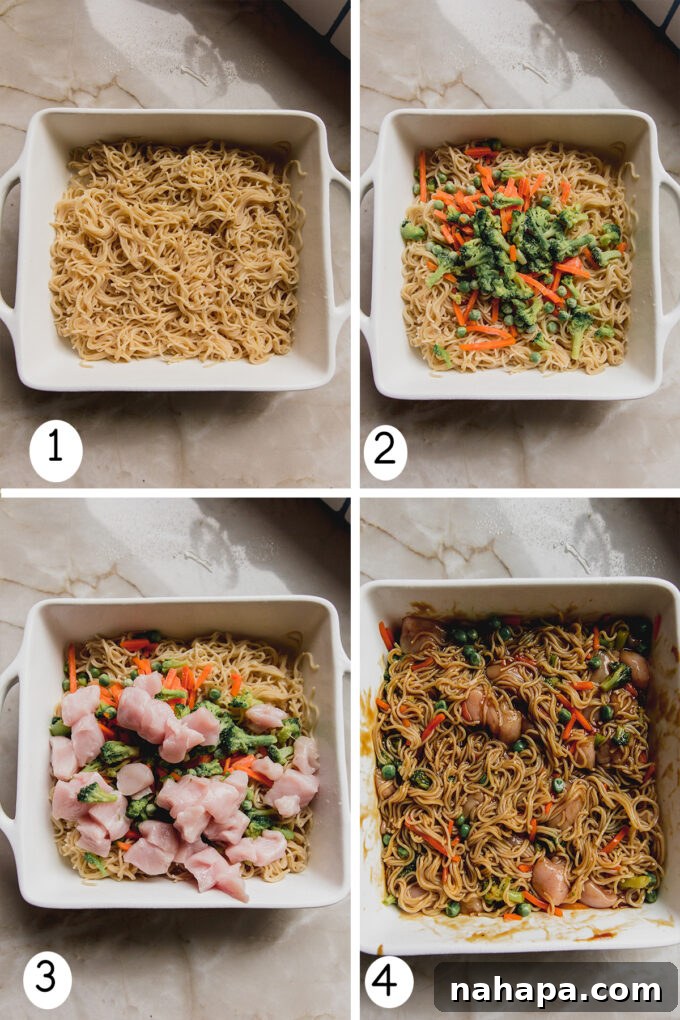
- Preheat & Prepare: Begin by preheating your oven to 375°F (190°C). While the oven heats, lightly grease an 8×8-inch baking dish. This prevents sticking and ensures easy cleanup.
- Craft the Teriyaki Sauce: In a small saucepan, combine all the teriyaki sauce ingredients: coconut aminos, orange juice, coconut sugar, rice vinegar, minced ginger, minced garlic, a pinch of salt and pepper, and arrowroot starch. Whisk thoroughly until well combined. Heat the sauce over medium-low heat for 4-5 minutes, stirring continuously, until it thickens to a glossy, glaze-like consistency. If you prefer a thicker sauce, mix 1-2 teaspoons of arrowroot starch with a splash of chicken broth and add it to the simmering sauce. For a thinner sauce, simply add a bit more chicken broth. Set aside, reserving about 3-4 tablespoons for garnishing later.
- Prepare the Ramen Noodles: Place the gluten-free ramen bricks in a bowl and cover them with hot water. Allow them to soak for approximately 15 minutes, or until they are soft and pliable. Once softened, use tongs to gently separate the noodles, then drain them thoroughly.
- Combine & Season: Add the soaked and drained ramen noodles to your prepared baking dish. Follow with the frozen mixed vegetables, cubed chicken breast, a dash more salt and pepper to taste, and the majority of your homemade teriyaki sauce (remembering to reserve some for serving). Toss all the ingredients together vigorously, ensuring the noodles, chicken, and vegetables are evenly coated in the rich, aromatic sauce.
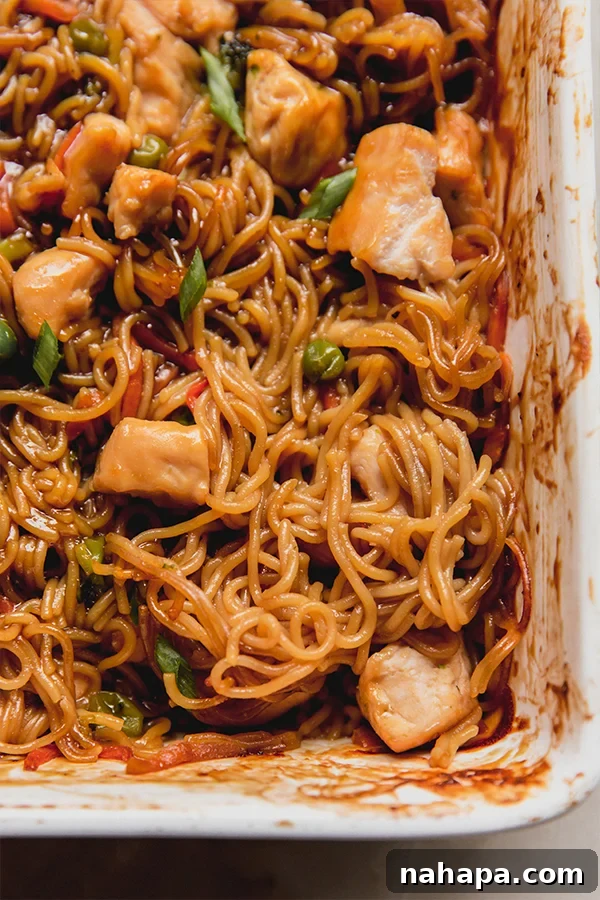
- Bake to Perfection: Place the baking dish in the preheated oven. Bake for approximately 35 minutes. To ensure even cooking and thorough coating, toss the contents halfway through the baking time. The chicken should reach an internal temperature of 165°F (74°C) and be cooked through. The noodles should be tender, and the sauce should be beautifully caramelized.
- Serve and Savor: Once baked, remove the dish from the oven. Let it rest for a couple of minutes before serving. Drizzle the reserved teriyaki sauce over individual servings and garnish generously with freshly sliced green onions for an added layer of flavor and freshness.
Expert Tips & Variations for the Best Ramen Bake
While this recipe is fantastic as is, a few tips and creative variations can help you tailor it to your exact preferences and make it even more exceptional.
1. Vegetable Customization for Variety
Don’t limit yourself to just peas, carrots, and broccoli! This ramen bake is incredibly forgiving when it comes to vegetables. Consider adding sliced bell peppers for a sweet crunch, chopped bok choy for a leafy green element, or even water chestnuts for added texture. Edamame (ensure soy-free if needed) and baby corn are also excellent additions that enhance both flavor and visual appeal. The key is to use vegetables that cook at a similar rate, or to add hardier vegetables like sweet potato cubes slightly earlier in the bake.
2. Make it Easy with Premade Teriyaki Sauce
For those super busy nights, a high-quality, store-bought gluten-free and soy-free teriyaki sauce can be a lifesaver. Always check the labels carefully to ensure it aligns with your dietary needs. While homemade is always a wonderful option, there’s no shame in utilizing a convenient shortcut that saves you time without sacrificing flavor.
3. Protein Alternatives for Everyone
While chicken breast is a fantastic choice, this recipe is highly adaptable to other proteins. Try using cubed pork tenderloin, thinly sliced beef, or even shrimp for a seafood twist. For a vegetarian or vegan version, extra-firm tofu or tempeh (marinated and pressed) can be cubed and added, providing a hearty plant-based alternative that soaks up the teriyaki flavor beautifully. Just ensure to adjust cooking times as needed for different proteins.
4. Spice It Up to Your Liking
If you enjoy a bit of heat, don’t hesitate to add some spice! A pinch of red chili flakes to the teriyaki sauce or a drizzle of sriracha over the finished dish can add a delightful kick. You could also include finely chopped fresh chilies like serrano or jalapeño for a bolder flavor. Always start with a small amount and add more to taste.
5. Garnish Galore for Extra Flair
Garnishes aren’t just for aesthetics; they add layers of flavor and texture. Beyond green onions, consider toasted sesame seeds for a nutty crunch, a sprinkle of fresh cilantro for herbaceous notes, or even a drizzle of toasted sesame oil just before serving for an extra layer of aroma. A wedge of lime on the side can also offer a bright, zesty counterpoint.
Storage Instructions & Meal Prep Tips
This gluten-free ramen noodle bake is excellent for meal prepping and enjoying as leftovers. Simply transfer any cooled leftovers into an airtight glass storage container and refrigerate for 3-4 days. To reheat, you can use the microwave for quick individual portions or warm it in the oven at 350°F (175°C) until heated through, adding a splash of broth if it seems dry. This dish reheats well, making it a perfect grab-and-go lunch or a quick dinner solution for the days that follow.
Frequently Asked Questions About This Gluten-Free Ramen Bake
Here are answers to some common questions you might have about making this delicious and dietary-friendly ramen bake.
Q: Can I make this ramen bake vegetarian or vegan?
Absolutely! To make this recipe vegetarian or vegan, simply substitute the chicken breast with an equivalent amount of cubed extra-firm tofu or tempeh. Ensure the tofu/tempeh is pressed to remove excess water before cubing and adding to the bake. You can also add more vegetables for extra bulk and nutrition. The teriyaki sauce is already naturally vegan and gluten-free, using coconut aminos as a soy-free base.
Q: What are coconut aminos, and why are they used instead of soy sauce?
Coconut aminos are a soy-free, gluten-free, and often lower-sodium alternative to soy sauce. They are made from the fermented sap of coconut palm and aged with sea salt. They offer a rich, savory, slightly sweet, and umami flavor profile that is very similar to soy sauce, making them an excellent substitute for those avoiding soy or gluten. They are readily available in most health food stores and well-stocked supermarkets.
Q: How do I ensure my chicken is cooked through in the bake?
To guarantee the chicken is safely cooked, ensure it reaches an internal temperature of 165°F (74°C) when measured with a meat thermometer. Cubing the chicken into uniform pieces (about 1-inch cubes) helps it cook evenly alongside the noodles and vegetables. Tossing the bake halfway through cooking also helps expose all sides of the chicken to the oven’s heat, promoting thorough cooking and browning.
Q: Can I use different types of gluten-free noodles?
Yes, you can experiment with other gluten-free noodles, although the cooking time and texture might vary slightly. Rice vermicelli, brown rice noodles, or even thicker pad Thai-style rice noodles could work. Just be sure to pre-soak or par-cook them according to package directions before adding them to the baking dish, as their hydration and cooking requirements can differ from typical gluten-free ramen bricks.
More Gluten-Free Asian-Inspired Recipes You’ll Love
If you enjoyed this easy and flavorful gluten-free ramen noodle bake, you’ll surely love exploring these other delicious Asian-inspired recipes that are also gluten-free:
- Sheet Pan Beef and Broccoli Ramen
- Creamy Coconut Curry Ramen
- Egg Roll Ramen Stir Fry
Baked Ramen Noodles & Chicken
Yield: 4 servings
Prep Time: 15 mins
Cook Time: 35 mins
Total Time: 50 mins
Author: Michelle
Print Recipe |
Pin Recipe
Ingredients
For the teriyaki sauce
- ¾ cup coconut aminos
- ¼ cup orange juice
- 1 tbsp coconut sugar
- 1 tbsp rice vinegar
- 1 thumb ginger, minced
- 1 clove garlic, minced
- Salt and pepper, to taste
- 1 tablespoon arrowroot starch
For the ramen bake
- 3 bricks gluten-free ramen
- 1 cup frozen mixed vegetables
- 1 lb chicken breast, cubed
- Salt and pepper, to taste
Instructions
- Preheat the oven to 375 F and grease an 8×8″ baking dish.
- To make the teriyaki sauce, combine the ingredients in a small pot and whisk well. Heat over medium-low heat for 4-5 minutes or until thick. If a thicker sauce is desired, combine about 1-2 tsp of arrowroot starch with chicken broth and add it to the sauce to thicken further. If a thinner sauce is desired, add a splash of chicken broth to thin out the sauce. Set aside.
- Soak the ramen in hot water for about 15 min or until soft. Separate with tongs and strain.
- Add the ramen to the baking dish along with the veggies, chicken breast, salt and pepper, and teriyaki sauce (reserving about 3-4 tbsp of the sauce on the side). Toss to coat.
- Bake in the oven for about 35 min, tossing halfway through. Chicken should be 165 F.
- Serve topped with the reserved teriyaki sauce and with green onion.
Notes
Inspired by @Sivanayla
All nutrition facts are estimated and will vary.
Nutrition Facts (Estimated)
- Calories: 389 kcal
- Carbohydrates: 55.2 g
- Protein: 30.9 g
- Fat: 4.2 g
- Fiber: 2.7 g
All nutrition facts are estimated and will vary based on specific ingredients and brands used.
Did you make this recipe? Tag @unboundwellness on Instagram and hashtag #unboundwellness!