
Thank you Artisan Tropic for generously sponsoring this valuable content. All opinions expressed within are authentically my own.
As the calendar turns and a New Year begins, it brings with it a collective refresh and the opportunity to set inspiring new health goals. The festive holiday season, while joyful, is often characterized by indulgent treats, increased stress, and a significant deviation from our usual routines. It’s no surprise, then, that resets and reboots surge in popularity during this time of year. There’s inherent value in initiating a fresh start to kick-start your health journey. However, the true key to lasting wellness lies not in short-term fixes, but in cultivating sustainable habits and setting long-term goals that can be maintained throughout the entire year, extending far beyond the initial enthusiasm of January. This approach is particularly crucial for individuals navigating the complexities of chronic illness or autoimmune conditions, where consistency and gentle self-care are paramount.
The term “New Year’s Resolution” often carries a negative connotation. Many people view resolutions as fleeting promises, typically abandoned within a few weeks, leading back to old habits and cycles of disappointment. This perception, while understandable given common experiences, doesn’t have to define your health journey. Instead of viewing them as temporary commitments, we have the power to transform our aspirations into truly sustainable goals that seamlessly integrate into our lives and support our well-being for the entire year and beyond. This article aims to provide actionable strategies for building that lasting foundation.
Cultivating Lasting Wellness: Sustainable Health Goals for the New Year
1. Clearly Define Your Goals and Develop a Strategic Action Plan
Achieving any meaningful objective begins with a crystal-clear understanding of what that objective entails. The desire to simply “be healthy” is a common and admirable aspiration, but its broadness often makes it elusive. To truly progress, you must delve deeper: what does “healthy” genuinely mean for you, personally, in this specific stage of your life? How can you quantify and measure this state of well-being?
Move beyond vague ideals and articulate actionable, measurable goals. Consider the following examples to inspire your own specific targets:
- Optimizing Biomarkers: Aim to improve specific markers in your blood work, such as balancing thyroid hormones, reducing inflammatory markers like CRP, or normalizing blood sugar levels. This provides tangible data for tracking progress.
- Expanding Dietary Tolerance: If you struggle with food sensitivities, a goal could be to gradually and safely reintroduce specific foods, or to broaden the range of nourishing foods you can comfortably consume without adverse reactions.
- Alleviating Symptoms: Focus on a measurable reduction in chronic pain, inflammation, fatigue, or other specific symptoms that impact your daily life. This could involve tracking intensity or frequency.
- Achieving Fitness Milestones: Set specific physical benchmarks, such as consistently walking 30 minutes daily, completing a 5K race, successfully hiking a challenging trail, or achieving a specific strength training goal.
- Enhancing Mental Well-being: Goals could include practicing mindfulness for 10 minutes daily, reducing feelings of anxiety by a certain percentage, or improving sleep quality to achieve consistent restorative rest.
Having goals is merely the first step. Everyone harbors aspirations, but where many falter is in the absence of a concrete plan to translate those aspirations into reality. My husband and I make it a tradition each New Year to not only envision where we want to be in the coming year, five years, and even ten years, but also to meticulously outline the strategic action plan required to reach those milestones. If you’re unsure how to begin, simply start at square one and build incrementally.
To illustrate, years ago, my overarching goal was to achieve remission for my Hashimoto’s thyroiditis. My initial, foundational plan looked something like this:
- Thoroughly research Hashimoto’s online, delving into various medical and holistic perspectives.
- Experiment systematically with different dietary protocols, such as the Autoimmune Protocol (AIP) or Paleo, to identify triggers and supportive foods.
- Immerse myself in new books and scientific literature focused on autoimmunity, gut health, and functional medicine.
- Actively seek out and establish care with a new holistic or functional medicine practitioner who understood my complex needs.
- Engage with and join supportive online communities dedicated to Hashimoto’s or autoimmune healing, seeking shared experiences and guidance.
This initial framework was just the beginning. From there, as I gained knowledge and experienced incremental progress, I was able to progressively refine and expand my action plan, making it more detailed and tailored to my evolving journey.
2. Cultivate a Repertoire of Favorite Healthy Staple Meals and Recipes
Exploring new recipes and culinary creations is undoubtedly enjoyable and creatively stimulating. I personally love perusing new cookbooks and experimenting with fresh ingredients. However, the reality is that consistently cooking an entirely new, intricate recipe every single evening is often not sustainable for most busy lifestyles. While it might sound appealing and “glamorous,” it quickly becomes time-consuming and can lead to burnout.
Rather than feeling pressured to pull out a different gourmet cookbook multiple times a week, empower yourself by identifying and mastering 4-5 go-to staple recipes. These are the reliable, delicious, and healthy meals you love and can effortlessly prepare, especially when time is tight or motivation is low. Having these foundational recipes in your arsenal ensures that you can consistently enjoy satisfying, nutritious meals without the stress of constant culinary innovation. This approach helps prevent decision fatigue and reduces the temptation to resort to less healthy takeout options. Reserve the more elaborate, time-intensive dishes for special occasions, weekend cooking projects, or when you have extra time and energy to dedicate to them. By building this strong foundation of staple meals, you’ll find consistency much easier to maintain. For a wealth of inspiring ideas, be sure to explore my comprehensive recipe page!
This strategy also extends to smart meal planning and efficient grocery shopping. When you know your core meals, you can streamline your shopping list, purchase ingredients in bulk when appropriate, and minimize food waste. Batch cooking components of these staple meals – like roasting a large tray of vegetables or preparing a batch of quinoa or chicken – can further reduce daily cooking time, making healthy eating an effortless part of your routine.
3. Discover Healthy Snacks and Treats You Truly Enjoy, Avoiding Year-Round Restriction
I wholeheartedly understand the strong desire for a “reset” or “detox” once January arrives. Believe me, I too indulge in holiday treats as much as any other food enthusiast! I’ve certainly experienced my fair share of “sugar hangovers” and stomach discomfort after one too many rich holiday delicacies. However, it’s simply unrealistic and unhealthy to attempt to live in a perpetual “reset” or “detox” mode for 365 days a year. True health and sustainable wellness are found in balance, not rigid, relentless restriction.
The optimal starting point for cultivating this balance is to proactively identify and incorporate real food snacks and treats that genuinely satisfy your cravings without derailing your overarching health objectives. The internet abounds with countless recipes that meet these criteria, allowing for creative, healthy indulgence. Furthermore, having convenient, pre-prepared healthy snacks readily available is an absolute game-changer for staying on track, especially when hunger strikes unexpectedly.
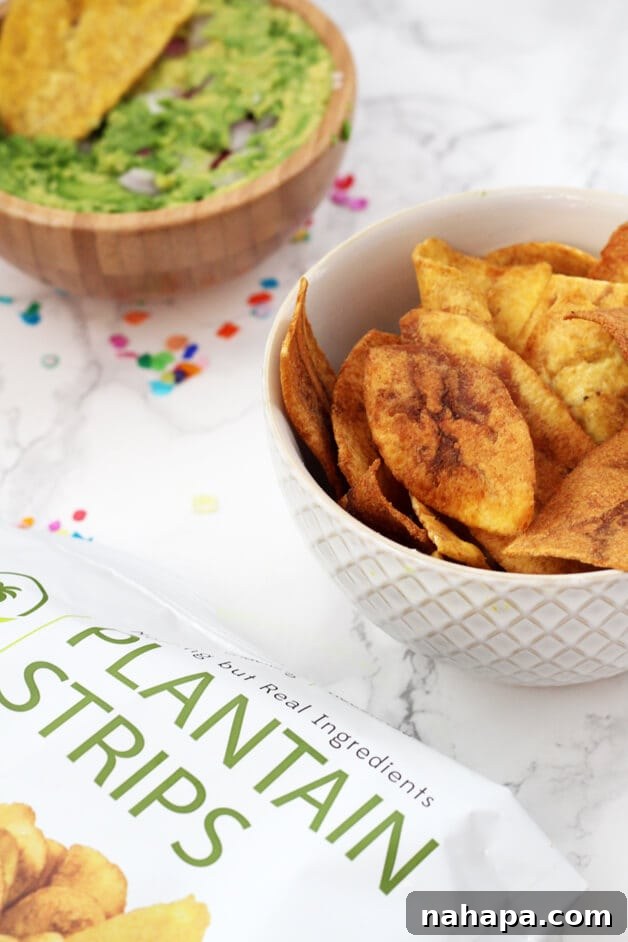
One of my all-time favorite go-to snacks, which leaves me feeling energized and nourished rather than feeling the need for a “detox” afterward, is plantain chips! The plantain and cassava strips from Artisan Tropic are exceptional. They are meticulously crafted with real food ingredients, making them both Paleo and Autoimmune Protocol (AIP) compliant. They offer the perfect guilt-free way to indulge in a satisfying and healthy snack. Their plantain chips come in a delightful array of flavors, including a classic savory chip, a naturally sweeter variety, and a cinnamon-infused plantain chip – ideal for when you’re seeking a touch of sweetness without compromising your health goals. Moreover, the Artisan Tropic Cassava Strips are, quite frankly, the closest I’ve come to experiencing the satisfying crunch and flavor of traditional potato chips since I adopted an AIP and nightshade-free diet. Their texture and taste are truly remarkable, making them a fantastic alternative.
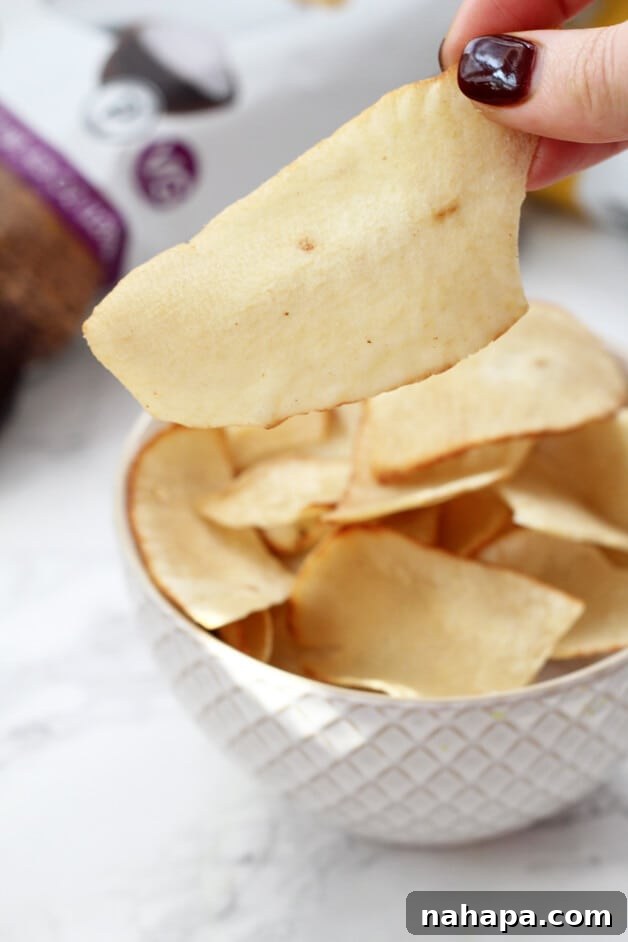
My first encounter with these incredible snacks was during a business trip to Indonesia in 2016. I had meticulously packed all my own healthy snacks for the journey. As I broke open a bag on my flight to Singapore, I was absolutely astounded to discover that they were not only delicious but also perfectly AIP compliant! They didn’t leave me feeling sluggish or unwell; instead, they tasted unbelievably good and provided sustained energy. I optimistically tried to save some to share with my husband upon my return home… but, alas, that particular plan didn’t quite materialize that time around; they were simply too irresistible!
Furthermore, all the Artisan Tropic Plantain and Cassava Strips are so incredibly flavorful that they are fantastic for sharing. One of the most common concerns I hear from my readers and clients when they are transitioning to a healthier lifestyle or an AIP diet is the apprehension about being able to indulge or participate in social events without feeling deprived or awkward. My consistent advice is always to bring along delicious, crowd-pleasing foods that everyone will enjoy, and these versatile plantain and cassava strips fit that recommendation perfectly. They demonstrate that healthy eating doesn’t mean sacrificing flavor or social enjoyment.

4. Commit to Movement That Genuinely Excites and Energizes You
It’s crucial to reframe our perception of physical activity: movement should be viewed as a privilege and a joyful expression of vitality, not a form of punishment or a dreaded chore. Far too often, we fall into the trap of choosing exercise routines that feel oppressive, overly strenuous, or simply unsustainable to maintain throughout the year. As someone who has experienced burnout from overly intense and demanding workout regimens in the past, I can confidently tell you that you absolutely do not need to push yourself to such extremes to achieve and maintain good health.
Instead of forcing yourself through gym routines or fitness classes that you genuinely dislike, shift your focus to discovering forms of movement that you truly love and are intrinsically motivated to stick with. This approach fosters consistency and makes physical activity a source of pleasure rather than dread. Your chosen activity doesn’t have to be complex or high-impact; it could be as simple and accessible as committing to a brisk 30-minute walk after work each day, allowing you to decompress and connect with your surroundings. Alternatively, you might find joy in taking up a new sport, such as tennis or swimming, enrolling in a soothing yoga or Pilates practice, or engaging in light weightlifting to build strength and bone density. Whatever form it takes, the key is to ensure that it’s an activity you genuinely look forward to, an activity that invigorates your body and uplifts your spirit. Remember, sustainable movement is about finding what resonates with *you* and building a routine that brings joy and lasting well-being.
5. Lean on Community Support to Foster Accountability and Inspiration
One of the most enriching and unexpected joys that has blossomed from my blogging journey is the incredible sense of community I’ve discovered within this health-focused space. Through this platform, I’ve had the immense privilege of connecting with countless friends, colleagues, and readers online who have provided unwavering support during challenging times, offered profound inspiration, and lent a compassionate ear when I needed it most. Recognizing the profound power of shared experiences and collective encouragement, I created a dedicated Facebook community specifically for Gut Healing Support. This group serves as a safe, nurturing space where individuals can connect, share their journeys, offer mutual encouragement, hold each other accountable to their health goals, and continually draw inspiration from one another’s progress and resilience. The strength found in a supportive community can be a vital catalyst for long-term success on any health path.
In addition to online communities, consider exploring local options such as walking groups, cooking classes focused on healthy eating, or support groups for specific health conditions. Having an accountability partner, whether a friend, family member, or online acquaintance, can also make a significant difference. Sharing your goals and progress with someone who believes in you and encourages you can provide that extra push on days when motivation wanes. The communal aspect transforms individual struggles into shared victories, making the journey feel less isolating and far more empowering.
I sincerely hope these practical, actionable tips empower you in setting sustainable health goals for the upcoming year, ensuring that 2024 (and beyond) becomes a year of consistent progress and vibrant, lasting well-being!