
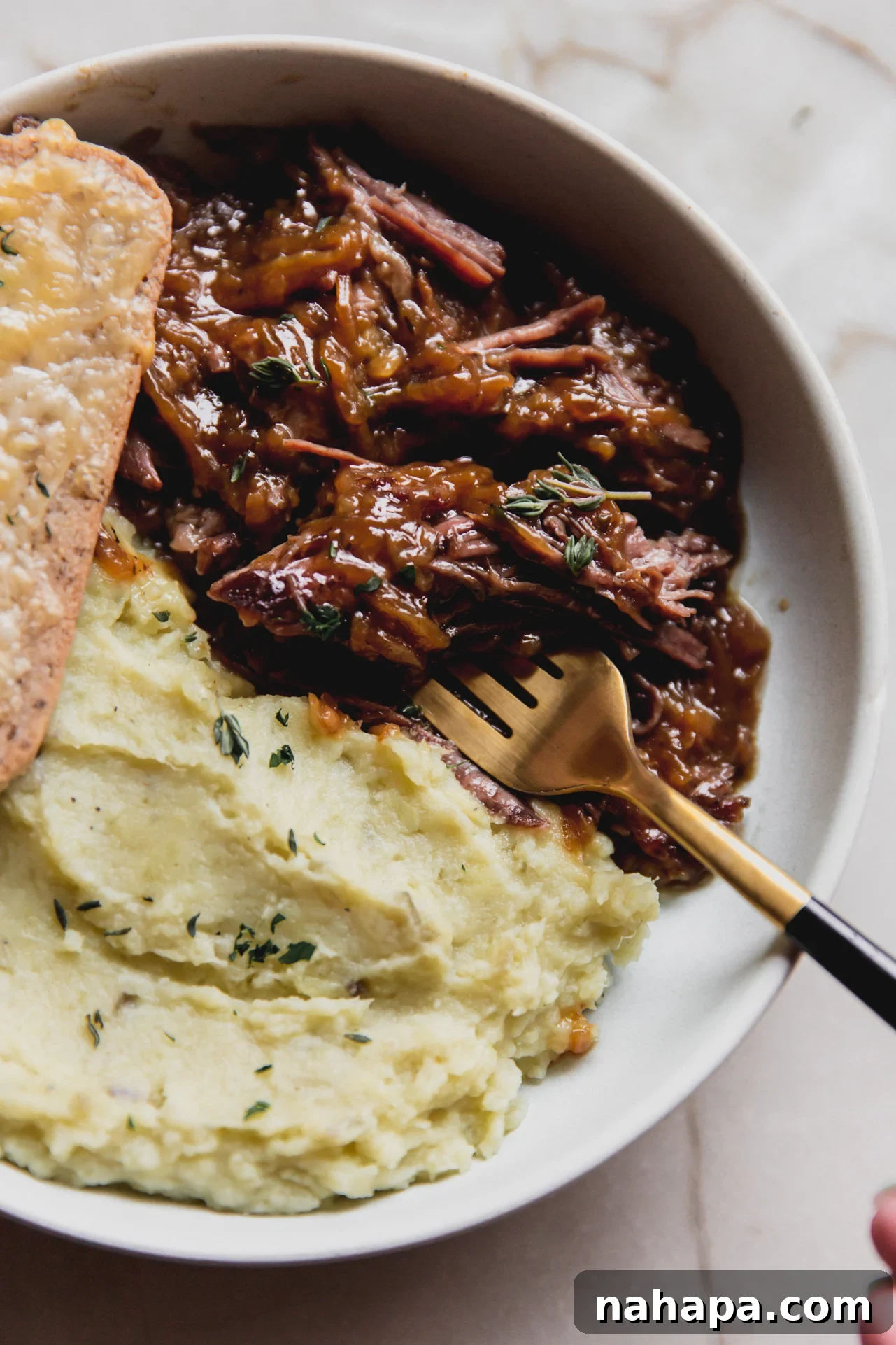
This French Onion Pot Roast is a truly spectacular dish, meticulously crafted to capture everything you adore about the classic French onion soup, yet presented in a comforting, slow-cooked pot roast form. It’s an ideal choice for anyone seeking a hearty, flavorful, and deeply satisfying meal, particularly as it is naturally gluten-free and can be easily adapted to be dairy-optional. Prepared to perfection in the oven, this recipe promises tender, melt-in-your-mouth beef infused with the rich, sweet, and savory essence of caramelized onions.
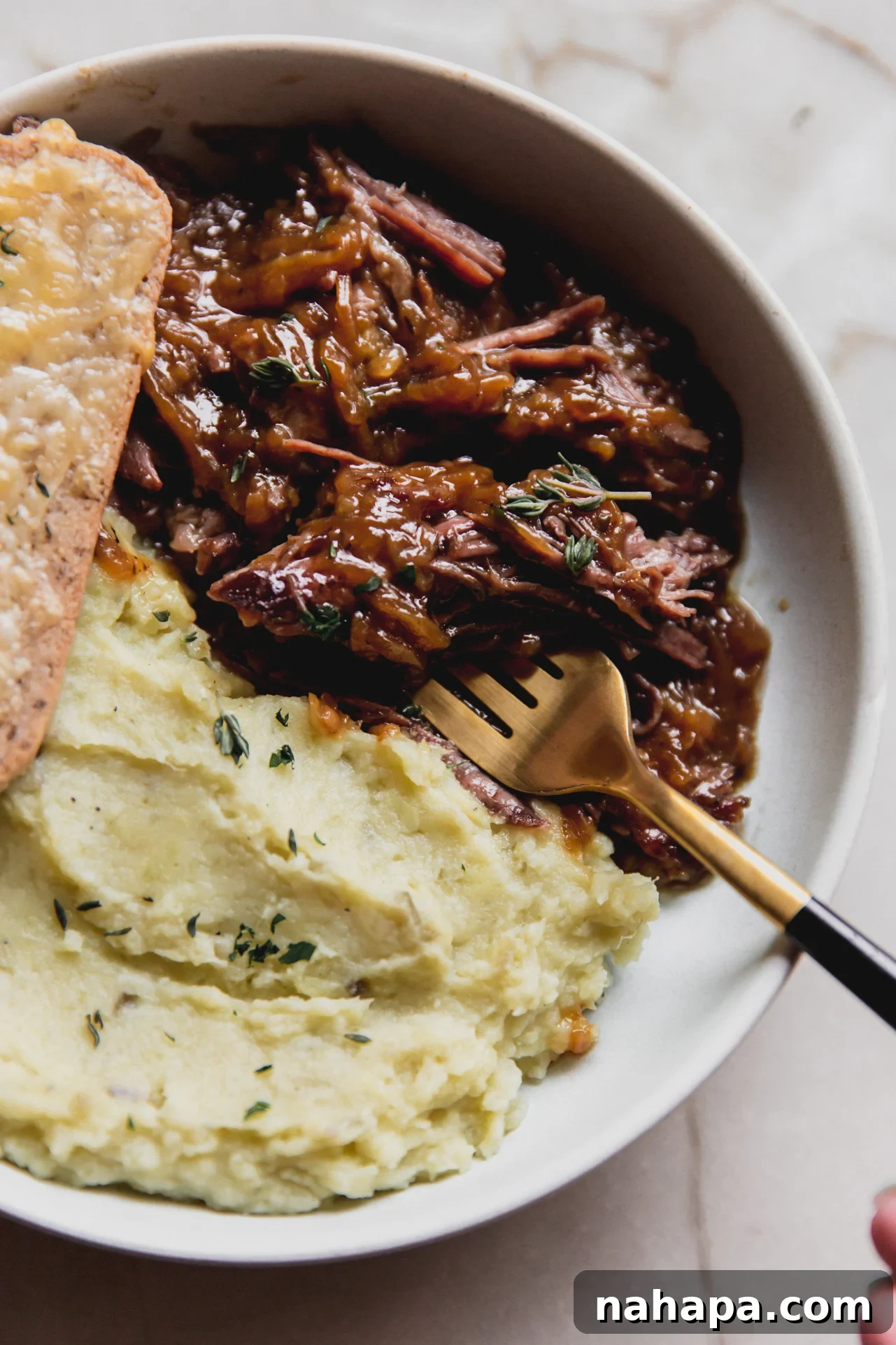
Featured Comment
“Best recipe, hands down! I’m not a big stew person, but this was SO good! Thank you for the recipe.” – Amanda
Pot roast stands as a timeless culinary masterpiece, a dish renowned for its ability to impress and satisfy even the most discerning palates. Whether it’s a casual family dinner or a festive gathering, a well-prepared pot roast consistently earns rave reviews. While it often gives the impression of requiring extensive culinary prowess and hours of active cooking, many pot roast recipes, including this French Onion variation, are surprisingly low-maintenance. They embody the “set it and forget it” cooking style, making them perfect for entertaining or enjoying on a cozy weekend.
This French Onion Pot Roast isn’t just another meal; it’s a unique and flavor-packed version of pot roast that your friends and family will undoubtedly be begging you to make again and again! Its irresistible blend of tender beef and deeply savory, sweet onions creates an unforgettable dining experience.
Table of Contents
- Featured Comment
- Why You’ll Adore This French Onion Pot Roast
- Essential Recipe Ingredients
- Customizations & Substitutions
- Step-by-Step: Crafting Your French Onion Pot Roast
- Mastering Caramelized Onions: Techniques for Success
- Instant Pot Method: For Speed and Convenience
- Slow Cooker Method: Effortless All-Day Cooking
- Serving Suggestions: What Pairs Best?
- Creative Ways to Enjoy Leftover Pot Roast
- Storage & Reheating Tips
- Frequently Asked Questions (FAQs)
- More French Onion Inspired Recipes
Why You’ll Adore This French Onion Pot Roast
- Ultimate Crowd-Pleaser: This recipe has a universal appeal that transcends age groups. When served to family, even the pickiest eaters, like my four-year-old son, enthusiastically ask for seconds. It’s a significant win when a dish encourages such a hearty intake of protein, making it perfect for family dinners and special occasions alike.
- Rich and Hearty Heaven: Prepare for a flavor explosion that truly satisfies. This French Onion Pot Roast is incredibly rich and savory, boasting layers of deep umami flavor from the beef, sweet caramelized onions, and robust broth. It’s the quintessential comfort food, guaranteed to warm you right up and nourish your soul on even the chilliest of days.
- Fall-Apart Tender Perfection: The hallmark of an exceptional pot roast is its tenderness, and this recipe delivers beyond expectation. Through a long, slow cooking process, the chuck roast transforms into incredibly succulent meat that effortlessly falls apart with just a fork. Every bite is soft, juicy, and infused with the luxurious French onion essence.
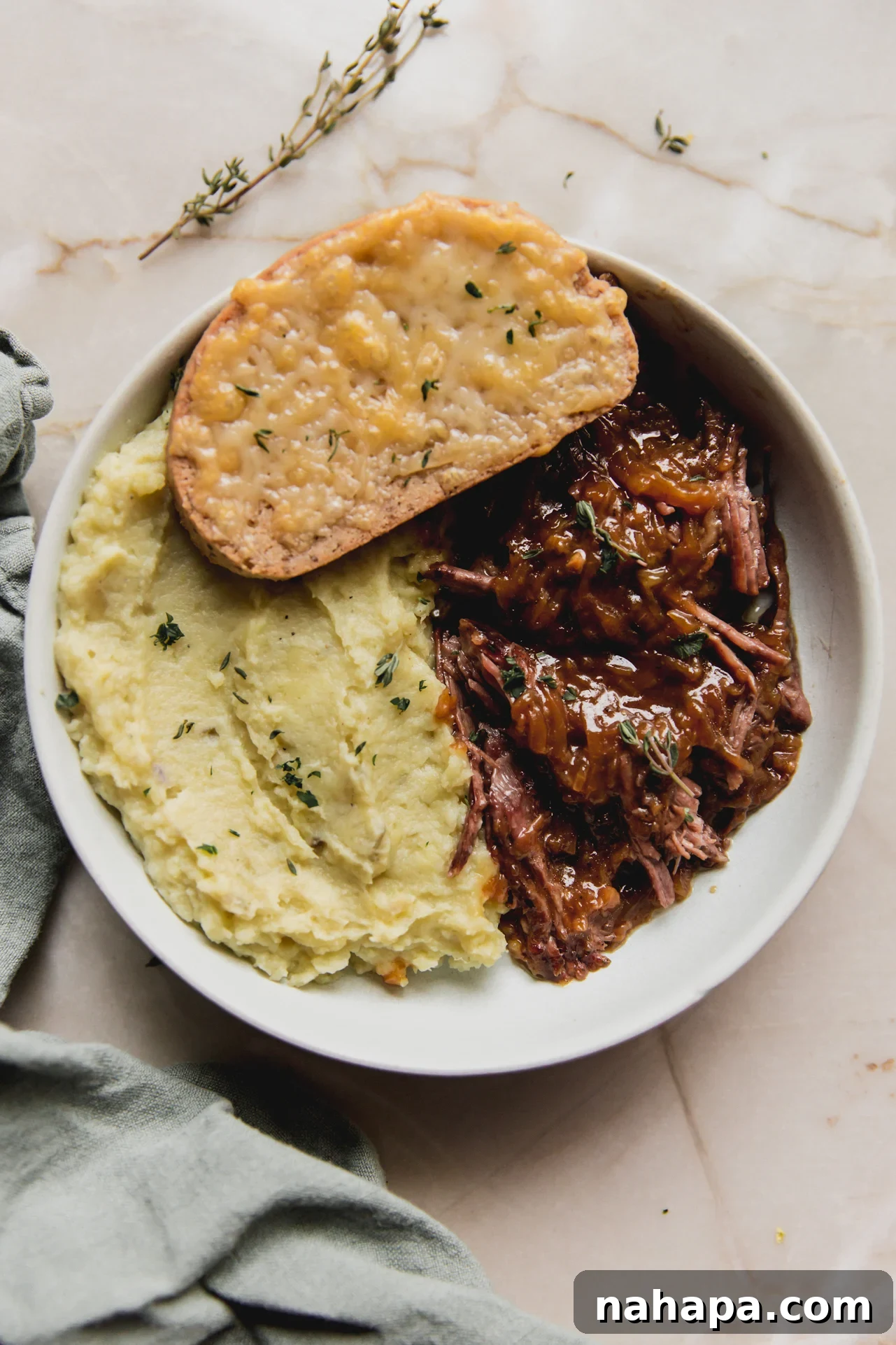
- Optional Cheesy Indulgence: While traditional French onion flavors are often synonymous with melted cheese, this pot roast remains utterly delicious without it, catering perfectly to dairy-free diets. However, if you crave that classic cheesy element, consider serving it with gluten-free bread topped with melted Swiss or Gruyère cheese on the side. This provides a delightful textural contrast and is fantastic for dipping into the rich gravy. For a great grain-free option, I highly recommend this grain-free bread (use code UNBOUNDWELLNESS for a discount).
- Effortless Elegance: Despite its sophisticated flavor profile, this pot roast is surprisingly simple to prepare. Much of the cooking time is hands-off, allowing you to focus on other tasks or simply relax. It’s the kind of impressive meal that appears complex but is actually quite straightforward, making you look like a culinary genius with minimal effort.
- Dietary Friendly: Designed with wellness in mind, this recipe is inherently gluten-free, making it suitable for those with sensitivities or celiac disease. As mentioned, the dairy component is completely optional, allowing you to easily customize it for dairy-free or Paleo diets without compromising on flavor or richness.
Essential Recipe Ingredients
Refer to the full recipe card below for precise measurements and detailed ingredient information.
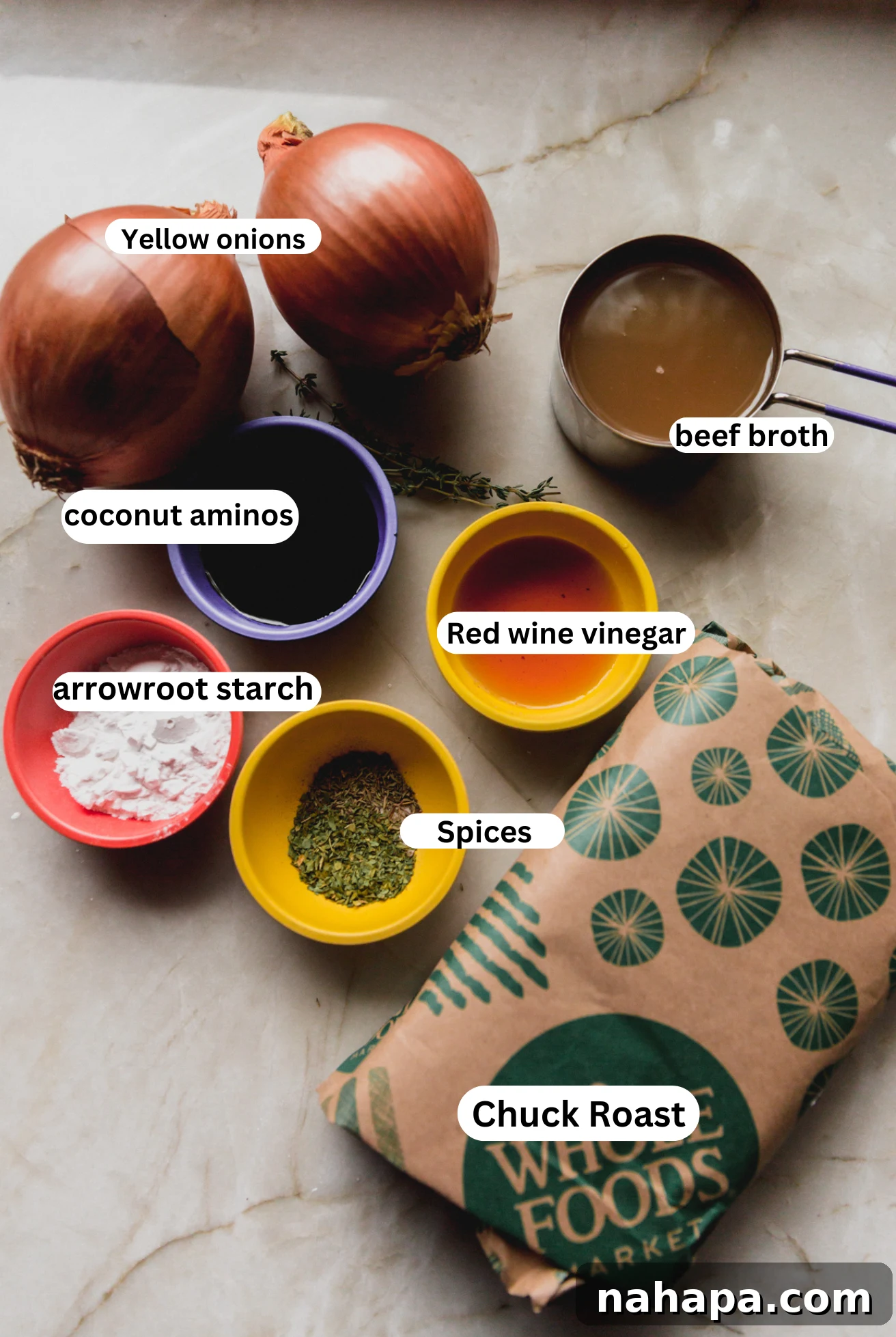
- Chuck Roast: This cut is the star of any pot roast, known for its rich marbling and connective tissues that break down beautifully during slow cooking, yielding incredibly tender and flavorful results. While a boneless roast is often more readily available and convenient, a bone-in chuck roast will also work, potentially adding even more depth to the broth. Remember to adjust your cooking time based on the weight of your roast to ensure perfect tenderness.
- Yellow Onions: The cornerstone of French onion flavor, yellow onions are prized for their balanced sweetness and robust flavor that intensifies and caramelizes wonderfully. They develop a rich, jammy texture during cooking, contributing significantly to the dish’s signature taste.
- Beef Broth: A high-quality beef broth is essential for creating the deep, savory liquid base for your pot roast. It infuses the meat with flavor as it braises. You can opt for a good store-bought variety, or for an even richer, gut-healing experience, consider making your own homemade bone broth.
- Coconut Aminos: This gluten-free and soy-free alternative to soy sauce adds a fantastic layer of umami and a subtle sweetness, enhancing the overall depth of flavor in the pot roast, especially when caramelizing the onions.
- Red Wine Vinegar: A splash of red wine vinegar provides a crucial acidic counterpoint to the richness of the beef and onions. It brightens the flavors, prevents the dish from tasting too heavy, and helps to deglaze the pan, unlocking even more savory notes.
- Seasonings: Salt and pepper are foundational, of course. Dried parsley and dried thyme contribute classic aromatic notes that complement the beef and onions beautifully, adding an herbaceous depth to the dish.
- Arrowroot Starch: This gluten-free thickener is used both to create a light crust on the roast before searing and to thicken the braising liquid into a luscious, glossy gravy at the end.
- Avocado Oil: A high-smoke-point oil like avocado oil is ideal for searing the chuck roast, ensuring a beautiful brown crust without burning.
- Garlic: Freshly minced garlic adds an indispensable aromatic foundation, complementing the onions and deepening the savory profile.
- Bay Leaves: These aromatic leaves infuse the braising liquid with a subtle, earthy, and slightly peppery flavor, contributing to the overall complexity of the dish.
Customizations & Substitutions
- Red Wine: For an even deeper, more complex flavor profile, you can swap 1/2 cup of the beef broth for 1/2 cup of a dry red wine, such as Merlot or Cabernet Sauvignon. The wine adds a wonderful richness and nuanced acidity that enhances the French onion essence.
- Shallots: This recipe is already gloriously onion-heavy, but if you happen to have a shallot or two in your kitchen that needs to be used, feel free to add it to the mix. Shallots offer a slightly milder, sweeter, and more delicate onion flavor that can contribute an additional layer of complexity.
- Cheesy Bread: This is a completely optional but highly recommended addition if you enjoy dairy and want to emulate the classic French onion soup experience. To make it, take some sturdy gluten-free bread (I highly recommend this grain-free bread; use code UNBOUNDWELLNESS for a discount) and top it generously with shredded Swiss or Gruyère cheese. Melt it under the broiler or in an air fryer until golden and bubbly. Serve this delightful cheesy bread on the side for dipping into the rich pot roast gravy. Traditionally, French onion soup uses a baguette, so a bread with a similar rustic shape or texture works wonderfully.
- Other Beef Cuts: While chuck roast is highly recommended for its tenderness and flavor, other cuts suitable for slow cooking, such as beef brisket or round roast, can also be used. Be aware that cooking times may vary depending on the cut and its fat content.
- Dairy-Free Cheese: If you’re avoiding dairy but still want a cheesy accompaniment, consider using a good quality dairy-free cheese alternative for your cheesy bread. Many brands now offer excellent meltable options that can provide a similar texture and flavor.
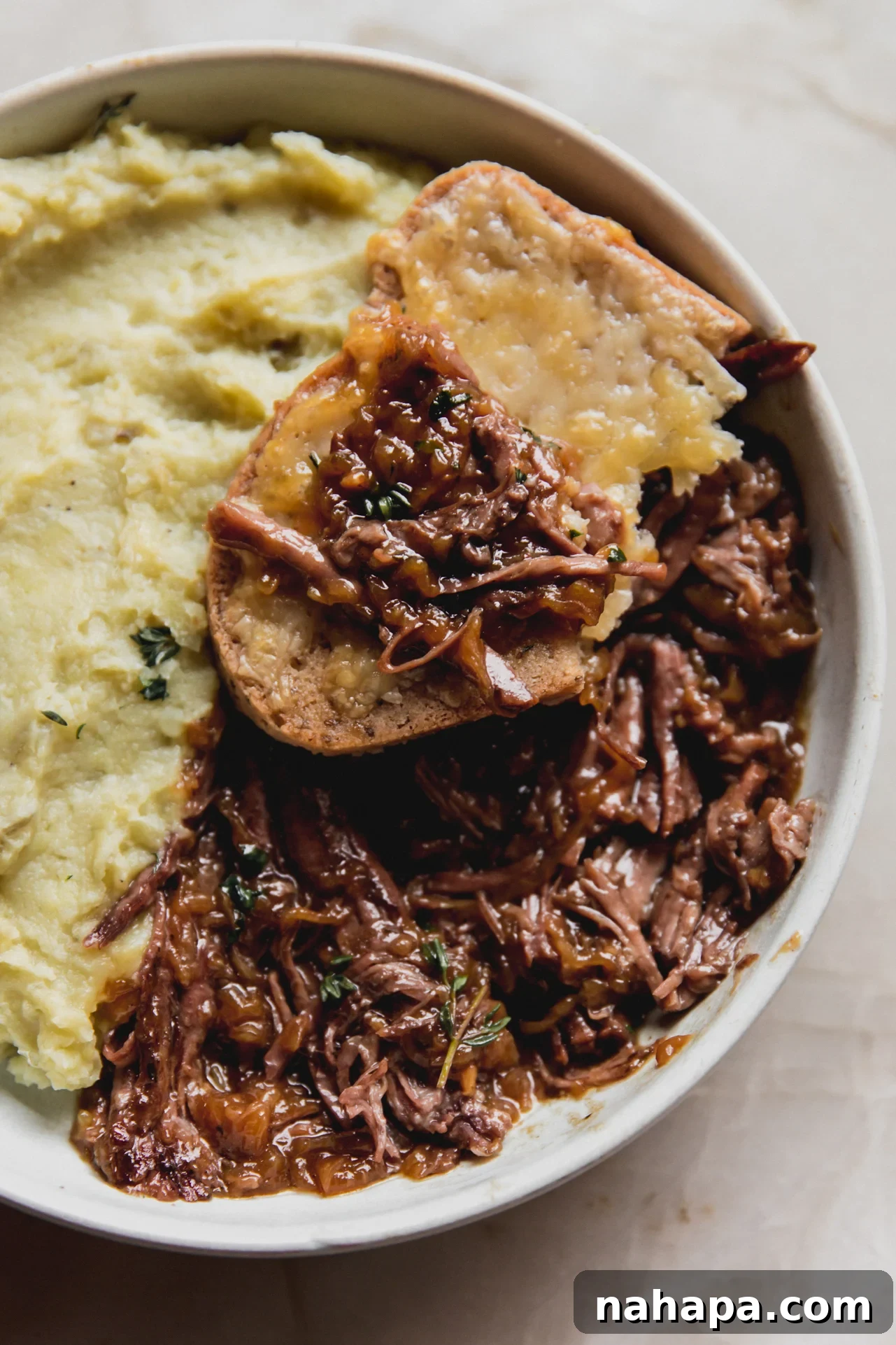
Step-by-Step: Crafting Your French Onion Pot Roast
Follow these detailed steps, accompanied by photos, to create a truly unforgettable French Onion Pot Roast. For comprehensive instructions and measurements, please refer to the recipe card below.
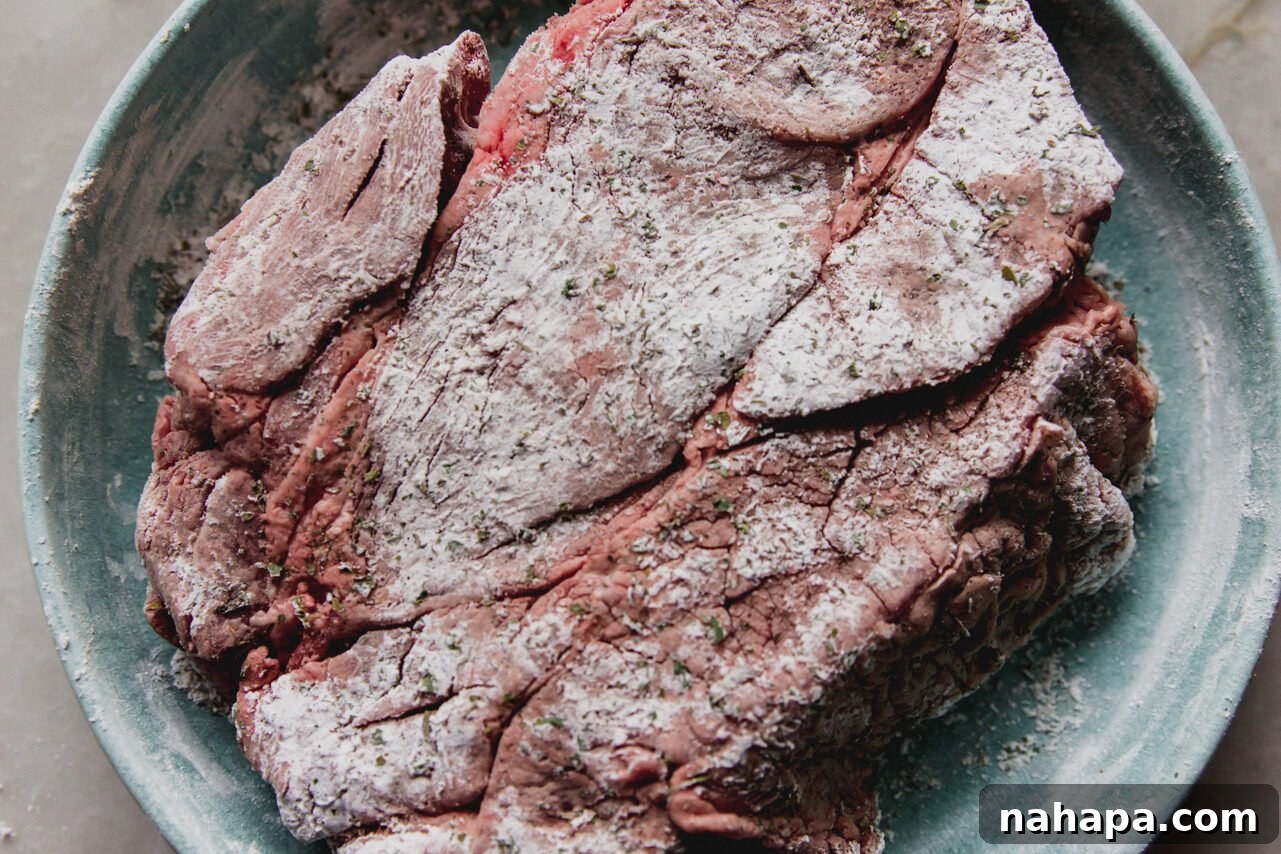
Step One: Prepare the Roast
Begin by setting your chuck roast out on the counter for at least 30 minutes before you start cooking. This allows the meat to come closer to room temperature, ensuring more even cooking. While the roast rests, preheat your oven to 400°F (200°C). In a large, shallow bowl, combine a generous amount of salt and freshly ground black pepper with dried parsley, dried thyme, and 2 tablespoons of arrowroot starch. This starch will help create a beautiful crust. Add the roast to the bowl and rotate it, pressing gently, to ensure it is thoroughly coated on all sides with the seasoning mixture.
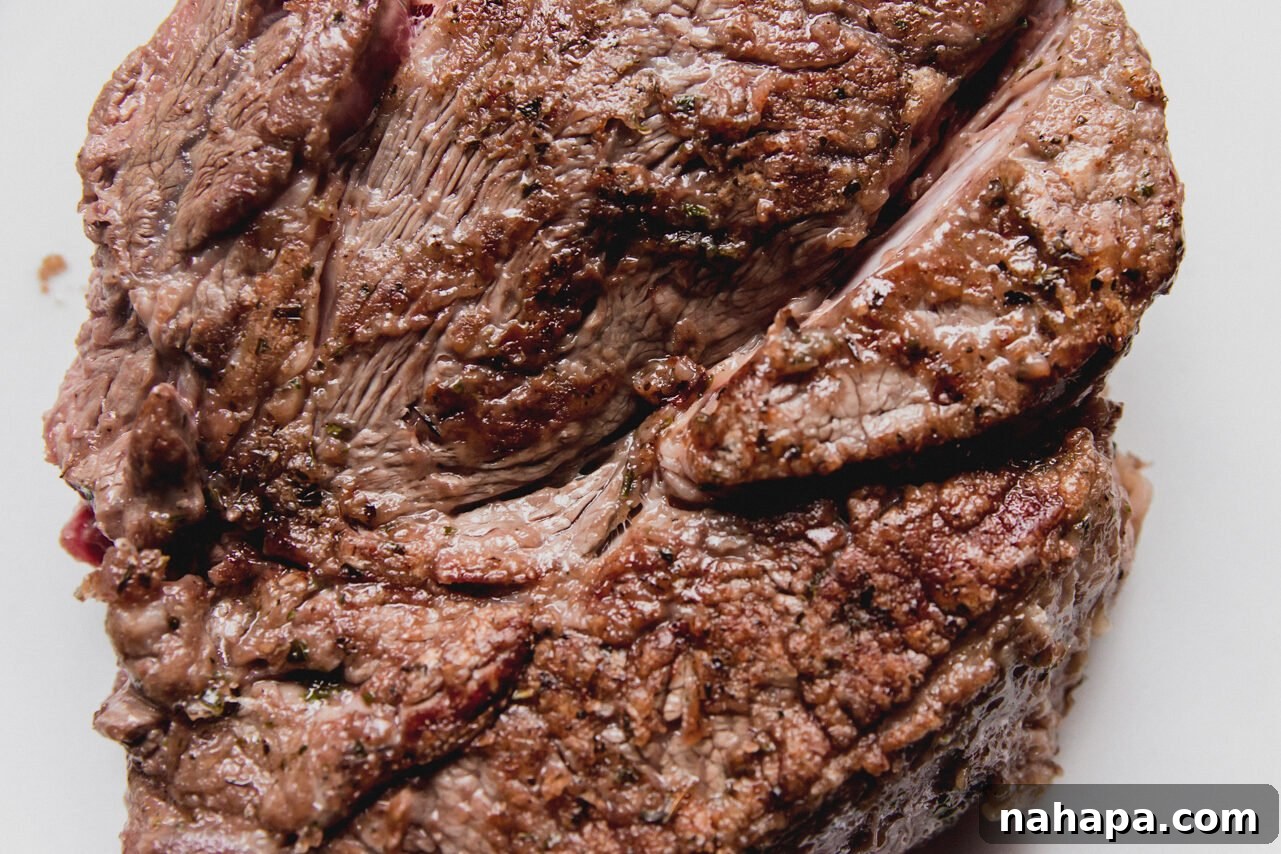
Step Two: Sear for Flavor
Using a large, heavy-bottomed Dutch oven (which will be used for the entire cooking process), heat the avocado oil over medium-high heat. The oil should be shimmering, indicating it’s hot enough for a good sear. Carefully place the seasoned chuck roast into the hot Dutch oven. Cook each side of the roast for 2-4 minutes, or until it develops a deep, golden-brown crust. This searing step is crucial for locking in juices and building a rich flavor foundation for the entire dish. Once seared, remove the roast from the Dutch oven and set it aside on a clean plate.
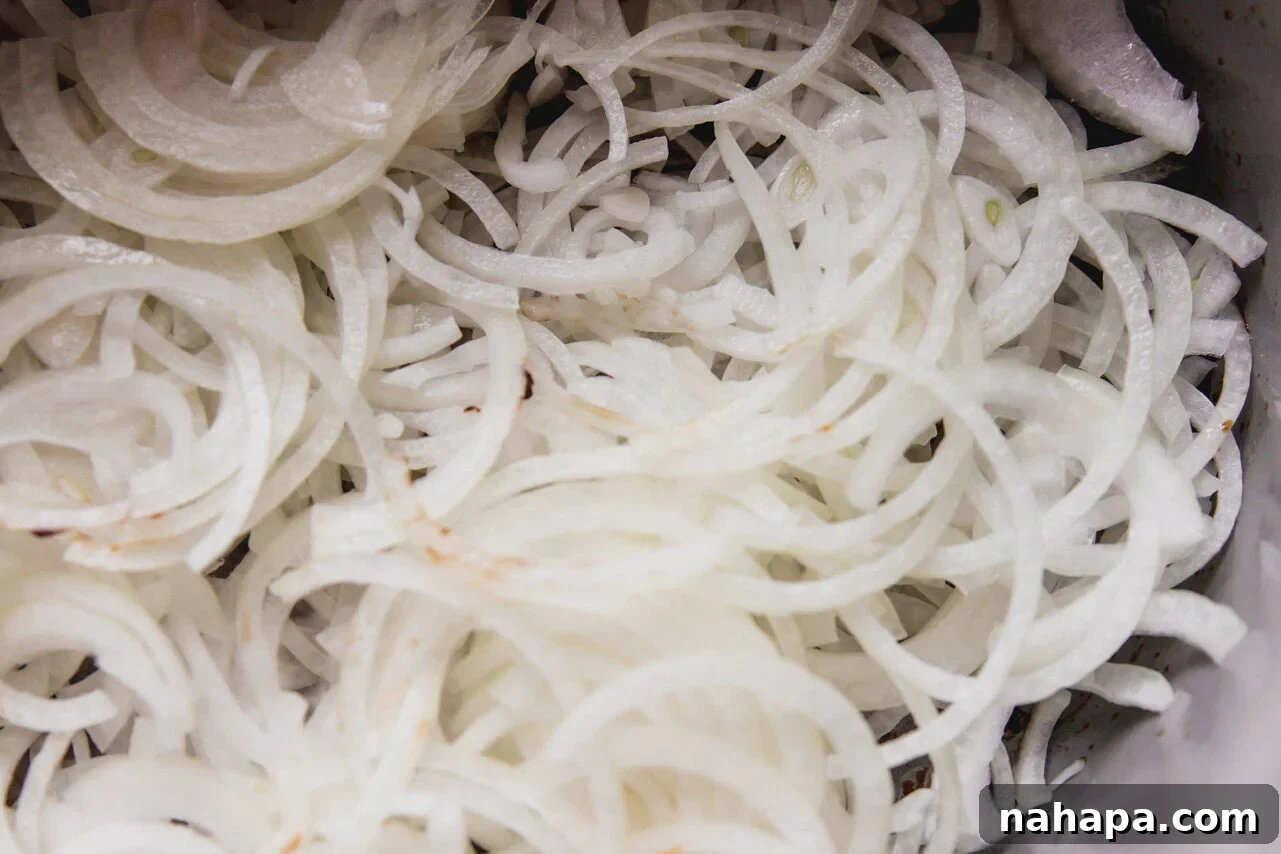
Step Three: Begin Caramelizing Onions
After removing the roast, reduce the heat in the Dutch oven to medium-low. Pour in the coconut aminos. While the aminos deglaze the pan, use a wooden spoon to vigorously scrape the bottom, lifting all the browned bits (fond) left behind from searing the roast. These bits are packed with flavor and will dissolve into your sauce. Add the thinly sliced yellow onions to the pot and toss them thoroughly in the deglazed liquid and coconut aminos. This initial step helps to coat them in flavor.
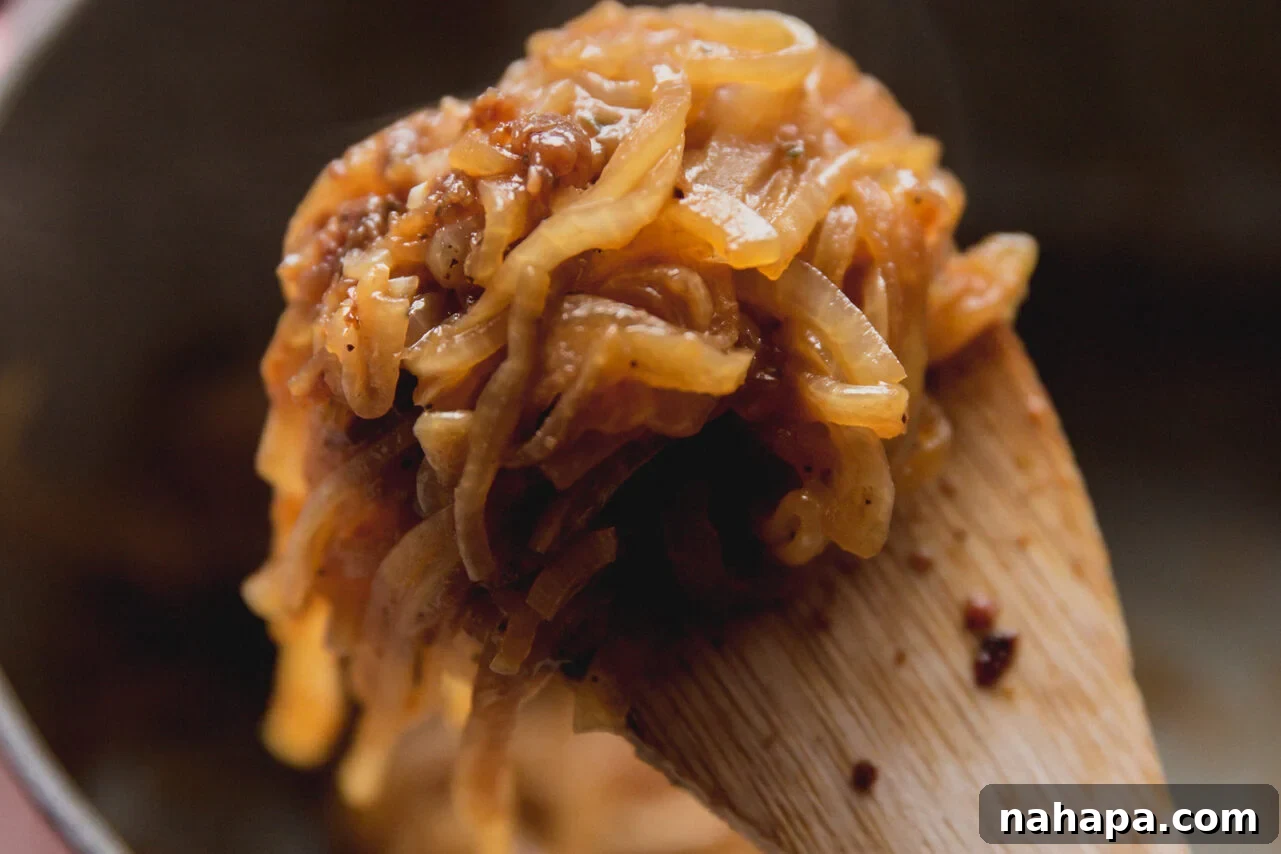
Step Four: Soften the Onions
Allow the onions to cook for 8-10 minutes, stirring occasionally. The goal here is for the onions to soften significantly and become translucent, but not to fully caramelize at this stage. Season the softening onions with a pinch of salt to draw out their moisture and further aid in softening. Then, add the minced garlic and cook for another few minutes until it becomes fragrant. Be careful not to burn the garlic, as this can make it bitter.
Step Five: Assemble for Braising
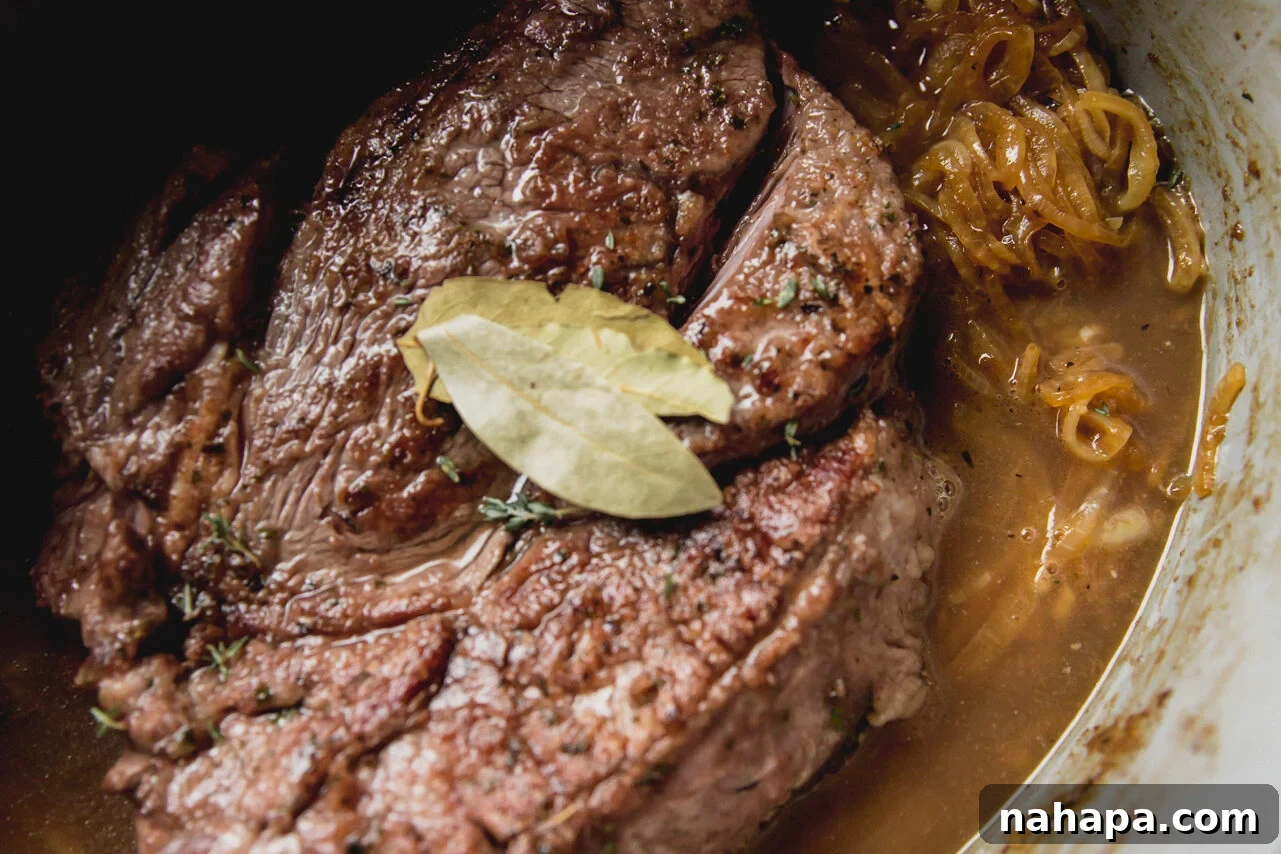
Gently push the softened onions to the sides of the pot, creating a clear space in the center. Carefully place the seared chuck roast back into this central space. Pour the beef broth and red wine vinegar over the roast and around the onions. Tuck the bay leaves on top of the roast. These aromatics will infuse the liquid as the pot roast slowly braises. Place the lid securely onto the Dutch oven, sealing in the moisture and flavors.
Step Six: Slow Roasting to Perfection
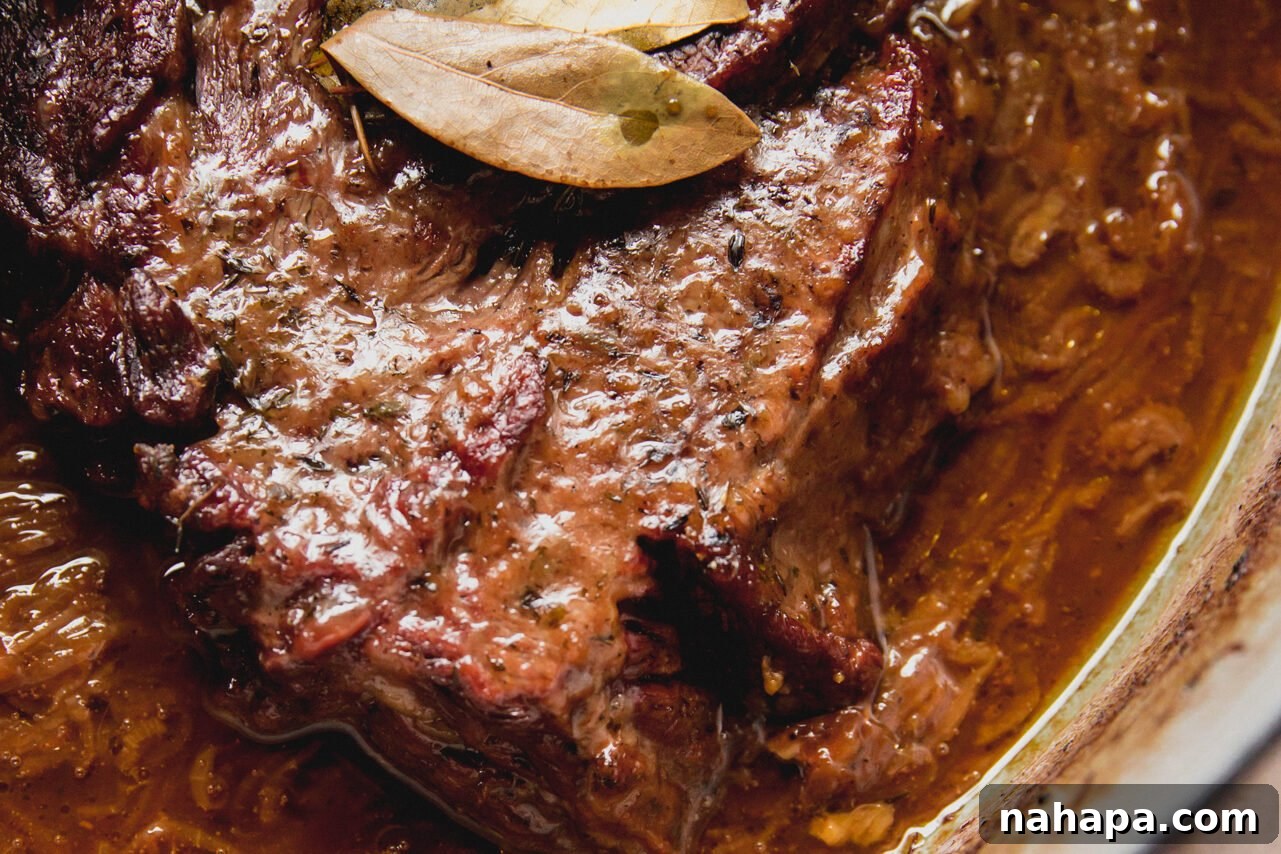
Transfer the covered Dutch oven to your preheated oven. Begin by roasting at 400°F (200°C) for 30 minutes. This initial higher heat helps to kickstart the braising process. After 30 minutes, reduce the oven temperature to 300°F (150°C) and continue roasting. For a 3 lb roast, cook for another 3 hours; for a 4 lb roast, allow approximately 3 hours and 30 minutes. The internal temperature of the roast should ideally reach 185-195°F (85-90°C) for that desirable fall-apart, incredibly tender texture. Once cooked, carefully remove the Dutch oven from the oven and lift off the lid, discarding the bay leaves.
Step Seven: Thicken the Gravy
To transform the flavorful cooking liquid into a rich, luscious gravy, prepare an arrowroot starch slurry. In a small bowl, whisk together the remaining 2 teaspoons of arrowroot starch with about 1 tablespoon of cold water until completely smooth. While the liquid in the Dutch oven is still hot, slowly pour in the arrowroot slurry, stirring continuously with a whisk or wooden spoon. The liquid will begin to thicken as you stir, creating a glossy, savory gravy that perfectly complements the shredded beef.
Step Eight: Rest and Serve
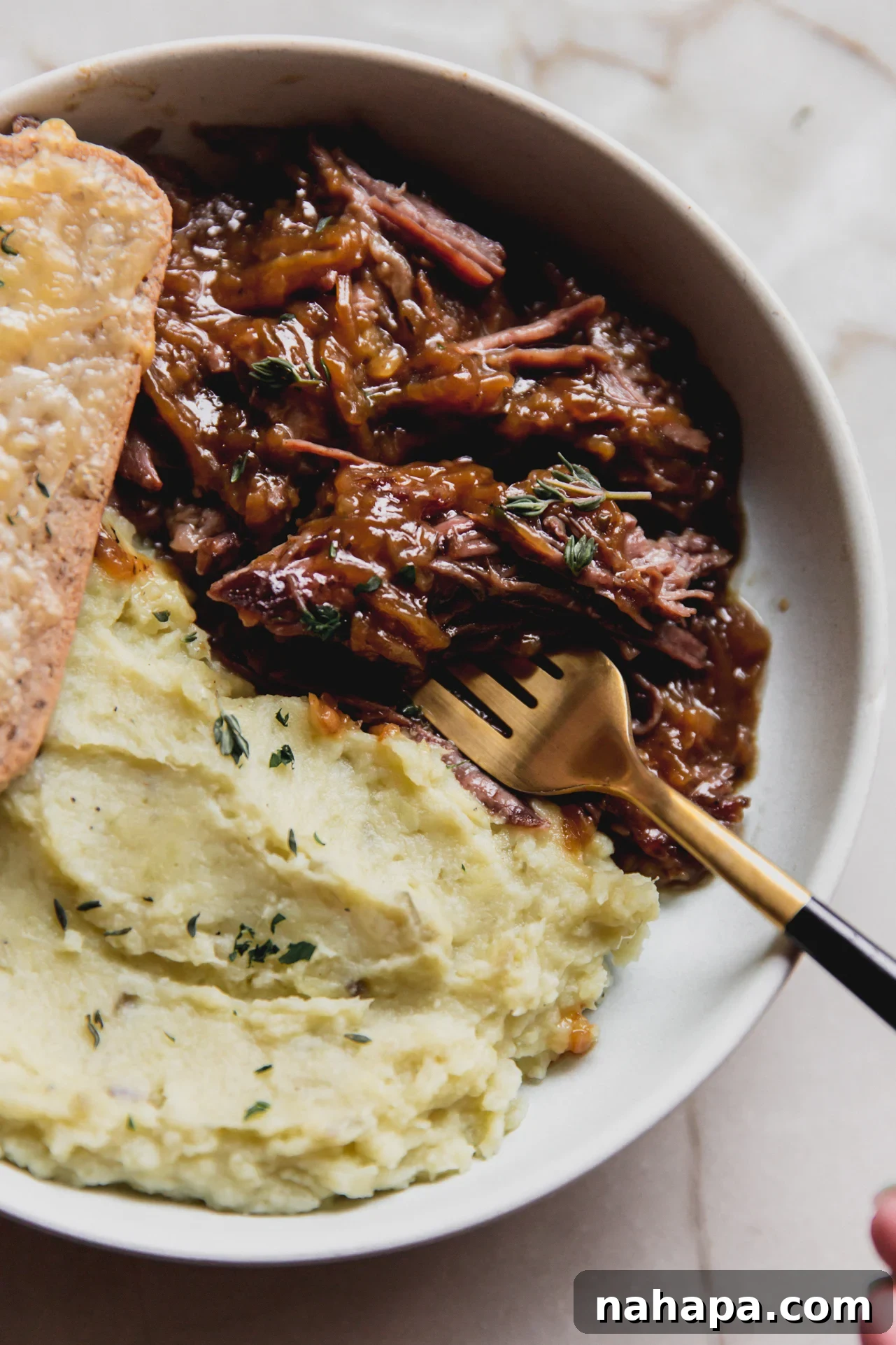
Once the gravy is thickened, place the lid back on the Dutch oven and allow the pot roast to rest for 10-15 minutes. This resting period is crucial as it allows the juices to redistribute throughout the meat, ensuring maximum tenderness and flavor. After resting, use two forks to easily shred the incredibly tender beef. Serve generously, ensuring each portion is topped with plenty of the delicious onion-infused cooking liquid and a sprinkle of fresh chopped parsley and thyme for a vibrant finish.
Mastering Caramelized Onions: Techniques for Success
Caramelizing onions is an art form that brings incredible depth and sweetness to many dishes, and it’s absolutely crucial for the signature flavor of this French Onion Pot Roast. The key to truly magnificent caramelized onions lies in patience and understanding the process.
- Remember the Secret: Low and Slow. The golden rule for caramelizing onions is to cook them gently over low to medium-low heat for an extended period. This isn’t a process you can rush. The natural sugars within the onions need time to slowly break down and undergo the Maillard reaction – a chemical process that creates those desirable rich, brown colors and complex, savory-sweet flavors. On average, achieving a deep caramelization can take around 30-40 minutes of active cooking. However, for this pot roast recipe, you’ll need slightly less upfront caramelization time in the pan, as much of the flavor development continues during the long braising process in the oven.
- The Maillard Reaction Explained: This fascinating chemical reaction is responsible for the browning and delicious flavors of many cooked foods. When onions are cooked over low heat, the amino acids and reducing sugars react, creating hundreds of new flavor compounds. High heat will simply burn the onions before this process can properly occur, resulting in bitter instead of sweet.
- Achieving the Perfect Texture: Beyond flavor, slow cooking also transforms the onions from crisp, pungent layers into a soft, jammy, almost melt-in-your-mouth texture that blends seamlessly with the rich pot roast gravy.
- Monitoring and Stirring: Keep an eye on your onions and stir them every few minutes to ensure even cooking and prevent sticking or burning. The goal is an even, golden-brown color throughout.
Expediting the Caramelization Process:
While patience is key, there are a few clever tricks to help speed up the caramelization process slightly, or at least ensure a deeper flavor development:
- Add a Splash of Water and Cover: After the initial softening, adding a small splash of water (or broth) and covering the pot for a few minutes can create a steaming effect. This helps to quickly soften the onions and draw out their moisture, which then evaporates, allowing the browning to proceed more efficiently. Always keep the heat on low to prevent boiling or rapid scorching.
- A Touch of Sweetness: Introducing a tiny pinch of sugar (granulated or brown) early in the cooking process can accelerate caramelization by providing readily available sugars for the Maillard reaction. Be mindful not to add too much, as the onions have natural sweetness.
- The Baking Soda Trick: A very tiny pinch of baking soda (no more than 1/4 teaspoon for a large batch of onions) can increase the pH of the cooking environment. This slight alkalinity speeds up the Maillard reaction, causing the onions to brown and soften faster. Use sparingly, as too much can result in a soapy flavor or mushy texture.
- Umami Boost from Coconut Aminos: As used in this recipe, coconut aminos not only provide a rich umami flavor but also contribute natural sugars that aid in the caramelization process, helping to achieve that beautiful deep color and savory-sweetness more quickly.
Instant Pot Method: For Speed and Convenience
For those times when you need that tender pot roast in a fraction of the time, the Instant Pot is your best friend. Here’s how to adapt this recipe:
- Sear the Roast: Use the “Sauté” function on your Instant Pot to sear the chuck roast as directed in the main recipe. Brown all sides thoroughly for robust flavor, then remove and set aside.
- Sauté the Onions: Still using the “Sauté” function, add a splash of coconut aminos and scrape up any browned bits from the bottom of the pot. Then, add the sliced yellow onions and cook until softened and lightly golden, incorporating the minced garlic as directed.
- Assemble and Cook: Return the seared roast to the Instant Pot. Pour in the beef broth and red wine vinegar, and add the bay leaves. Ensure the liquid covers at least two-thirds of the roast.
- Pressure Cook: Secure the lid and set the Instant Pot to “Sealing.” Cook on high pressure for 60-80 minutes, depending on the thickness of your roast (60 minutes for a 3lb roast, 80 minutes for a 4lb roast).
- Natural Release: Once cooking is complete, allow the pressure to release naturally for at least 15-20 minutes. This helps keep the meat tender and prevents it from drying out. Carefully manually release any remaining pressure before opening the lid.
- Thicken the Gravy: Remove the bay leaves. If desired, remove the roast and shred it. Switch the Instant Pot back to “Sauté” mode (low setting). Create an arrowroot starch slurry (2 tsp arrowroot starch mixed with 1 tbsp cold water) and whisk it into the hot liquid in the Instant Pot, stirring until the gravy thickens to your desired consistency.
Slow Cooker Method: Effortless All-Day Cooking
The slow cooker offers an incredibly convenient way to prepare this French Onion Pot Roast, allowing flavors to meld beautifully over several hours with minimal supervision.
- Sear the Roast: For best results and maximum flavor, sear the chuck roast on all sides in a separate skillet on the stove as directed in the main recipe, then transfer it to your slow cooker.
- Sauté the Onions: In the same skillet used for searing, sauté the sliced yellow onions with coconut aminos until softened and lightly golden, adding the minced garlic towards the end. This step is crucial for developing the rich French onion flavor base. Transfer the sautéed onions and any pan drippings to the slow cooker.
- Add Liquids and Aromatics: Pour the beef broth and red wine vinegar over the roast and onions in the slow cooker. Add the bay leaves.
- Slow Cook to Tenderness: Cover the slow cooker and cook on low for 6-8 hours, or on high for 3-4 hours, until the roast is fork-tender and easily shreds. Cooking on low for a longer period often yields the most tender results.
- Thicken the Gravy: Carefully remove the bay leaves. If you desire a thicker gravy, remove the roast and shred it. Create an arrowroot starch slurry (2 tsp arrowroot starch mixed with 1 tbsp cold water) and stir it into the hot cooking liquid in the slow cooker. Continue to cook on high for an additional 15-30 minutes, stirring occasionally, until the gravy has thickened to your preference.
Serving Suggestions: What Pairs Best?
This French Onion Pot Roast is a complete meal in itself, but a few well-chosen side dishes can elevate the experience and perfectly complement its rich flavors:
- Creamy Mashed Sweet Potatoes: The subtle sweetness and creamy texture of mashed sweet potatoes provide a wonderful contrast to the savory, umami-rich pot roast. They also make an excellent vehicle for soaking up all that delicious gravy.
- Crusty Gluten-Free Bread with Melted Cheese: Emulate the classic French onion soup experience by serving slices of crusty gluten-free bread, toasted and topped with melted Gruyère or Swiss cheese. It’s perfect for dipping and adds a delightful textural element.
- Garlic Green Beans with Toasted Almonds: A vibrant green vegetable offers a fresh counterpoint. Green beans sautéed with garlic, crispy bacon, and toasted almonds add a lovely crunch and a touch of smoky flavor that pairs beautifully with the beef.
- Roasted Root Vegetables: For a hearty and earthy side, consider roasting carrots, parsnips, or small potatoes alongside your pot roast. Their natural sweetness and tender texture complement the dish.
- Simple Green Salad: A light, crisp green salad with a bright vinaigrette can cut through the richness of the pot roast, providing a refreshing contrast and cleansing the palate.
Creative Ways to Enjoy Leftover Pot Roast
One of the joys of making a large pot roast is the delicious leftovers! Repurposing the tender meat and flavorful gravy means you can enjoy different meals for days to come.
- Hearty Pot Roast Sandwiches: Shred the leftover pot roast and warm it gently in its gravy. Pile it high on your favorite gluten-free bread or rolls, perhaps with a slice of melted Swiss cheese, for an incredible sandwich experience. My pot roast sandwiches recipe is easily adaptable for this French onion version.
- Savory Breakfast Hash: Transform your leftovers into a gourmet breakfast. Simply dice the pot roast and sauté it with chopped potatoes (or sweet potatoes) and onions until crispy. Top with a fried egg for a flavor-packed, satisfying morning meal.
- Comforting Shepherd’s Pie: A classic comfort food, shepherd’s pie is perfect for pot roast leftovers. Layer the shredded beef and gravy into an oven-safe dish, then top generously with mashed potatoes or creamy mashed cauliflower for a grain-free option. Bake until bubbly and golden brown.
- Quick & Easy Tacos or Wraps: Shredded pot roast makes a fantastic filling for tacos or lettuce wraps. Warm the meat, add some fresh salsa, a squeeze of lime, and your favorite toppings for a quick and flavorful meal.
- Stuffed Sweet Potatoes: Bake a sweet potato until tender, then split it open and fill it with warm, shredded pot roast and gravy. Top with a dollop of dairy-free sour cream or fresh herbs for a simple yet satisfying dish.
Storage & Reheating Tips
Proper storage and reheating are key to enjoying your French Onion Pot Roast leftovers safely and deliciously.
- Storing: Allow the pot roast to cool completely before transferring it, along with its rich gravy, to an airtight container. Store in the refrigerator for up to 3-4 days. For longer storage, freeze the pot roast and gravy in a freezer-safe container for up to 3 months. Thaw overnight in the refrigerator before reheating.
- Reheating in the Oven: For best results, especially if reheating a larger portion, preheat your oven to 300°F (150°C). Place the pot roast and gravy in an oven-safe dish, cover tightly with foil, and heat for 20-30 minutes, or until thoroughly warmed through. Adding a splash of extra beef broth can help maintain moisture.
- Reheating on the Stovetop: For individual servings or smaller portions, transfer the pot roast and gravy to a saucepan. Heat over medium-low heat, stirring occasionally, until hot. Be careful not to overheat, which can dry out the meat. Add a little extra broth or water if the gravy has become too thick.
- Microwave: While convenient, microwaving can sometimes dry out pot roast. If using, heat in short intervals, stirring between each, until warmed through. Cover the dish to help retain moisture.
Frequently Asked Questions (FAQs)
For this recipe, yellow onions are absolutely ideal. They offer a perfect balance of sweetness and robust flavor that develops beautifully into the rich, savory notes characteristic of French onion dishes. I highly recommend slicing them thinly and uniformly, perhaps with a mandolin if you have one, to ensure even cooking and a consistent, jammy texture.
High-quality beef broth will always provide the most rich and authentic flavor base for your pot roast, creating a deeply savory gravy. For even more complexity and depth, consider adding a touch of dry red wine (such as a Merlot or Cabernet Sauvignon) to the broth. Additionally, incorporating coconut aminos, as done in this recipe, introduces a fantastic layer of umami that enhances the overall flavor profile.
The undisputed secret to achieving a perfectly tender, fall-apart pot roast is cooking it “low and slow.” This means braising the meat at a lower temperature for an extended period. This method allows the connective tissues in the chuck roast to slowly break down into gelatin, resulting in that incredibly succulent and juicy texture. Rushing the process or cooking at too high a heat will result in tough, dry meat. Follow the recipe as written, allowing ample time, and you’ll be rewarded with an epically tender roast.
While technically optional, I always strongly recommend searing the chuck roast before adding it to the pot for braising. This crucial step creates a beautiful, caramelized crust on the outside of the meat, which not only adds a wonderful textural element but also significantly deepens the flavor of the entire dish through the Maillard reaction. The browned bits left in the pan after searing also become part of the rich gravy through deglazing, contributing immense savory notes.
Absolutely! Pot roast is an excellent dish for make-ahead meals. In fact, many argue that the flavors deepen and meld even further the day after it’s cooked. You can prepare the entire pot roast a day or two in advance, cool it completely, and store it in the refrigerator. Reheat gently in the oven or on the stovetop when you’re ready to serve.
Yes, this recipe is designed to be completely gluten-free, primarily using arrowroot starch as a thickener and coconut aminos. The base recipe is also dairy-free. The optional cheesy bread component uses gluten-free bread and dairy cheese, but this can easily be omitted or swapped for dairy-free cheese alternatives if you’re avoiding dairy, ensuring the main pot roast remains compliant with your dietary needs.
More French Onion Inspired Recipes
- French Onion Chicken and Rice
- French Onion Shepherd’s Pie
- French Onion Smashburger Tacos
If you’ve savored this French Onion Pot Roast or explored any other delightful recipe on our blog, we’d love to hear from you!
Your feedback helps our community thrive. Please leave a rating and share your experience in the comments section below. Thank you for joining us on this culinary journey!
French Onion Pot Roast Recipe
This French Onion Pot Roast is everything you love about the classic soup but in pot roast form. It’s gluten-free, dairy-optional, and cooked to perfection in the oven.
Yield: 8 servings
Prep Time: 20 mins
Cook Time: 3 hrs 30 mins
Total Time: 3 hrs 50 mins
Author: Michelle
Ingredients
- 3-4 lb chuck roast
- Salt and pepper, to taste
- 2 tsp dried parsley
- 2 tsp dried thyme
- 2 tbsp + 2 tsp arrowroot starch, divided
- 2 tbsp avocado oil
- 2 tbsp coconut aminos
- 2 yellow onions, halved and sliced thin
- 2 cloves garlic, minced
- 2 ½ cups beef broth
- 1 tbsp red wine vinegar
- 3 bay leaves
- Fresh parsley and thyme, chopped (for garnish)
Instructions
- Set the roast on the counter for 30 minutes before preparing to bring it to room temperature. Preheat the oven to 400°F (200°C).
- In a large, shallow bowl, combine salt, pepper, dried parsley, dried thyme, and 2 tablespoons of arrowroot starch. Add the chuck roast and rotate to thoroughly coat all sides.
- Using a large Dutch oven (or oven-safe pot), heat the avocado oil over medium-high heat. Once the oil is shimmering, carefully add the seasoned roast. Sear for 2-4 minutes on each side until a deep brown crust forms. Remove the roast and set it aside on a clean plate.
- Reduce the heat to medium-low. Pour in the coconut aminos and use a wooden spoon to vigorously scrape up any browned bits from the bottom of the pot. This deglazing step adds immense flavor.
- Add the sliced yellow onions to the Dutch oven and toss them in the coconut aminos. Cook for 8-10 minutes, stirring occasionally, until the onions have softened but are not yet fully caramelized. Season the onions with a pinch of salt and add the minced garlic, cooking for another few minutes until fragrant.
- Push the softened onions to the sides of the pot, creating a space in the center. Carefully return the seared roast to the pot. Pour in the beef broth and red wine vinegar. Tuck the bay leaves on top of the roast. Place the lid securely on the Dutch oven.
- Transfer the covered Dutch oven to the preheated oven. Roast for 30 minutes at 400°F (200°C). Then, reduce the oven temperature to 300°F (150°C) and continue to roast for another 3 hours for a 3 lb roast, or about 3 hours and 30 minutes for a 4 lb roast. The internal temperature of the meat should reach 185-195°F (85-90°C) for an exceptionally tender, fall-apart texture.
- Once cooked, remove the Dutch oven from the oven and carefully discard the bay leaves.
- To thicken the rich broth into a luscious gravy, combine the remaining 2 teaspoons of arrowroot starch with about 1 tablespoon of cold water in a small bowl to form a slurry. Whisk it well until smooth, then slowly add it to the hot cooking liquid in the Dutch oven, stirring continuously. The liquid will thicken as you stir.
- Allow the pot roast to rest, covered, for 10-15 minutes before shredding it with two forks. Serve generously topped with the savory onion-infused cooking liquid and a sprinkle of fresh chopped parsley and thyme.
Notes
- While chuck roast naturally has some fat, trim off any excessive fat before cooking to ensure fewer chewy bites and a more enjoyable texture.
- For an indulgent serving experience, pair your pot roast with creamy mashed white sweet potato, and cheese toast if dairy is tolerated. To prepare cheese toast, use a sturdy gluten-free bread (I use this grain free bread, use code UNBOUNDWELLNESS for a discount) and add shredded Gruyère or Swiss cheese on top. Cook in the air fryer at 400°F (200°C) for 4-5 minutes or until the cheese is melted and bubbly.
Nutrition Information (Estimated Per Serving)
- Serving: 1 serving
- Calories: 285 kcal
- Carbohydrates: 7.4 g
- Protein: 34.8 g
- Fat: 12.2 g
- Fiber: 0.9 g
All nutrition facts are estimated and will vary based on specific ingredients and preparation methods.
Did you Make this Recipe?
Tag @unboundwellness on Instagram and hashtag #unboundwellness!