
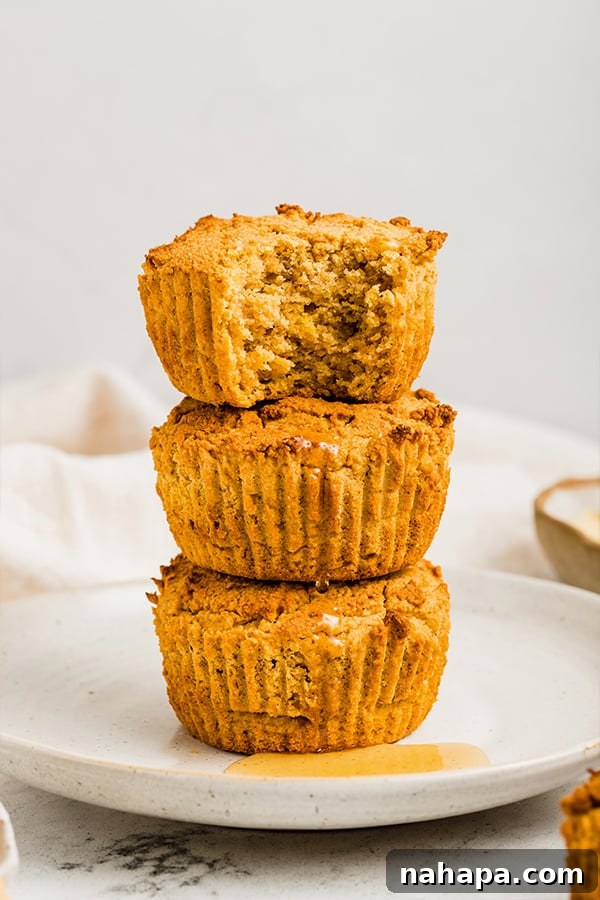
Craving the warm, comforting taste of cornbread but navigating dietary restrictions? Look no further! These incredible grain-free muffins deliver all the satisfying flavor and texture of traditional cornbread, without any of the corn. Perfectly crafted to be gluten-free, paleo, and AIP-friendly, they offer a delicious solution for anyone avoiding grains, dairy, or eggs. Get ready to indulge in a treat that truly feels like a warm hug, suitable for any meal or snack.
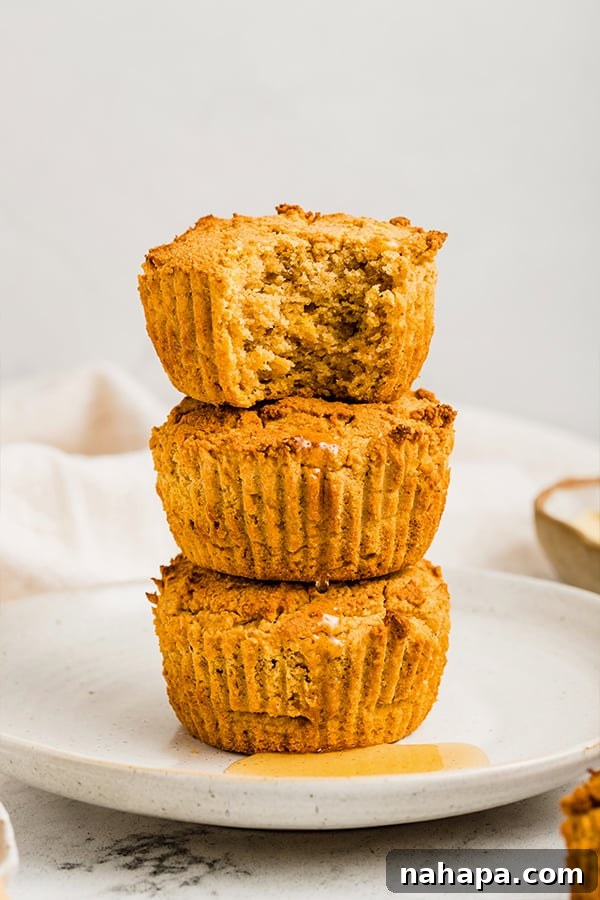
Delicious Grain-Free Cornbread Muffins: Your Paleo & AIP-Friendly Comfort Food Guide
The idea of “grain-free cornbread” might sound like a contradiction, but for those following a grain-free, Paleo, or Autoimmune Protocol (AIP) diet, the absence of this classic comfort food can be truly missed. Cornbread, with its unique texture and subtly sweet flavor, is a staple, especially around the holidays or alongside a hearty bowl of chili. If you’ve been yearning for that familiar taste, prepare to be amazed by these incredible Grain-Free Cornbread Muffins.
You’re going to be genuinely surprised by how authentically these muffins capture the essence of traditional cornbread! They boast a moist, tender crumb and a delightful sweetness, all while adhering to strict dietary guidelines. Made with wholesome ingredients like sweet potato puree, a thoughtful blend of grain-free flours, homemade dairy-free buttermilk, and a touch of honey, these muffins are not only gluten-free and dairy-free but also entirely paleo-friendly and AIP compliant. Plus, they are completely egg-free, making them suitable for an even wider range of dietary needs without sacrificing taste or texture.
Why You’ll Love These Grain-Free Cornbread Muffins
Living with dietary restrictions, especially those as comprehensive as the Autoimmune Protocol or a strict Paleo regimen, often means saying goodbye to many beloved comfort foods. Cornbread is high on that list for many. These Grain-Free Cornbread Muffins are designed to bring that familiar warmth and satisfaction back to your table. They aren’t just a substitute; they’re a genuinely delicious treat that stands on its own merits.
What makes them truly special? Firstly, the texture. We’ve worked to replicate the slightly crumbly, yet tender and moist interior that defines good cornbread. This is achieved through a careful balance of grain-free flours and the unique properties of sweet potato puree and palm shortening. Secondly, the flavor profile is spot-on. A subtle sweetness from honey and sweet potato, combined with the slight tang from the “buttermilk,” creates a harmonious taste that will transport you back to childhood meals, even without the corn.
Beyond taste and texture, these muffins offer incredible versatility. They are perfect as a quick breakfast on the go, a satisfying snack, or a delightful side dish for your favorite savory meals like stews, soups, or chili. Best of all, they’re suitable for almost everyone at your table, catering to gluten-free, dairy-free, egg-free, paleo, and AIP lifestyles, making them an ideal choice for gatherings where dietary needs vary.
Key Ingredients for Perfect Grain-Free Cornbread Muffins
The magic of these muffins lies in a thoughtful selection of grain-free, AIP-friendly ingredients that work together to mimic the characteristics of traditional cornbread. Each component plays a crucial role in achieving the desired flavor, moisture, and texture.
- Coconut Milk & Apple Cider Vinegar: Crafting Dairy-Free Buttermilk. The combination of full-fat coconut milk and apple cider vinegar creates a fantastic dairy-free buttermilk substitute. The acidity of the vinegar reacts with the coconut milk, giving it a slightly thickened, tangy profile that contributes to the muffins’ tenderness and helps activate the leavening agents.
- Tigernut Flour: The Nut-Free Foundation. Tigernut flour is a star in grain-free and AIP baking. Despite its name, tigernuts are not nuts but small tubers, making their flour a safe and delicious alternative for those with nut allergies or following AIP. It has a slightly sweet, earthy flavor and a finely milled texture that works wonderfully to provide the bulk and structure needed in these muffins, offering a similar density to almond flour without the allergenic properties.
- Tapioca Starch: The Binder and Tenderizer. Tapioca starch (also known as tapioca flour) is an essential binding agent in gluten-free baking. It helps hold the muffins together, preventing them from being too crumbly, and contributes to a wonderfully light and chewy texture. If tapioca starch isn’t available, arrowroot starch makes an excellent 1:1 substitute.
- Coconut Flour: For That Classic Crumb. A small amount of coconut flour is incredibly powerful due to its high absorbency. In this recipe, it’s strategically used to give the muffins a crumbly, yet moist texture reminiscent of traditional cornbread. Its unique properties make it difficult to substitute directly, as it absorbs liquid differently than other flours.
- Baking Powder and Salt: Essential Leavening and Flavor. These standard baking staples ensure the muffins rise beautifully and develop an even texture, while a pinch of salt balances the sweetness and enhances all the flavors.
- Palm Shortening: For Richness and Structure. Palm shortening is key to achieving the cakey, tender texture of these muffins. Unlike coconut oil, which can create a denser, sometimes drier result, palm shortening provides a rich mouthfeel and a delicate structure that’s perfect for a cornbread-like consistency. Make sure to choose sustainably sourced palm shortening.
- Honey: A Touch of Natural Sweetness. Honey serves as the primary sweetener, imparting a subtle, natural sweetness that complements the sweet potato and balances the overall flavor profile. Its liquid form also contributes to the muffins’ moisture.
- Canned Sweet Potato Purée: Moisture, Color, and Flavor. Sweet potato puree is a fantastic addition, lending natural sweetness, rich moisture, and a beautiful golden hue to the muffins. It’s a wonderful way to incorporate vegetables while enhancing the flavor and texture. Ensure you use plain, unsweetened puree. While pumpkin puree can be used as a substitute, be aware that it will impart a slightly different flavor profile.
- Water and Gelatin: The Egg-Free Secret. For an egg-free recipe that still binds and holds its shape, gelatin is the secret ingredient. When prepared correctly, a “gelatin egg” acts as a phenomenal binder, providing structure and moisture without the need for traditional eggs, making these muffins suitable for those with egg sensitivities or following AIP. We recommend a high-quality, grass-fed gelatin.
The Art of Baking: Step-by-Step Guide to Making Grain-Free Cornbread Muffins
Creating these delightful grain-free cornbread muffins is a straightforward process, but paying attention to each step ensures perfect results every time. Follow these detailed instructions to bake your way to cornbread bliss.
- Prepare Your Workspace. Begin by preheating your oven to 350°F (175°C). Line a standard muffin tin with 6-7 muffin liners. For extra assurance against sticking, lightly grease the inside of each liner with a little cooking spray or palm shortening. This small step helps the muffins release cleanly after baking.
- Activate Your Dairy-Free Buttermilk. In a small bowl, combine the coconut milk and apple cider vinegar. Stir gently and set it aside for 5-10 minutes. During this time, the coconut milk will slightly curdle and thicken, creating a “buttermilk” effect that adds tang and tenderness to the muffins.
- Combine Dry Ingredients. In a large mixing bowl, sift together the tigernut flour, tapioca starch, and coconut flour. Sifting is crucial for grain-free flours as it helps to remove any lumps and ensures a light, even texture in your final product. Once sifted, stir in the baking powder and a pinch of salt until well combined.
- Incorporate Wet Ingredients. Add the softened palm shortening, honey, and sweet potato puree to the dry ingredient mixture. Gently mix these until just combined. Next, pour in your prepared coconut milk and apple cider vinegar mixture. Stir everything together until a cohesive batter forms. Be careful not to overmix; overmixing can lead to tougher muffins.
- Crafting the Gelatin Egg. This is a critical step for our egg-free muffins! In a small pot, add ¼ cup of water and sprinkle the gelatin evenly over the surface. Allow it to sit for a few minutes to “bloom” or harden. Then, place the pot on the stove over very low heat. Gently stir until the gelatin completely dissolves and the mixture becomes liquid and clear. This should only take 1-2 minutes. Immediately remove from heat and use a whisk or a milk frother to froth the gelatin mixture until it becomes very foamy and light.
- Add the Gelatin Egg to the Batter. As soon as the gelatin egg is frothy, immediately add it to your muffin batter and stir it in quickly and thoroughly. The gelatin will begin to set as it cools, so working quickly here ensures it is evenly distributed and can perform its binding magic.
- Fill the Muffin Liners. Using a cookie scoop or a spoon, divide the batter evenly among the prepared muffin liners. You should yield approximately 6-7 standard-sized muffins. Fill each liner about two-thirds full to allow for proper rising.
- Bake to Golden Perfection. Carefully transfer the muffin tin to your preheated oven. Bake for approximately 35 minutes, or until the muffins are golden brown and a toothpick inserted into the center comes out clean. The cooking time may vary slightly depending on your oven.
- Cool and Enjoy! Once baked, remove the muffin tin from the oven. Carefully transfer the muffins to a wire cooling rack and allow them to cool completely before serving. This cooling period is essential as it allows the muffins to set properly, improving their texture and making them easier to handle.
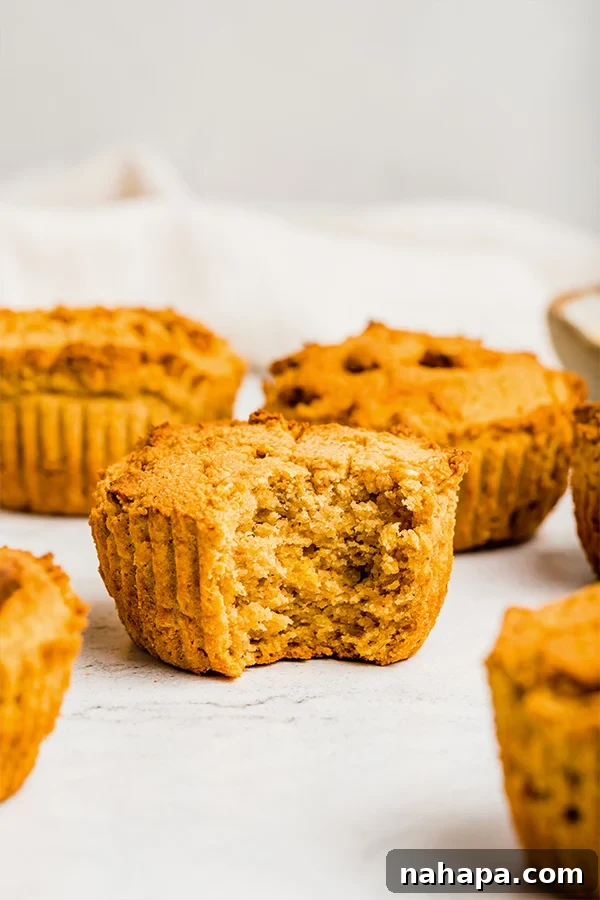
Expert Tips for Perfect Grain-Free Cornbread Muffins & Common Questions
Achieving the perfect grain-free and AIP-friendly muffin is easy with a few simple tips and clear answers to common questions. Here’s how to ensure your cornbread muffins turn out wonderfully every time:
Tips for Success
- Measure Accurately: Especially in grain-free baking, precise measurements are crucial. Use a kitchen scale for flours if possible, or ensure you’re spooning flour into measuring cups and leveling it off, rather than scooping directly.
- Don’t Overmix: Mix the batter until just combined. Overmixing can develop the starches in the flours, leading to a tougher texture in your final muffins.
- Room Temperature Ingredients: Ensure ingredients like palm shortening and sweet potato puree are at room temperature. This helps them incorporate smoothly into the batter, preventing lumps and ensuring even mixing.
- Patience with Cooling: Resist the urge to dive into the muffins immediately after baking. Allowing them to cool completely on a wire rack lets them set properly, preventing them from crumbling and improving their overall texture.
- Customize (AIP-friendly options): Once you’re comfortable with the basic recipe, feel free to experiment with AIP-compliant additions if tolerated. A sprinkle of dried cranberries or a touch of cinnamon (if reintroduced) can add a delightful twist.
Common Questions Answered
Can you make these muffins without coconut flour or coconut milk?
Coconut flour is essential for these muffins, as it plays a unique role in creating the crumbly, cornbread-like texture while absorbing moisture effectively. It’s not easily substituted. For coconut milk, while it gives a wonderful “buttermilk” flavor and richness, you *may* be able to try another dairy-free milk if tolerated and available on your diet (e.g., tigernut milk for AIP). However, it might slightly alter the final texture and flavor, so proceed with caution. The original recipe relies heavily on coconut milk for its specific fat content and creaminess.
Can you use coconut oil instead of palm shortening?
While coconut oil is a common fat in many dairy-free recipes, palm shortening is specifically chosen for this recipe because it helps create a distinctly “cakey” and tender texture that is very reminiscent of traditional cornbread. Coconut oil tends to make baked goods a bit denser and can sometimes result in a less soft crumb when used in similar quantities. For the best possible texture, we highly recommend sticking to palm shortening.
Can you use regular mashed sweet potato instead of canned sweet potato puree?
Yes, you can, but with a slight adjustment! Regular homemade mashed sweet potato can sometimes be thicker or have more fibrous bits than commercial canned puree. If you’re using homemade mashed sweet potato, ensure it’s very well pureed to a smooth consistency. You might also need to thin it out with an extra tablespoon or two of coconut milk or water to match the consistency of canned puree, preventing the batter from becoming too dry or stiff.
Can you use pumpkin puree instead of sweet potato puree?
Absolutely! Pumpkin puree is a great alternative if you prefer it or if sweet potato puree isn’t available. The recipe will work just as well structurally. However, be aware that using pumpkin puree will impart a slightly different flavor profile to the muffins, giving them a more autumnal, pumpkin-y note rather than the distinct sweet potato flavor. Both are delicious, so it comes down to personal preference.
Serving Suggestions for Your Grain-Free Cornbread Muffins
These grain-free cornbread muffins are incredibly versatile and can be enjoyed in numerous ways throughout the day. Here are some delicious serving suggestions:
- Classic Side Dish: Serve them warm alongside your favorite hearty stews, chili, or a comforting bowl of soup. Their absorbent texture and subtle sweetness make them perfect for soaking up savory broths.
- Breakfast Treat: Enjoy them for breakfast with a drizzle of extra honey, a dollop of your favorite AIP-compliant jam, or a spread of dairy-free butter. They pair wonderfully with a cup of herbal tea or coffee.
- Quick Snack: Pack them in lunchboxes or grab one for a satisfying mid-day snack. They’re excellent plain or with a spread.
- Holiday Feasts: These muffins are an ideal addition to any holiday table, providing an inclusive option for guests with dietary restrictions. They fit right in with other festive dishes.
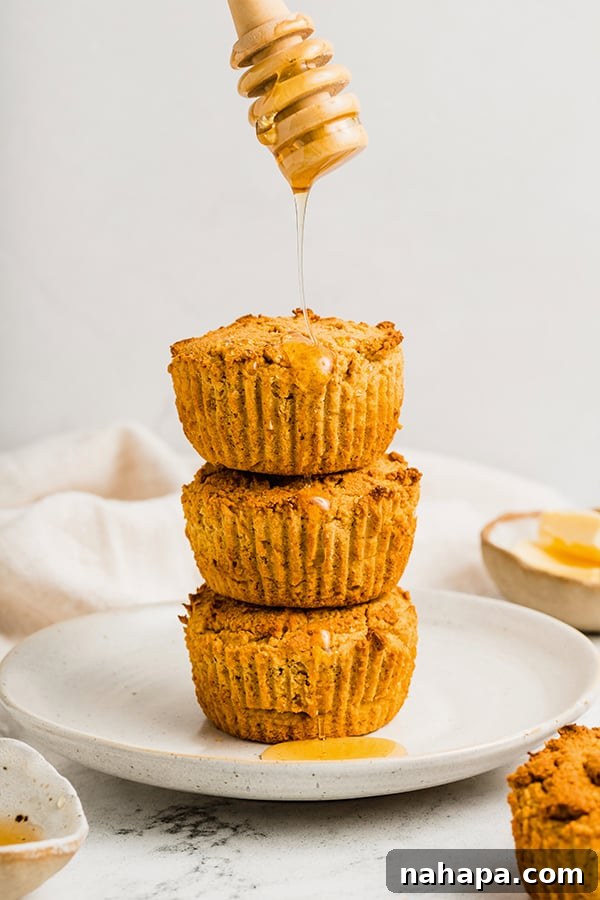
You’ll Also Love These AIP & Paleo-Friendly Recipes…
- Paleo Pumpkin Muffins
- AIP Garlic and Herb Bread Rolls
- Gluten-Free Stuffing
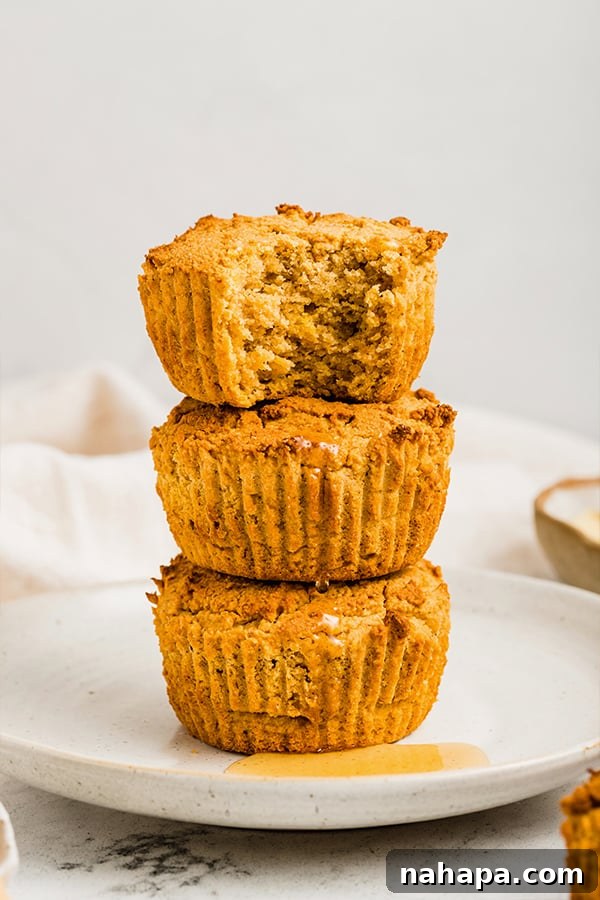
Grain-Free Cornbread Muffins (Paleo, AIP)
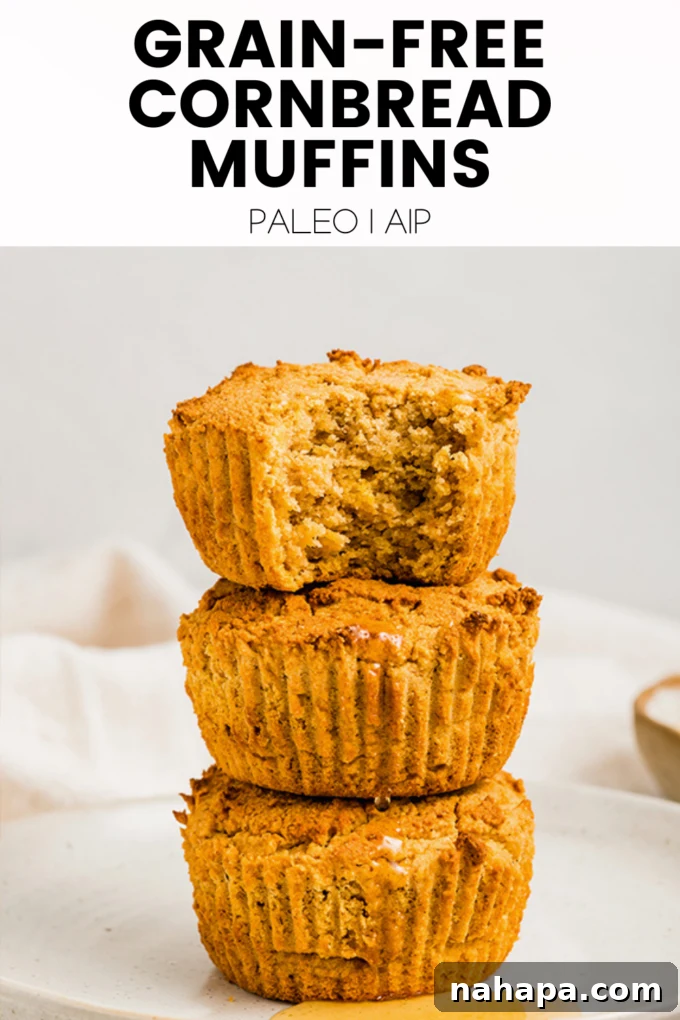
These grain-free muffins will make you feel like you’re eating cornbread without the corn! They’re gluten-free, paleo, and AIP-friendly.
Yield: 6-7 muffins
Prep Time: 20 minutes
Cook Time: 35 minutes
Total Time: 55 minutes
Author: Michelle
Ingredients
- ¼ cup coconut milk
- 1 tsp apple cider vinegar
- 1 cup tigernut flour
- ¼ cup tapioca starch
- 3 tbsp coconut flour
- 1 tsp baking powder
- Pinch of salt
- 2 tbsp palm shortening
- 3 tbsp honey
- ¼ cup canned sweet potato purée
- ¼ cup water
- 1 tbsp gelatin
Instructions
- Preheat the oven to 350 F and line a muffin tin with 6-7 liners that are lightly greased with cooking spray.
- Combine the coconut milk and apple cider vinegar. Set aside.
- Sift the tigernut flour, tapioca starch, and coconut flour together. Stir in the salt and baking powder.
- Stir in the palm shortening, honey, sweet potato puree, and coconut milk mixture.
- To prep the gelatin egg, add 1/4 cup of water to a small pot and sprinkle over the gelatin. Allow to harden. Place on the stove and allow the mixture to become liquid over low heat. This will take 1-2 minutes. Use a whisk or milk frother to froth until very frothy. Add to the batter and stir immediately.
- Use a cookie scoop to fill the muffin liners with the batter. You should have 6-7 muffins.
- Transfer to oven and allow to bake for 35 minutes or until baked through.
- Carefully transfer to a cooling rack and allow to cool completely before serving.
Notes
All nutrition facts are estimated and will vary.
Nutrition Information
Serving: 1 muffin, Calories: 184 kcal, Carbohydrates: 24.7g, Fat: 10.7g, Fiber: 3.2g
All nutrition facts are estimated and will vary.
Recipe by Michelle, Unbound Wellness. Photos by Eat Love Eats