This post contains affiliate links.
Experience Authentic Flavors with Our Healthy Gluten-Free Pad Thai Recipe
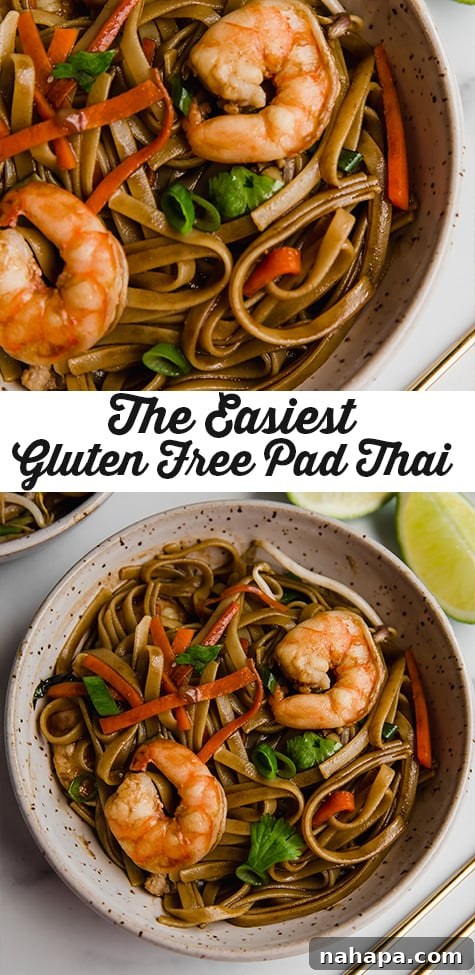
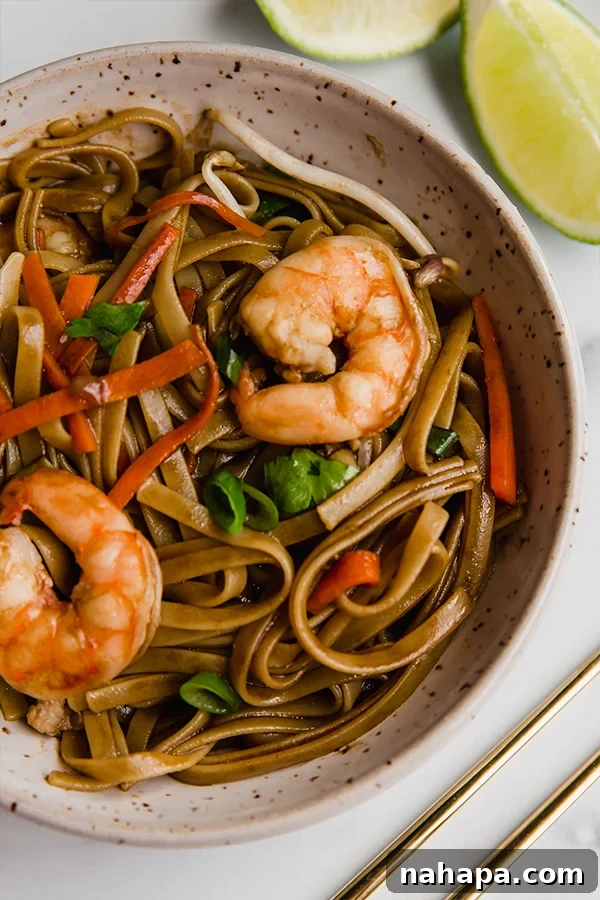
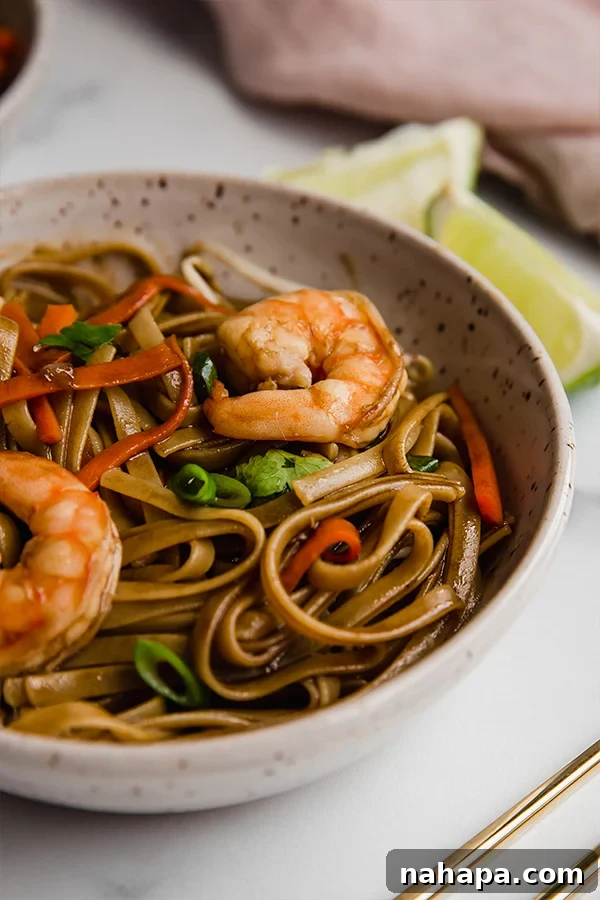
Craving the vibrant, complex flavors of Pad Thai but struggling with dietary restrictions? Look no further! This ultimate gluten-free Pad Thai recipe brings the beloved Thai classic right into your kitchen, reinvented for modern health needs. Featuring tender gluten-free rice noodles, succulent shrimp, crisp bean sprouts, and a medley of nourishing vegetables, all coated in a rich, homemade sauce, this dish is a testament to flavor without compromise. It’s completely gluten and soy-free, and can be effortlessly adjusted to fit Paleo and AIP (Autoimmune Protocol) lifestyles, making it a versatile meal for everyone to enjoy.
What is Pad Thai and Why Make it Gluten-Free?
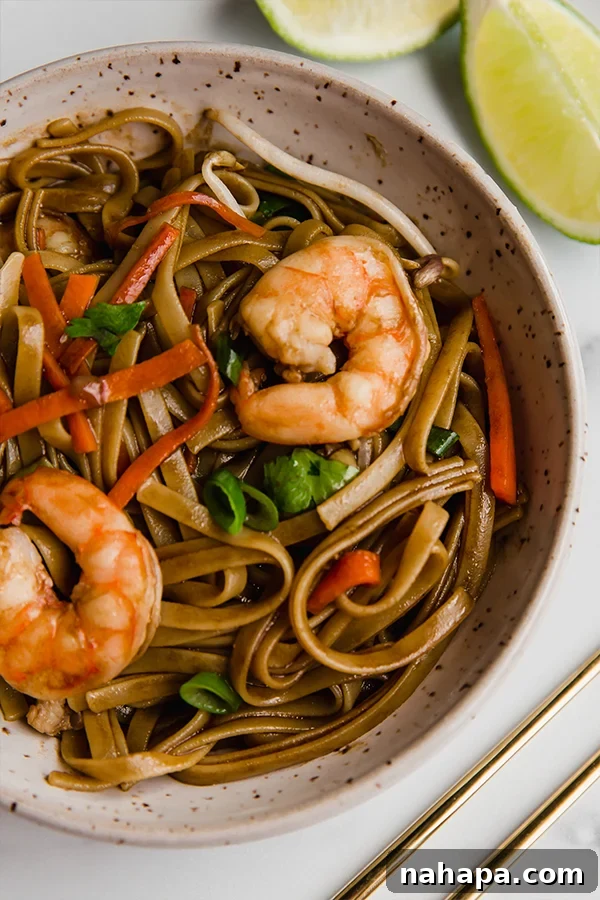
Pad Thai, a cornerstone of Thai street food and restaurant menus worldwide, is a harmonious stir-fry of rice noodles, protein, vegetables, and a signature sweet, sour, and savory sauce. Its irresistible taste and comforting texture have made it a global favorite. For many, the memory of takeout Pad Thai from college or a favorite local spot evokes pure culinary bliss. However, traditional Pad Thai often includes ingredients like wheat noodles (gluten), soy sauce (soy), refined sugar, and processed oils, which can be problematic for those with food sensitivities or following specific dietary paths.
During my own journey towards a real food diet and healing, I deeply missed the comforting embrace of Pad Thai. Realizing that the conventional version didn’t align with my wellness goals, I embarked on a mission to recreate this classic without sacrificing its iconic taste. This recipe is the culmination of that effort: a genuinely delicious and healthy Pad Thai that captures all the authentic flavors you dream of, while being entirely free of gluten, soy, refined oils, nuts, and artificial sugars. It proves that you can enjoy your favorite dishes while nourishing your body, easily adapted to be Paleo and AIP-friendly for even stricter dietary needs.
Crafting the Perfect Gluten-Free Pad Thai: Key Ingredients
The secret to an outstanding Pad Thai lies in the quality and balance of its ingredients. Our recipe focuses on whole, unprocessed components that deliver maximum flavor and nutritional benefits.
The Irresistible Sauce: A Symphony of Sweet, Sour, and Savory
The sauce is the soul of Pad Thai, and ours is crafted to perfection, mimicking the traditional flavor profile without common allergens. Each ingredient plays a crucial role:
- Coconut Sugar: A natural sweetener that provides a deep, caramel-like sweetness without the drawbacks of refined sugars. It’s a fantastic alternative that keeps the sauce balanced.
- Coconut Aminos: This essential ingredient replaces soy sauce, offering a rich, umami depth that is completely soy-free. It’s vital for achieving that classic savory foundation.
- Fish Sauce: A non-negotiable for authentic Pad Thai flavor, fish sauce adds a distinctive salty, umami punch. Choose a high-quality brand for the best results.
- Tamarind Paste: The star of the show for that signature tangy, sour note. Tamarind paste is what gives Pad Thai its unique brightness and complexity. Don’t skip it!
- Apple Cider Vinegar: A touch of apple cider vinegar enhances the sauce’s acidity, complementing the sweetness and creating a well-rounded taste experience.
Noodles: The Heart of Your Pad Thai
For a truly gluten-free experience, the right noodles are paramount.
- Gluten-Free Pad Thai Noodles: I highly recommend using quality brown rice Pad Thai noodles. They hold up beautifully in a stir-fry and provide a satisfying texture. Be sure to check notes for Paleo/AIP options.
Fresh and Flavorful Additions for Your Pad Thai
- Avocado Oil: A high smoke point oil perfect for stir-frying, providing healthy fats and a neutral flavor.
- Aromatics: Onion, Garlic, and Ginger: These form the aromatic base of the stir-fry, infusing the dish with incredible fragrance and foundational flavor.
- Vibrant Vegetables:
- Carrot: Thinly julienned carrots add a touch of sweetness and beautiful color.
- Baby Bok Choy: This leafy green brings a mild, slightly peppery flavor and a tender-crisp texture.
- Bean Sprouts: For that essential crunch! (Note: Omit for AIP protocol).
- Protein of Choice: Shrimp: Plump, juicy shrimp is a classic choice for Pad Thai. You can buy them pre-peeled and deveined for convenience, or prepare them yourself. This recipe specifically uses shrimp, but other proteins work wonderfully too.
- Seasoning: Salt & Pepper: Essential for balancing and enhancing all the flavors. (Note: Omit black pepper for AIP).
- Fresh Garnishes: Green Onion & Cilantro: A final flourish of fresh herbs brightens the dish and adds another layer of aroma and visual appeal.
By thoughtfully selecting these ingredients, we ensure a Pad Thai that is not only safe for various dietary needs but also explodes with authentic, wholesome goodness.
How to Make Gluten-Free Pad Thai: A Step-by-Step Guide
Creating this delicious gluten-free Pad Thai is simpler than you might think. Follow these clear steps for a perfect meal every time:
Step 1: Prepare the Flavorful Sauce
- In a small bowl, whisk together all the ingredients for your Pad Thai sauce: coconut sugar, coconut aminos, fish sauce, tamarind paste, and apple cider vinegar. Stir until the sugar is fully dissolved and the sauce is well combined. Set it aside; this allows the flavors to meld while you prepare the other components.
Step 2: Master Your Gluten-Free Noodles
- Fill a medium-sized pot about two-thirds full with water and bring it to a rolling boil. While the water heats up, you can start preparing the vegetables and shrimp to save time.
- Once boiling, add your gluten-free Pad Thai noodles to the pot and cook according to the package directions. Be careful not to overcook them; they should be al dente.
- Immediately strain the cooked noodles and rinse them briefly with cold water to stop the cooking process. Toss them with a tiny amount of avocado oil to prevent them from sticking together. Set aside.
Step 3: Sauté Vegetables and Shrimp to Perfection
- Heat 2 tablespoons of avocado oil in a large skillet or wok over medium heat. Add the diced onion, minced garlic, and grated ginger. Sauté for 4-5 minutes, stirring occasionally, until the onion becomes lightly translucent and fragrant.
- Next, add the julienned carrots and chopped baby bok choy to the pan. Continue to sauté for another 3-4 minutes, or until the bok choy is wilted and the carrots are tender-crisp. Season with salt and pepper to taste (remember to omit pepper for AIP). Remove the cooked vegetables from the pan and set them aside.
- If needed, add a little more avocado oil to the same pan. Add the peeled and deveined shrimp. Cook the shrimp for 2-3 minutes per side, seasoning with salt and pepper, until they turn pink and are fully cooked through. Be careful not to overcook them, as this can make them tough.
Step 4: Combine and Serve Your Pad Thai Masterpiece
- Reduce the heat to low. Return the cooked vegetables to the pan with the shrimp. Add the prepared noodles and pour the entire Pad Thai sauce over everything.
- Gently stir and toss for 1-2 minutes, ensuring all the noodles, vegetables, and shrimp are thoroughly coated with the delicious sauce.
- Remove the pan from the heat. Stir in the fresh bean sprouts (if using), chopped green onion, and cilantro.
- Serve your healthy, homemade gluten-free Pad Thai immediately and enjoy the incredible flavors!
Customizing Your Pad Thai: Dietary Adaptations and Variations
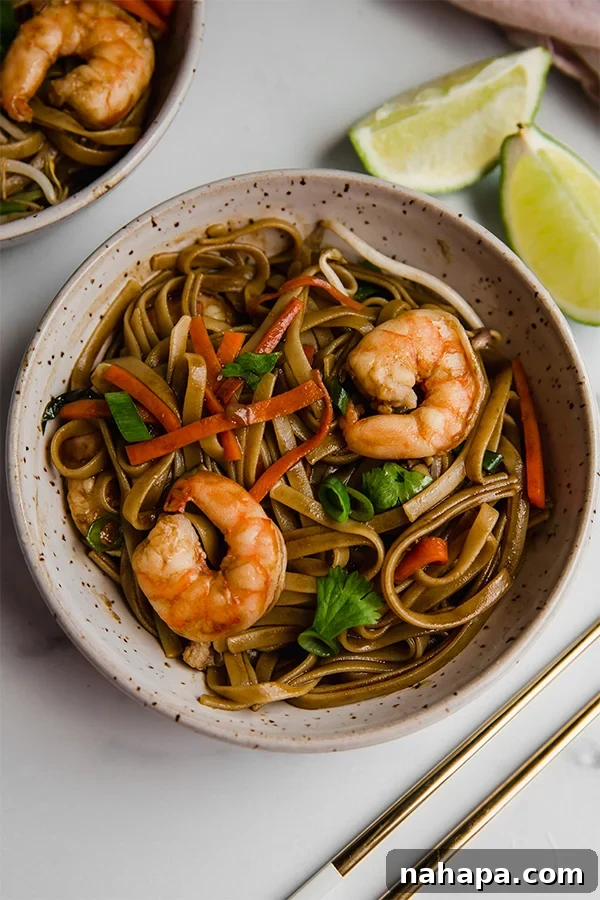
One of the best aspects of this Pad Thai recipe is its flexibility, allowing you to tailor it to various dietary needs and preferences.
Making it Paleo and AIP-Friendly
For those following a stricter Paleo or Autoimmune Protocol (AIP) diet, this recipe is easily adaptable:
- Noodle Swap: Instead of rice noodles, use 10 ounces of cooked zucchini noodles. Their delicate texture and neutral flavor make them an excellent grain-free alternative. You can spiralize them yourself or buy them pre-made.
- Omit Bean Sprouts: Bean sprouts are not compliant with the AIP diet, so simply leave them out if you are following this protocol.
- Omit Black Pepper: Black pepper is also excluded from the AIP diet. Season with salt only.
Can You Make This Pad Thai Without Shrimp?
Absolutely! While shrimp is a classic choice, you can easily substitute it with other proteins:
- Chicken: Diced chicken breast or thigh works wonderfully. Cook it until browned and cooked through before adding the vegetables.
- Other Proteins: Cooked beef strips, pork, or even a soy-free, firm tofu alternative (if not strictly AIP) can be used. Just ensure your chosen protein is fully cooked and cut into bite-sized pieces.
Tips for the Best Gluten-Free Pad Thai
- Prep Ahead: Chop all your vegetables and prepare your sauce beforehand. This makes the stir-frying process quick and seamless, which is key for a good stir-fry.
- Don’t Overcrowd the Pan: Cook ingredients in batches if necessary, especially the shrimp and vegetables. Overcrowding can steam the food instead of stir-frying it, preventing that delicious caramelization.
- Fresh Ingredients: Use the freshest vegetables and shrimp you can find for optimal flavor and texture.
- Taste and Adjust: Always taste your sauce before adding it to the pan. Adjust the sweetness, sourness, or saltiness to your preference.
Storage and Reheating
Leftover Pad Thai can be stored in an airtight container in the refrigerator for up to 3 days. Reheat gently in a skillet over medium-low heat with a splash of water or broth to loosen the noodles and prevent them from drying out. While best served fresh, it still makes a delicious next-day meal!
Conclusion
This healthy gluten-free Pad Thai recipe is a game-changer for anyone who loves Thai food but needs to navigate dietary restrictions. It proves that eating well doesn’t mean sacrificing your favorite comfort foods. With its vibrant flavors, wholesome ingredients, and easy adaptability, this homemade Pad Thai is sure to become a staple in your kitchen. Enjoy the satisfaction of creating an authentic-tasting, nourishing meal that caters to your body’s needs without compromising on taste.
You’ll also love these healthy Asian-inspired dishes…
- Hibachi Noodles
- Japchae | Korean Noodle Stir Fry
- Beef and Broccoli Lo Mein
- Chicken and Ramen Stir Fry
Gluten-Free Pad Thai
4 servings
10 mins
20 mins
Michelle
Leave a Review
Pin Recipe
Ingredients
For the sauce
- 2 tbsp coconut sugar
- 2 tbsp coconut aminos
- 1 tbsp fish sauce
- 2 tbsp tamarind paste
- 1 tsp apple cider vinegar
For the Pad Thai
- 8 oz gluten-free Pad Thai Noodles, I used these, see notes for paleo/AIP
- 2 tbsp avocado oil
- ½ onion, diced
- 3 cloves garlic, minced
- 1 thumb ginger, grated
- 1 carrot, thinly julienned
- 1 head baby bok choy, chopped
- 8 oz shrimp, peeled and deveined
- Salt and pepper to taste
- ½ cup bean sprouts
- 2 tbsp green onion, chopped
- 1 tbsp cilantro, chopped
Instructions
-
Combine all of the ingredients for the sauce and set aside.
-
To prepare the noodles, fill a medium pot two-thirds of the way with water. Bring to a boil (prepare the rest of the Pad Thai while waiting for the water to boil). Add the noodles and cook as directed. Strain and add a bit of oil to prevent sticking. Set aside.
-
Using a large pan, heat the oil over medium heat and saute the onion, garlic and ginger for 4-5 minutes or until the onion is lightly translucent. Add the carrots and bok choy and saute for another 3-4 minutes or until the bok choy is wilted and the carrots are soft. Add salt and pepper to taste. Set the vegetables aside.
-
Using the same pan, add more oil if needed and add the shrimp to the pan. Cook for 2-3 minutes on each side, seasoning with salt and pepper until the shrimp are pink and cooked through.
-
Reduce the heat to low and add the vegetables, cooked noodles and sauce to the pan with the shrimp. Stir for 1-2 minutes to fully coat the Pad Thai with the sauce. Remove from heat.
-
Add the beans sprouts, green onion, cilantro, and serve!
Notes
For paleo/AIP use 10 oz of cooked zucchini noodles instead of rice noodles and omit the bean sprouts. Omit black pepper for AIP.
All nutritional information are estimations and will vary. Estimations do not include optional ingredients.
Calories: 394kcal,
Carbohydrates: 59.5g,
Protein: 20.5g,
Fat: 8.4g,
Fiber: 3.8g
Tag @unboundwellness on Instagram and hashtag #unboundwellness!