
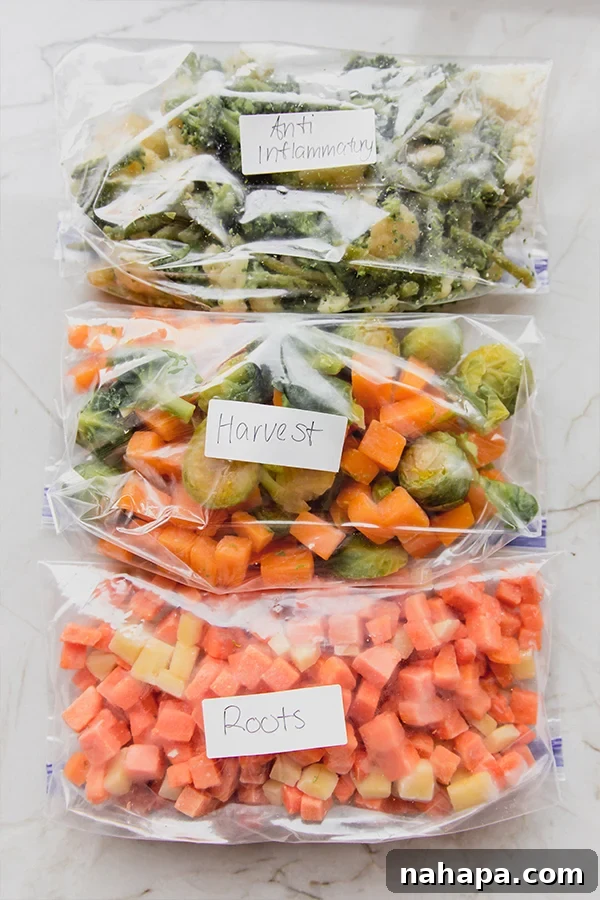
Welcome to a breakfast revolution! If you’re tired of the same old morning routine, struggling to incorporate enough vegetables, or simply short on time, this ultimate guide to making freezer-friendly veggie breakfast hash is about to change your life. Imagine waking up to a delicious, wholesome meal packed with nutrients, ready in minutes, thanks to a little prep work. This method isn’t just about cooking; it’s about reclaiming your mornings, boosting your health, and adding exciting variety to your breakfast plate.
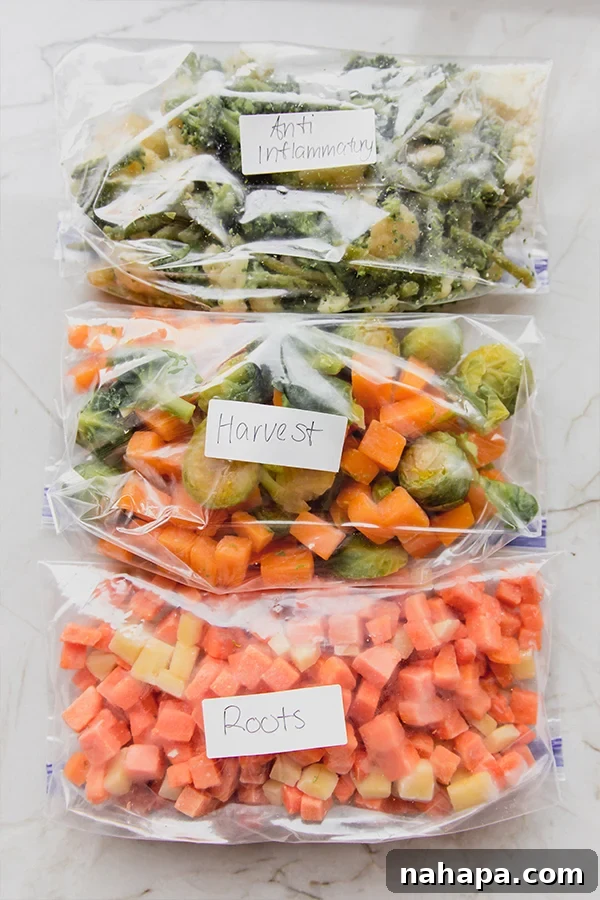
Many of us find ourselves in a breakfast rut, grabbing the quickest (and often least nutritious) options or simply skipping meals due to a lack of time. It can feel overwhelming to consistently prepare a balanced meal, especially one rich in vegetables, during the busiest part of the day. But what if there was a simple, strategic way to ensure a nutritious, delicious, and versatile breakfast was always within reach? This innovative approach to preparing and freezing vegetable packs for hashes is precisely that game-changer. It promises to revolutionize your breakfast routine and significantly increase your daily vegetable intake right from the start of your day.
Why You’ll Fall in Love with These Freezer Breakfast Hashes
These customizable veggie hashes offer a multitude of benefits that extend beyond just convenience. They are designed to fit seamlessly into any lifestyle, providing a foundation for healthy eating without compromising on flavor or ease.
- Effortless Meal Prep Ahead: The beauty of this system lies in its simplicity. Preparing your vegetable packs requires only about 15 minutes of active time, and you can scale this up or down to suit your needs. Double or triple the batch to ensure you always have a healthy breakfast base on hand, ready for those hectic mornings. This proactive approach eliminates decision fatigue and ensures a nutritious meal is just moments away, freeing up valuable time when you need it most.
- A Pillar of Health and Nutrition: At its core, this is one of the healthiest breakfast foundations you can build. By starting your day with a substantial serving of diverse vegetables, you’re loading up on essential vitamins, minerals, and dietary fiber. This nutrient-dense beginning helps to regulate blood sugar, provides sustained energy, and supports overall well-being. It’s a delicious way to ensure you hit your daily vegetable targets without feeling like a chore.
- Unmatched Versatility for Every Palate: Boredom is the enemy of consistency, especially with breakfast. Thankfully, these freezer hashes are incredibly versatile. You can endlessly experiment with different combinations of vegetables, swap out proteins, and infuse various flavor profiles with herbs and spices. This adaptability means your breakfast can always feel fresh and exciting, catering to seasonal ingredients, dietary preferences, or simply whatever cravings strike you. From savory and earthy to subtly sweet, the possibilities are boundless.
- Reduces Food Waste: By prepping vegetables when they are fresh and in season, then freezing them, you extend their shelf life significantly. This helps to reduce food waste, ensuring that those fresh produce purchases don’t go bad before you have a chance to use them. It’s a smart, economical way to manage your groceries and enjoy nutritious food year-round.
Crafting Your Perfect Breakfast Hash: The Ingredients
The foundation of any great hash lies in its ingredients. While the core concept is flexible, specific combinations can elevate your breakfast experience, offering distinct flavors and nutritional benefits. Here are some of our favorite veggie pack ideas, along with suggested proteins and herbs to round out your meal:
-
The Anti-Inflammatory Trio: This powerful pack combines nutrient-rich broccoli, cauliflower, and asparagus. These vegetables are celebrated for their anti-inflammatory properties and high antioxidant content. Broccoli and cauliflower provide essential fiber and vitamins C and K, while asparagus adds a touch of earthy freshness and is a good source of folate and vitamins A, C, and E.
- **Suggested Proteins:** Lean turkey sausage, chicken breast (diced), or even a plant-based protein like chickpeas.
- **Complementary Herbs:** Fresh thyme, oregano, or a sprinkle of dill.
-
Hearty Harvest Hash: Embrace the flavors of autumn with this comforting blend of butternut squash and Brussels sprouts. Butternut squash lends a natural sweetness and is loaded with beta-carotene, while Brussels sprouts offer a slightly bitter, robust flavor profile and are rich in vitamin K and C.
- **Suggested Proteins:** Crispy bacon, savory pork sausage, or pan-fried tofu.
- **Complementary Herbs:** Sage, rosemary, or a dash of nutmeg.
-
Nourishing Root Hash: A grounding and satisfying option featuring sweet potato, parsnip, and carrots. These root vegetables are packed with complex carbohydrates for sustained energy, as well as vitamins and minerals. Sweet potatoes offer a natural sweetness and vitamin A, parsnips add a unique slightly spicy, earthy flavor, and carrots are renowned for their beta-carotene content.
- **Suggested Proteins:** Ground turkey, eggs (scrambled or fried), or black beans for a plant-based twist.
- **Complementary Herbs:** Parsley, chives, or a hint of smoked paprika.
- Essential Proteins: To create a well-rounded and satisfying meal, don’t forget your protein. Options like lean ground turkey, crispy bacon, or perfectly cooked eggs can transform your veggie hash into a complete breakfast. Experiment with different proteins to find your favorite pairing for each hash variety.
- Aromatic Herbs and Spices: Fresh herbs like thyme, rosemary, and parsley are fantastic for adding depth and freshness to your hashes. Don’t be afraid to explore other spices too – a pinch of garlic powder, onion powder, or a dash of chili flakes can elevate the flavor significantly, allowing you to tailor each hash to your craving.
How to Prep the Ultimate Freezer Vegetable Packs
The secret to perfect freezer-friendly veggie hash lies in proper preparation. Follow these step-by-step instructions to ensure your vegetables retain their texture, color, and nutritional value when frozen.
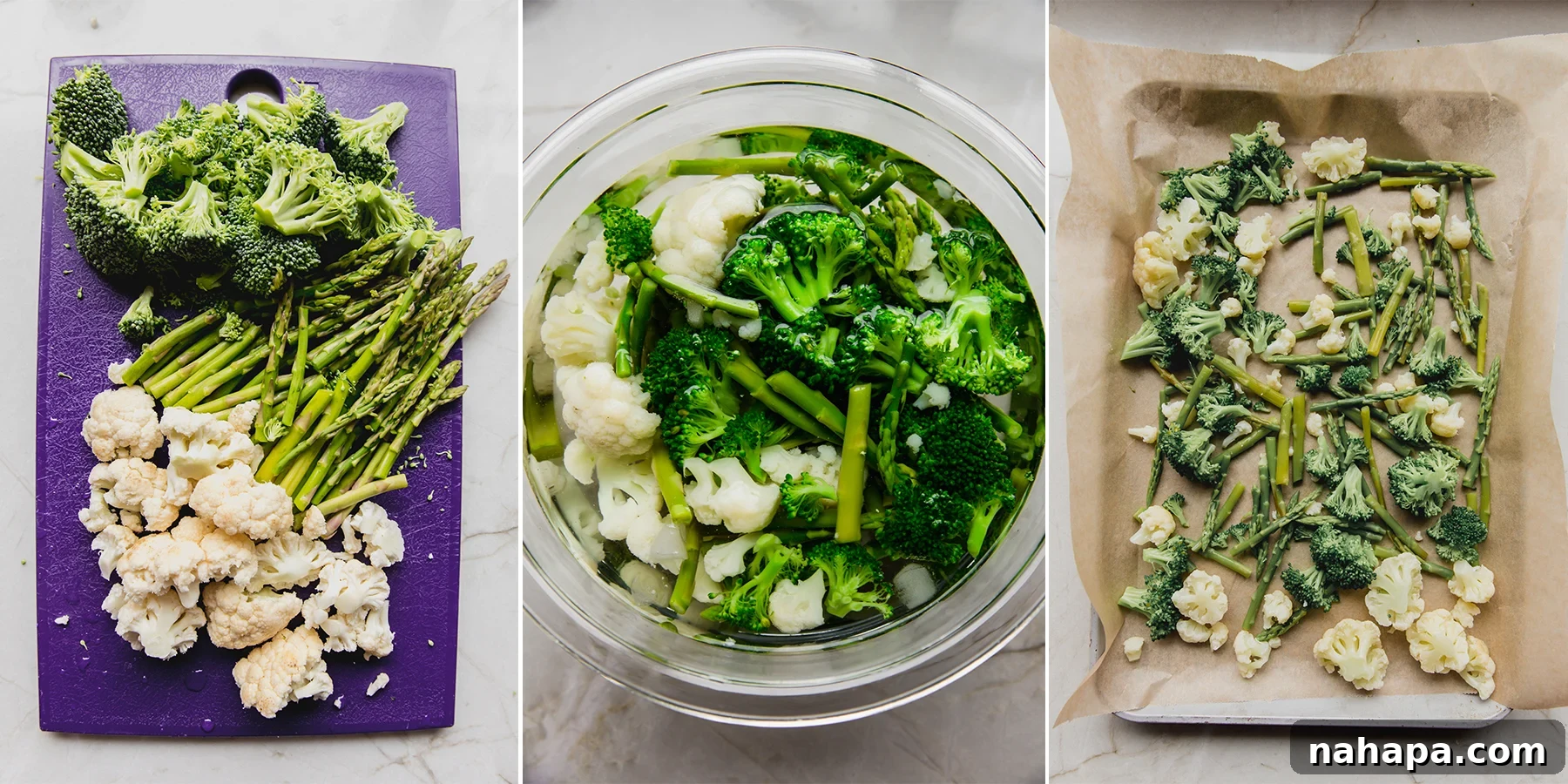
- Step 1: Prepare and Chop Vegetables Uniformly. Begin by washing all your chosen vegetables thoroughly. Then, peel and chop them into similar-sized pieces. Consistency in size is crucial here, as it ensures even cooking later on. For example, dice root vegetables into ½-inch cubes, and break broccoli and cauliflower into small florets. This uniformity prevents some pieces from becoming mushy while others remain undercooked.
- Step 2: Blanch for Perfect Texture. Bring a large pot of salted water to a rolling boil. Carefully add the chopped vegetables to the boiling water. Allow them to boil for approximately 3-5 minutes, depending on the vegetable, just until they are barely tender-crisp. The goal here is to partially cook them, not fully soften them. This blanching process helps to preserve their vibrant color, nutrients, and texture once frozen.
- Step 3: Shock in an Ice Bath. Immediately after blanching, strain the vegetables and plunge them into a large bowl of ice water for at least 5 minutes. This “shocking” process rapidly halts the cooking, preventing the vegetables from overcooking and becoming mushy. It’s a critical step for maintaining a pleasant texture once they are thawed and cooked.
- Step 4: Dry Completely Before Freezing. Once the vegetables have cooled in the ice bath, drain them thoroughly. Spread them out in a single layer on a clean kitchen towel or paper towels and pat them completely dry. Excess moisture can lead to ice crystal formation and freezer burn, resulting in soggy vegetables. Ensure they are as dry as possible before moving to the next step.
- Step 5: Flash Freeze and Store. Arrange the thoroughly dried vegetables in an even, single layer on a baking sheet lined with parchment paper. Place the baking sheet in the freezer for 1-2 hours, or until the vegetables are completely frozen solid. This “flash freezing” prevents them from sticking together. Once frozen, transfer the individual pieces into freezer-safe bags or airtight containers. Remove as much air as possible before sealing. Label with the contents and date, and store in the freezer for up to 3 months.
Transforming Frozen Veggies into Delicious Hashes: Three Ways
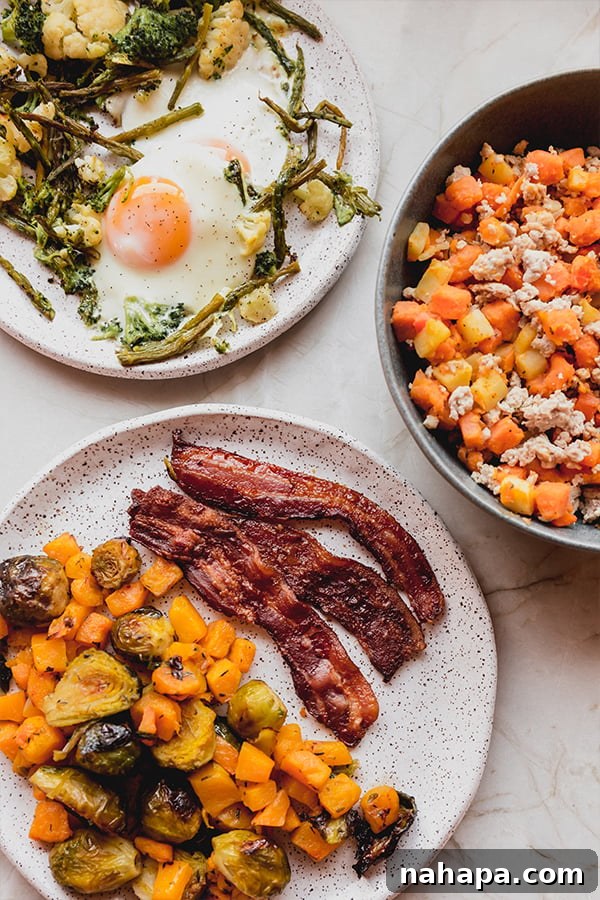
Once your freezer veggie packs are prepped and ready, turning them into a delicious breakfast hash is incredibly simple. Here are three fantastic methods, each offering a unique approach to cooking and flavor.
-
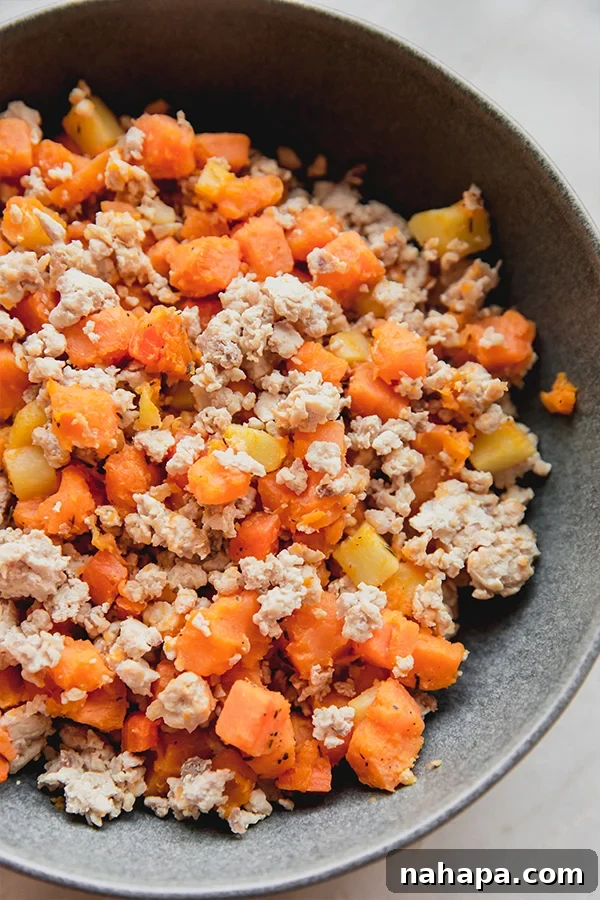
Classic Stovetop Hash: This method delivers a perfectly crisp and flavorful hash in a skillet, ideal for those who love a golden-brown exterior on their veggies.
- Heat 1-2 tablespoons of your preferred cooking oil (such as avocado oil or olive oil) in a large, deep skillet over medium-high heat.
- Carefully add your frozen veggie pack directly to the hot skillet. Do not defrost the vegetables beforehand, as this can lead to a mushy texture.
- Sauté the vegetables for 8-10 minutes, stirring occasionally, until they are lightly crisp and heated through. The direct heat of the skillet helps to evaporate any surface moisture and develop a beautiful caramelization.
- Stir in any pre-cooked protein of your choice, such as cooked ground turkey, shredded chicken, or plant-based crumbles. Season generously with salt, pepper (omit for AIP), and fresh herbs like thyme or rosemary. Continue to cook for another 2-3 minutes to allow the flavors to meld and the protein to heat through. Serve immediately.
-
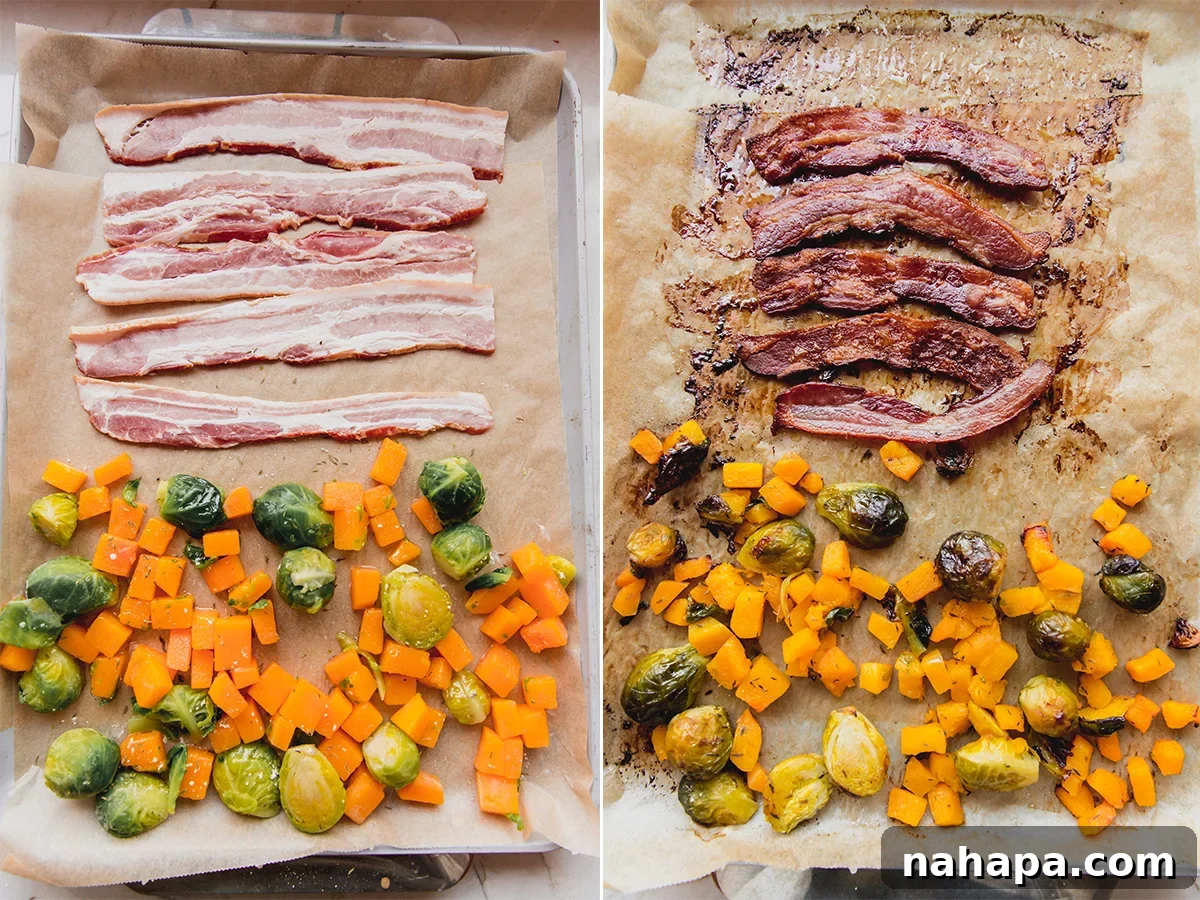
Crispy Oven Bacon Hash: For a hands-off approach that yields perfectly crisp bacon and tender-crisp vegetables, the oven is your best friend.
- Preheat your oven to 400°F (200°C). Line a large sheet pan with parchment paper for easy cleanup.
- Empty one frozen veggie pack onto the prepared sheet pan. Drizzle with 1-2 tablespoons of avocado oil and season with salt and pepper. Toss to coat evenly.
- Bake for 10 minutes to give the vegetables a head start.
- Remove the sheet pan from the oven. Carefully push the vegetables to one side of the pan. Lay 4-5 strips of bacon on the other side of the pan.
- Return the sheet pan to the oven and bake for an additional 20 minutes, or until the bacon is beautifully crisp and the vegetables are tender with slightly browned edges. The bacon fat will render and further crisp the veggies.
- Once cooked, combine the bacon and vegetables. Season with fresh herbs like chopped parsley before serving.
-
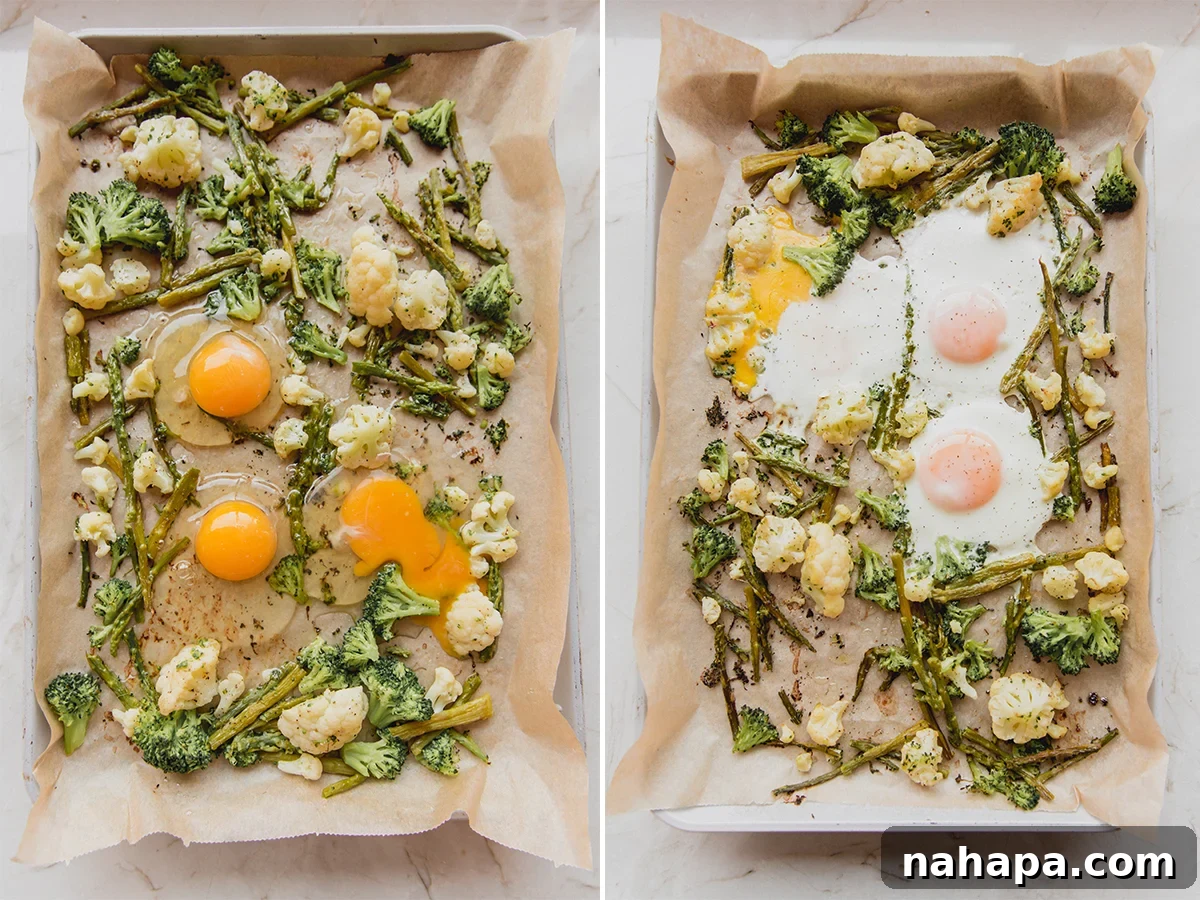
Convenient Sheet Pan Eggs and Vegetables: This method is perfect for a truly one-pan breakfast, combining your veggies and eggs for minimal cleanup.
- Preheat your oven to 375°F (190°C). Line a large sheet pan with parchment paper.
- Spread one frozen veggie pack evenly onto the sheet pan. Drizzle with 1-2 tablespoons of avocado oil and season with salt and pepper. Toss lightly to ensure even coating.
- Bake for 20 minutes, or until the vegetables are lightly crisp and heated through.
- Remove the sheet pan from the oven. Carefully crack 2-3 eggs directly onto the sheet pan, nestling them among the vegetables. You can make small divots in the veggies for the eggs to sit in.
- Return the sheet pan to the oven and bake for another 8-12 minutes, or until the eggs are cooked to your desired doneness (e.g., runny yolk, firm yolk).
- Garnish with fresh herbs like chives or cilantro, and a final sprinkle of salt and pepper before serving.
Expert Tips & Tricks for Hash Perfection
Achieving the perfect breakfast hash is simple with these additional insights:
- Embrace Variety, But Mind Cook Times: Feel free to get creative and swap out vegetables based on what you have on hand or what’s in season. However, a crucial tip is to stick with vegetables that have similar cooking times. Mixing very dense root vegetables with delicate greens might lead to uneven results. If you combine different types, ensure they are chopped to sizes that allow them to cook at roughly the same rate.
- Always Cook from Frozen: The Golden Rule. This is perhaps the most important piece of advice for dealing with frozen vegetables. A common mistake is defrosting them before cooking. When defrosted, vegetables release a lot of water, which can make them soggy and mushy when cooked. By adding them directly from the freezer to a hot pan or oven, the rapid change in temperature helps to evaporate the surface moisture quickly, allowing the vegetables to crisp up beautifully rather than steam.
- Season Liberally and Thoughtfully: Don’t underestimate the power of seasoning. Vegetables can handle a good amount of salt and pepper. Consider adding garlic powder, onion powder, or a dash of paprika for extra depth. Fresh herbs should generally be added towards the end of cooking or just before serving to preserve their vibrant flavor and aroma.
- Don’t Overcrowd the Pan: Whether using a skillet or a baking sheet, ensure your vegetables are in a single layer and not overcrowded. Overcrowding leads to steaming instead of browning, preventing that desirable crisp texture. If you’re making a large batch, cook in batches or use multiple pans.
- Portioning for Success: When creating your freezer packs, consider portioning them into individual servings or sizes that suit your household. This makes grabbing a single pack for a quick breakfast even more convenient.
Addressing Common Questions About Frozen Veggie Hashes
It’s natural to have questions when incorporating new meal prep strategies. Here are answers to some common inquiries:
Can you use vegetables already frozen from the store?
Technically, yes, you can use store-bought frozen vegetables to make a hash. Many people do, and it can still be a convenient and healthy option. However, there’s a significant difference in results. The primary issue you often encounter with commercially frozen vegetables is inconsistent cuts; pieces can be extremely uneven in size. This irregularity often leads to some vegetables burning while others remain undercooked or mushy. If you have the time to prepare and freeze your own vegetables by following the steps above, you will undoubtedly achieve much better results, especially in terms of consistent texture and doneness, because you have control over the chopping size. Homemade flash-frozen vegetables are tailored for optimal cooking in these hash recipes.
How long do these homemade freezer packs last?
When properly prepared, flash-frozen, and stored in airtight freezer bags or containers, your homemade vegetable packs will maintain their quality in the freezer for up to 3 months. Beyond that, they may start to lose some texture or flavor, though they would likely still be safe to eat.
Can I add raw meat or eggs to the freezer packs?
It is generally not recommended to add raw meat or raw eggs directly into your freezer vegetable packs. This is primarily due to food safety concerns and potential issues with texture upon thawing and cooking. Raw meats and eggs have different thawing and cooking requirements than blanched vegetables. It’s best to add pre-cooked proteins (like cooked ground turkey or chicken) or fresh proteins (like cracking eggs directly onto the pan) during the actual cooking phase of your hash, as outlined in the methods above.
Conclusion: Embrace a Healthier, Happier Breakfast Routine
Say goodbye to breakfast boredom and hello to quick, nutritious, and incredibly delicious meals with these freezer-friendly veggie breakfast hashes. This comprehensive guide provides you with all the knowledge and steps needed to transform your mornings, ensuring you’re fueled with wholesome goodness no matter how busy life gets. By taking a little time for meal prep, you unlock a world of convenience, health benefits, and culinary creativity. So, gather your favorite vegetables, get chopping, and stock your freezer with these game-changing packs. Your future self (and your taste buds!) will thank you.
You’ll also love exploring these other delicious breakfast options:
- Hearty Carrot Apple Bacon Breakfast Hash
- Flavorful Mexican-Inspired Breakfast Hash Skillet
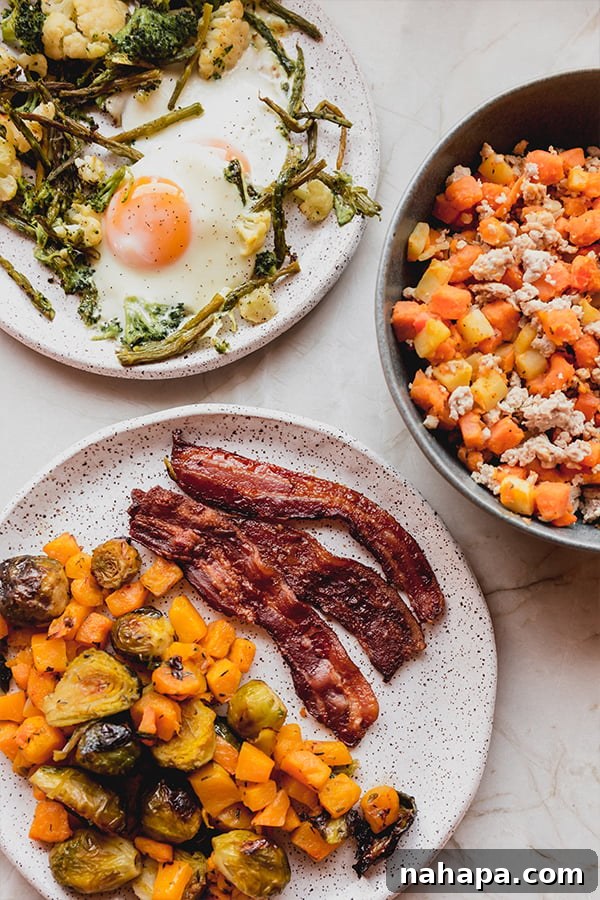
Freezer Vegetable Breakfast Hash {3 Ways}
Yield: 4 servings
Prep Time: 15 mins
Cook Time: 45 mins
Author: Michelle
Ingredients
For the Anti-Inflammatory Veggie Pack (1 serving)
- 1 ½ cup broccoli florets
- 1 ½ cup cauliflower florets
- 1 bunch asparagus, chopped
For the Harvest Veggie Pack (1 serving)
- 2 cups butternut squash, cubed
- 2 cups Brussels sprouts, halved
For the Root Veggie Pack (1 serving)
- 1 ½ cup sweet potato, peeled and diced
- 1 ½ cup carrots, peeled and diced
- 1 cup parsnip, peeled and diced
To Build the Hashes (per serving)
- 1 frozen veggie pack (any of the above)
- 2 tbsp avocado oil
- The protein of choice: 4-5 strips of bacon, 1/2 lb cooked ground turkey, or 2-3 eggs
- Salt and pepper (omit pepper for AIP)
- Fresh herbs: thyme, rosemary, parsley (optional)
Instructions
To Make the Freezer Veggie Packs (for any of the above packs)
- Peel and chop the vegetables to similar sizes.
- Bring a large pot of water to a boil and add the vegetables. Boil for 5 minutes to just barely soften.
- Strain the vegetables and shock in an ice bath for 5 minutes.
- Completely dry the vegetables and add them to a baking sheet.
- Freeze in an even layer and transfer to a freezer bag. Keep frozen for up to 3 months before using.
For the Stove-Top Veggie Hash
- Using a large deep skillet, heat 1-2 tbsp of avocado oil.
- Carefully add the frozen veggies and sauté for 8-10 minutes or until lightly crisp.
- Stir in cooked protein like cooked ground turkey and season with herbs, salt, and pepper.
For the Bacon Veggie Sheet Pan
- Preheat the oven to 400 F (200 C) and line a large sheet pan with parchment paper. Empty a frozen veggie pack onto the sheet pan and top it with avocado oil and season with salt and pepper. Bake for 10 minutes.
- Remove the sheet pan from the oven and carefully move the vegetables to one side.
- Add the bacon to the other side on the pan and return to the oven for 20 minutes, or until the bacon is crisp.
- Season with fresh herbs.
For the Egg and Veggie Sheet Pan
- Preheat the oven to 375 F (190 C) and line a large sheet pan with parchment paper. Empty a frozen veggie pack onto the sheet pan. Top it with avocado oil and season with salt and pepper. Bake for 20 minutes or until lightly crisp.
- Crack 2-3 eggs directly onto the sheet pan and return to the oven for about 10 minutes or until eggs are cooked to your liking.
- Season with fresh herbs.
Notes
For AIP (Autoimmune Protocol): Omit eggs and black pepper.
All nutrition facts are estimated and will vary.