As the leaves begin to turn and a crispness fills the air, there’s an undeniable magic that settles in. Fall is not just a season; it’s a celebration of comfort, coziness, and, perhaps most importantly, incredibly delicious food. For many, including myself, October ushers in a favorite time of year, transforming not just the landscape but also our kitchens into havens of warm, inviting aromas. It’s the season for hearty stews, spiced drinks, and an abundance of fresh, vibrant vegetables that truly define autumn’s bounty. As a dedicated foodie and vegetable enthusiast, I eagerly await the arrival of seasonal gems like tender Brussels sprouts, sweet butternut squash, and the strikingly beautiful purple sweet potato – ingredients that don’t just taste good but are also packed with vital nutrients.
In a world overflowing with elaborate food blogs and intricate cookbooks, it’s easy to get caught up in the pursuit of complex, super-composed recipes for every meal. While these culinary adventures are undoubtedly rewarding, the reality is that not every night can be a gourmet production. Sometimes, what we truly need is simplicity: a balanced plate of protein, healthy fats, and a generous serving of vegetables. This philosophy underpins my love for dishes like this one – simple, roasted vegetables. They are not only effortlessly easy to prepare and incredibly delicious, but they are also packed with a dense array of nutrients, making them a cornerstone of healthy eating.
Cultivating a Vegetable-Centric Diet for Optimal Health
There’s a common misconception, particularly within certain dietary circles like Paleo and Autoimmune Paleo (AIP), that meat should form the primary foundation of one’s diet. However, for truly optimal health and well-being, the base of your diet should unequivocally be vegetables, thoughtfully balanced with healthy proteins and fats. Vegetables are nature’s powerhouses, brimming with an astounding variety of phytonutrients, essential vitamins, and crucial minerals that are indispensable for maintaining robust health and supporting every bodily function.
While our Paleo ancestors certainly consumed meat, archaeological and anthropological evidence increasingly suggests that their diets were also incredibly rich in a diverse range of plant foods. They foraged extensively for wild greens, roots, tubers, and seasonal fruits, making vegetables a significant, if not dominant, part of their caloric and nutritional intake. The modern emphasis on meat often overshadows this crucial aspect of ancestral eating, leading to a dietary approach that can be imbalanced. By shifting our focus to vegetables as the dietary bedrock, we harness a broader spectrum of benefits that go far beyond what protein alone can offer.
The Wahl’s Protocol: A Roadmap to Maximizing Vegetable Intake
Determining the ideal number of vegetable servings can be a contentious topic, with various guidelines and recommendations. However, one of the most compelling and effective protocols, developed by Dr. Terry Wahls, suggests aiming for a minimum of 9 cups of vegetables daily. Dr. Wahls, a clinical professor of medicine, famously healed her multiple sclerosis (MS) through dietary intervention, primarily by incorporating immense quantities of nutrient-dense vegetables into her daily regimen. Her inspiring journey underscores the profound impact vegetables can have on health, even in the face of chronic conditions.
The Wahl’s Protocol doesn’t just emphasize quantity; it stresses variety, categorizing vegetables into three essential groups, each providing unique nutritional benefits:
- 3 cups of Sulfur-Rich Vegetables: This category includes cruciferous vegetables like Brussels sprouts, broccoli, cauliflower, cabbage, and kale. These vegetables are renowned for their sulfur compounds, which play a critical role in detoxification pathways, support liver health, and possess anti-inflammatory properties.
- 3 cups of Leafy Green Vegetables: Think spinach, Swiss chard, collard greens, mustard greens, and more. Leafy greens are nutrient powerhouses, abundant in vitamins K, A, and C, as well as folate, iron, and antioxidants. They are crucial for bone health, vision, and reducing oxidative stress.
- 3 cups of Colorful Vegetables: This group encompasses a vibrant array of produce such as beets, carrots, bell peppers, purple cabbage, and various squashes. The diverse colors indicate a rich profile of different phytonutrients, including carotenoids, anthocyanins, and flavonoids, each offering unique protective benefits, from immune support to cellular health.
While starchy vegetables like potatoes also have their place, Dr. Wahls’ protocol rightly emphasizes prioritizing greens and a broad spectrum of colors to ensure a comprehensive intake of micronutrients rather than leaning heavily on higher-starch options. Incorporating this variety ensures you’re getting the full spectrum of vitamins, minerals, and antioxidants your body needs to thrive.
Transformative Benefits of a Vegetable-Dominant Diet
The notion of making vegetables the primary focus of one’s diet can initially be surprising for many. However, as individuals transition to incorporating more plant-based foods, the resulting health improvements are often profound and remarkably consistent. The benefits extend far beyond basic nutrition, impacting various aspects of physical and mental well-being:
- Sustained Energy Levels: Rich in complex carbohydrates, fiber, and B vitamins, vegetables provide a steady release of energy, preventing the crashes often associated with diets high in refined sugars and processed foods. This translates to more stable energy throughout the day, supporting focus and productivity.
- Enhanced Nutrient Status and Absorption: A diet rich in diverse vegetables ensures a broad intake of essential vitamins and minerals. Furthermore, many phytonutrients found in vegetables can improve the bioavailability and absorption of other nutrients, maximizing the nutritional value of your meals.
- Improved Mental Clarity and Reduced Brain Fog: The abundance of antioxidants and anti-inflammatory compounds in vegetables protects brain cells from oxidative stress and inflammation, which are often implicated in cognitive decline and brain fog. Regular consumption can lead to sharper focus, better memory, and improved mood.
- Optimal Digestive Health: Vegetables are an excellent source of dietary fiber, both soluble and insoluble. This fiber is crucial for feeding beneficial gut bacteria, promoting regular bowel movements, preventing constipation, and maintaining a healthy gut microbiome, which is foundational to overall health.
- More Regular Bowel Movements: The high fiber content in vegetables adds bulk to stool, facilitating its smooth passage through the digestive tract. This natural regularity is a key indicator of a well-functioning digestive system and contributes significantly to comfort and detoxification.
- Diminished Cravings: The combination of fiber, water, and essential nutrients in vegetables promotes satiety, helping you feel fuller for longer. This natural satisfaction can significantly reduce cravings for unhealthy snacks and processed foods, making it easier to adhere to a healthy eating pattern.
In essence, making vegetables the hero of your plate is one of the most impactful dietary choices you can make for your long-term health. So, embrace the greens, savor the colors, and truly eat your veggies!
Mastering the Art of Easy, Delicious Roasted Vegetables
When you hear a recommendation like “9 cups of vegetables a day,” it’s natural to feel overwhelmed. I know I would have felt that way just a few years ago. But the key isn’t to achieve it overnight; it’s about setting a goal and gradually working towards it, making sustainable changes over time. While salads are the obvious go-to for increasing vegetable intake, let’s be honest – they can sometimes feel a bit… uninspired. We need diverse and exciting ways to enjoy our greens and beyond.
This is precisely why I wholeheartedly recommend roasting vegetables. Roasting transforms humble vegetables into intensely flavorful, caramelized delights with minimal effort. It’s a fast, easy, and incredibly versatile cooking method that elevates everyday produce into something truly special. For perfect roasted vegetables, you only need a few essential components:
- Your choice of fresh vegetables (seasonal is always best for flavor and nutrition)
- A healthy cooking fat (such as olive oil, avocado oil, ghee, or coconut oil for strict AIP)
- Salt, pepper, and your favorite herbs or spices to taste
The beauty of roasting lies in its simplicity and adaptability. There’s no need for elaborate techniques or complicated ingredients. You can customize it to your liking, experimenting with different vegetable combinations and flavor profiles. This flexibility is what makes it a go-to method in my kitchen, especially for ensuring a consistent intake of nutrient-rich vegetables with multiple meals throughout the week.
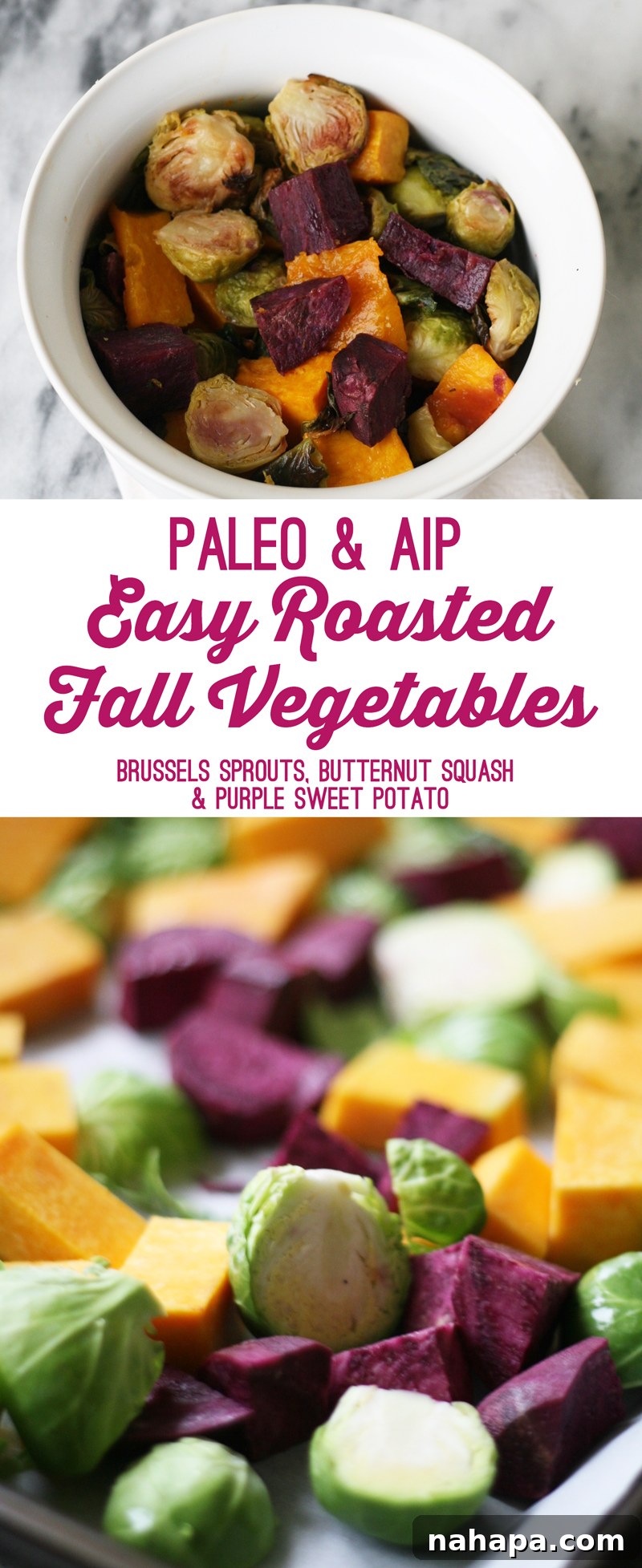
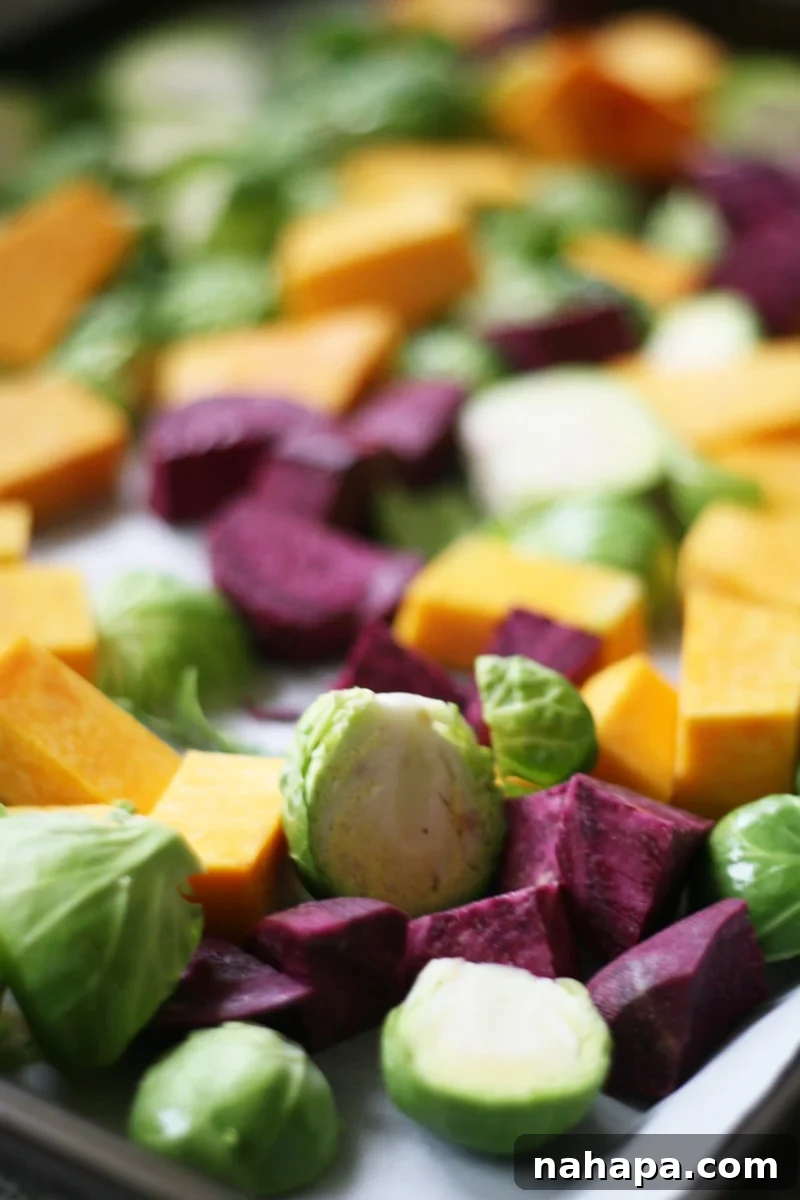
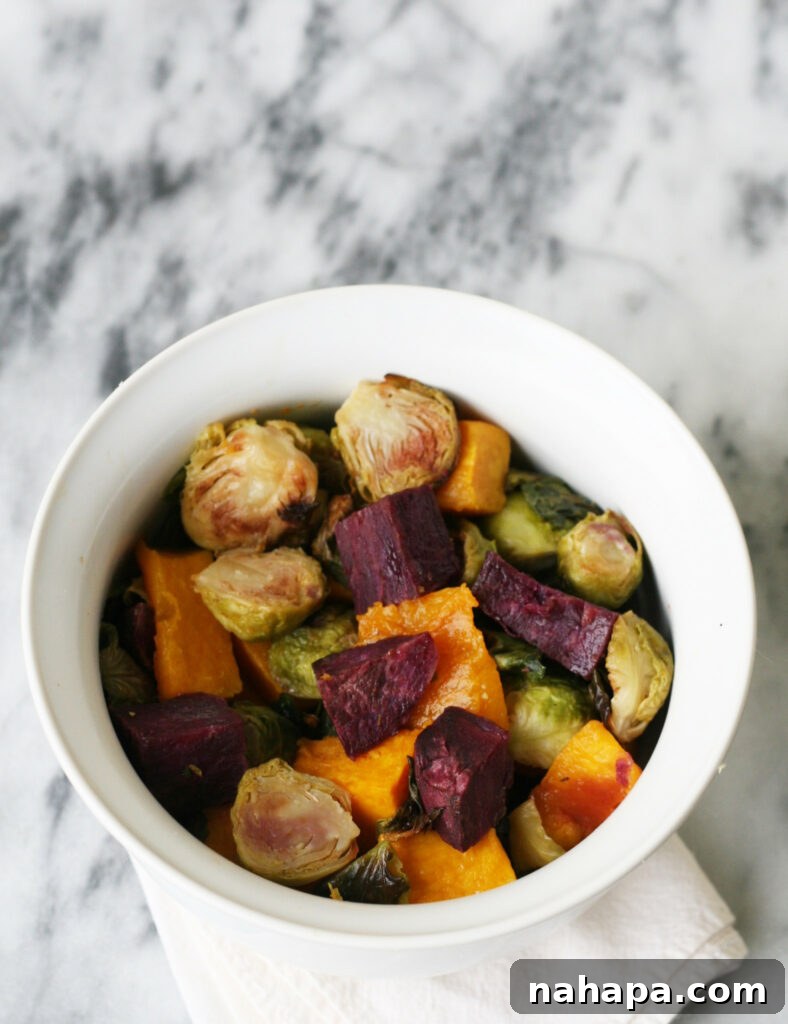
My current favorite combination for roasted fall vegetables beautifully marries distinct flavors and textures. Butternut squash offers a naturally sweet, creamy counterpoint, while Brussels sprouts, when halved and roasted until crispy, develop a delightful nutty flavor. The star of the show for me, however, is the purple sweet potato. Its texture is remarkably different from its orange counterpart – denser, earthier, and it crisps up beautifully in the oven. When paired with aromatic herbs like earthy sage and fragrant rosemary, this simple side dish becomes an unforgettable celebration of fall flavors.
No ratings yet
Easy Roasted Fall Vegetables (AIP, Paleo)
Michelle
Leave a Review
Pin Recipe
Ingredients
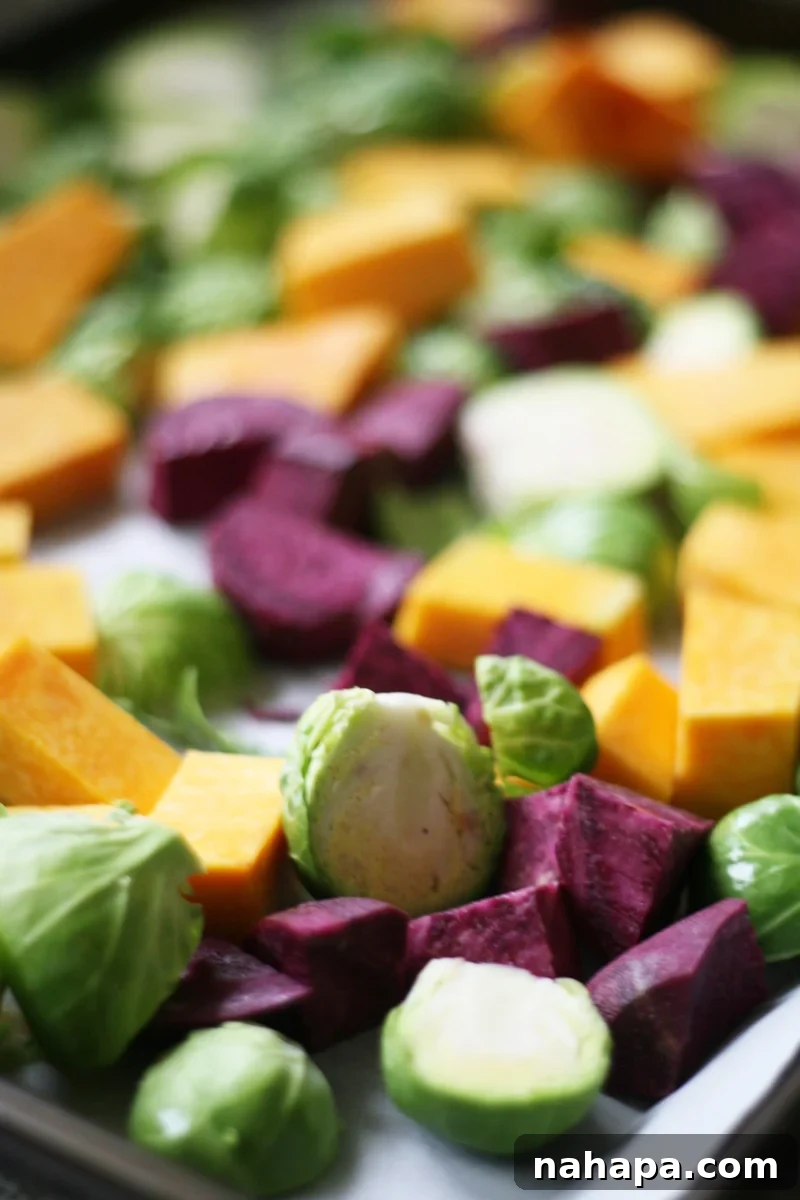
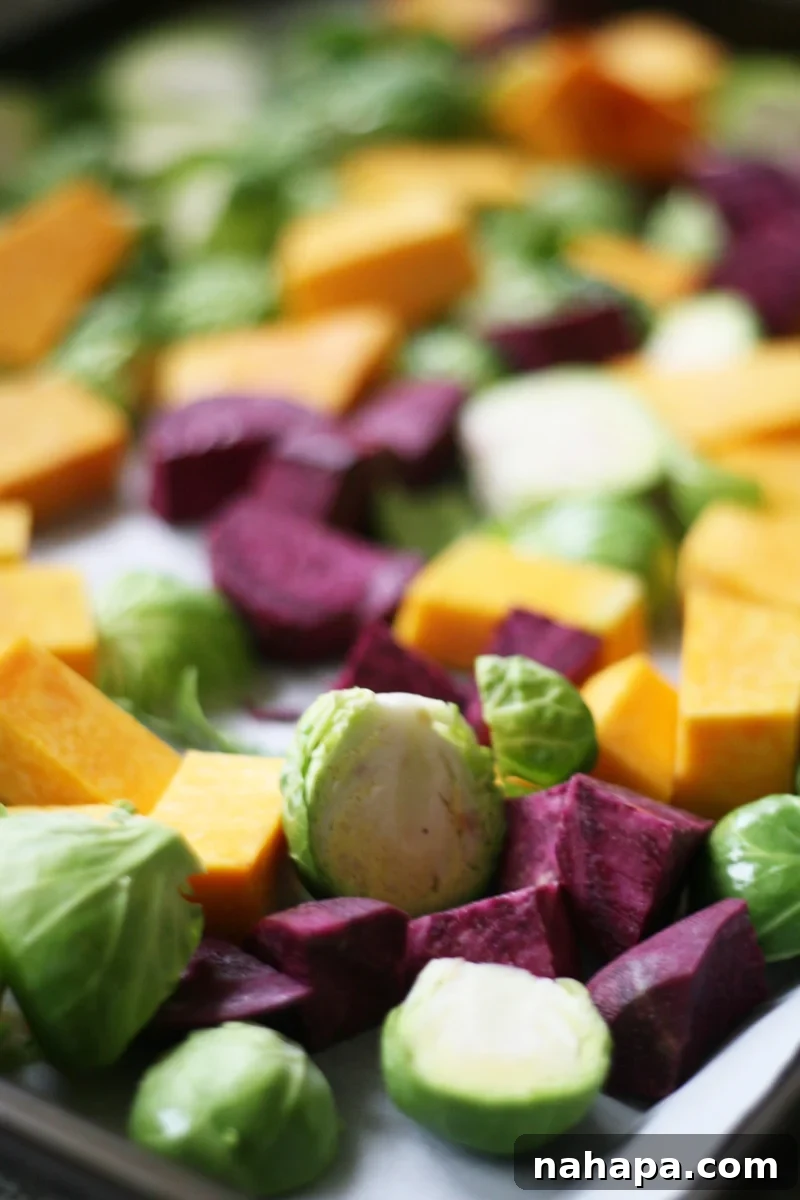
- 1 lb Brussels sprouts, halved
- 1 medium butternut squash, cubed
- 1 medium purple sweet potato, peeled and cubed
- 1 tbsp ghee, or coconut oil for strict AIP
- 1/2 tsp sea salt
- 1 tsp sage
- 2-3 sprigs of fresh rosemary
Instructions
-
1. Preheat oven to 400°F (200°C).
-
2. Line a large baking sheet with parchment paper. Place the prepared Brussels sprouts, butternut squash, and purple sweet potato onto the sheet. Drizzle with the melted ghee or coconut oil, then sprinkle with sea salt, sage, and rosemary. Toss everything gently to ensure the vegetables are evenly coated.
-
3. Bake in the preheated oven for 40-45 minutes, or until the vegetables are tender, slightly caramelized, and nicely crisped around the edges. You may want to gently toss them halfway through baking for even browning.
-
4. Remove from the oven and serve immediately as a delicious and nutrient-packed side dish alongside your favorite protein like chicken, beef, pork, or fish.
Did you Make this Recipe?
Tag @unboundwellness on Instagram and hashtag #unboundwellness!
Embracing the Autumn Harvest: More Seasonal Fall Vegetables
The arrival of fall truly fills me with excitement, particularly when it comes to the incredible array of seasonal vegetables it brings. Eating seasonally isn’t just a culinary preference; it’s a practice deeply rooted in our ancestral eating patterns, making it the most truly “Paleo” way to nourish ourselves. When you consume produce that’s in season, you’re not only getting the freshest and most flavorful ingredients, but often also the most nutrient-dense, as plants harvested at their peak ripeness retain maximum vitamins and minerals. Plus, seasonal eating often supports local agriculture, reduces environmental impact, and can be more budget-friendly.
As a proud member of a Community Supported Agriculture (CSA) program, I receive fresh, organic vegetables weekly, and the fall harvests are always a highlight. Beyond the delicious Brussels sprouts, butternut squash, and purple sweet potatoes featured in this recipe, the autumn months offer a bounty of other treasures:
- Winter Squashes: Beyond butternut, explore acorn, delicata, spaghetti, and kabocha squash. Each offers unique flavors and textures, perfect for roasting, soups, or even sweet dishes.
- Root Vegetables: Carrots, parsnips, turnips, and radishes (which offer a surprising peppery kick when roasted!) are abundant and grounding.
- Leafy Greens: While many greens thrive in cooler weather, fall brings robust varieties like kale, collards, and Swiss chard that hold up beautifully in hearty dishes.
- Apples and Pears: These fruits are at their crispest and sweetest in autumn, perfect for snacks, desserts, or adding a touch of sweetness to savory meals.
- Cauliflower: A versatile cruciferous vegetable that can be roasted, mashed, or turned into “rice.”
- Beets: Earthy and vibrant, excellent roasted or in salads for a pop of color and nutrition.
- Leeks and Onions: Aromatic foundations for countless fall recipes, adding depth of flavor.
- Mushrooms: While available year-round, many wild mushroom varieties flourish in fall, bringing umami to any dish.
There is such an abundance of nutrient-rich goodness to be found in the fall harvest. Embrace the opportunity to experiment with these delicious ingredients, support local farmers, and nourish your body with the incredible flavors of the season. Go out, explore your local farmer’s market, and enjoy the rich tapestry of flavors that autumn has to offer!