
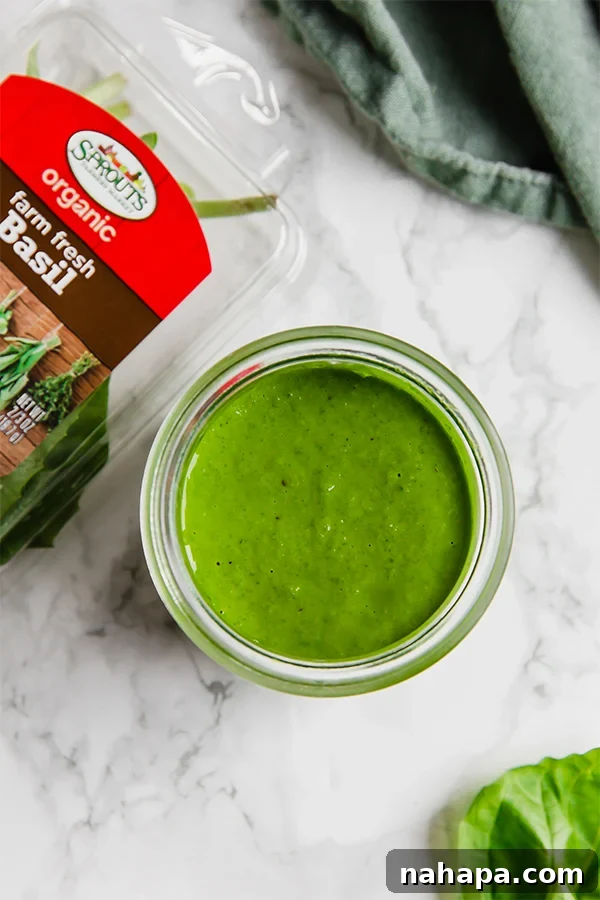
Thank you to Sprouts for sponsoring this post! All opinions are my own.
In our fast-paced world, the pursuit of a healthy lifestyle often feels like an uphill battle against the clock. The idea of preparing nourishing, homemade meals from scratch can be daunting, leading many to succumb to the convenience of takeout or pre-packaged options. While the benefits of eating real, wholesome food are undeniable, the time commitment involved in grocery shopping, meal preparation, cooking, and the inevitable cleanup can seem overwhelming. You’re not alone if you’ve ever felt like your week revolves around kitchen duties, leaving little time for anything else.
The good news is that achieving a healthy, real-food lifestyle doesn’t have to mean sacrificing all your free time. Over years of navigating my own wellness journey and experimenting with various approaches, I’ve discovered invaluable strategies to streamline kitchen routines and significantly cut down on time without compromising on nutrition or flavor. The key lies in smart planning, efficient execution, and embracing tools that work for you. By adopting these practical tips, you can reclaim hours in your week, making healthy eating an enjoyable and sustainable part of your life rather than a chore.
Mastering Kitchen Efficiency: Essential Strategies for Saving Time on Healthy Meals
1. Strategically Choose Pre-Chopped Vegetables
When it comes to saving time in the kitchen, vegetable preparation is often the biggest hurdle. Chopping, dicing, and slicing can be incredibly time-consuming, especially for certain ingredients. While buying whole vegetables is generally more economical and creates less packaging waste, there are specific situations where opting for pre-chopped or pre-prepped vegetables can be an absolute game-changer. It’s about making conscious choices that align with your current needs and energy levels.
For instance, during periods of intense fatigue, such as early pregnancy, or when managing health challenges like an autoimmune flare-up, every minute saved can make a huge difference. In these moments, the convenience of ready-to-use vegetables isn’t just a luxury; it’s a necessity that helps maintain a healthy diet when energy is scarce. This approach also extends to busy weeknights when you need to get a nutritious meal on the table quickly after a long day.
Consider these excellent pre-prepped options that offer significant time savings:
- Pre-riced Cauliflower Rice: This is a true time-saver. Ricing cauliflower from scratch requires a food processor and creates a fair amount of cleanup. Pre-riced cauliflower eliminates this step entirely, making it effortless to incorporate this versatile, low-carb alternative into stir-fries, bowls, or as a side dish. You save not only prep time but also the effort of washing kitchen gadgets.
- Pre-spiralized Zucchini Noodles: Similar to cauliflower rice, spiralizing vegetables can be messy and adds another tool to clean. Zucchini noodles, a fantastic gluten-free pasta alternative, become incredibly accessible when purchased pre-spiralized. They cook quickly and are perfect for light, fresh meals without the hassle of a spiralizer.
- Frozen Chopped Vegetables: Don’t underestimate the power of the freezer aisle. Frozen vegetables like broccoli florets, cauliflower florets, chopped butternut squash, or mixed stir-fry blends are picked and flash-frozen at their peak freshness. This process locks in nutrients, meaning you’re not sacrificing quality for convenience. They require no chopping, wash up, or peeling, and can be added directly to pots, pans, or baking sheets, making them ideal for soups, stews, roasted sides, and casseroles.
By strategically incorporating these pre-prepared options, you can drastically reduce the hands-on time spent in the kitchen, allowing you to enjoy nutritious meals even on your busiest days.
2. Maximize Efficiency with Meal Prepping and Batch Cooking
The concept of meal prepping and batch cooking might initially sound like an extra time commitment, envisioning hours spent in the kitchen on a single day. However, this upfront investment pays dividends throughout the week, proving to be far more time-efficient than preparing a fresh meal from scratch every single evening. Think of it as consolidating your cooking efforts into one power session, rather than scattering them across multiple daily tasks.
Batch cooking involves preparing larger quantities of food or components of meals that can be eaten over several days. This approach allows you to chop ingredients once, cook multiple dishes simultaneously or in sequence, and, perhaps most appealingly, dirty your kitchen just one time for the bulk of your week’s meals. Imagine the cumulative time saved from not having to pull out cutting boards, knives, and pans, and then wash them, night after night. While reheating and serving will still involve some dishes, the overall reduction in kitchen mess and labor is substantial.
Beyond saving time on actual cooking and cleanup, meal prepping offers numerous additional benefits:
- Consistent Healthy Eating: Having healthy meals ready to go minimizes the temptation to reach for less nutritious options when hunger strikes or time is tight.
- Reduced Food Waste: By planning your meals and ingredients, you’re less likely to buy unnecessary items that spoil before use.
- Budget-Friendly: Cooking at home is almost always cheaper than eating out, and meal prepping helps you stick to your grocery budget by avoiding impulse buys and takeout.
- Stress Reduction: Eliminating the daily “what’s for dinner?” dilemma can significantly reduce evening stress, freeing up mental energy for other activities.
If you’re new to meal prepping, starting with simple, versatile recipes is key. Focus on components that can be mixed and matched, or complete meals that reheat well. To get started, you can find my sample meal prep plan with a shopping list here!
Here are some of my favorite easy meals that are perfect for meal prepping:
- Sloppy Joe Meal Prep Bowls: These are fantastic because they’re flavorful, hearty, and easy to assemble into individual portions for quick lunches or dinners.
- Teriyaki Meatball Meal Prep: Meatballs are excellent for batch cooking; you can make a large quantity and pair them with various sides throughout the week.
- Greek Lemon Chicken Soup: Soups and stews are ideal for batch cooking as they often taste even better the next day and freeze wonderfully.
- Sweet Potato Chicken Poppers: These bite-sized delights are easy to make in bulk and are versatile for different meals or snacks.
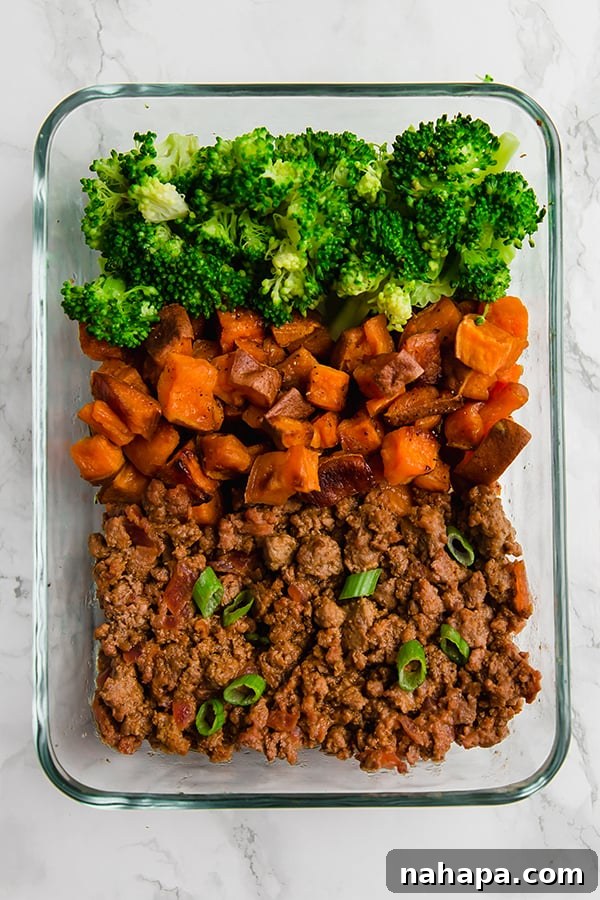
By dedicating a few hours once or twice a week, you can ensure a steady supply of delicious, healthy meals, transforming your approach to eating and giving you back precious time.
3. Streamline Your Grocery Shopping by Doing All of Your Shopping in One Place
When we talk about saving time in the kitchen, it’s crucial to extend that thinking beyond just cooking to include the entire food preparation process, and that undeniably includes grocery shopping. The time spent navigating aisles, driving between multiple stores, and even the mental energy required to remember where to find specific items can quickly add up. You might have your batch cooking routine down to a science, but if you’re making separate trips to four different stores to gather all your ingredients, you’re inadvertently sabotaging your efficiency efforts.
The solution is simple yet powerful: consolidate your shopping trips. Finding a single grocery store that consistently meets the majority, if not all, of your needs can be a tremendous time-saver. This means locating a store that not only offers a wide range of fresh produce and conventional items but also carries specialty ingredients often required for specific dietary lifestyles or adventurous recipes.
Sprouts Farmers Market, for example, excels at being a comprehensive, one-stop shop. It’s an amazing spot where you can find everything from high-quality organic produce and fresh meats to pantry staples that can be harder to source elsewhere, such as arrowroot starch, plantain chips, and various gluten-free or alternative flours. This eliminates the need for separate trips to health food stores or specialty markets, saving you valuable time, gas, and the temptation of impulse purchases at each additional stop.
Beyond choosing the right store, further enhance your shopping efficiency by:
- Creating a Detailed List: Categorize your list by sections of the store (produce, dairy, pantry, frozen) to minimize backtracking.
- Shopping During Off-Peak Hours: Avoiding crowded times means quicker checkout lines and easier navigation through aisles.
- Buying in Bulk When Possible: For non-perishable goods or freezer-friendly items, buying larger quantities reduces the frequency of your shopping trips.
By making conscious choices about where and how you shop, you transform grocery day from a fragmented, time-consuming ordeal into a single, efficient task that supports your overall kitchen strategy.
4. Embrace the Simplicity of One-Pan, Slow Cooker, and Instant Pot Meals
Just as shopping is an integral part of the cooking process, so too is the often-dreaded cleanup. The stack of pots, pans, and utensils after a complex meal can be a major deterrent to home cooking. This is where the magic of one-pan, slow cooker, and Instant Pot meals truly shines, drastically cutting down on the number of dishes and overall time spent in the kitchen.
The beauty of these cooking methods lies in their ability to deliver delicious, wholesome meals with minimal fuss. “One-pan” isn’t limited to just a single frying pan; it encompasses a variety of techniques that consolidate cooking into one primary vessel. This includes:
- Sheet Pan Meals: Perfect for roasting proteins and vegetables together on a single baking sheet. Minimal effort, maximum flavor, and incredibly easy cleanup.
- Skillet Meals: Ideal for quick weeknight dinners, these often involve sautéing and simmering all ingredients in a large, oven-safe skillet.
- Casseroles: A classic for a reason, casseroles bake in one dish, often requiring little attention once assembled and in the oven.
- Soups and Stews: While not strictly “one-pan,” these hearty meals typically cook in one large pot, reducing the number of different cooking vessels needed.
Beyond traditional stovetop or oven methods, modern kitchen appliances like the slow cooker and Instant Pot offer unparalleled convenience:
- Slow Cooker Meals: These are the ultimate “set it and forget it” solution. You can toss ingredients in the morning and return home to a fully cooked, aromatic meal. They’re perfect for tenderizing tougher cuts of meat and infusing deep flavors with minimal supervision.
- Instant Pot Meals: The Instant Pot (or any multi-cooker) is a versatile appliance that combines several functions into one. It excels at pressure cooking, drastically reducing cooking times for dishes that would traditionally take hours, like stews, roasts, and even desserts. It also functions as a slow cooker, rice cooker, steamer, and sauté pan, making it a powerful tool for efficient meal preparation.
By leveraging these hands-off and single-vessel cooking methods, you not only minimize cleanup but also free yourself from constant stirring and monitoring, allowing you to focus on other tasks or simply relax.
Here are some of my favorite one-pan meals to inspire you:
- One-Pan Steak Bites and Sweet Potato Skillet: A hearty and flavorful meal cooked entirely in one pan, perfect for a quick yet satisfying dinner.
- Lemon & Asparagus Chicken Skillet: A bright and fresh meal that comes together quickly and leaves you with minimal cleanup.
- Sheet Pan Breakfast Taco Hash: Don’t limit sheet pan meals to dinner; this is a fantastic way to make a wholesome breakfast or brunch with easy cleanup.
And for those busy days, try these instant pot and slow cooker favorites:
- Slow Cooker Chicken Pesto: An incredibly simple recipe where the slow cooker does all the work, resulting in tender, flavorful chicken.
- Slow Cooker Beef Bourguignon: Achieve rich, deep flavors reminiscent of a classic dish with the convenience of a slow cooker.
- Instant Pot Chicken No-Tortilla Soup: Get a comforting, flavorful soup on the table in a fraction of the traditional cooking time with the Instant Pot.
Embracing these cooking styles revolutionizes your approach to home-cooked meals, proving that healthy eating can indeed be both delicious and incredibly efficient.
5. Elevate Simple Meals with Easy-to-Make Sauces
One of the most effective tricks for saving time and preventing meal fatigue in the kitchen is mastering the art of the easy sauce. We’ve all been there: you’ve cooked a piece of protein and some vegetables, which is undeniably healthy and efficient, but let’s be honest, sometimes it lacks that “wow” factor. Eating the same plain grilled salmon and roasted broccoli day after day can quickly lead to boredom and the temptation to order takeout.
This strategy is about taking basic, easy-to-prep components—like a simply cooked steak, chicken breast, or roasted vegetables—and transforming them into exciting, gourmet-tasting meals with minimal extra effort. A well-chosen, flavorful sauce can elevate a bland dish, making healthy eating a truly enjoyable experience rather than a repetitive chore. This psychological boost is incredibly important for long-term adherence to a real-food lifestyle.
The key is to have a repertoire of versatile sauces that are quick to prepare and store well. You can batch-make a larger quantity of your favorite sauce at the beginning of the week and use it to dress up various meals. For instance, a simple steak is satisfying on its own, but topped with a vibrant chimichurri, it becomes an entirely different, much more exciting culinary experience.
Here are some of my favorite sauces that are both easy to prep and excellent for storing, ensuring you always have a flavor booster on hand:
- Arugula Basil Pesto (pictured below): This fresh, herbaceous pesto is incredibly versatile. It tastes amazing on grilled chicken, baked fish, roasted vegetables, or even stirred into a bowl of zucchini noodles. It’s a vibrant way to add a burst of flavor and healthy fats to almost any dish.
- Chimichurri: A bright and tangy Argentinian sauce, typically made with parsley, garlic, vinegar, and oil. It’s phenomenal with beef (especially steak), salmon, or drizzled over roasted root vegetables for a fresh, zesty kick.
- Nomato Sauce: For those avoiding nightshades or simply looking for a rich, savory alternative to tomato sauce, Nomato sauce is a fantastic option. Make this even easier by doubling a batch in your Instant Pot or slow cooker and freezing half for future use. It’s perfect for pasta alternatives, as a base for stews, or a dipping sauce.
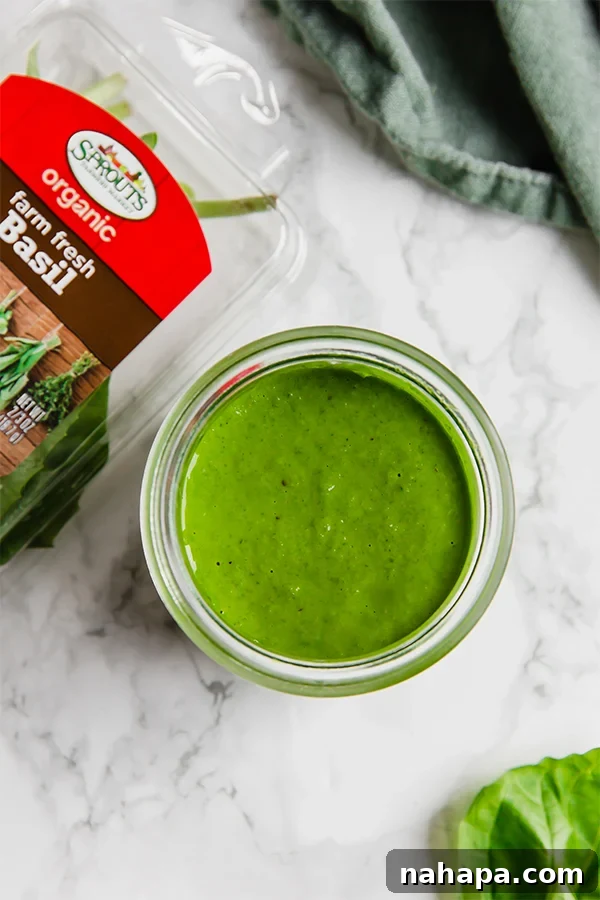
By investing a small amount of time in preparing these sauces, you equip yourself with the tools to transform simple ingredients into exciting, diverse meals throughout the week, making healthy eating both easy and enjoyable.
6. Harness the Power of Your Freezer
The freezer is an incredibly underutilized tool in many kitchens, yet it acts as a powerful time machine for food, allowing you to prepare meals when you have spare time and enjoy them effortlessly when time is scarce. With life’s demands constantly evolving, from welcoming a new baby to navigating a demanding work schedule, learning to effectively utilize the freezer is one of the most impactful ways to save time and reduce stress in the kitchen.
There are generally two main approaches to freezer cooking, both offering distinct benefits:
- Freezing Prepped Ingredients for Future Cooking: This method involves preparing and portioning out raw ingredients (like chopped vegetables, marinated meats, or homemade sauces) into freezer-safe bags or containers. When you’re ready to cook, you simply defrost the components and then proceed with the cooking process, often in a slow cooker or Instant Pot. This is ideal for recipes like stews, chilis, or curries, where all ingredients can be prepped in advance. For an excellent example, consider this Paleo Slow Cooker Indian Butter Chicken recipe, where the ingredients can be frozen together and then cooked later.
- Freezing Already Cooked Meals or Components: This approach involves cooking entire meals or larger batches of components (like cooked grains, roasted vegetables, or soups) and then freezing them. This is perfect for meal prepping, as you simply need to defrost and reheat, providing instant gratification on busy days.
To truly maximize your freezer’s potential, consider these practical tips:
- Double Sauces and Broths, Then Freeze Flat in Bags: When making a sauce like pesto, chimichurri, or even a bone broth, always make a double batch. Pour the extra into freezer-safe bags, flatten them out, and freeze. This flat shape saves freezer space and allows you to easily break off or defrost just the amount you need. Ice cube trays are also excellent for portioning smaller amounts of sauces or purees.
- Double Your Favorite Soups and Stews: Soups are among the best foods to freeze. Their liquid content helps them freeze and thaw well, and their flavors often deepen after freezing. Prepare a large pot of your favorite soup, allow it to cool completely, then portion it into freezer-safe containers or bags. Simply defrost in the fridge overnight and reheat gently in a pot for a quick, comforting meal.
- Buy Meat in Bulk When on Sale and Freeze: Take advantage of sales on meats and poultry. Purchase larger quantities and then portion them into meal-sized servings before freezing. This not only saves you money but also reduces the frequency of your grocery trips, making your overall food procurement process more efficient. Remember to label everything with the date to ensure freshness.
- Never Refreeze Previously Frozen Foods: This is a critical food safety concern. Once a food item has been thawed, refreezing it can lead to bacterial growth and alter its texture and quality. Plan your thawing wisely to avoid waste and ensure safety.
By thoughtfully incorporating your freezer into your meal preparation routine, you create a convenient reserve of healthy, homemade food, allowing you to eat well even when life gets hectic.
I sincerely hope these strategies empower you to transform your kitchen experience, making healthy eating more accessible, enjoyable, and sustainable. Implementing even a few of these tips can significantly reduce the perceived burden of cooking, giving you back precious time and energy. What are your favorite, tried-and-true ways to save time in the kitchen?