This post contains affiliate links, meaning I may earn a small commission if you make a purchase through my links, at no extra cost to you.
Delicious Paleo Irish Soda Bread: A Grain-Free, Dairy-Free & AIP-Friendly Recipe
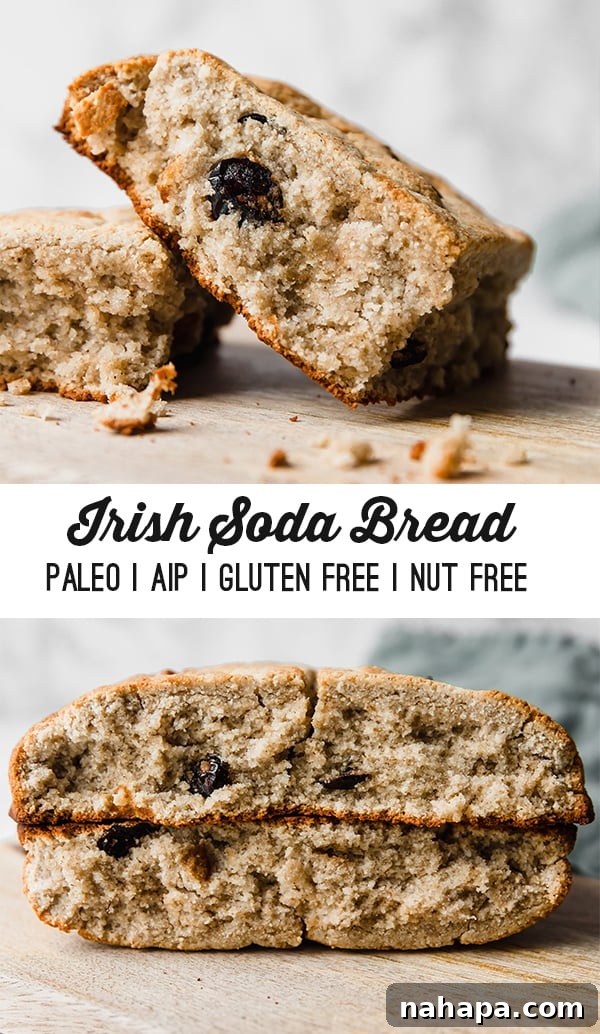
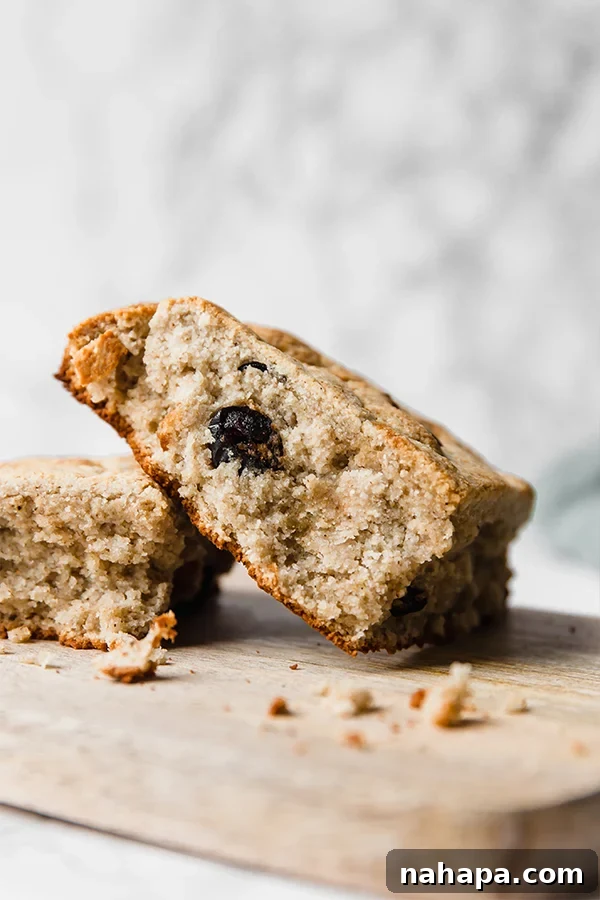
St. Patrick’s Day is a time for celebration, vibrant green, and often, delicious traditional foods. While many classic St. Patrick’s Day treats are packed with grains, dairy, and other common allergens, this Paleo Irish Soda Bread offers a wonderful, inclusive alternative. Perfect for anyone following a paleo, AIP (Autoimmune Protocol), or other restricted diet, this recipe allows you to enjoy a beloved holiday staple without compromise. It’s entirely free from grains, dairy, and nuts, with an easy option to make it egg-free too!
Growing up on Long Island, St. Patrick’s Day was always a grand affair. The streets would come alive with parades, and local bakeries would embrace the festive spirit, even serving up green bagels – a childhood favorite of mine! Despite all the excitement and themed treats, I never had the pleasure of tasting traditional Irish Soda Bread. It turns out, I was truly missing out on a comforting, rustic delight that holds a special place in Irish culinary heritage.
Determined to experience this classic, I embarked on a mission to create a version that aligns with my health journey. The result is this incredible Paleo & AIP Irish Soda Bread. Baking a substantial loaf that is both flavorful and compliant with strict dietary needs feels like a true triumph. While its tender, slightly sweet crumb might lean more towards a dessert than a savory sandwich bread, I’m certainly not complaining! It’s an irresistible treat that brings a touch of Irish charm to any table, regardless of dietary preferences.
What Makes Traditional Irish Soda Bread Unique?
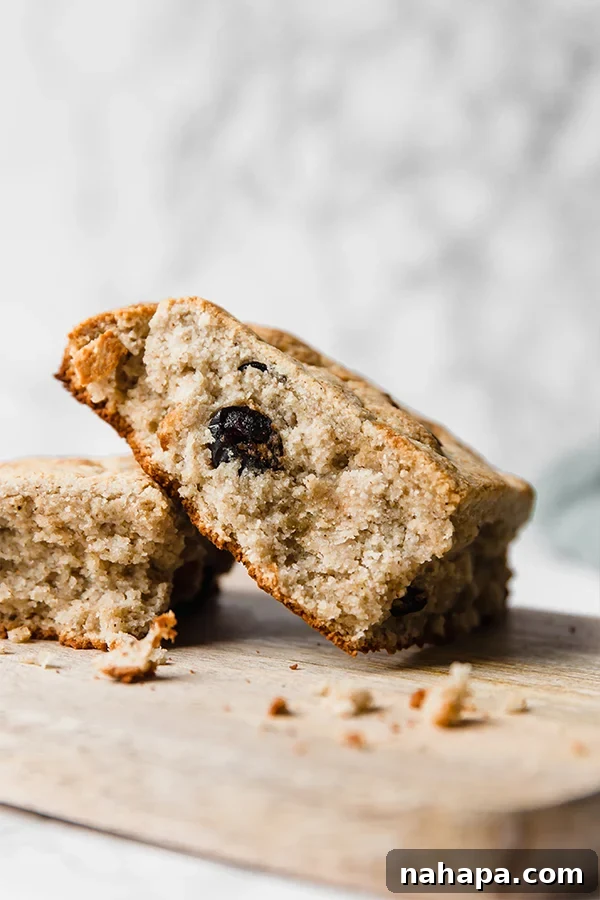
Before diving into our special paleo adaptation, it’s worth understanding the essence of traditional Irish Soda Bread. This beloved bread gets its name from its primary leavening agent: baking soda (bicarbonate of soda). Unlike yeast breads, which require time for fermentation, soda bread is a quick bread. It relies on the chemical reaction between baking soda and an acidic ingredient, typically buttermilk, to create carbon dioxide bubbles, causing the bread to rise. This method produces a dense yet tender crumb, often with a slightly crumbly texture and a distinctive tangy flavor.
Historically, Irish Soda Bread became popular in Ireland during the mid-19th century when baking soda and soft wheat flour became widely available. It was a staple in many households, simple to make with readily accessible ingredients, and provided a nourishing bread that could be prepared quickly. The iconic cross carved into the top of the loaf isn’t just for decoration; it traditionally allowed the bread to cook more evenly and, according to folklore, let the “fairies out” or brought good luck to the baker.
Why Choose Paleo & AIP Irish Soda Bread?
For those navigating food sensitivities, allergies, or autoimmune conditions, traditional Irish Soda Bread, with its wheat flour and buttermilk, is typically off-limits. This is where our paleo and AIP-friendly version steps in. The Autoimmune Protocol (AIP) is a stricter form of the Paleo diet designed to reduce inflammation and support healing in individuals with autoimmune diseases. It excludes common inflammatory foods such as grains, dairy, eggs, nuts, seeds, nightshades, and legumes.
Creating an AIP-compliant bread can be challenging, as many staple baking ingredients are restricted. However, this recipe thoughtfully replaces these ingredients with nourishing alternatives, allowing you to enjoy a comforting loaf without triggering adverse reactions. This bread is:
- **Grain-Free:** Utilizing alternative flours like tigernut and coconut flour.
- **Dairy-Free:** Replacing buttermilk with a homemade coconut milk “buttermilk” substitute.
- **Nut-Free:** Tigernut flour, despite its name, is a tuber, not a nut, making this recipe safe for those with nut allergies.
- **Optionally Egg-Free:** A gelatin egg substitute provides the necessary binding for an AIP-compliant version.
This means you can savor the warmth and tradition of Irish Soda Bread, knowing it supports your health and dietary needs. It’s a testament to how delicious and satisfying allergen-friendly baking can be!
Essential Ingredients for Your Paleo Irish Soda Bread
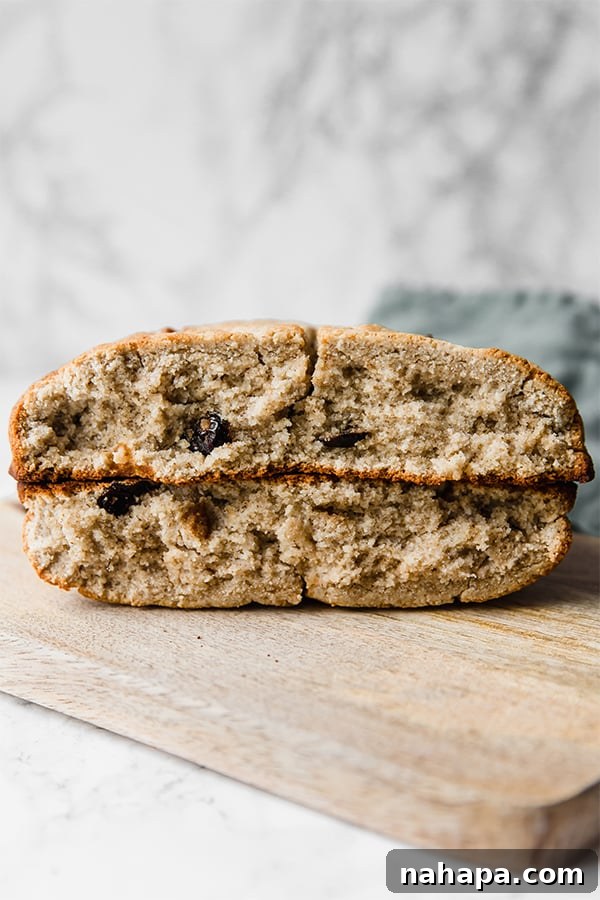
Crafting a delicious grain-free and dairy-free bread requires a careful selection of ingredients to achieve the right texture and flavor. Here’s a closer look at the key components you’ll need for this Paleo Irish Soda Bread:
Tigernut Flour, Coconut Flour, and Arrowroot Starch: The Gluten-Free Flour Blend
This unique blend of flours is crucial for achieving the perfect texture in our soda bread. Each flour plays a specific role:
- Tigernut Flour: Despite its name, tigernut flour comes from a root vegetable (tuber), not a nut, making it an excellent allergen-friendly option. It lends a slightly sweet, earthy flavor and contributes to a wonderfully soft and slightly crumbly texture, reminiscent of traditional soda bread. Its unique starch structure helps create a delicate crumb.
- Coconut Flour: Known for its exceptional absorbency, coconut flour is vital for balancing the moisture in this recipe. It helps create a firm yet tender loaf, preventing it from becoming too dense or wet. Because of its high absorbency, it cannot be directly substituted with other flours; doing so would drastically alter the recipe’s liquid ratios and texture.
- Arrowroot Starch: This gluten-free starch acts as a binder and helps create a lighter, more tender crumb. It contributes to the bread’s overall structure and gives it a desirable crispy exterior. While I haven’t tested other flours extensively, tapioca starch (also known as tapioca flour) can typically be used as a 1:1 substitute for arrowroot starch if you have it on hand.
Together, these flours create a harmonious blend that mimics the best qualities of wheat-based bread while remaining completely grain-free.
Coconut Milk and Apple Cider Vinegar: Our Dairy-Free “Buttermilk”
Traditional Irish Soda Bread relies on buttermilk for its characteristic tangy flavor and its acidic reaction with baking soda. To recreate this essential component in our dairy-free version, we combine full-fat coconut milk with apple cider vinegar. When mixed, the apple cider vinegar curdles the coconut milk slightly, mimicking the acidity and texture of buttermilk. This reaction is crucial for activating the baking soda, ensuring your bread rises beautifully and develops that classic soda bread flavor profile.
Palm Shortening: For the Perfect Cakey Texture
Fat is essential for moisture and texture in baking. In this recipe, palm shortening is my preferred choice. I’ve found that it yields a superior “cakey” texture compared to coconut oil, which can sometimes result in a denser or greasier crumb in similar baked goods. Palm shortening also has a higher melting point, which can contribute to a better structure as the bread bakes. While I haven’t experimented with direct substitutions for palm shortening in this specific recipe, using another solid fat might alter the final texture, so it’s best to stick with palm shortening for optimal results.
Egg or Gelatin Egg: The Binder for Structure
Eggs typically provide structure, moisture, and binding in baked goods. This recipe offers two options:
- Regular Egg: If you tolerate eggs, a single large egg works perfectly to bind the ingredients and contribute to a tender crumb.
- Gelatin Egg (for AIP and Egg-Free): For those following AIP or avoiding eggs, a gelatin egg is an excellent substitute. It acts as a binder, helping the dough hold together. This is prepared by blooming gelatin in water and then gently heating it until liquid, then vigorously whisking until frothy before adding to the dough. This method ensures the bread maintains its structure without compromising on dietary needs.
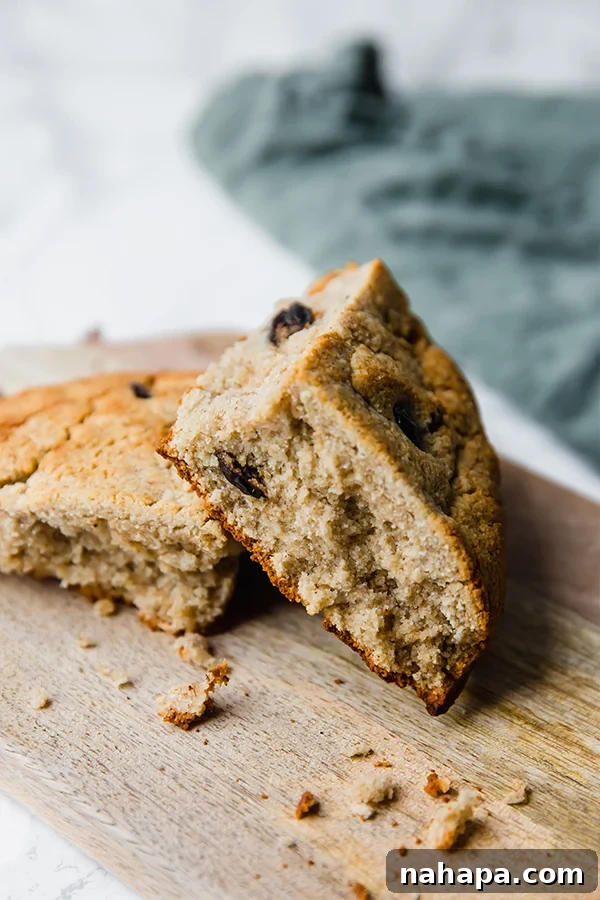
Optional Add-Ins: Raisins or Dried Currants
Many traditional Irish Soda Bread recipes include dried fruit like raisins or currants, adding a touch of sweetness and bursts of flavor. This recipe incorporates 3 tablespoons of raisins or dried currants, which are AIP-compliant and provide a lovely contrast to the rustic bread. If you prefer a plain loaf or are not a fan of dried fruit, feel free to omit them. However, they do add an authentic touch to this holiday classic!
Baking Tips for the Perfect Paleo Irish Soda Bread
Baking gluten-free and allergen-friendly breads can sometimes feel a bit different from traditional baking, but with a few simple tips, you’ll achieve perfect results every time:
- Measure Accurately: Especially with gluten-free flours like coconut and tigernut, precise measurements are crucial. Use a kitchen scale for the most accurate results, particularly for flours and starches.
- Don’t Overmix: Unlike yeast doughs that benefit from kneading, quick breads like soda bread can become tough if overmixed. Mix until just combined to ensure a tender crumb.
- Proper Palm Shortening Incorporation: “Cutting in” the palm shortening means incorporating cold, solid fat into the dry ingredients until it forms small, pea-sized crumbs. This method creates pockets of fat that steam during baking, contributing to a flaky and tender texture.
- The Cross Score: Scoring a cross on top of the loaf isn’t just traditional; it helps the bread bake more evenly and prevents it from cracking haphazardly. Use a sharp knife and make a deep cut, extending almost to the edges.
- Cool Completely: Gluten-free breads often continue to set and firm up as they cool. Resist the urge to slice into your delicious loaf immediately. Allow it to cool on a wire rack for at least 20 minutes (or longer) for the best texture and to prevent a gummy interior.
- Gelatin Egg Technique: If using the gelatin egg, ensure the gelatin is fully dissolved and then vigorously whisked until frothy. Immediately add it to your dough mixture, as it will start to set quickly.
Serving Suggestions and Storage
Once cooled, this Paleo Irish Soda Bread is incredibly versatile and can be enjoyed in many ways. It’s fantastic on its own, with its subtle sweetness and rustic flavor. For a truly indulgent experience, spread it with a generous dollop of dairy-free butter or ghee, and perhaps a spoonful of your favorite fruit jam or marmalade. It also pairs wonderfully with a cup of tea or coffee for a comforting breakfast or afternoon snack.
Thinking beyond the sweet? This bread can also complement savory dishes. Serve it alongside a hearty stew, a warming bowl of soup, or even with some homemade salmon pâté for a delightful spread. Its mild flavor won’t overpower, but rather enhance, your meal.
To store your Paleo Irish Soda Bread, allow it to cool completely before wrapping it tightly in plastic wrap or placing it in an airtight container. It will stay fresh at room temperature for 2-3 days. For longer storage, slice the bread and freeze individual slices in an airtight container or freezer bag. When ready to enjoy, simply toast directly from frozen or thaw at room temperature. This ensures you always have a wholesome and delicious treat on hand!
If you like this recipe, check these out…
- Orange Cranberry Scones: Another delightful and easy-to-make treat.
- Shamrock Shake Smoothie: A refreshing and healthy twist on a classic St. Patrick’s Day drink.
- Carrot Cake Cookies: A delicious and nutritious cookie option.
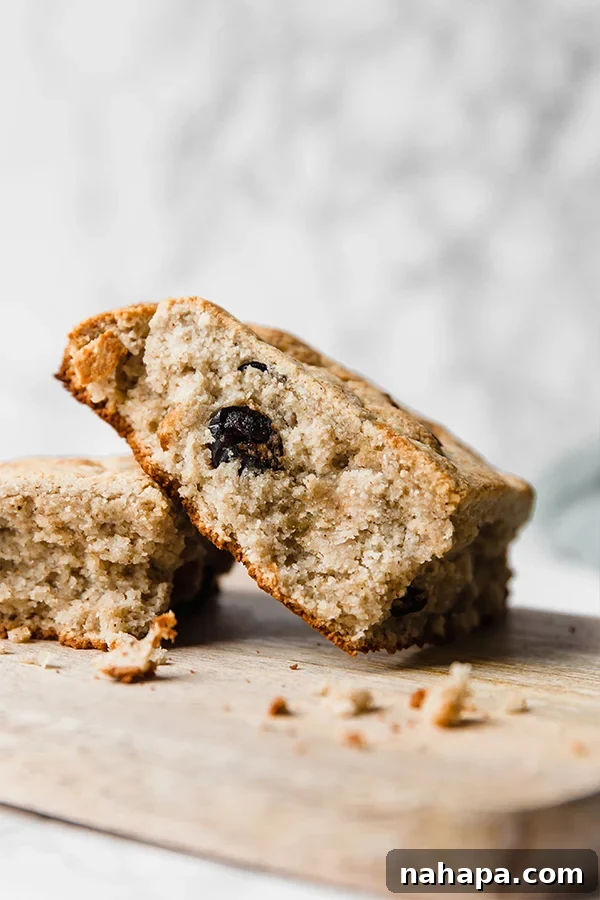
Paleo Irish Soda Bread
4-6 servings
30 mins
25 mins
Michelle
Leave a Review
Pin Recipe
Want to save this for later?
Sign up for our newsletter below to get exclusive recipes and wellness tips delivered straight to your inbox! ✉️
(Note: The original dynamic form has been simplified for static HTML. Please refer to the original website for full functionality.)
Ingredients
- ½ cup full-fat coconut milk
- 2 tsp apple cider vinegar
- 1 cup tigernut flour
- ½ cup coconut flour
- ¼ cup arrowroot starch
- ¾ tsp baking soda
- ⅓ cup palm shortening, chilled and cut into pieces
- 2 tsp honey (omit for stricter AIP, or use maple syrup if tolerated)
- 1 egg, or substitute a gelatin egg for AIP (see instructions below)
- 3 tbsp raisins or dried currants (optional, but recommended for flavor)
For the Gelatin Egg (AIP & Egg-Free Option):
- ¼ cup water
- 1 tbsp gelatin
Instructions
- Preheat your oven to 350°F (175°C) and line a baking sheet with parchment paper.
- In a small bowl, mix the coconut milk with the apple cider vinegar. Let it sit for 5-10 minutes to curdle slightly (this creates our “buttermilk” substitute). Set aside.
- In a large mixing bowl, combine the dry ingredients: tigernut flour, coconut flour, arrowroot starch, and baking soda. Whisk well to ensure they are thoroughly mixed and there are no clumps.
- Add the chilled palm shortening pieces to the dry ingredients. Using your fingers or a pastry blender, cut in the palm shortening until the mixture resembles coarse crumbs.
- Pour in the honey and the coconut milk-apple cider vinegar mixture. Stir well with a spoon to start forming a cohesive dough.
- If using a regular egg, mix it into the dough now. If making a gelatin egg for an AIP or egg-free version, prepare it according to the notes below and then immediately mix it into the dough.
- Once the dough is mostly formed, gently fold in the raisins or dried currants (if using) until they are evenly distributed throughout the dough.
- Transfer the dough onto the prepared baking sheet. Form the dough into a round, slightly flattened loaf, about 1.5-2 inches thick. Using a sharp knife, score a deep cross shape into the top of the bread, extending almost to the edges.
- Bake in the preheated oven for 23-25 minutes, or until the top turns a light golden brown and a wooden skewer inserted into the center comes out clean.
- Carefully transfer the baked loaf to a wire cooling rack and allow it to cool completely for at least 20 minutes before slicing and enjoying. Cooling is essential for the bread to set properly.
Notes
Nutrition Facts (Estimated per serving):
- Serving: 1 slice
- Calories: 328 kcal
- Carbohydrates: 30.3g
- Protein: 7.8g
- Fat: 20.7g
- Fiber: 11g
Did you Make this Recipe?
Tag @unboundwellness on Instagram and hashtag #unboundwellness!
I hope this comprehensive guide and recipe for Paleo Irish Soda Bread brings joy to your St. Patrick’s Day celebrations or any day you crave a comforting, healthy baked good. Enjoy the process of creating this delicious loaf and sharing it with loved ones!