

Irresistible Gluten-Free Gingerbread Cinnamon Rolls: AIP & Grain-Free Sweet Potato Perfection
There’s nothing quite like the comforting aroma and indulgent taste of freshly baked cinnamon rolls, especially during the festive holiday season. Imagine the warmth of gingerbread spices mingling with sweet, gooey cinnamon filling, all wrapped in a soft, pillowy dough. For those navigating dietary restrictions, particularly gluten, grains, eggs, or adhering to the Autoimmune Protocol (AIP), this dream can often seem out of reach. But prepare to be delighted, because these gluten-free gingerbread cinnamon rolls are here to revolutionize your holiday baking!
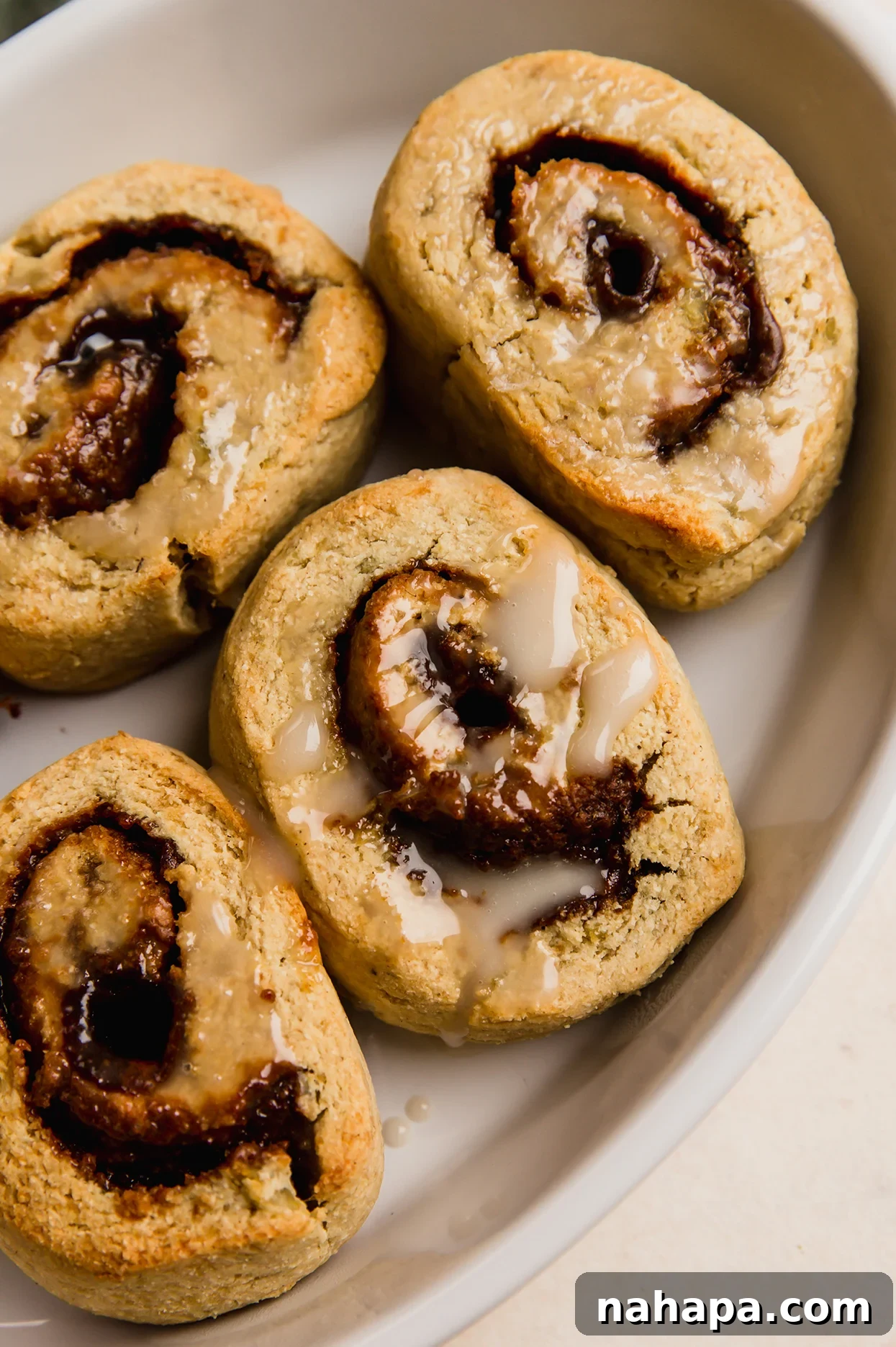
Crafted with a unique Japanese sweet potato dough, these rolls are not only completely grain-free and AIP-compliant but also egg-free, ensuring that almost everyone can enjoy a taste of this holiday magic. They deliver on all fronts: the soft texture, the rich gingerbread flavor, and the irresistible sweetness you crave in a classic cinnamon roll, but with an added healthy twist.
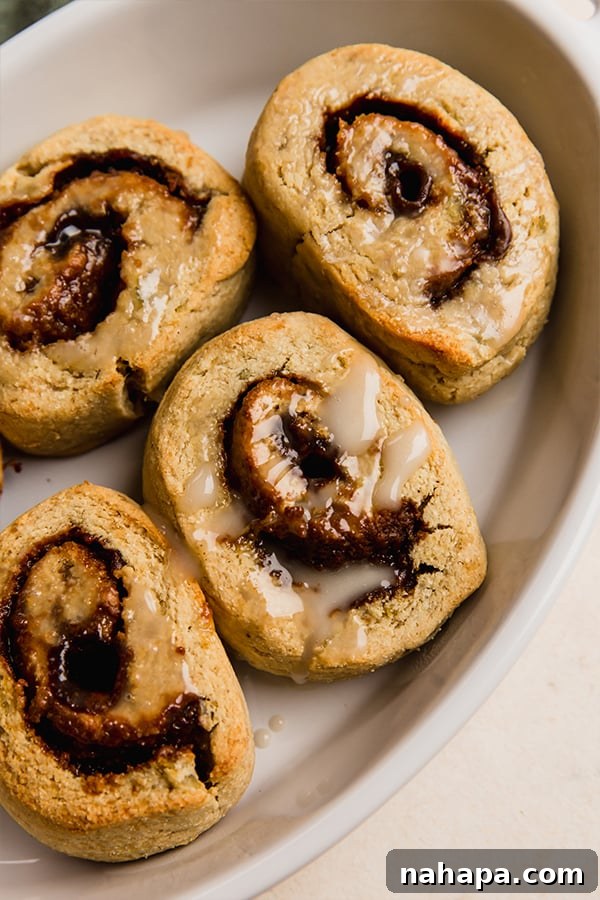
These gingerbread cinnamon rolls are soft, sweet, and taste just like the real deal, with some added holiday flair. They’re also gluten-free, egg-free, grain-free, and AIP.
Table of Contents
- Why You’ll Adore These Gingerbread Cinnamon Rolls
- A Symphony of Holiday Flavors
- Effortless Baking: No Yeast, No Waiting
- Health-Conscious Indulgence: AIP, Gluten-Free & More
- Unbeatable Texture: Soft, Pillowy Perfection
- Unveiling the Magic Ingredients
- The Star: Japanese Sweet Potato
- The Flour Power Trio
- Essential Fats & Sweeteners
- The Spice Blend
- Crafting Your Gingerbread Cinnamon Rolls: A Step-by-Step Guide
- Pro Tips for Flawless Gingerbread Cinnamon Rolls
- Mastering Meal Prep: Enjoy Rolls Anytime!
- Frequently Asked Questions (FAQs)
- Essential Recipe Card: Gluten-Free Gingerbread Cinnamon Rolls
- Explore More Delicious AIP & Gluten-Free Recipes
Why You’ll Adore These Gingerbread Cinnamon Rolls
These aren’t just any cinnamon rolls; they are a celebration of flavor and mindful baking. Here’s why this recipe will become a treasured part of your holiday traditions and beyond:
A Symphony of Holiday Flavors
- Authentic Gingerbread Vibes: The star of this recipe is undoubtedly the gingerbread-infused filling. Molasses brings a deep, rich, and slightly smoky sweetness that is absolutely essential for true gingerbread flavor. Combined with a generous blend of spices like cinnamon and ginger, it creates a warming, aromatic experience that evokes the joyous spirit of the holidays. The filling is perfectly gooey, sweet, and provides that delightful “kick” that sets these rolls apart from traditional cinnamon versions. You’ll wonder why you’ve never thought to combine these two classic flavors before!
Effortless Baking: No Yeast, No Waiting
- No Rise Needed: Say goodbye to long proofing times! Unlike traditional yeast-based cinnamon rolls that demand patience and precise conditions for rising, this recipe comes together quickly. The ingenious sweet potato dough eliminates the need for yeast, meaning you can whip up a batch of these delectable rolls without any waiting around for the dough to rise. This feature makes them ideal for busy mornings or when a sudden craving for a warm, sweet treat strikes.
Health-Conscious Indulgence: AIP, Gluten-Free & More
- Dietary Friendly Excellence: This recipe is a triumph for those with specific dietary needs. It’s completely gluten-free, grain-free, and egg-free, making it accessible for individuals with Celiac disease, gluten sensitivities, or egg allergies. Crucially, it’s also compliant with the Autoimmune Protocol (AIP), a dietary approach designed to reduce inflammation. Finding delicious baked goods that meet such strict criteria can be challenging, but these rolls prove that healthy eating doesn’t mean sacrificing flavor or festive indulgence.
Unbeatable Texture: Soft, Pillowy Perfection
- Pillowy Softness: The secret to their incredible texture lies in the sweet potato dough. Despite being grain and yeast-free, these rolls achieve a remarkably soft, tender, and pillowy crumb that rivals their traditional counterparts. The natural moisture and starchiness of Japanese sweet potatoes contribute significantly to this delightful chewiness, ensuring every bite is a comforting experience.
Unveiling the Magic Ingredients
Creating these perfect gingerbread cinnamon rolls involves a carefully selected blend of ingredients that work in harmony to deliver outstanding flavor and texture while adhering to dietary guidelines. Each component plays a crucial role in the success of this recipe.
The Star: Japanese Sweet Potato
- Japanese Sweet Potato: The foundation of our uniquely textured dough. I adopted this brilliant idea from Grazed & Enthused, whose stromboli recipe I’ve admired for years. Japanese sweet potatoes are distinct from their orange counterparts; they boast a higher starch content and a drier texture when cooked, which is precisely what makes them ideal for gluten-free, grain-free baking. They provide incredible structure and binding power to the dough without imparting an overpowering flavor. You won’t taste sweet potato; you’ll simply taste a perfectly balanced cinnamon roll. While you might be tempted to use other sweet potato varieties, their higher water content can make the dough too wet and difficult to work with, compromising the final texture. For optimal results, stick to Japanese sweet potatoes.
The Flour Power Trio
- Tigernut Flour, Coconut Flour, and Arrowroot Starch: This specific blend of flours is meticulously chosen to achieve the ideal balance of texture, structure, and rise in a grain-free, yeast-free dough.
- Tigernut Flour: Despite its name, tigernut flour is not actually a nut but a tuber, making it safe for those with nut allergies and AIP compliant. It adds a subtle sweetness and a wonderfully rich, slightly chewy texture to the dough.
- Coconut Flour: Known for its high absorbency and fiber content, coconut flour helps to bind the dough and provide structure. It contributes to the soft interior, but its strong absorbency means precise measurement is crucial.
- Arrowroot Starch: This light, fine starch acts as a binder and helps create a tender, soft crumb. It’s excellent for achieving that desired pillowy consistency. If you don’t have arrowroot, tapioca starch (also known as tapioca flour) is a fantastic 1:1 substitute.
I strongly advise against substituting any of these flours individually, as this blend has been extensively tested to work perfectly. Altering the ratios would require significant tweaking to achieve a similar result.
Essential Fats & Sweeteners
- Baking Powder: Our leavening agent for achieving that delightful cakey texture without yeast. It reacts with moisture to create air pockets, making the rolls light and airy.
- Palm Shortening: This solid fat contributes to the rolls’ tender, almost cake-like richness and helps create that desirable flaky texture. While coconut oil might be considered, I haven’t tested it as a direct substitute, and it may alter the final texture due to its different properties.
- Coconut Sugar: A less refined alternative to granulated sugar, coconut sugar offers a caramel-like sweetness that complements the gingerbread flavors beautifully.
- Blackstrap Molasses: A quintessential gingerbread ingredient, blackstrap molasses provides deep, complex flavor notes, a hint of bitterness to balance the sweetness, and a lovely dark hue. It’s also a source of essential minerals like iron and calcium.
- Cinnamon and Ginger: These warming spices are at the heart of the gingerbread flavor profile. Ground cinnamon brings a sweet, woody spice, while ground ginger adds a characteristic zing and warmth.
Crafting Your Gingerbread Cinnamon Rolls: A Step-by-Step Guide
Making these delicious gingerbread cinnamon rolls is a straightforward process, even without yeast. Follow these simple steps to create a batch of delightful, homemade treats. You’ll find full, detailed instructions in the recipe card below.
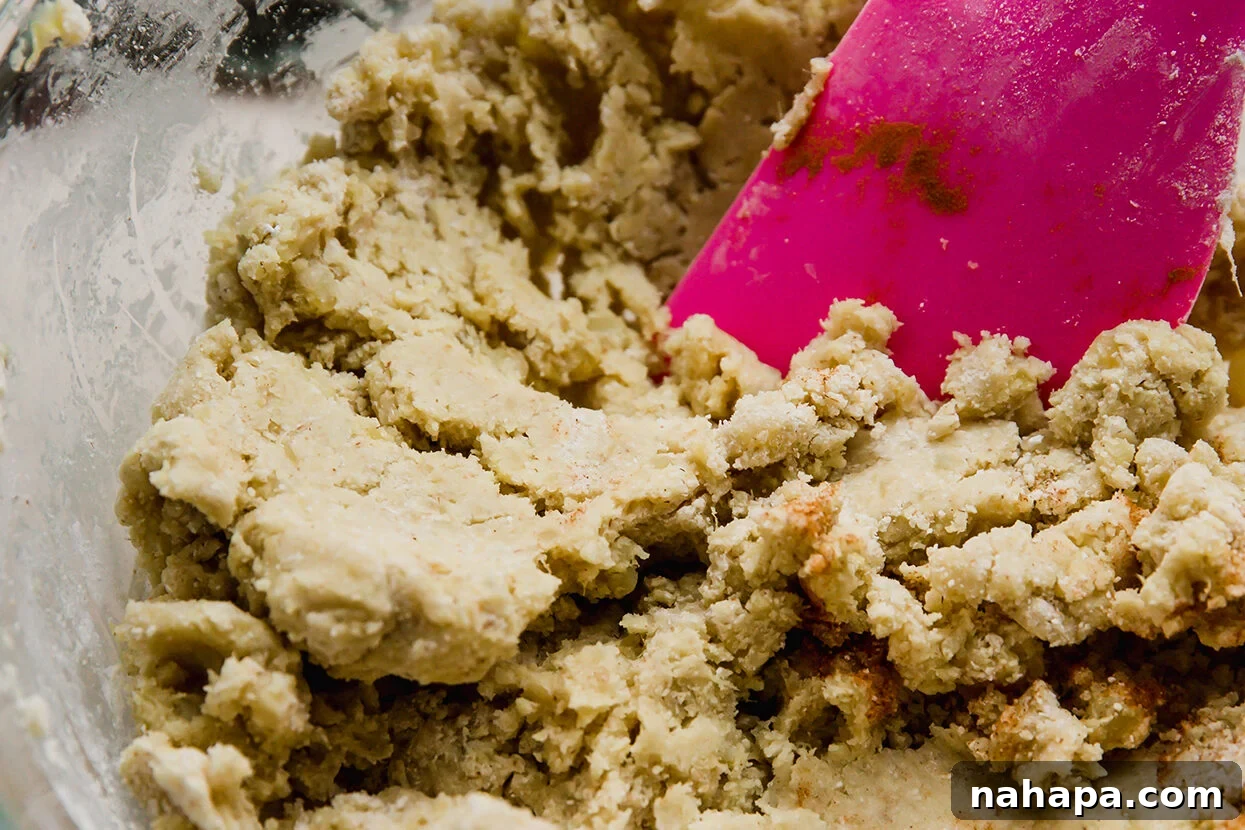
Step one: Prepare the Dough. In a large bowl, combine the wet ingredients (creamed palm shortening, maple syrup, and mashed sweet potato). In a separate bowl, whisk together the dry ingredients (arrowroot starch, coconut flour, tigernut flour, baking powder, and cinnamon). Gradually add the dry mixture to the wet ingredients, stirring until a cohesive, soft dough forms. Avoid overmixing to keep the dough tender.
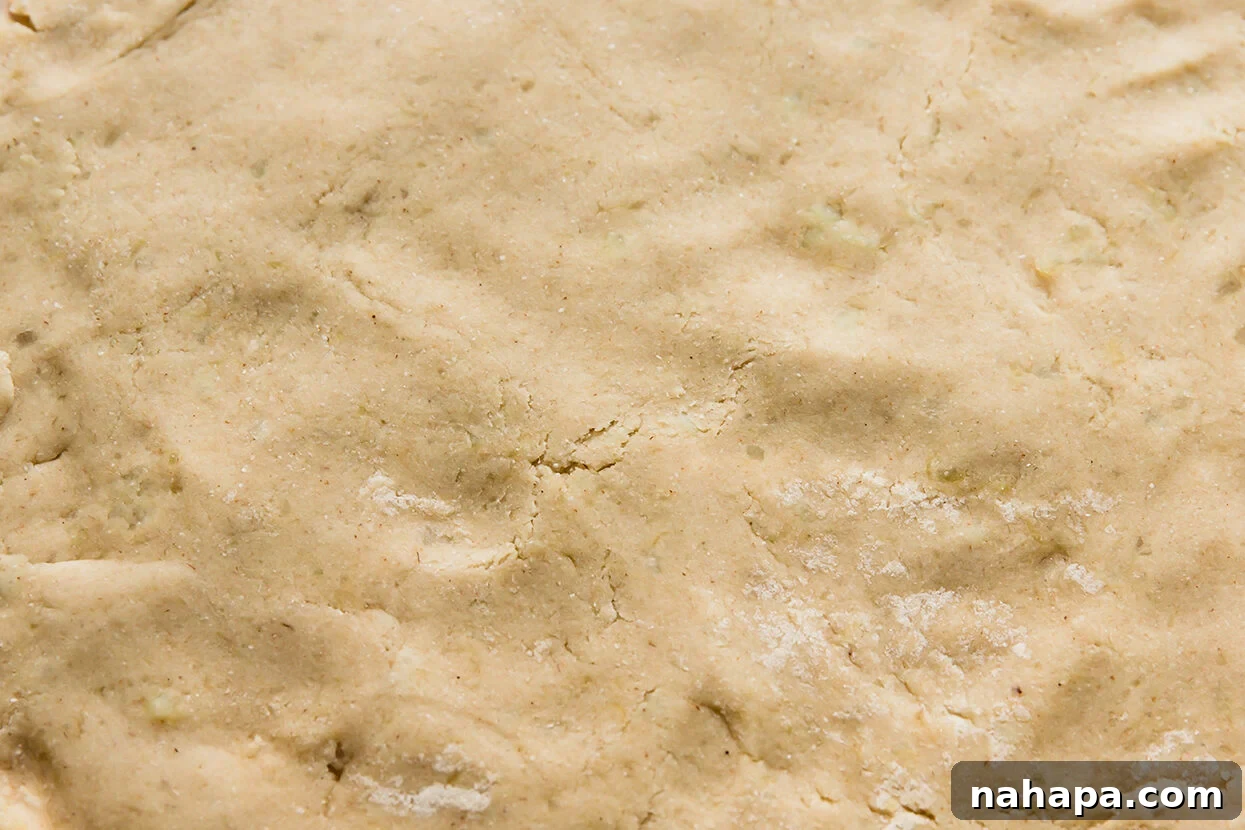
Step two: Roll Out the Dough. Lay out a large piece of parchment paper on a clean work surface and lightly dust it with arrowroot starch to prevent sticking. Transfer the dough to the parchment paper and, using a rolling pin, carefully roll it into a large, even rectangle. Aim for a thickness of approximately 1/4 inch across the entire surface to ensure uniform rolls.
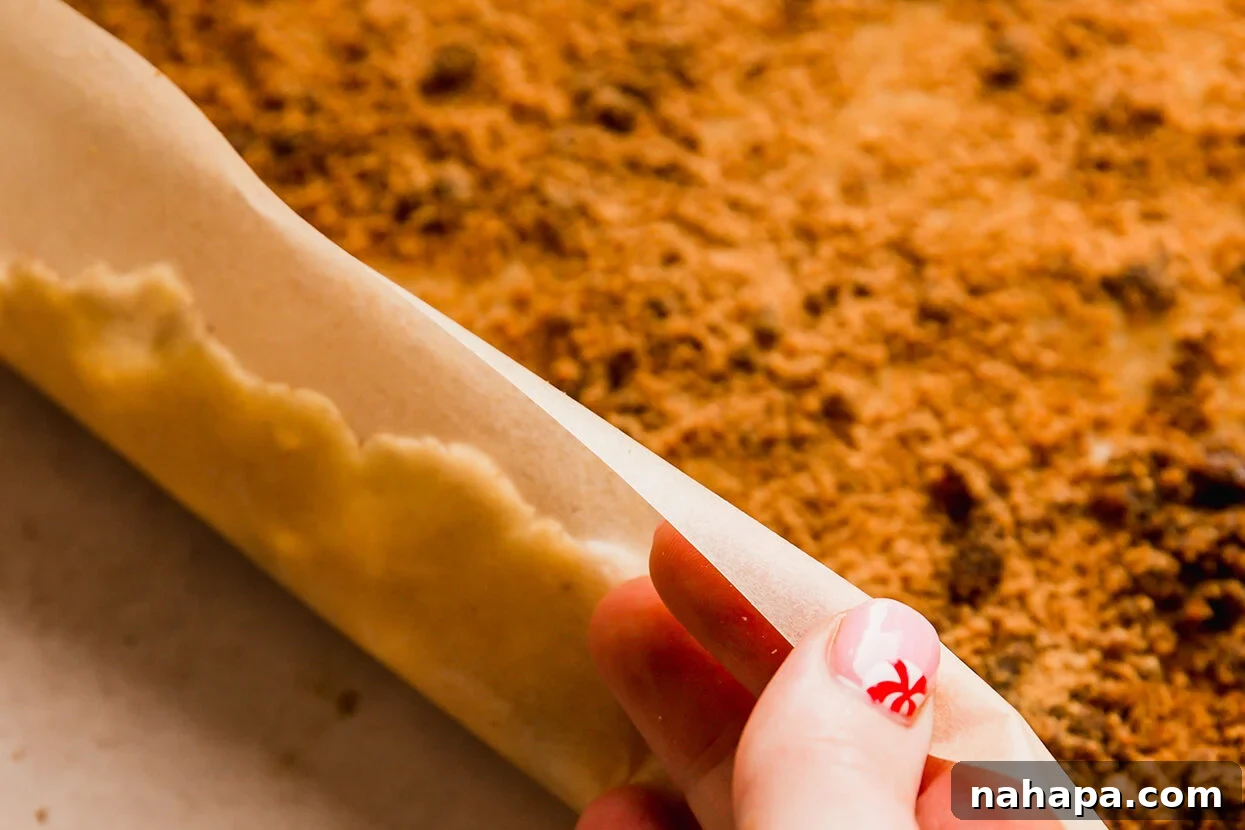
Step three: Fill and Roll. In a small bowl, combine the filling ingredients: coconut sugar, blackstrap molasses, ground ginger, and cinnamon. Mix thoroughly until well combined (some clumping from the molasses is normal). Evenly spread this aromatic filling over the entire surface of the rolled-out dough. Starting from one long edge, use the parchment paper to gently assist you in rolling the dough into a tight cylinder. Roll slowly and carefully, using your fingers to gently patch any small cracks or holes that may appear as you go. The goal is to form a uniform log, approximately 2.5 inches in diameter and 9 inches long.
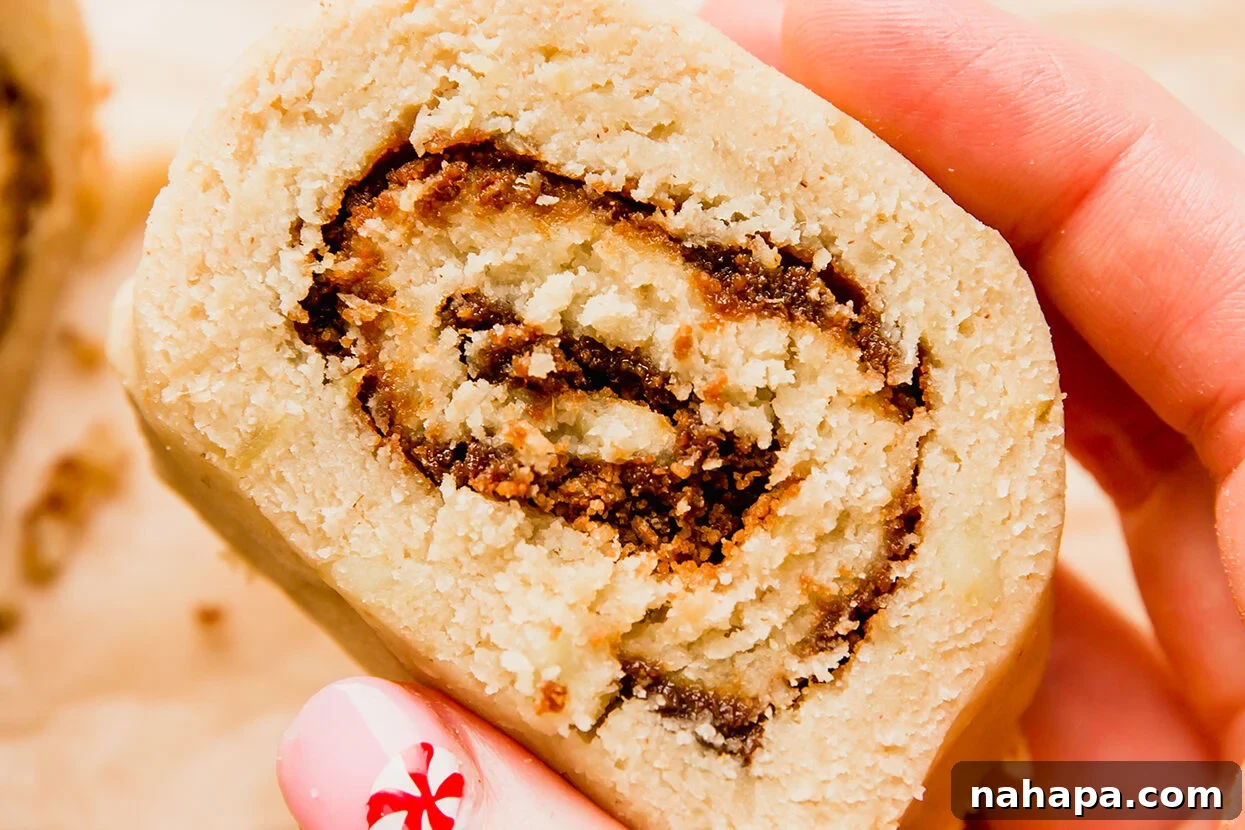
Step four: Slice the Rolls. The best trick for perfectly shaped cinnamon rolls is to use unflavored dental floss. Slide a piece of floss under the log, cross the ends over the top, and pull firmly to slice through the dough. This method creates clean cuts without squishing the delicate layers. Repeat to cut the log into approximately 8 evenly sized cinnamon rolls.
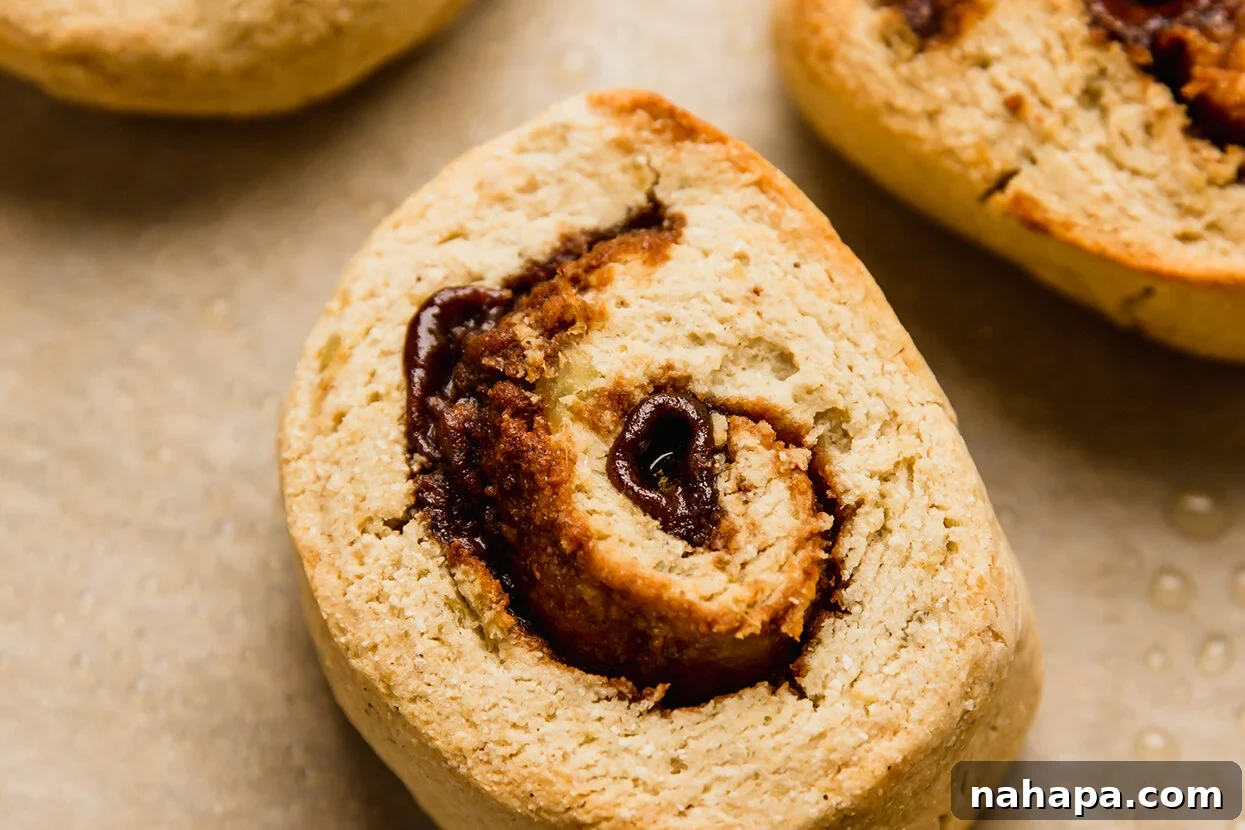
Step five: Bake to Golden Perfection. Arrange the sliced cinnamon rolls onto a baking sheet lined with lightly greased parchment paper, ensuring they are evenly spaced. You can lightly brush or spray them with a little coconut oil before baking to help achieve a beautiful golden crust. Transfer the baking sheet to your preheated oven and bake for 30-35 minutes, or until the rolls are golden brown and firm to the touch.
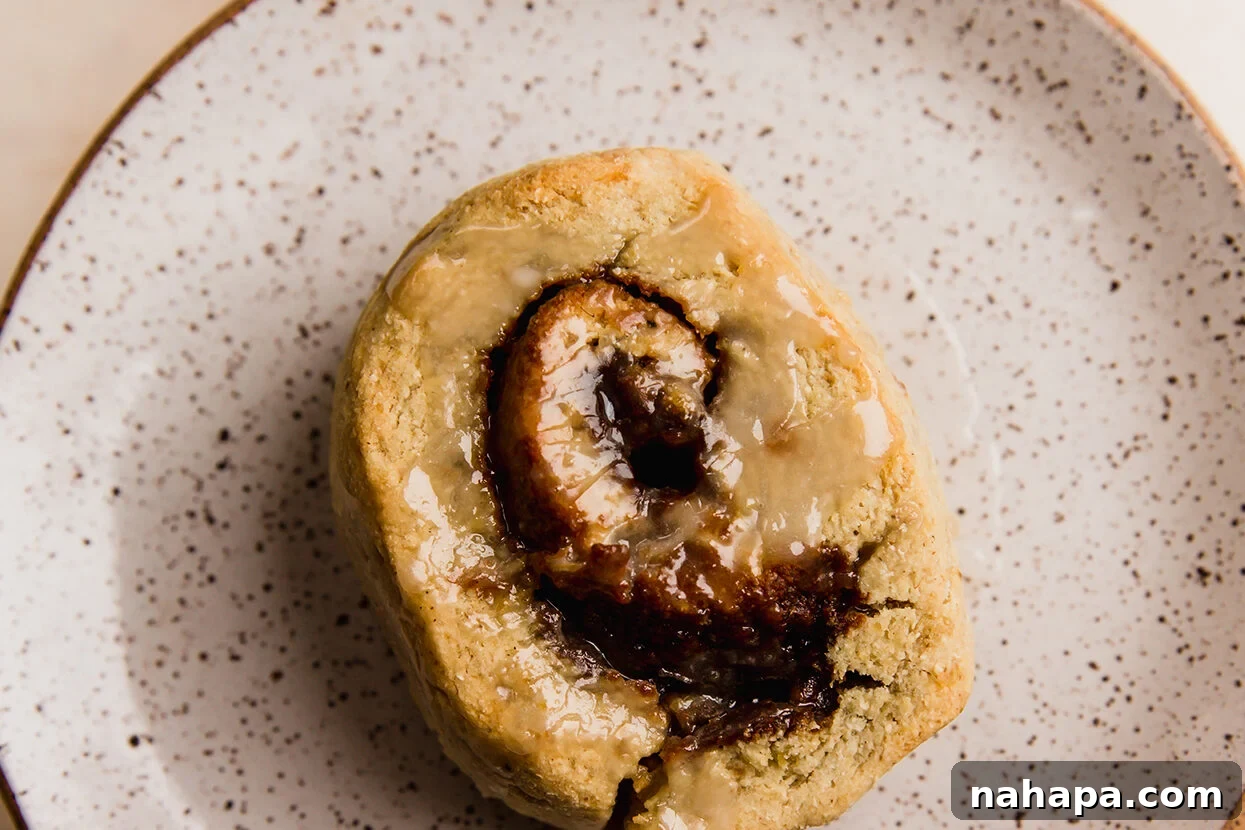
Step six: Frost and Enjoy! Once baked, remove the cinnamon rolls from the oven and allow them to cool slightly on the baking sheet. While still warm, generously drizzle them with melted coconut butter for a simple, delicious, and AIP-friendly icing. Serve immediately and savor every soft, sweet, and spicy bite!
Pro Tips for Flawless Gingerbread Cinnamon Rolls
Achieving bakery-quality gingerbread cinnamon rolls at home, especially with dietary restrictions, is easier with a few expert insights:
- Stick with Japanese Sweet Potato: This is a non-negotiable for the best results. Other sweet potato varieties (like orange Garnet or Jewel yams) have a higher water content and different starch compositions. Using them may result in a dough that is too wet, sticky, and difficult to handle, affecting the overall texture and success of your rolls.
- Mind Your Flour Brands: While specific brands aren’t always crucial, some coconut flours can be more or less absorbent than others. For consistency and the most reliable outcome, I recommend using Anthony’s Coconut Flour, which I’ve thoroughly tested with this recipe. If using a different brand, you might need slight adjustments to the liquid content.
- The Unflavored Floss Trick: This isn’t just a suggestion; it’s a game-changer! Using unflavored dental floss to cut your rolls ensures clean, even slices without squishing the delicate dough layers and displacing the filling. Whatever you do, definitely avoid mint-flavored floss unless you’re aiming for very unique, festive results!
- Don’t Overmix the Dough: Once the wet and dry ingredients are combined, mix just until a dough forms. Overmixing can develop any inherent gluten-like structures in the flours and make the rolls tougher.
- Perfect Baking Time: Keep a close eye on your rolls in the oven. Baking times can vary slightly depending on your oven and the thickness of your rolls. They should be golden brown and firm when lightly pressed, but not overly hard, which would indicate overbaking.
- Icing Options: While melted coconut butter provides a delicious and AIP-compliant topping, feel free to experiment with a simple maple glaze (maple syrup + arrowroot starch + a splash of water) if your diet allows and you prefer a different consistency.
Mastering Meal Prep: Enjoy Rolls Anytime!
While these yeast-free cinnamon rolls come together relatively quickly, a little preparation can make holiday mornings even more effortless. Unlike traditional cinnamon rolls that can be left raw overnight, this sweet potato dough dries out if prepped too far in advance in its uncooked state. Here are my recommendations for prepping ahead to ensure fresh, delicious rolls without the morning rush:
- Prep the Mashed Sweet Potato Ahead of Time: The most time-consuming part of this recipe is preparing the mashed Japanese sweet potato. You can cook, peel, and mash the sweet potatoes up to 2-3 days in advance. Store the mashed sweet potato in an airtight container in the refrigerator. This way, in the morning, you only need to assemble the dough and filling, significantly cutting down your active prep time.
- Cook the Rolls the Night Before and Reheat: These rolls hold their freshness surprisingly well! Bake them completely the evening before, allow them to cool, and store them in an airtight container at room temperature or in the fridge overnight. In the morning, gently reheat them in a warm oven (around 250-300°F or 120-150°C) for 10-15 minutes, or until warmed through. This will bring back their soft texture and delightful aroma. Add the icing just before serving after reheating.
- Freezing Baked Rolls: For longer storage, you can freeze fully baked and cooled cinnamon rolls. Wrap individual rolls tightly in plastic wrap, then place them in a freezer-safe bag or container. They will keep well for up to 2-3 months. To enjoy, thaw them overnight in the refrigerator, then reheat as described above.
- Avoid Freezing Raw Dough: This dough does not perform well when frozen raw. The unique blend of flours and the moisture from the sweet potato means it’s best to prepare and bake the rolls fresh or freeze them after baking.
Frequently Asked Questions (FAQs)
Absolutely! That’s the beauty and ingenuity of this particular recipe. The dough is expertly formulated using Japanese sweet potato and a specific blend of gluten-free flours to create a naturally soft and pillowy texture without the need for traditional yeast. This means no proofing, no waiting for the dough to rise, and a quicker path to delicious homemade cinnamon rolls!
Yes, cinnamon is indeed AIP compliant. It’s a foundational spice in many AIP-friendly recipes, valued for its warmth and flavor without causing inflammatory reactions for most individuals following the Autoimmune Protocol. Rest assured, these gingerbread cinnamon rolls are entirely AIP-friendly.
For the dough, maple syrup is recommended for its liquid consistency and mild flavor. In the filling, coconut sugar and blackstrap molasses are key for the distinct gingerbread taste. While you might experiment with other AIP-compliant liquid sweeteners like honey for the dough, altering the filling’s sugar/molasses ratio could change the classic gingerbread profile and consistency. Always test small batches if making substitutions.
Leftover baked cinnamon rolls should be stored in an airtight container at room temperature for up to 2 days, or in the refrigerator for up to 3-4 days. For optimal freshness and warmth, gently reheat them in a low oven (around 250-300°F or 120-150°C) for a few minutes before serving.
Yes, this recipe is completely egg-free. The Japanese sweet potato and the carefully balanced flour blend provide the necessary binding and structure without the need for eggs, making them suitable for those with egg allergies or sensitivities.
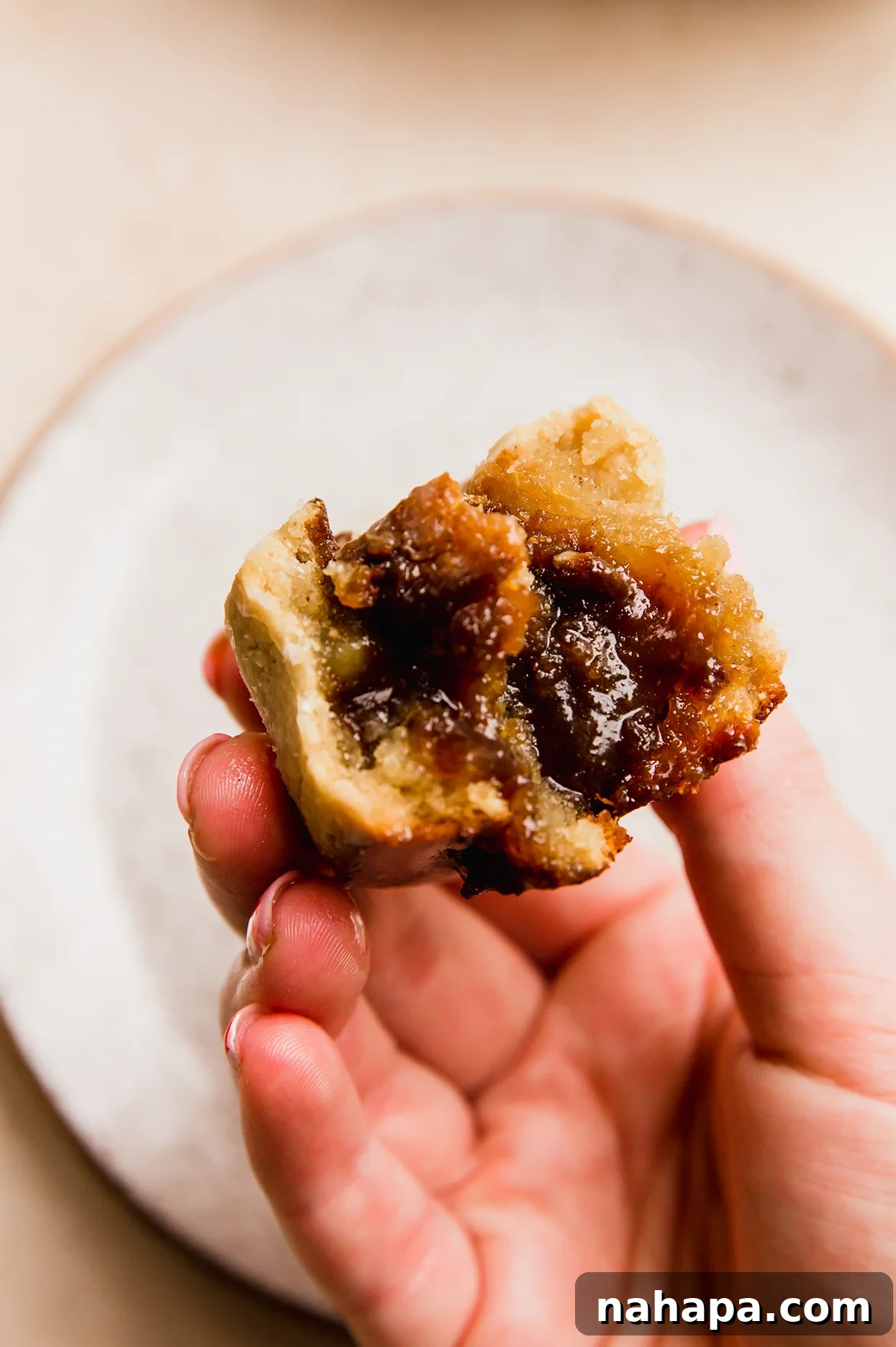
Essential Recipe Card: Gluten-Free Gingerbread Cinnamon Rolls
AIP Gingerbread Cinnamon Rolls
Leave a Review
Pin Recipe
Want to save this for later? Just drop your name and email below, and we’ll email it right to your inbox! ✉️
Ingredients
For the cinnamon rolls
- ¼ cup palm shortening
- ⅓ cup maple syrup
- 1 & 1/2 cup mashed Japanese sweet potatoes
- ½ cup arrowroot starch
- ½ cup coconut flour
- ¼ cup tigernut flour
- 1 tsp baking powder
- 1 tbsp gelatin
- 1 tsp cinnamon
For the filling & topping
- 5 tbsp coconut sugar
- 1 tbsp blackstrap molasses
- 1 tsp cinnamon
- ¾ tsp ground ginger
- 2 tbsp coconut butter, melted
Instructions
- Preheat the oven to 375°F (190°C) and line a large baking sheet with lightly greased parchment paper.
- Using a large bowl, cream the palm shortening and maple syrup together until smooth. Add the mashed Japanese sweet potato and stir well to combine thoroughly.
- In a separate medium bowl, combine all the dry ingredients for the dough: arrowroot starch, coconut flour, tigernut flour, baking powder, gelatin, and 1 teaspoon of cinnamon. Whisk them together until evenly distributed.
- Gradually pour the dry ingredient mixture into the bowl with the wet ingredients. Stir everything together with a sturdy spoon or your hands until a soft, cohesive dough forms. Avoid overmixing.
- Prepare a large piece of parchment paper on your work surface and lightly dust it with arrowroot starch. Transfer the dough to the parchment paper and use a rolling pin to roll it out into a large rectangle, aiming for a thickness of about 1/4 inch (approximately 0.6 cm).
- For the filling, combine coconut sugar, blackstrap molasses, 1 teaspoon of cinnamon, and ground ginger in a small bowl. Stir until well combined. The molasses may cause the sugar to clump slightly, which is perfectly normal. Pour this filling mixture evenly over the rolled-out dough and spread it all the way to the edges with your hands.
- Using the parchment paper to assist you, carefully and slowly roll up the dough from one long edge into a tight cylinder. As you roll, use your fingers to gently patch any small holes or cracks that may form. The finished cylinder should be approximately 2.5 inches (6.3 cm) in diameter and 9 inches (23 cm) long.
- To cut the cinnamon rolls, slide a piece of unflavored dental floss under the dough log. Cross the ends of the floss over the top of the log and pull firmly to slice through. Repeat this process to cut the log into about 8 evenly sized cinnamon rolls.
- Place the cut cinnamon rolls onto the prepared baking sheet, ensuring they are evenly spaced apart. You can lightly brush or spray the tops with a little coconut oil if desired for a richer golden crust. Transfer the baking sheet to the preheated oven and bake for 30-35 minutes, or until the rolls are golden brown and feel firm to the touch.
- Remove the cinnamon rolls from the oven and let them cool on the baking sheet for a few minutes. While still warm, drizzle generously with melted coconut butter for a simple and delicious AIP-friendly icing. Serve immediately and enjoy your homemade gingerbread cinnamon rolls!
Notes
Serving: 1 cinnamon roll, Calories: 249 kcal, Carbohydrates: 38.7 g, Protein: 2.6 g, Fat: 10.4 g, Fiber: 4.5 g

Explore More Delicious AIP & Gluten-Free Recipes
If you loved these gingerbread cinnamon rolls, you’ll be thrilled to discover more delicious and dietary-friendly recipes to expand your repertoire:
- Classic AIP Cinnamon Rolls: For those who prefer the timeless cinnamon flavor without the gingerbread twist.
- Paleo Sweet Potato Gingerbread: Another fantastic use of sweet potato to create a moist and flavorful gingerbread treat.
- Gluten-free Gingerbread French Toast: A delightful breakfast option infused with holiday spices.
- AIP Gingerbread Cookies: Classic crispy cookies, perfect for decorating and sharing.
If you tried these Gluten Free Gingerbread Cinnamon Rolls or any other recipe on my blog, please leave a 🌟 star rating and let me know how it went in the 📝 comments below. Your feedback means the world to me! Thanks for visiting!